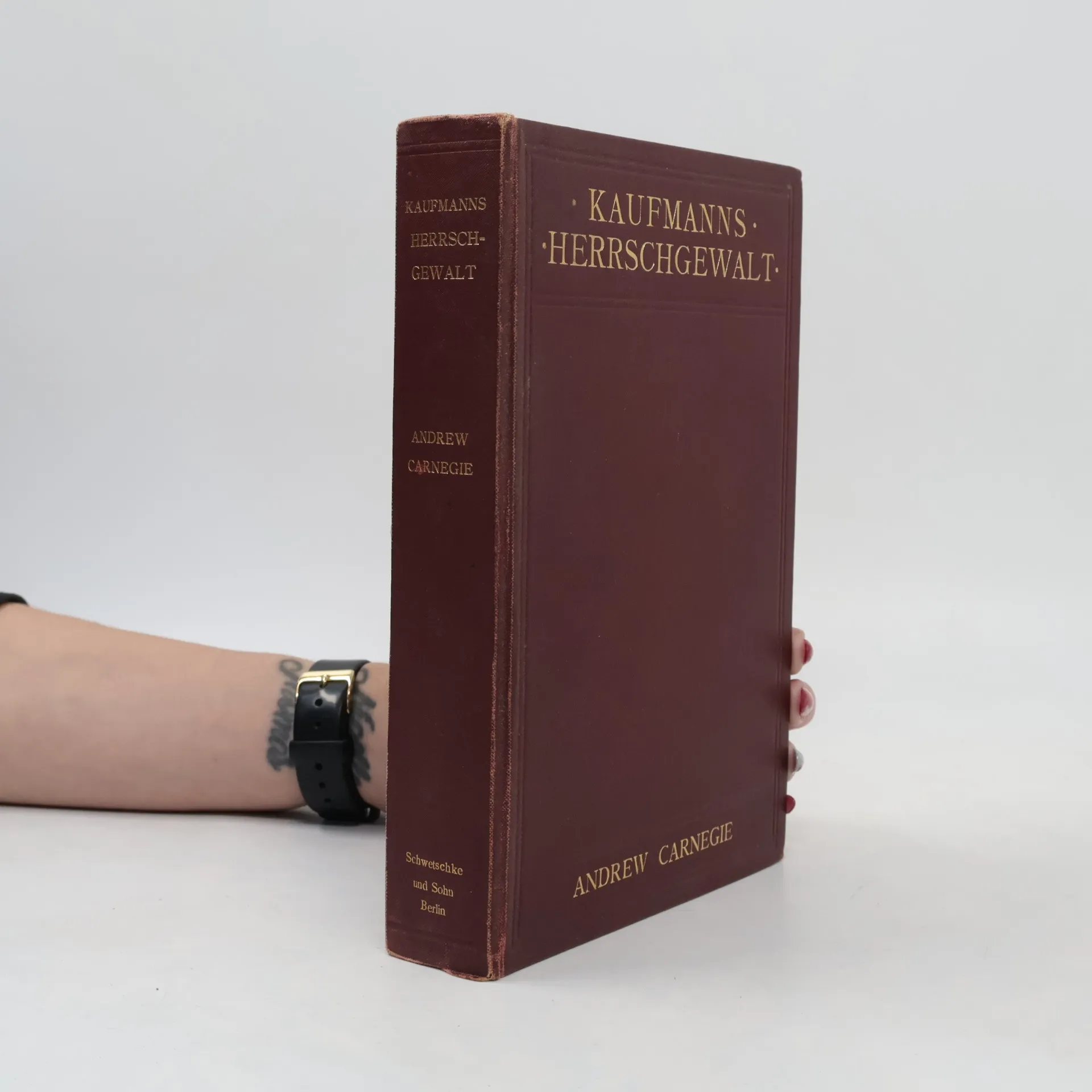
Andrew Carnegie fu un industriale scozzese-americano che guidò l'enorme espansione dell'industria siderurgica americana alla fine del XIX secolo. Emerse come un filantropo di primo piano, avendo un profondo impatto sia sull'America che sull'Impero Britannico. Negli ultimi 18 anni della sua vita, distribuì circa 350 milioni di dollari a enti di beneficenza, fondazioni e università, rappresentando quasi il 90 percento della sua fortuna. Il suo influente articolo del 1889, "Il Vangelo della Ricchezza", esortò gli abbienti a utilizzare le loro fortune per il miglioramento della società, accendendo un'ondata significativa di attività filantropica.
The book emphasizes the pivotal role of free and universal education, alongside political institutions that promote self-respect and ambition, in maintaining the Republic's status as the freest civilized nation. It argues that these elements are crucial in preventing poverty and crime, highlighting the interconnectedness of education, civic values, and societal well-being.
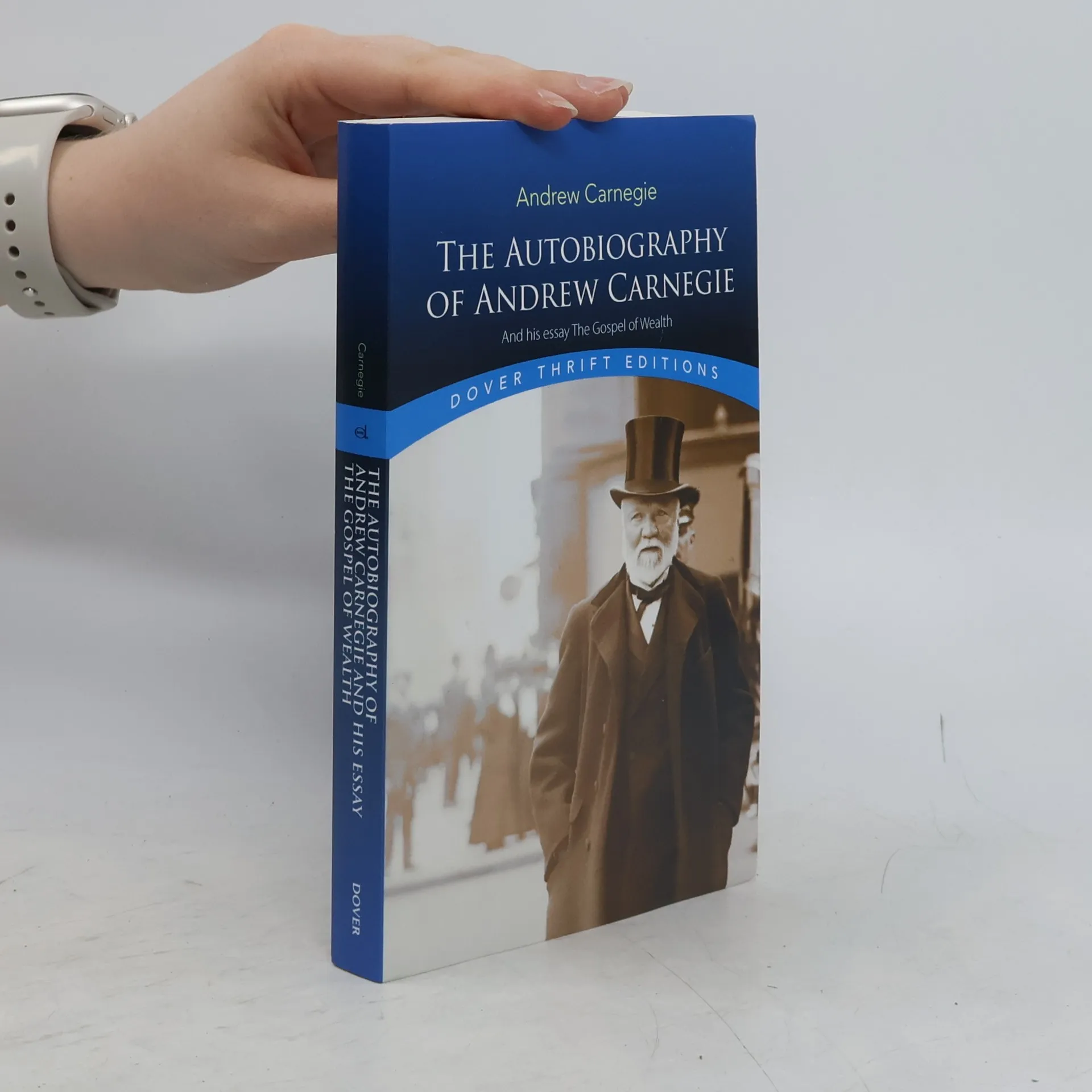
The enlightening memoir of the industrialist as famous for his philanthropy as for his fortune. His good friend Mark Twain dubbed him "St. Andrew." British Prime Minister William Gladstone called him an "example" for the wealthy. Such terms seldom apply to multimillionaires. But Andrew Carnegie was no run-of-the-mill steel magnate. At age 13 and full of dreams, he sailed from his native Dunfermline, Scotland, to America. The story of his success begins with a $1.20-a-week job at a bobbin factory. By the end of his life, he had amassed an unprecedented fortune-and given away more than 90 percent of it for the good of mankind. Here, for the first time in one volume, are two impressive works by Andrew Carnegie himself: his autobiography and "The Gospel of Wealth," a groundbreaking manifesto on the duty of the wealthy to give back to society all of their fortunes. And he practiced what he preached, erecting 1,600 libraries across the country, founding Carnegie Mellon University, building Carnegie Hall, and performing countless other acts of philanthropy because, as Carnegie wrote, "The man who dies thus rich dies disgraced."
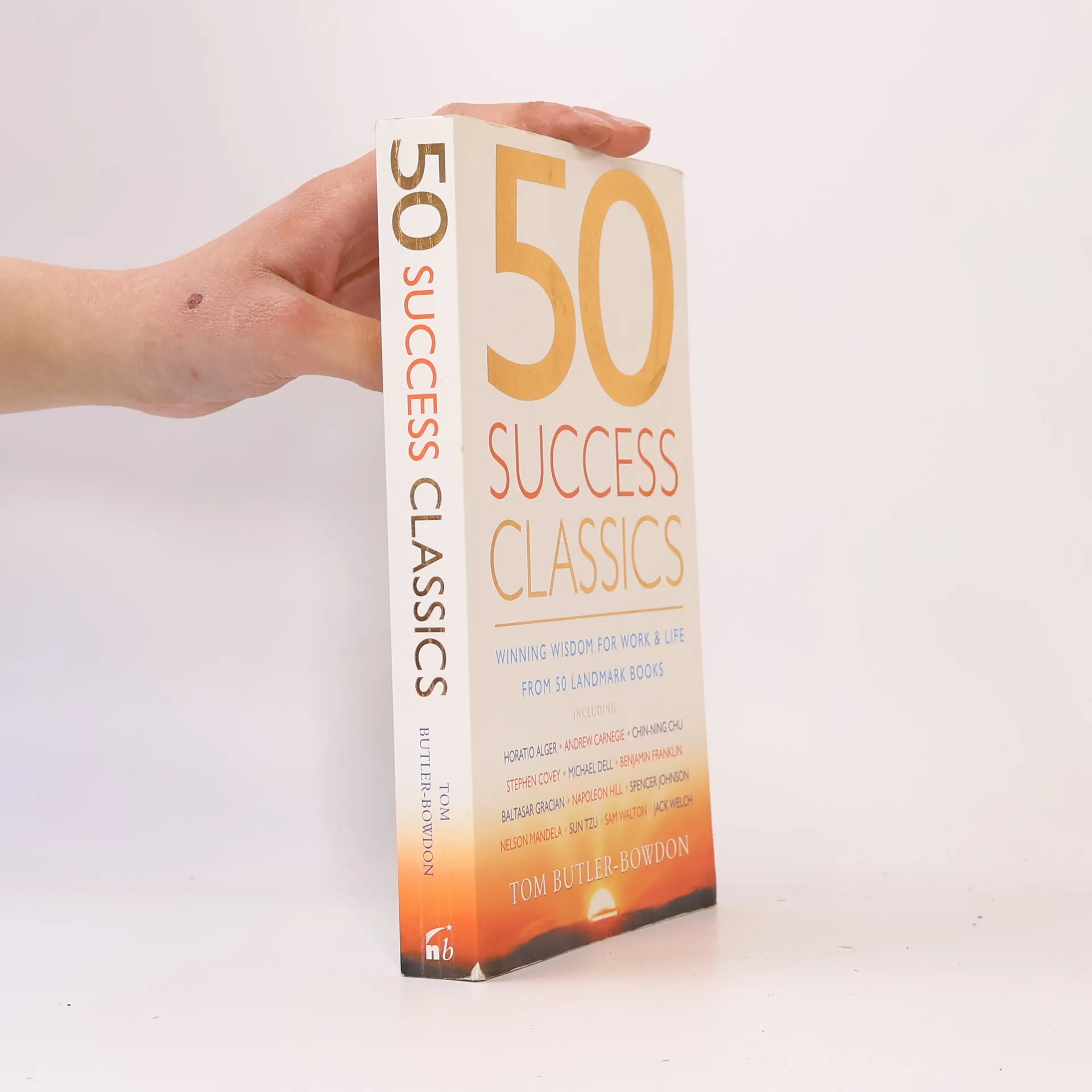
Winning Wisdom for Work & Life from 50 Landmark Books
300pagine
11 ore di lettura
Millions of us are drawn each year to find the one great book that will capture our imagination and inspire us to chart a course to personal and professional fulfillment. 50 Success Classics is the first and only ‘bite-sized’ guide to the most important and inspiring works that have already demonstrated their power to change lives.
One of the earliest memoirs of an American capitalist, this 1920 volume recounts an immigrant's rise from clerk to captain of industry and steel magnate. Includes Carnegie's treatise on his philanthropic views.
Focusing on the life of a prominent industrialist, this autobiography delves into Andrew Carnegie's journey from humble beginnings to immense wealth and influence in the 19th and 20th centuries. Written in 1919 and published posthumously, it offers insights into his business strategies and philanthropic endeavors, showcasing his commitment to giving back to society. The narrative provides a compelling look at the man behind the fortune, highlighting his remarkable achievements and legacy as one of America's most successful and charitable figures.
With Preface By Louise Whitfield Carnegie, And Edited By John Charles Van Dyke
266pagine
10 ore di lettura
The autobiography offers an intimate glimpse into the life of Andrew Carnegie, detailing his rise from humble beginnings in Scotland to becoming one of the wealthiest industrialists in America. It explores his philosophies on wealth, philanthropy, and the responsibilities of the rich. The preface by Louise Whitfield Carnegie adds a personal touch, while editor John Charles Van Dyke provides context and insights into Carnegie's impact on society and industry. This work serves as both a personal narrative and a reflection on the American Dream.
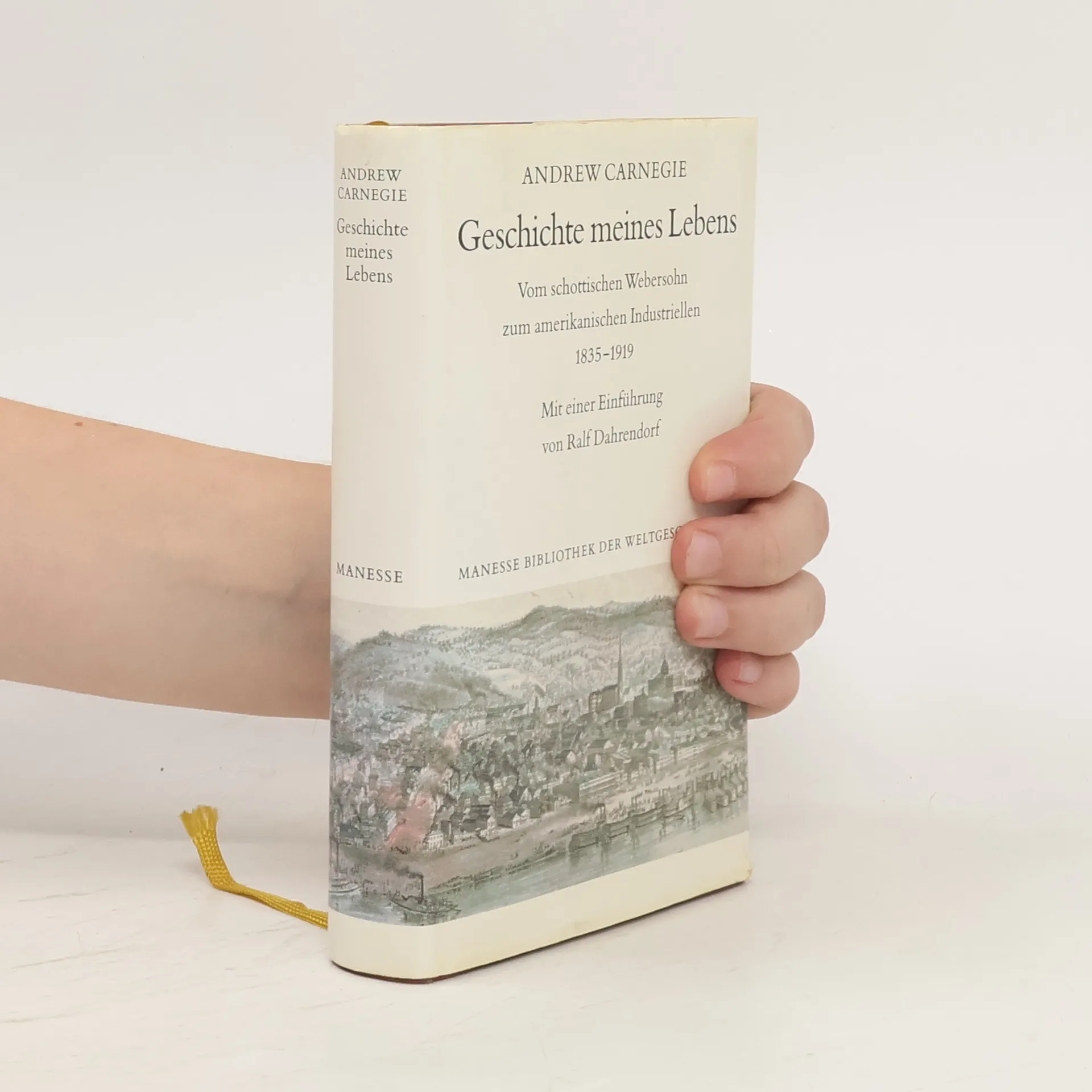
The autobiography presents a compelling narrative of Andrew Carnegie's life, detailing his rise from humble beginnings to becoming one of America's wealthiest industrialists. It explores his business strategies, philanthropic endeavors, and the impact he had on the steel industry and society at large. Written with clarity and insight, this posthumously published work offers a unique perspective on the personal and professional experiences that shaped Carnegie's legacy as a prominent figure in American history.
Focusing on accessibility, this book is a reproduction of a historical work presented in large print, catering specifically to individuals with impaired vision. The publishing house Megali is dedicated to enhancing reading experiences by making classic literature more accessible to a wider audience.
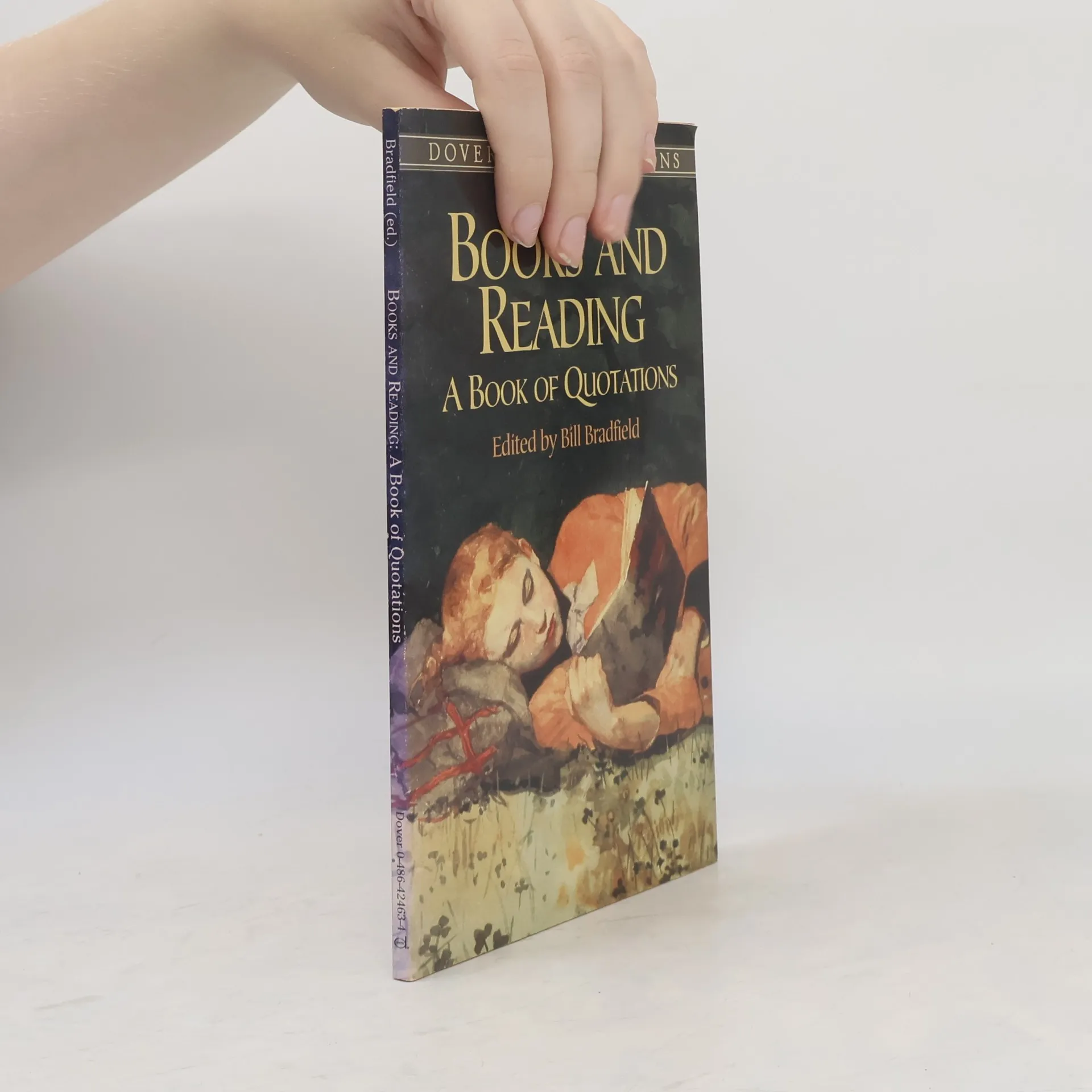
"Let blockheads read what blockheads write," suggested Lord Chesterfield. W. H. Auden once said, "Some books are undeservedly forgotten; none are undeservedly remembered." And TV celebrity Jerry Seinfeld "The big advantage of a book is that it's very easy to rewind. Close it and you're right back at the beginning."Over 450 memorable quotes about books and reading fill these pages—with provocative declarations from Mark Twain, Virginia Woolf, Andrew Carnegie, Theodore Roosevelt, James Thurber, Anna Quindlen, and Oprah Winfrey, and scores of other writers, political figures, and celebrities.A handy aid for speech writers and public speakers, this entertaining collection will also delight general readers.
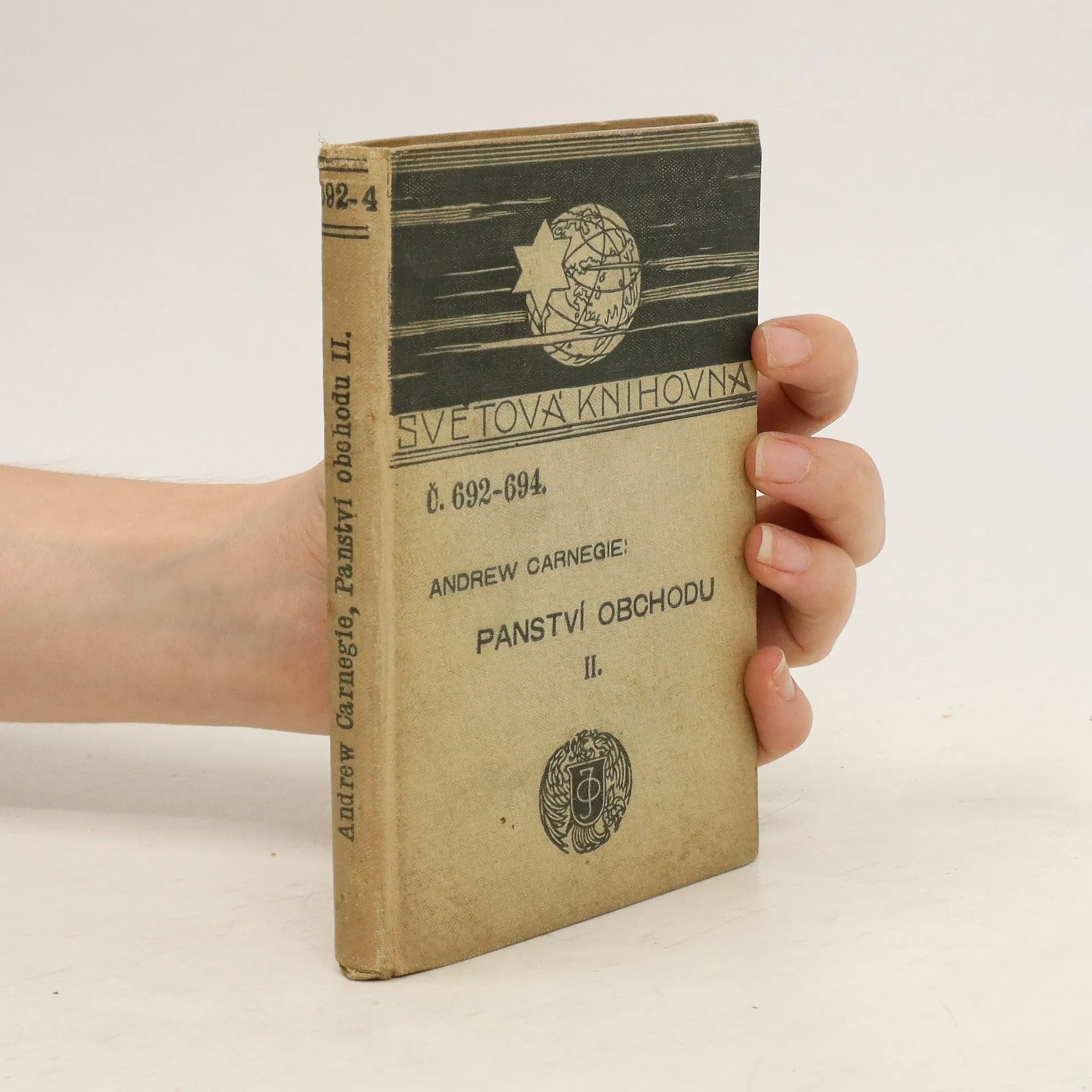
V knize autor předestírá svůj bystrý pohled na ekonomickou situaci v USA na přelomu 20. století; Carnegie hovoří o výhodách tvrdé práce, integrity, šetrnosti a jiných kvalitách. Témata zahrnují stav ocelářského průmyslu v USA a nejlepší využití tarifů. Kniha poskytuje čtenáři náhledna jednoho z nejvýznamnějších podnikatelů v dějinách.
Jeder kennt James Watt (1736-1819) als den Erfinder der Dampfmaschine. Doch was steckt hinter einem der wohl wichtigsten Köpfe des 18. Jahrhunderts? Doch wer war James Watt als Person? Hier wird ein Blick auf seine Erziehung, seinen Werdegang und seine anfänglichen technischen Schwierigkeiten auf dem Weg zum Erfolg geworfen. Der Autor Andrew Carnegie (1839-1919), Tycoon der Stahlbranche, hat selbst mithilfe von Watts Erfindung viele Jahre später ein Vermögen gemacht. Gerade durch seinen eigenen industriellen Hintergrund schafft es Carnegie das Leben von Watt authentisch wiederzugeben.
V knize autor předestírá svůj bystrý pohled na ekonomickou situaci v USA na přelomu 20. století; Carnegie hovoří o výhodách tvrdé práce, integrity, šetrnosti a jiných kvalitách. Témata zahrnují stav ocelářského průmyslu v USA a nejlepší využití tarifů. Kniha poskytuje čtenáři náhledna jednoho z nejvýznamnějších podnikatelů v dějinách.
V knize autor předestírá svůj bystrý pohled na ekonomickou situaci v USA na přelomu 20. století; Carnegie hovoří o výhodách tvrdé práce, integrity, šetrnosti a jiných kvalitách. Témata zahrnují stav ocelářského průmyslu v USA a nejlepší využití tarifů. Kniha poskytuje čtenáři náhledna jednoho z nejvýznamnějších podnikatelů v dějinách.