When I Was A Child I Read Books
- 224pagine
- 8 ore di lettura
From the author of the magnificent, award-winning novels GILEAD and HOME comes this, a collection of wonderful, heart-warming essays about reading




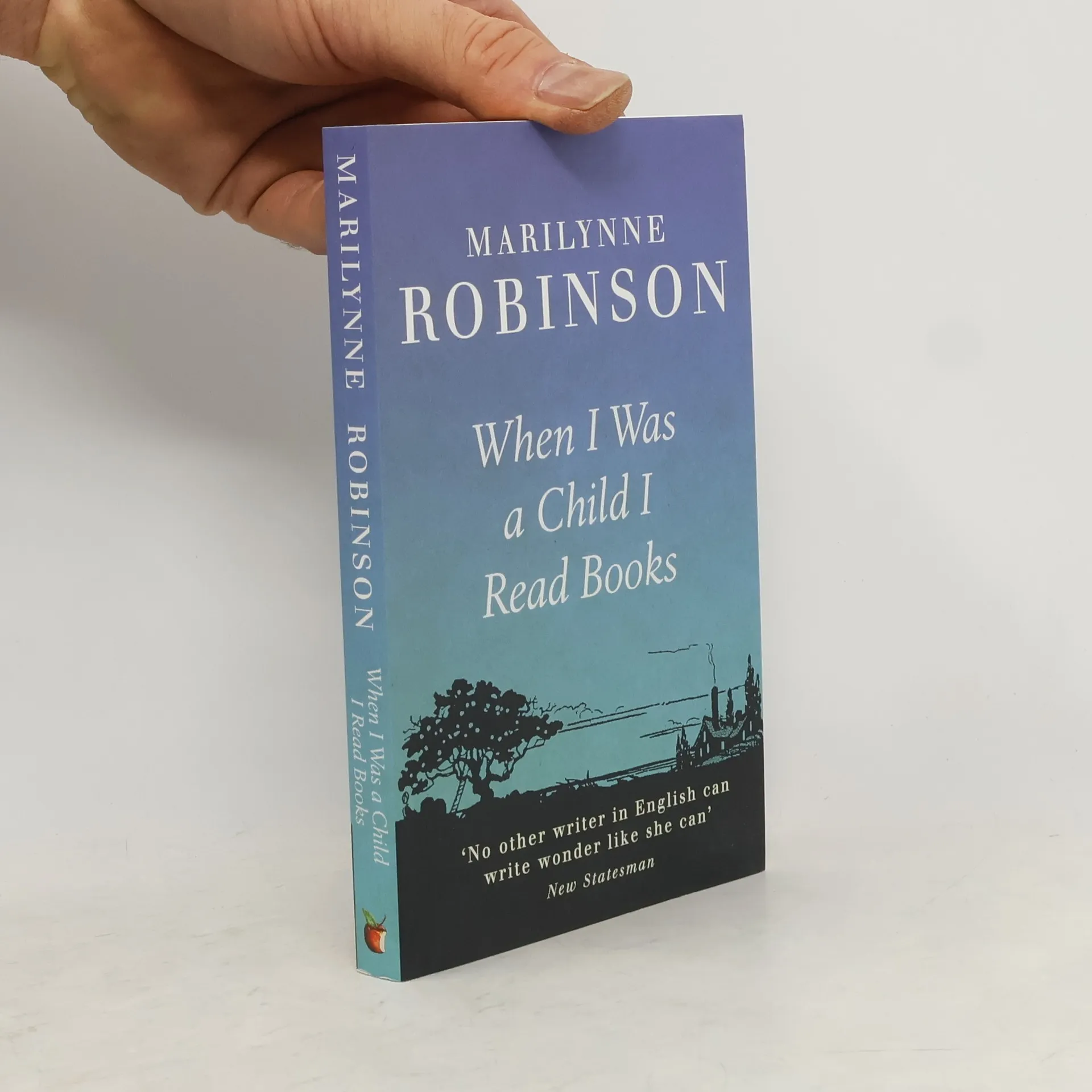
From the author of the magnificent, award-winning novels GILEAD and HOME comes this, a collection of wonderful, heart-warming essays about reading
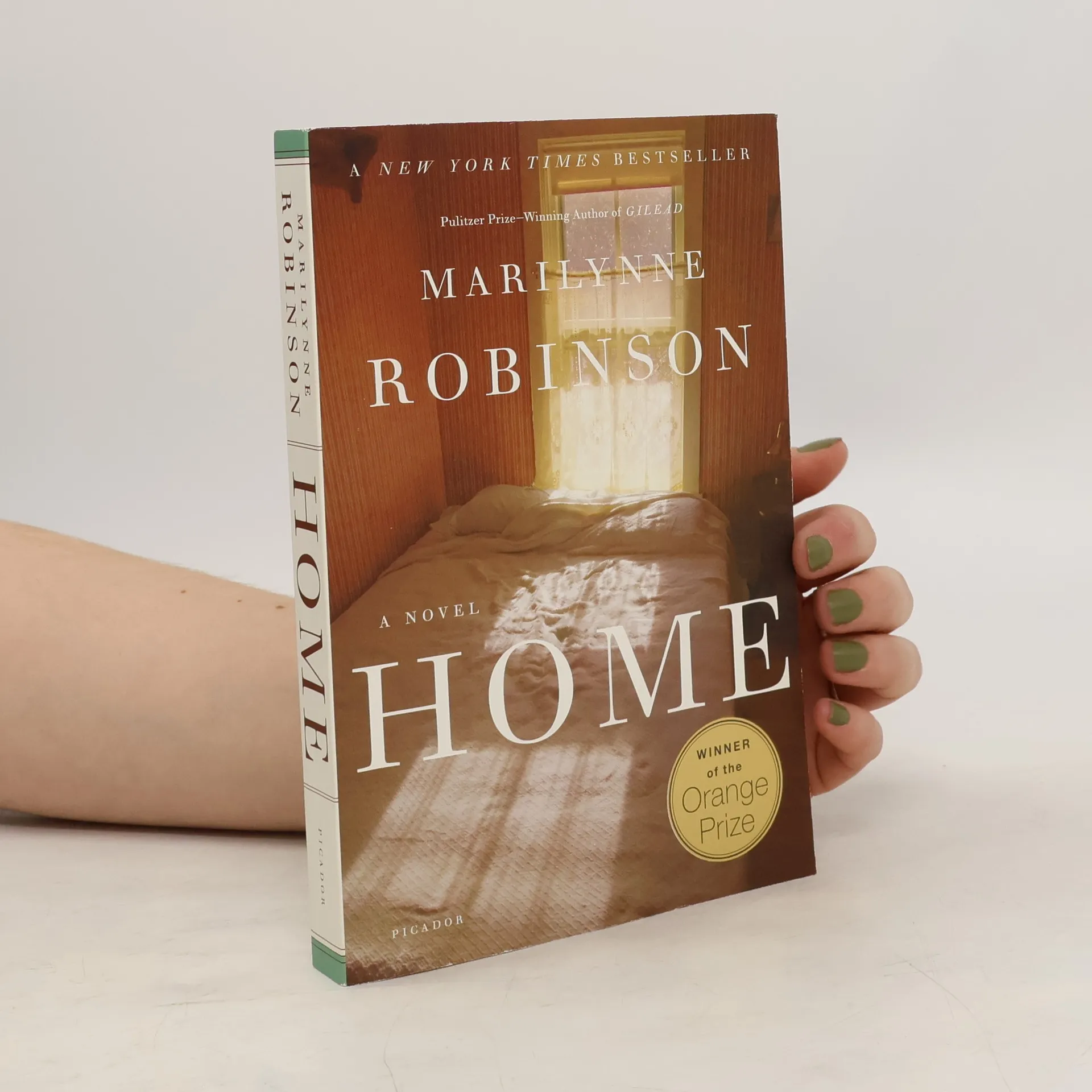
Um den erfundenen Ort Gilead hat Marilynne Robinson eine Erzählwelt geschaffen, die Roman für Roman weiterwächst. Gilead ist keine Idylle, sondern eine Stadt, die für den Leser zum Mittelpunkt eines ganzen Kosmos wird. In Zuhause kehrt Glory Boughton kehrt nach Gilead zurück, um ihren sterbenden Vater zu pflegen. Kurz darauf findet auch ihr Bruder Jack nach 20 Jahren heim, der Bad Boy der Familie, der zu viel trinkt und zu wenig tut. Jack eckt bei allen an - und doch ist er der Liebling des Vaters. Allmählich knüpft er ein enges Band zu seiner Schwester, hütet aber weiter ein großes Geheimnis - einen Konflikt aus dem dunklen Amerika, in dem Hautfarbe und Leidenschaft Hass gebären. Zuhause ist ein auf leise, präzise Art schonungsloses Buch, in dem Marilynne Robinson die Kontraste ihrer Welt um den fiktiven Ort Gilead noch eindringlicher zeichnet. Sie erzählt mit großer Meisterschaft von Scham und Würde, von Gnade und Vergebung, und wieder gelingt es ihr, dem Trost ein Zuhause zu geben. Eine unserer größten lebenden Romanautorinnen. Bryan Appleyard, Sunday Times
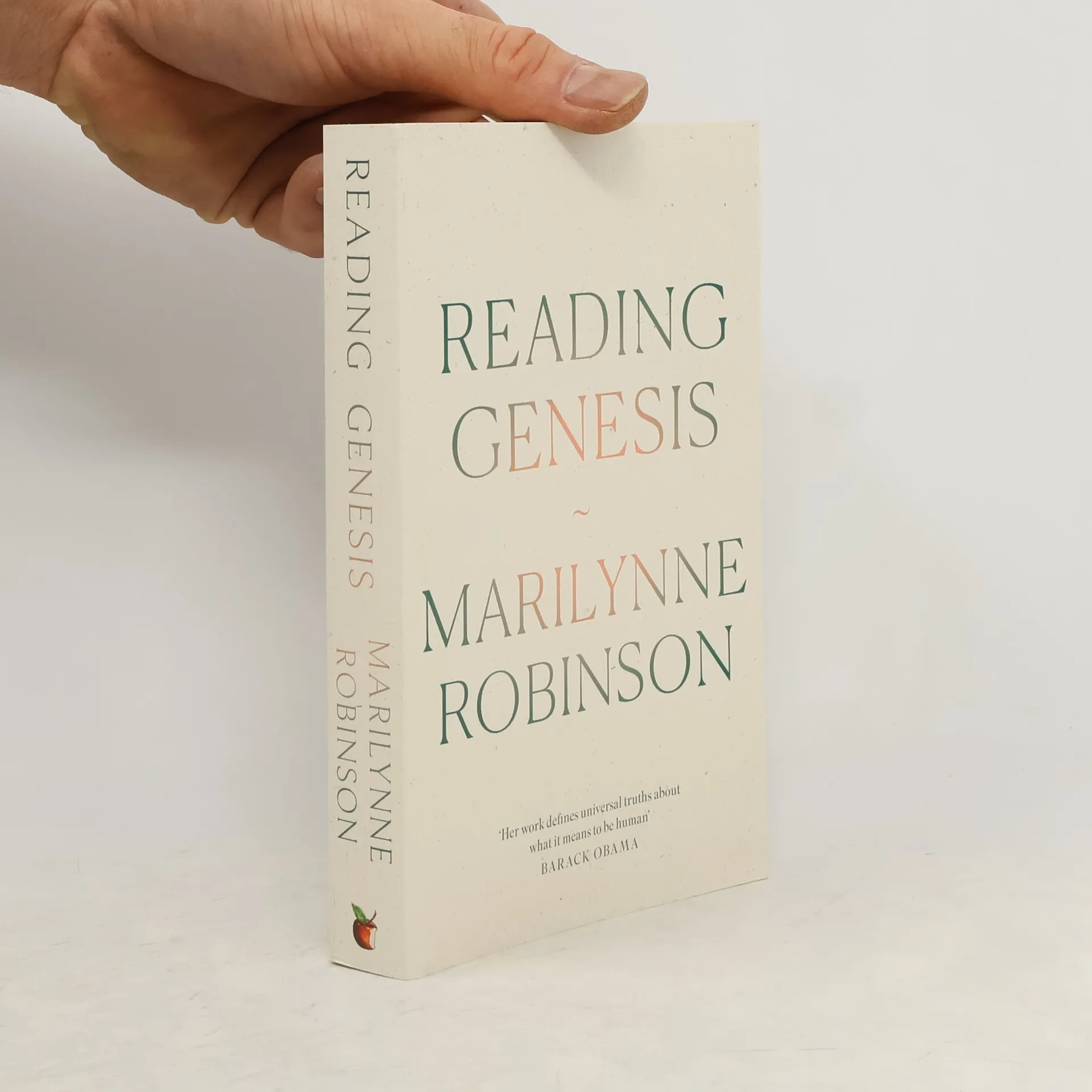
"For generations, the Book of Genesis has been treated by scholars as a collection of documents by various hands expressing different factional interests, with borrowings from other ancient literatures that mark the text as derivative. In other words, academic interpretation of Genesis has centered on the question of its basic coherency, just as fundamentalist interpretation has centered on the question of the appropriateness of reading it as literally true. Both of these approaches preclude an appreciation of its greatness as literature, its rich articulation and exploration of themes that resonate through the whole of Scripture. Marilynne Robinson's new book is a powerful consideration of the profound meanings and promise of God's enduring covenant with man. Her magisterial book radiates gratitude for the constancy and benevolence of God's abiding faith in Creation"--Publisher's description.
The Givenness of Things is Robinson unadorned, speaking her mind forthrightly, sometimes with frustration, often with dry humour . . . Robinson makes full use of her writerly imagination Herald
Lila, homeless and alone after years of roaming the countryside, steps inside a small-town Iowa church-the only available shelter from the rain-and ignites a romance and a debate that will reshape her life. She becomes the wife of a minister and widower, John Ames, and begins a new existence while trying to make sense of the days of suffering that preceded her newfound security. Neglected as a toddler, Lila was rescued by Doll, a canny young drifter, and brought up by her in a hardscrabble childhood of itinerant work. Together they crafted a life on the run, living hand-to-mouth with nothing but their sisterly bond and a lucky knife to protect them. But despite bouts of petty violence and moments of desperation, their shared life is laced with moments of joy and love. When Lila arrives in Gilead, she struggles to harmonize the life of her makeshift family and their days of hardship with the gentle worldview of her husband which paradoxically judges those she loves. Revisiting the beloved characters and setting of Marilynne Robinson's Pulitzer Prize-winning Gilead and Orange Prize-winning Home, Lila is a moving expression of the mysteries of existence.
By defending the importance of individual reflection, this title celebrates the power and variety of human consciousness in the tradition of William James. It explores the nature of subjectivity and considers the culture in which Sigmund Freud that was situated and its influence on his model of self and civilization.
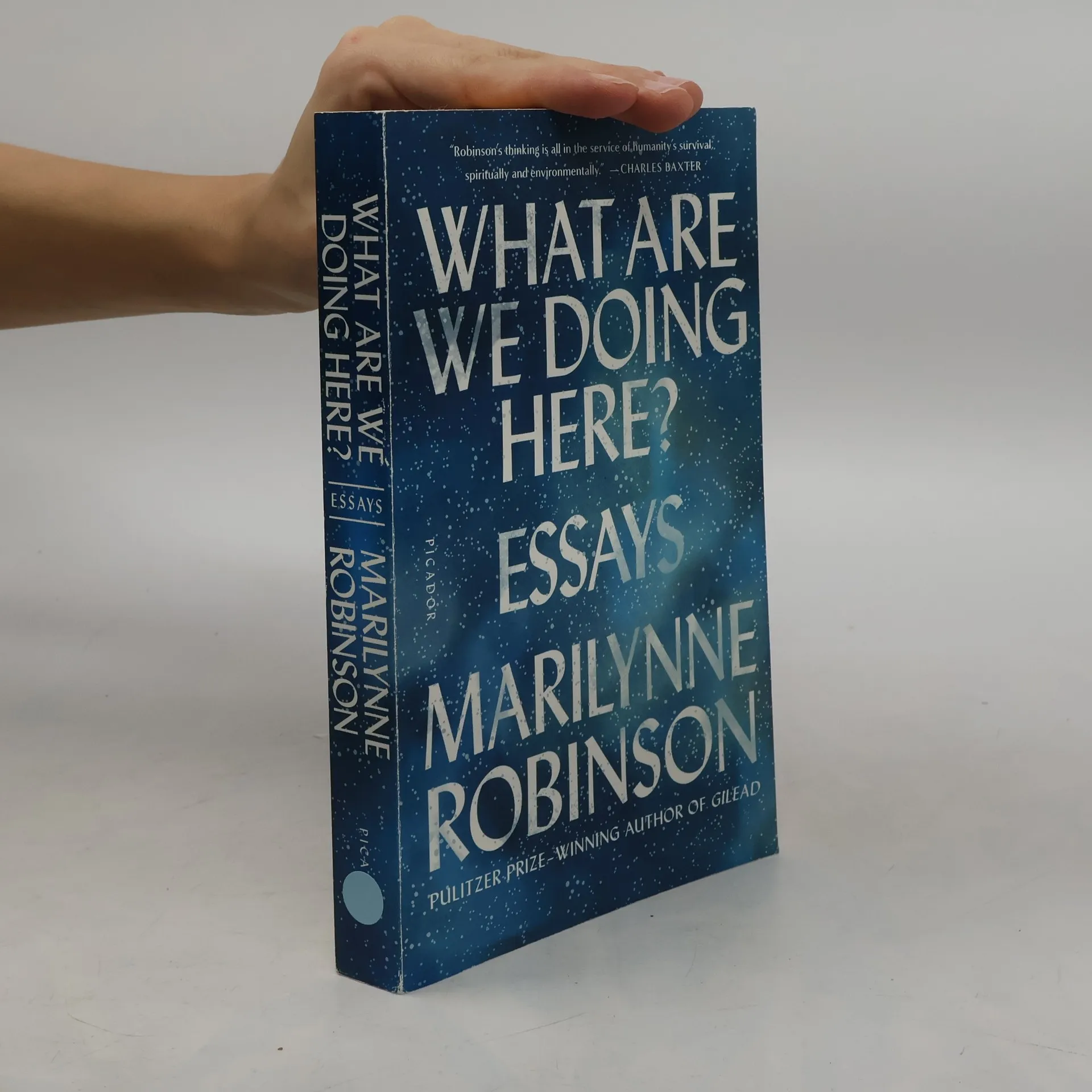
New essays on theological, political, and contemporary themes, by the Pulitzer Prize winner Marilynne Robinson has plumbed the human spirit in her renowned novels, including Lila, winner of the National Book Critics Circle Award, and Gilead, winner of the Pulitzer Prize and the National Book Critics Circle Award. In this new essay collection she trains her incisive mind on our modern political climate and the mysteries of faith. Whether she is investigating how the work of great thinkers about America like Emerson and Tocqueville inform our political consciousness or discussing the way that beauty informs and disciplines daily life, Robinson’s peerless prose and boundless humanity are on full display. What Are We Doing Here? is a call for Americans to continue the tradition of those great thinkers and to remake American political and cultural life as “deeply impressed by obligation [and as] a great theater of heroic generosity, which, despite all, is sometimes palpable still.”
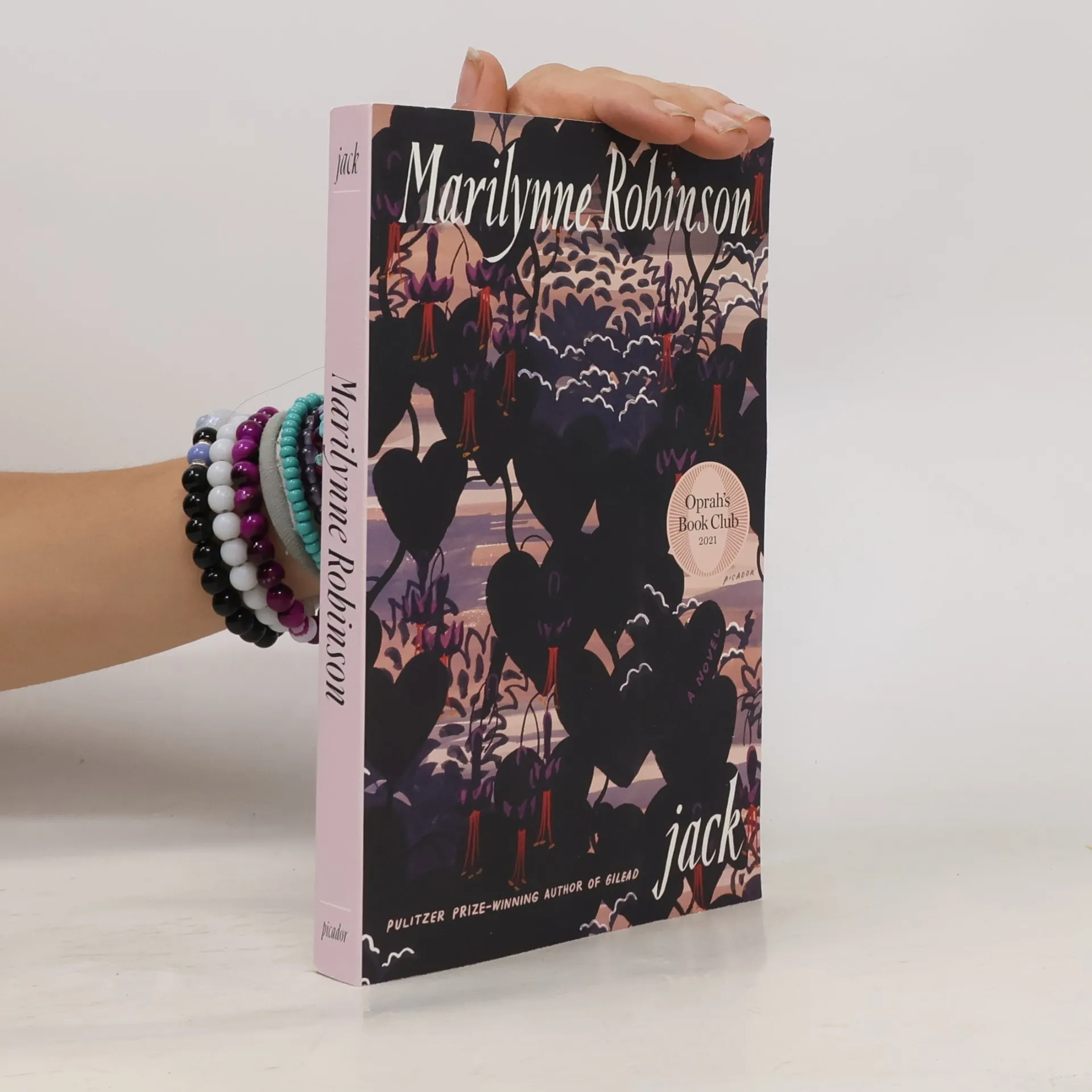
Marilynne Robinson's mythical world of Gilead, Iowa -- the setting of her novels Gilead, Home, and Lila, and now Jack -- and its beloved characters have illuminated and interrogated the complexities of American history, the power of our emotions, and the wonders of a sacred world. Jack is Robinson's fourth novel in this now-classic series. In it, Robinson tells the story of John Ames Boughton, the prodigal son of Gilead's Presbyterian minister, and his romance with Della Miles, a high school teacher who is also the child of a preacher. Their deeply felt, tormented, star-crossed interracial romance resonates with all the paradoxes of American life, then and now.
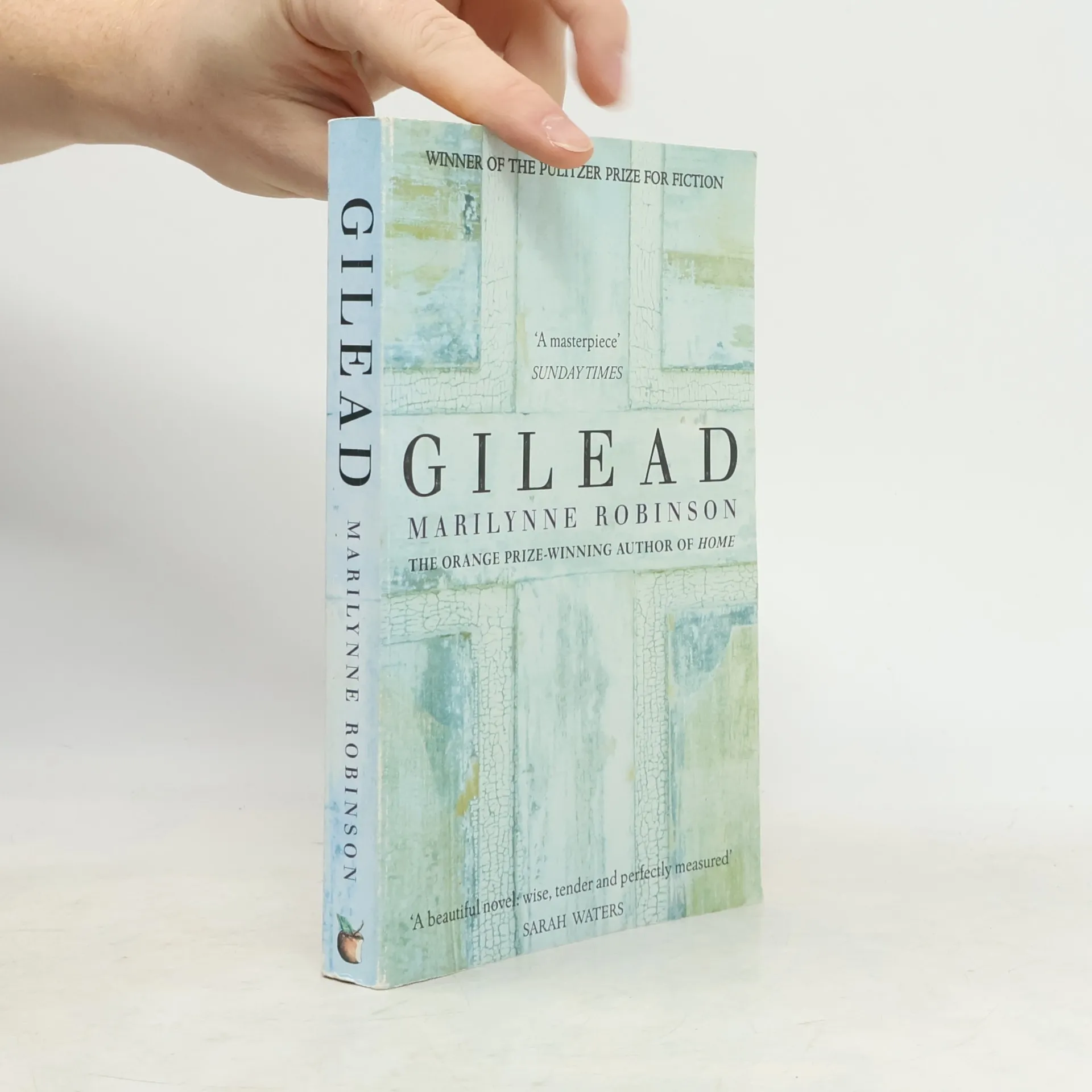
In 1956, toward the end of Reverend John Ames's life, he begins a letter to his young son, a kind of last testament to his remarkable forebears. 'It is a book of such meditative calm, such spiritual intensity that is seems miraculous that her silence was only for 23 years; such measure of wisdom is the fruit of a lifetime. Robinson's prose, aligned with the sublime simplicity of the language of the bible, is nothing short of a benediction. You might not share its faith, but it is difficult not to be awed moved and ultimately humbled by the spiritual effulgence that lights up the novel from within' Neel Mukherjee, The Times 'Writing of this quality, with an authority as unforced as the perfect pitch in music, is rare and carries with it a sense almost of danger - that at any moment, it might all go wrong. In Gilead, however, nothing goes wrong' Jane Shilling, Sunday Telegraph
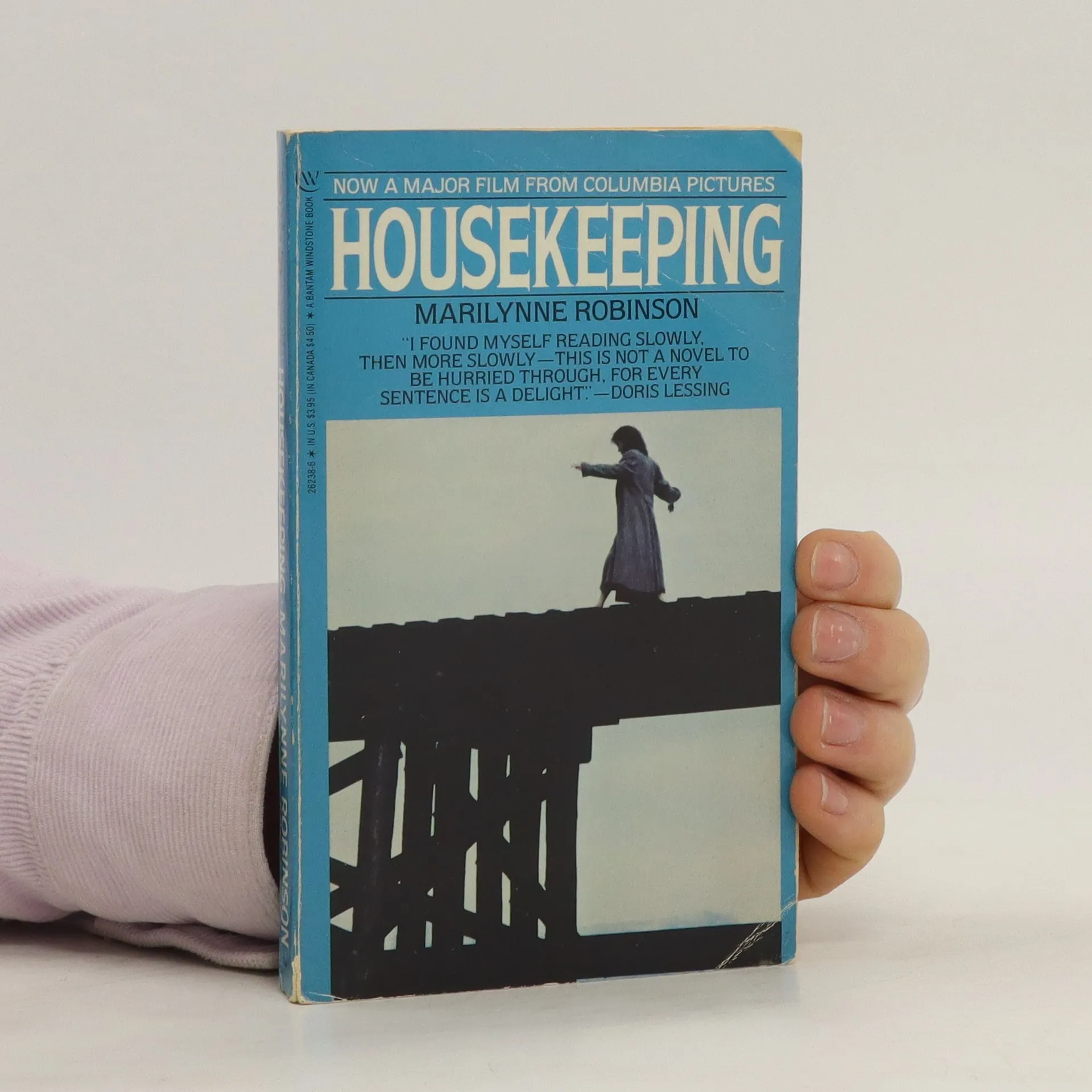
From the Orange Prize winning author of HomeAcclaimed on publication as a contemporary classic, Housekeeping is the story of Ruth and Lucille, orphansgrowing up in the small desolate town of Fingerbone in the vast northwest of America.Abandoned by a succession of relatives, the sisters find themselves in the care of Sylvie, the remote and enigmatic sister of their dead mother. Steeped in imagery of the bleak wintry landscape around them, the sisters' struggle towards adulthood is powerfully portrayed in a novel about loss, loneliness and transience.'I love and have lived with this book . . . it holds a unique and quiet place among the masterpieces of 20th century American fiction.' Paul Bailey'I found myself reading slowly, than more slowly--this is not a novel to be hurried through, for every sentence is a delight.' Doris Lessing
"She grew daring and reckless. Overestimating her strength. She wanted to swim far out. Where no woman had swum before."
A book-full of projects with diagrams, step-by-step instructions, and color photos. Very useful pull-out pattern.