
Bookbot

Marie Vlachova

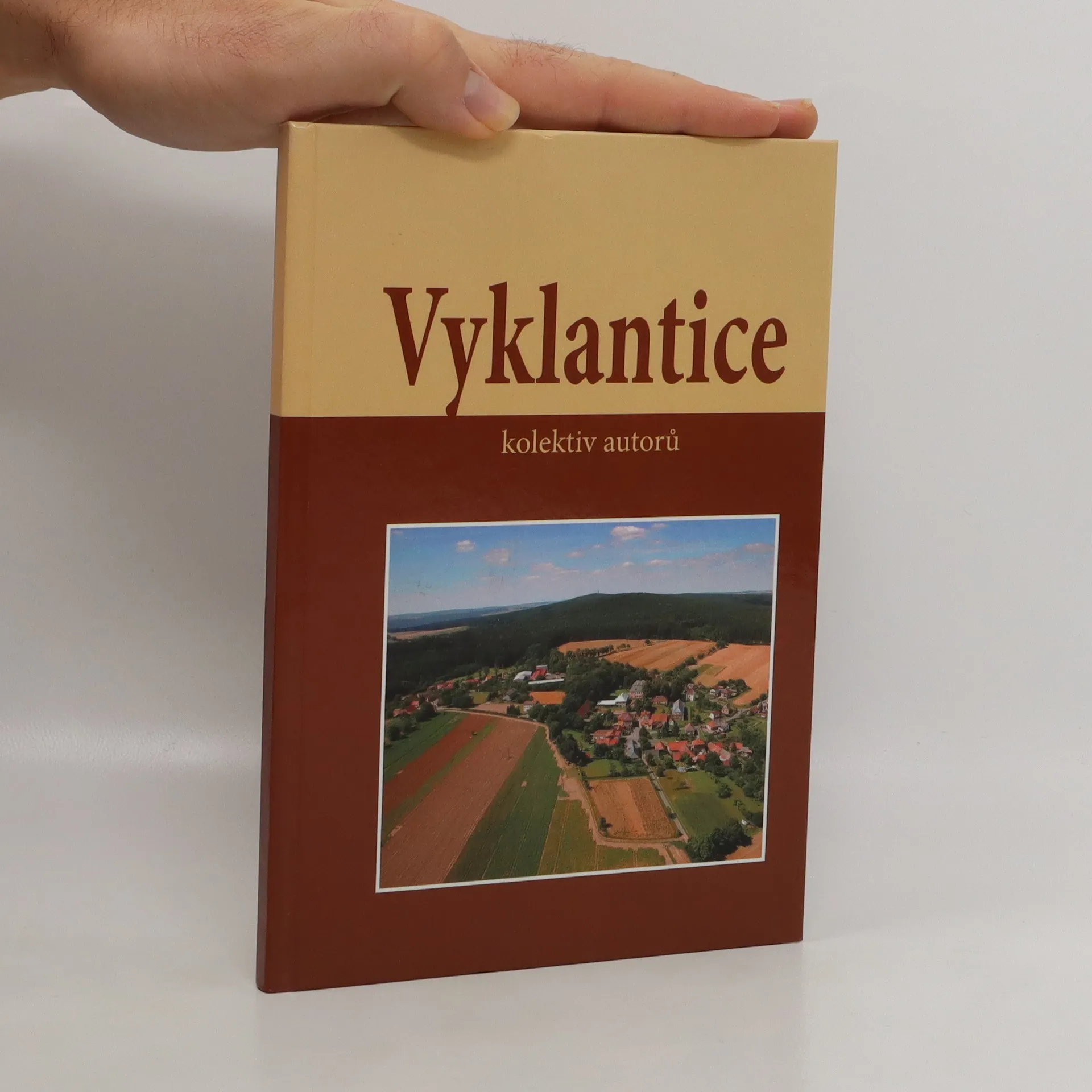
    Vyklantice
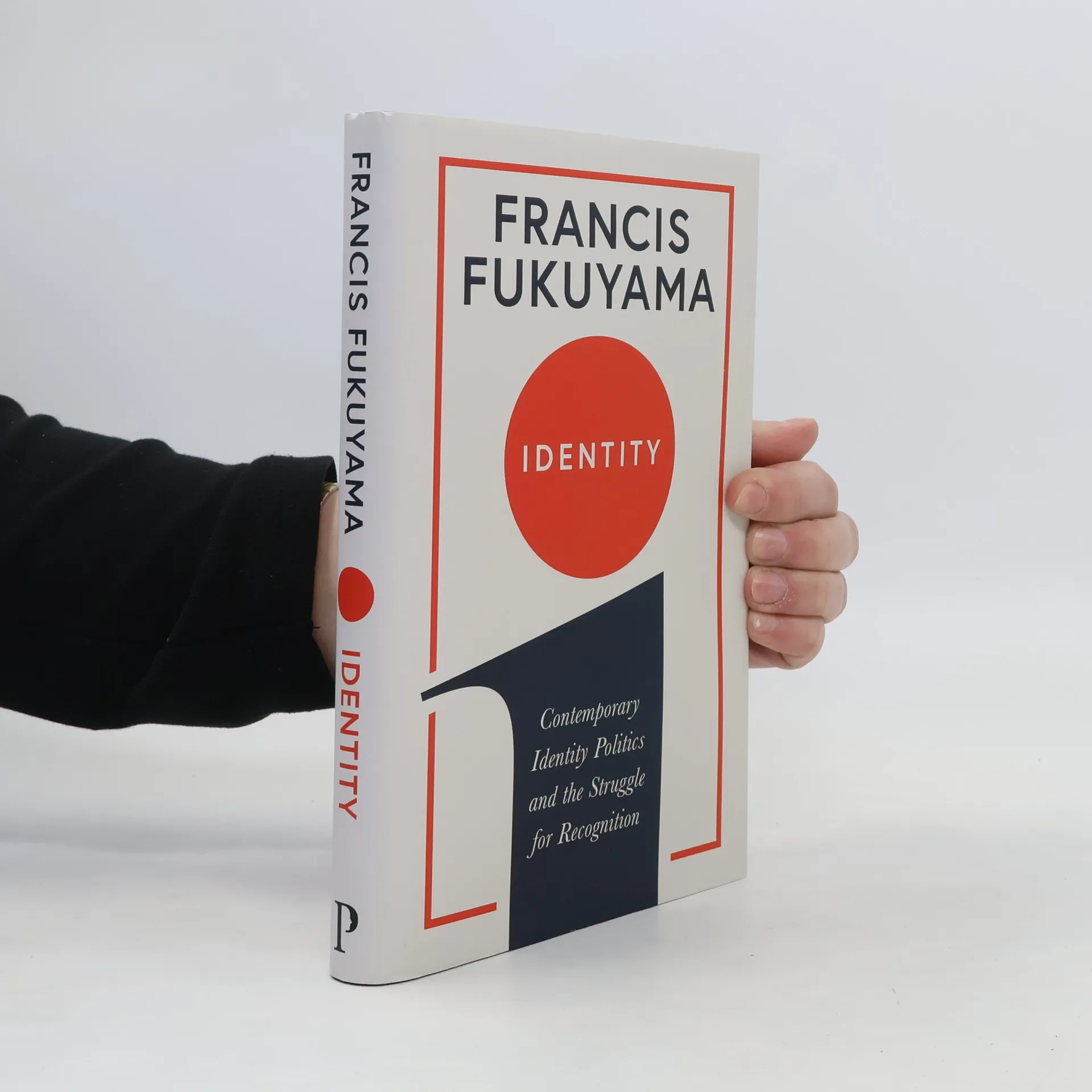
    Identity
    Amarli senza se e senza ma
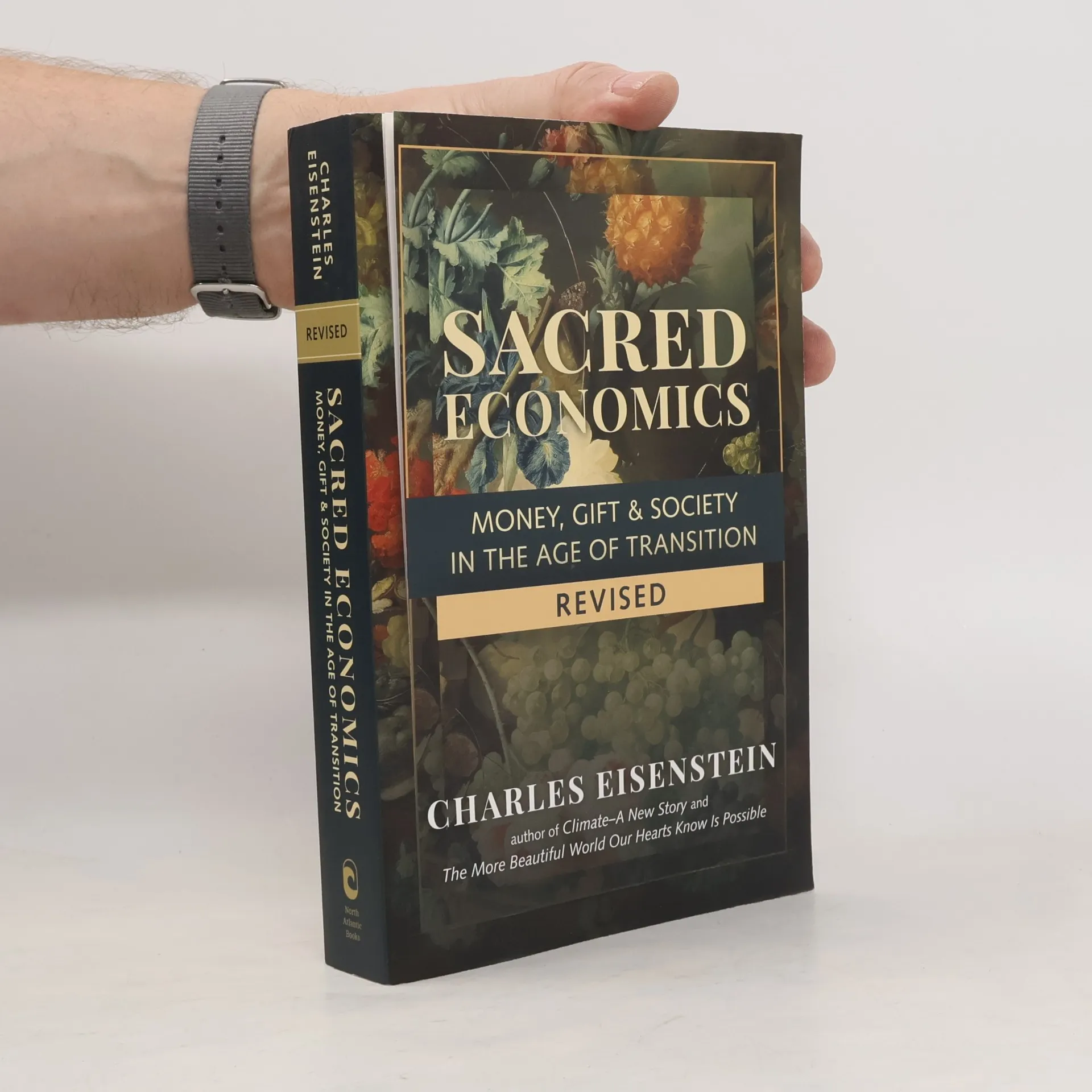
    Posvátná ekonomie : peníze, dar a společnost ve věku změny
    • Posvátná ekonomie sleduje historii peněz od starověkých ekonomik darů až po moderní kapitalismus a odhaluje, jak peněžní systém přispěl k odcizení, konkurenci a nedostatku, jak zničil společenství a jak si vynutil nekonečný růst. Dnes tyto trendy dosáhly svého extrému - ale v důsledku jejich zhroucení můžeme najít velkou příležitost k přechodu k propojenějšímu, ekologičtějšímu a udržitelnějšímu způsobu bytí.Tato kniha pojednává o tom, jak se může změnit peněžní systém, aby tento přechod ztělesňoval, a jak bychom se mohli změnit my. Posvátná ekonomie je široce integrovanou syntézou teorie, politiky a praxe a zkoumá avantgardní koncepty nové ekonomie, včetně měn se záporným úrokem, místních měn, ekonomie daru a obnovy společných statků. Autor Charles Eisenstein se zamýšlí také nad osobními rozměry tohoto přechodu a oslovuje ty, kteří se zabývají tím, jak žít podle svých ideálů ve světě, jemuž zdánlivě vládnou peníze. S využitím bohaté linie konvenčního i nekonvenčního ekonomického myšlení předkládá kniha Posvátná ekonomie vizi, která je originální, a přesto zdravá, radikální, a přesto jemná a stále aktuálnější v době, kdy se prohlubuje krize naší civilizace.

      Posvátná ekonomie : peníze, dar a společnost ve věku změny
      5,0
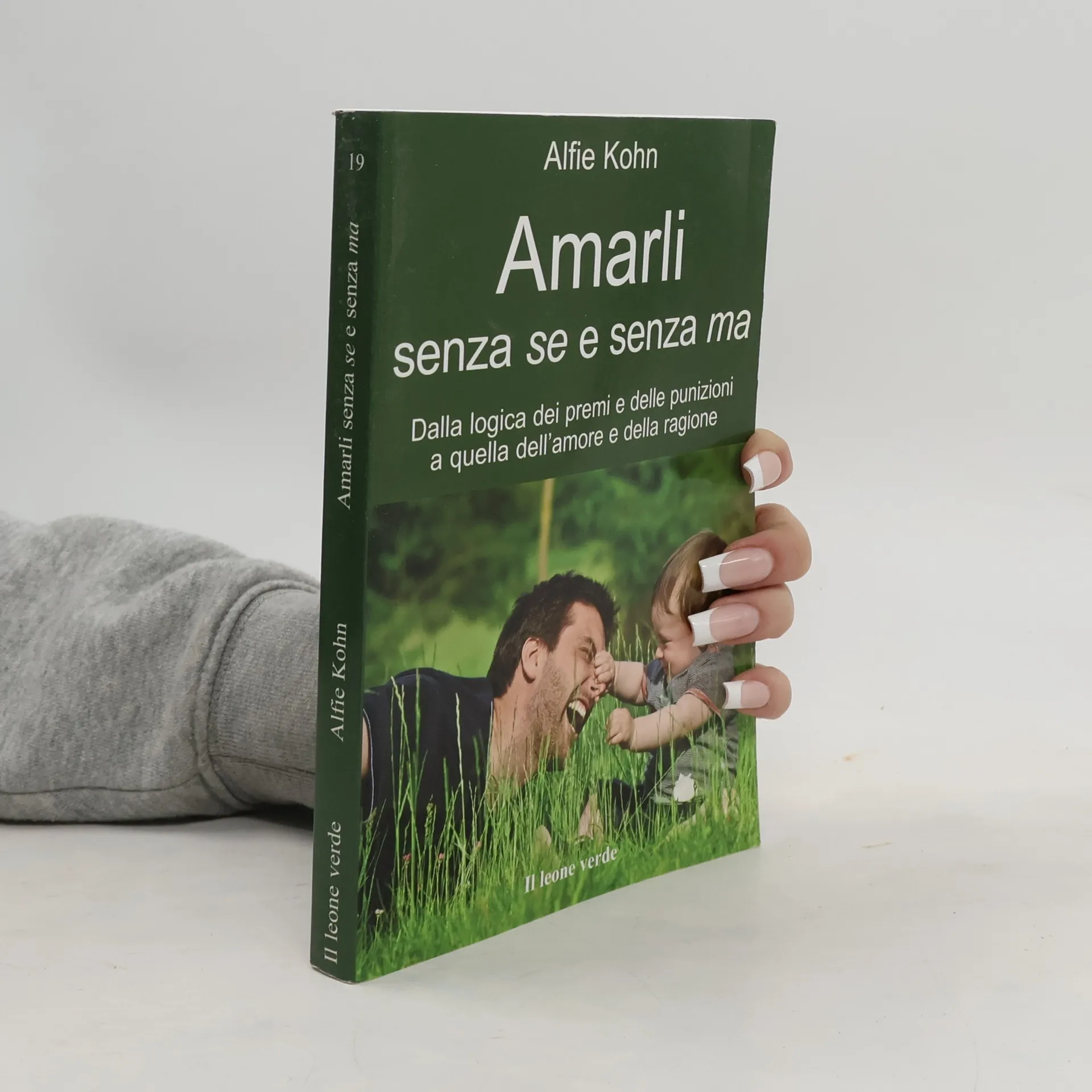
    • Amarli senza se e senza ma

      Dalla logica dei premi e delle punizioni a quella dell’amore e della ragione

      • 263pagine
      • 10 ore di lettura

      Most parenting guides focus on how to control children, asking, "How can we get kids to do what they're told?" In contrast, a respected educator begins by exploring what children truly need and how to meet those needs. Central to this approach is the idea that all children require unconditional love and acceptance, regardless of their mistakes or shortcomings. Conventional parenting methods, such as punishments and rewards, often convey the opposite message: that love is conditional on pleasing us. The author cites significant research illustrating the harm caused by leading children to believe they must earn approval, highlighting the unintended consequences of common discipline techniques. This book goes beyond typical discussions of discipline, encouraging parents to reflect on their beliefs and behaviors. It challenges them to reconsider their assumptions about raising children while providing practical strategies for transitioning from a "doing to" approach to a "working with" mindset. This includes replacing praise with the unconditional support essential for children's development into caring, responsible individuals. Ultimately, this eye-opening work reconnects readers with their instincts and inspires them to become more effective and compassionate parents.

      Amarli senza se e senza ma
      4,2
    • In 2014, Francis Fukuyama wrote that American and global institutions were in a state of decay, as the state was captured by powerful interest groups. Two years later, his predictions were borne out by the rise to power of a series of political outsiders whose economic nationalism and authoritarian tendencies threatens to destabilise the entire international order. These populist nationalists seek direct charismatic connection to 'the people', who are usually defined in narrow identity terms that offer an irresistible call to an in-group and exclude large parts of the population as a whole.The demands of identity direct much of what is going on in world politics today. The universal recognition on which liberal democracy is based has been increasingly challenged by restrictive forms of recognition based on nation, religion, sect, race, ethnicity, or gender, which have resulted in anti-immigrant populism, the upsurge of politicised Islam, the fractious environment of many college campuses, and the hideous emergence of white nationalism.Identity is an urgent and necessary book: a sharp warning that unless we forge a universal understanding of human dignity, we will doom ourselves to continual conflict.

      Identity
      3,9