

Bookbot

Sinān Anṭūn

    1 gennaio 1967
    Postcards from the Underworld - Poems
    Book of Collateral Damage
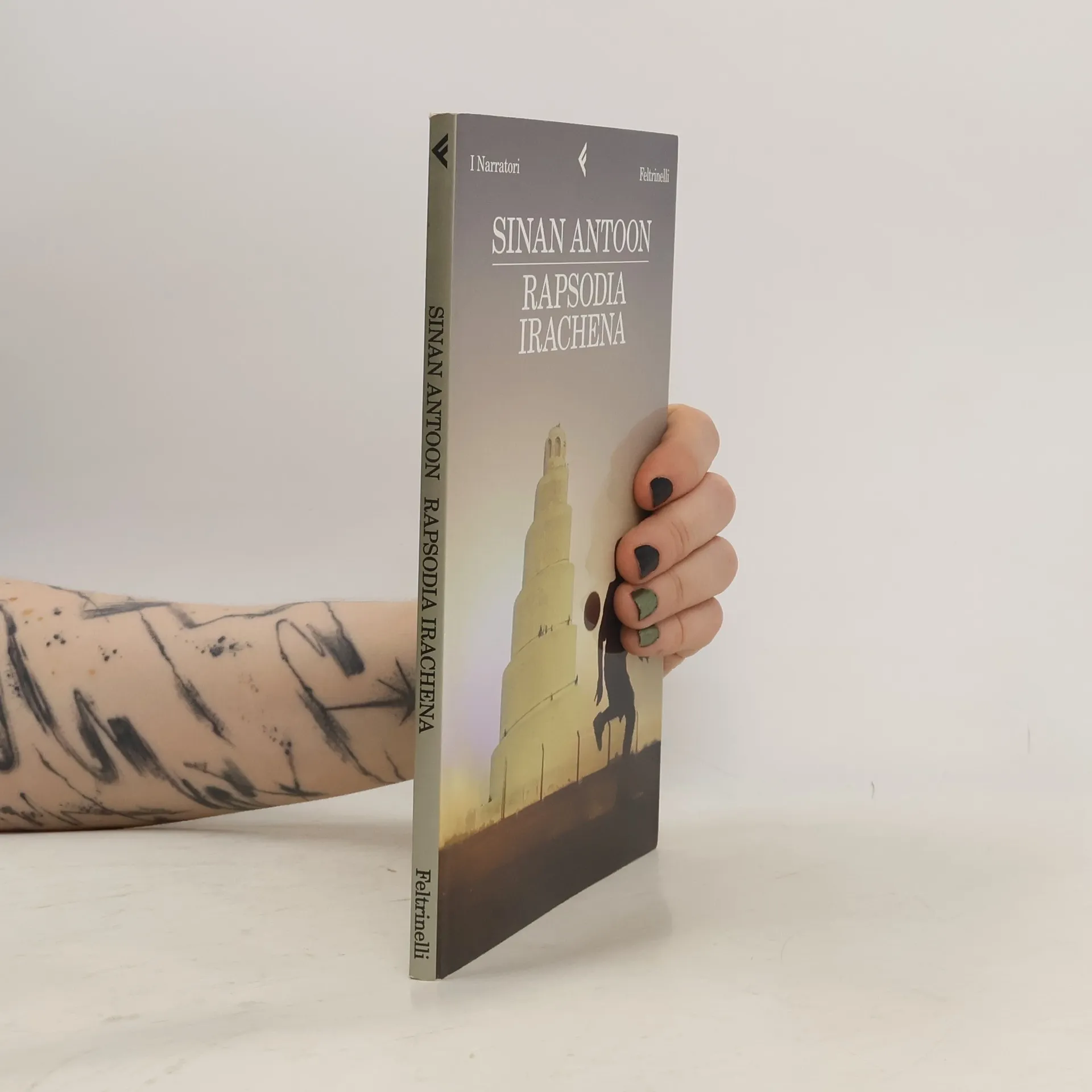
    I narratori: Rapsodia irachena
    • I narratori: Rapsodia irachena

      • 103pagine
      • 4 ore di lettura

      23 agosto 1989, il ministero dell'Interno iracheno viene informato che nel corso di un inventario eseguito nella sede del Comando centrale della Polizia di Baghdad è stato trovato un manoscritto in un archivio. Scarabocchiato a matita, risulta essere il diario di un giovane detenuto di nome Furat. Dal manoscritto scopriamo che era uno studente di Lettere e poeta alle prime armi, dotato di uno spirito sardonico e corrosivo, arrestato un bel giorno di aprile, mentre guardava il cielo di Baghdad seduto su una panchina ad aspettare Arij, la sua fidanzata. Furat rievoca l'incubo delle carceri del regime e, in parallelo, la sua vita quotidiana fino all'arresto: l'adolescenza, la famiglia, l'università, la dittatura, la guerra Iraq-Iran, le partitedi calcio allo stadio, i primi amori. Racconta di un Iraq impossibile, dove il regime è ovunque, nella vita pubblica come in quella privata, dell'isteria della dittatura ba thista, così simile al nostro fascismo. Solo nel finale, ambientato in una Baghdad apocalittica e deserta, sembra profilarsi una speranza, ma forse è solo un'illusione, un miraggio. Breve e intenso, Rapsodia irachena ci offre in poche pagine un ritratto emozionante della vita nell'Iraq di Saddam Hussein, una miniatura delle sofferenze degli iracheni, dai ba thisti a Bush.

      I narratori: Rapsodia irachena
      3,9
    • Book of Collateral Damage

      • 312pagine
      • 11 ore di lettura

      Sinan Antoon returns to the Iraq war in a poetic and provocative tribute to reclaiming memory Widely-celebrated author Sinan Antoon's fourth and most sophisticated novel follows Nameer, a young Iraqi scholar earning his doctorate at Harvard, who is hired by filmmakers to help document the devastation of the 2003 invasion of Iraq. During the excursion, Nameer ventures to al-Mutanabbi street in Baghdad, famed for its bookshops, and encounters Wadood, an eccentric bookseller who is trying to catalogue everything destroyed by war, from objects, buildings, books and manuscripts, flora and fauna, to humans. Entrusted with the catalogue and obsessed with Wadood's project, Nameer finds life in New York movingly intertwined with fragments from his homeland's past and its present--destroyed letters, verses, epigraphs, and anecdotes--in this stylistically ambitious panorama of the wreckage of war and the power of memory.

      Book of Collateral Damage
      4,1
    • Through haunting poetry, the author reflects on the ruins of Baghdad, a city scarred by the Iran-Iraq War and the Gulf War, as well as the US invasion. Drawing from pre-modern Arabic traditions, the poems confront the pervasive violence and death that haunt his homeland. Nature serves as a contrasting solace, with flowers and butterflies symbolizing beauty amidst devastation. Composed in Arabic and translated by the poet, this collection offers a profound meditation on the impacts of war on humanity and the environment.

      Postcards from the Underworld - Poems
      3,6