Questo autore si concentra sullo studio della società civile, della filantropia e della trasformazione sociale. Il suo lavoro è caratterizzato da un profondo interesse per il cambiamento sociale e per il modo in cui individui e organizzazioni contribuiscono allo sviluppo positivo. Esplora le dinamiche tra le strutture sociali e gli sforzi umani per migliorare il mondo. Le sue analisi offrono preziose intuizioni sulle complessità del progresso sociale.
The language of the Bible can be beautiful but profoundly elusive, possessing
a strangeness that only deepens the committed reader’s sense of its
impenetrability. This book offers a close reading of the Bible itself,
directing attention to the text rather than to commentaries or to ostensible
lessons to be discovered by paraphrase.
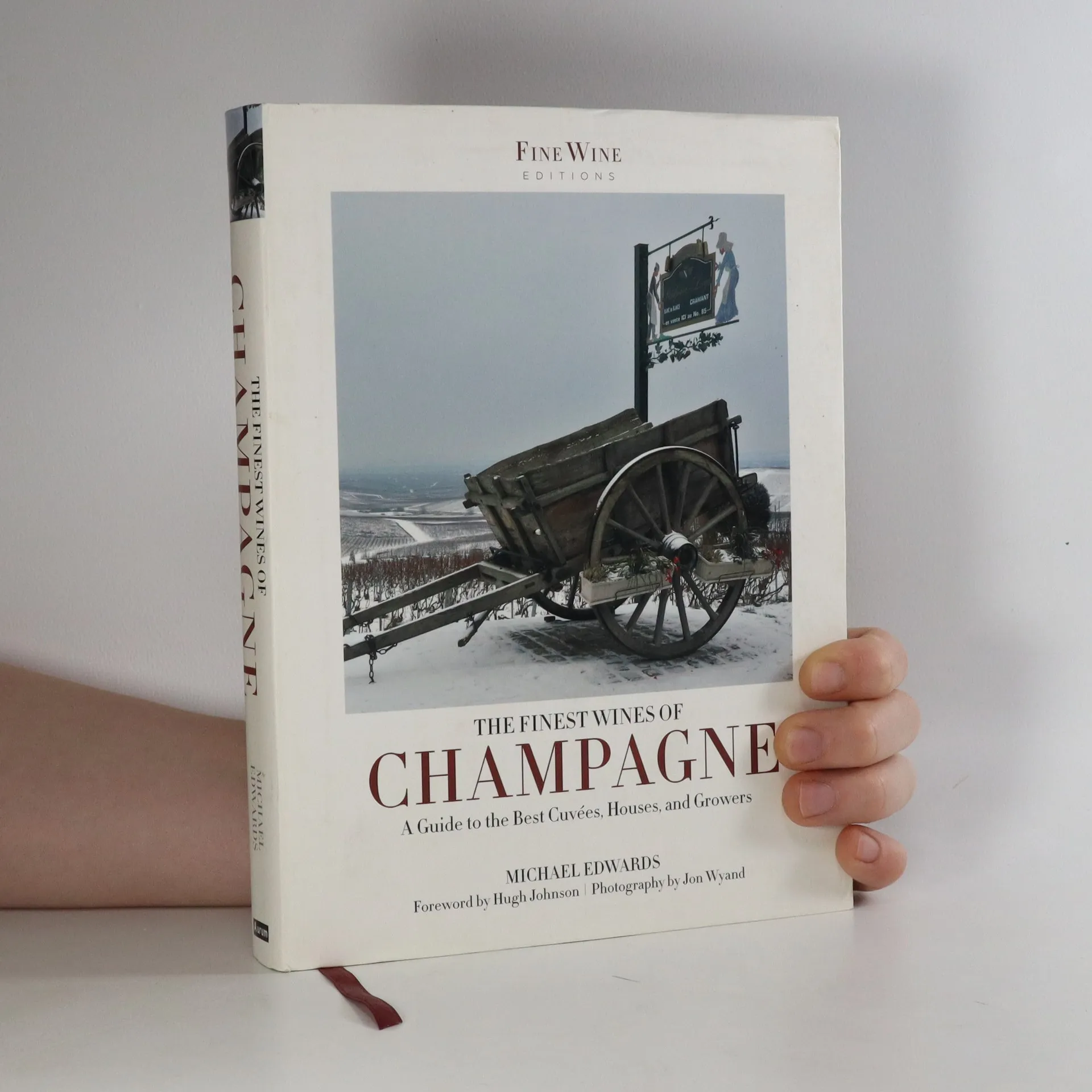
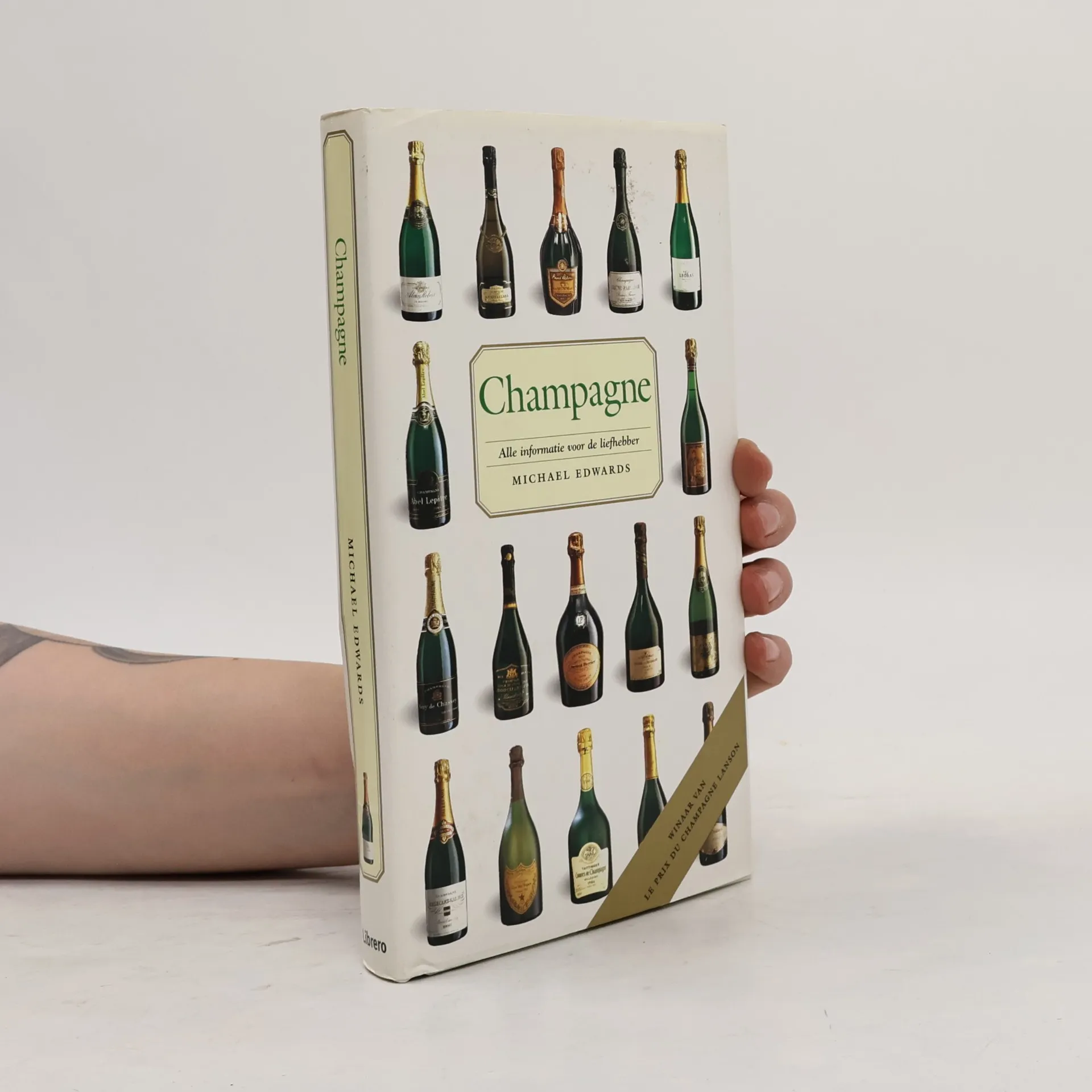
Champagne is synonymous with celebration and success―but have its festive associations detracted from its status as a fine wine in its own right? Drawing on his intimate knowledge of a classic but rapidly changing region, Michael Edwards takes a radically different approach in this unrivaled, terroir -based guide to the world’s best sparkling wines. Ninety in-depth profiles of the best small growers as well as the greatest houses are organized geographically―from the finest producers of the great city of Reims, wine towns of Epernay and Aÿ, and the leading villages of the Marne, and to the rising stars of the Aube (Côte des Bar) and beyond. Edwards also discusses the culture of Champagne, reviews trends in viticulture and winemaking, and investigates controversial solutions to the current crisis of success in a region that cannot satisfy global demand for its wines. Additional sections explore the gastronomic traditions of the area, give advice on pairing Champagne with food, survey the vintages of the past 20 years, list the wines with the best price-to-quality ratio, and more, making this extensively illustrated work a true connoisseur’s guide to the most glamorous and perhaps the most enigmatic of French wines.
An actor who lived with Priscilla Presley after her separation from Elvis describes their stormy relationship, their drug problems and detoxification, Presley's daughter Lisa Marie, the shadowy presence of Elvis Presley, and their breakup
This book focuses on mathematics, particularly the interplay between number theory and algebraic geometry. It addresses historical and philosophical issues, emphasizing the debate between constructive and non-constructive proofs. The author advocates for the value of constructive methods in mathematics.
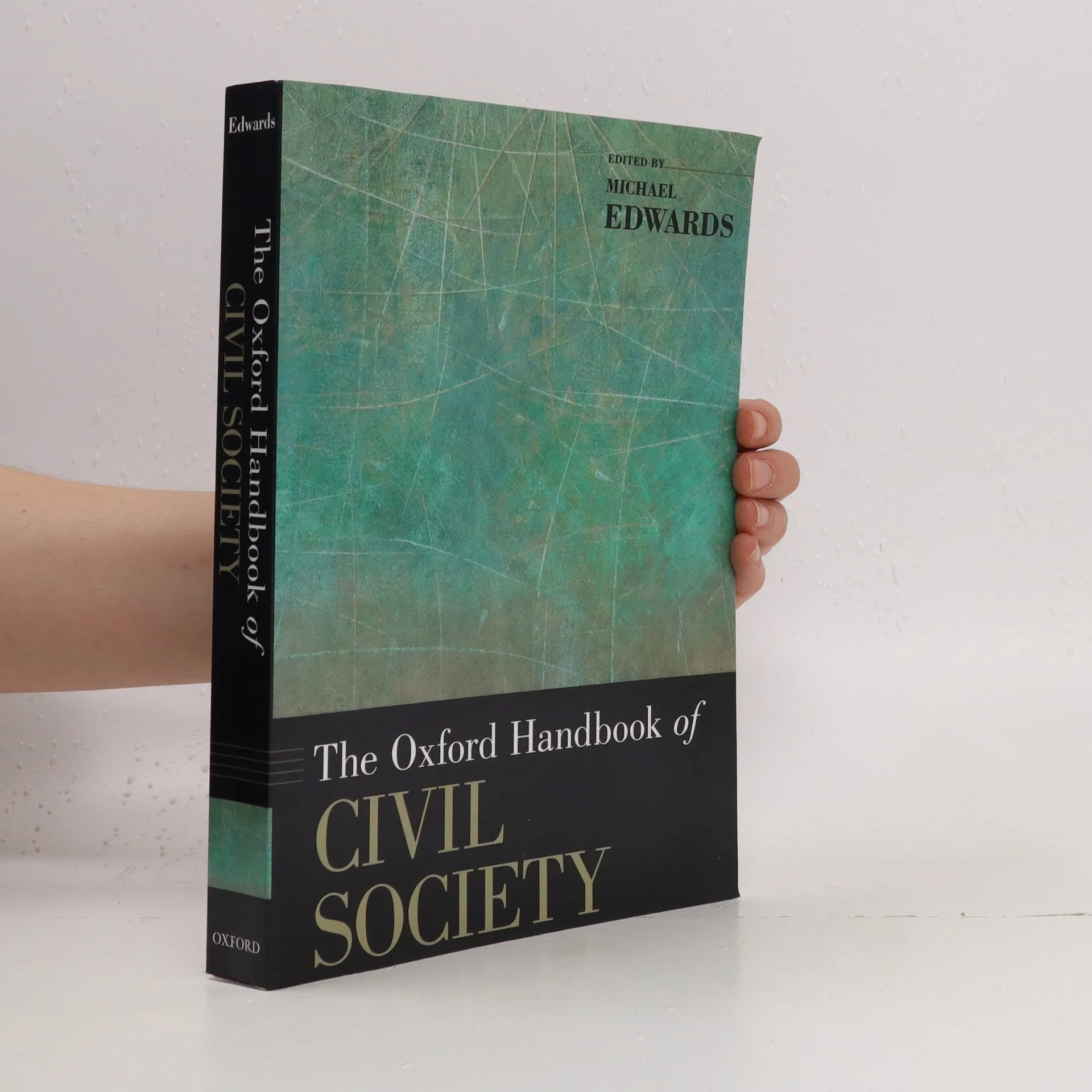
Broadly speaking, The Oxford Handbook of Civil Society views the topic of civil society through three prisms: as a part of society (voluntary associations), as a kind of society (marked out by certain social norms), and as a space for citizen action and engagement (the public square or sphere).
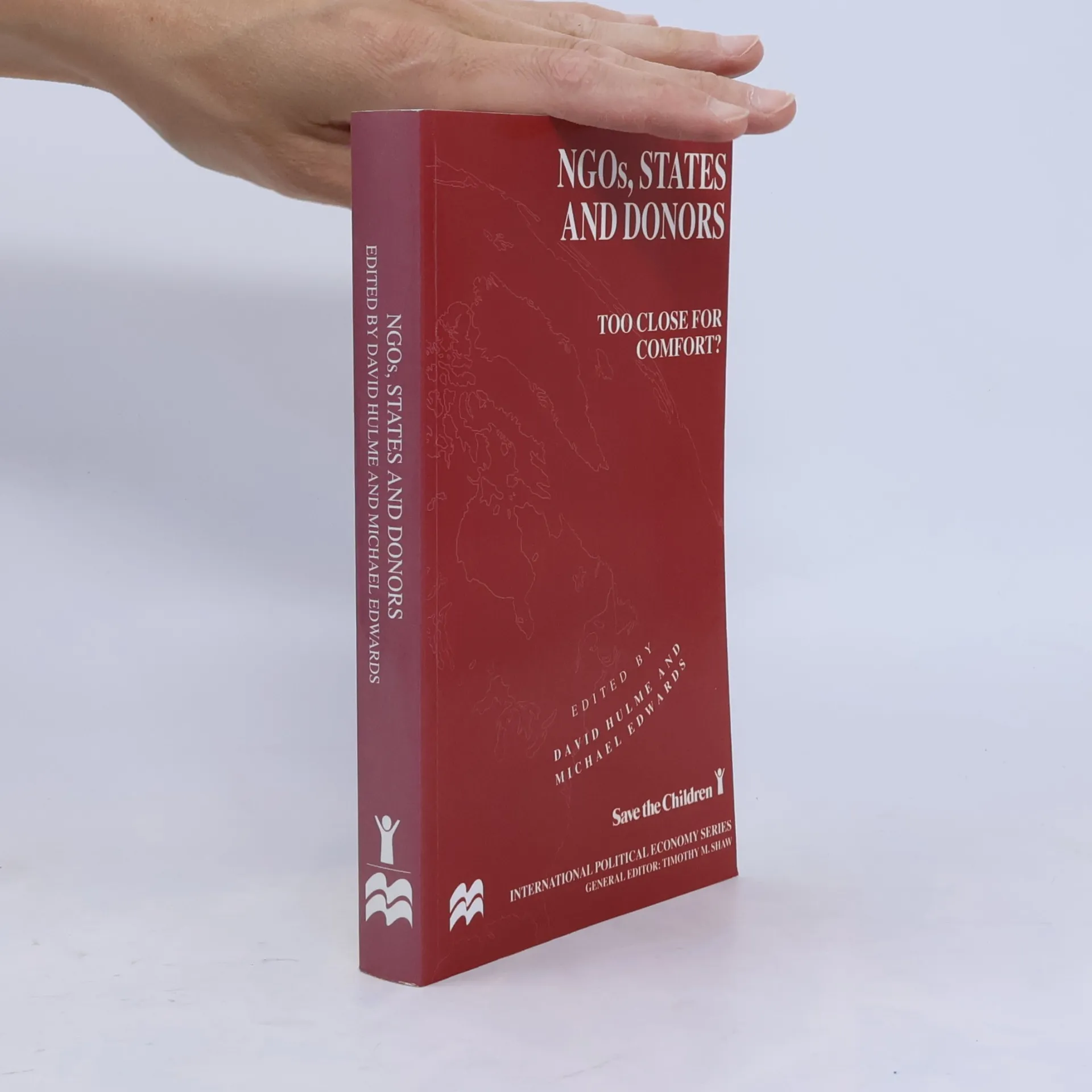
In the last decade the use of non-governmental agencies (NGOs) to promote development and reduce poverty and hunger has become a major feature of development policy. Donors have poured funds into NGOs, governments have allocated them major responsibilities and their number and size has grown. Has this popularity helped them to solve the problems of poverty or has it changed them so that they are now part of the 'development industry' that they used to criticize? This book provides the most detailed study available of the ways in which NGO-State-Donor relationships have changed the role that NGOs play in development. Its papers are introduced by two international experts on the topic and the contributors are leading academics and senior practitioners. The picture that emerges from the general reviews and detailed case studies of African, Asian and Latin American NGOs, is a complex one. However, the authors conclude that there is much evidence that NGOs are 'losing their roots' - getting closer to donors and governments and more distant to the poor and disempowered who they seek to assist.
Superb high-level study of one of the most influential classics in mathematics examines landmark 1859 publication entitled “On the Number of Primes Less Than a Given Magnitude,” and traces developments in theory inspired by it. Topics include Riemann's main formula, the prime number theorem, the Riemann-Siegel formula, large-scale computations, Fourier analysis, and other related topics. English translation of Riemann's original document appears in the Appendix.
The Champagne Companion is an essential guide to the world of champagne, featuring over 100 brands, including grand marques and smaller growers. It offers expert tasting notes, along with advice on buying, serving, and storing champagne, empowering readers to confidently order in restaurants and shop in stores. Michael Edwards decodes champagne labels, details the champagne-making process, and provides star ratings for each brand. The book includes assessments of vintage champagnes dating back to 1904, covering everything from Brut non-vintage to prestige cuvées. Readers will discover how champagne is produced, the historical and political context of its name, and the key wineries and wine fields in the Champagne region. It explains the differences between non-vintage, rosé, and prestige champagnes, how to interpret labels, and which vintage years to seek or avoid. Additionally, it covers champagne etiquette, including de-corking, serving, and glassware. The directory at the book's core features entries with bottle photos, production numbers, and expert tasting notes, often including food pairings and images of the grape-growing areas. This guide caters to both newcomers and seasoned connoisseurs eager to uncover the secrets behind champagne.