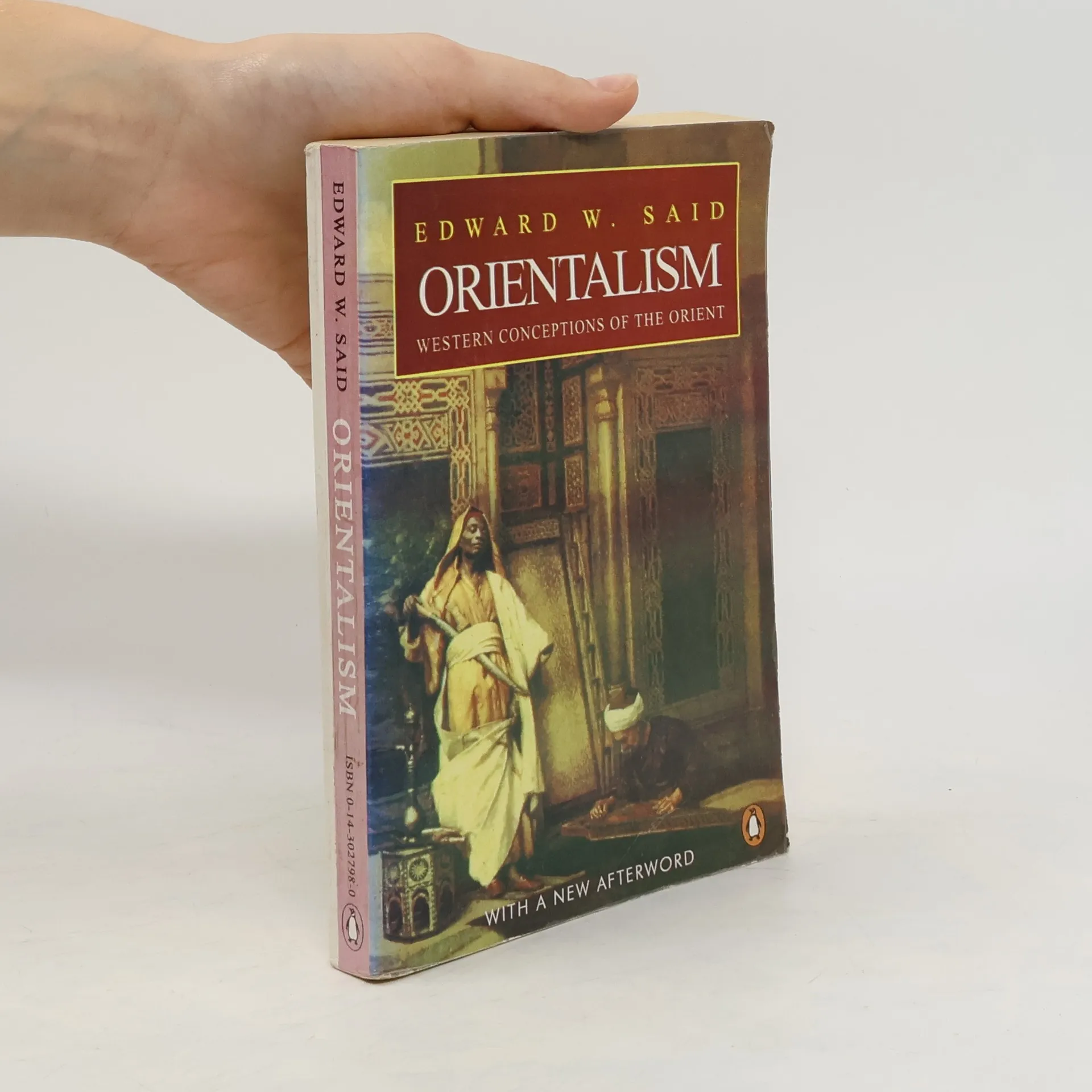

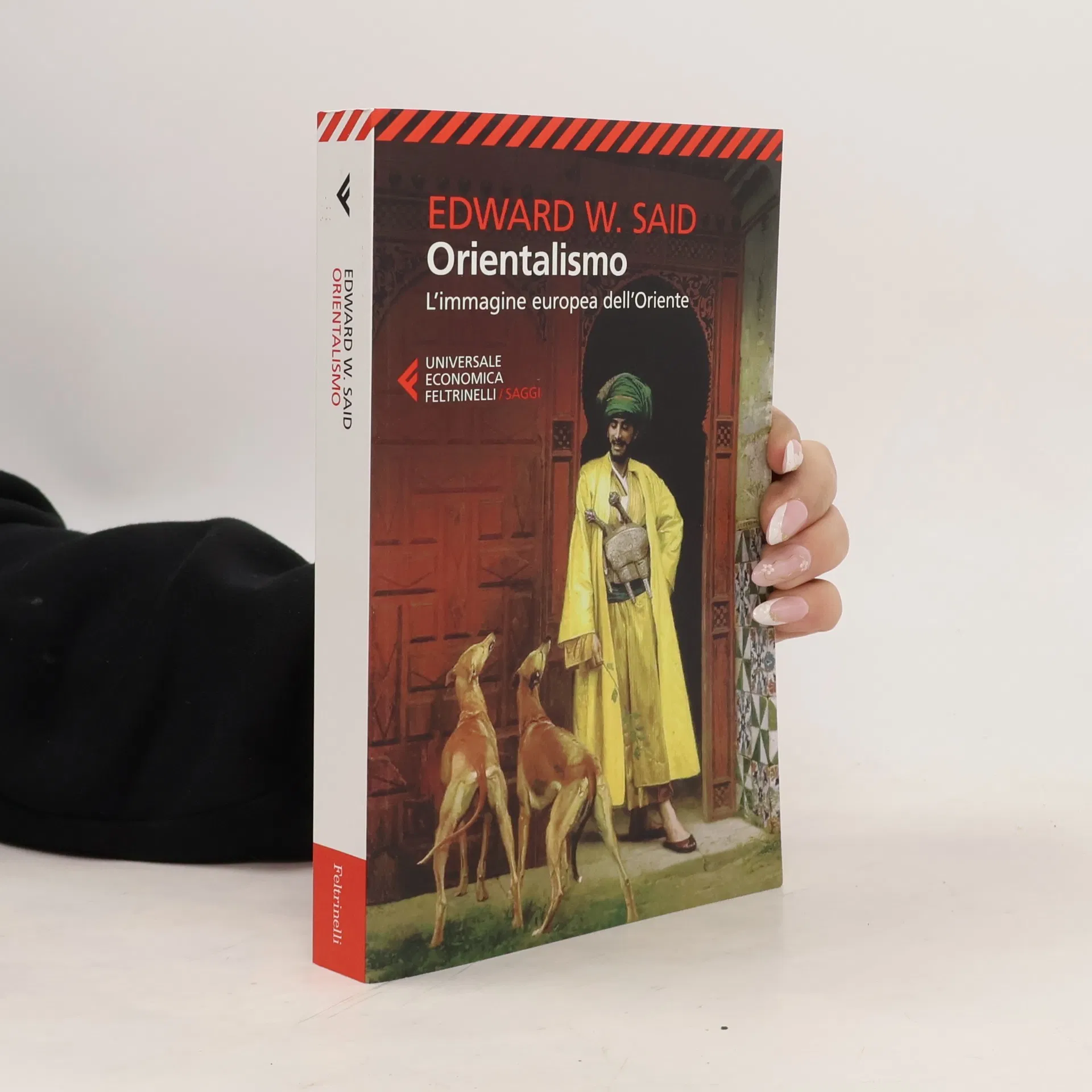
L'orientalismo è un fenomeno culturale e politico, e non soltanto una vuota astrazione . "Orientalismo è un ripensamento di quello che per secoli è stato ritenuto un abisso invalicabile tra Oriente e Occidente. Il mio scopo non era tanto eliminare le differenze - chi mai può negare il carattere costitutivo delle differenze nazionali e culturali nei rapporti tra esseri umani? -, quanto sfidare l'idea che le differenze comportino necessariamente ostilità, un assieme congelato e reificato di essenze in opposizione, e l'intera conoscenza polemica costruita su questa base. Ciò che auspicavo era un nuovo modo di leggere le separazioni e i conflitti che avevano provocato ostilità, guerre e l'affermarsi del controllo imperialista. Anche se le diseguaglianze e i conflitti da cui è nato il mio interesse per l'orientalismo come fenomeno culturale e politico non sono scomparsi, oggi si è perlomeno raggiunto il consenso sull'idea che tutto ciò non rappresenta una situazione immutabile, bensì un'esperienza storica la cui fine (o perlomeno, il cui parziale superamento) può essere a portata di mano." — dalla Postfazione
Edward W. Said Libri
Edward Said è stato professore di letteratura, intellettuale pubblico e fondatore degli studi postcoloniali. Attraverso la sua opera, ha colmato il divario tra prospettive occidentali e orientali, analizzando criticamente le rappresentazioni culturali e le relazioni politiche tra Oriente e Occidente. Il suo metodo di analisi testuale ha profondamente influenzato la teoria letteraria e gli studi sul Medio Oriente. Said sostenne l'uguaglianza di diritti e il ritorno dei palestinesi nella loro patria, sottolineando il ruolo dell'intellettuale come voce critica nella società.


Culture and Resistance
- 224pagine
- 8 ore di lettura
The book, originally published in 2003, explores themes of social justice and activism, presenting a critical analysis of contemporary issues. It delves into the historical context of movements for change, offering insights into the struggles and triumphs of marginalized communities. Through a blend of personal narratives and scholarly research, it aims to inspire readers to engage with and challenge societal norms. The work serves as both a call to action and a resource for understanding the complexities of activism today.
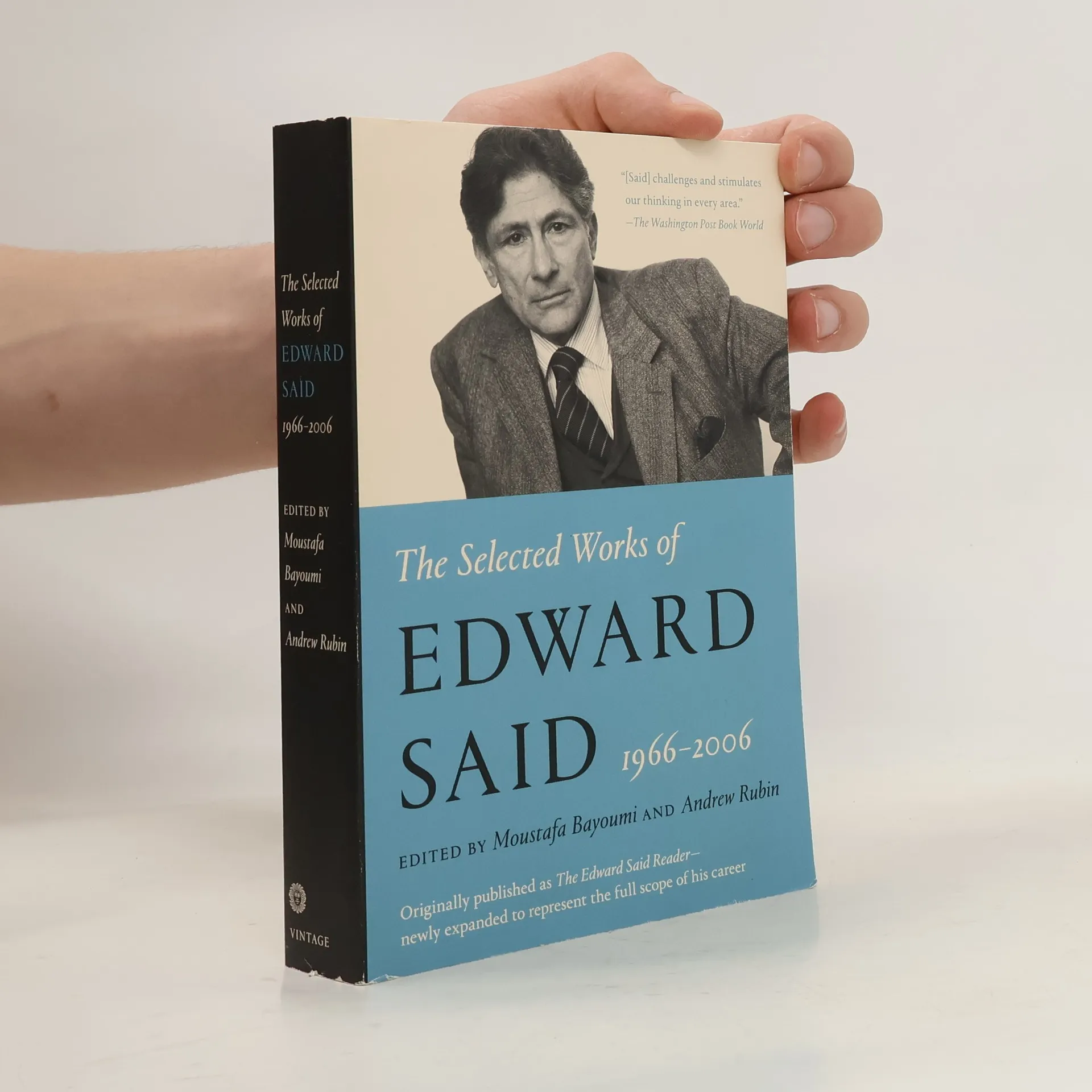
The Selected Works of Edward Said, 1966 - 2006
- 656pagine
- 23 ore di lettura
The renowned literary and cultural critic Edward Said was one of our era’s most provocative and important thinkers. This comprehensive collection of his work draws from across his entire four-decade career, including his posthumously published books, making it a definitive one-volume source. "Said is a brilliant and unique amalgam of scholar, aesthete, and political activist...[He] challenges and stimulates our thinking in every area." --Washington Post Book World The Selected Works includes key sections from all of Said’s books, including his groundbreaking Orientalism; his memoir, Out of Place; and his last book, On Late Style. Whether writing of Zionism or Palestinian self-determination, Jane Austen or Yeats, or of music or the media, Said’s uncompromising intelligence casts urgent light on every subject he undertakes. The Selected Works is a joy for the general reader and an indispensable resource for scholars in the many fields that his work has influenced and transformed.
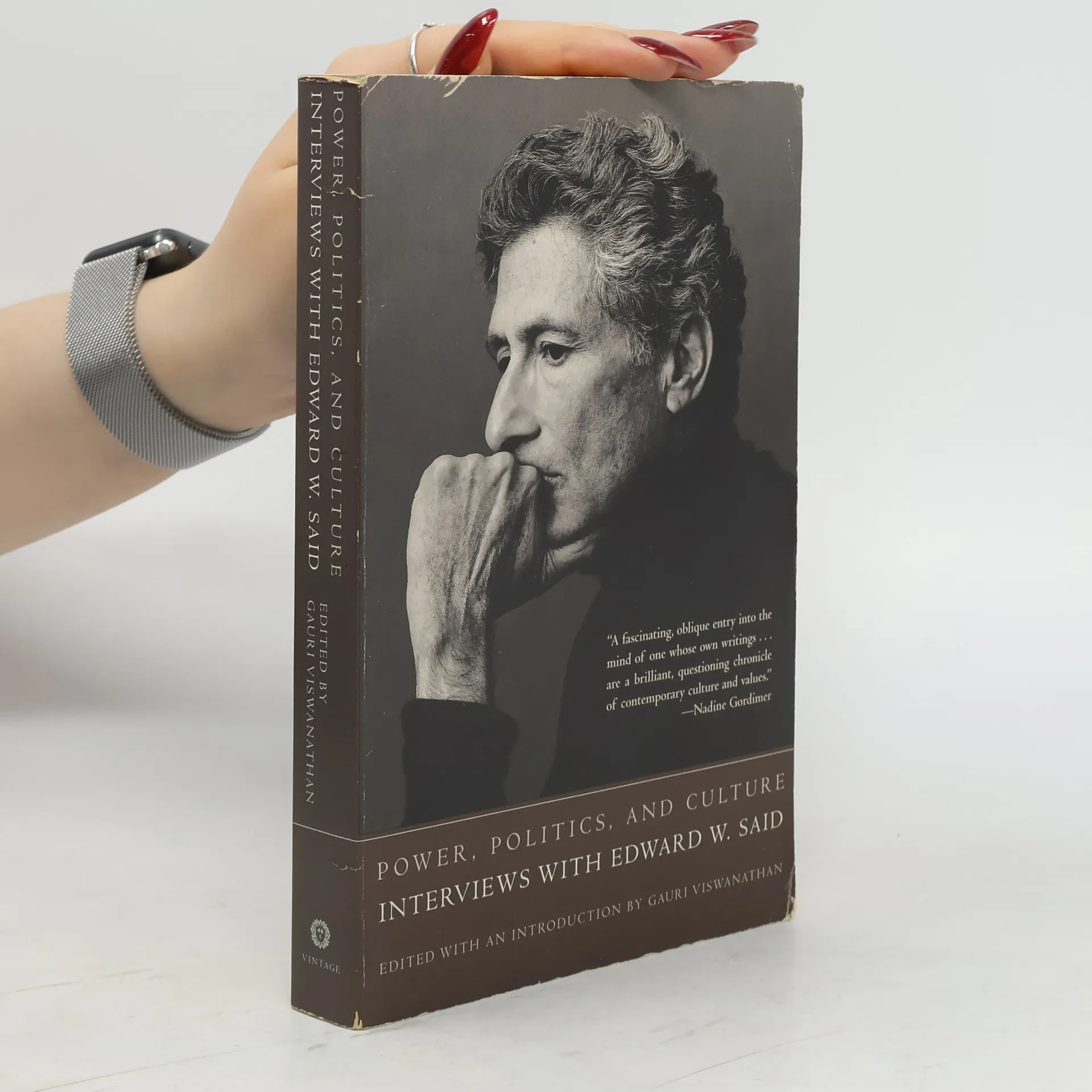
Spanning more than thirty years, a collection of twenty-five interviews with the middle Eastern scholar and critic shares his thoughts on a variety of subjects, including politics, literary and cultural criticism, and the Gulf War.
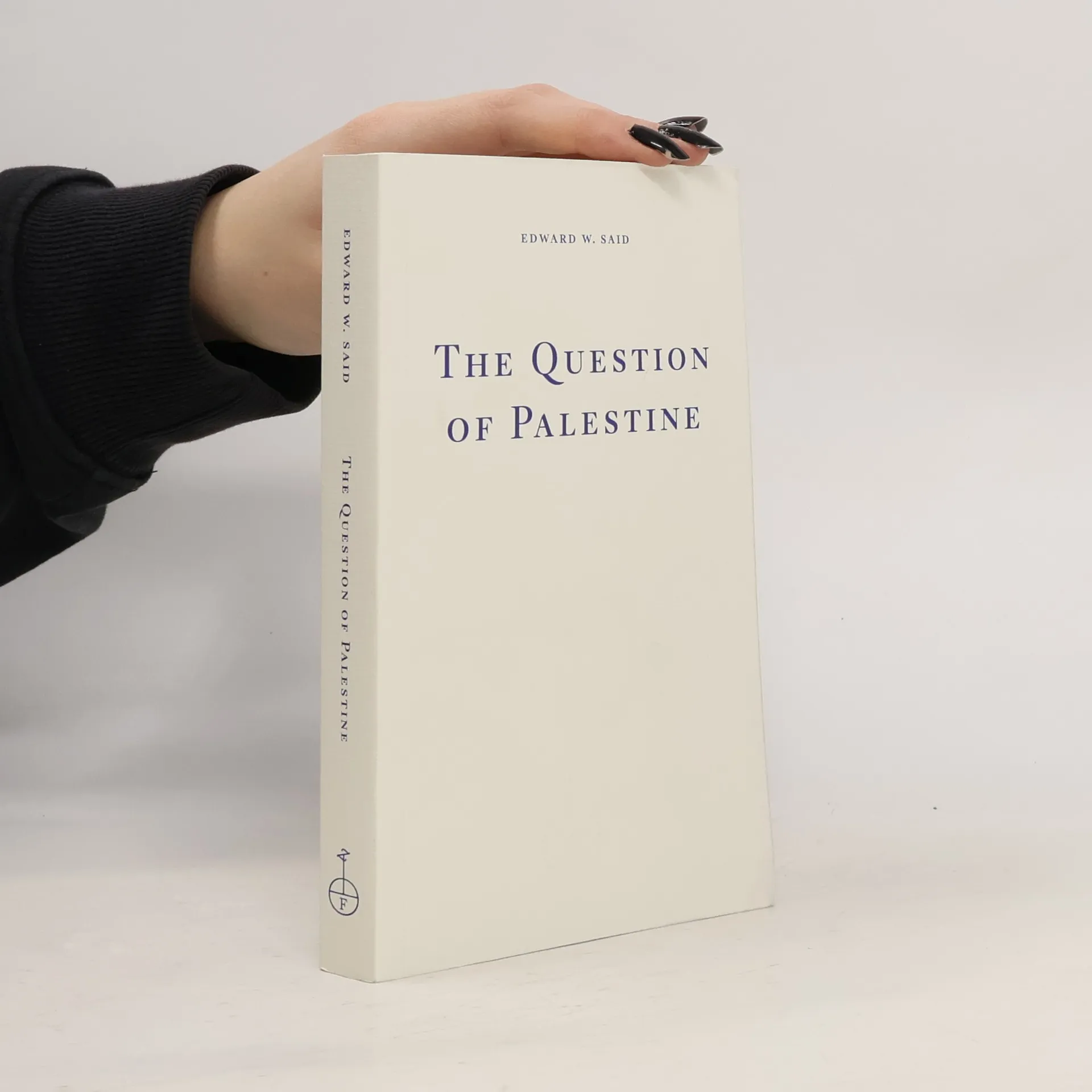
The Question of Palestine
- 376pagine
- 14 ore di lettura
This original and deeply provocative book, first published in 1978, was the first to make Palestine the subject of a serious debate - one that remains as critical as ever.
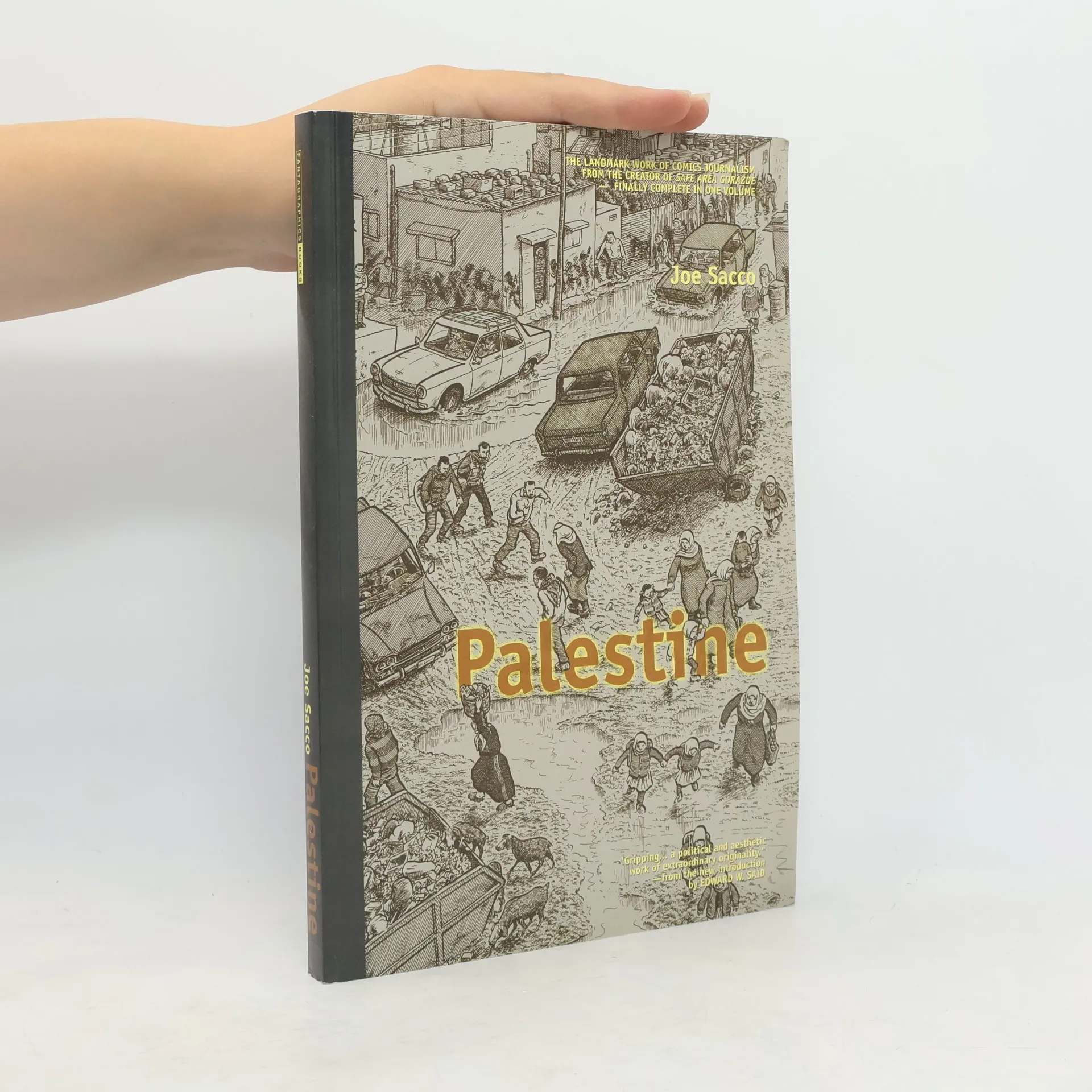
Palestine
The Landmark Work of Comics Journalism From the Creator of Safe Area Gorazde Finally Complete in One Volume
- 285pagine
- 10 ore di lettura
Prior to Safe Area Gorazde: The War In Eastern Bosnia 1992-1995 —Joe Sacco's breakthrough novel of graphic journalism—the acclaimed author was best known for Palestine , a two-volume graphic novel that won an American Book Award in 1996. Fantagraphics Books is pleased to present the first single-volume collection of this landmark of journalism and the art form of comics. Based on several months of research and an extended visit to the West Bank and Gaza Strip in the early 1990s (where he conducted over 100 interviews with Palestinians and Jews), Palestine was the first major comics work of political and historical nonfiction by Sacco, whose name has since become synonymous with this graphic form of New Journalism. Like Safe Area Gorazde , Palestine has been favorably compared to Art Spiegelman's Pulitzer Prize-winning Maus for its ability to brilliantly navigate such socially and politically sensitive subject matter within the confines of the comic book medium. Sacco has often been called the first comic book journalist, and he is certainly the best. This edition of Palestine also features an introduction from renowned author, critic, and historian Edward Said ( Peace and Its Discontents and The Question of Palestine ), one of the world's most respected authorities on the Middle Eastern conflict.
Peace and Its Discontents
Essays on Palestine in the Middle East Peace Process
- 224pagine
- 8 ore di lettura
Challenging the official narrative of the Middle East peace process, this book presents a critical examination of cultural myths and political realities. The author, a prominent Palestinian-American intellectual, encourages readers to rethink widely accepted beliefs about the region. With incisive arguments and a passionate tone, the work stimulates thought on complex issues, making it a significant contribution to discussions on culture and imperialism.
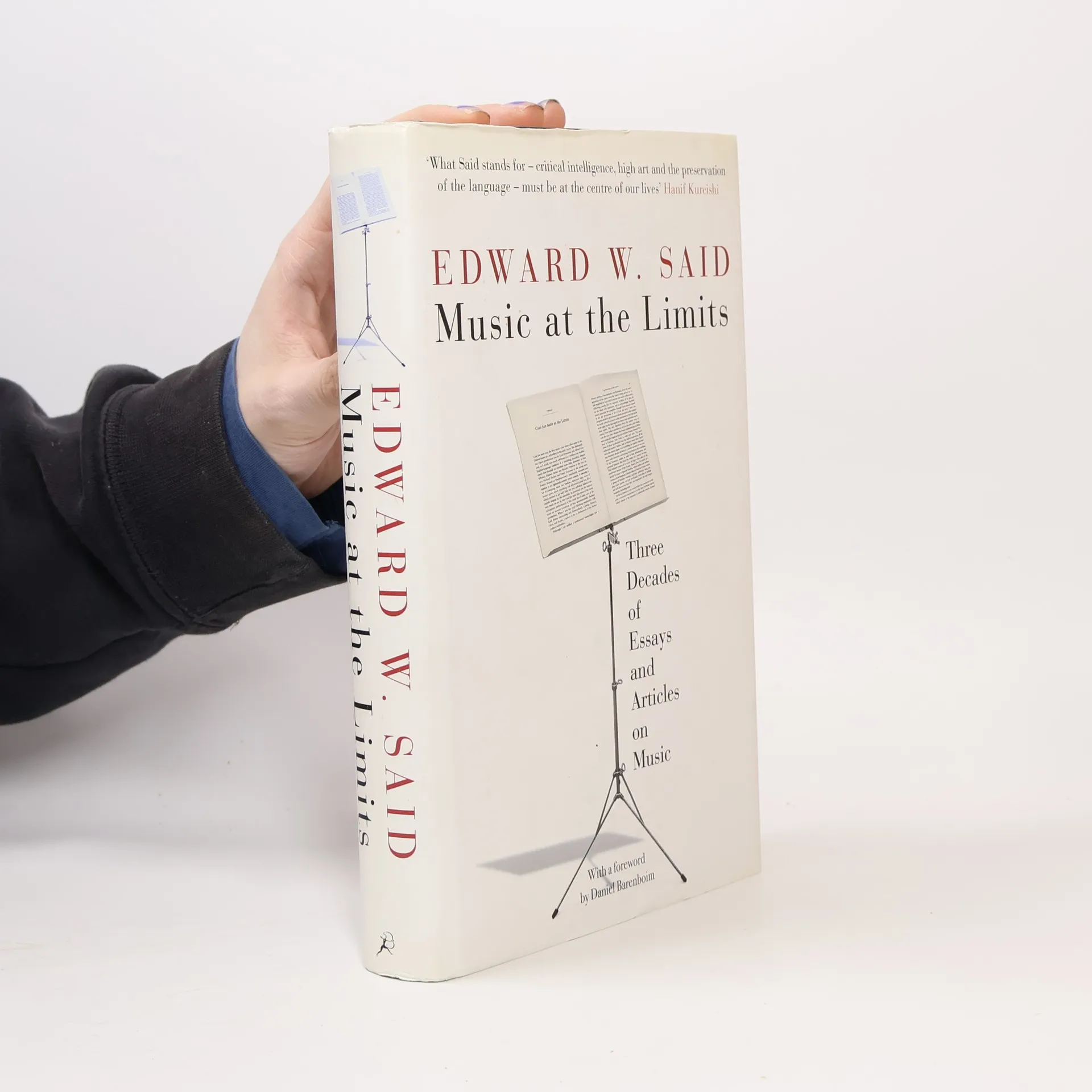
With a foreword by Daniel BarenboimMusic at the Limits is the first book to bring together three decades of Edward Said's essays and articles on music.
The Politics of Dispossession
- 512pagine
- 18 ore di lettura
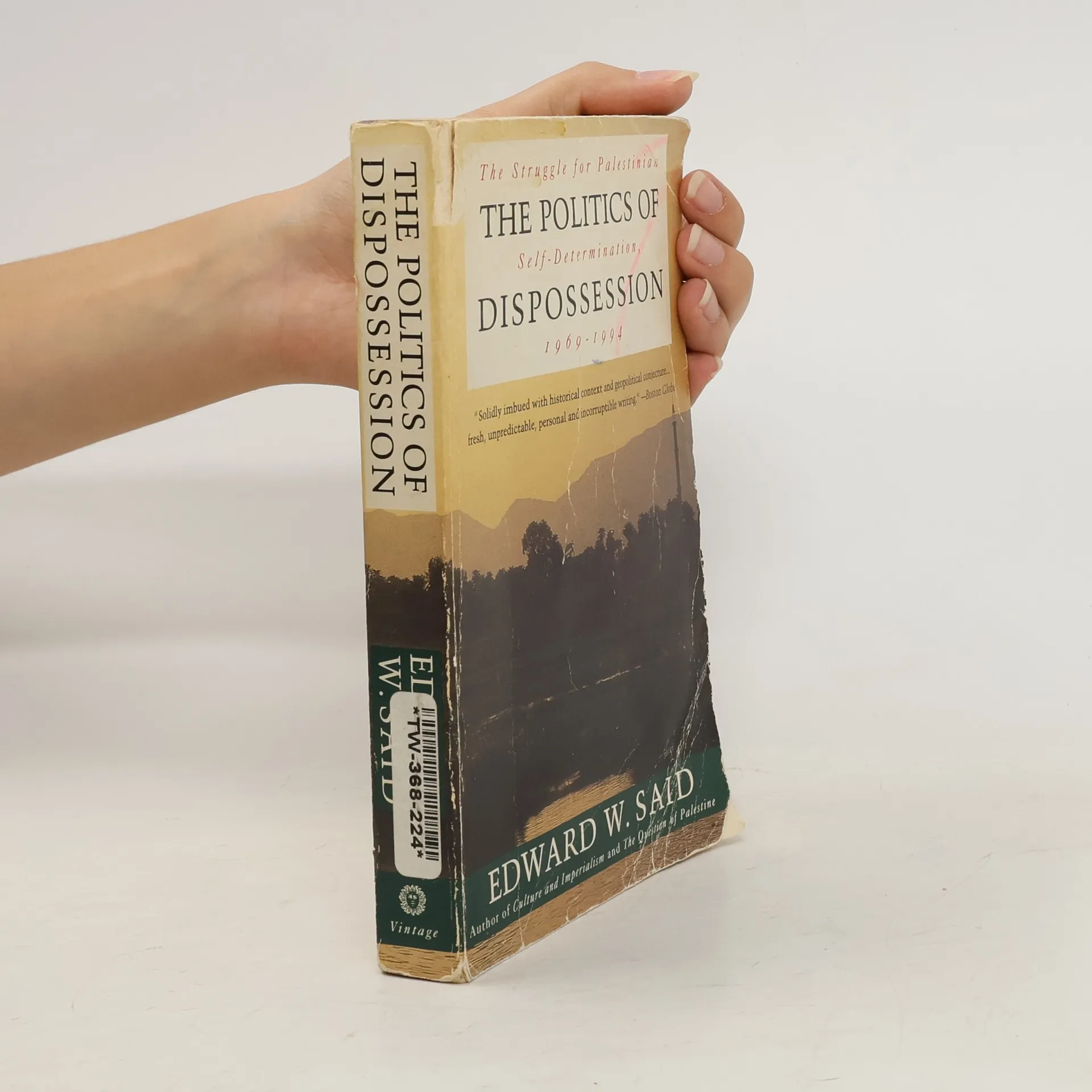
Ever since the appearance of his groundbreaking The Question of Palestine, Edward Said has been America's most outspoken advocate for Palestinian self-determination. As these collected essays amply prove, he is also our most intelligent and bracingly heretical writer on affairs involving not only Palestinians but also the Arab and Muslim worlds and their tortuous relations with the West.In The Politics of Dispossession Said traces his people's struggle for statehood through twenty-five years of exile, from the PLO's bloody 1970 exile from Jordan through the debacle of the Gulf War and the ambiguous 1994 peace accord with Israel. As frank as he is about his personal involvement in that struggle, Said is equally unsparing in his demolition of Arab icons and American shibboleths. Stylish, impassioned, and informed by a magisterial knowledge of history and literature, The Politics of Dispossession is a masterly synthesis of scholarship and polemic that has the power to redefine the debate over the Middle East.
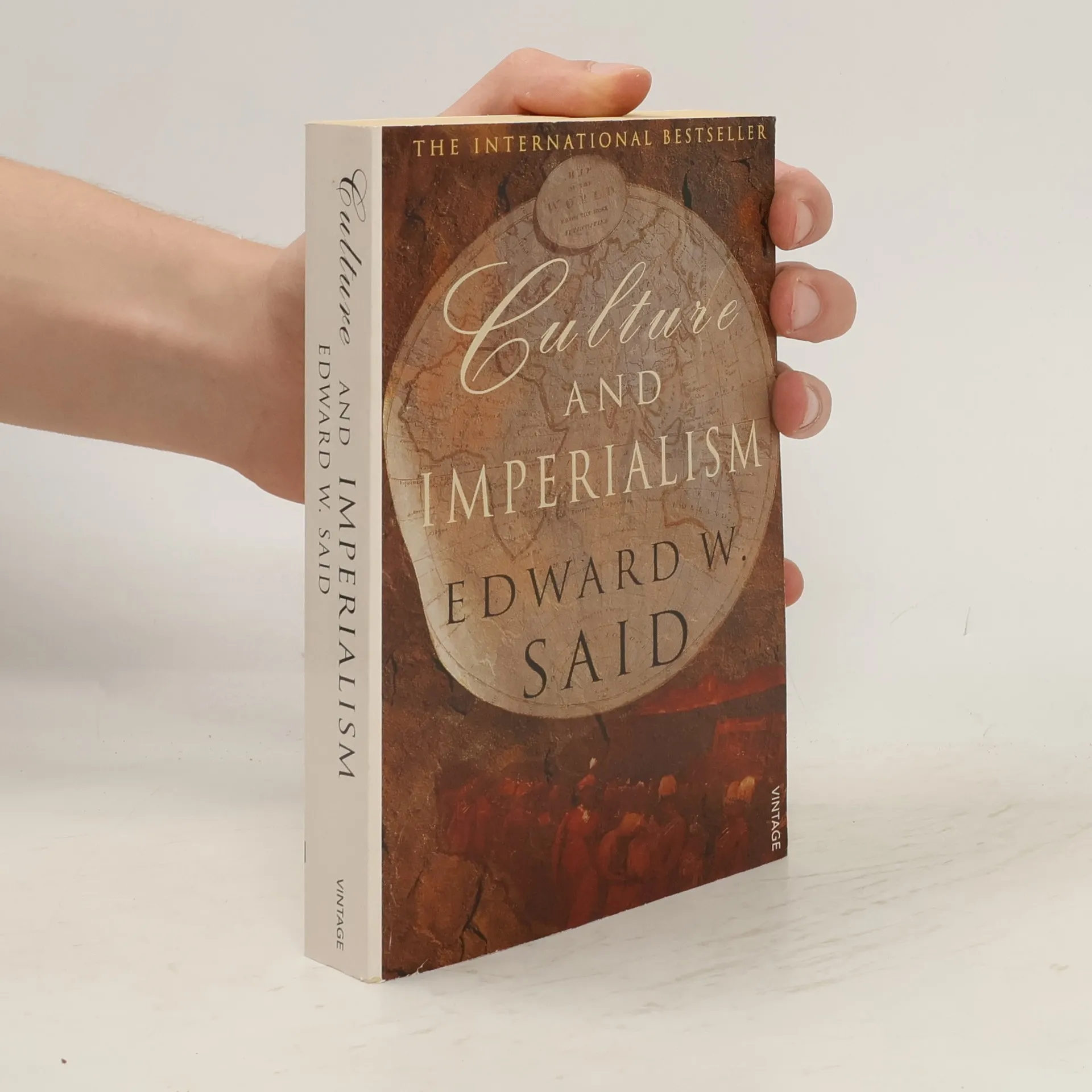
A landmark work from the intellectually auspicious author of Orientalism that explores the long-overlooked connections between the Western imperial endeavor and the culture that both reflected and reinforced it.
Representations of the Intellectual
- 144pagine
- 6 ore di lettura
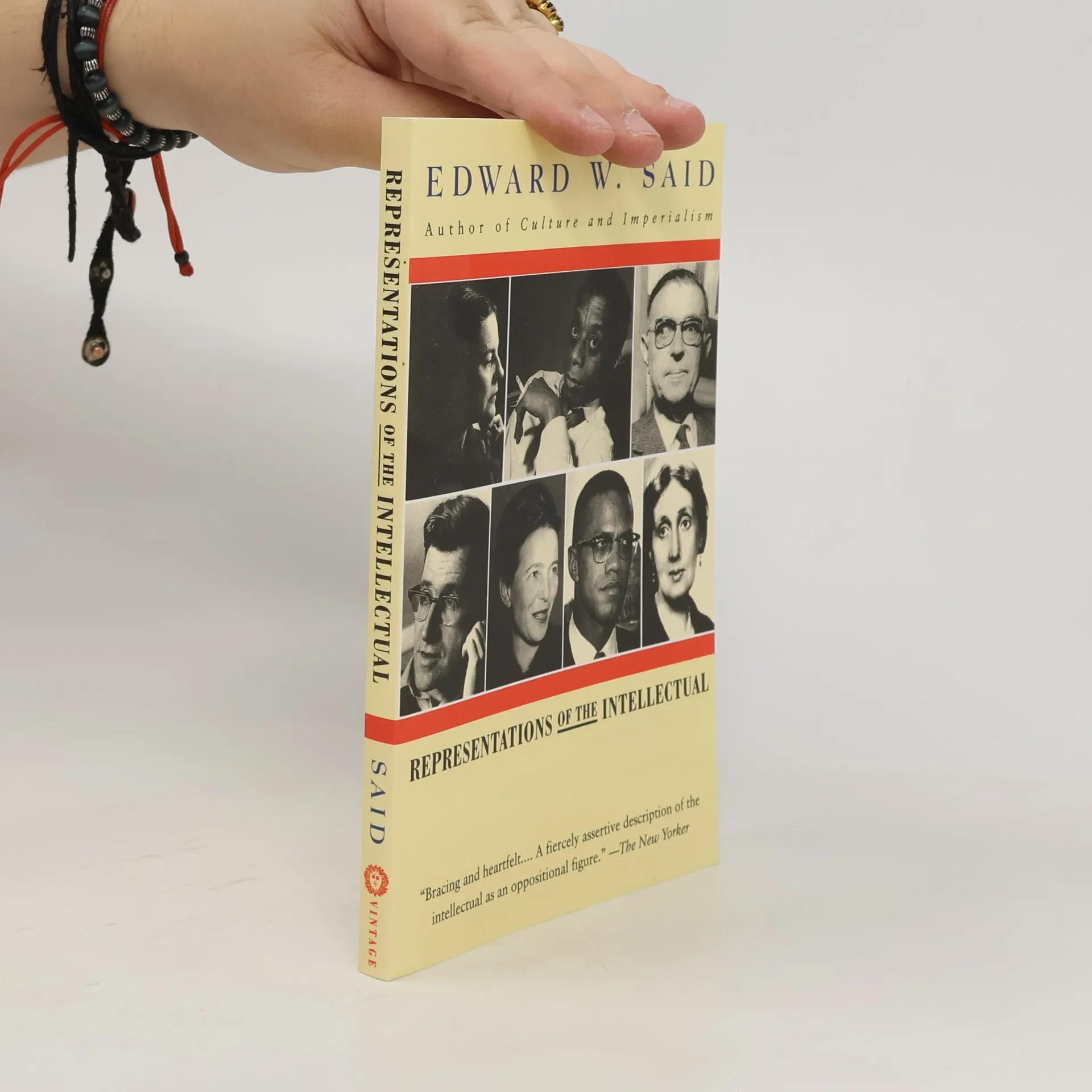
Celebrated humanist, teacher, and scholar, Edward W. Said here examines the ever-changing role of the intellectual today. In these six stunning essays - delivered on the BBC as the prestigious Reith Lectures - Said addresses the ways in which the intellectual can best serve society in the light of a heavily compromised media and of special interest groups who are protected at the cost of larger community concerns. Said suggests a recasting of the intellectual's vision to resist the lures of power, money, and specialization. in these powerful pieces, Said eloquently illustrates his arguments by drawing on such writers as Antonio Gramsci, Jean-Paul Sartre, Regis Debray, Julien Benda, and Adorno, and by discussing current events and celebrated figures in the world of science and politics: Robert Oppenheimer, Henry Kissinger, Dan Quayle, Vietnam, and the Gulf War. Said sees the modern intellectual as an editor, journalist, academic, or political adviser - in other words, a highly specialized professional - who has moved from a position of independence to an alliance with powerful institutional organizations. He concludes that it is the exile-immigrant, the expatriate, and the amateur who must uphold the traditional role of the intellectual as the voice of integrity and courage, able to speak out against those in power.
On Late Style
- 176pagine
- 7 ore di lettura
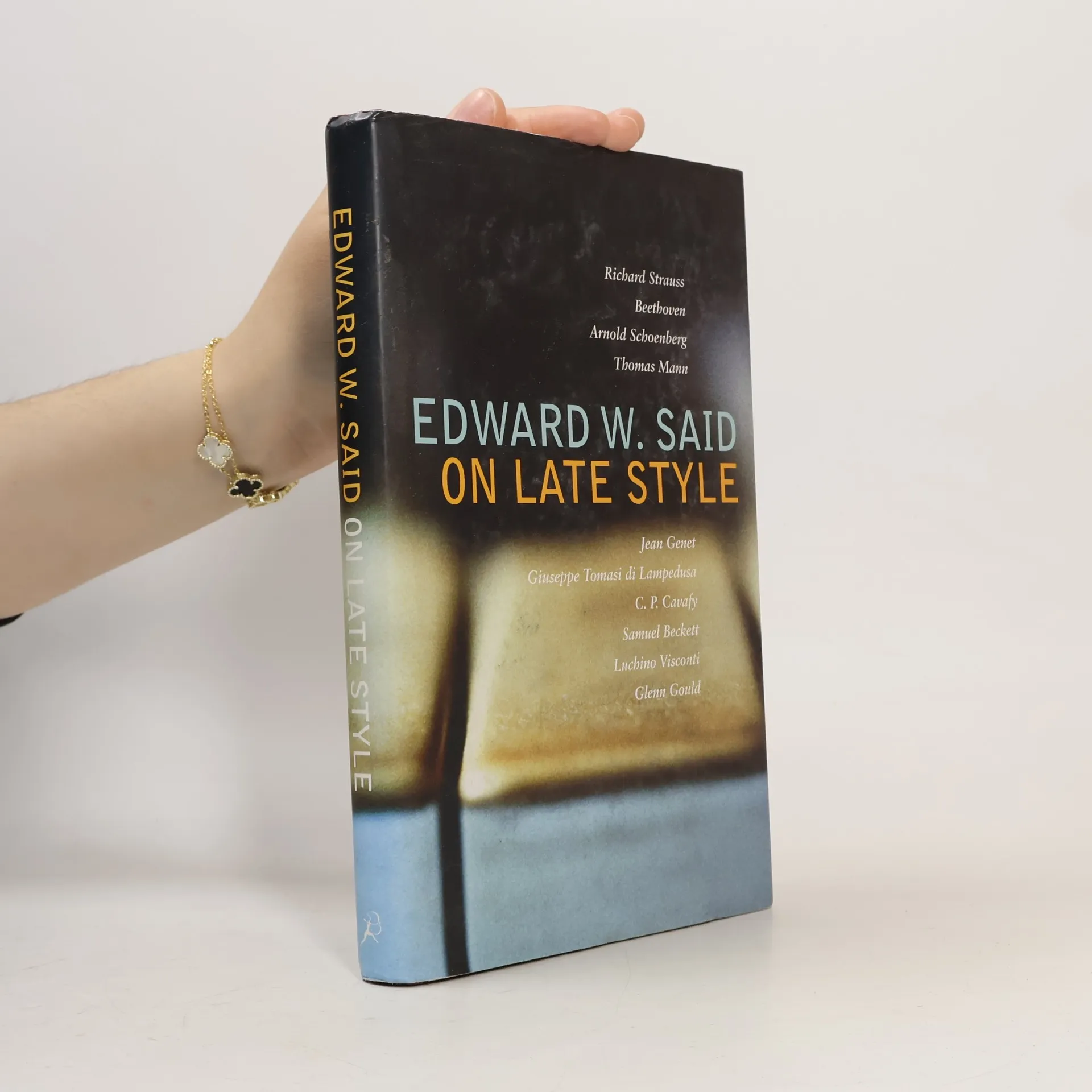
In this fascinating book, Edward Said looks at the creative contradictions that often mark the late works of literary and musical artists. Said shows how the approaching death of an artist can make its way into his work, examining essays, poems, novels, films, and operas by such artists as Beethoven, Genet, Mozart, Lampedusa, Euripides, Cavafy, and Mann, among others. He uncovers the conflicts and complexity that often distinguish artistic lateness, resulting in works that stood in direct contrast to what was popular at the time and were forerunners of what was to come in each artist's discipline–works of true genius. Eloquent and impassioned, brilliantly reasoned and revelatory, On Late Style is Edward Said's own great last work. From the Trade Paperback edition.
Reflections on Exile
- 656pagine
- 23 ore di lettura
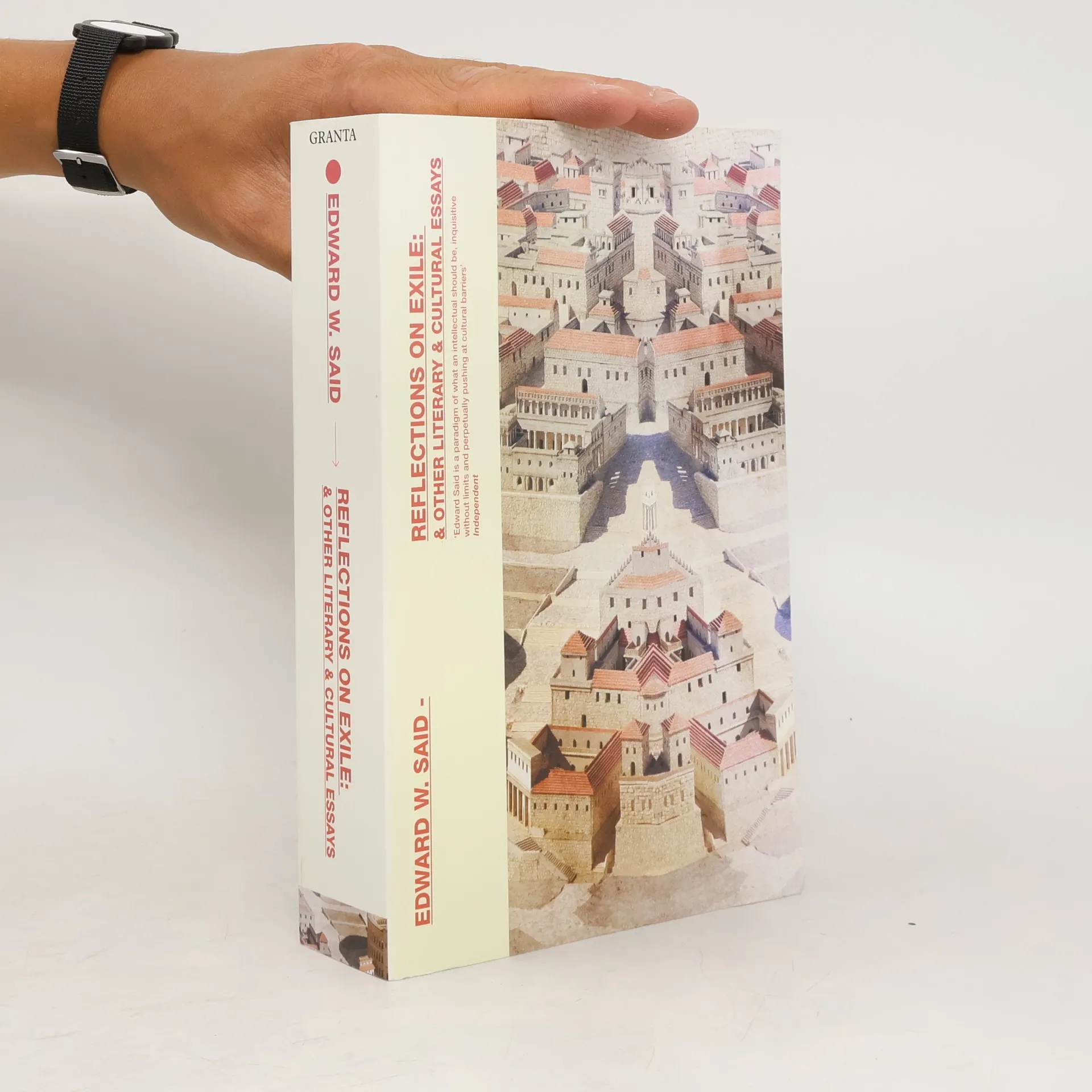
A compilation of 35 years' worth of critical essays from one of the boldest and most articulate cultural theorists of our time
Covering Islam
- 224pagine
- 8 ore di lettura
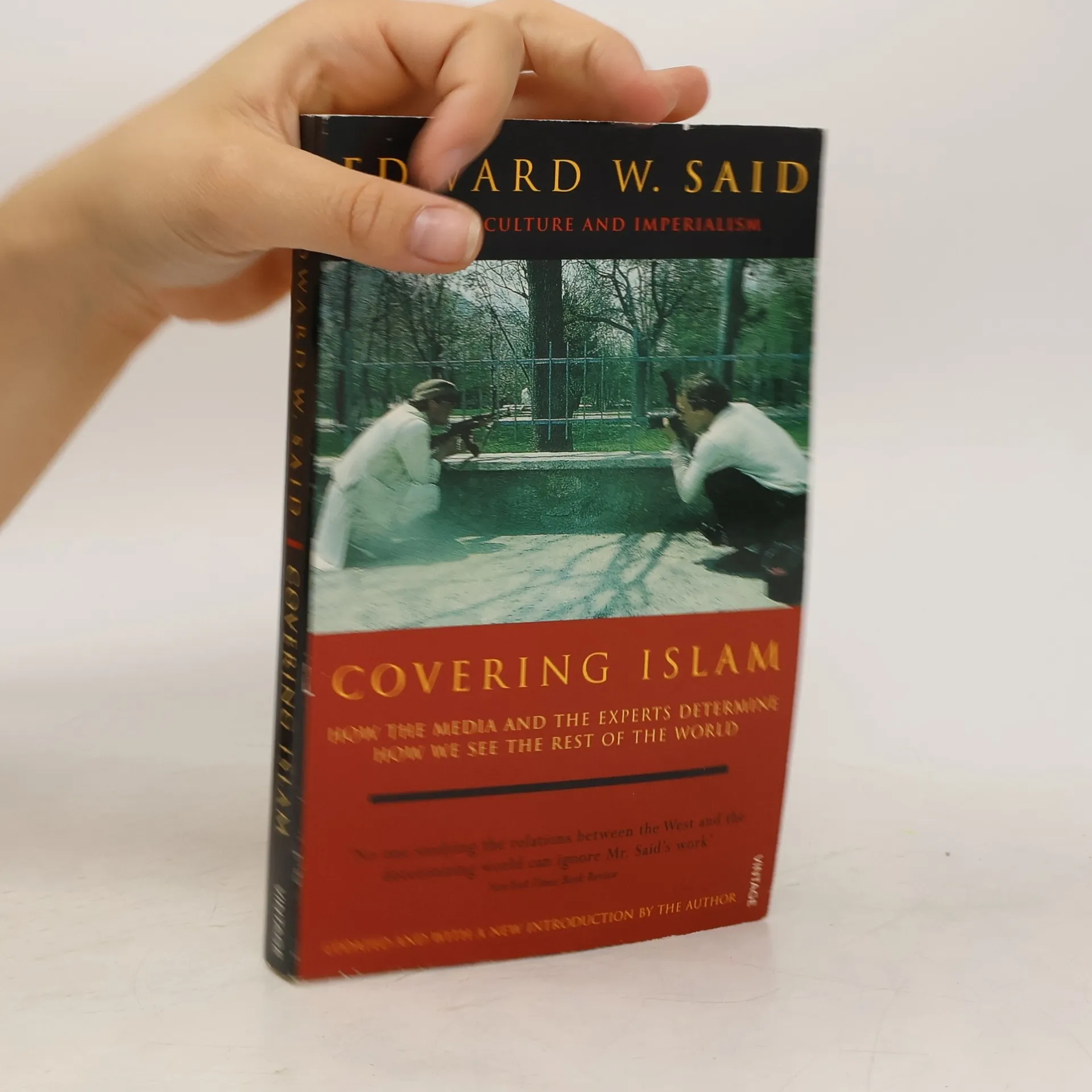
From the Iranian hostage crisis through the Gulf War and the World Trade Centre bombing, the West has been haunted by a spectre called 'Islam'. As portrayed by the news media - and by a chorus of government, academic and corporate experts - 'Islam' is synonymous with terrorism and religious hysteria.
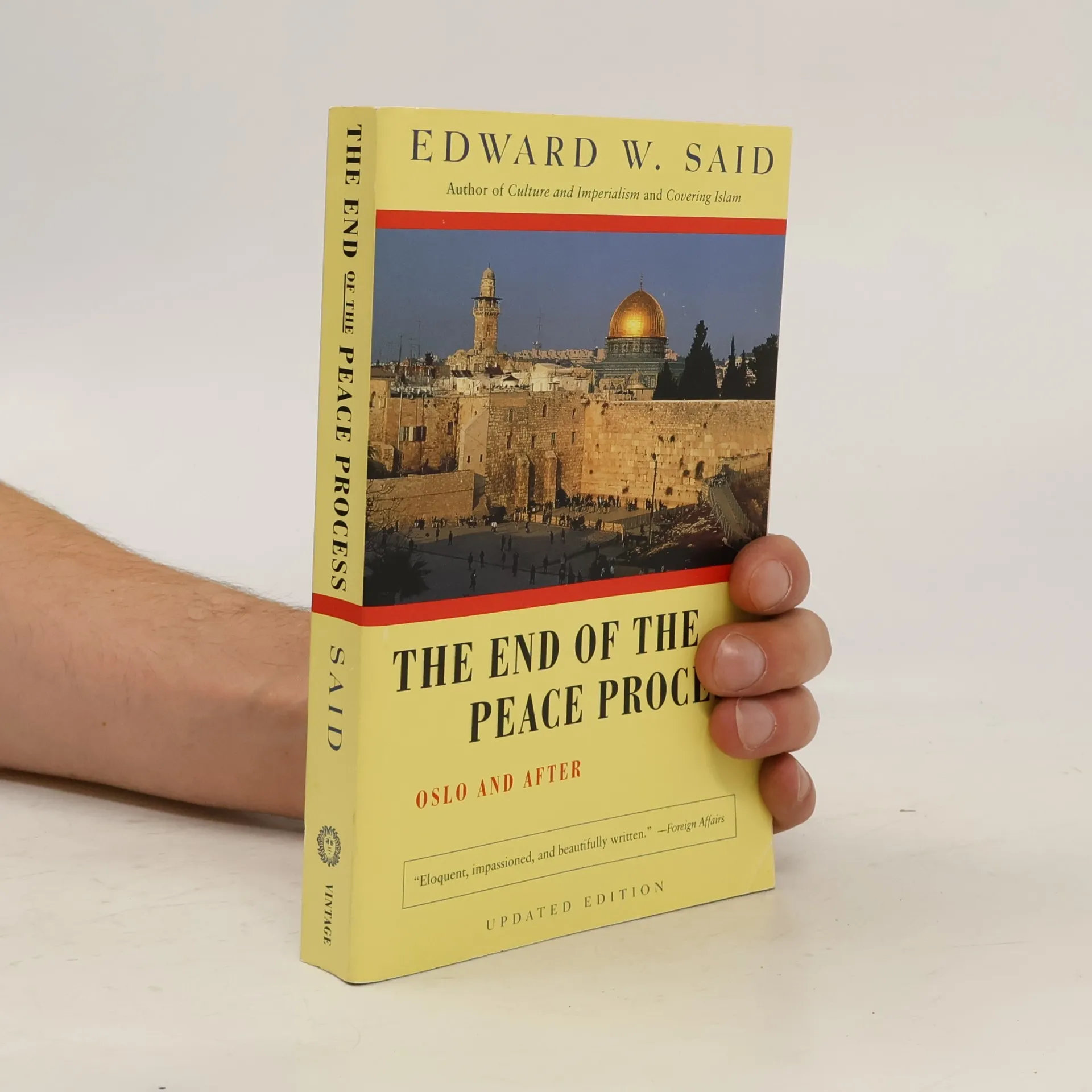
The essays delve into the political dynamics following the Oslo accords, revealing how the facade of reconciliation in the Middle East often obscures the absence of genuine peace. Edward Said critiques the mechanisms that perpetuate conflict, drawing on his insights from various Arab and European publications. Through his analysis, he challenges the prevailing narratives and highlights the complexities of the region's struggles, emphasizing the disconnect between political agreements and the realities on the ground.
Israeli Daniel Barenboim - director of the Chicago Symphony Orchestra and of the Berlin State Opera - and Palestinian Edward Said - eminent literary critic and leading expert on the Middle East - have been close friends for years. Parallels and Paradoxes is a series of discussions between the two friends about music, politics, literature and society. Barenboim and Said talk about, among other subjects, the differences between writing prose and music; the compromising politician versus the uncompromising artist; Beethoven as the ultimate sonata composer; Wagner; great teachers; and the power of culture to transcend national differences. Parallels and Paradoxes is an affectionate and impassioned exchange of ideas that is deeply informed, profound and yet completely accessible.
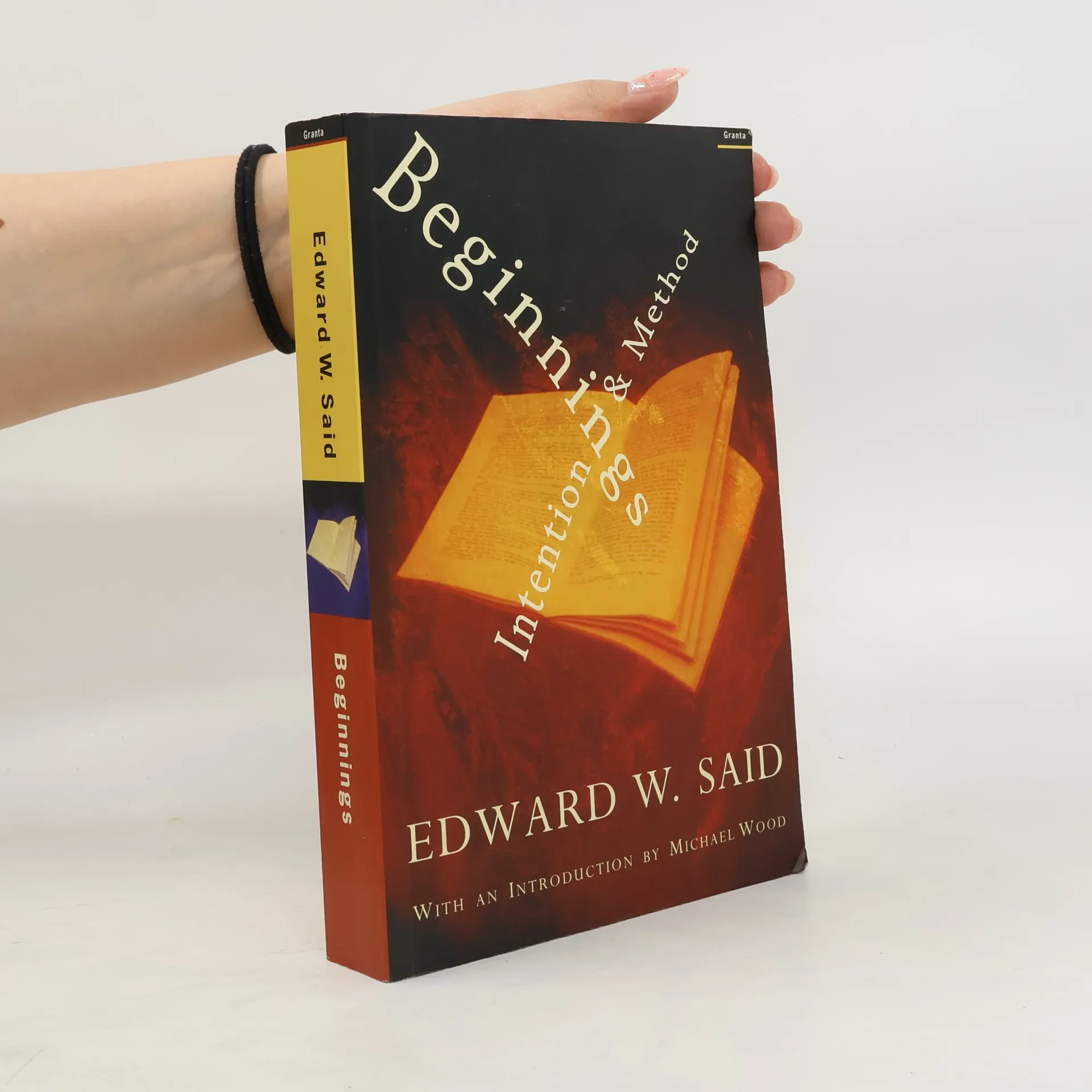
Beginnings
- 436pagine
- 16 ore di lettura
"Beginnings, " winner of the first Lionel Trilling Memorial Award, is one of the major texts of contemporary criticism.
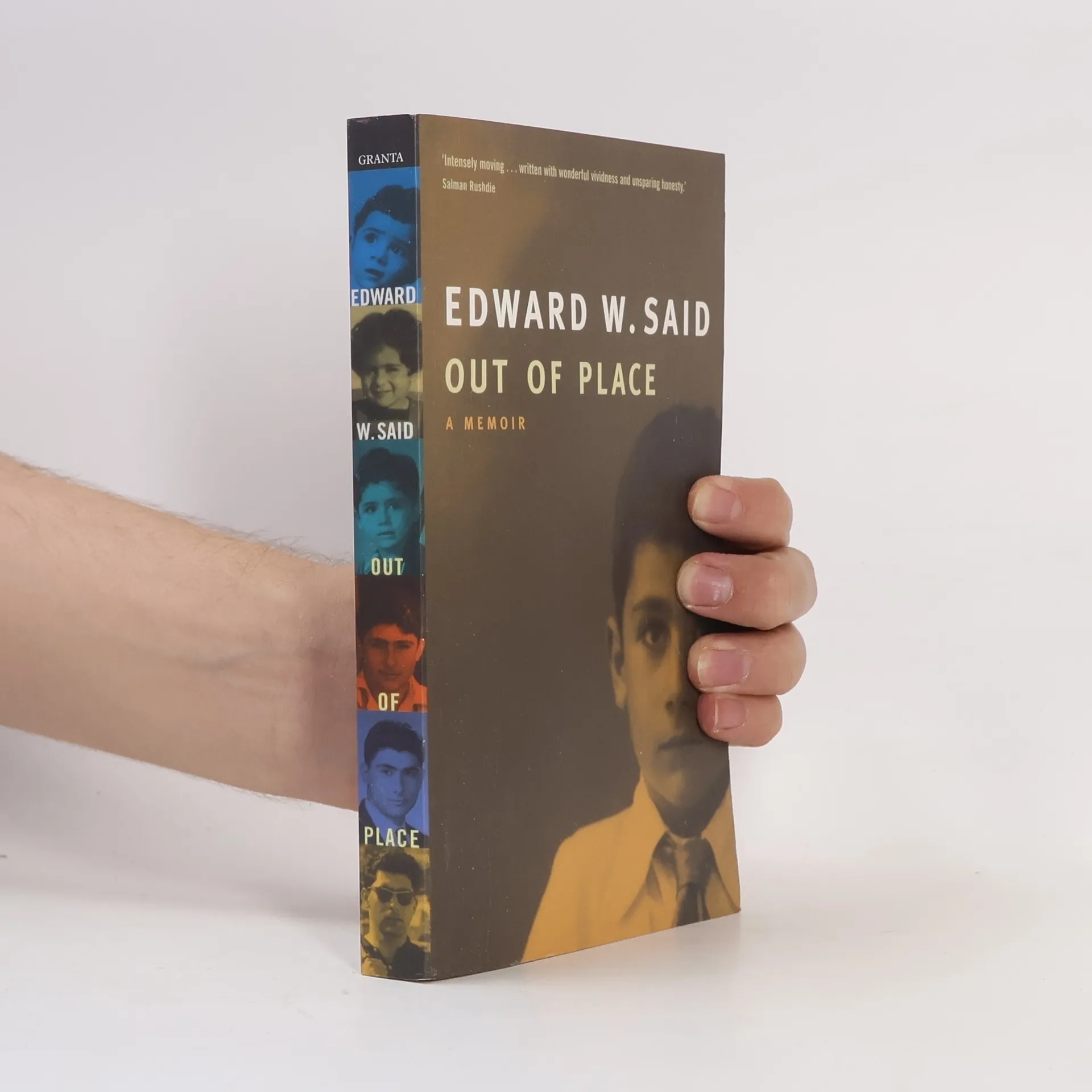
Out of Place
- 320pagine
- 12 ore di lettura
Born in Jerusalem in 1935, Edward Said spent much of his youth in Cairo and Lebanon. Out of Place is an act of emotional archaeology of that time, bringing to life people and places many of which no longer exist. In this unstintingly candid memoir - dominated by his ferociously demanding 'Victorian' father and his adored, inspiring yet ambivalent mother - Said traces his growing sense of himself as an outsider: Arab but Christian, Palestinian but the holder of a US Passport, having an improbably British first name yoked to an Arabic surname.
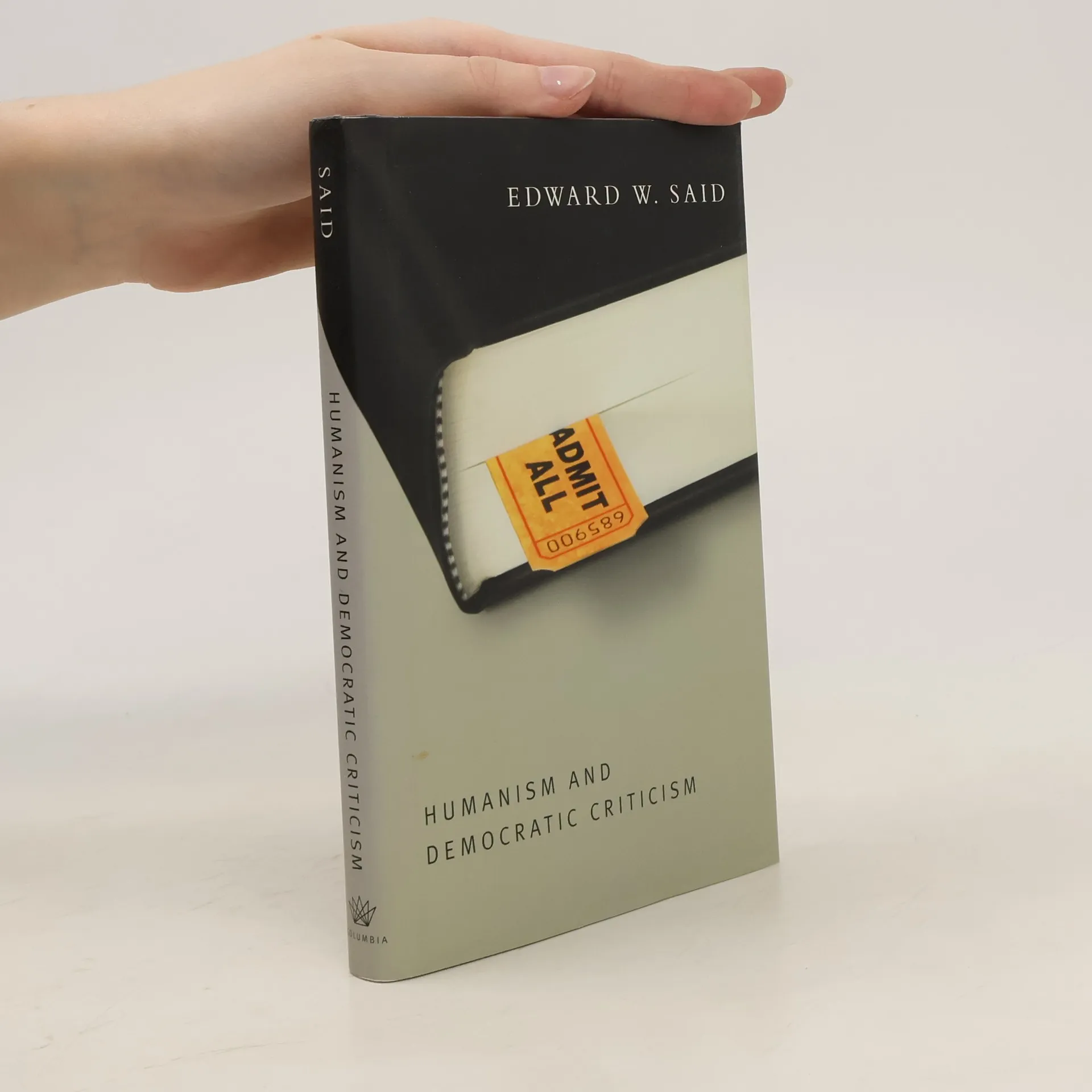
Humanism and Democratic Criticism
- 192pagine
- 7 ore di lettura
brought on by advances in technological communication, intellectual specialization, and cultural sensitivity -- has eroded the former primacy of the humanities, Edward Said argues that a more democratic form of humanism -- one that aims to incorporate, emancipate, and enlighten --
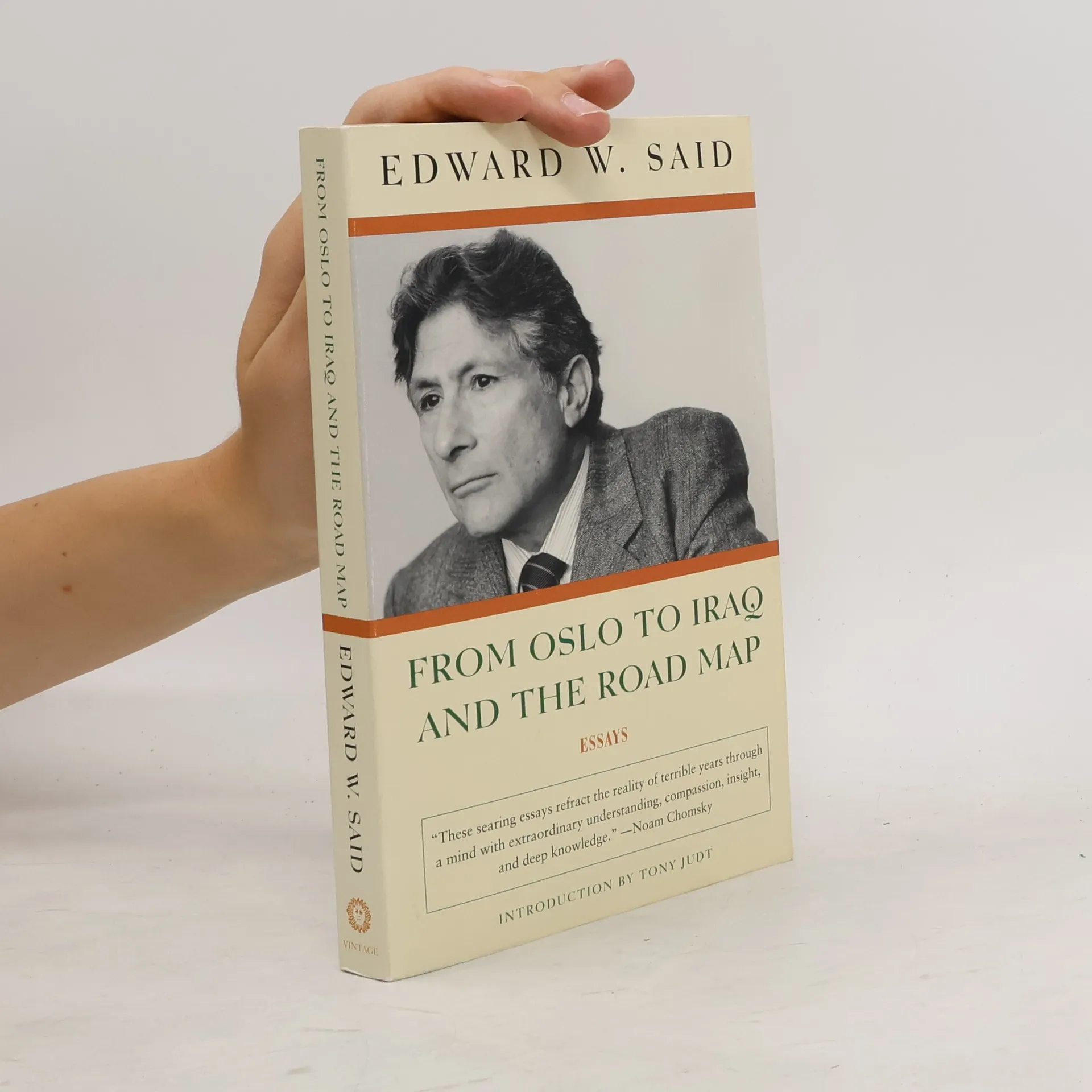
Focusing on the Palestinian cause, Edward W. Said's final collection of essays passionately advocates for truth and justice regarding Israel's occupation and the plight of Palestinians. Drawing from various international publications, he critiques the Oslo Accords and the U.S. invasion of Iraq while highlighting underrepresented perspectives in America. Said calls for improved dialogue between progressive Israelis and Palestinians and critiques the shortcomings of Arab leadership, emphasizing the urgent need for genuine change in the region.
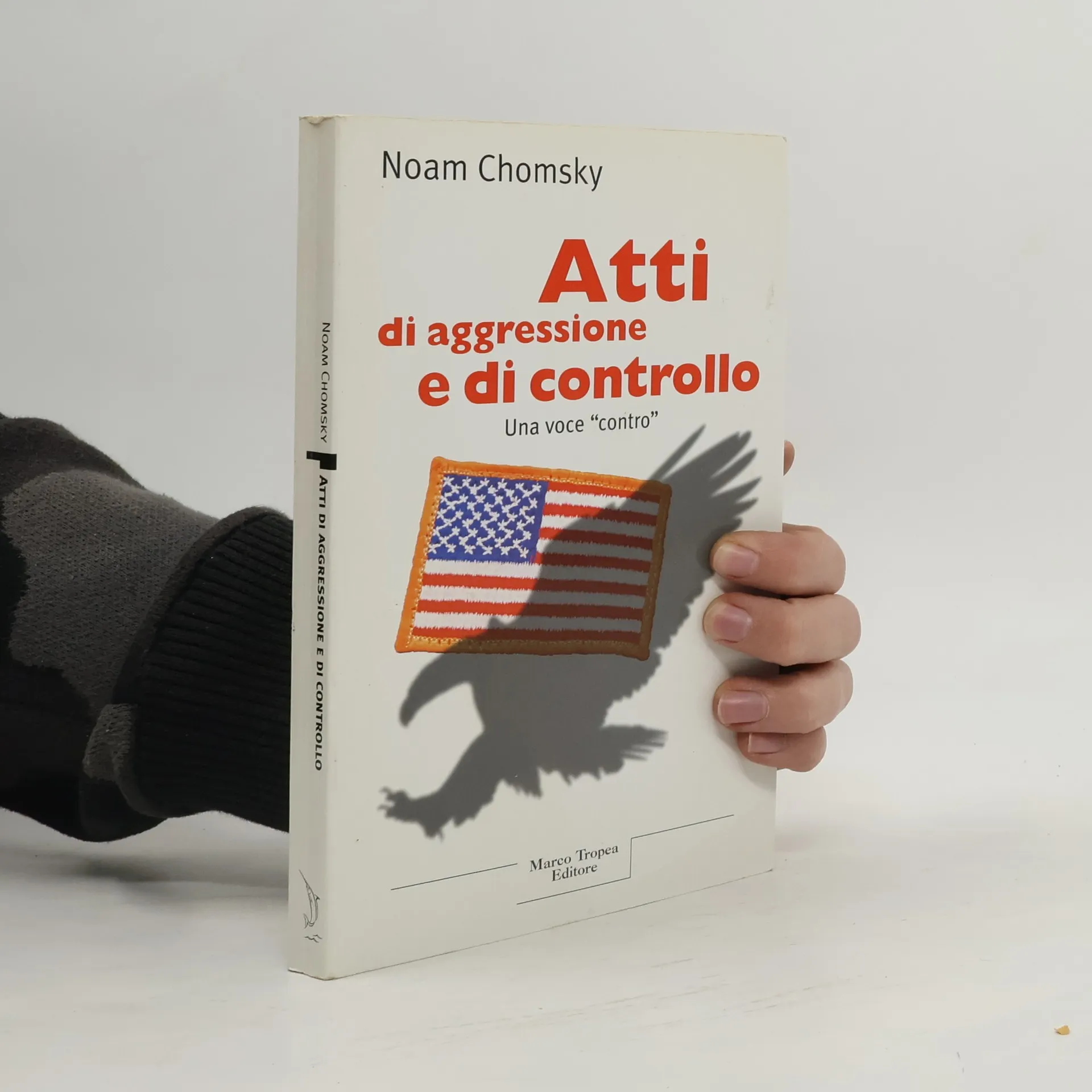
Atti di aggressione e di controllo
- 192pagine
- 7 ore di lettura
Through three separate essays, this book provides an in-depth analysis of U.S.-Arab relations, the contradictions and consequences of U.S. foreign policy toward "rogue states, " and how hostile American actions abroad conflict with U.N. resolutions and international law.Noam Chomsky compares U.S. foreign policy to that of the "rogue states" which the United States identifies as Its enemies. Ramsey Clark argues that U.S. sanctions and military actions against Iraq are indefensible, and in violation of the Universal Declaration of Human Rights.
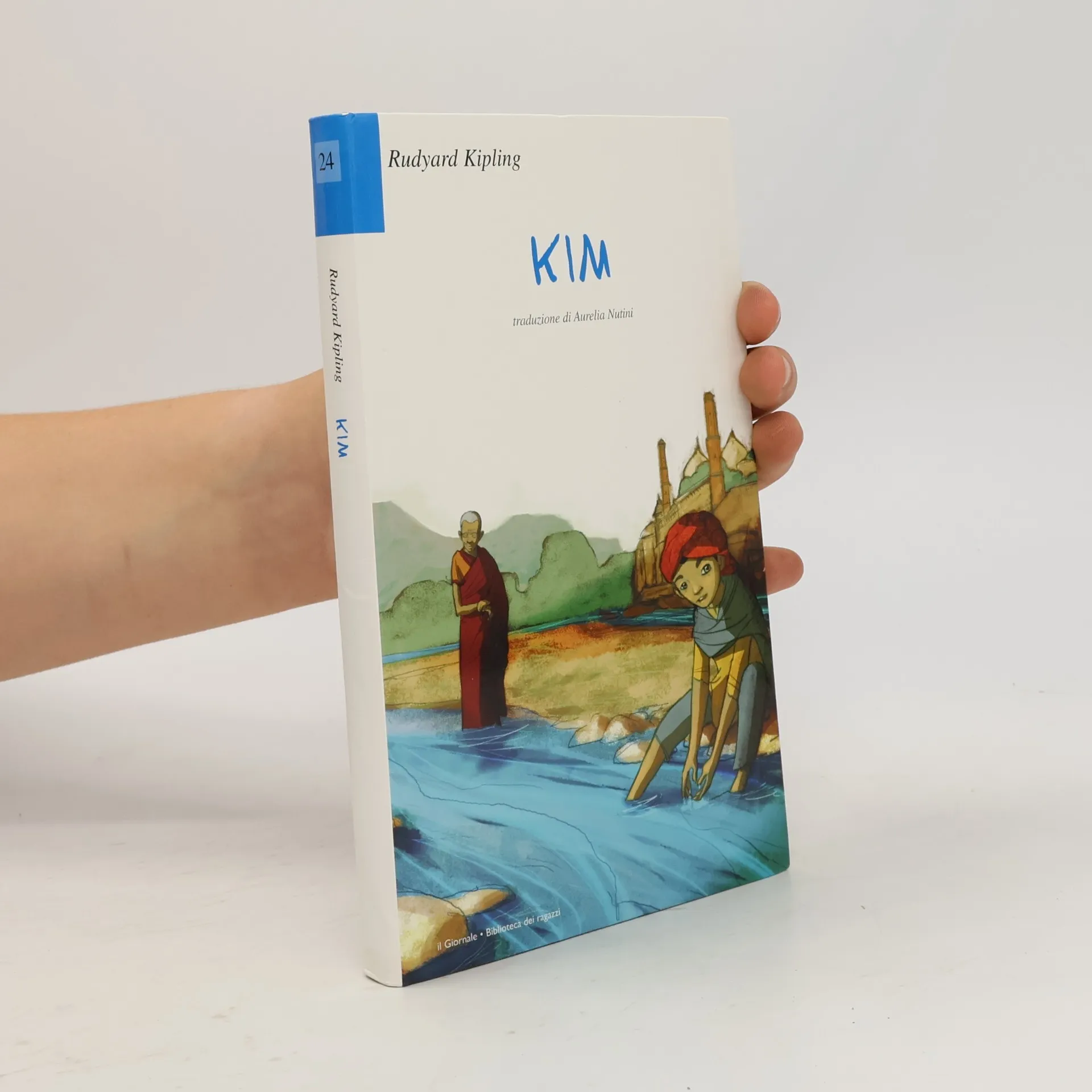
When his father, a soldier stationed in India, dies suddenly, young Kimball O'Hara is left to fend for himself on the streets of Lahore. A proper English lad, Kim is plunged into an exotic and unfamiliar world of crowded bazaars and noisy markets, gilded temples, sahibs and fakirs, beggars, whirling dervishes, soldiers, and spies. Forced to live hand-to-mouth, Kim must rely on his cunning and wit to survive.
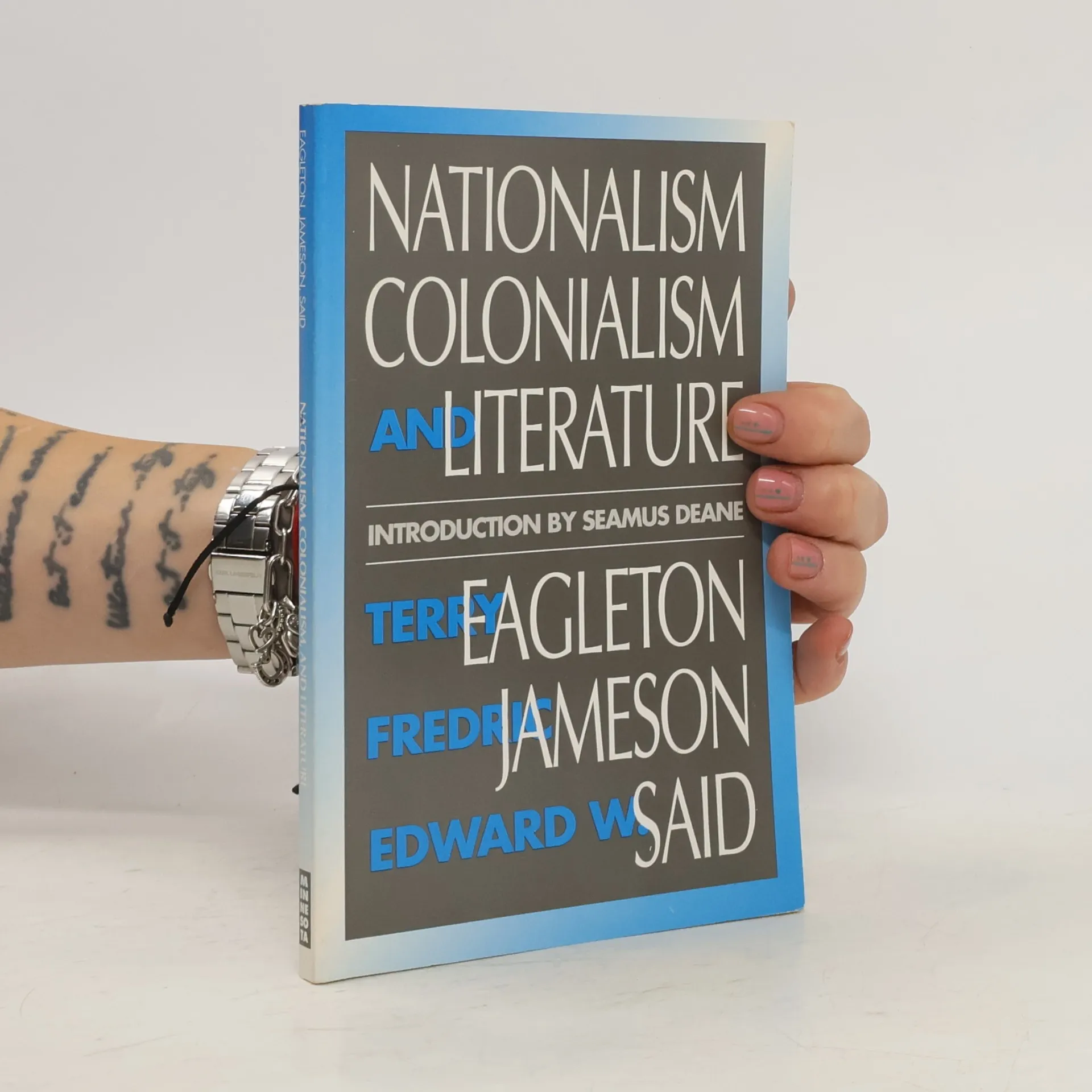
Nationalism, Colonialism, and Literature
- 112pagine
- 4 ore di lettura
The three essays constituting this volume were originally published as individual pamphlets by the Field Day Theatre Company, in Derry, Northern Ireland. Each deals with the question of nationalism and the role of cultural production as a force in understanding and analyzing the aftermath of colonization. The authors’ diverse perspectives are demonstrated by the essays’ respective titles: Eagleton, Nationalism: Irony and Commitment; Jameson, Modernism and Imperialism; and Said, Yeats and Decolonization. The essays have implication beyond their immediate topics, bearing upon questions of feminism, decolonization, and modernism to illuminate problems that belong to other groups and regions.
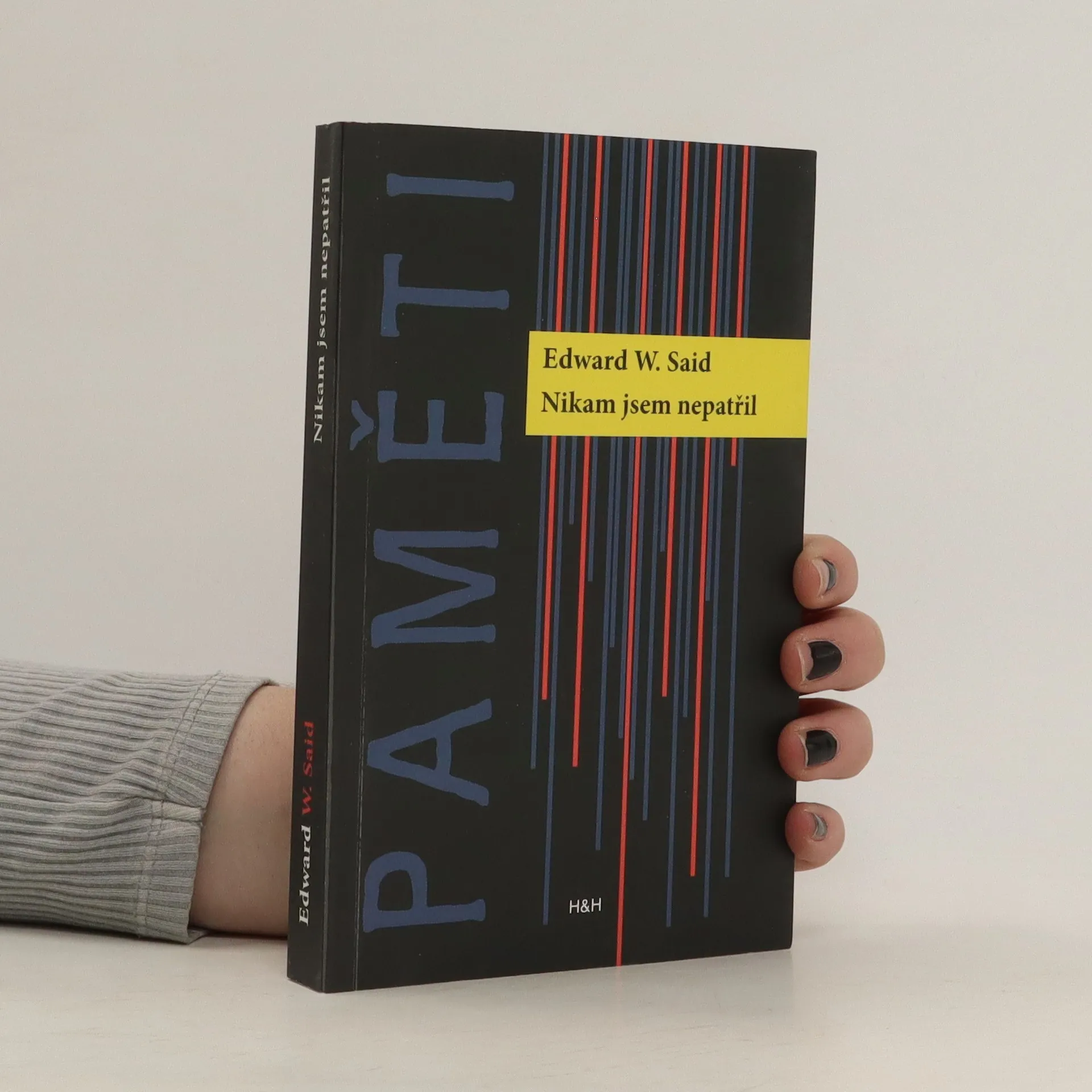
Nikam jsem nepatřil
- 344pagine
- 13 ore di lettura
Vzpomínky Edwarda Saida politologa, historika, novináře a spisovatele (1. 11. 1935 Jeruzalém – 25. 9. 2003 New York) popisují dětství a mládí v mezitím zmizelém arabském světě. S autentickým pocitem osamělosti a vyřazenosti líčí, jak navštěvoval britské a americké školy v Káhiře, kde byl Edward, Arab narozený v palestinském Jeruzalému spolužáky vnímán jako cizinec, a nedokázal mezi ně zapadnout. Frustrace a vnitřní nejistota jsou Saidovy dominantní pocity, které ho provázejí nejen při pobytu v Jeruzalémě, Káhiře, New Yorku a palestinském Dhúru, ale i v značně uzavřené rodině. Tam vládne patriarchální otec a emocionálně nevyrovnaná matka a rodiče nevědomky ambivalentní vztahy uvnitř rodiny i mezi Edwardem a vnějším světem ještě umocňují. Saidovo povědomí vyloučenosti a nepatřičnosti má však svůj zdroj zejména v jinakosti, způsobené jeho příslušností k palestinskému etniku a v pocitu historické křivdy spáchané na Palestincích.
Postkoloniální myšlení II
- 259pagine
- 10 ore di lettura
Druhý díl série Postkoloniální myšlení I–IV, navazující na překlad knihy Frantze Fanona, se zaměřuje na historické východisko postkoloniálního myšlení jako emancipačního programu druhé vlny dekolonizace. Tento proces, probíhající v Asii a Africe od konce druhé světové války do poloviny sedmdesátých let, byl na Západě vnímán jako rozklad evropských imperiálních říší. Autoři v knize vyjadřují perspektivu osvobození od koloniální nadvlády a systémů útlaku. Klíčovou otázkou je postkoloniální identita a konstrukce nové politiky identity: bude vycházet z národního esencialismu, nebo z konstruktivistického pohledu na národ jako myšlené společenství? Tyto nekompatibilní koncepce reflektují problémy, které se objevují i v kontextu postsocialistické transformace po roce 1989. Publikace zahrnuje klasické texty, které definují témata univerzality, diference, rezistence a jazyka jako struktury moci. Specifikum výběru spočívá v dvou místních aspektech pohledu na postkoloniální situaci: roli autora a dědictví totalitního režimu, které formovalo stereotypy ideologií.
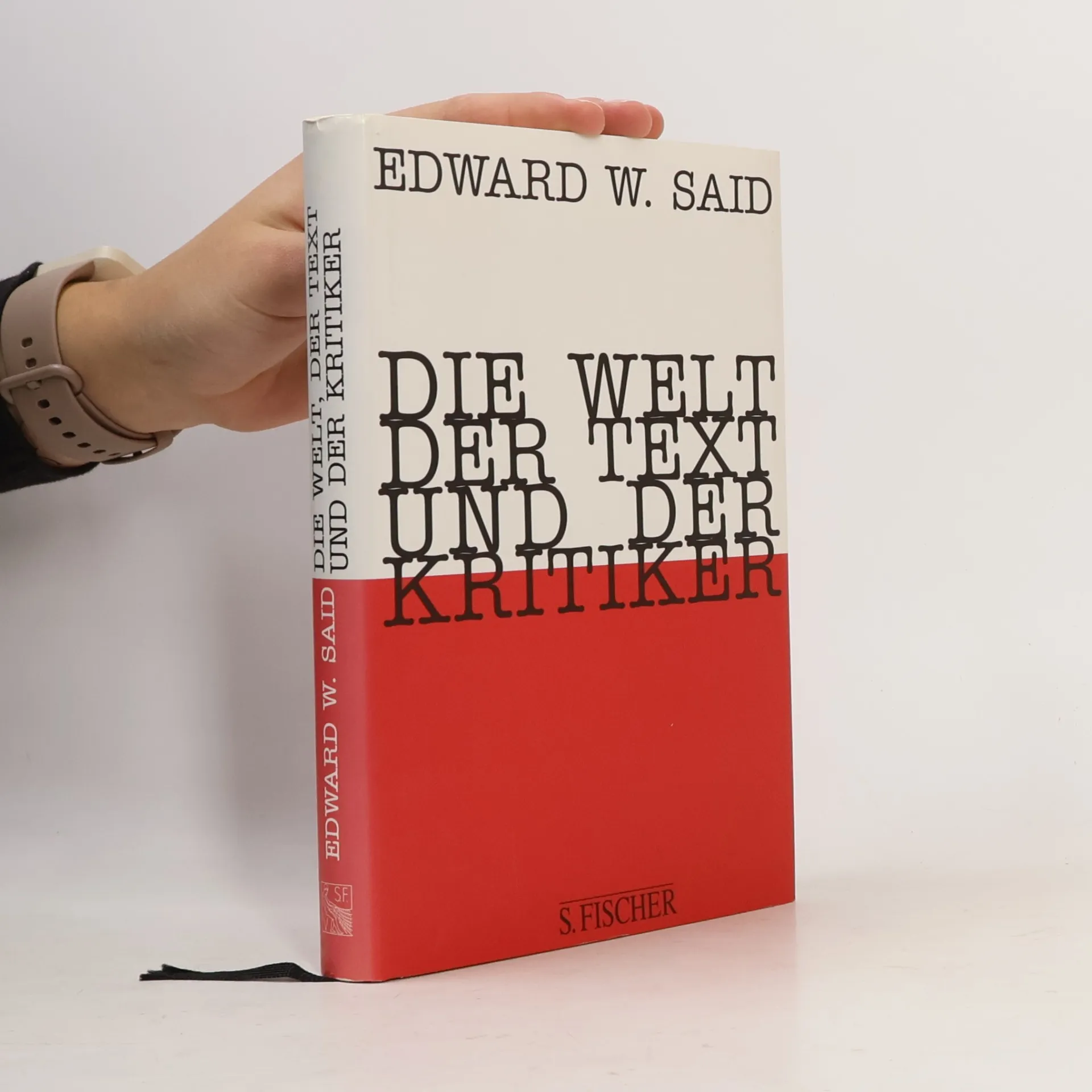
Die Welt, der Text und der Kritiker
- 311pagine
- 11 ore di lettura
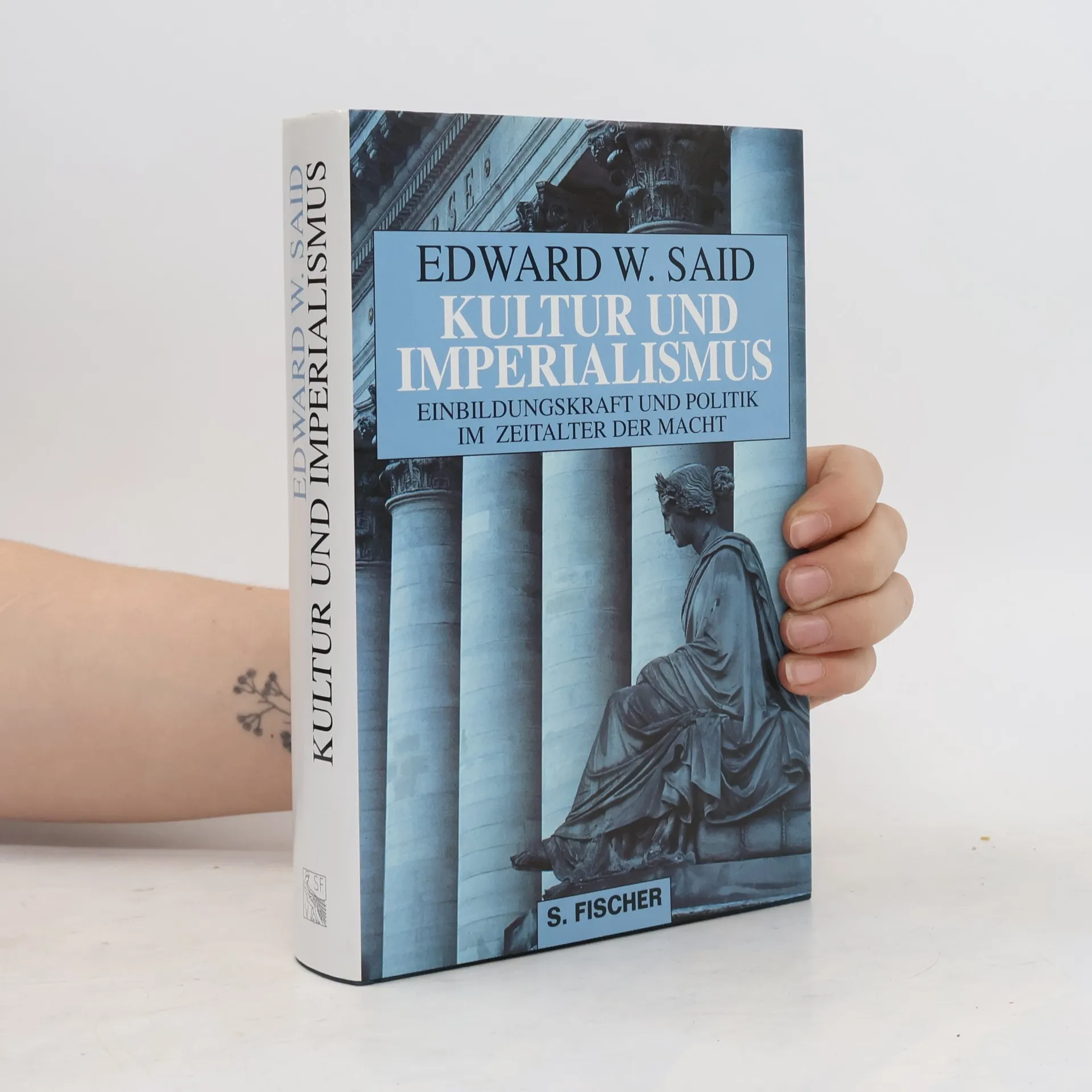
Kultur und Imperialismus
Einbildungskraft und Politik im Zeitalter der Macht
- 476pagine
- 17 ore di lettura
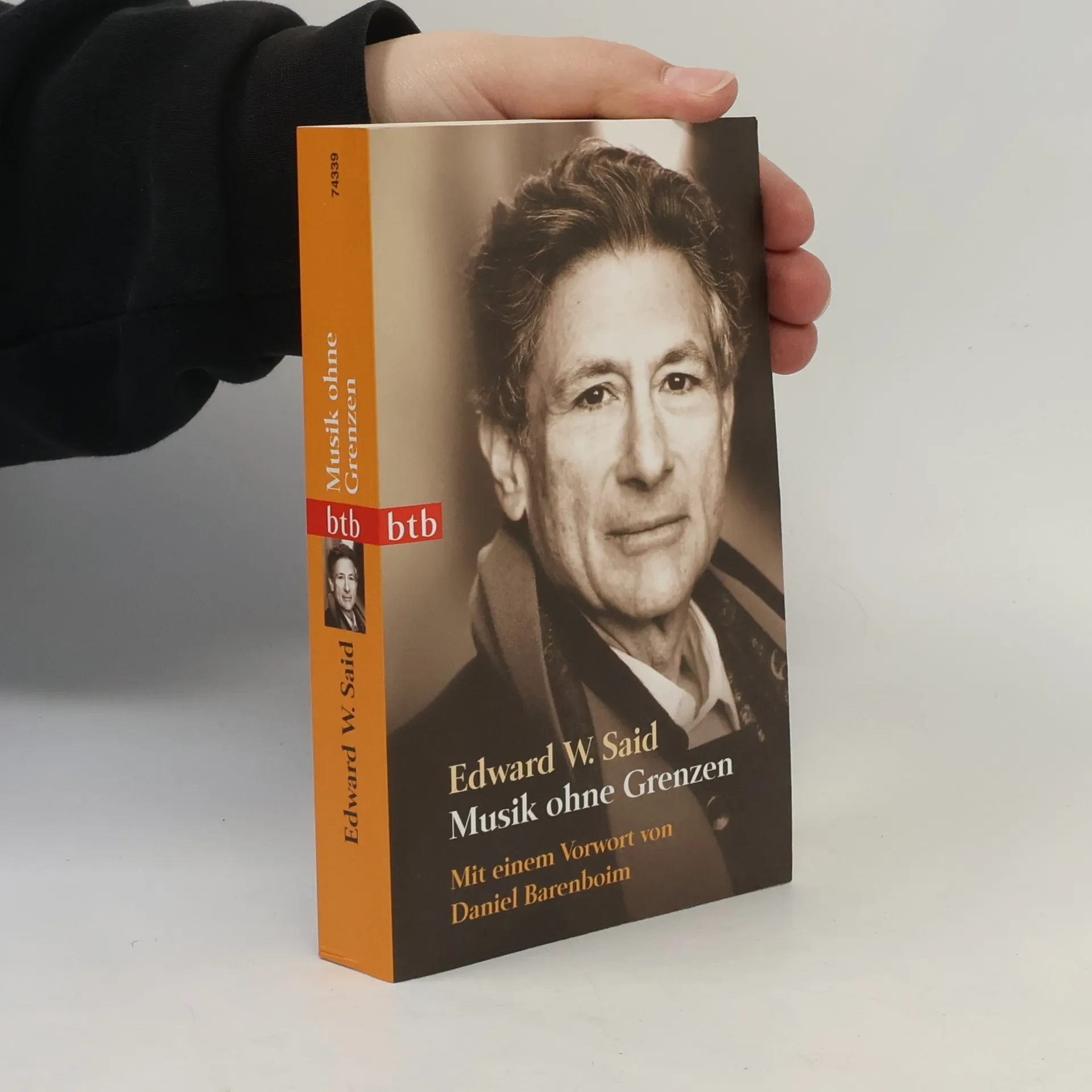
Musik ohne Grenzen
- 416pagine
- 15 ore di lettura
Der Literaturtheoretiker Edward Said war nicht nur einer der wichtigsten Intellektuellen des ausgehenden 20. Jahrhunderts, der sich mit dem Orientalismus beschäftigte und maßgebliche Debatten über den israelisch-palästinensischen Konflikt anstieß. Als ausgebildeter Pianist war er auch ein leidenschaftlicher und hoch geschätzter Musikkritiker. Dieser Band versammelt Texte zur Musik, die er in 30 Jahren für „The Nation“ und andere Zeitungen schrieb. Ob er nun über Mozart, das Verbot, in Israel Wagner zu spielen, seinen Lieblingspianisten Glenn Gould oder seinen Freund und Weggefährten Daniel Barenboim schreibt, immer ist sein Ansatz aufregend, provokant und unterhaltsam.
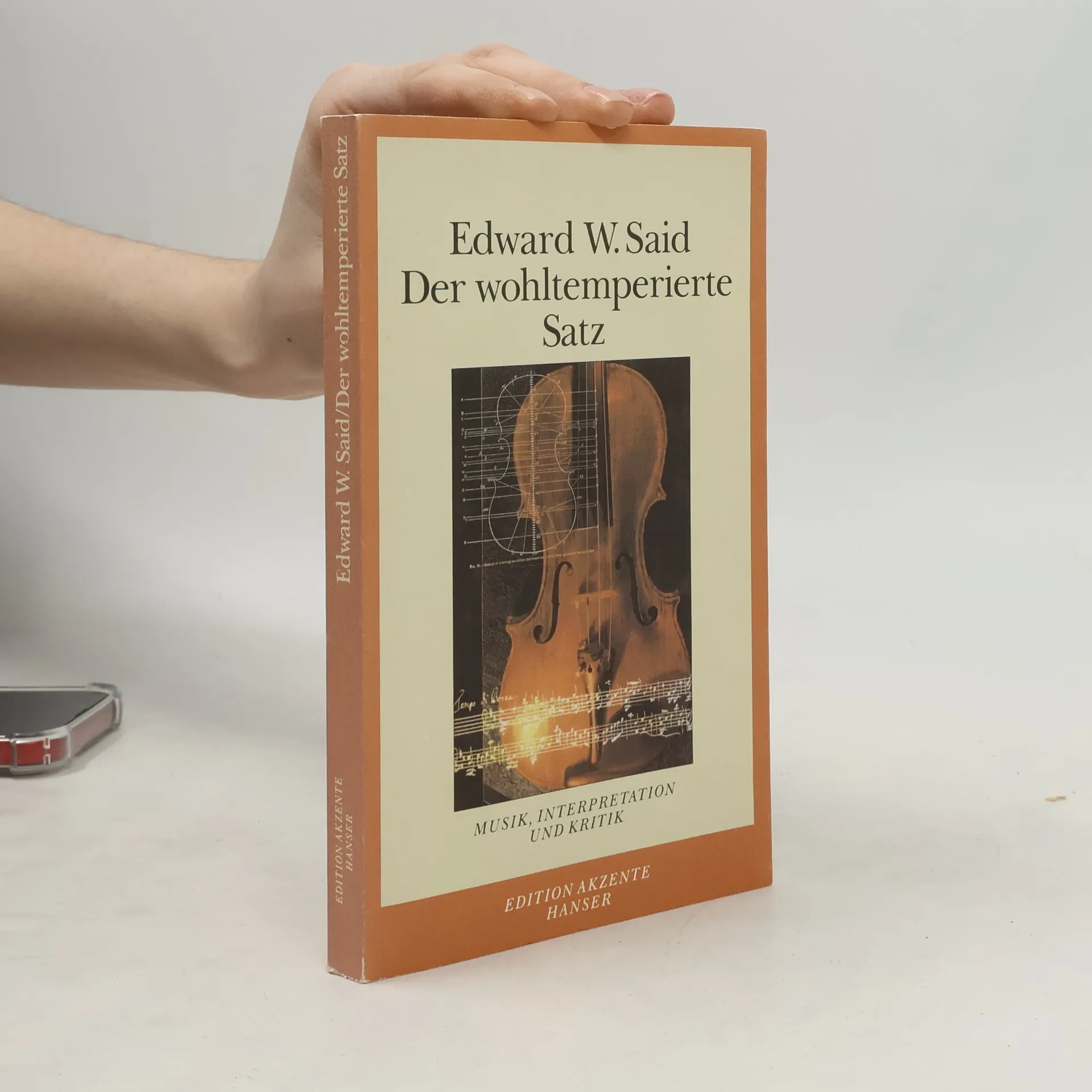
Eine besondere Vorlesungsreihe widmete der amerikanische Literaturwissenschaftler Edward W. Said seinem Lieblingsthema: der Musik. Saids wohltemperiertes Buch spannt einen weiten Bogen über Kultur- und Musikgeschichte, erzählt ebenso fesselnd wie allgemeinverständlich vom Wandel der musikalischen Aufführungspraxis, der Individualität einer Melodie und der Geschichte konzertanter Grenzüberschreitungen.
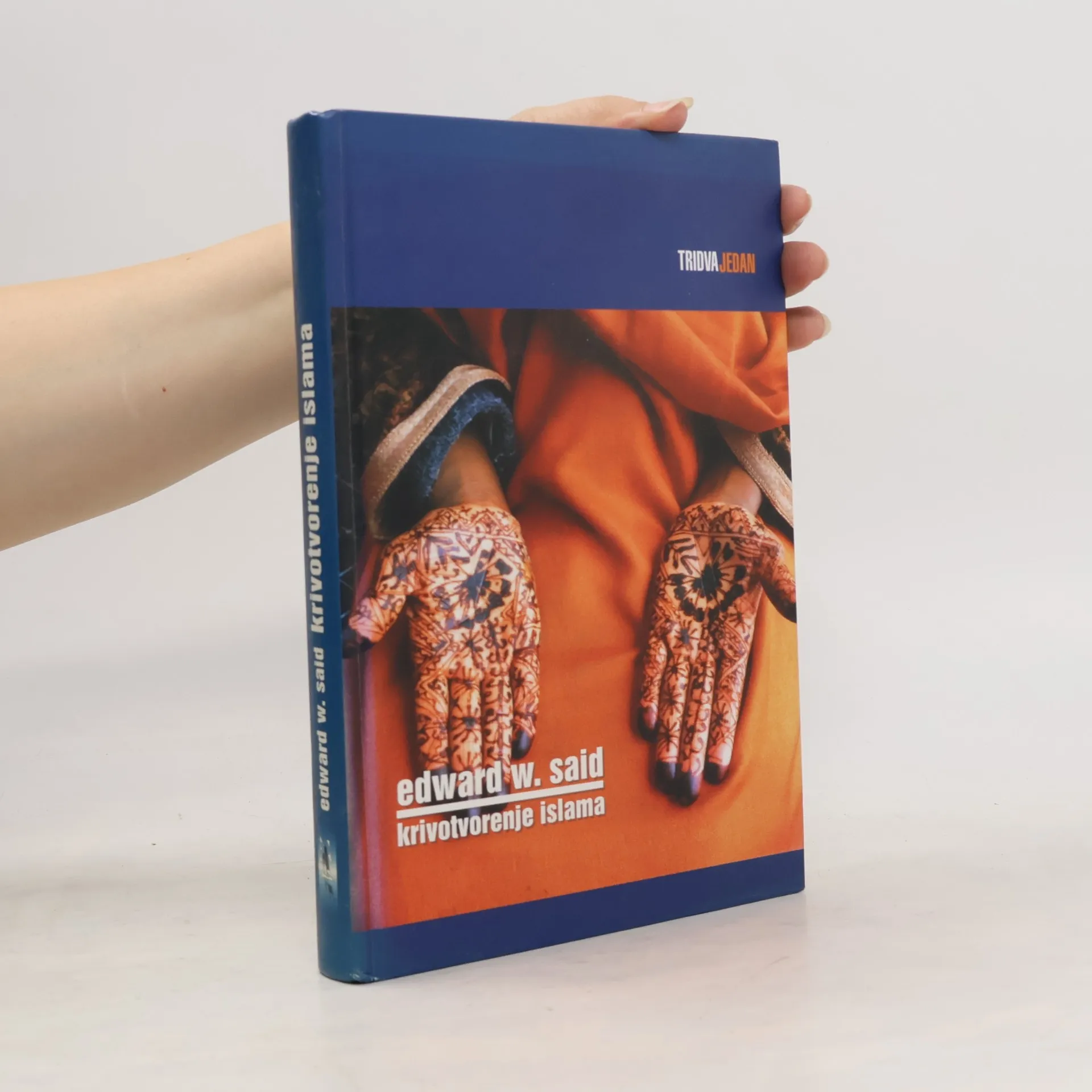
Krivotvorenje islama
kako mediji i struc njaci odre♯uju nac in na koji vidimo ostatak svijeta
- 142pagine
- 5 ore di lettura