Edward T. Hall è stato una figura fondamentale nella comunicazione interculturale. La sua ricerca durata una vita, ispirata dal suo periodo con le tribù Navajo e Hopi e dal servizio militare durante la Seconda Guerra Mondiale, si è concentrata sulle percezioni culturali dello spazio e del tempo. Ha sviluppato concetti seminali come la prossemica, il tempo policronico e monocronico e la distinzione tra culture ad alto e basso contesto. Il lavoro di Hall ha profondamente plasmato la nostra comprensione di come le differenze culturali influenzano le interazioni interpersonali e la nostra percezione del mondo.
A study of the early part of the Developmental Pueblo Period based on the findings of excavations in north-central New Mexico in 1941 from the joint efforts of Columbia University and the Laboratory of Anthropology at Santa Fe. Specifically examines descriptions of the excavations, pottery, textiles, worked bone and antler, stone artifacts, and cranial materials from the Governador area.
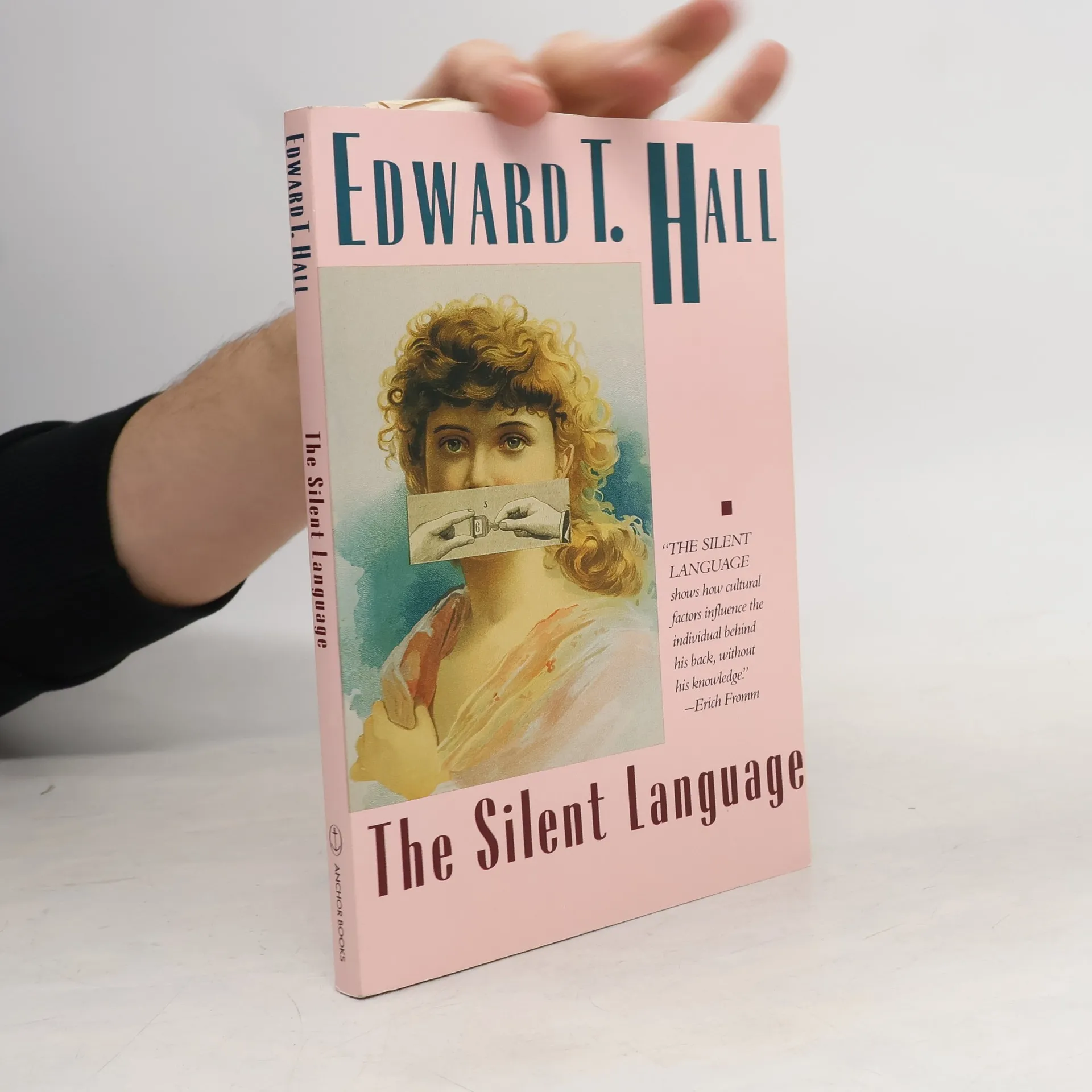
A leading American anthropologist analyzes the many vitally important ways in which people "talk" to one another without the use of words. "The Silent Language shows how cultural factors influence the individual behind his back, without his knowledge." —Erich Fromm The pecking order in a chicken yard, the fierce competition in a school playground, every unwitting gesture and action—this is the vocabulary of the "silent language." According to Dr. Hall, the concepts of space and time are tools with which all human beings may transmit messages. Space, for example, is the outgrowth of an animal's instinctive defense of his lair and is reflected in human society by the office worker's jealous defense of his desk, or the guarded, walled patio of a Latin-American home. Similarly, the concept of time, varying from Western precision to Easter vagueness, is revealed by the businessman who pointedly keeps a client waiting, or the South Pacific islander who murders his neighbor for an injustice suffered twenty years ago.
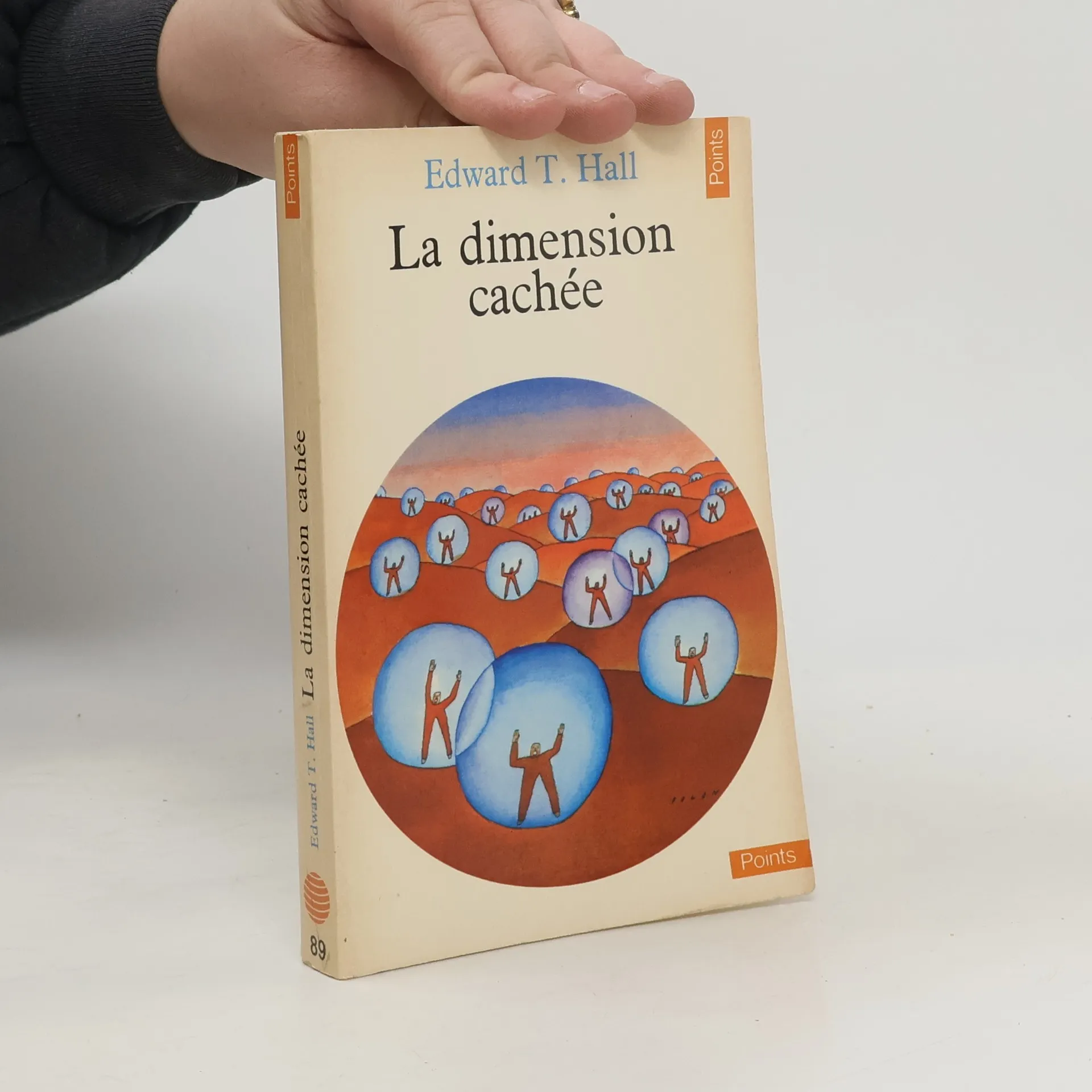
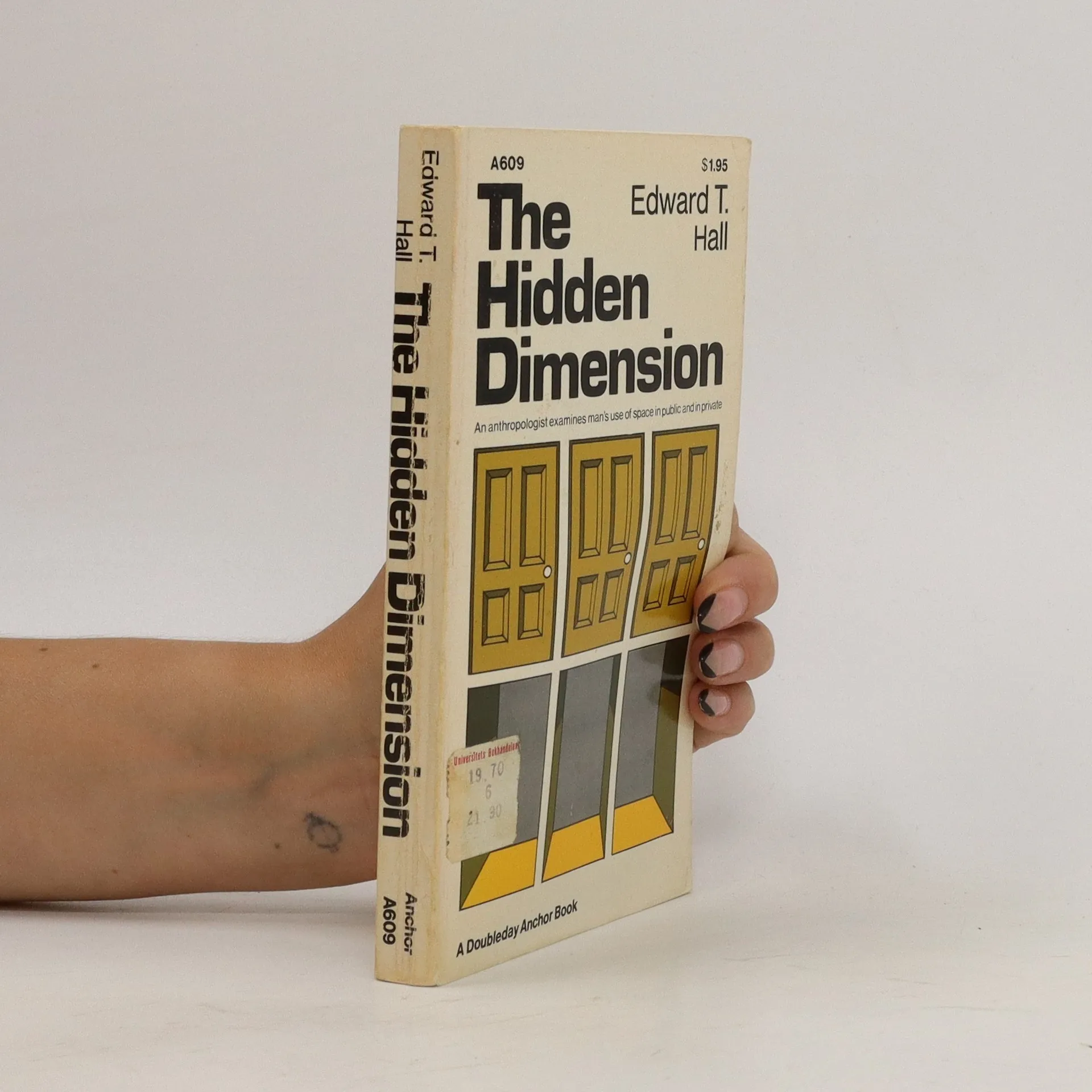
An examination of various cultural concepts of space and how differences among them affect modern society. Introducing the science of "proxemics," Hall demonstrates how man's use of space can affect personal business relations, cross-cultural exchanges, architecture, city planning, and urban renewal.
People like to keep certain distances between themselves and other people or thigns. And this invisible bubble of space that constitutes each person's "territory" is one of the key dimensions of modern society. Edward T. Hall, author of The Silent Language, introduced the science of proxemics to demonstrate how man's use of space can affect personal and business reltions, cross-cultural interactions, architecture, city planning, and urban renewal. "One of the few extraordinary books about mankind's future which should be read by every thoughtful person." —Chicago Tribune "This is a book of impressive genius, replete with unusually sharp observations." —Richard J. Neutra, Landscape Architecture