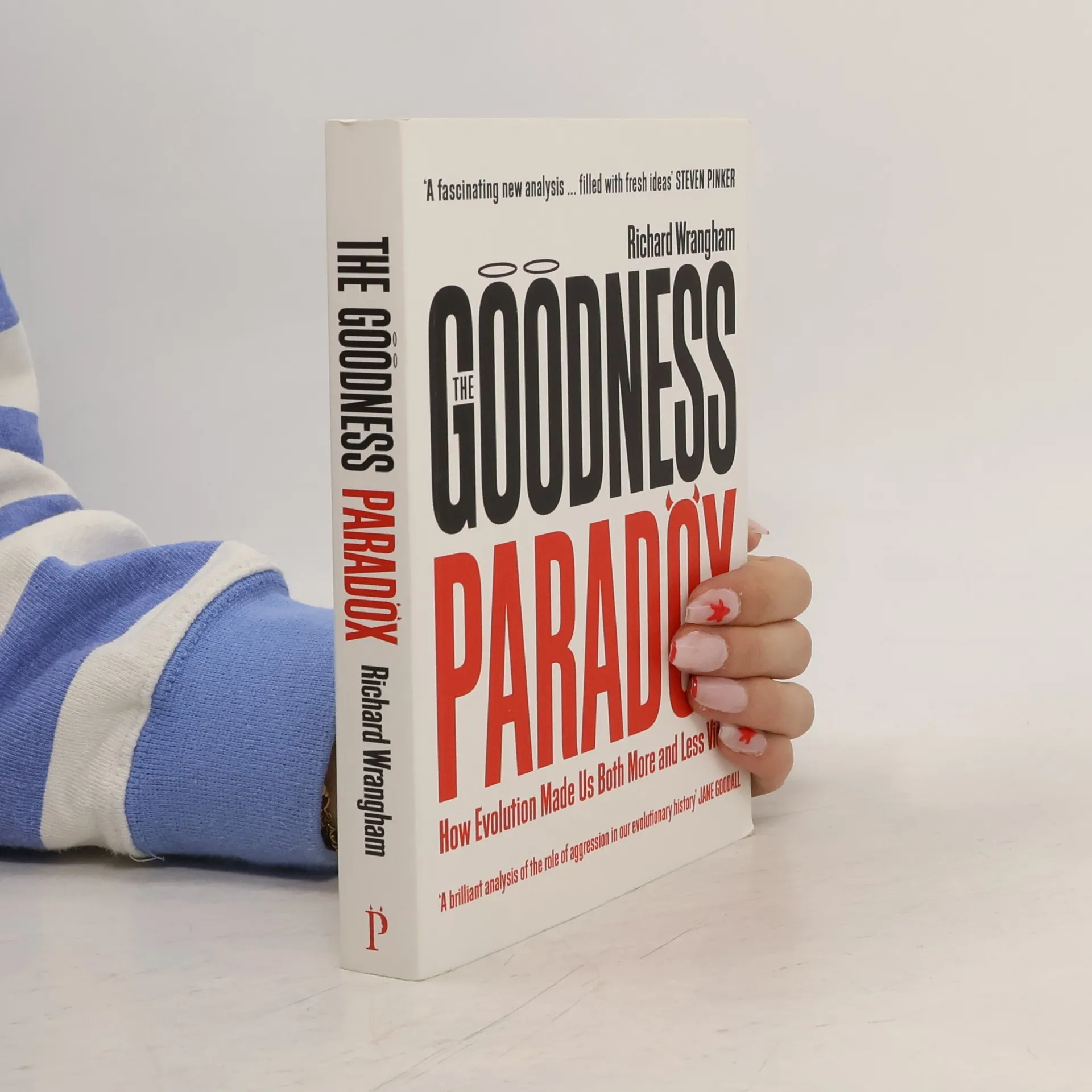
Richard Wrangham è un autore il cui lavoro approfondisce l'evoluzione umana attraverso studi antropologici e comportamentali. La sua ricerca esplora momenti cruciali nella storia umana, come il ruolo della cucina nel plasmare i nostri corpi e le nostre menti, e la complessa natura dell'aggressione umana. Wrangham sfrutta la sua vasta conoscenza della primatologia per illuminare le basi biologiche del comportamento e dello sviluppo umano, offrendo una prospettiva affascinante su ciò che ci rende umani.
It may not always seem so, but day-to-day interactions between individual humans are extraordinarily peaceful. That is not to say that we are perfect, just far less violent than most animals, especially our closest relatives, the chimpanzee and their legendarily docile cousins, the Bonobo. Perhaps surprisingly, we rape, maim, and kill many fewer…
Rosemary's young, just at college, and she's decided not to tell anyone a thing about her family. So we're not going to tell you too much either: you'll have to find out for yourselves, round about page 77, what it is that makes her unhappy family unlike any other.Rosemary is now an only child, but she used to have a sister the same age as her, and an older brother. Both are now gone - vanished from her life. There's something unique about Rosemary's sister, Fern. And it was this decision, made by her parents, to give Rosemary a sister like no other, that began all of Rosemary's trouble. So now she's telling her story: full of hilarious asides and brilliantly spiky lines, it's a looping narrative that begins towards the end, and then goes back to the beginning. Twice.It's funny, clever, intimate, honest, analytical and swirling with ideas that will come back to bite you. We hope you enjoy it, and if, when you're telling a friend about it, you do decide to spill the beans about Fern - it's pretty hard to resist - don't worry. One of the few studies Rosemary doesn't quote says that spoilers actually enhance reading.
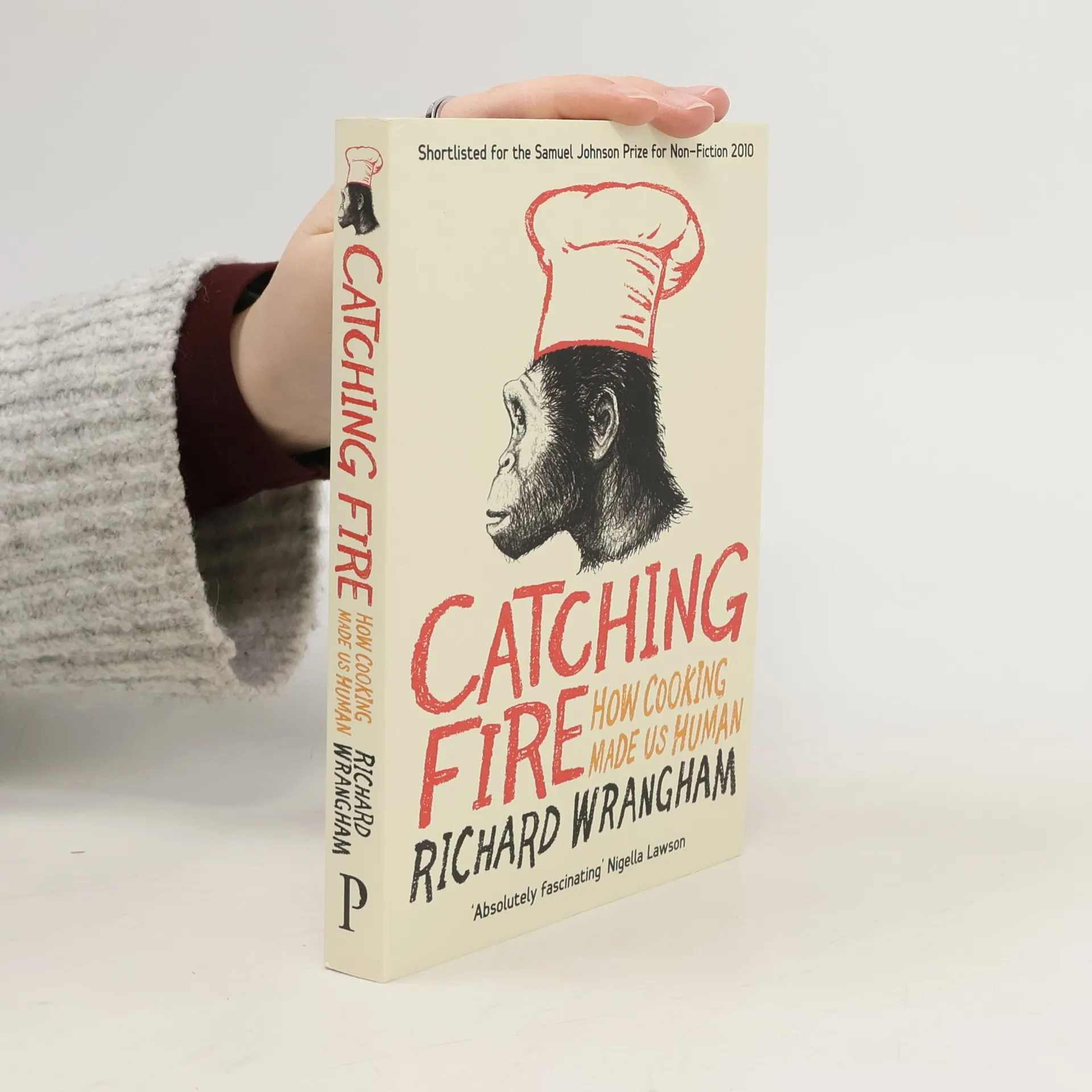
Argues that it was cooking that caused the transformation of our ancestors
from apelike beings to Homo erectus. This title focuses on the idea: the habit
of eating cooked rather than raw food permitted the digestive tract to shrink
and the human brain to grow, helped structure human society, and created the
male-female division of labour.
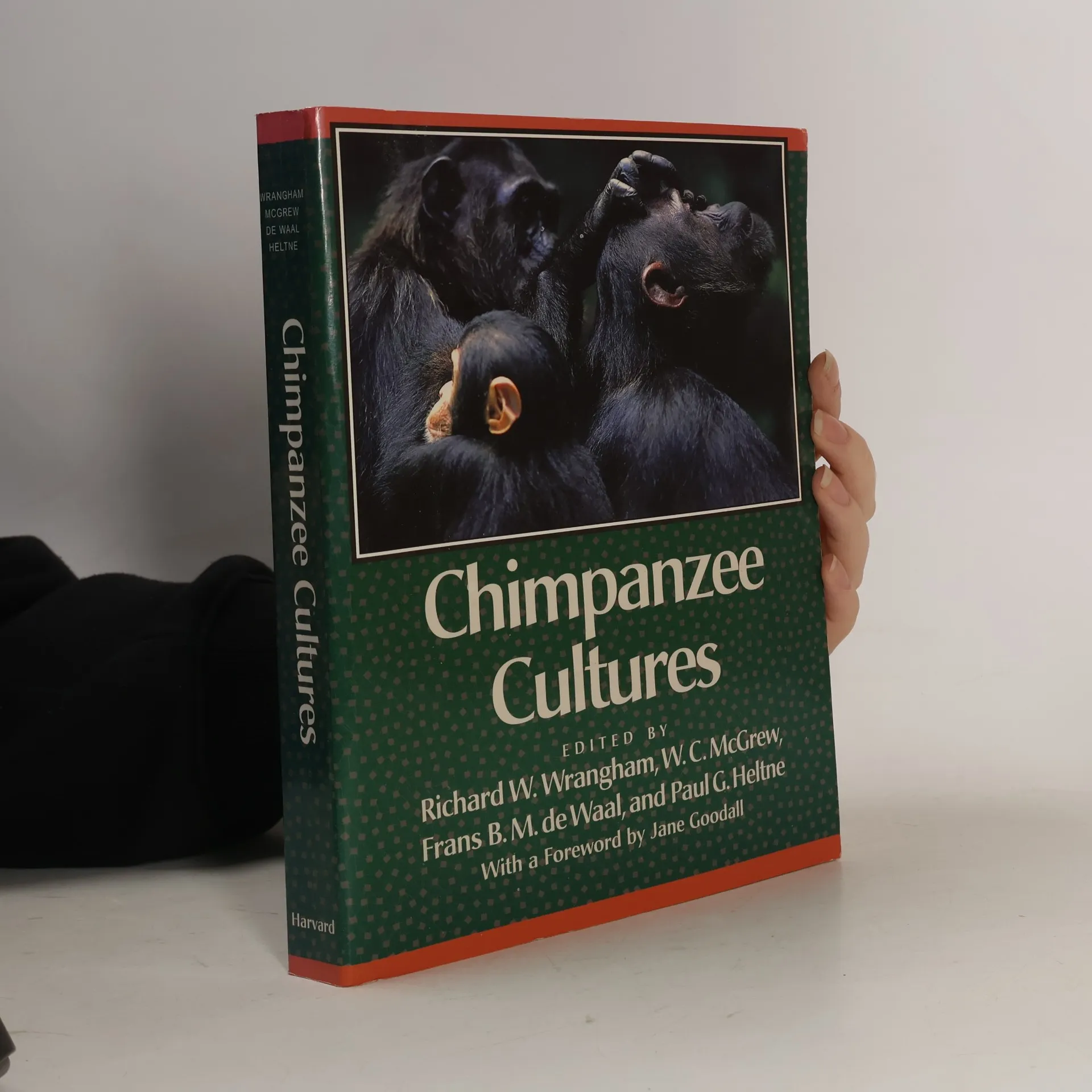
Do chimpanzees have something akin to culture? Bringing together studies of behavioral variation within and among chimpanzees and bonobos --the sibling species of the genus Pan --this book provides the basis for answering this question. In Chimpanzee Cultures , the world's leading authorities on chimpanzees and bonobos chronicle the animals' behaviors from one study site to the next, in both captive and wild groups, in laboratory and field settings.
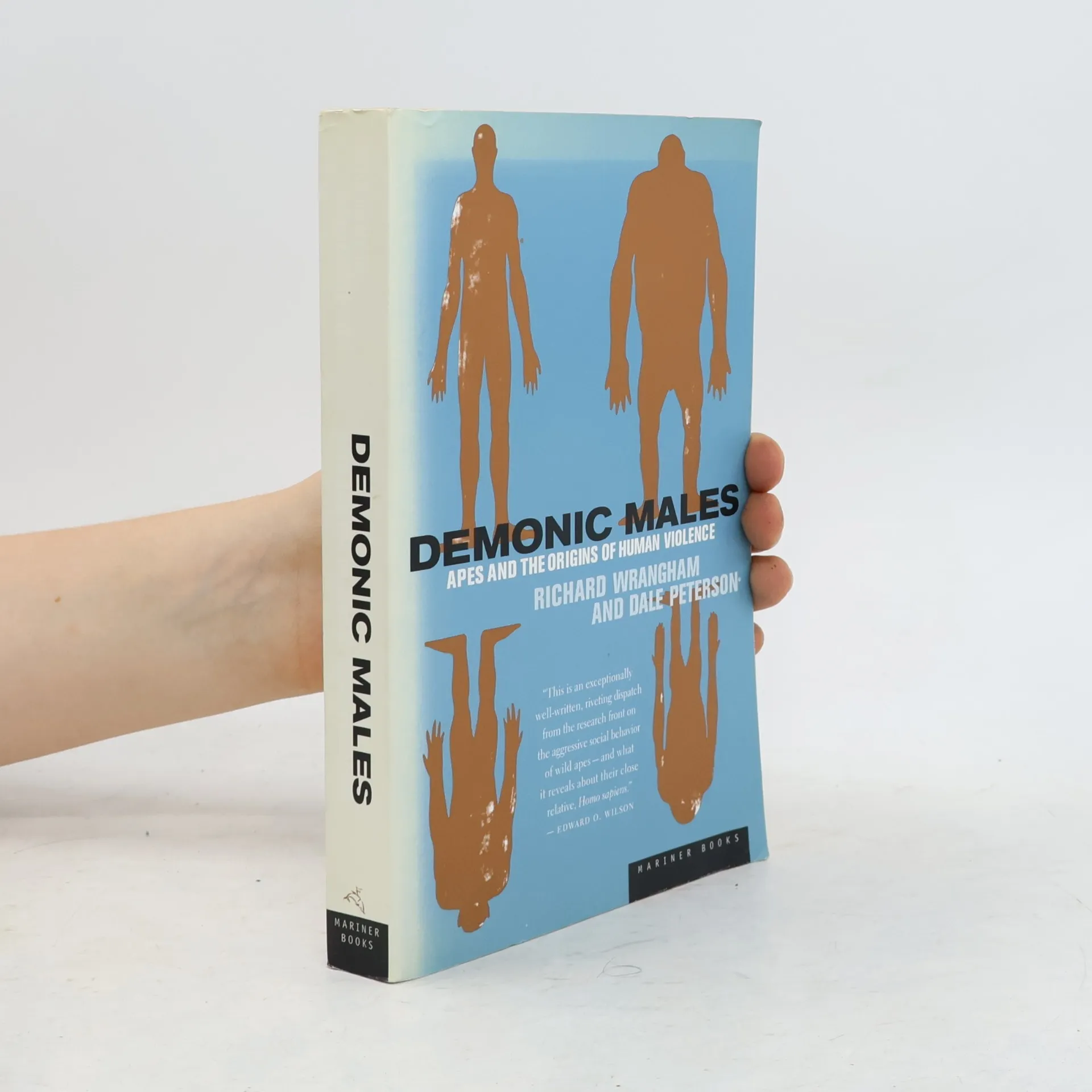
Whatever their virtues, men are more violent than women. Why do men kill, rape, and wage war, and what can be done about it? Drawing on the latest discoveries about human evolution and about our closest living relatives, the great apes, "Demonic Males" offers some startling new answers to these questions.