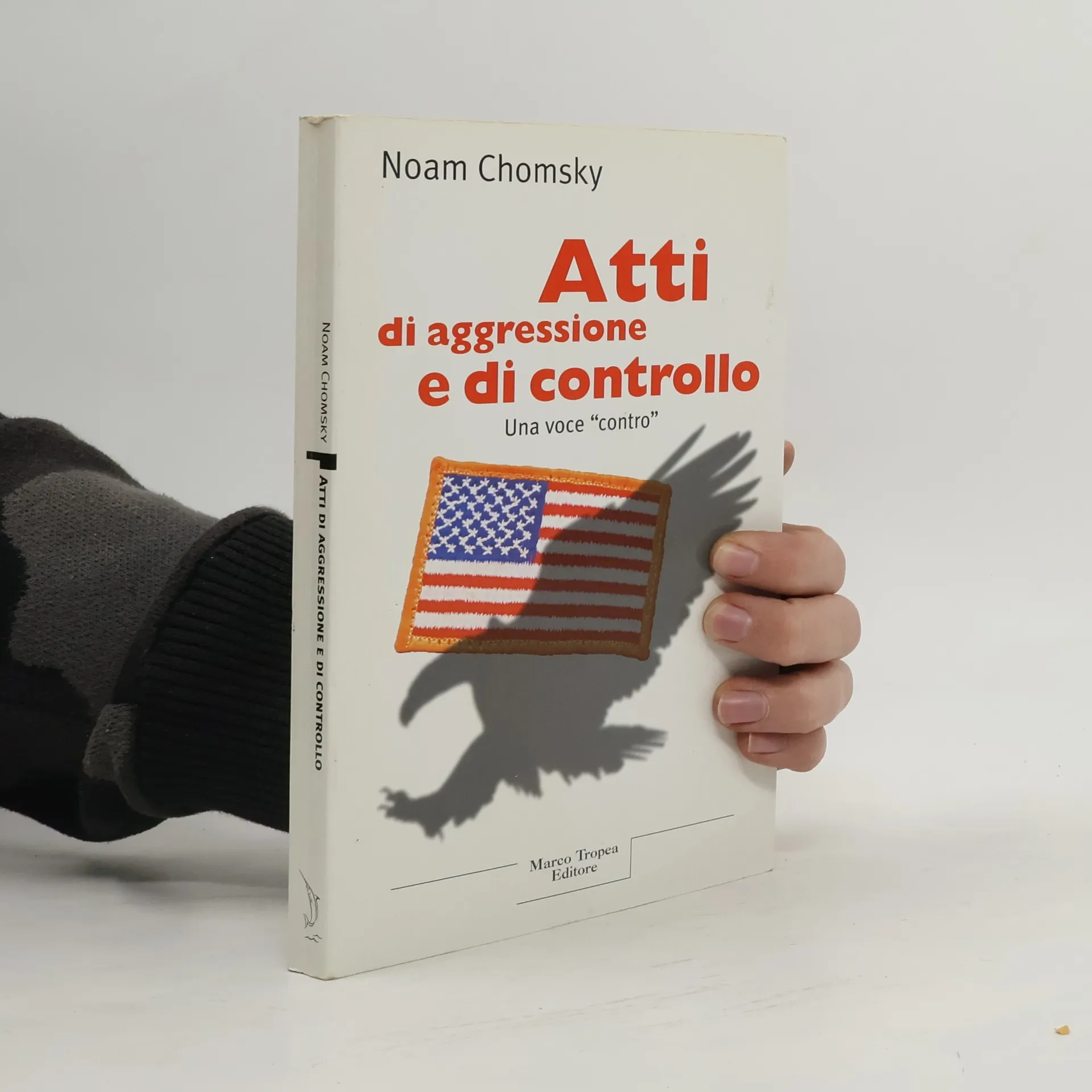
Through three separate essays, this book provides an in-depth analysis of U.S.-Arab relations, the contradictions and consequences of U.S. foreign policy toward "rogue states, " and how hostile American actions abroad conflict with U.N. resolutions and international law.Noam Chomsky compares U.S. foreign policy to that of the "rogue states" which the United States identifies as Its enemies. Ramsey Clark argues that U.S. sanctions and military actions against Iraq are indefensible, and in violation of the Universal Declaration of Human Rights.
For generations, Edward W. Said's work has shaped our understanding of colonialism and empire, with this Penguin Modern Classics edition featuring a preface written shortly before his death in 2003. In this acclaimed analysis, Said explores the history and nature of Western attitudes toward the East, framing orientalism as a significant European ideological construct that allowed writers, philosophers, and colonial administrators to engage with the 'otherness' of Eastern cultures. He examines the influence of figures like Homer, Nerval, Flaubert, Disraeli, and Kipling, whose portrayals have significantly shaped the West's romanticized view of the Orient. Drawing from his experiences as an Arab Palestinian in the West, Said highlights how these perceptions reflect European imperialism and racism. Born in Jerusalem and educated in Egypt and the U.S., Said (1935-2003) was a prominent Palestinian-American cultural critic and author, known for works like The Question of Palestine and Culture and Imperialism. If you appreciated this analysis, you may also enjoy Frantz Fanon's The Wretched of the Earth, available in Penguin Modern Classics. Critics have praised it as 'stimulating, elegant and pugnacious' (Observer) and 'magisterial' (Terry Eagleton).