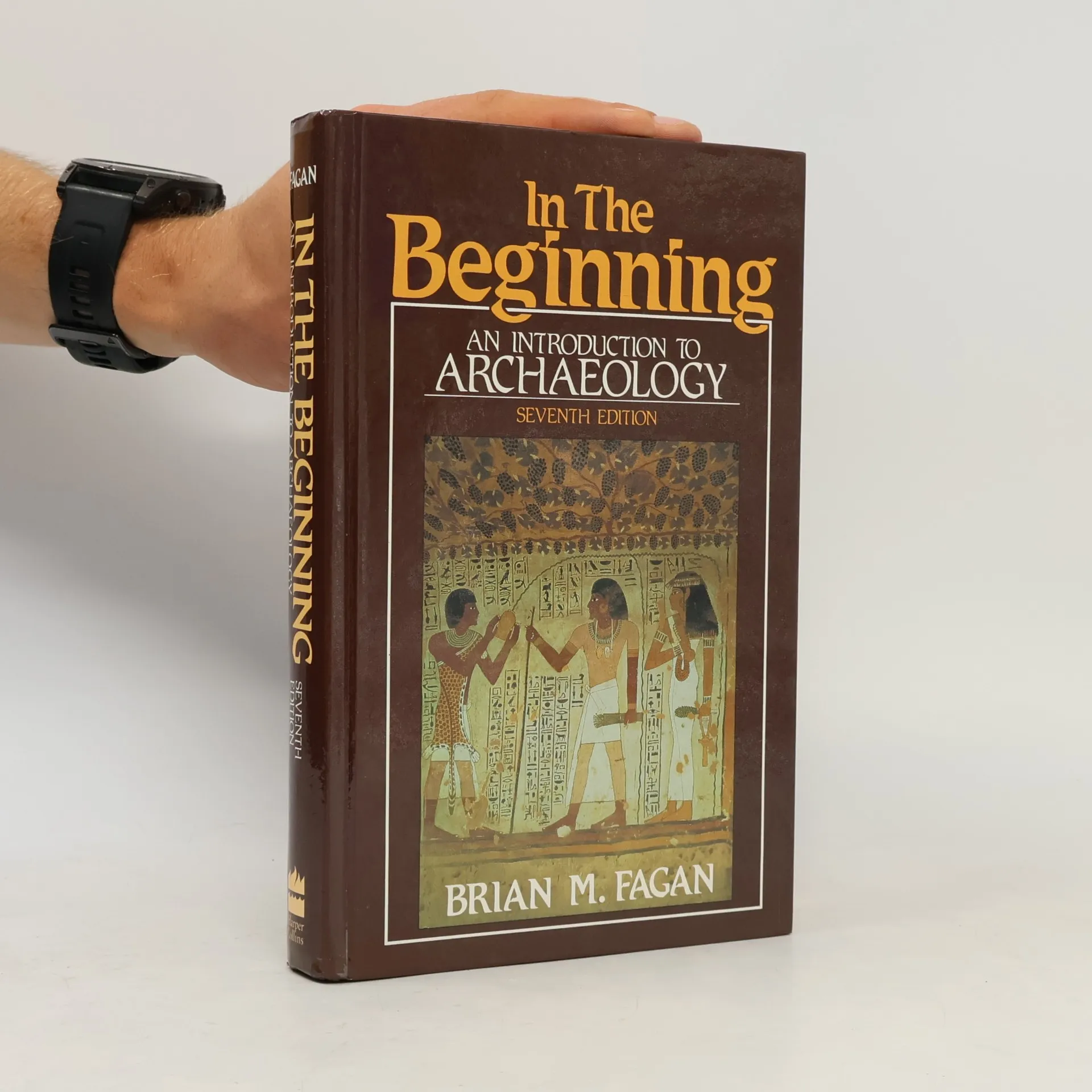
Focusing on fundamental principles, the book outlines essential methods and theoretical approaches in archaeology. Written in a clear and engaging style, it minimizes technical jargon, making the content accessible. The global perspective enriches the reader's understanding of archaeological practices and concepts, making it suitable for both novices and those interested in the discipline.
Pulling back the covers on the fascinating, yet often forgotten, history of the bed "If you thought that your bed was only good for sleeping in, having sex in, or dying in, then this book will disabuse you--in fact, it's so entertaining, it will keep you awake long into the night."--Paul Chrystal, author of In Bed with the Ancient Greeks and In Bed with the Romans Louis XIV ruled France from his bedchamber. Winston Churchill governed Britain from his during World War II. Travelers routinely used to bed down with complete strangers, and whole families shared beds in many preindustrial households. Beds were expensive items--and often for show. Tutankhamun was buried on a golden bed, wealthy Greeks were sent to the afterlife on dining beds, and deceased middle-class Victorians were propped up on a bed in the parlor. In this sweeping social history that covers the past seventy thousand years, Brian Fagan and Nadia Durrani look at the endlessly varied role of the bed through time. This was a place for sex, death, childbirth, storytelling, and sociability as well as sleeping. But who did what with whom, why, and how could vary incredibly depending on the time and place. It is only in the modern era that the bed has transformed into a private, hidden zone, and its rich social history has largely been forgotten.