David
- 128pagine
- 5 ore di lettura
Examines the life and work of the French painter, focusing on the development of his art and his involvement in politics during the French Revolution


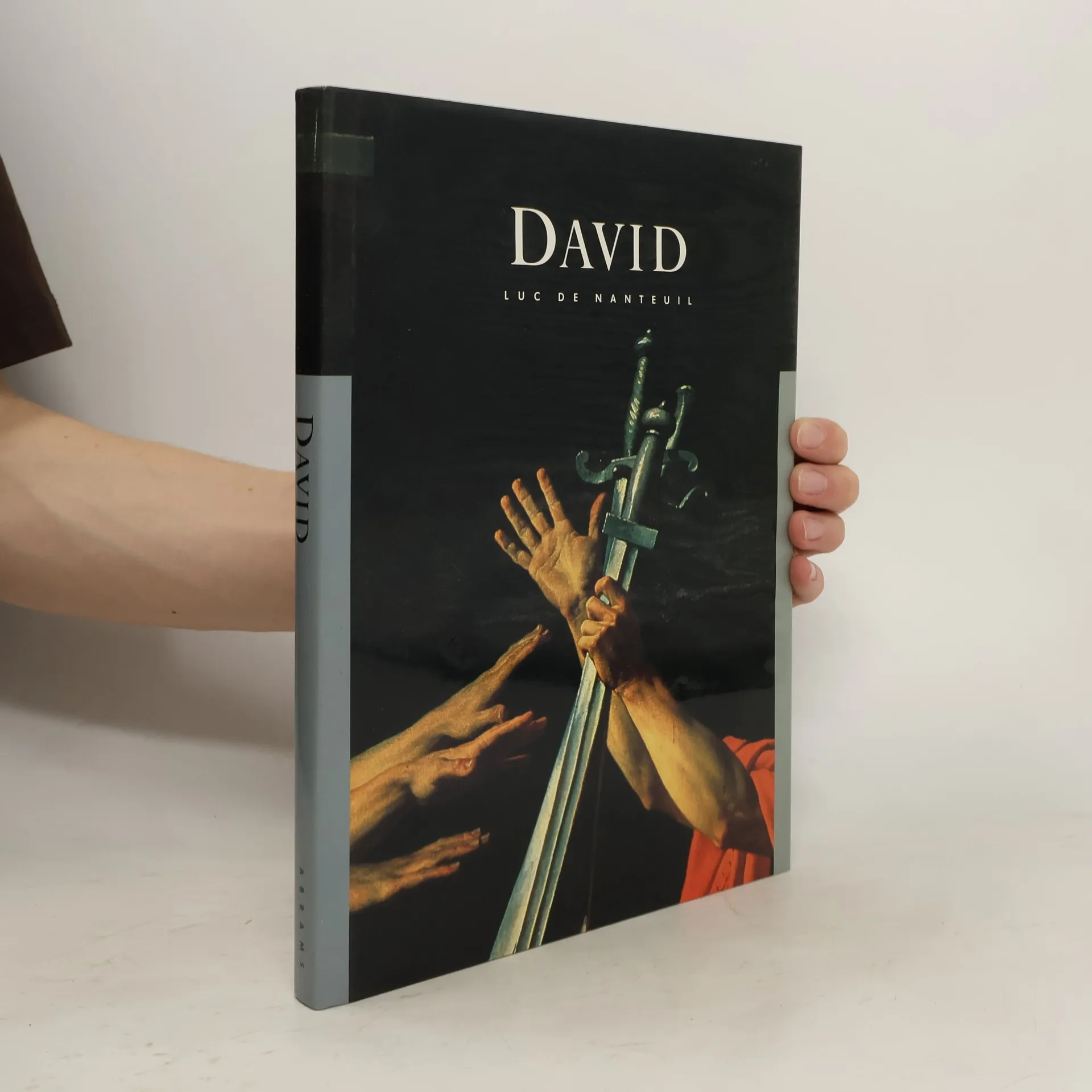
Examines the life and work of the French painter, focusing on the development of his art and his involvement in politics during the French Revolution
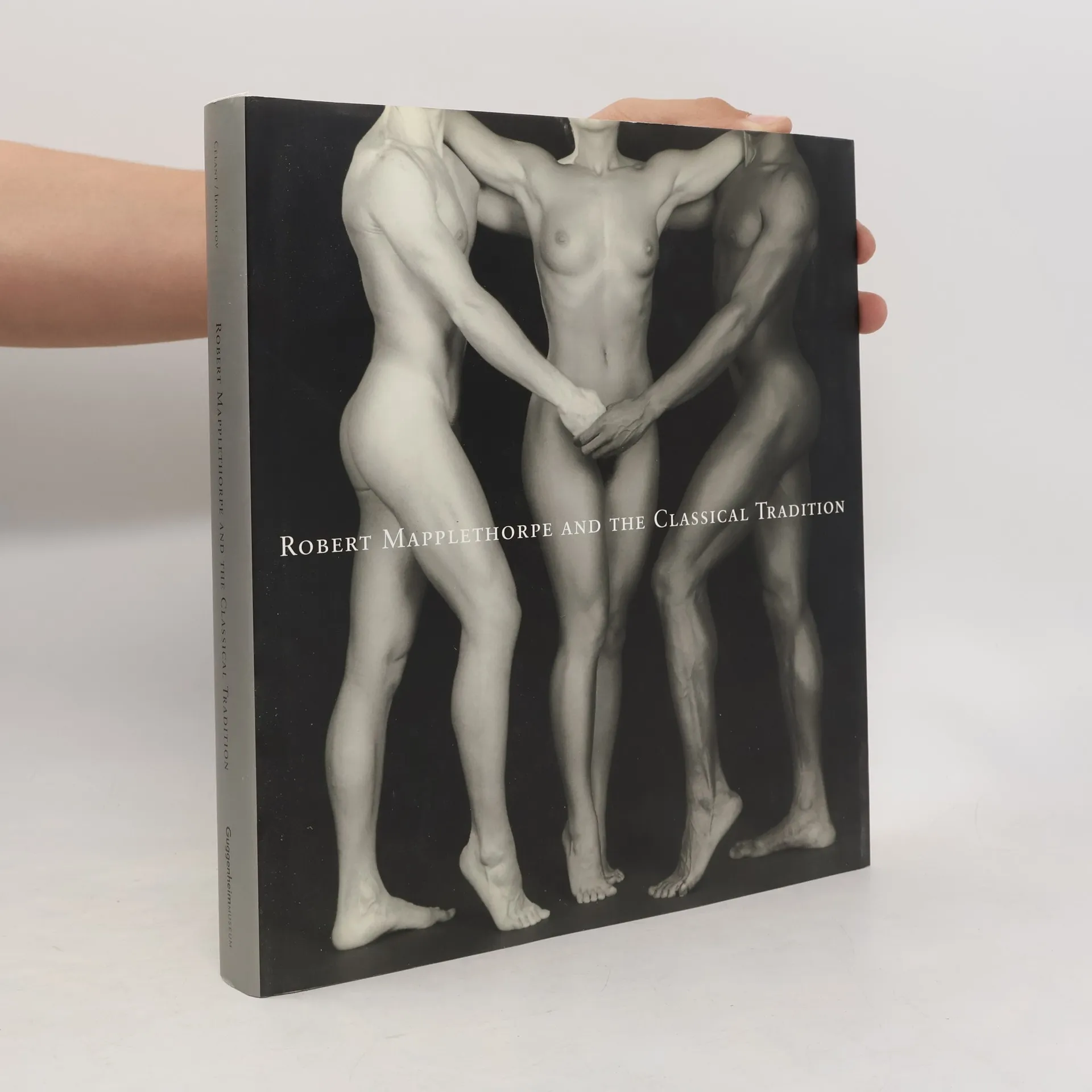
Robert Mapplethorpe's fascination with the human figure is vividly captured in his iconic black-and-white photographs, which celebrate the beauty of the athletic and nude body. This exhibition and its catalogue delve into the interplay between Mapplethorpe's photography and Classical art, particularly Mannerist engravings and sculpture. It marks a significant collaboration between the Guggenheim Museum and the State Hermitage Museum. The exhibition highlights Mapplethorpe's connection to Mannerist art, showcasing how his subjects embody classicism through their clarity and dynamic energy. His portrayal of love and Eros resonates with the Mannerist works displayed, drawing parallels between his portraits of models like bodybuilder Lisa Lyons and the classical figures in pieces such as Jan Harmensz Muller's Sabine woman. The Hermitage's extensive collection of Italian art, featuring approximately 50 Mannerist works alongside Mapplethorpe's, enriches this exploration. Curatorial essays discuss the resurgence of Classicism across centuries, examining the shared obsessions of Mapplethorpe and the Mannerists. They also illuminate his artistic sensibility and interest in pure form and allegory, while tracing his complex relationship with art history, referencing figures like Jacques-Louis David and Auguste Rodin. The catalogue captures both the visual and intellectual dialogue between these artistic traditions.
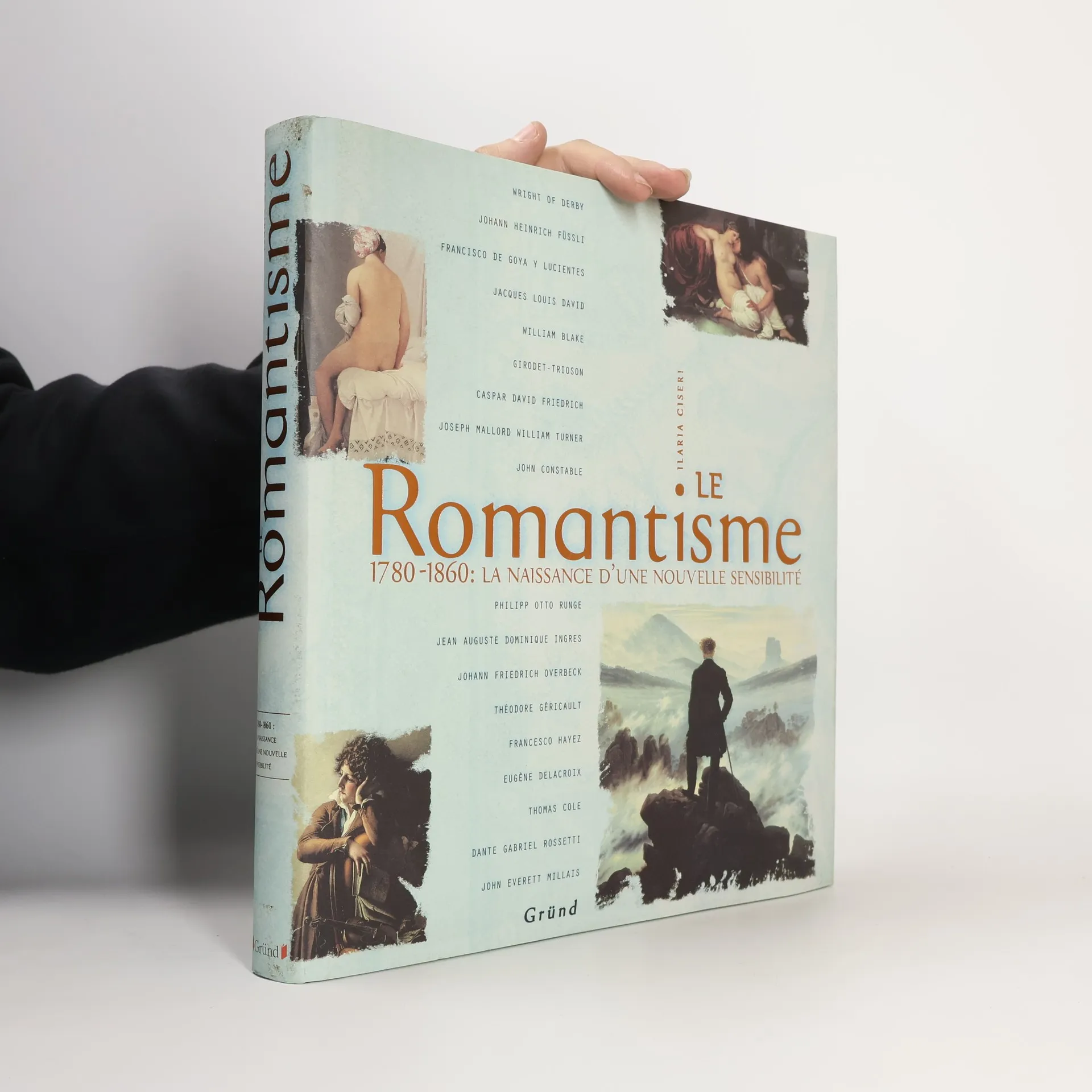
Le romantisme, synonyme d'art moderne, incarne intimité, spiritualité, couleur et aspiration vers l'infini, comme le souligne Baudelaire. Ce mouvement artistique et littéraire, qui émerge au début du XIXe siècle, s'étend à travers l'Europe et le Nouveau Monde. Il marque une rupture avec le classicisme et les enseignements académiques, permettant aux artistes de s'exprimer librement à travers leur sensibilité et leur imagination. L'ouvrage, riche de plus de 450 reproductions, offre un panorama exceptionnel de ce mouvement, explorant des thèmes variés allant du mythe de Napoléon à la nostalgie médiévale, des représentations du sacré à l'orientalisme, ainsi que de l'observation des paysages à l'évasion dans le rêve et le fantastique. Le parcours commence avec le préromantisme à la fin du XVIIIe siècle et se termine vers 1860 avec l'émergence du réalisme. En plus des figures emblématiques comme Delacroix et Géricault, le livre met en lumière des artistes moins connus qui ont également contribué à la diffusion du romantisme. Un tableau chronologique et des biographies d'artistes à la fin de l'ouvrage fournissent des repères précieux, offrant une immersion dans l'une des périodes les plus fascinantes de la culture européenne, dont l'influence perdure aujourd'hui.