

Bookbot

Mauro F. Guillén

    1 gennaio 1964

    Mauro F. Guillén è un eminente sociologo ed economista politico il cui lavoro esplora le intricate connessioni tra le tendenze globali e le strutture sociali. La sua ricerca approfondisce le dinamiche del business internazionale e il panorama in evoluzione della gestione aziendale, offrendo analisi approfondite dell'economia globalizzata moderna. Come educatore, promuove una profonda comprensione delle pratiche commerciali interculturali e delle sfide del commercio internazionale. I contributi di Guillén illuminano la complessa interazione tra forze economiche e realtà sociali su scala mondiale.

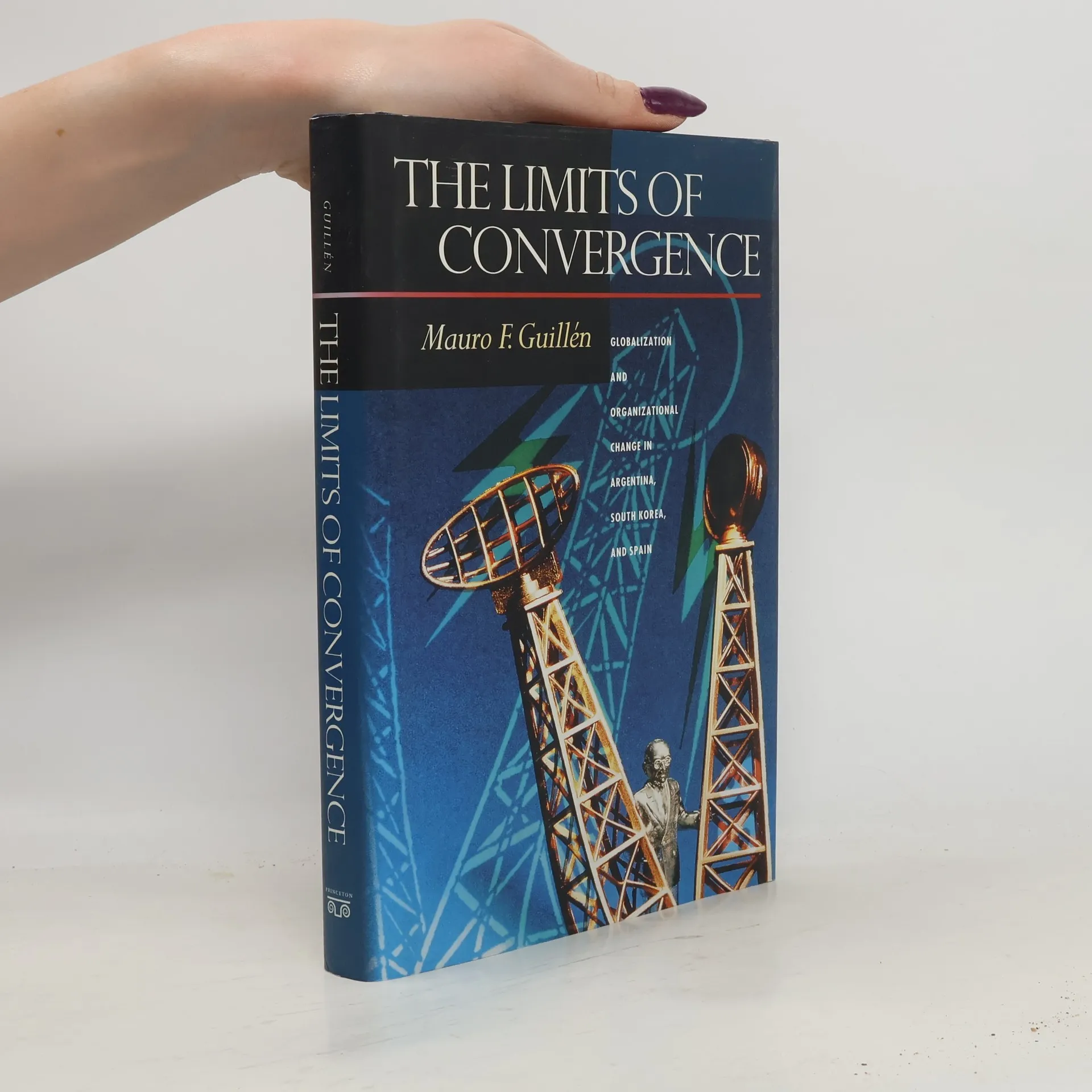
    The Limits of Convergence
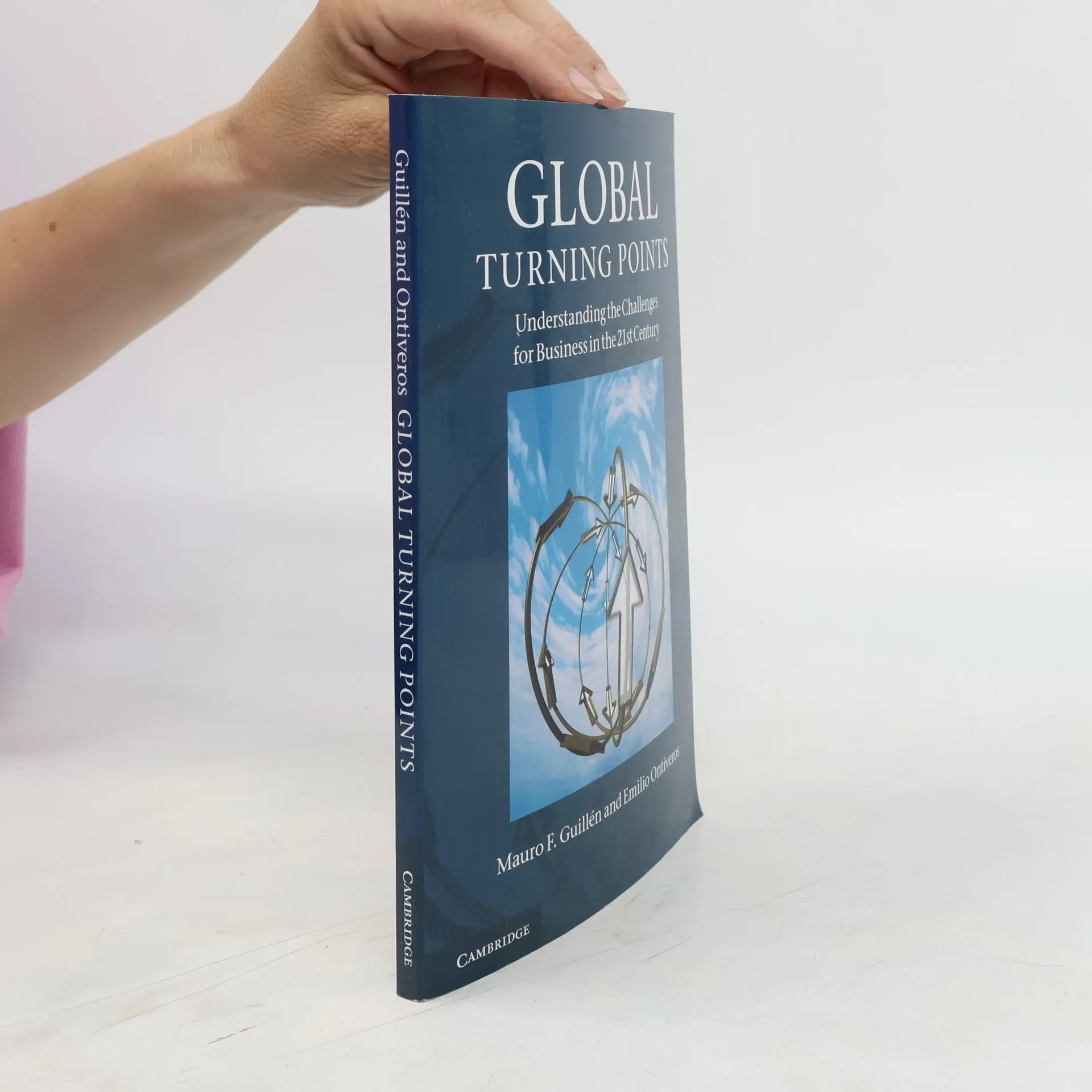
    Global Turning Points
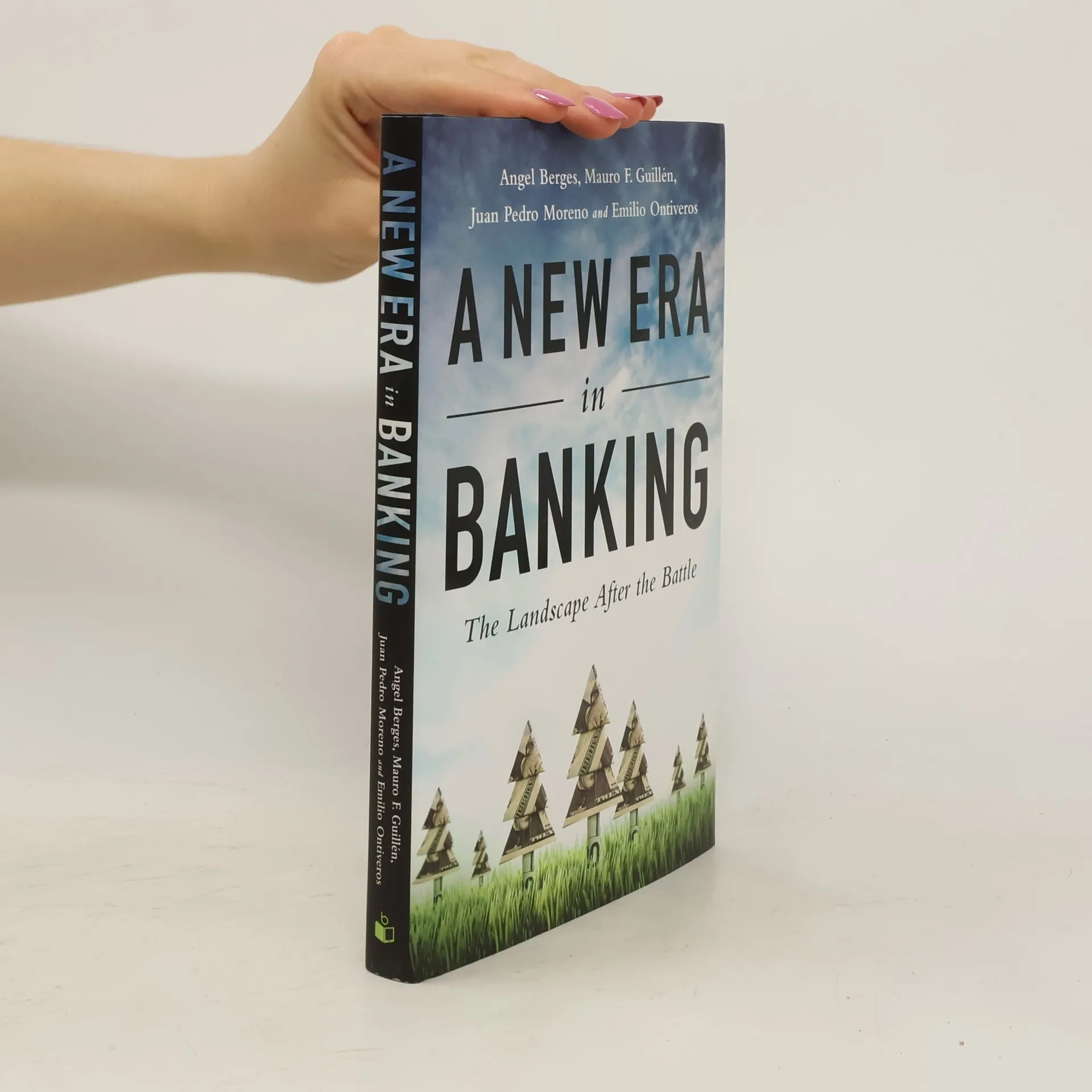
    A New Era in Banking
    2030: How Today's Biggest Trends Will Collide and Reshape the Future of Everything
    The Perennials
    • The Perennials

      • 272pagine
      • 10 ore di lettura

      In today’s world, the acceleration of megatrends -- increasing longevity and the explosion of technology among many others -- are transforming life as we now know it. In The Perennials, bestselling author of 2030 Mauro Guillén unpacks a sweeping societal shift triggered by demographic and technological transformation. Guillén argues that outmoded terms like Boomers, Gen X, Millennials, and Gen Z have long been used to pigeonhole us into rigid categories and life stages, artificially preventing people from reaching their full potential. A new postgenerational workforce known as “perennials'' -- individuals who are not pitted against each other either by their age or experience -- makes it possible to liberate scores of people from the constraints of the sequential model of life and level the playing field so that everyone has a chance at living a rewarding life. This multigenerational revolution is already happening and Mauro Guillén identifies the specific cultural, organizational and policy changes that need to be made in order to switch to a new template and usher in a new era of innovation powered by The Perennials.

      The Perennials2023
      3,4
    • Once upon a time, the world was divided into prosperous and backward economies, with plentiful babies, more workers than retirees, and a strong middle class aspiring for homes and cars. Companies thrived by focusing on Europe and the United States, and printed money was the norm. We learned to "play the game," expecting stability as we navigated jobs, families, and retirement. That world is ending. By 2030, a new reality will emerge: - More grandparents than grandchildren - A middle class in Asia and Sub-Saharan Africa surpassing that of the US and Europe combined - A global economy driven by non-Western consumers for the first time - Women owning more global wealth than men - More robots than workers - More computers than human brains - More currencies than countries These trends are already in motion and will converge by 2030, reshaping culture, the economy, and the world. To grasp these transformations and their impacts, Mauro F. Guillen advocates for lateral thinking—using "peripheral vision" to creatively approach problems from unconventional angles. Instead of isolating trends like climate change or rising illiberalism, he urges us to explore the interplay of various forces leading to a tipping point in 2030, marking a point of no return. This exploration serves as both a guide to impending changes and an exercise in the power of lateral thinking, revolutionizing our understanding of significant change and its consequ

      2030: How Today's Biggest Trends Will Collide and Reshape the Future of Everything2020
      3,7
    • A New Era in Banking

      • 186pagine
      • 7 ore di lettura

      "A New Era in Banking: The Landscape After the Battle identifies the main drivers of change at the heart of this wholesale transformation of the financial services industry. It examines the complex challenge for financial institutions to de-risk business models, reconnect with customers, and approach stakeholder value creation"--

      A New Era in Banking2014
      3,2
    • Global Turning Points

      Understanding the Challenges for Business in the 21st Century

      • 182pagine
      • 7 ore di lettura

      "The twenty-first century is replete with uncertainty and complexity: game-changing events and trends are transforming the world beyond recognition. For the first time in human history more people live in cities than in the countryside and greater numbers suffer from obesity than from hunger. Emerging economies now represent half of the global economy and during the next few decades India will be the biggest country in terms of population, China the largest in output and the United States the richest among the major economies on a per capita income basis. Food and water shortages will likely become humankind's most important challenge. In this accessible introduction, Mauro Guillen and Emilio Ontiveros deploy the tools of economics, sociology and political science to provide an analytical perspective on both the problems and opportunities facing business in the modern world"--

      Global Turning Points2012
    • The Limits of Convergence

      Globalization and Organizational Change in Argentina, South Korea, and Spain.

      • 298pagine
      • 11 ore di lettura

      This book challenges the belief that globalization leads to economic convergence and cultural homogenization across nations. Through a systematic comparison of organizational change in Argentina, South Korea, and Spain since 1950, it reveals that global competition compels countries to leverage their unique strengths, resulting in distinct development paths. The analysis highlights how business groups, small enterprises, and foreign multinationals fulfill different economic roles based on a country's development trajectory. Business groups flourish under foreign-trade and investment protectionism, excelling in large-scale, capital-intensive sectors like automobile assembly and construction, often at the expense of smaller firms and foreign multinationals. Conversely, small and medium enterprises thrive in knowledge-intensive sectors, such as component manufacturing and branded consumer goods, particularly when export-oriented multinationals face fewer restrictions. The book concludes with an optimistic perspective, suggesting that while challenging, it is possible for countries to transcend the barriers between poverty and wealth. It posits that globalization fosters economic diversity and advocates for democracy as the most effective governance model to navigate globalization's complexities, countering the notion that economic modernization must precede democratization. This work exemplifies applied economic sociology, rich i

      The Limits of Convergence2001