




10 libri per 10 euro qui
Bookbot

Steven Rendall

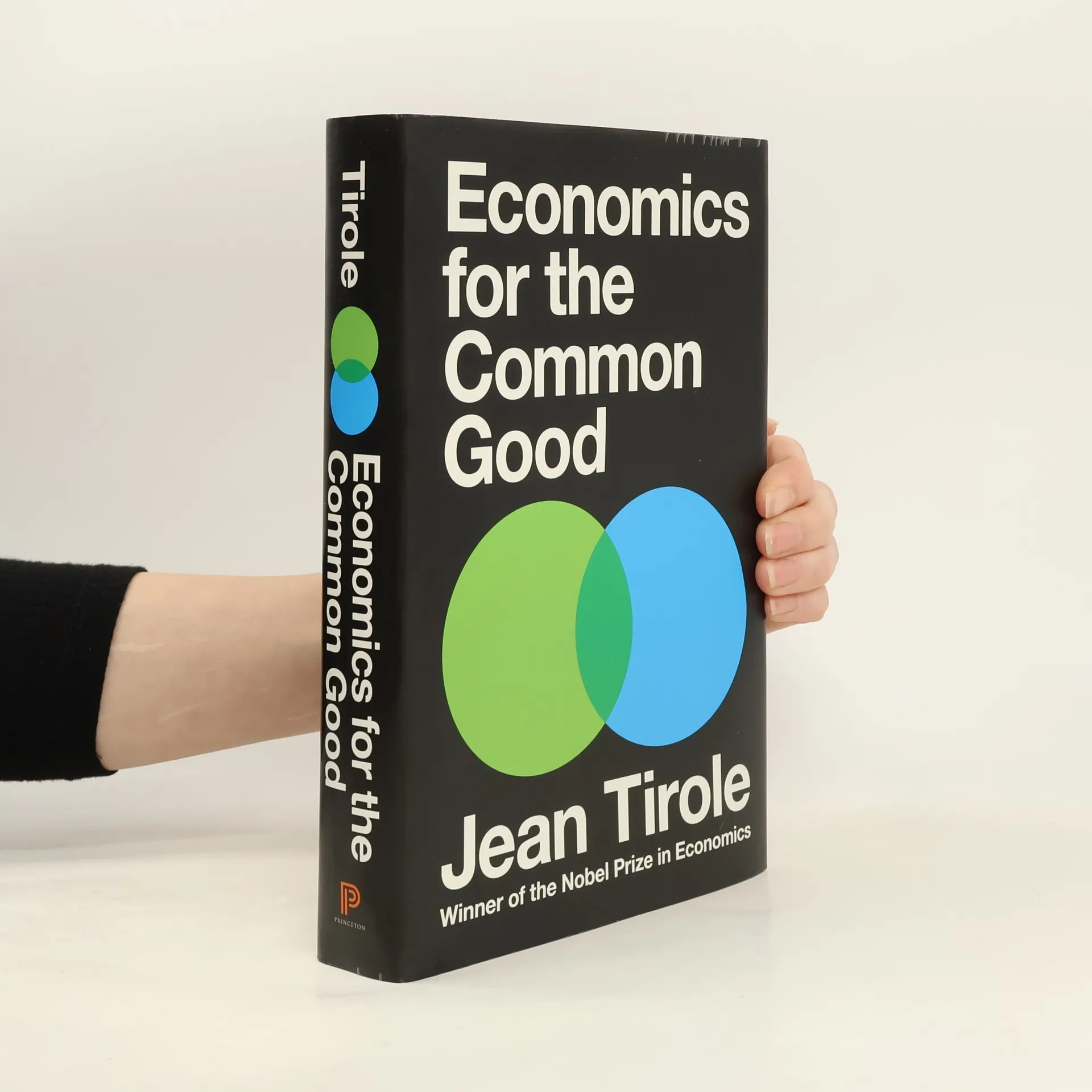
    Economics for the Common Good
    The Story of the Marquise-Marquis de Banneville
    Anglicky The practice of everyday life
    • Michel de Certeau considers the uses to which social representation and modes of social behavior are put by individuals and groups, describing the tactics available to the common man for reclaiming his own autonomy from the all-pervasive forces of commerce, politics, and culture. In exploring the public meaning of ingeniously defended private meanings, de Certeau draws on an immense theoretical literature in analytic philosophy, linguistics, sociology, semiology, and anthropology--to speak of an apposite use of imaginative literature.

      Anglicky The practice of everyday life
    • The beautiful Marquise de Banneville meets a handsome marquis, and they fall in love. But the young woman is actually a young man (brought up as a girl and completely in the dark about her―or his―true sex), while the marquis is actually a young woman who likes to cross-dress. Will they live happily ever after?In the introduction, Joan DeJean presents the fascinating puzzle of authorship of this lighthearted gender-bending tale written in the late seventeenth century in France. Was it François-Timoléon de Choisy, an abbot who was happiest in drag? Marie-Jeanne L'Héritier, an outspoken defender of women's writing of her day? Or Charles Perrault, L'Héritier's uncle and the famous author of such fairy tales as "Sleeping Beauty"? DeJean argues that the tale was a collaboration of all three and discusses the permeable borderline between masculinity and femininity, transvestism, and tolerance―then and now.

      The Story of the Marquise-Marquis de Banneville
    • Economics for the Common Good

      • 576pagine
      • 21 ore di lettura

      When Jean Tirole won the 2014 Nobel Prize in Economics, he suddenly found himself being stopped in the street by complete strangers and asked to comment on issues of the day, no matter how distant from his own areas of research. His transformation from academic economist to public intellectual prompted him to reflect further on the role economists and their discipline play in society. The result is Economics for the Common Good , a passionate manifesto for a world in which economics, far from being a "dismal science," is a positive force for the common good. Economists are rewarded for writing technical papers in scholarly journals, not joining in public debates. But Tirole says we urgently need economists to engage with the many challenges facing society, helping to identify our key objectives and the tools needed to meet them. To show how economics can help us realize the common good, Tirole shares his insights on a broad array of questions affecting our everyday lives and the future of our society, including global warming, unemployment, the post-2008 global financial order, the Euro crisis, the digital revolution, innovation, and the proper balance between the free market and regulation. Providing a rich account of how economics can benefit everyone, Economics for the Common Good sets a new agenda for the role of economics in society.

      Economics for the Common Good