Marianne Hirsch e Leo Spitzer sono importanti studiosi di letteratura il cui lavoro approfondisce le complessità della memoria, della storia familiare e dell'eredità culturale. La ricerca di Hirsch esplora l'intersezione tra i media visivi e la narrazione, esaminando come la fotografia plasmi la nostra comprensione del passato e dei ricordi personali. Spitzer, con il suo focus storico, illumina le intricate dinamiche tra cultura, memoria e trauma, in particolare per quanto riguarda le esperienze di rifugio. Insieme, i loro scritti offrono profonde intuizioni su come individui e società costruiscono e preservano le loro eredità.
Can we remember other people's memories? This book argues that we can: that memories of traumatic events live on to mark the lives of those who were not there to experience them. In these revised critical readings of the literary and visual legacies of the Holocaust, Hirsch builds on her influential concept of postmemory.
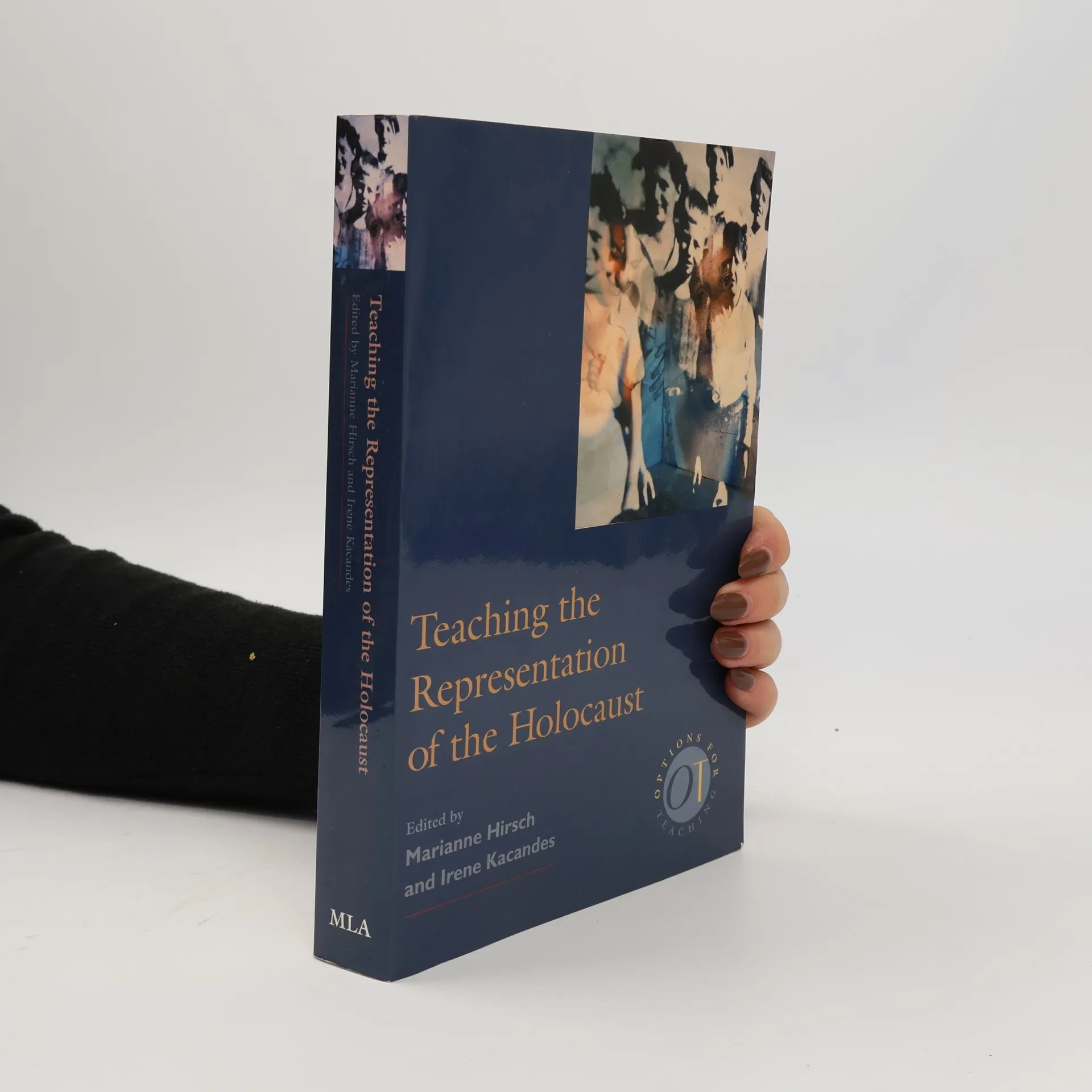
Can the story be told? Jorge Semprun asked after his liberation from Buchenwald. The question is addressed from many angles in this volume of essays on teaching about the Holocaust. In their introduction, Marianne Hirsch and Irene Kacandes argue that Semprun's question is as vital now, and as difficult and complex, as it was for the survivors in 1945.The thirty-eight contributors to Teaching the Representation of the Holocaust come from various disciplines (history, literary criticism, psychology, film studies) and address a wide range of issues pertinent to the teaching of a subject that many teachers and students feel is an essential part of a liberal arts education.This volume offers approaches to such works as Jurek Becker's Jacob the Liar , Roberto Benigni's Life Is Beautiful , Anne Frank's diary, Daniel Jonah Goldhagen's Hitler's Willing Executioners , Claude Lanzmann's Shoah , Primo Levi's Survival in Auschwitz , Cynthia Ozick's The Shawl , Dan Pagis's "Written in Pencil in the Sealed Railway Car," Art Spiegelman's Maus , Steven Spielberg's Schindler's List , Elie Wiesel's Night , and Abraham Yehoshua's Mr. Mani .To the challenge "How do we transmit so hurtful an image of our own species without killing hope and breeding indifference?" posed by Geoffrey Hartman in this volume, the editors respond, "Only in the very human context of classroom interaction can we hope to avoid either false redemption or unending despair."