Armoured Warfare in the First World War
- 160pagine
- 6 ore di lettura
Photographic history of the tanks of the Great War with rare archive shots of tanks in action on the Western Front.


Questo autore, ex analista della difesa con due decenni di esperienza nell'intelligence britannica, si è affermato come acuto osservatore e storico di questioni legate alla difesa. La sua scrittura approfondisce conflitti regionali, antiterrorismo e intelligence, portando chiarezza su questioni globali complesse. Dotato di un'abilità unica nel comunicare efficacemente sia con specialisti che con un pubblico generale, il suo lavoro offre spunti informati derivati da una vasta esperienza internazionale. Il suo background in relazioni internazionali e studi strategici rafforza ulteriormente le sue avvincenti narrazioni con una profonda comprensione delle dinamiche geopolitiche.

Photographic history of the tanks of the Great War with rare archive shots of tanks in action on the Western Front.
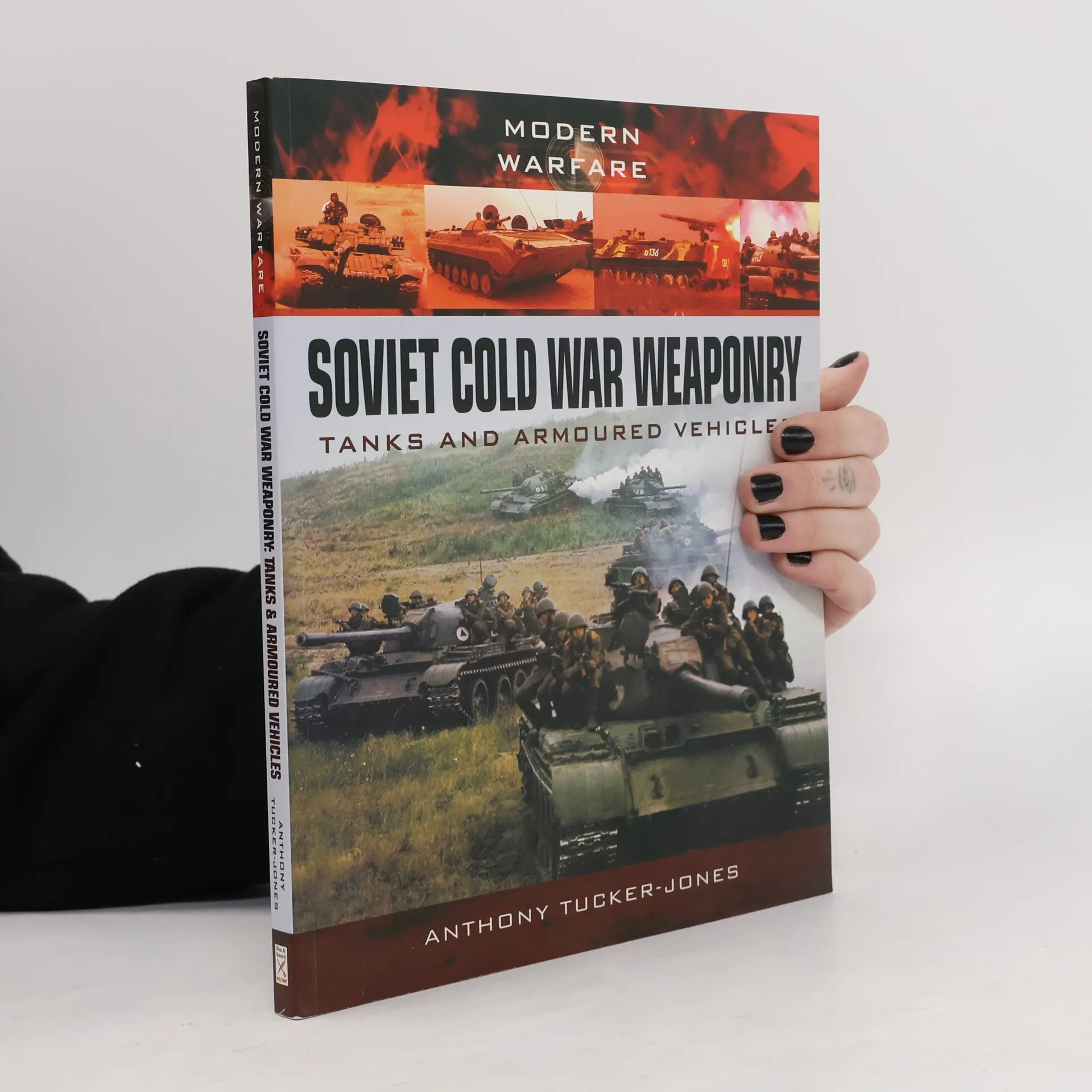
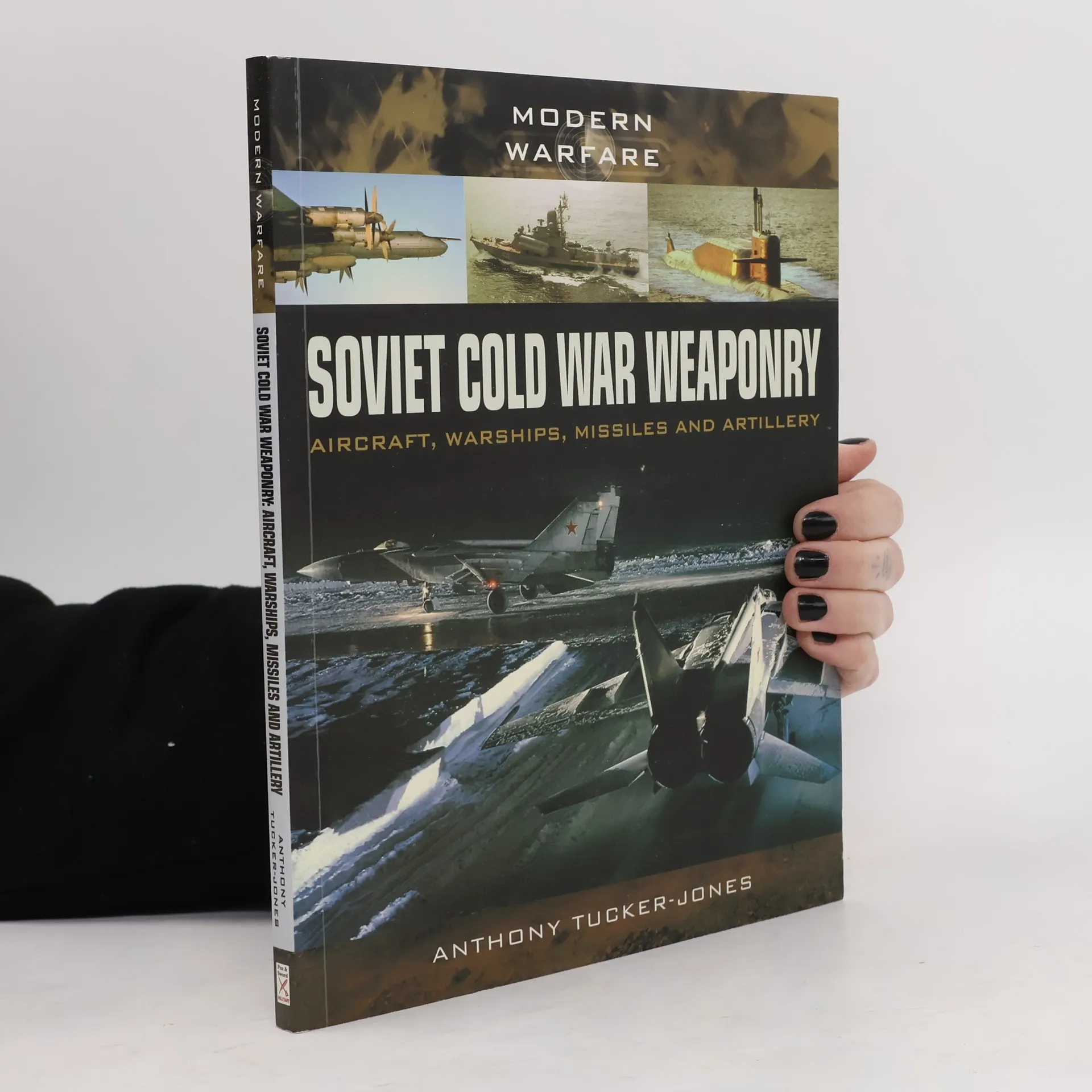
A photographic history of Soviet Cold War weaponry from the 1950s to 1980s.
Graphic account of the struggle between the Red Army and the Wehrmacht for control of the Crimean peninsula between 1941 and 1944
Photographic history of the Soviet-Afghan conflict of 1979-1989. Shows the guerrilla tactics of the mujahideen. Records the Soviet use of armoured fighting vehicles. Portrays the bleak experience of the Soviet soldiers and their Afghan opponents. Puts the current Afghan war in a historical perspective.
Photographs of Soviet, American and British armour in action during the Korean War Insight into the terrain and conditions faced by the tank crew on both sides Record of a neglected aspect of one of the major Cold War confrontations
A Photographic history of Soviet Cold War tanks and armoured vehicles from the 1950s to the 1980s.
Photographic history of one of the most famous battles of the Second World War. číst celé
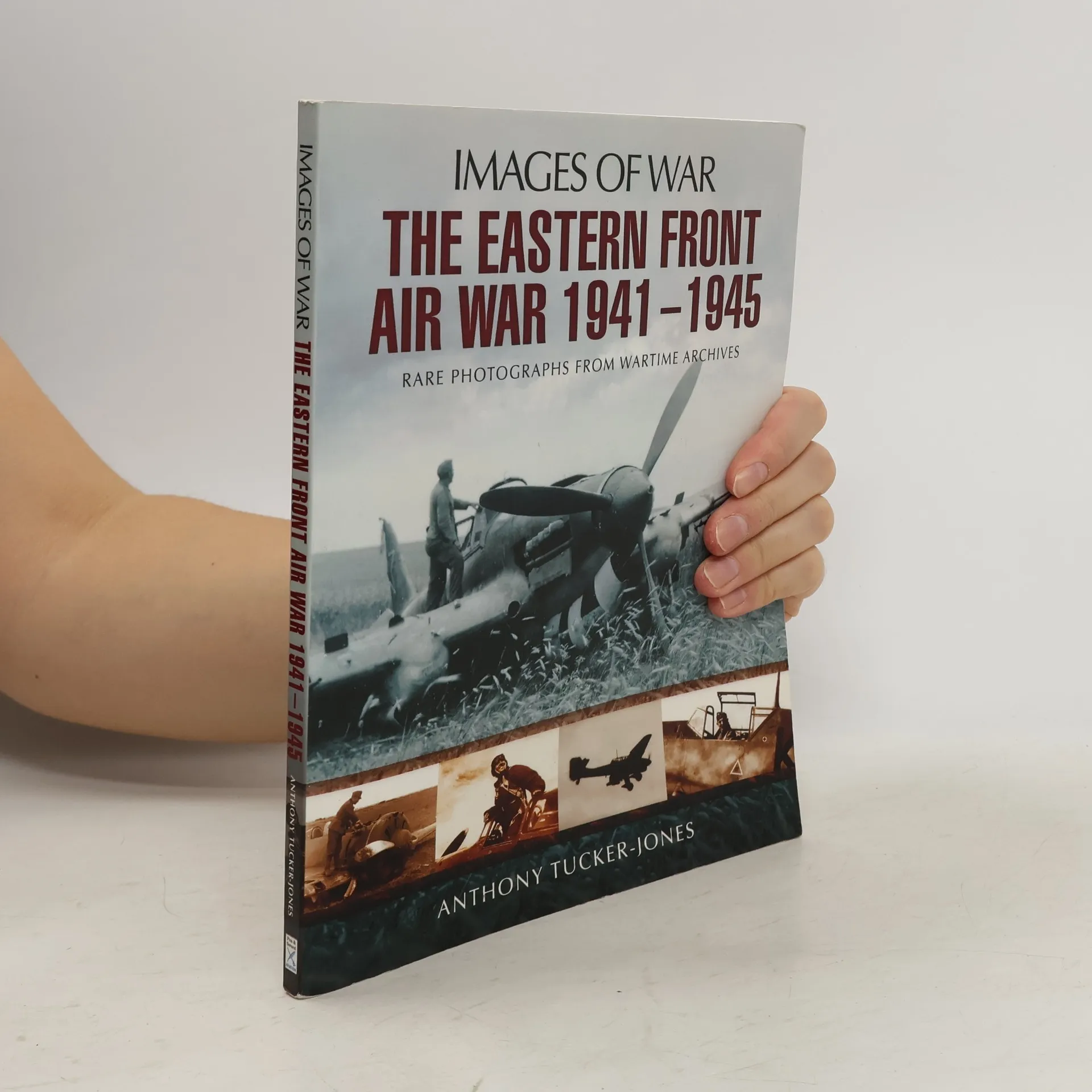
A selection of over 150 rare wartime photographs of the Luftwaffe and the Red Air Force
Concise account of a forgotten Cold War conflict and its terrible outcome. číst celé
This engaging study delves into Winston Churchill's military career, tracing his journey from early colonial wars to his strategic command during World War II. It highlights his dual role as both political leader and military commander, showcasing his extreme risk-taking nature. Churchill is often celebrated as Britain’s greatest wartime leader, yet his approach mirrored that of contemporaries like Stalin, Hitler, and Mussolini, as he insisted on directing military strategy himself. This led to significant missteps, including disasters in Norway, North Africa, Greece, and Crete between 1940 and 1941, as well as a failed campaign in the Dodecanese in 1943. His stubbornness regarding the Italian campaign nearly resulted in his resignation and threatened the British Government. However, he also demonstrated decisive leadership during critical moments, such as refusing to surrender in 1940, the miracle at Dunkirk, and the victory in the Battle of Britain. He made tough decisions, including the destruction of the French Fleet to prevent it from falling into German hands and engaging in conflict with Vichy France. Acclaimed historian Anthony Tucker-Jones examines how Churchill's early military experiences influenced his controversial decisions in high office, assessing the successes and failures of his command during World War II.
Set during the chaotic final days of World War II in April 1945, the narrative captures the intense fighting in Berlin as Soviet forces confront fanatically loyal Nazi soldiers. Despite the inevitability of defeat, Hitler and his inner circle cling to power, leading to a harrowing end marked by violence and destruction. This account offers a dual perspective, highlighting both German and Allied experiences, strategies, and key figures, complemented by contemporary photographs that vividly illustrate the turmoil of the era.
Sun Tzu's teachings on how to successfully respond to and handle situations of conflict is a must-read for today's business leaders (and politicians, and many others).
"This book provides a strategic overview of the war that is interweaved with fascinating personal accounts, its campaigns and battles." - Professor Geoffrey Roberts.In this exciting and illuminating account, Anthony Tucker-Jones explores the major campaigns across the whole Mediterranean during World War II, from the struggle for control of the Suez Canal to the Allied landings in the French Riviera in the summer of 1944. This was America's first foray into the European theater and marked a real turning point in the Allied offensive against Axis powers.• Battle for Crete• The Desert Air War• Second Battle of El Alamein• Operation Crusader• Invasion of Sicily (Operation Husky)The actions of famous generals are introduced, including Bernard Montgomery and George S. Patton, and how their strategic offensives pushed back Axis forces. Augmented by fascinating photographs and forwarded by Geoffrey Roberts, Emeritus Professor of History at University College Cork, The Battle for the Mediterranean tells the story of an all-encompassing conflict, by land, air and sea.