
Bookbot

Sylvie Germain

    8 gennaio 1954

    Originariamente formata nella filosofia analitica, questa autrice si è sentita attratta dal potere della narrativa, spostando la sua attenzione dal pensiero astratto ai mondi evocativi della finzione. La sua prosa è profondamente connessa alla terra, attingendo alla mitologia e al folklore della sua educazione rurale per esplorare temi crudi ed elementari. Approccia ogni opera come un tentativo di comprendere e articolare un singolare e ossessivo quadro o sogno, dando priorità alla coerenza personale rispetto alla grande creazione di miti. La sua scrittura evoca un profondo senso del luogo, collegando i lettori alla terra, alla sua gente e al mondo naturale.

    Sylvie Germain
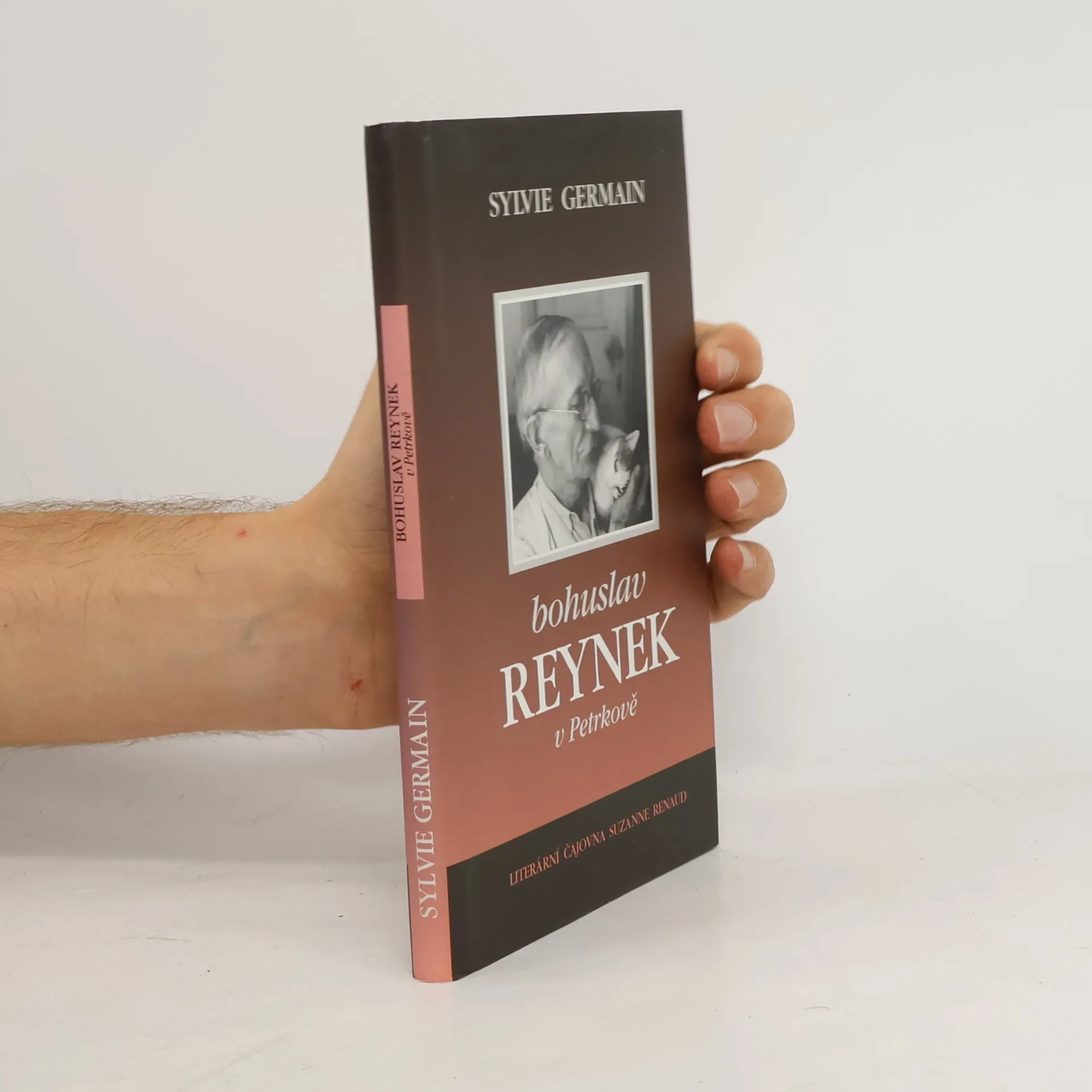
    Bohuslav Reynek v Petrkově
    Days of Anger
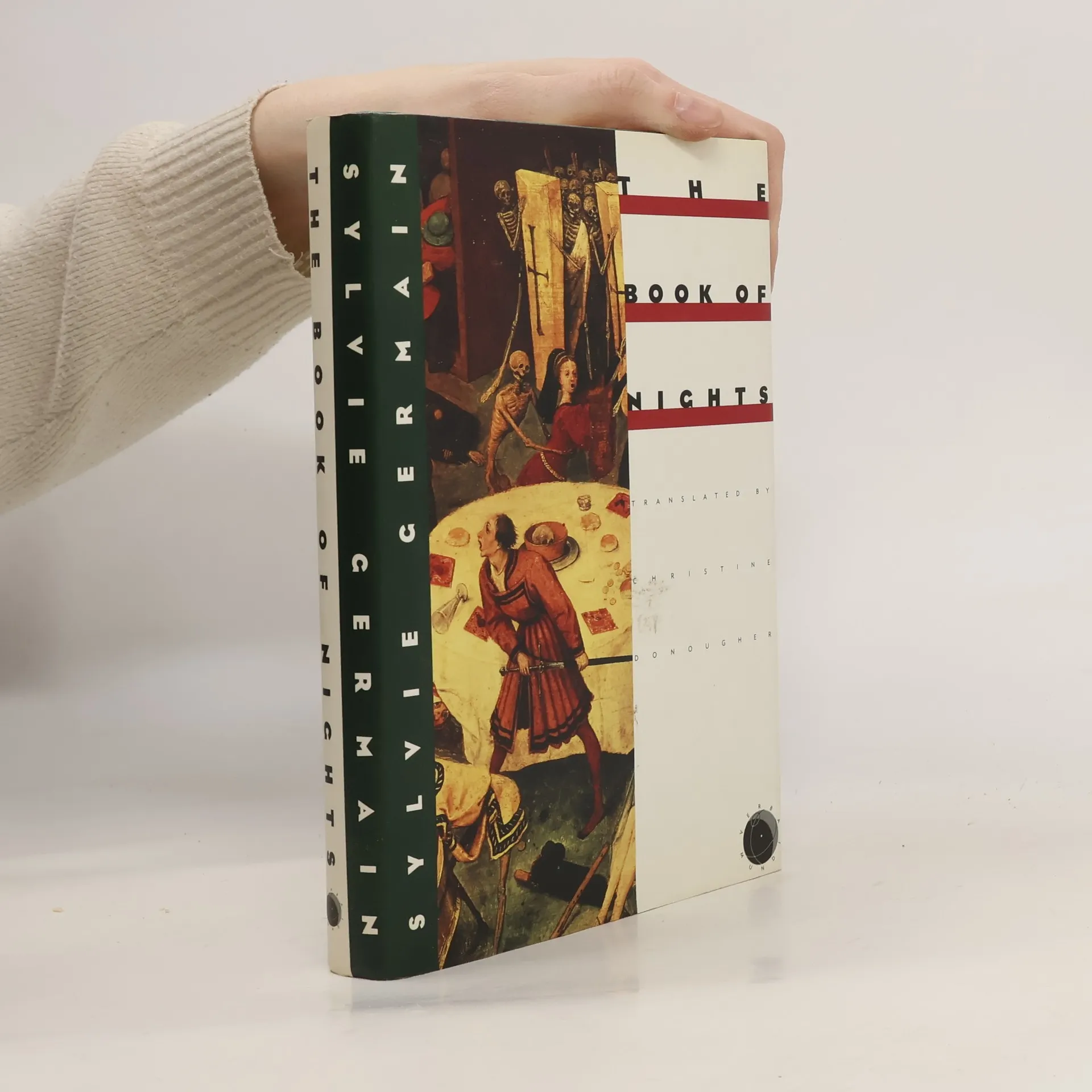
    The Book of Nights
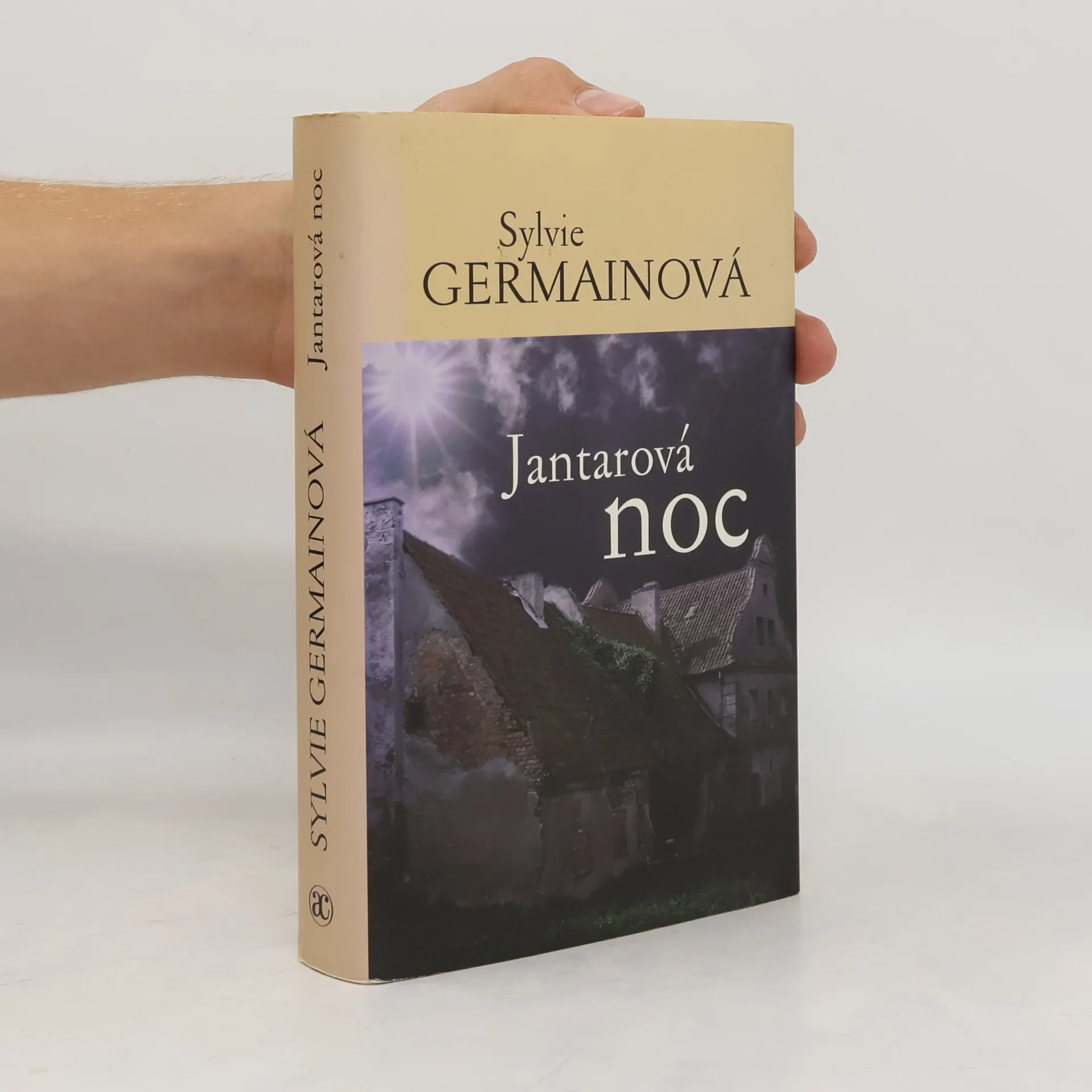
    Night of amber
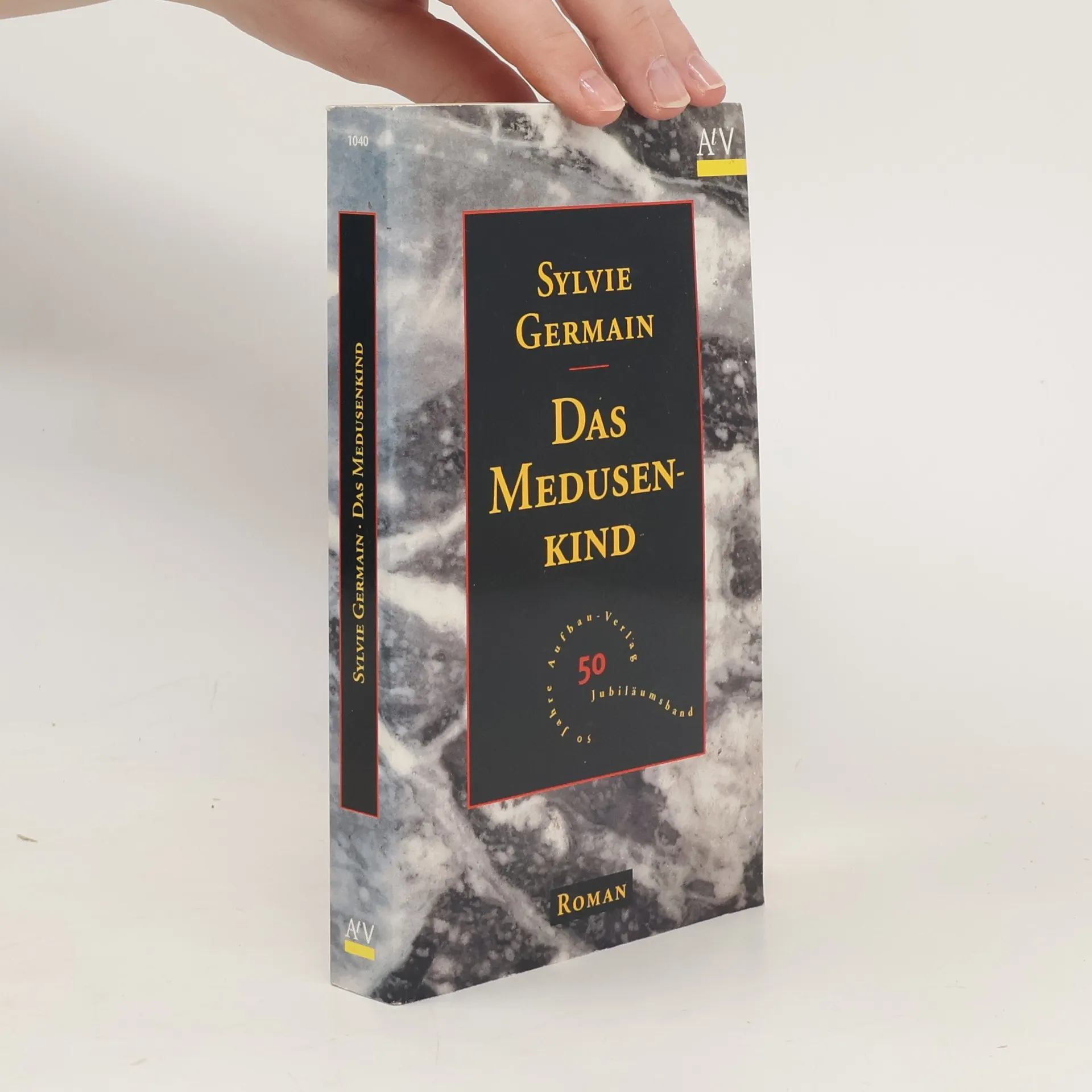
    The Medusa Child
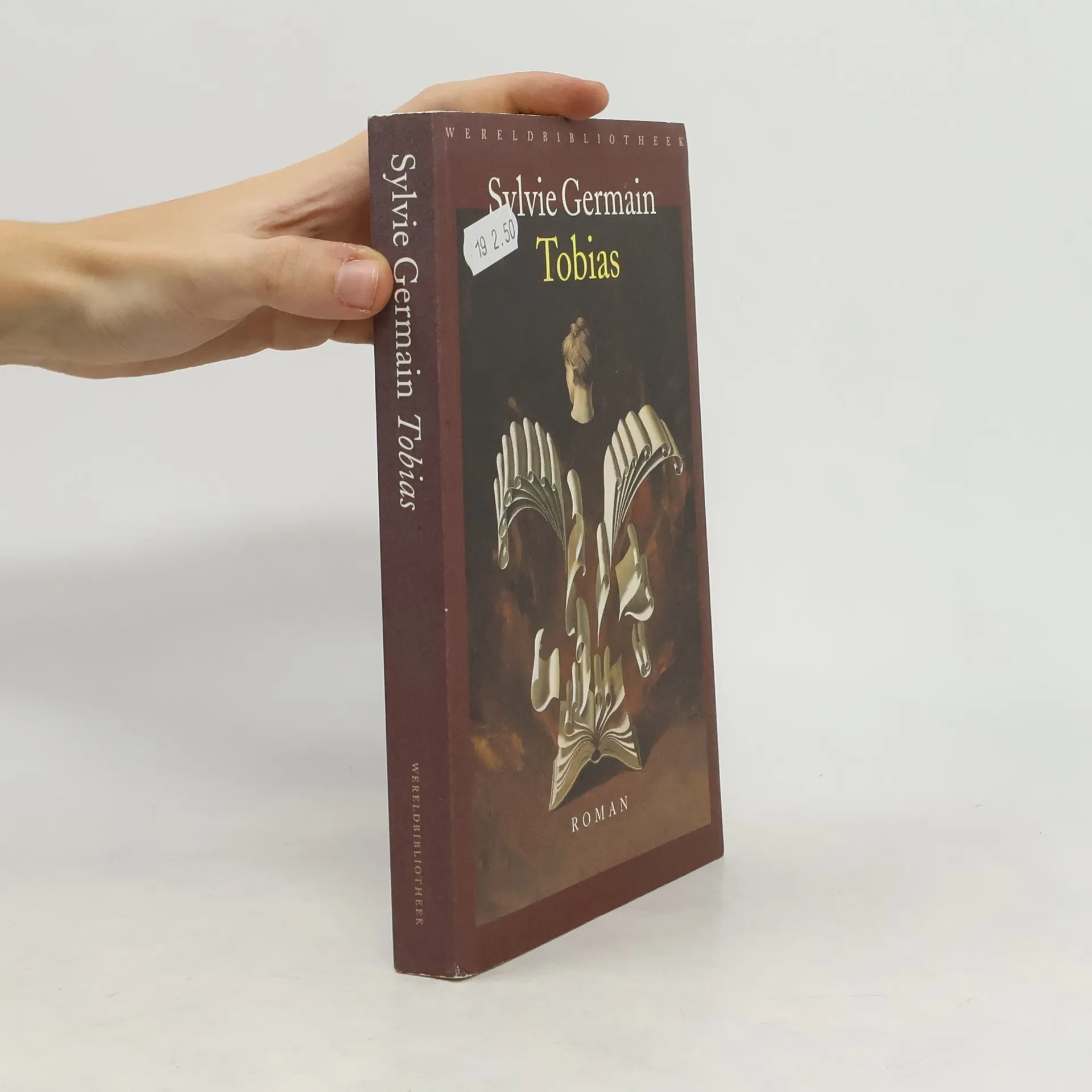
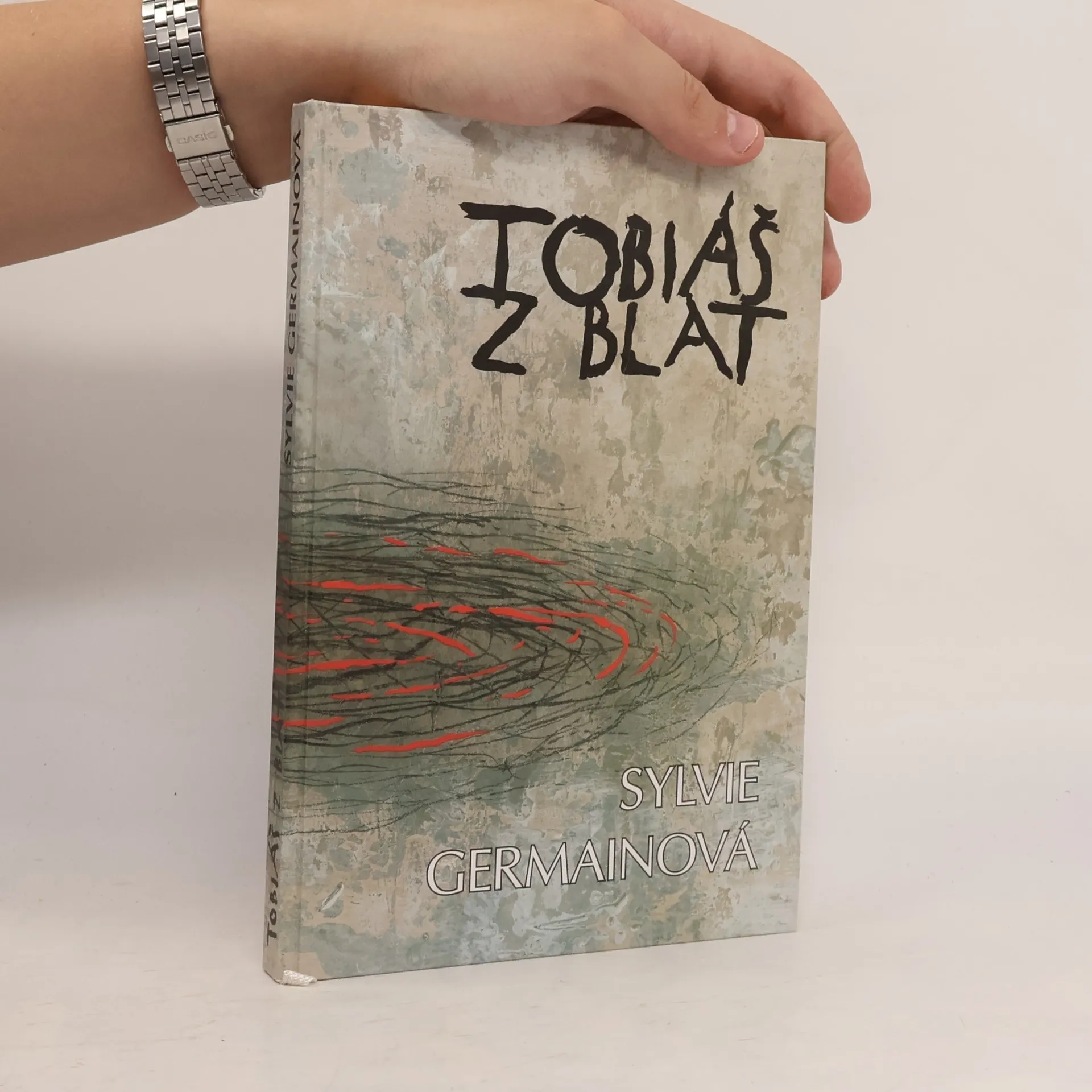
    Tobia delle paludi
    • Tobia delle paludi

      • 201pagine
      • 8 ore di lettura

      "All'improvviso il cielo divenne pietra, scisto blu notte. Ed era immenso il cielo sopra quella terra priva di rilievi avvolta nel silenzio." È il passo d'inizio; ed è come l'aprirsi del sipario. Sulla scena irrompe un bambino che se ne va sul suo triciclo lungo una strada, sotto il diluvio. Pedala con furia, avvolto in una incerata gialla. Il suo nome è Tobie. Il padre, pazzo di dolore, gli ha urlato "Vattene al diavolo!" e lui si è gettato alla sua ricerca. Una disgrazia si è abbattuta sulla sua famiglia, inspiegabile. La madre è rimasta vittima di un incidente a cavallo. Del bambino si occuperà la bisnonna Deborah custode della memoria familiare e dispensatrice della grazia che l'ha sorretta nel lungo viaggio dalla Polonia alle paludi del Poitou.
      Tobia delle paludi
      3,8
    • The Medusa Child

      • 246pagine
      • 9 ore di lettura

      "Sylvie Germain's The Medusa Child beautifully translated from the French by Liz Nash, tells a heartbreaking and violent story about sin and redemption in fantastical language; a myth from la France profonde." Books of the Year in The Independent on Sunday 'Germain's language is redolent with decay, rich with religious torment and ecstasy, and filled with the decadence so loved by this publisher.' Time Out 'The Medusa Child is her most accessible novel, and my favourite. A coherent pattern of metaphor depicts an enchanted country childhood. Lucie explores the marshes around her home and studies the stars. But when she is given a room of her own, an ogre starts to pay her nocturnal visits. Helpless and alone, Lucie decides to fight back by turning herself into a monster. This is a superb and compassionate study of damage and resistance.' Michele Roberts in Mslexia

      The Medusa Child
      4,5
    • Sylvie Germain traces a century in the life of the Peniel family and the cycle of birth and death, triumph and loss, madness and passion―from the Franco-Prussian War to World War II―that envelops and buffets their lives. Blending the historical with the supernatural, the comic with the grotesque, the lyrical with the brutal, Sylvie Germain tells the story of humanity's strivings and vanity, of the profound injustices that govern our relations, and of the fundamental strength that allows us ultimately to triumph over carnage and degradation.

      The Book of Nights
      4,0
    • Bohuslav Reynek v Petrkově

      • 96pagine
      • 4 ore di lettura

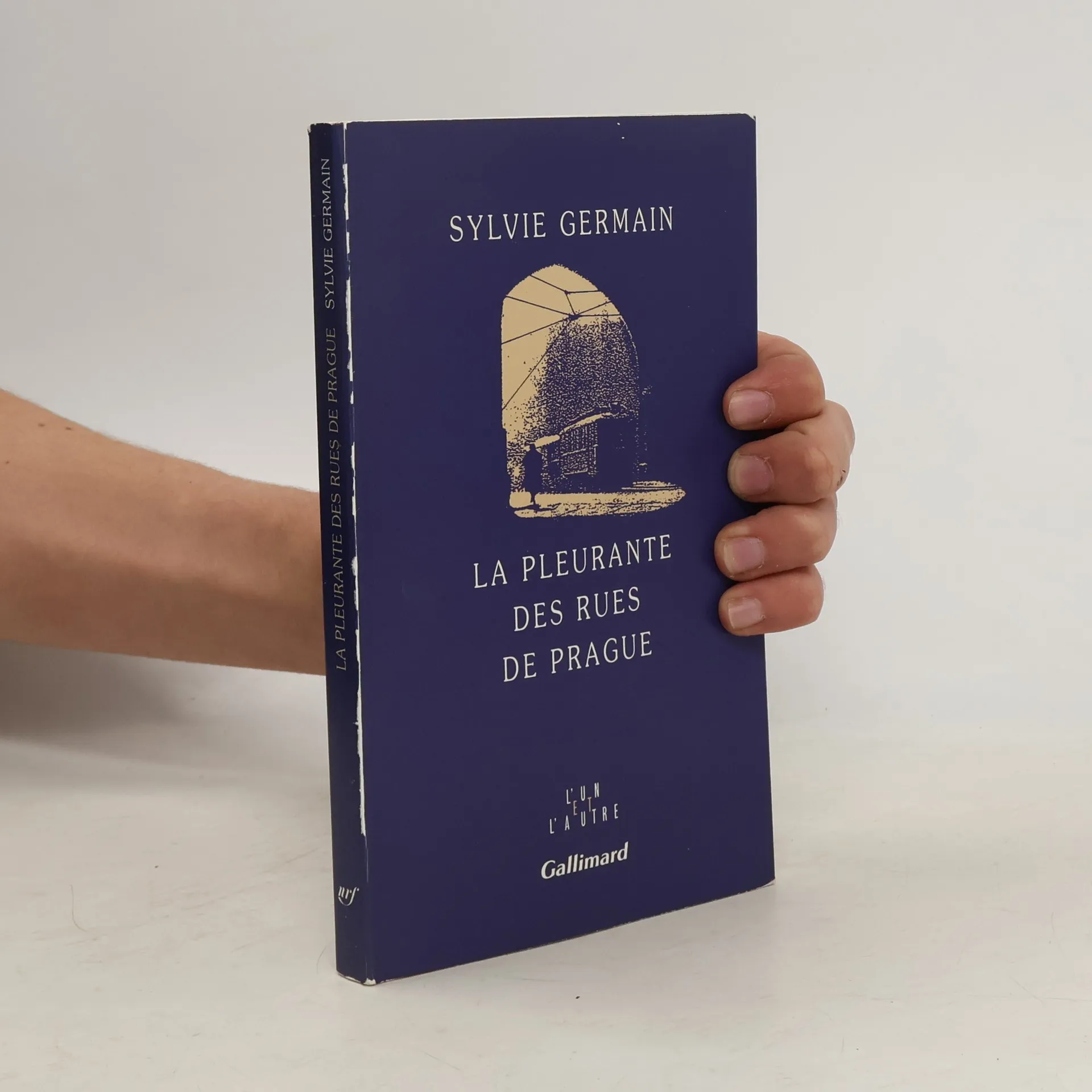
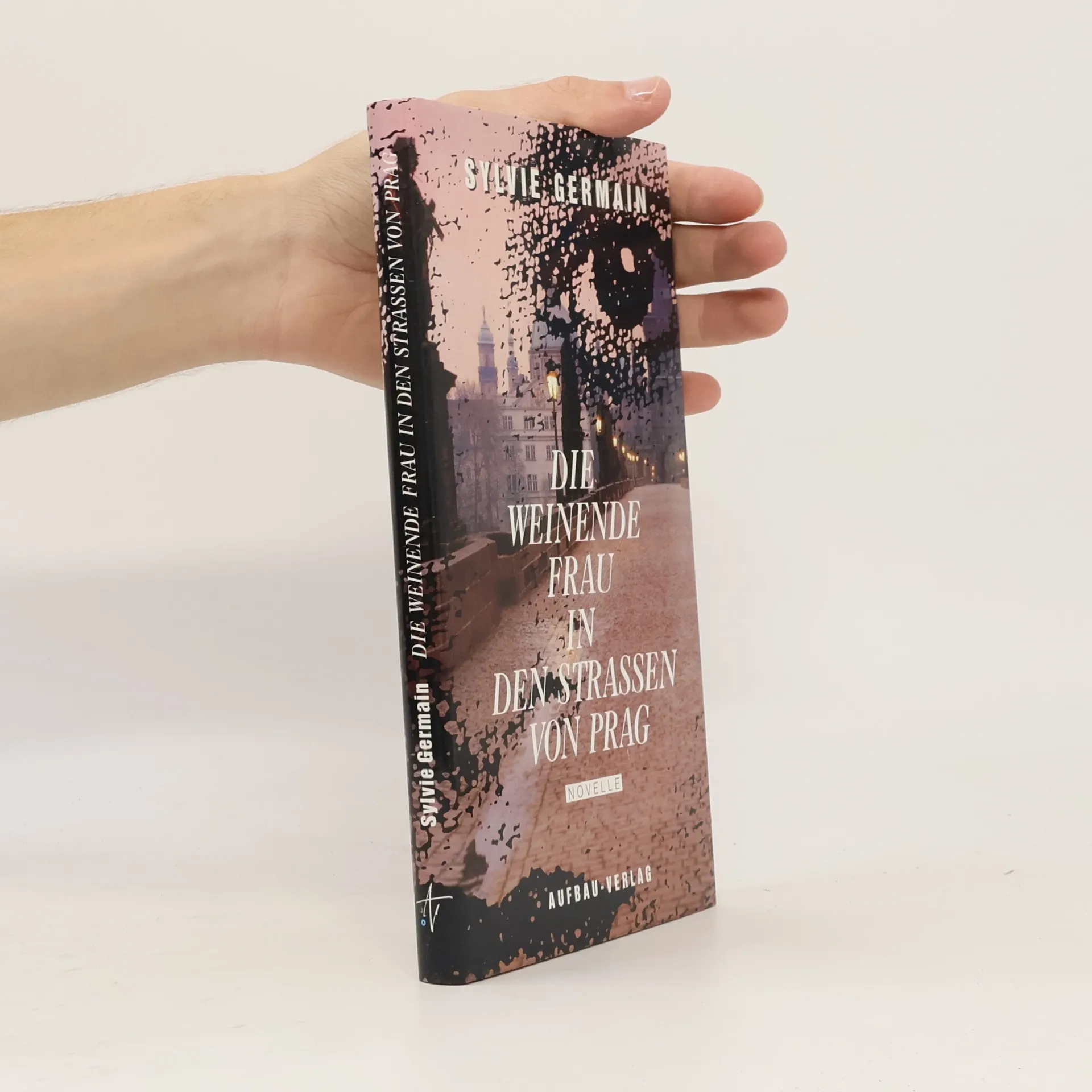
      Dílo francouzské spisovatelky Sylvie Germainové (1954) je v literárním světě vysoce oceňováno a překládáno do mnoha jazyků. V Paříži vystudovala filozofii u profesora Emmanuela Lévinase Její prvotina, román Kniha nocí (česky 1997), byl odměněn šesti literárními cenami, velkou pozornost vzbudila i jeho dvě samostatná pokračování, Jantarová noc a Dny hněvu (česky 1995). V letech 1986-1993 působila na francouzském lyceu v Praze. Tomuto městu věnovala v roce 1992 do češtiny dosud nepřeloženou knihu Le Pleurante des rues de Prague (Plačka pražských ulic). V roce 1996 napsala předmluvu k dvojjazyčnému vydání básnické sbírky Bohuslava Reynka Le serpent sur la neige - Had na sněhu. Knihu Bohuslav Reynek v Petrkově: Poutník ve svém příbytku vydala v roce 1996 ve francouzském nakladatelství Christian Pirot s fotografiemi Tadeusze Kluby. Česky toto esejisticky laděné zamyšlení nad osudy dvou velkých umělců vyšlo poprvé v roce 2000 v překladu Petra Turka. Druhé vydání v nakladatelství Petrkov vychází v nové grafické úpravě s fotografiemi Daniela Reynka.

      Bohuslav Reynek v Petrkově
      5,0
    • V románu Tobiáš z blat, volně inspirovaném biblickou knihou Tobiáš, sleduje autorka osud ženy, která jako mladá dívka odešla z chudého Polska a poté, co ji Amerika nepřijala, se usadila ve Francii, ve Vendée, v krajině močálů. Židovka Debora, to je celé století se všemi neštěstími, předčasnými úmrtími, válkami a holokaustem. Se svou přívětivou umíněností, s níž zůstává po boku živých, aniž by zapomněla na mrtvé, se Debora stává životní osou, kolem níž se odvíjejí osudy ostatních postav vyprávění, především Tobiáše. Román začíná ve chvíli, kdy pětiletý Tobiáš v prudkém dešti bezhlavě šlape na tříkolce. V bezradném zoufalství ho otec poslal k čertu a on tam má namířeno. Od minulosti k přítomnosti pozvedá Sylvie Germainová tíhu, která doléhá na život každého člověka, a na pomoc si přivolává anděly.

      Tobiáš z Blat
      4,7
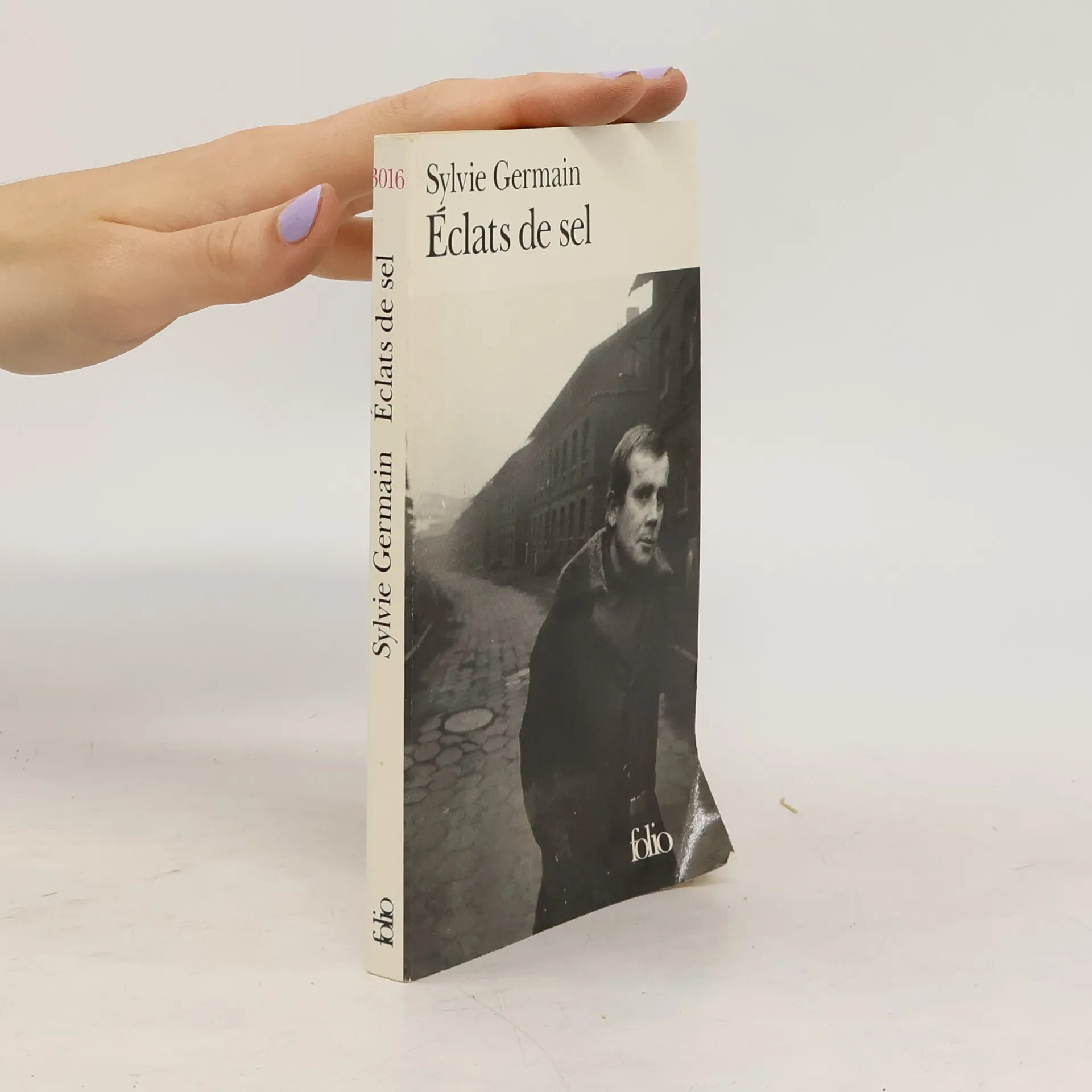
    • Ludvík M. avait quitté Prague quand son pays souffrait d'une "cécité de l'âme". À l'Ouest, il avait connu un grand amour avec Esther. Puis Esther l'avait trahi et il s'était ensuivi un exil à rebours. Il était revenu à Prague. Là désormais, tout devient étrange, se pare d'irréalité. Tandis que celui qui fut son maître très admiré dans sa jeunesse, Joachym Brum, entre en une longue agonie et ne meurt qu'au jour qu'il a choisi, Ludvík ne cesse de faire des rencontres insolites. Au restaurant, à la Caisse d'Épargne, chez un kiosquier ou à l'hôpital, tous ses interlocuteurs lui tiennent des propos étranges où constamment revient le thème du sel, symbole de pureté, d'innocence, et aussi de feu intérieur, des larmes et de l'offrande à Dieu, lequel s'obstine ici dans un troublant silence. Mais l'irréalité croissante qui s'engouffre dans sa vie révèle en fait à Ludvík un surcroît de réalité, et à l'ombre du grand Rabbi Loew il retrouve enfin le goût du sel de la vie qu'il avait si longtemps laissé s'affadir.

      Éclats de sel
      4,2
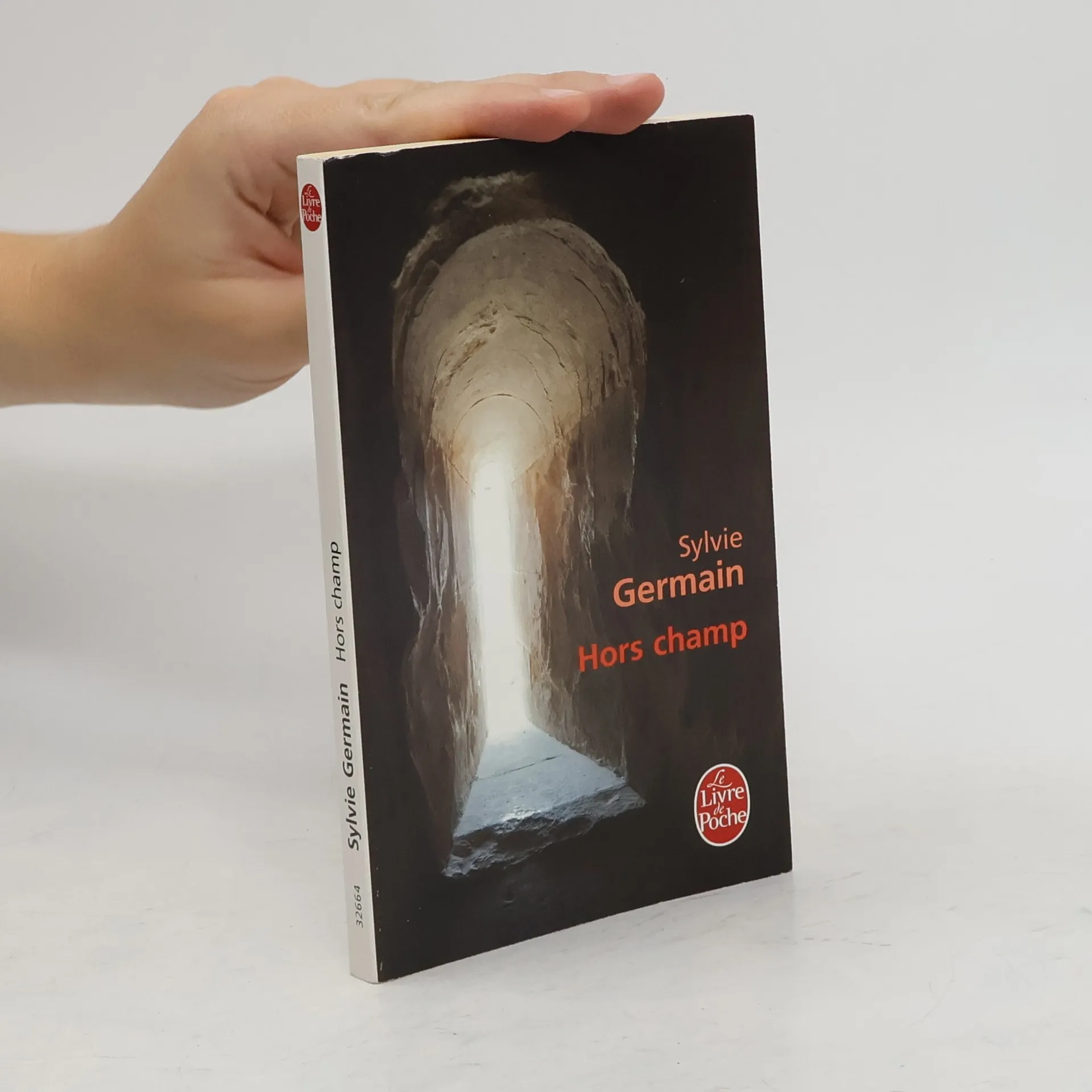
    • En l’espace d’une semaine, Aurélien, un homme ordinaire, va progressivement disparaître. Il est de plus en plus hors champ, perdant jusqu'à sa voix, son odeur et son ombre. Au fur et à mesure de cette genèse à rebours, il sort aussi de la pensée et de la mémoire des autres, même de ses proches. Cet effacement intensif s'opère au grand jour, dans l'agitation de la ville, à l'aune de tous ces naufragés qu'on ne regarde plus et qui ne comptent pour personne.

      Hors champ
      3,0