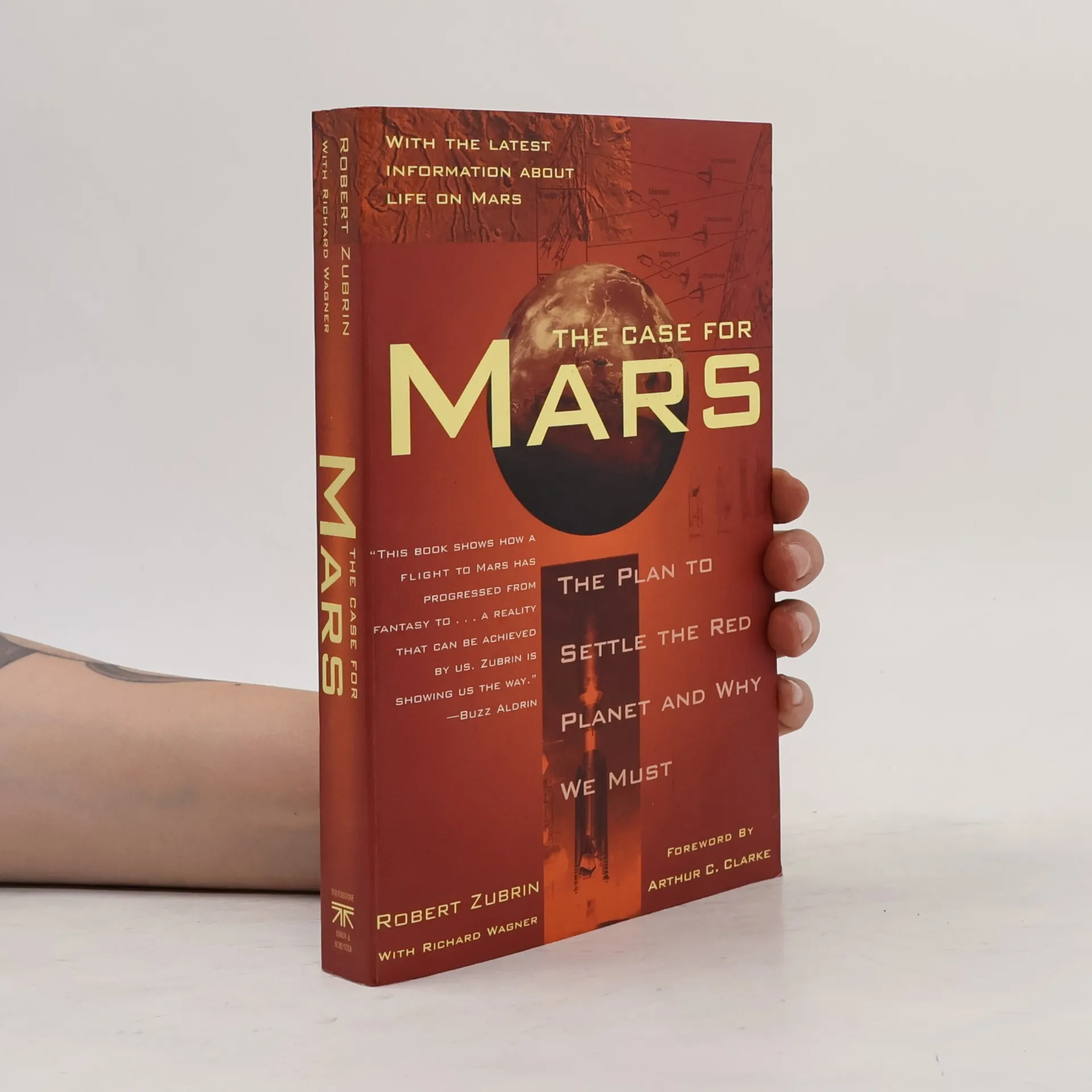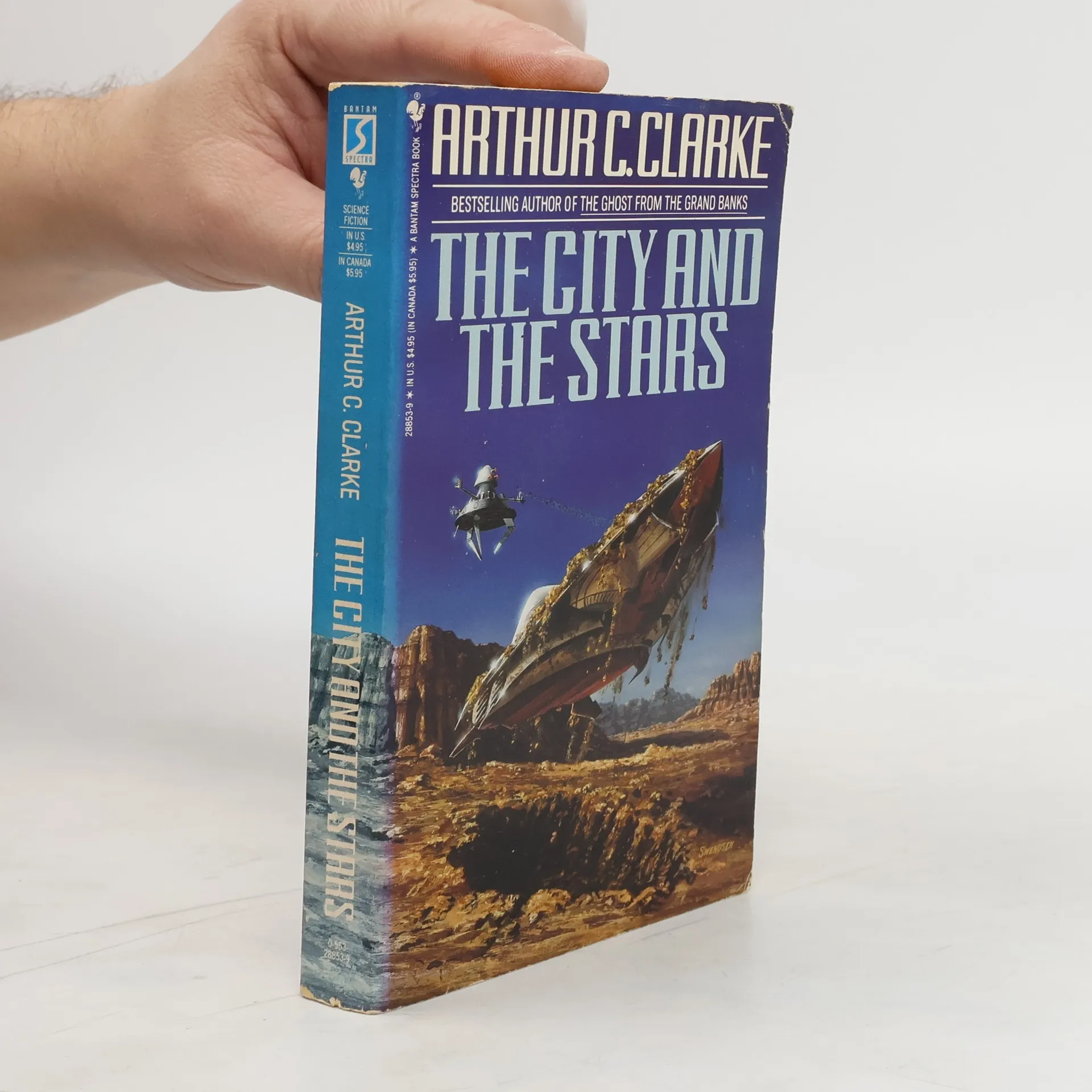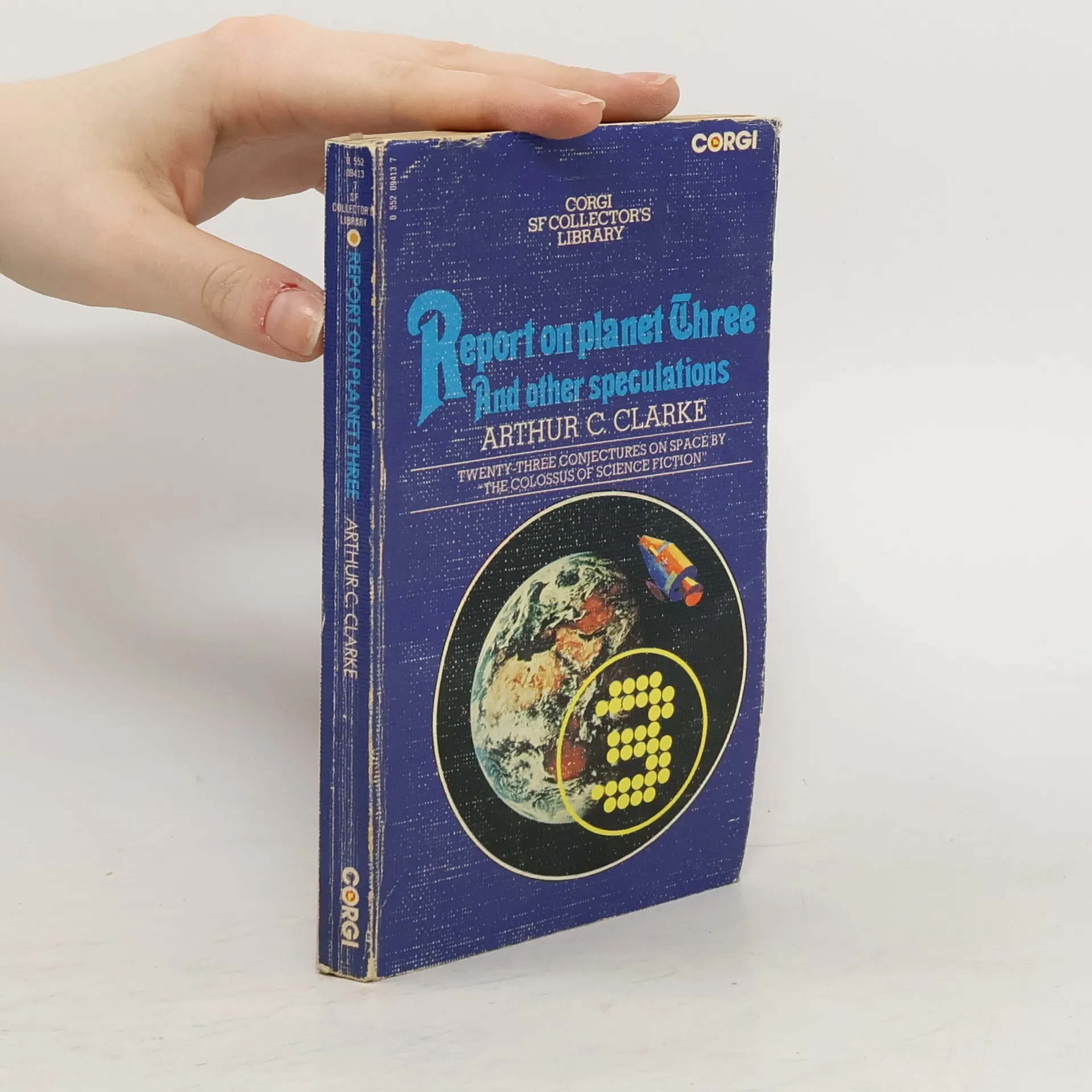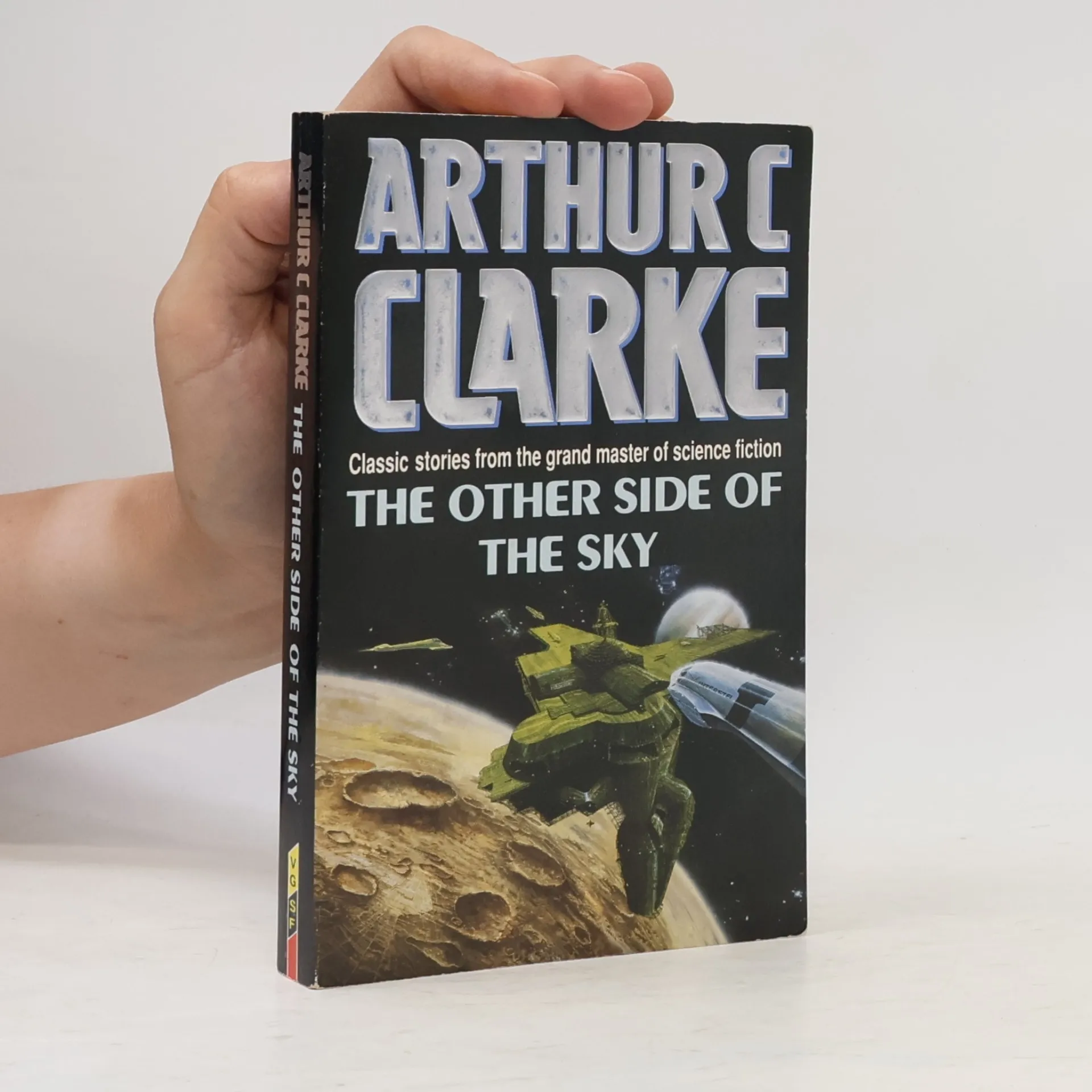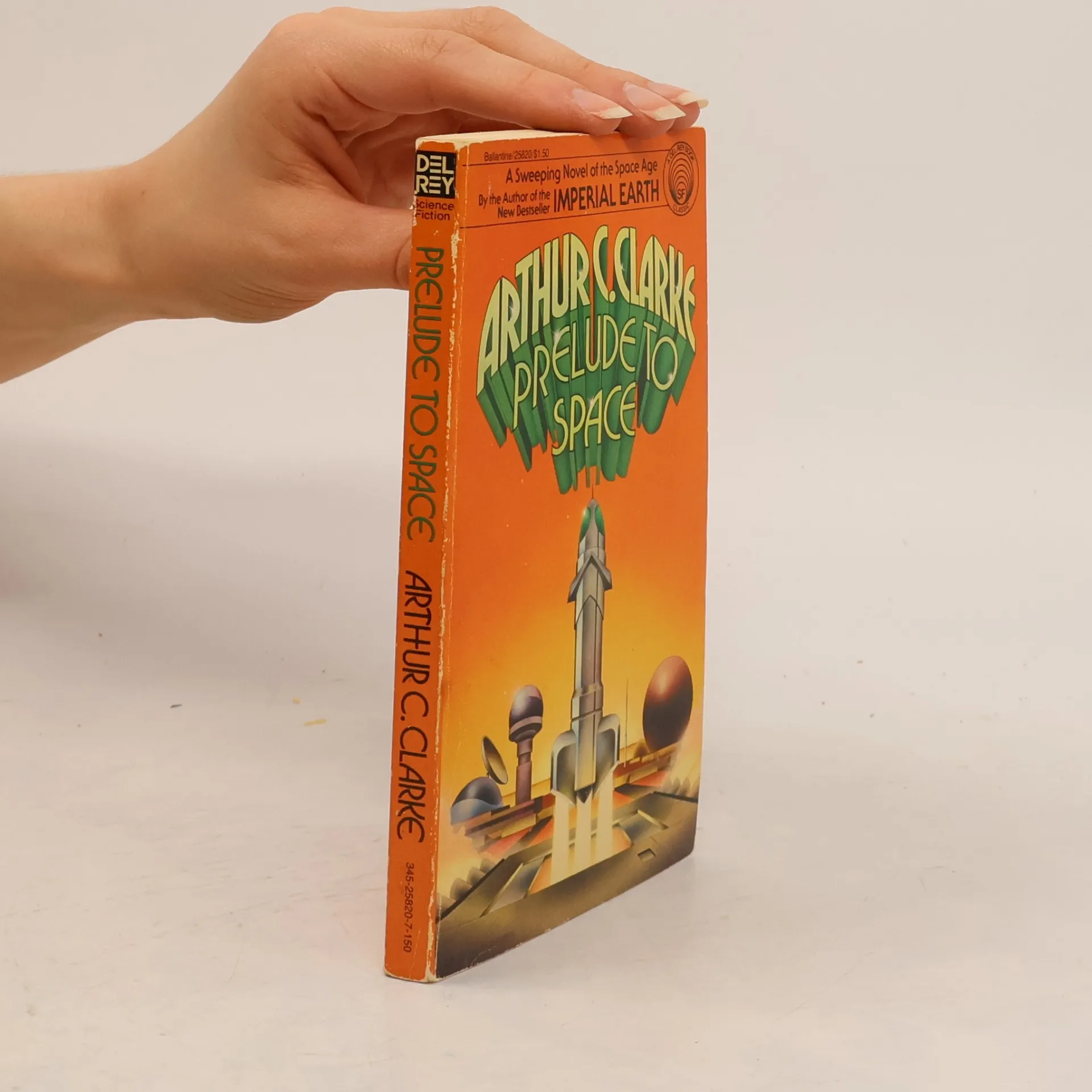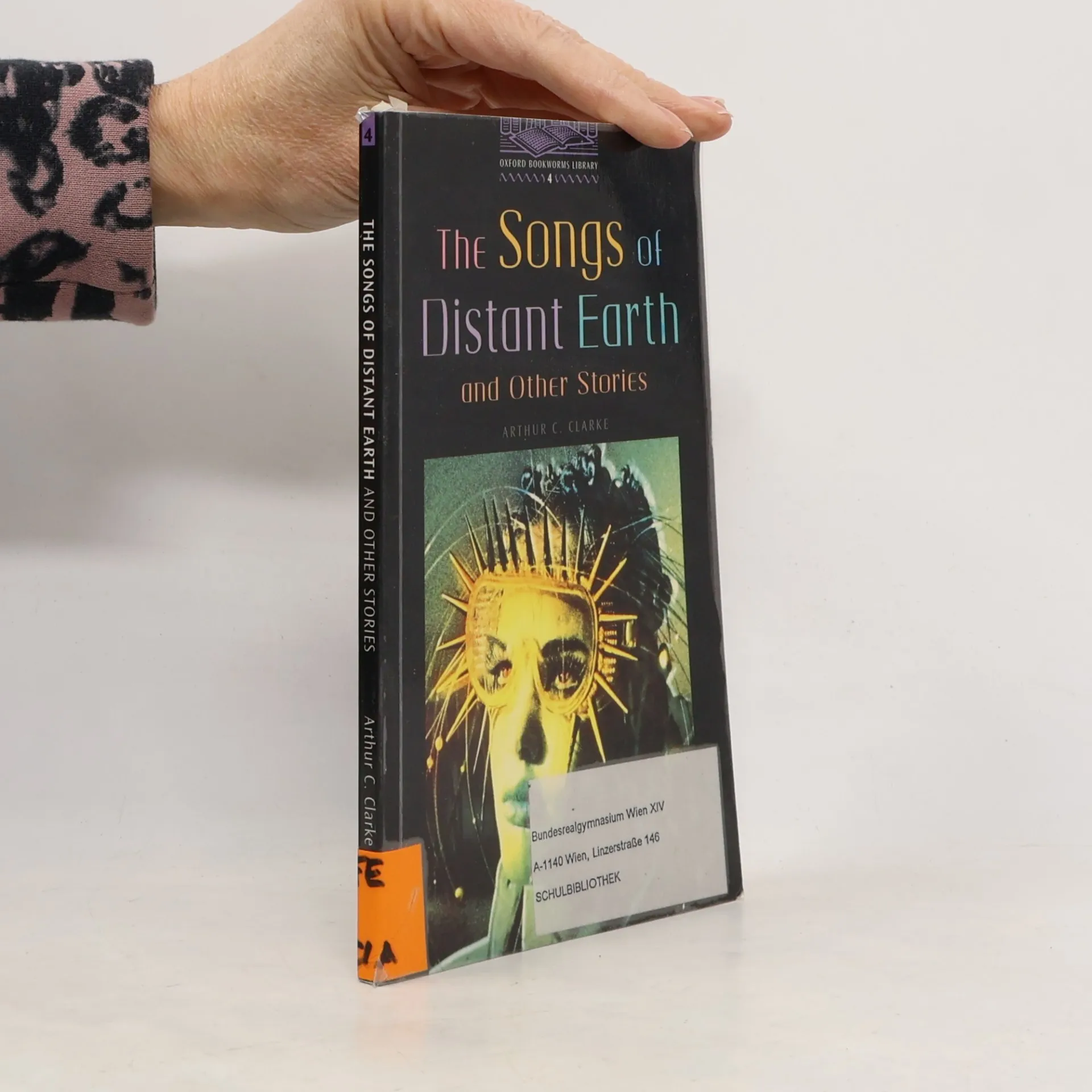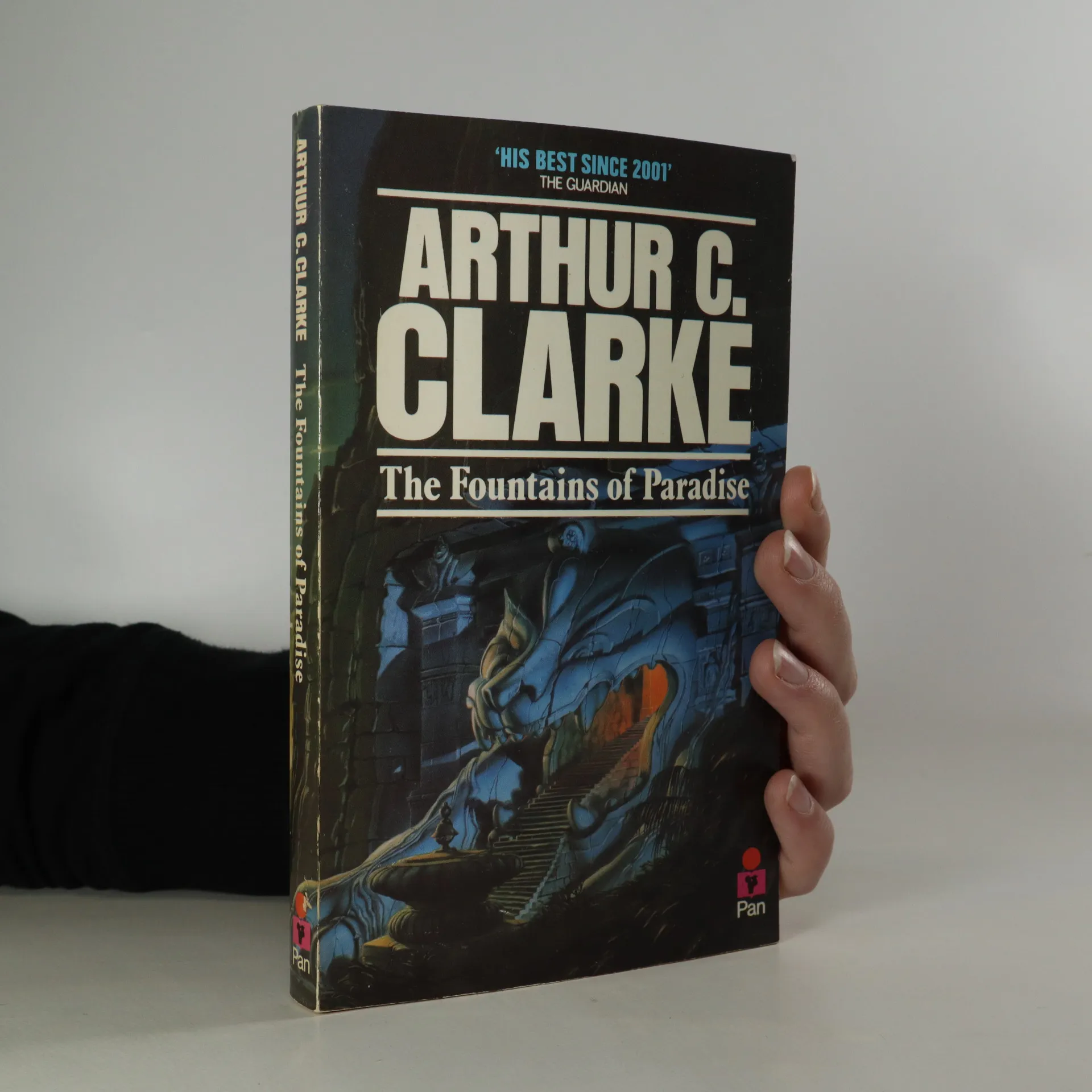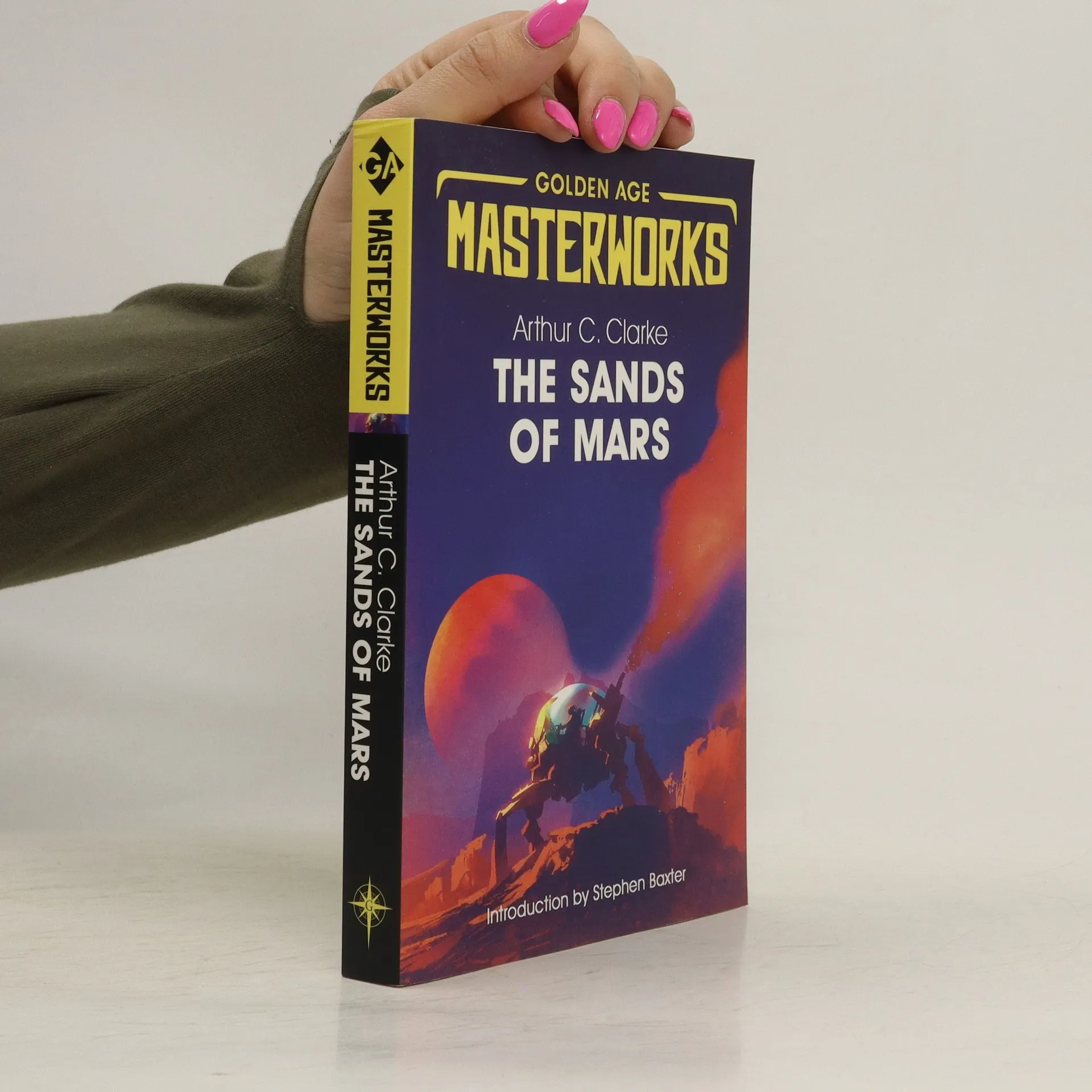
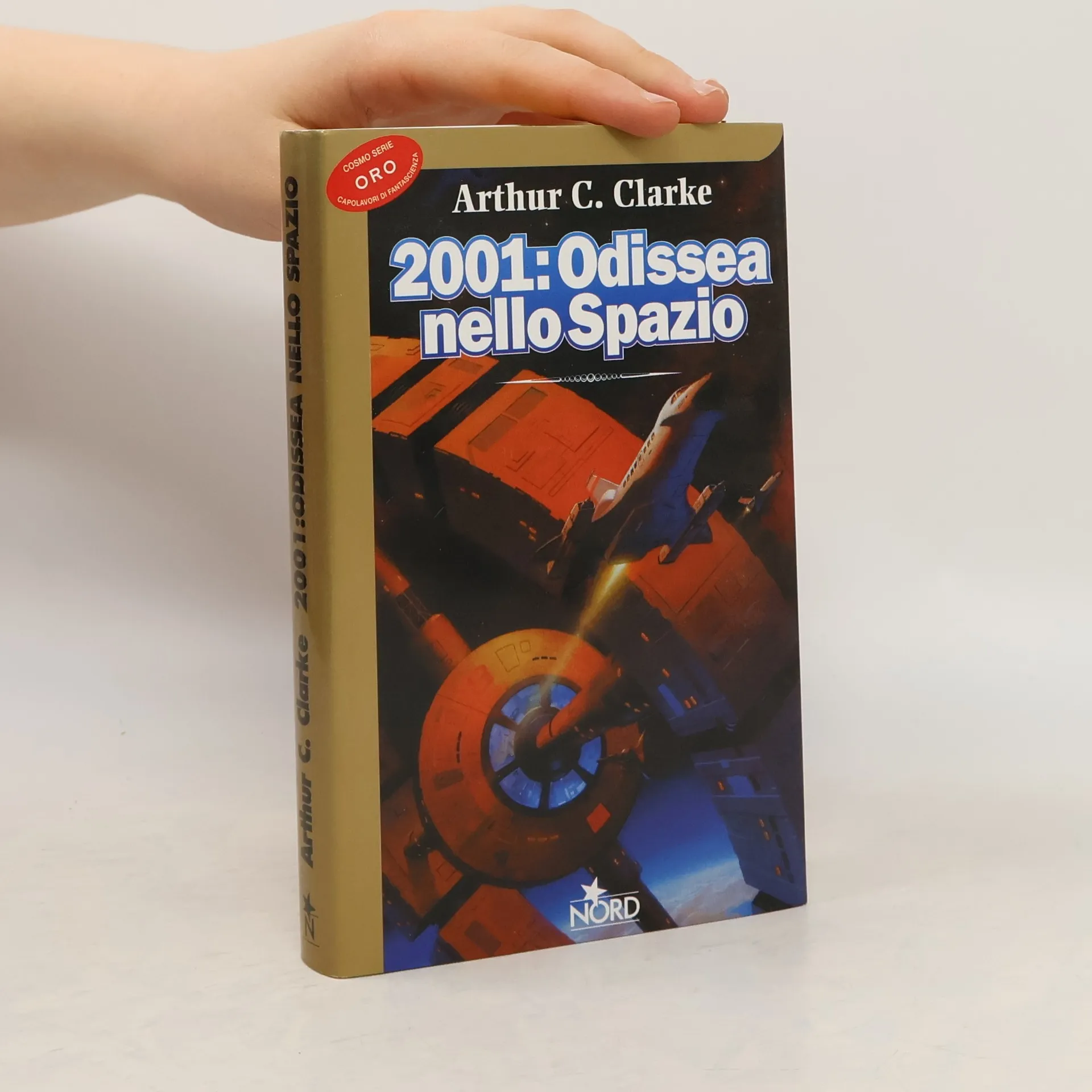
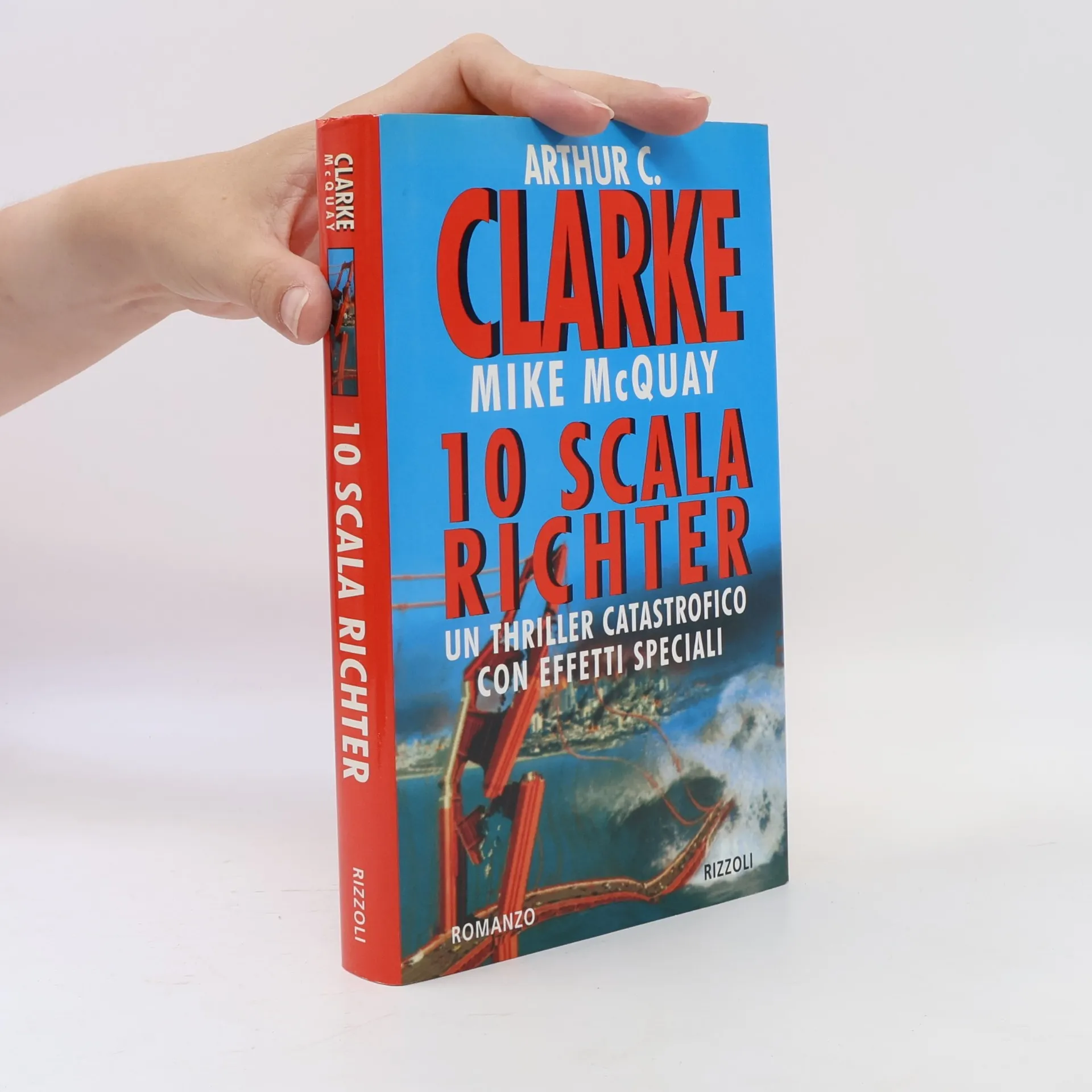
Arthur C. Clarke è stato un visionario il cui lavoro ha esplorato la vastità dello spazio e il futuro dell'umanità. Come autore prolifico, è diventato famoso per le sue intuizioni preveggenti sulle possibilità scientifiche e tecnologiche, esplorando spesso le implicazioni etiche e filosofiche del progresso. Il suo stile di scrittura era caratterizzato da chiarezza, accuratezza scientifica e un senso di immaginazione maestosa che ha affascinato i lettori di tutto il mondo. L'eredità di Clarke risiede nella sua capacità di ispirare meraviglia e promuovere la curiosità sul cosmo e sul nostro posto al suo interno.
Un misterioso monolito, un'astronave diretta verso Saturno e un calcolatore di inconcepibile capacità... A questo soggetto s'ispirò Stanley Kubrick per uno dei più spettacolari film del secolo.
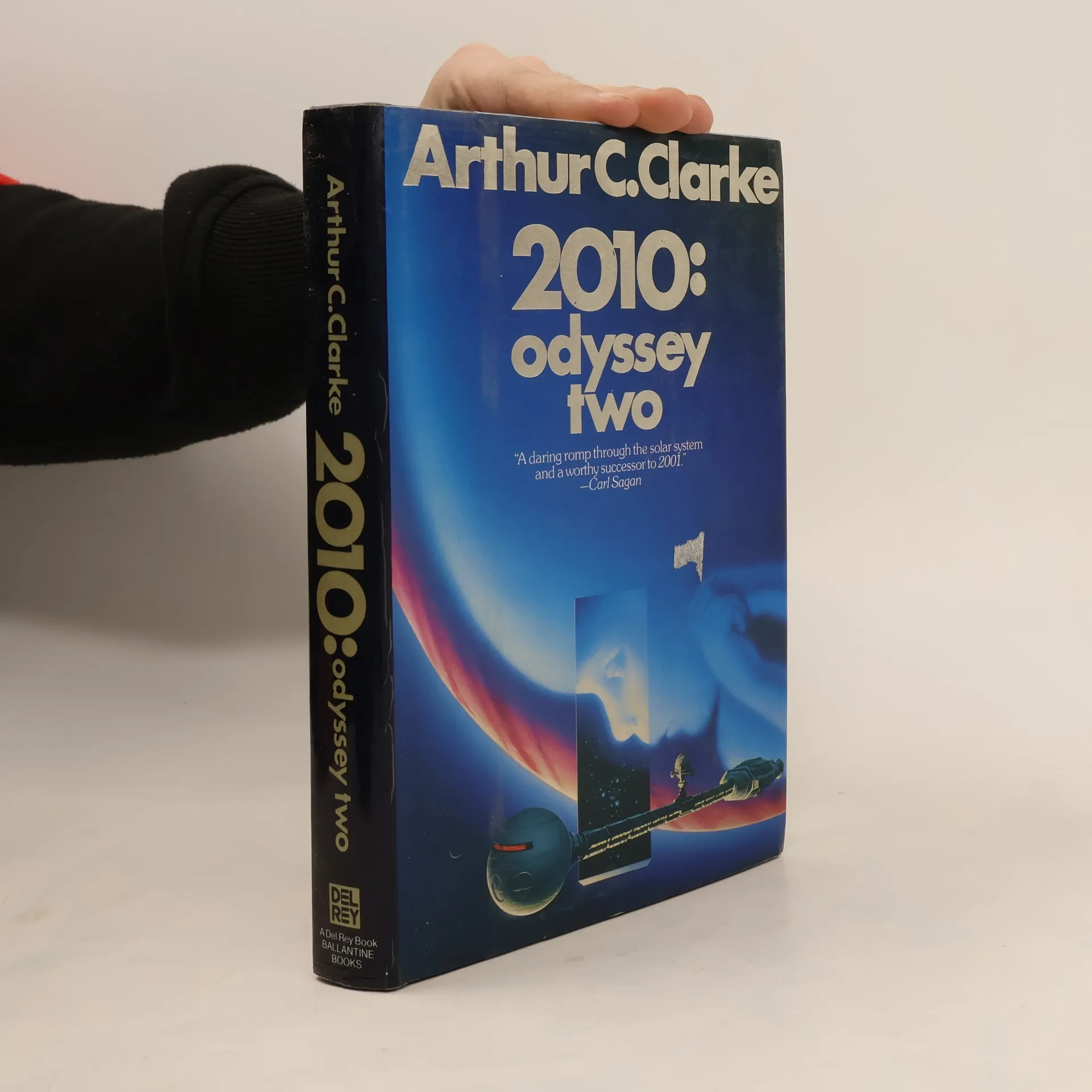
Nove anni dopo il disastro, il relitto della Discovery vaga abbandonato nello spazio interplanetario, portando con sé i misteri del fallimento di quella missione. Ora, una spedizione congiunta di astronauti russi e americani ha il compito di raggiungere la nave spaziale alla deriva e scandagliare la memoria di Hal 9000, l'intelligenza artificiale deviata che ha portato la Discovery alla rovina. Perché il computer si è ammutinato? Che fine ha fatto l'equipaggio? Cosa ne è stato del comandante Bowman? Quando anche una spedizione cinese è inviata verso il relitto, la missione di recupero si trasforma in qualcosa di più pericoloso e cruciale: in gioco c'è il futuro dell'universo, perché chi otterrà per primo le informazioni raccolte dall' equipaggio della Discovery riguardanti l'enigmatico monolite rinvenuto sotto la superficie lunare sarà destinato a governare il mondo.
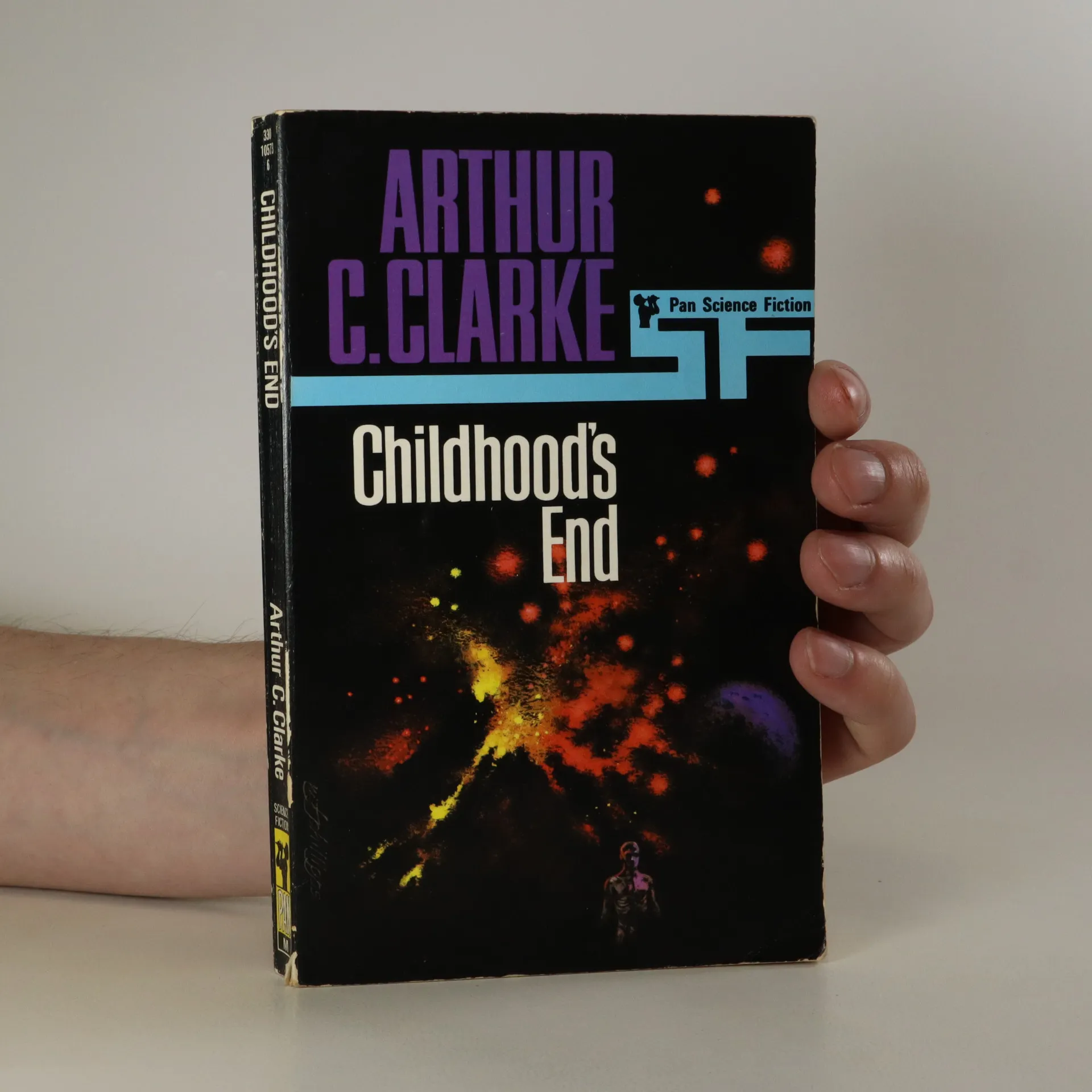
Diaspar è l'ultima città rimasta sulla terra. Circondata da altissime mura la città-fantasma ospita gli ultimi rappresentanti del genere umano che con- ducono un'esistenza drammaticamente monotona, dominati dai robot e tormentati dal ricordo del loro remoto passato. Uno solo di essi Alvin, avverte l'ormai sconosciuta ansia di conoscere, aspira a uscire dal buio che lo opprime. Riu- scirà nel suo intento, la sua iniziativa che comporterà il sacrificio della sua vita, avvierà il riscatto e la rinascita per il genere umano.
Dopo la trasformazione di Giove in una stella giunge sulla Terra, da parte di misteriose creature, un messaggio: "Tutti questi mondi sono vostri tranne Europa, non mettete piede su Europa". Per molti decenni si tenta di scoprire i segreti nascosti nel satellite, e un giorno l'astronave da crociera 'Galaxy' vi viene dirottata senza apparente motivo sulla sua superficie. In soccorso arriva la 'Universe', dopo il disperato messaggio di soccorso lanciato nello spazio, ma verranno alla luce inquietanti e dirompenti rivelazioni.
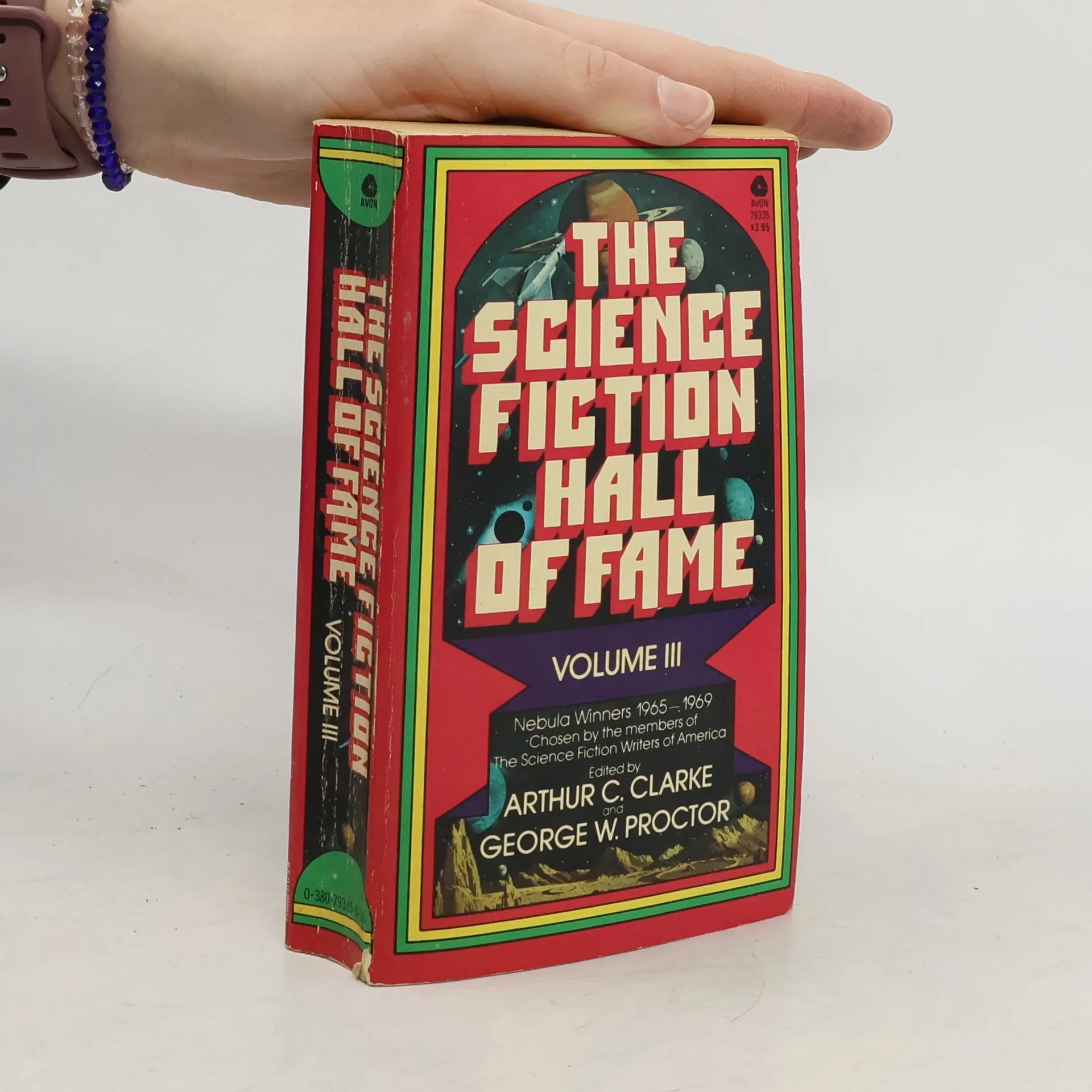
ix • Introduction (Science Fiction Hall of Fame Volume III) • (1981) • essay by Arthur C. Clarke2 • "Repent, Harlequin!" Said the Ticktockman • (1965) • shortstory by Harlan Ellison15 • The Doors of His Face, the Lamps of His Mouth • (1965) • novelette by Roger Zelazny49 • The Saliva Tree • (1965) • novella by Brian W. Aldiss122 • He Who Shapes • (1965) • novella by Roger Zelazny216 • The Secret Place • (1966) • shortstory by Richard McKenna232 • Call Him Lord • (1966) • novelette by Gordon R. Dickson254 • The Last Castle • (1966) • novella by Jack Vance318 • Aye, and Gomorrah. . . • (1967) • shortstory by Samuel R. Delany329 • Gonna Roll the Bones • (1967) • novelette by Fritz Leiber352 • Behold the Man • (1966) • novella by Michael Moorcock406 • The Planners • (1968) • shortstory by Kate Wilhelm422 • Mother to the World • (1968) • novelette by Richard Wilson461 • Dragonrider • (1967) • novella by Anne McCaffrey580 • Passengers • (1968) • shortstory by Robert Silverberg593 • Time Considered as a Helix of Semi-Precious Stones • (1968) • novelette by Samuel R. Delany632 • A Boy and His Dog • [Vic and Blood • 2] • (1969) • novella by Harlan Ellison
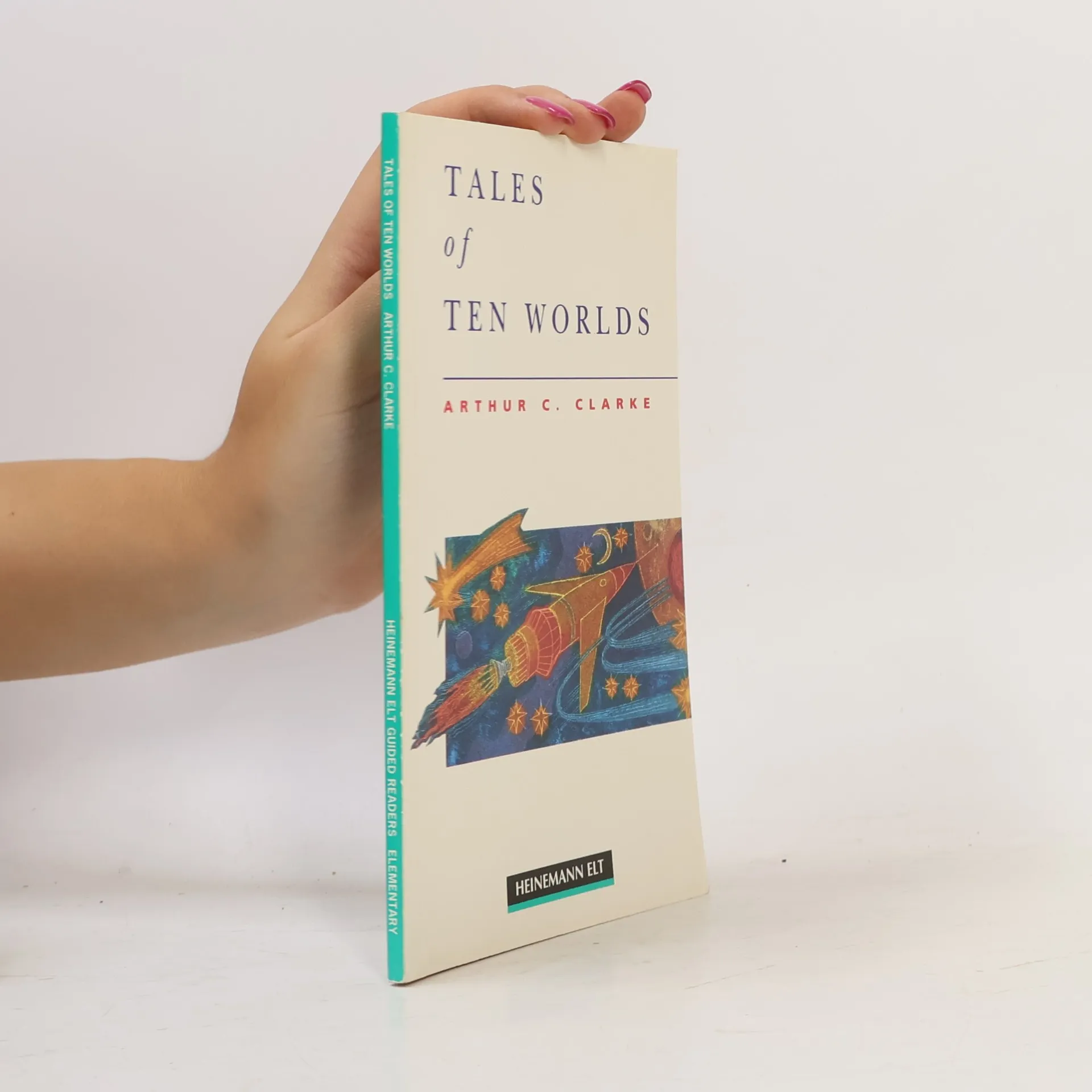
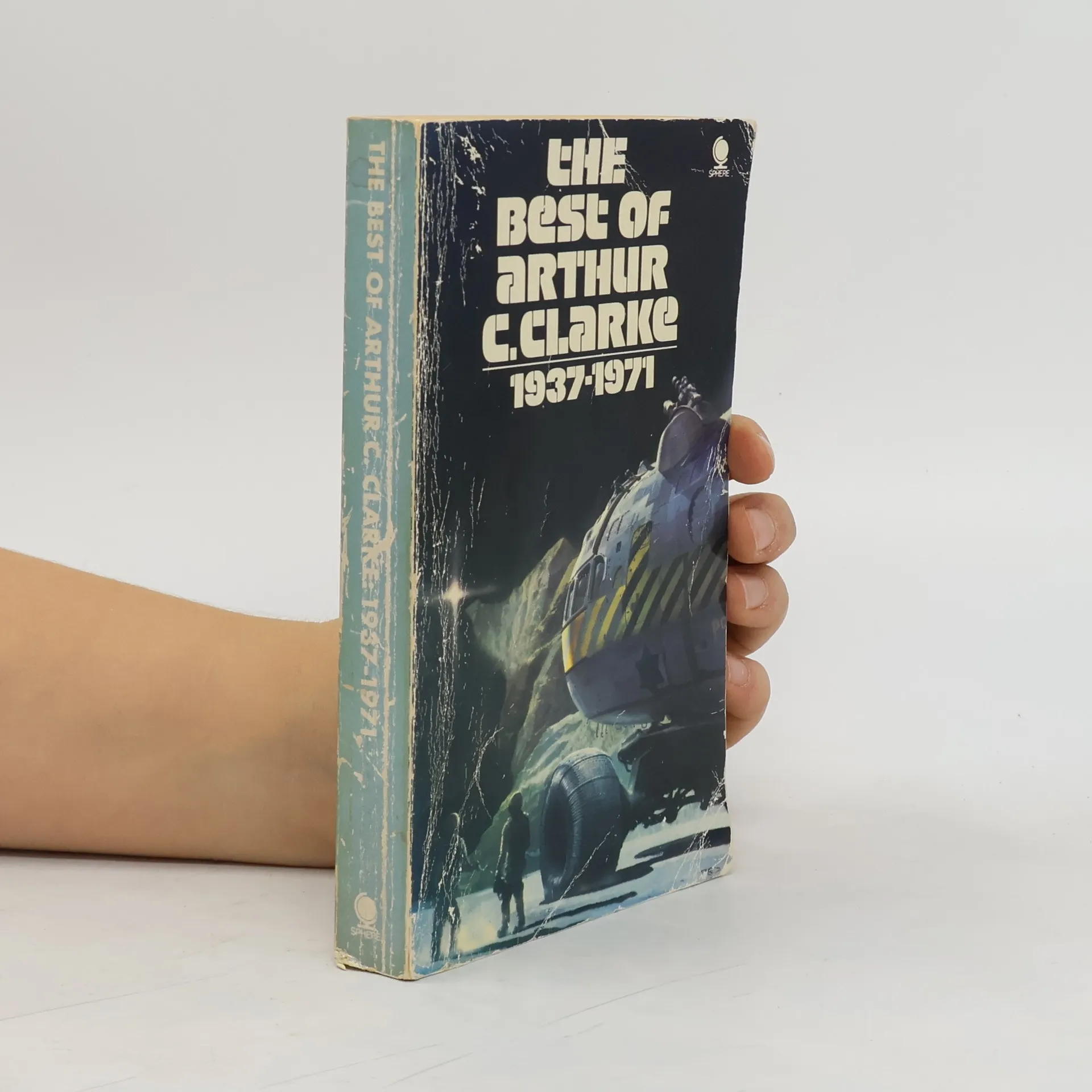
Fifty-four short stories from a Grand Master of Science Fiction. Find the seed idea for 2001: A Space Odyssey, and more. From humorous to serious, a celebrated collection of worlds and words.
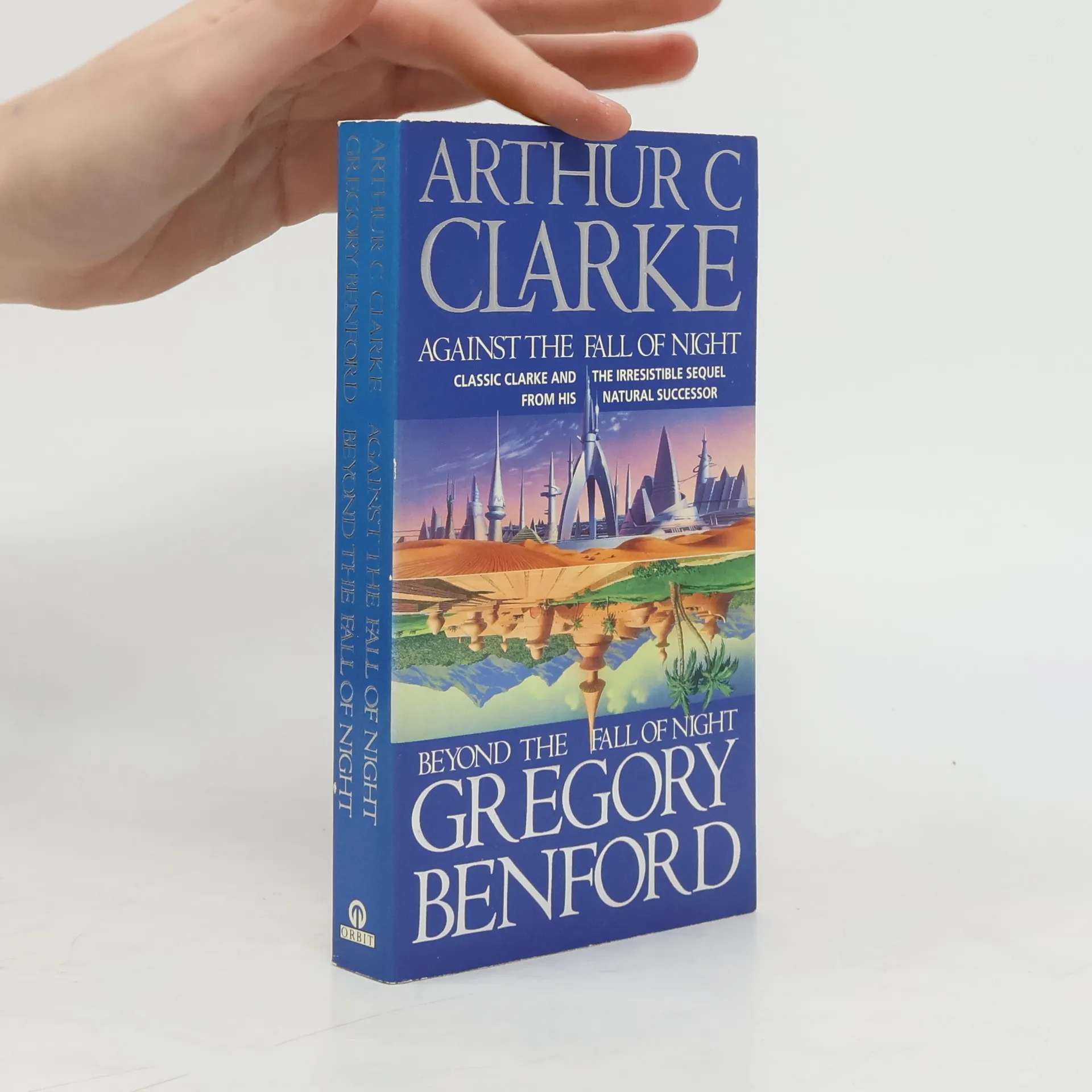
Men had built cities before, but never such a city as Diaspar; for millennia its protective dome shutout the creeping decay and danger of the world outside. Once, it held powers that rules the stars. But then, as legend had it, The invaders came, driving humanity into this last refuge. It takes one man, A Unique to break through Diaspar¿s stifling inertia, to smash the legend and discover the true nature of the Invaders.
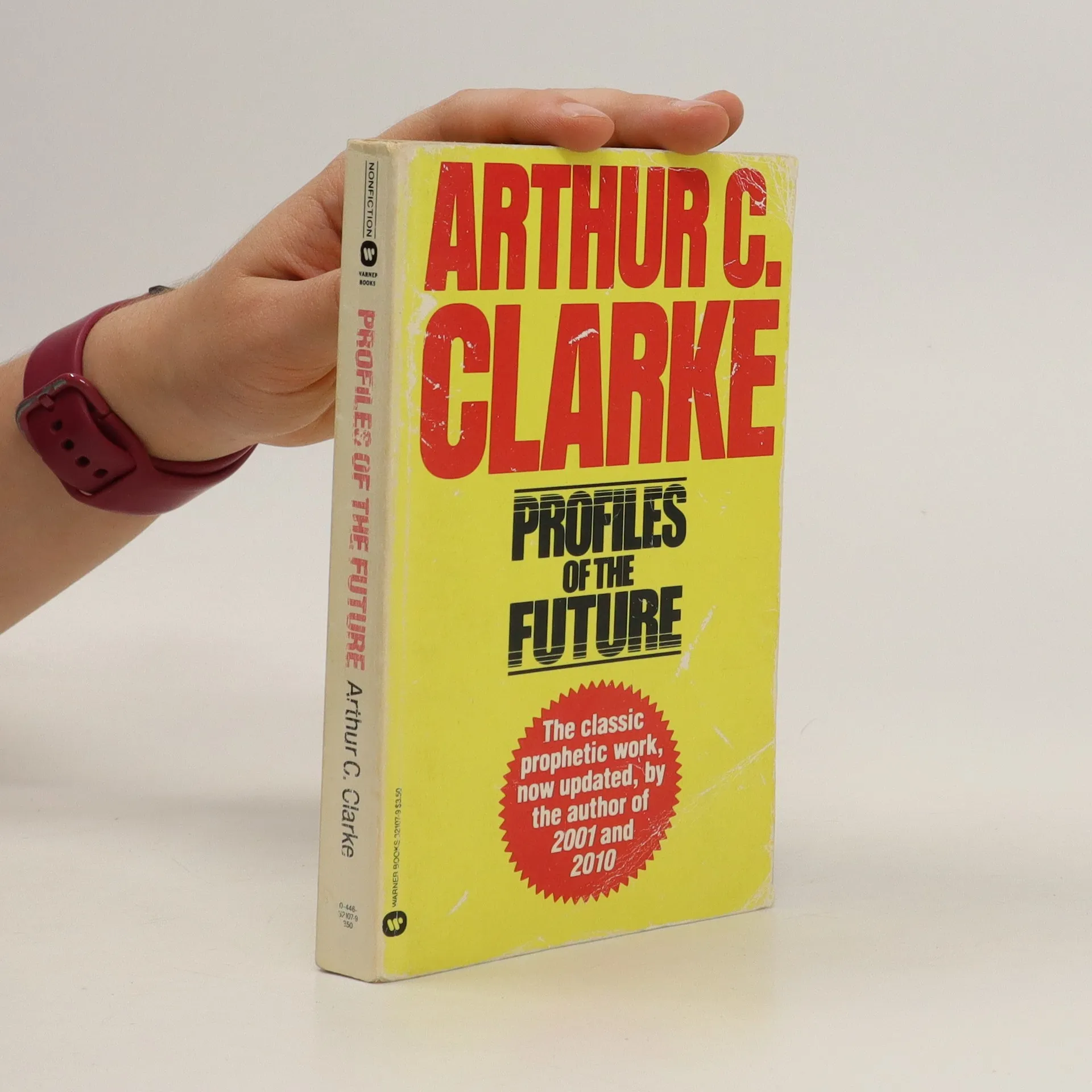
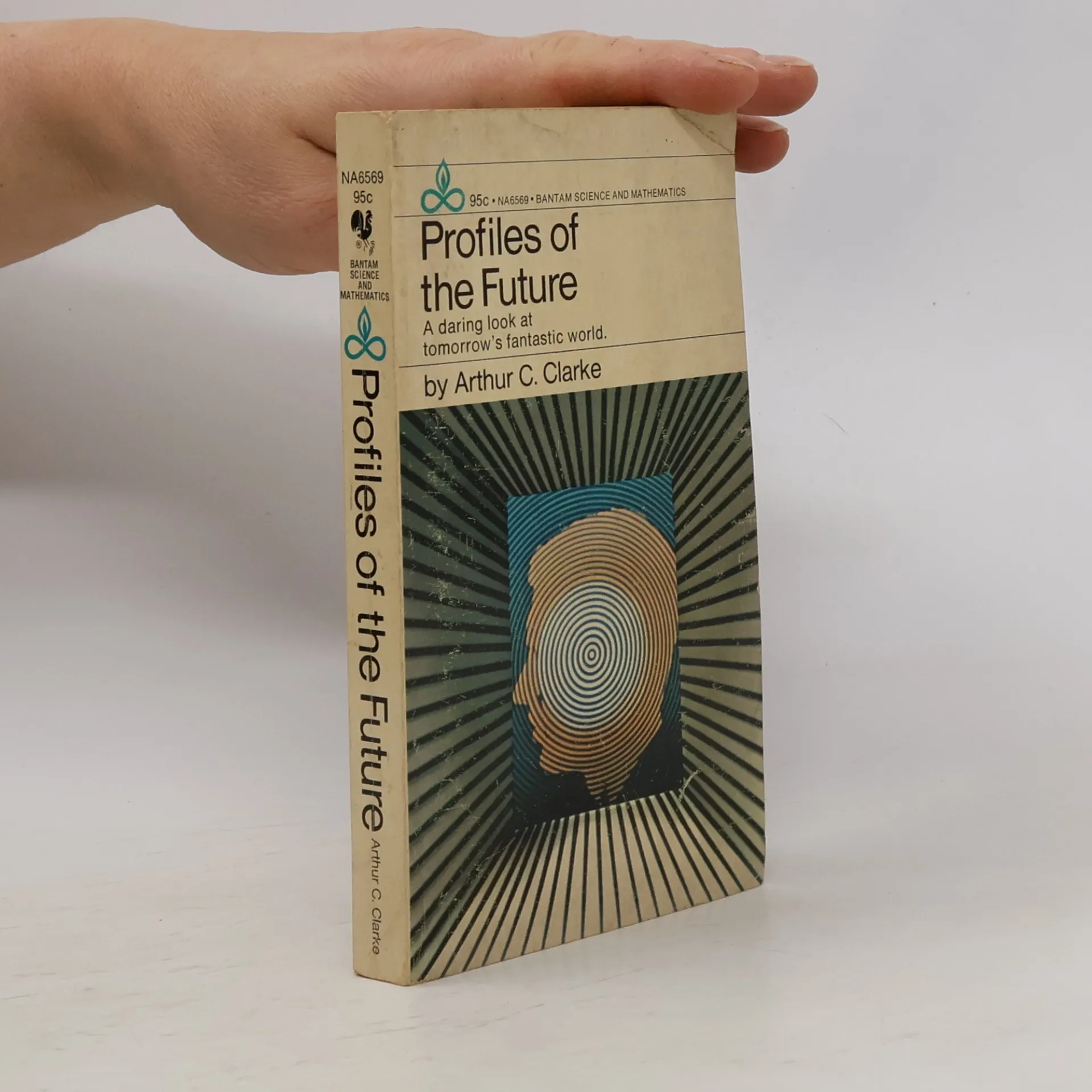
From the author who brought you 2001: A Space Odyssey comes a delightful and fascinating universe of ideas. For those of you who are worried about what the neighbors will think, there is what is purported to be an old Martian document which tells us what our nearest neighbor has to say about life on Earth. Later in the book, Clarke goes on to explain the proper etiquette for contacting and dealing with aliens from outer space, or what to do if they get here first... Ranging from the light fantastic to the extremely possible, this collection is divided into five sections: Talking of Space; Outward from Earth; The Technological Future; Frontiers of Science; and Son of Dr. Strangelove, Etc. From Martians to Magi, here is Arthur C. Clarke's unforgettable tour of the Universe - known, unknown and yet to come.
"'The chaos point' argues that we are at a critical point in history, one in which resources are fast being depleted, hundreds of millions live in crushing poverty, and local choices have global impact. Laszlo says society can either break down or break through to a new future by making different choices--choices he outlines in the book"--Provided by publisher.
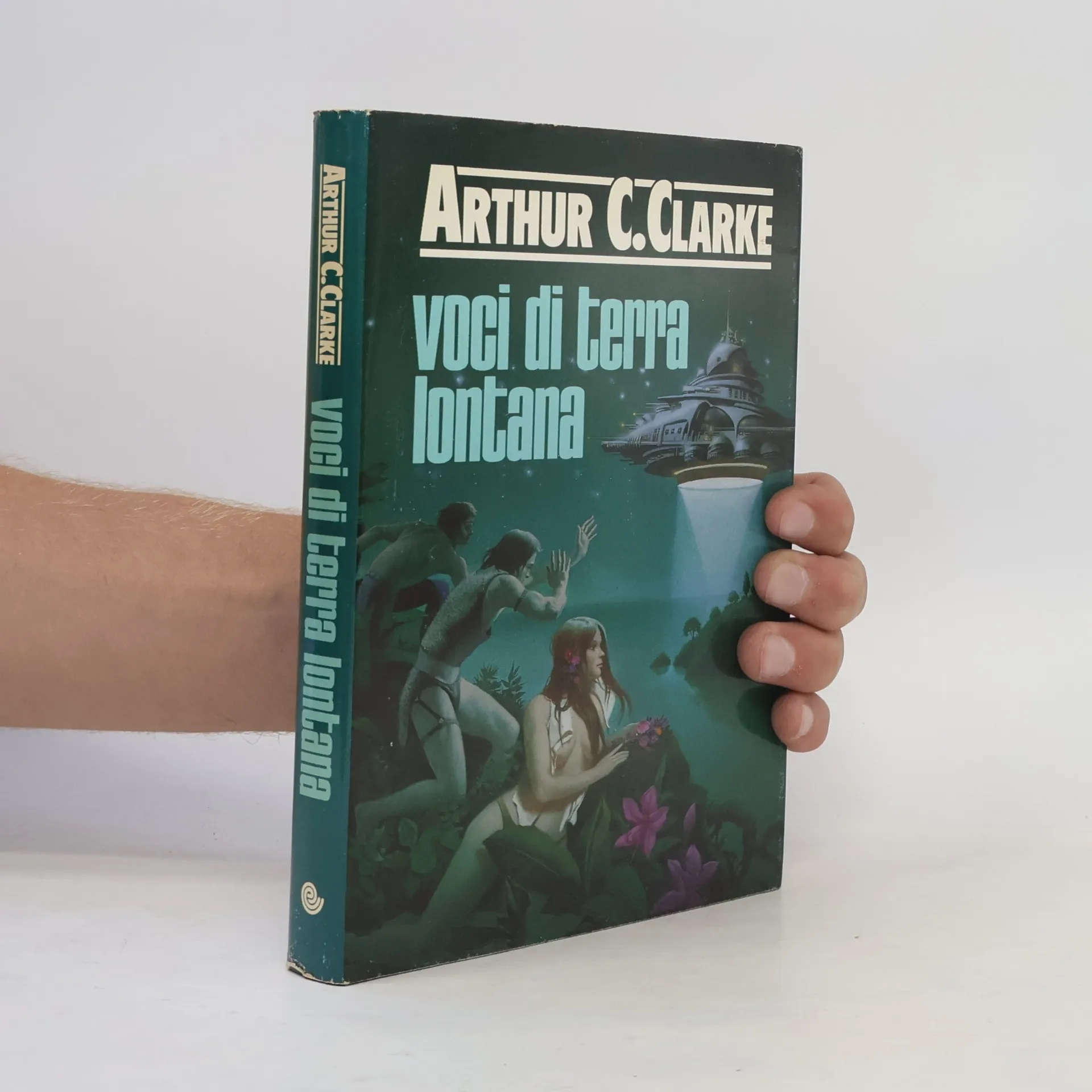
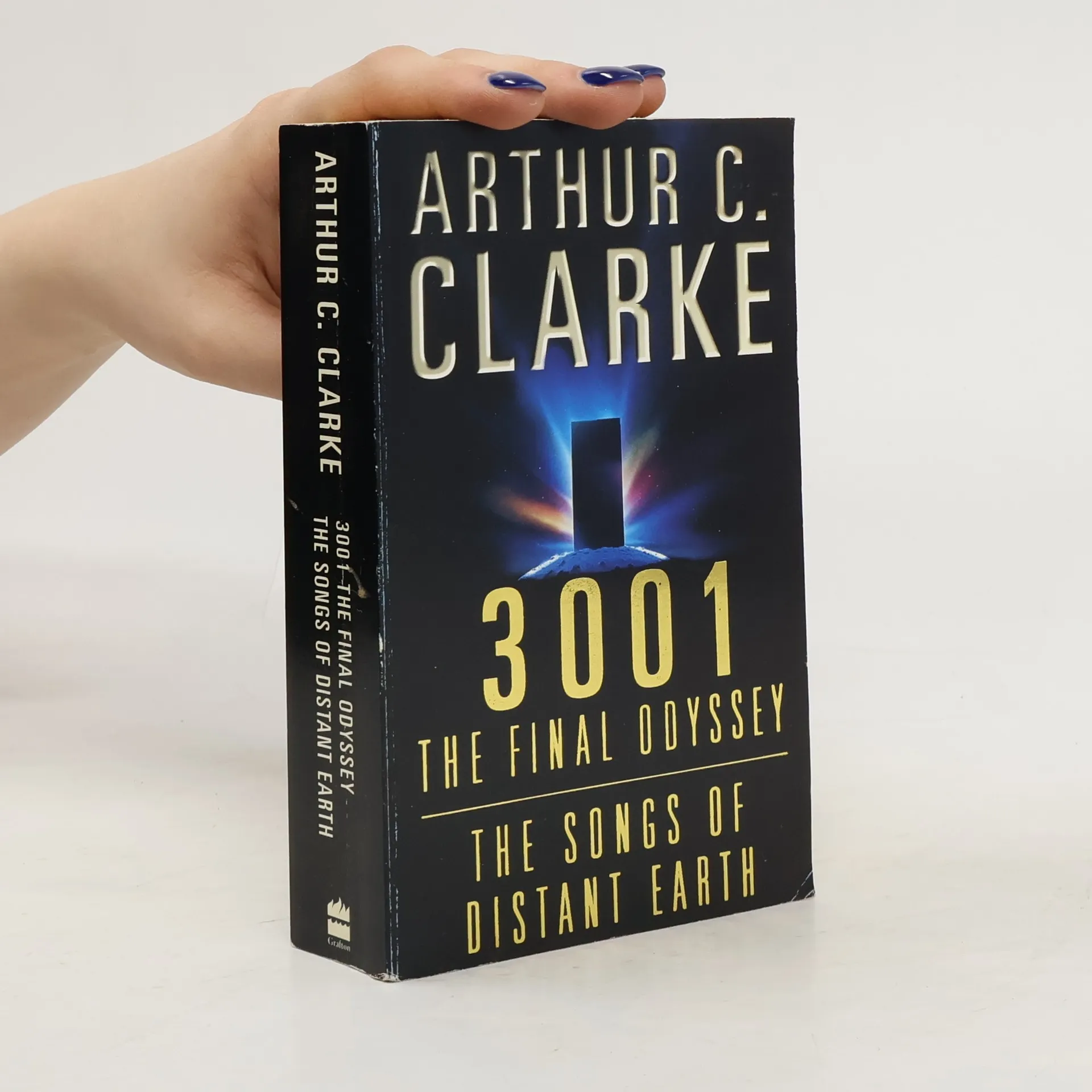
As science fact overtakes science fiction, Arthur Clarke vividly dramatizes the next moves - in space and on earth - in twenty-four brilliant short stories. " The Nine Billion Names of God" recounts the staggering result of the purchase of an electronic computer by a Tibetan lama; :Cosmic tells of an overambitious lover far away from home; and "The Songs of Distant Earth" conjures up all the romance and adventure of space travel in the creation of a new interstellar civilization. These and other stories in this collection demonstrate once again that Arthur Clarke has no equal among writers of science fiction in literary skill, technical knowledge, and reach of imagination.
Beyond the world we can quantify, classify and analyse there is another, more mysterious world. In this book Arthur C Clarke investigates this supra-scientific world. Under his direction, Simon Welfare and John Fairley travelled five continents interviewing witnesses of strange and unexplained phenomena. They talked to men and women who had seen monsters from the depths of oceans and lakes, had been showered by frogs and fishes and had watched 'unidentified flying objects' crossing the night sky in brilliant light; they talked to explorers and mountain people who had seen the yeti, the abominable snowman and his cousin 'Bigfoot'. More threatening events are also evaluated in the hope that we can glean evidence which may prevent future catastrophe.Arthur C Clarke would not wish, even if it were possible, to provide answers to all the questions posed in this book. As he 'The universe is such a strange and wonderful place that reality will always out-reach the wildest imnagination.'
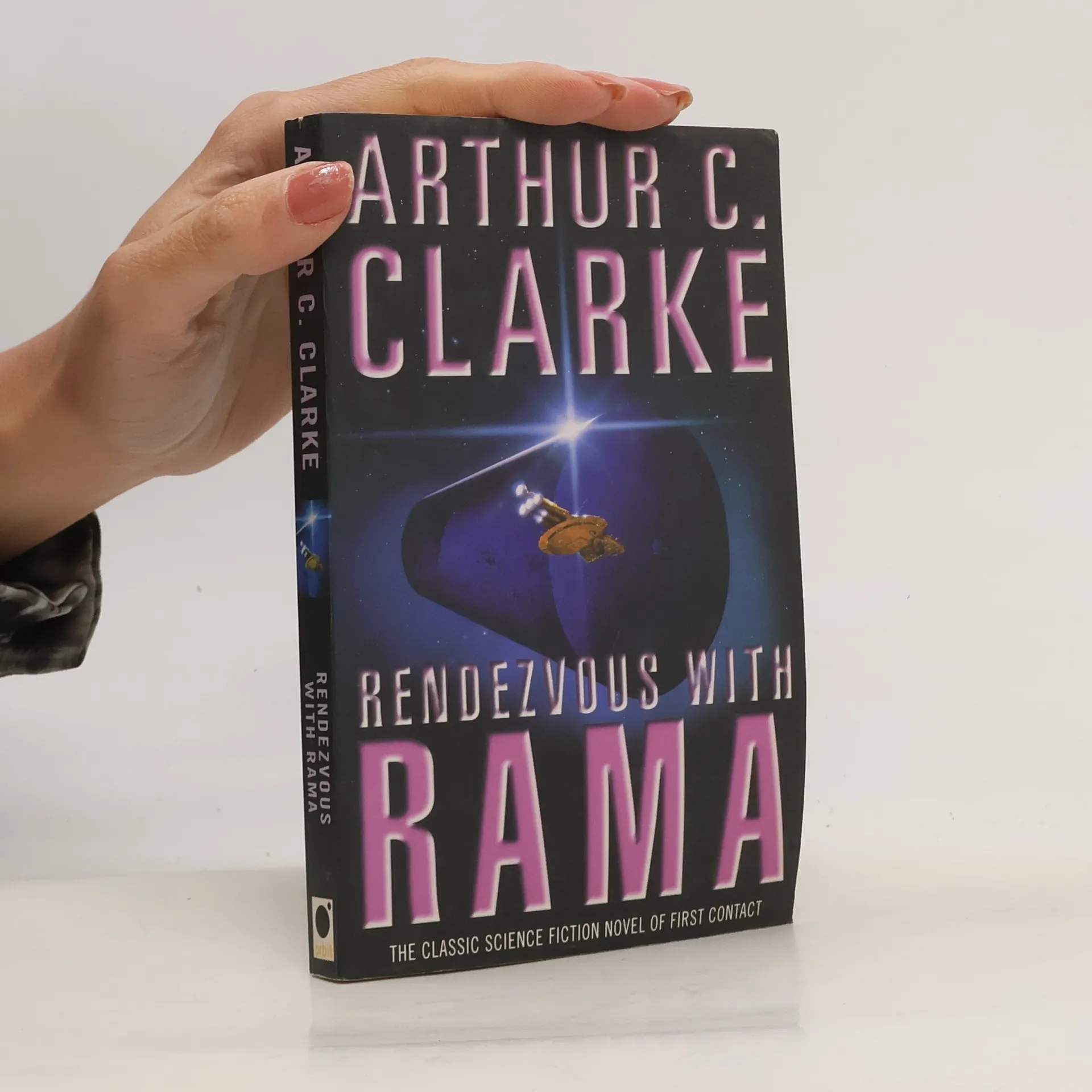
NOT THE ORIGINAL -- THIS IS A CHILDREN'S VERSION. A simplified edition of the classic novel by Arthur C. Clarke. In the year 2131, a fast-moving object is detected heading for Earth. Not a dead lump of rock but a huge hollow cylinder spinning along a planned trajectory. Who or what built "Rama" and why? This is an intermediate-level story in a series of ELT readers comprising a wide range of titles - some original and some simplified - from modern and classic novels, and designed to appeal to all age groups, tastes and cultures.
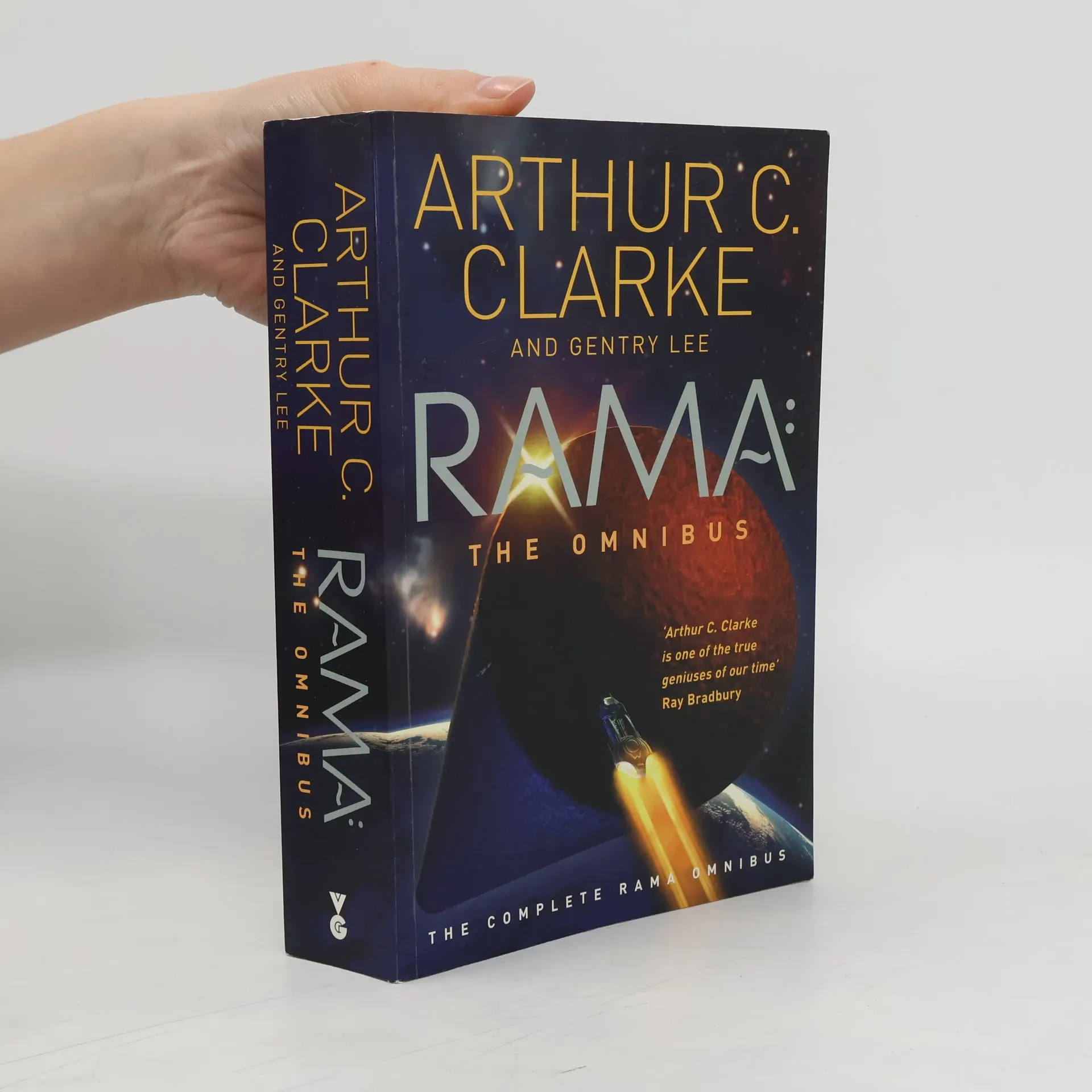
If you love space adventure stories such as Larry Niven's RINGWORLD or Arthur C. Clarke's 2001, this is the perfect collection. Rama is a huge cylindrical object, weighing more than ten trillion tons. And it is hurtling through the solar system at inconceivable speed. Then a space probe confirms the unthinkable: Rama is no natural object. It is, incredibly, an interstellar spacecraft. Space explorers and planet-bound scientists alike prepare for mankind's first encounter with alien intelligence. It will kindle their wildest dreams . . . and fan their darkest fears. For no one knows who the Ramans are or why they have come. And now the moment of rendezvous awaits - just behind a Raman airlock door.
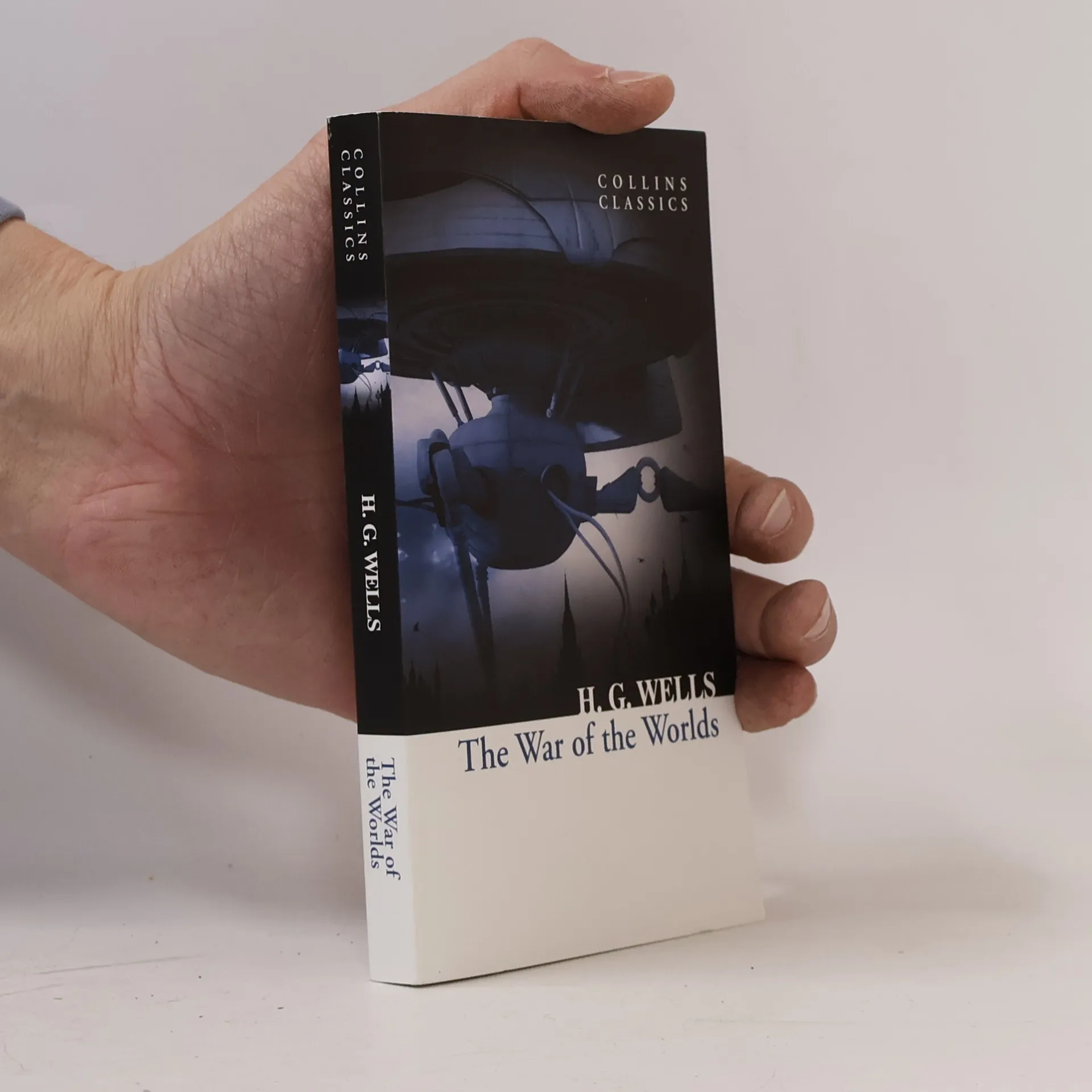
H.G. Wells' original masterpiece now includes a newly established text, a full biographical essay on the author, a list of further reading, and detailed notes. Famous for the mistaken panic that ensued from Orson Welles' 1938 radio dramatization, "The War of the Worlds" remains one of the most influential of all science fiction works.
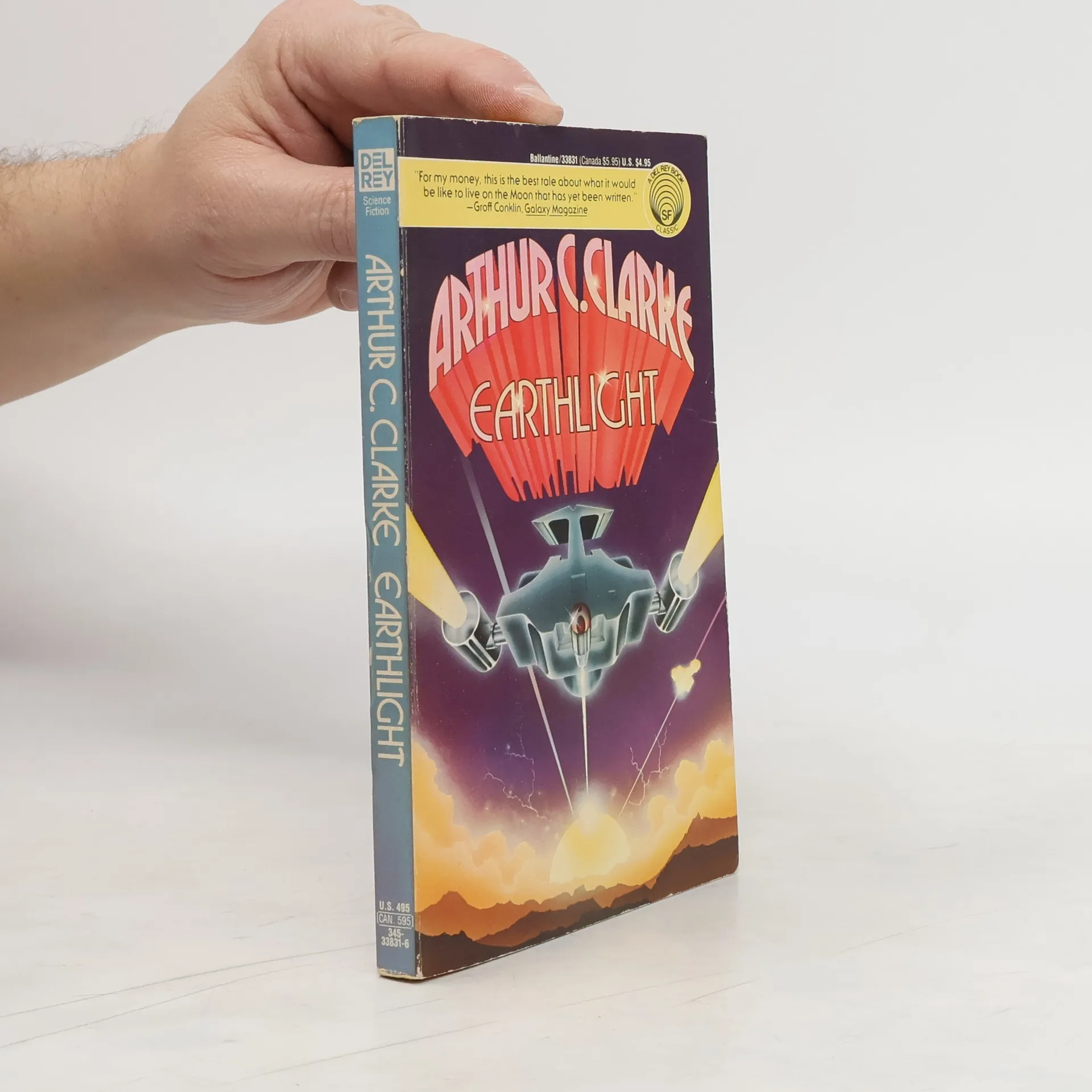
For a million years the bubble had been growing, like a vast abscess, below the root of the mountains. Now the abscess was about to burst. Captain Harris had left the controls on autopilot and was talking to the front row of passengers as the first tremor shook the boat. For a fraction of a second he wondered if a fan blade had hit some submerged obstacle; then, quite literally, the bottom fell out of his world.It fell slowly, as all things must upon the Moon. The sea was alive and moving . . . Every stage of that nightmare transformation was pitilessly illuminated by the earth light, until the crater was so deep that its firewall was completely lost in shadow, and it seemed as if Selene were racing into a curving crescent of utter blackness – an arc of annihilation.In darkness and in silence, they were sinking into the Moon. . . .
The classic science fiction novel that captures and expands on the vision of Stanley Kubrick’s immortal film—and changed the way we look at the stars and ourselves. From the savannas of Africa at the dawn of mankind to the rings of Saturn as man ventures to the outer rim of our solar system, 2001: A Space Odyssey is a journey unlike any other. This allegory about humanity’s exploration of the universe—and the universe’s reaction to humanity—is a hallmark achievement in storytelling that follows the crew of the spacecraft Discovery as they embark on a mission to Saturn. Their vessel is controlled by HAL 9000, an artificially intelligent supercomputer capable of the highest level of cognitive functioning that rivals—and perhaps threatens—the human mind. Grappling with space exploration, the perils of technology, and the limits of human power, 2001: A Space Odyssey continues to be an enduring classic of cinematic scope.
A collection of short stories which span the career of the author. The book includes the previously uncollected On Golden Seas and each story features a black and white illustration. The author also wrote 2001: A Space Odyssey.
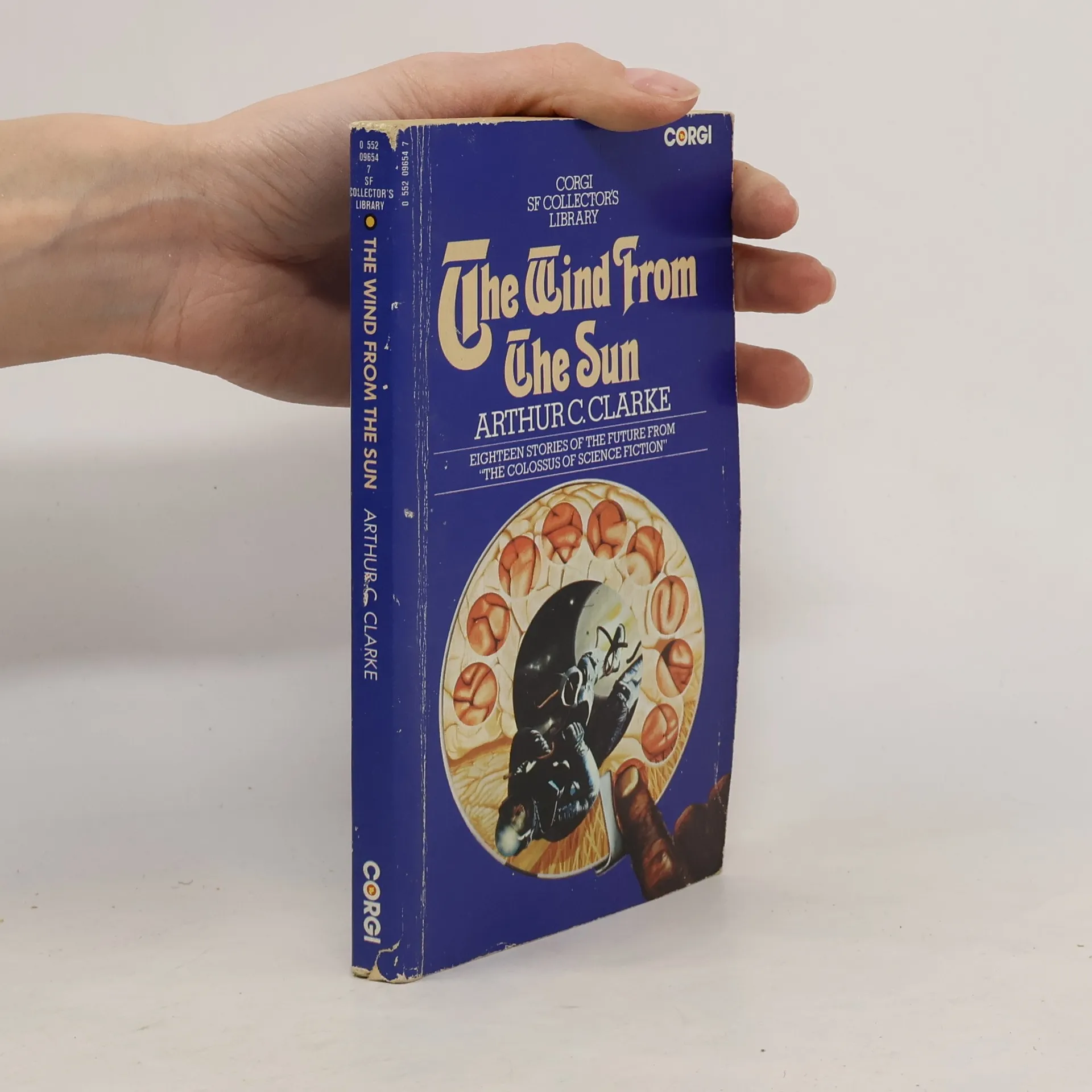
A volume containing all 18 short stories written by Arthur C. Clarke in the 1960s. They depict a future in which technologies are beginning to dictate man's lifestyle - even to demand life for themselves.
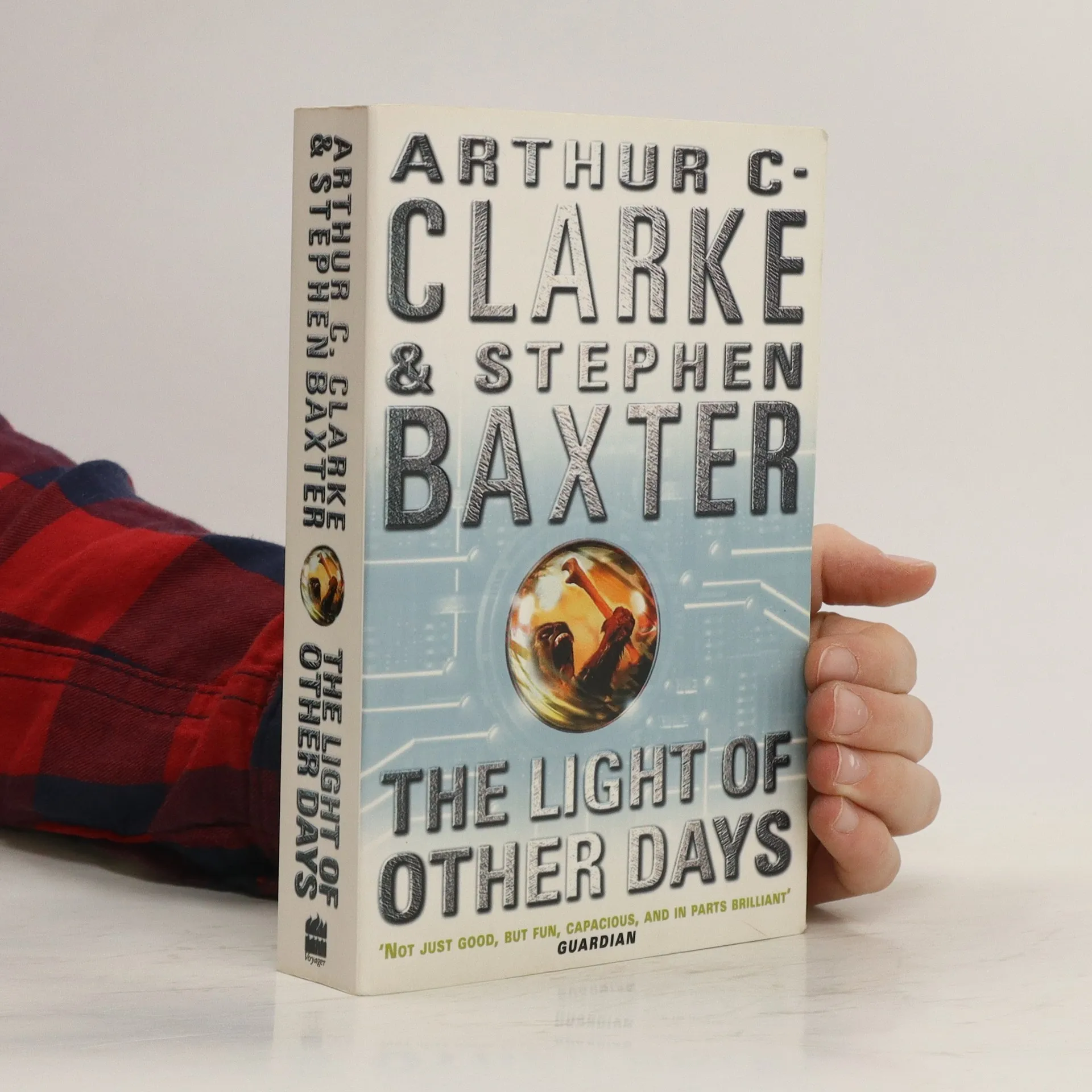
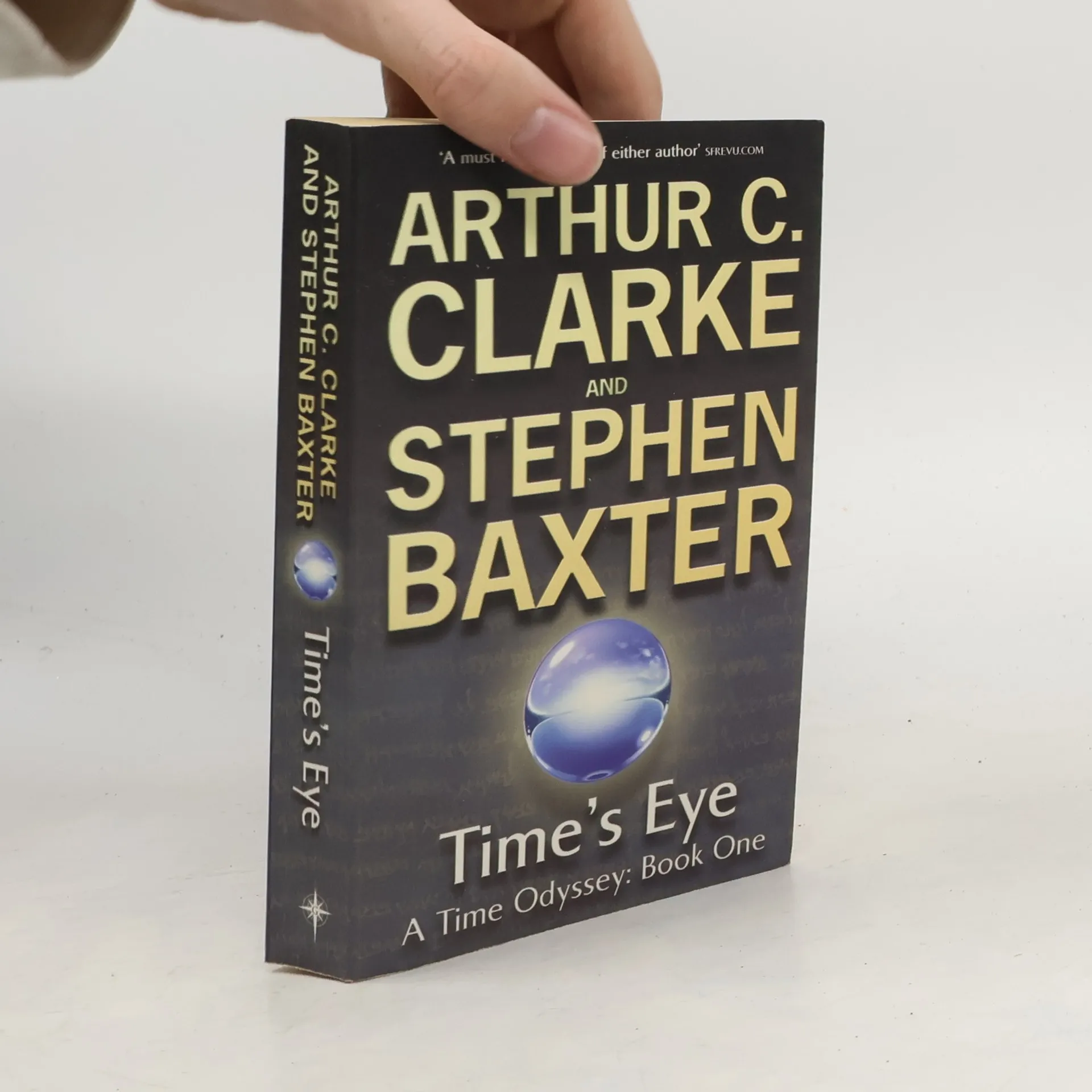
Two titans of hard SF -- multiple award-winning British authors Clarke ( Rendezvous with Rama , etc.) and Baxter ( The Time Ships , etc.) -- team up for a story of grand scientific and philosophical scope. Ruthless Hiram Patterson, the self-styled "Bill Gates of the twenty-first century," brings about a communication revolution by using quantum wormholes to link distant points around Earth. Not content with his monopoly on the telecommunications industry, Patterson convinces his estranged son, David, a brilliant young physicist, to work for him. While humanity absorbs the depressing news that an enormous asteroid will hit Earth in 500 years, David develops the WormCam, which allows remote viewers to spy on anyone, anytime. The government steps in to direct WormCam use -- but before long, privacy becomes a distant memory. Then David and his half-brother, Bobby, discover a way to use the WormCam to view the past, and the search for truth leads to disillusionment as well as knowledge. Only by growing beyond the mores of the present can humanity hope to survive and to deal with the threats of the future, including that asteroid. The exciting extrapolation flows with only a few missteps, and the large-scale implications addressed are impressive indeed. For both authors the novel's conclusion takes place in familiar thematic territory, offering a final, hopeful transcendence for humanity.
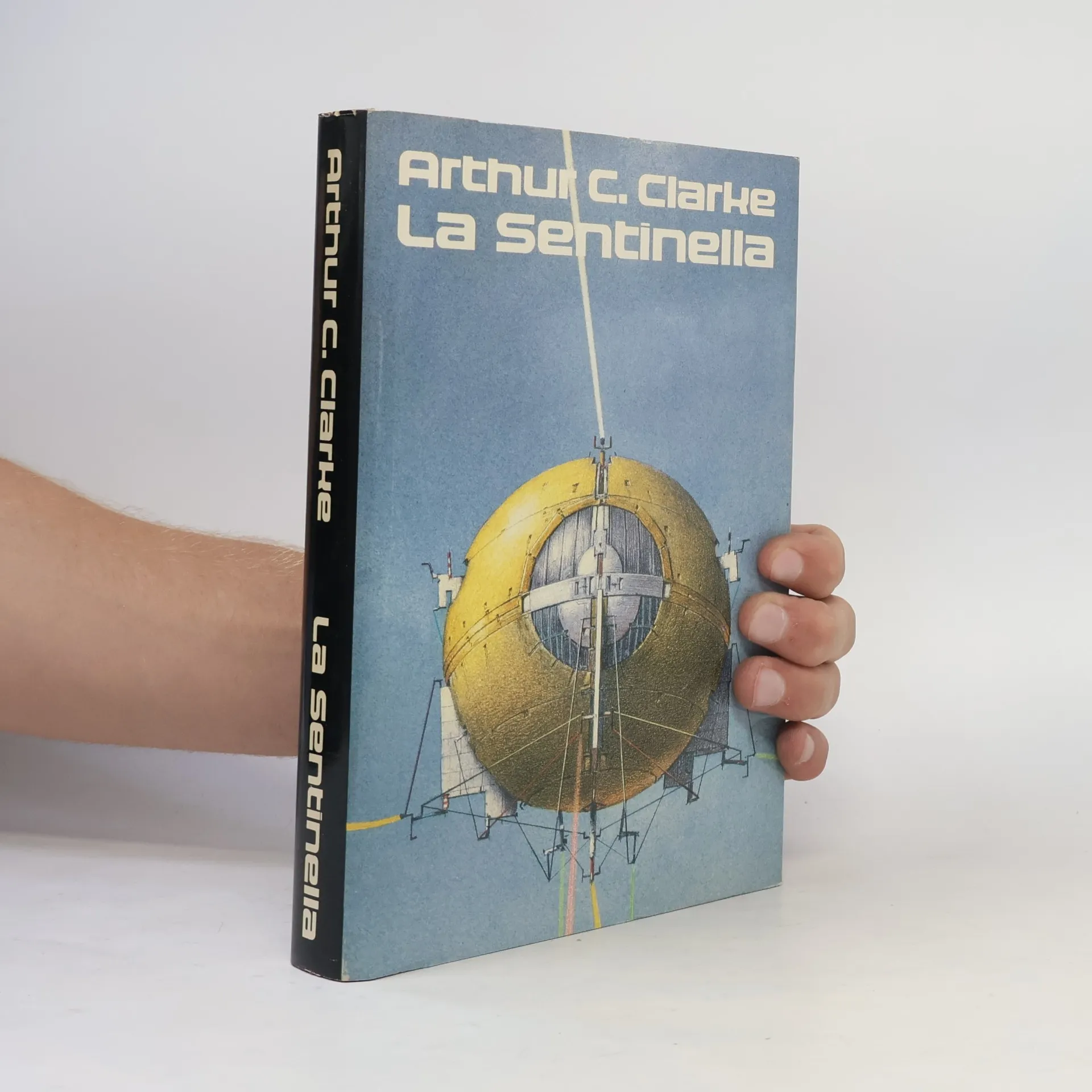
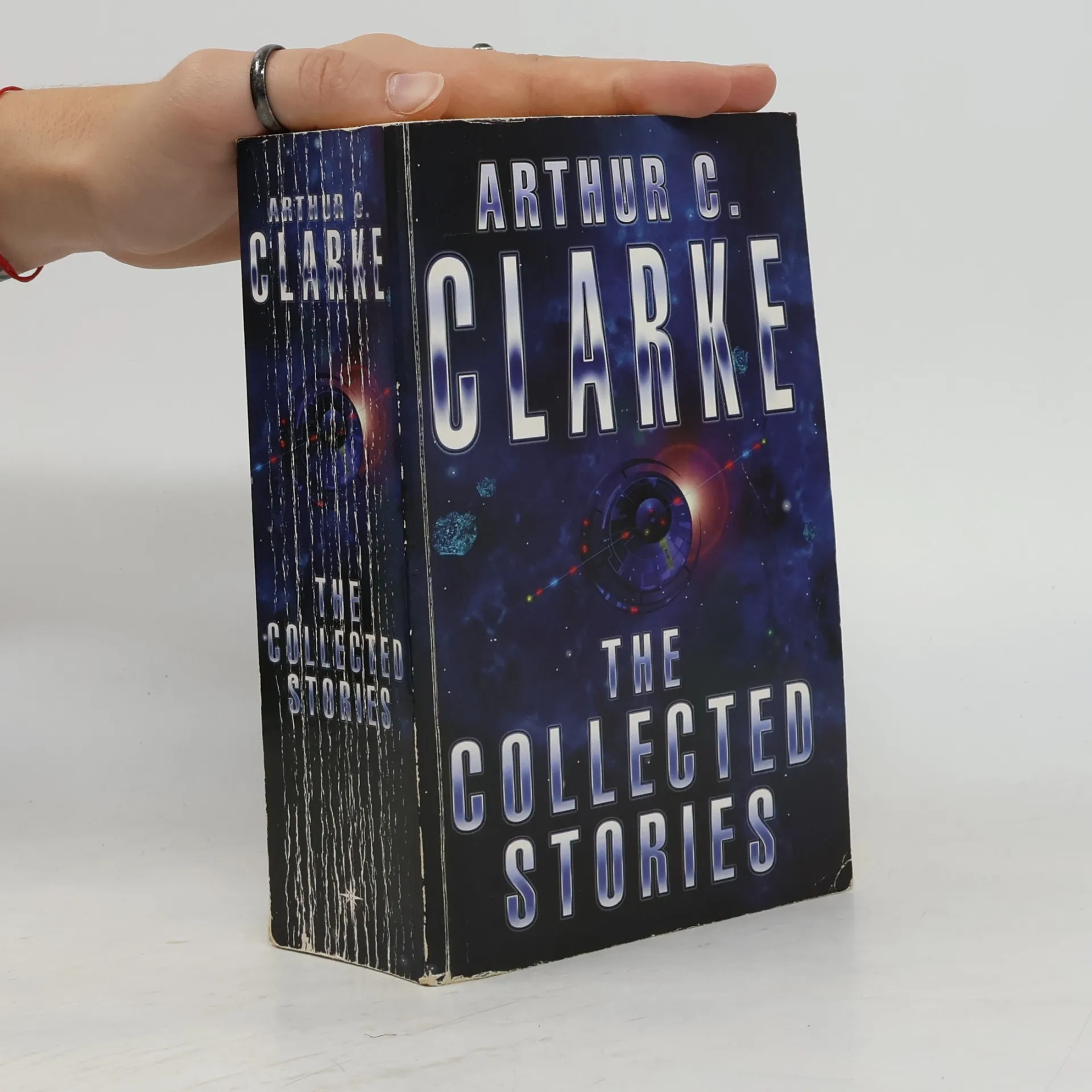
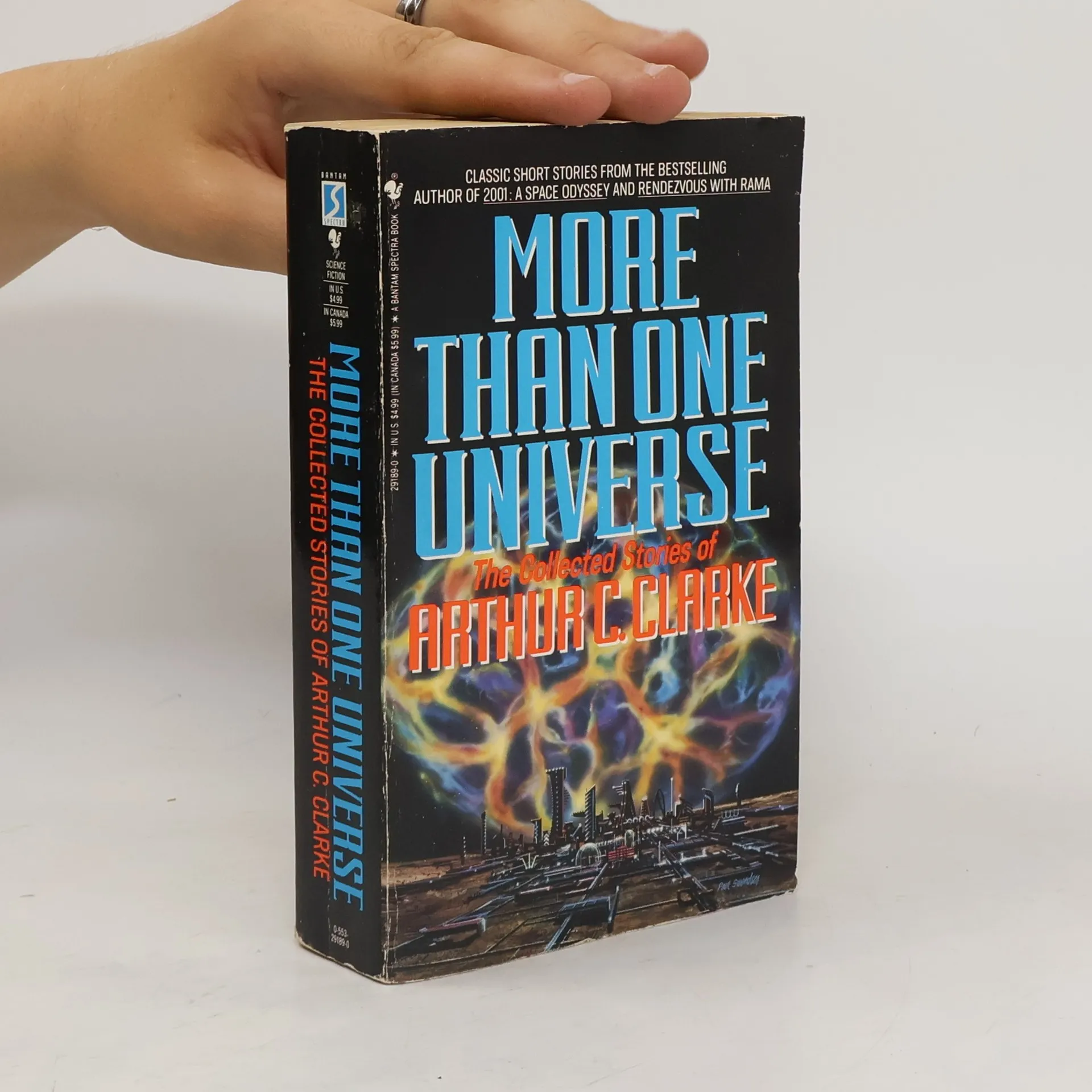
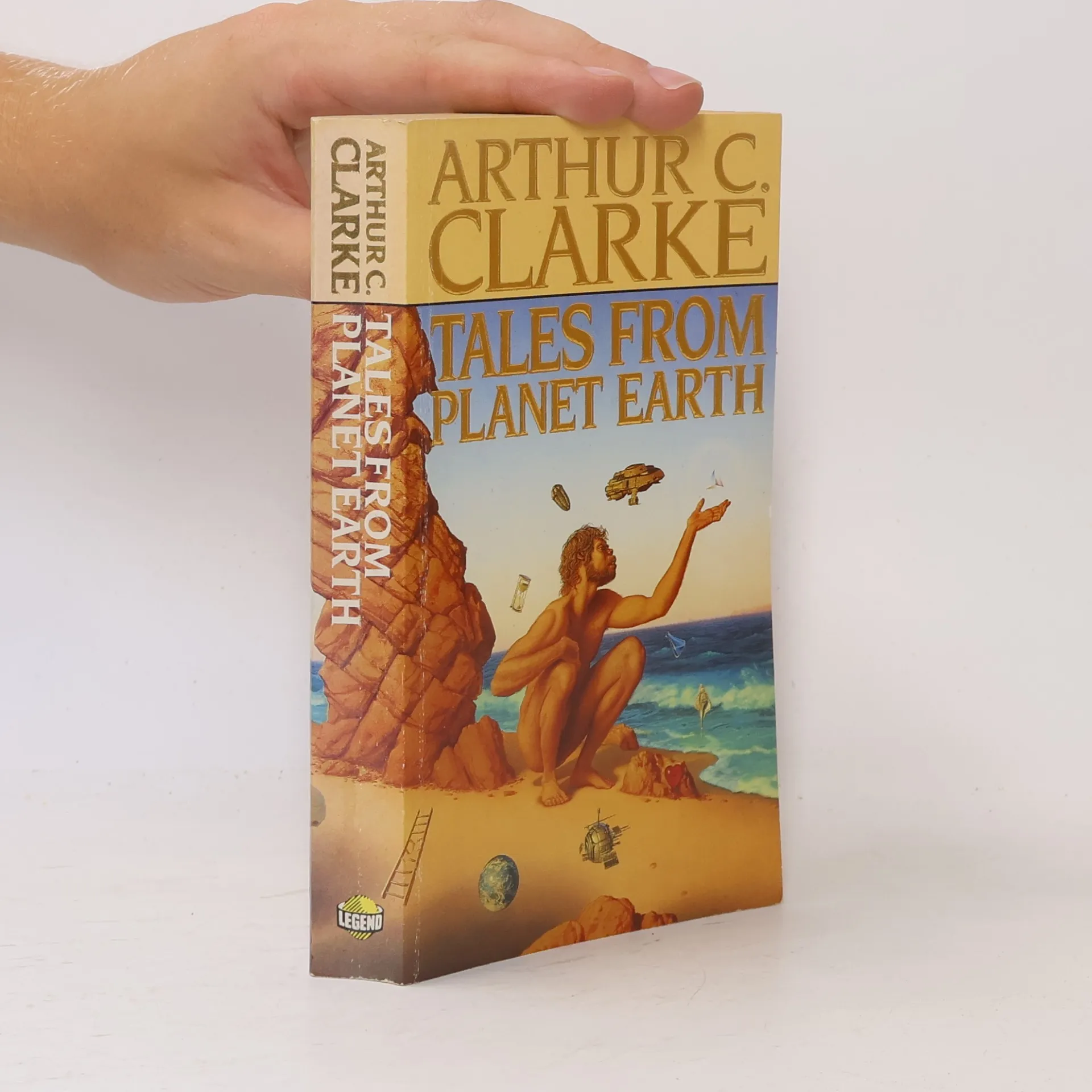
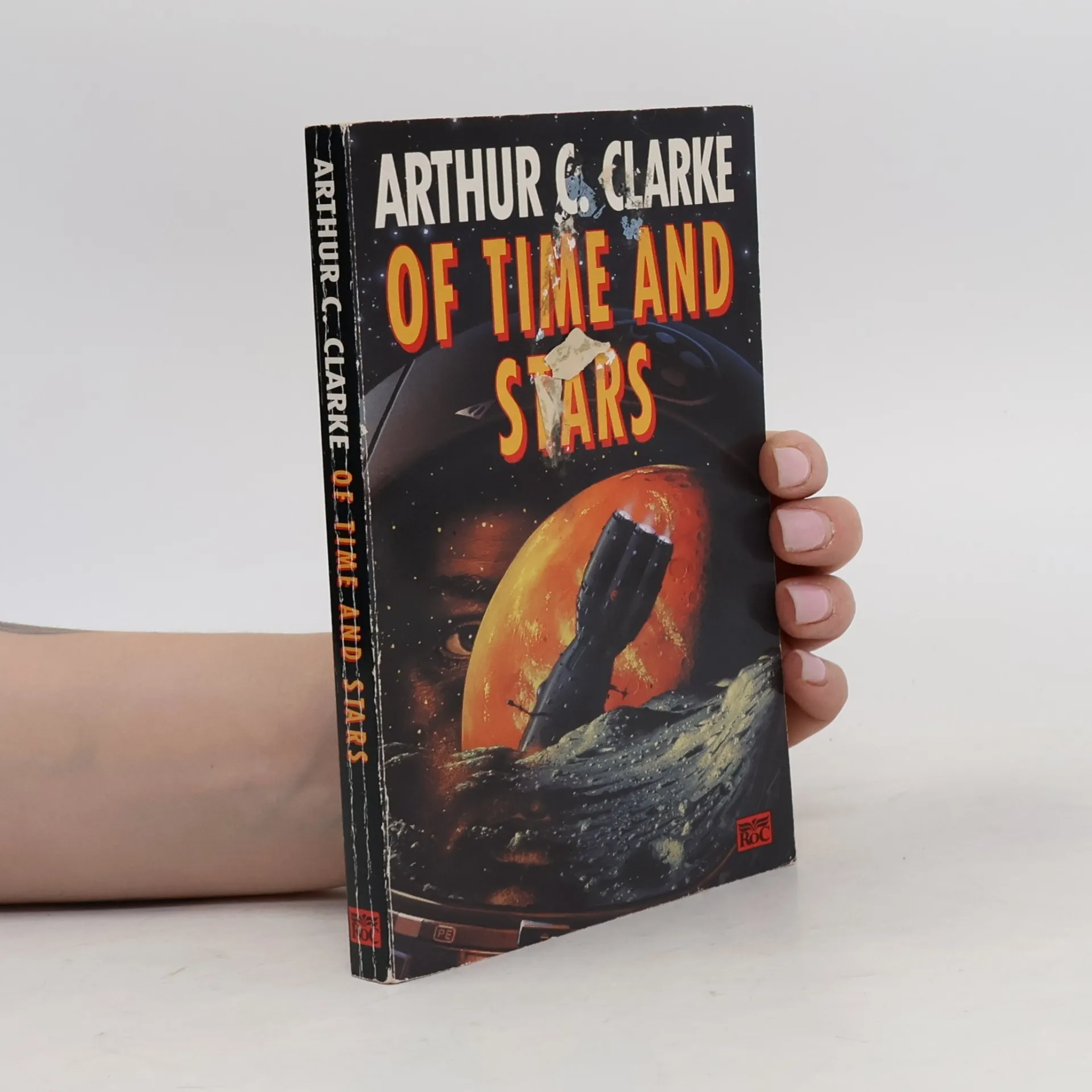
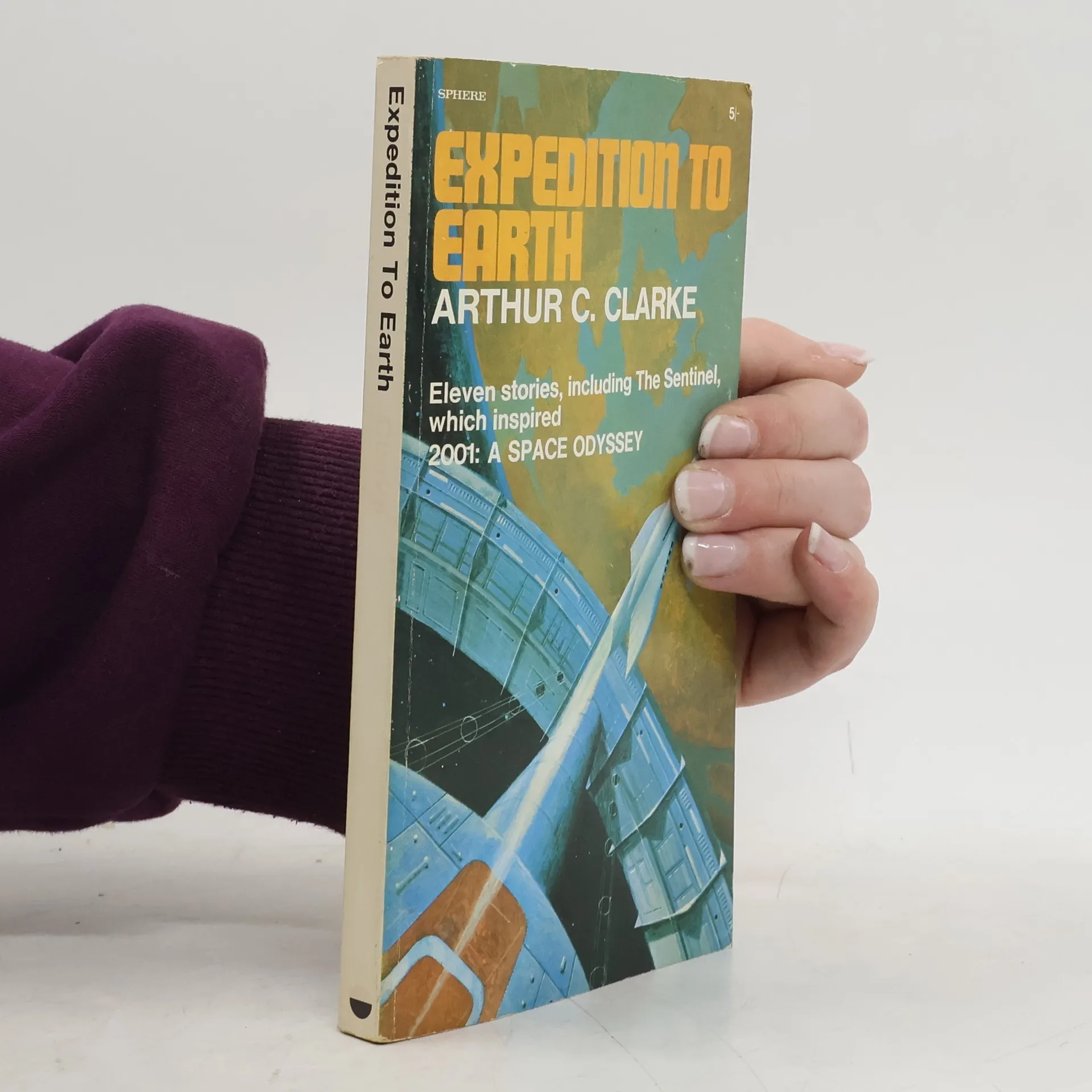
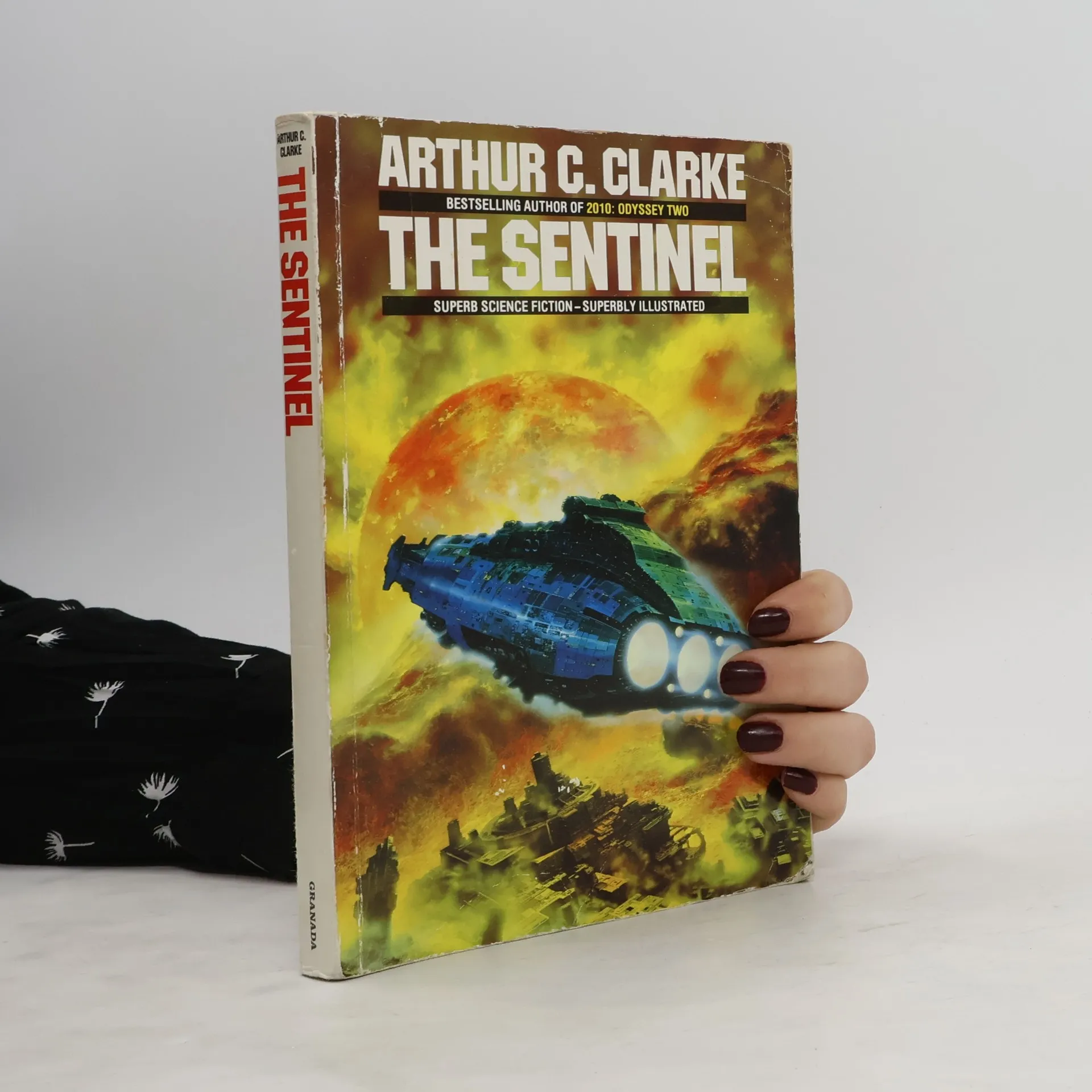
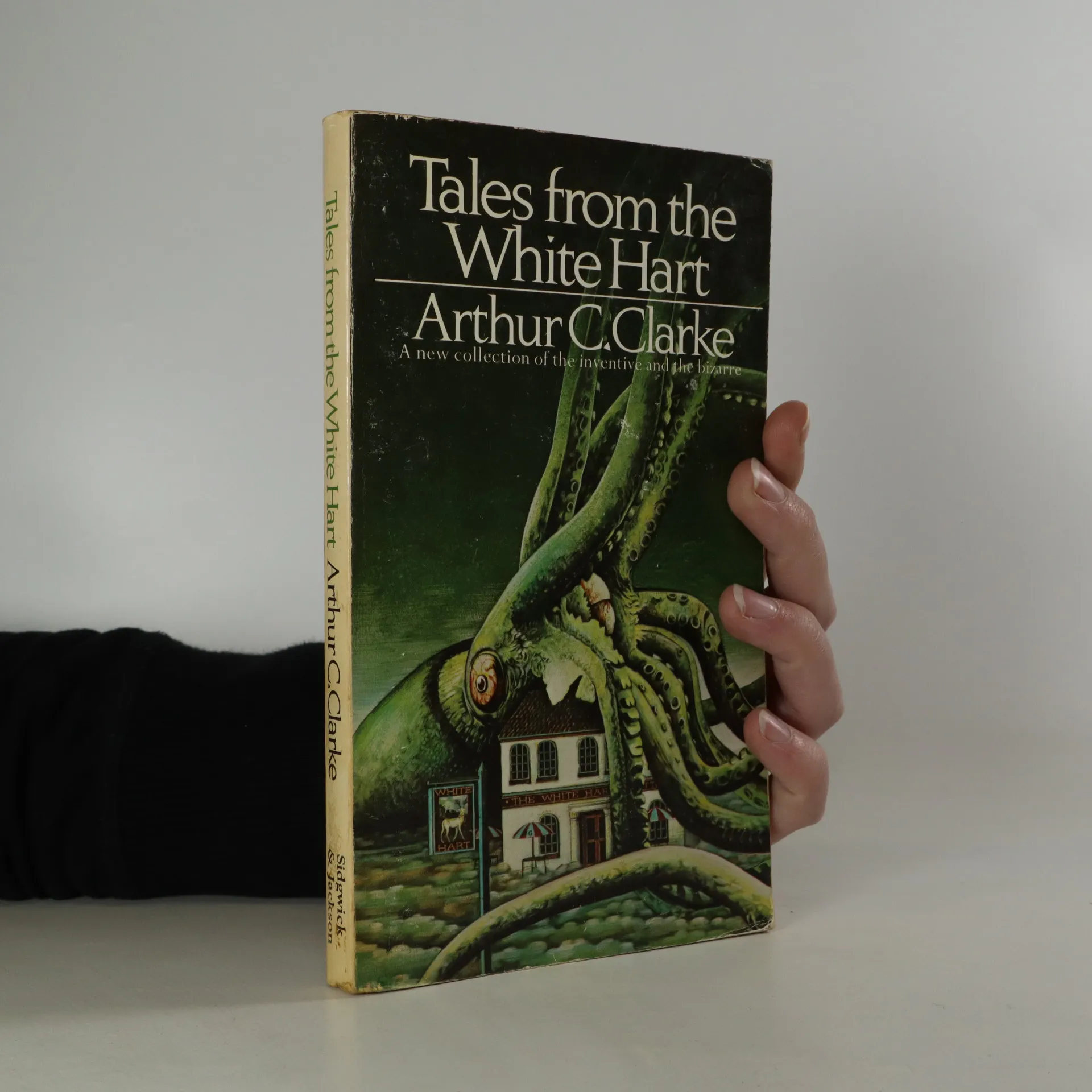
If I Forget Thee, Oh Earth... • (1951) All the Time in the World • (1952) An Ape About the House • (1962) Feathered Friend • [The Other Side of the Sky] • (1957) Green Fingers • [Venture to the Moon] • (1956) Hide and Seek • (1949) Into the Comet • (1960) Introduction • (1972) J.B. Priestley No Morning After • (1954) Robin Hood, F.R.S. • [Venture to the Moon] • (1956) Security Check • (1956) The Fires Within • (1947) The Forgotten Enemy • (1948) The Nine Billion Names of God • (1953) The Reluctant Orchid • [Tales from the White Hart] • (1956) The Sentinel • [A Space Odyssey] • (1951) Trouble with the Natives • (1951) Who's There? • (1958) Encounter at Dawn • [A Space Odyssey] • (1953)
Arthur C. Clarke has been the presiding genius of science fiction for almost fifty years. His novels include the groundbreaking and profound Childhood's End and Rendezvous with Rama, and his collaboration with Stanley Kubrick produced one of the most enduring and important of all science fiction films, 2001: A Space Odyssey. It was the last story in this collection, 'The Sentinel', that provided the starting point for that film.His first ever collection of short stories, Expedition to Earth displays all the versatility and range of imagination which has made Arthur C. Clarke one of the world's most popular and acclaimed science fiction authors. Thought-provoking and memorable, this volume, with a new preface by the author, shows Clarke writing at his extraordinary best.
Without warning, giant silver ships from deep space appear in the skies above every major city on Earth. Manned by the Overlords, in fifty years, they eliminate ignorance, disease, and poverty. Then this golden age ends--and then the age of Mankind begins....
What if a device could render guns and bombs virtually harmless? What would that mean for crime, terrorism, and international relations? Would it signal the end of war or usher in a new kind of conflict? This gripping novel by Arthur C. Clarke and Michael Kube-McDowell explores these questions through the story of the Trigger, a groundbreaking invention that promises to eliminate violence in a world plagued by it. This technology could take weapons out of the hands of armies and dictators, offering a chance for true peace. However, like the misguided belief in nuclear deterrence, could the creators of the Trigger be wrong? Dr. Jeffrey Horton, the young physicist behind this revolutionary device, grapples with the implications of his discovery. Who should control such power, and how can its potential be realized without falling into the wrong hands? As the American government becomes aware of the Trigger, a fierce struggle ensues among Washington's elite to possess or destroy it. Science becomes entangled in political machinations, and trust erodes among colleagues and mentors. Betrayal lurks, and those with the best intentions may pose the greatest threat to peace.
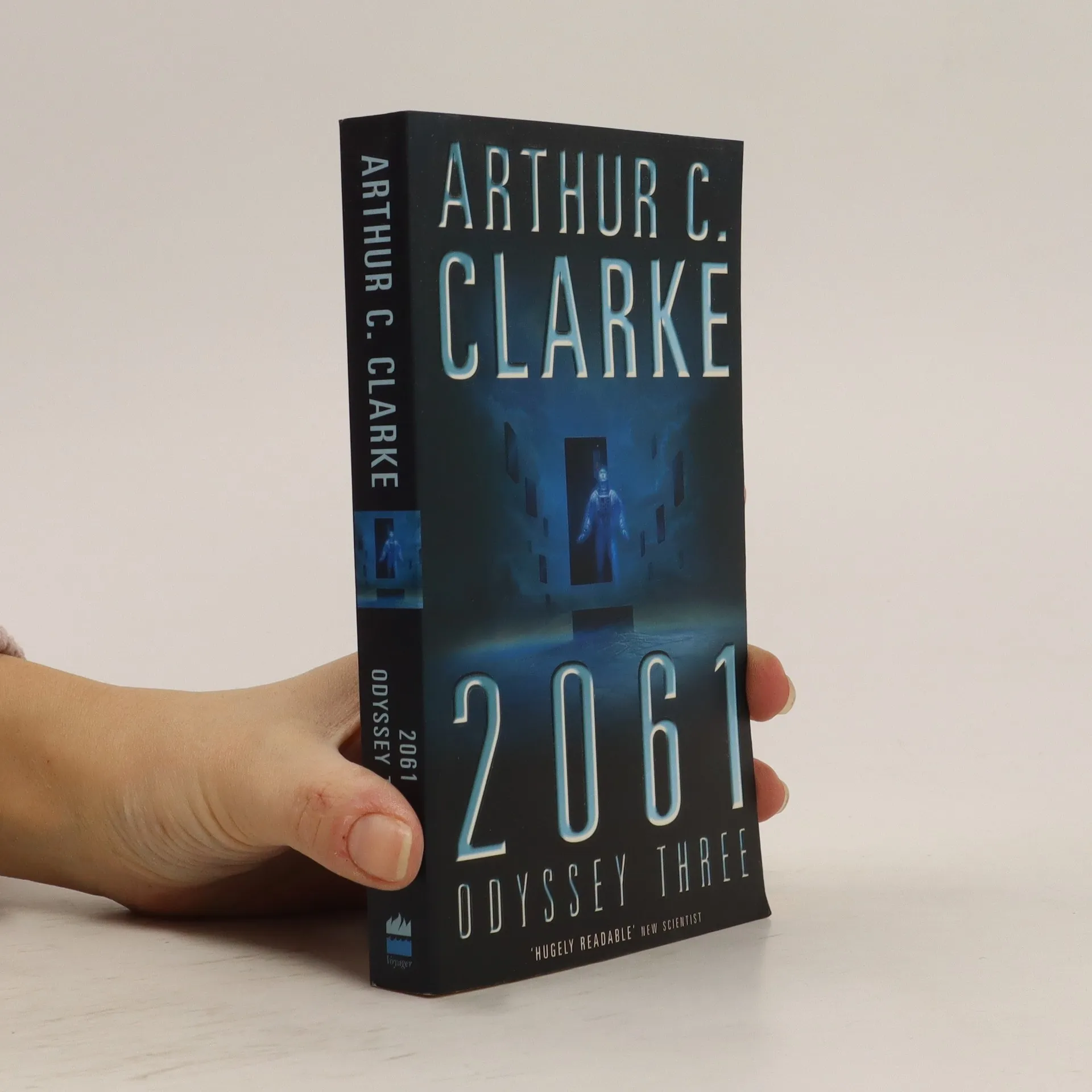
2001: A Space Odyssey shocked, amazed, and delighted millions in the late 1960s. An instant book and movie classic, its fame has grown over the years. Yet along with the almost universal acclaim, a host of questions has grown more insistent through the years, for example: who or what transformed Dave Bowman into the Star-Child? What alien purpose lay behind the monoliths on the Moon and out in space? What could drive HAL to kill the crew? Now all those questions and many more have been answered, in this stunning sequel to the international bestseller. Cosmic in sweep, eloquent in its depiction of Man's place in the Universe, and filled with the romance of space, this novel is a monumental achievement and a must-read for Arthur C. Clarke fans old and new. "A daring romp through the solar system and a worthy successor to 2001." -- Carl Sagan
Few masters of science fiction have brought us glimpses of the near future as vividly as Arthur C. Clarke. It is the startling realism of his vision that has made classics of his novels, such as CHILDHOOD'S END and 2001: A SPACE ODYSSEY. It has also made Clarke himself one of the genre's most successful writers. The trade paperback was published to commemorate the arrival of the year 2001, one of the most notable dates in science fiction history. THE SENTINEL is a brilliant collection of Clarke's highest calibre short fiction.
In order to avert Earth's involvement in a war with Mars and Venus, Sadler must find the scientist responsible for disseminating classified information
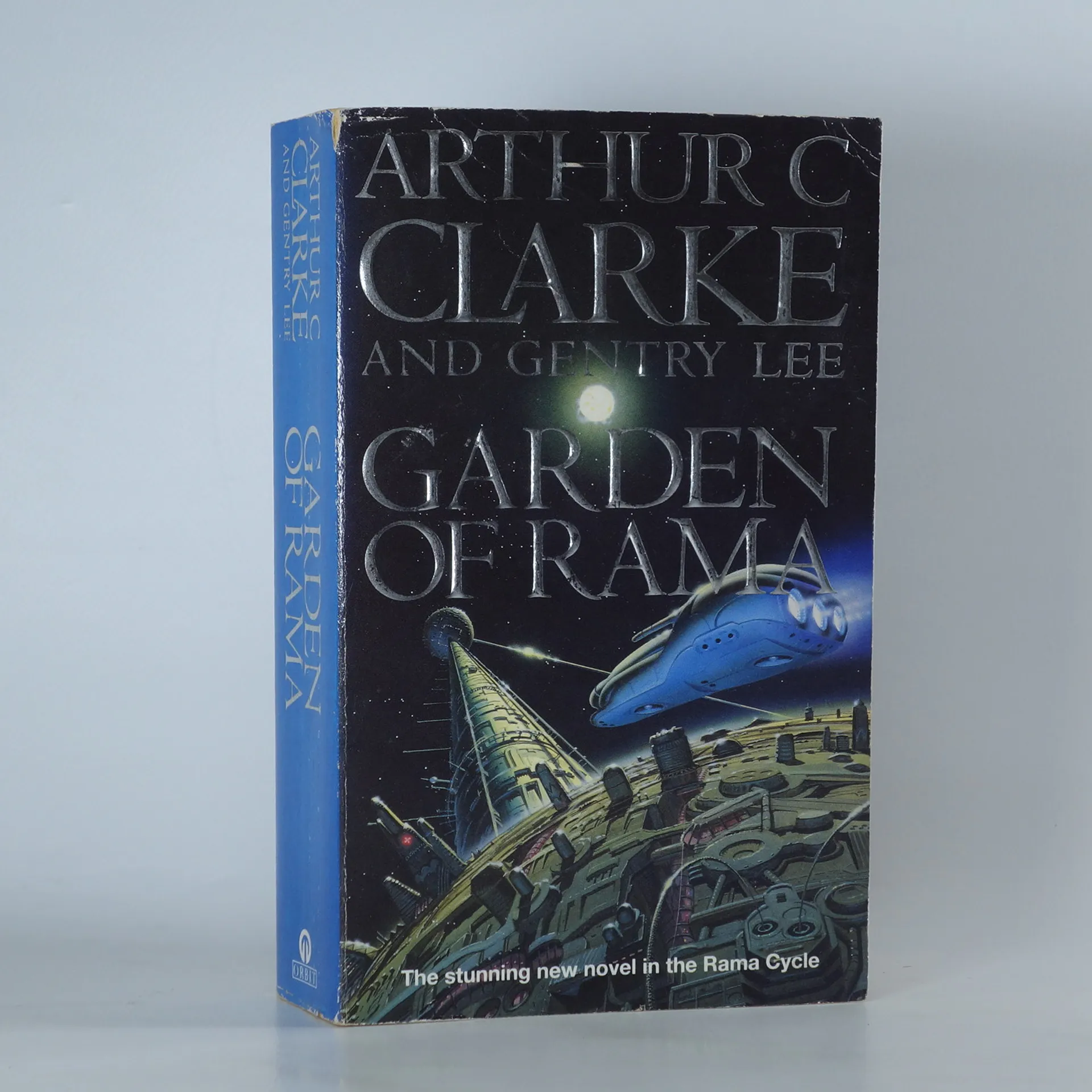
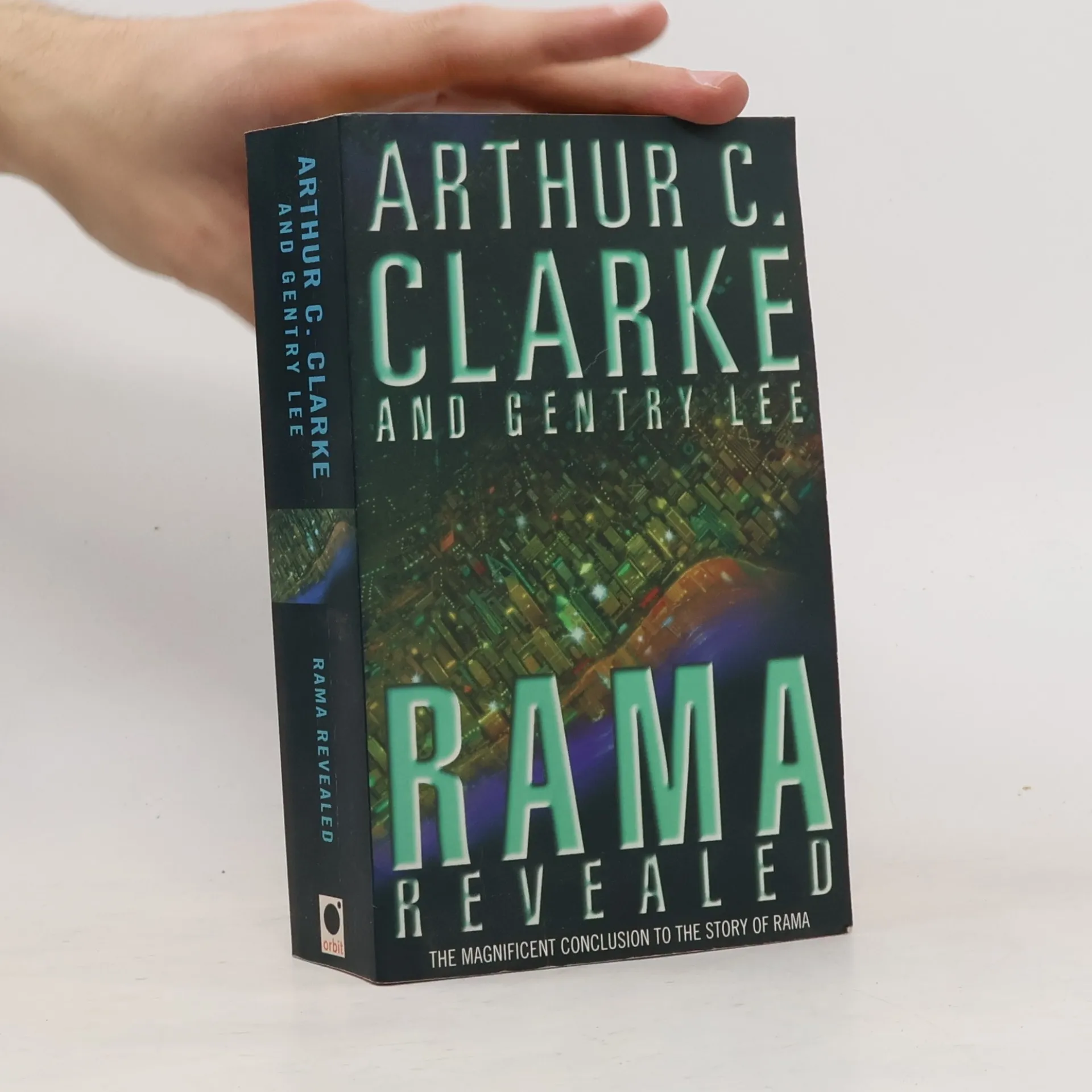
Rama Revealed (1993) is a science fiction novel by Arthur C. Clarke and Gentry Lee. It is the last of three sequels to Clarke's Rendezvous with Rama by these authors. The book picks up the story immediately after the end of The Garden of Rama. The book follows the story of Nicole Wakefield and her escape from imprisonment left at the cliffhanger of the previous book.
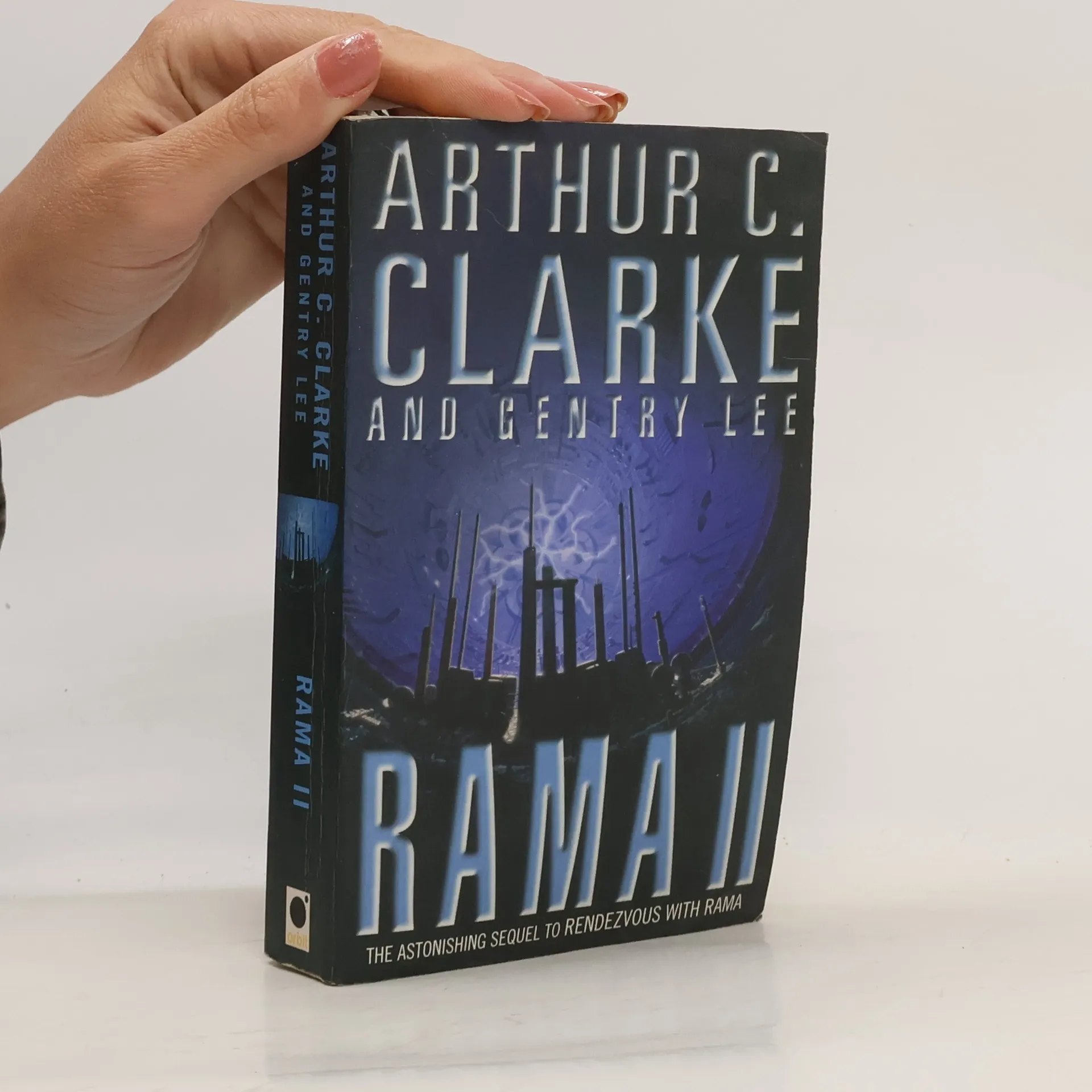
In the year 2130 a mysterious spaceship, Rama, arrived in the solar system. It was huge - big enough to contain a city and a sea - and empty, apparently abandoned. By the time Rama departed for its next, unknown, destination many wonders had been uncovered, but few mysteries solved. Only one thing was clear: everything the enigmatic builders of Rama did, they did in threes.Eighty years later the second alien craft arrived in the solar system. This time, Earth had been waiting. But all the years of preparation were not enough to unlock the Raman enigma.Now Rama II is on its way out of the solar system. Aboard it are three humans, two men and a woman, left behind when the expedition departed. Ahead of them lies the unknown, a voyage no human has ever experienced. And at the end of it - and who could tell how many years away that might be? - may lie the truth about Rama...
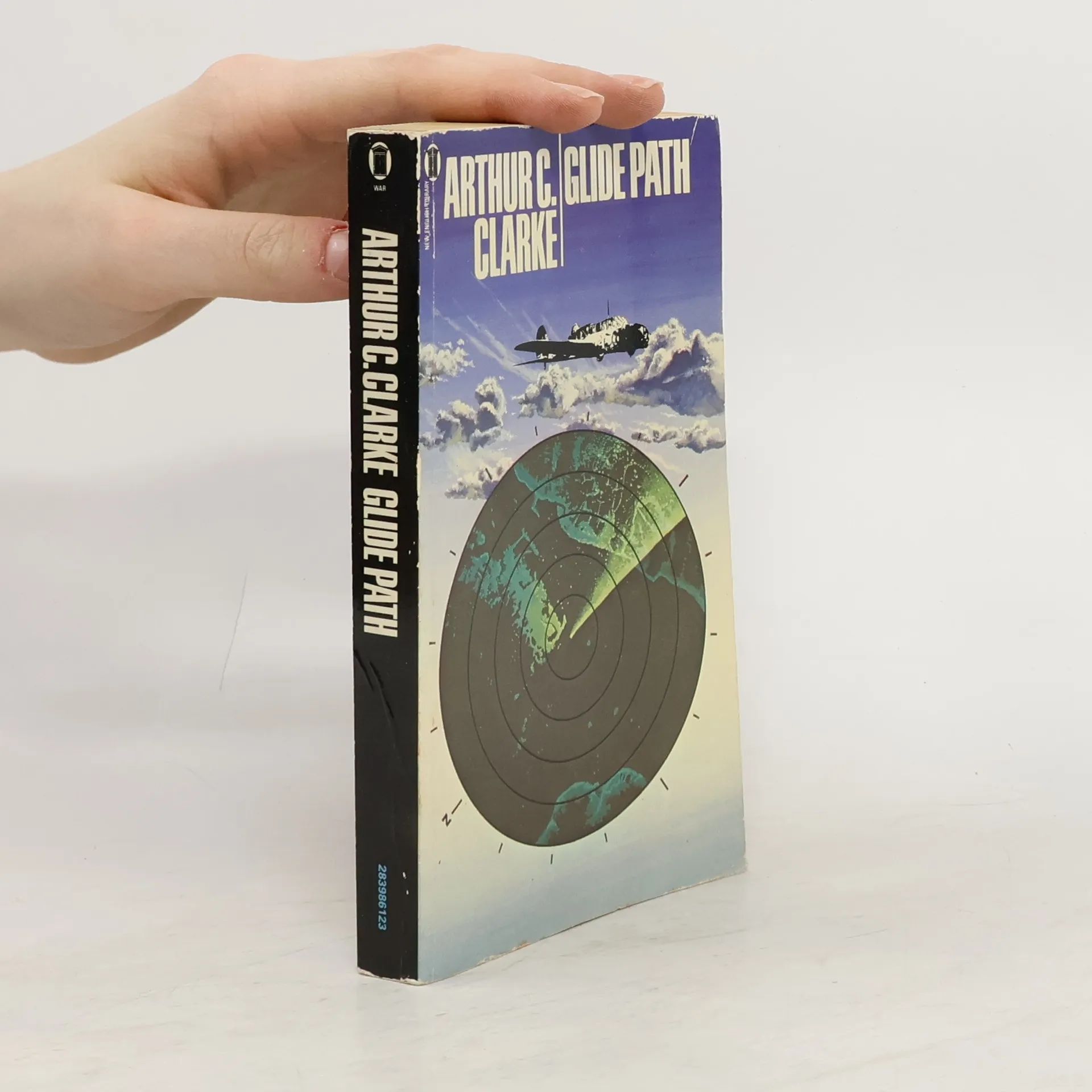
A fascinating departure for the renowned Science Fiction author, Glide Path is an alternative history of the development of Ground Control Approach radar set during World War II.Clarke draws upon his own wartime experience as a radar control operator during World War II to tell a story fascinating not just for its plotting-combining science, intrigue, and a host of compelling characters-but also for its prescience and technical insight. Glide Path is sure to be an enthralling read not just for Science Fiction fans, but history aficionados.
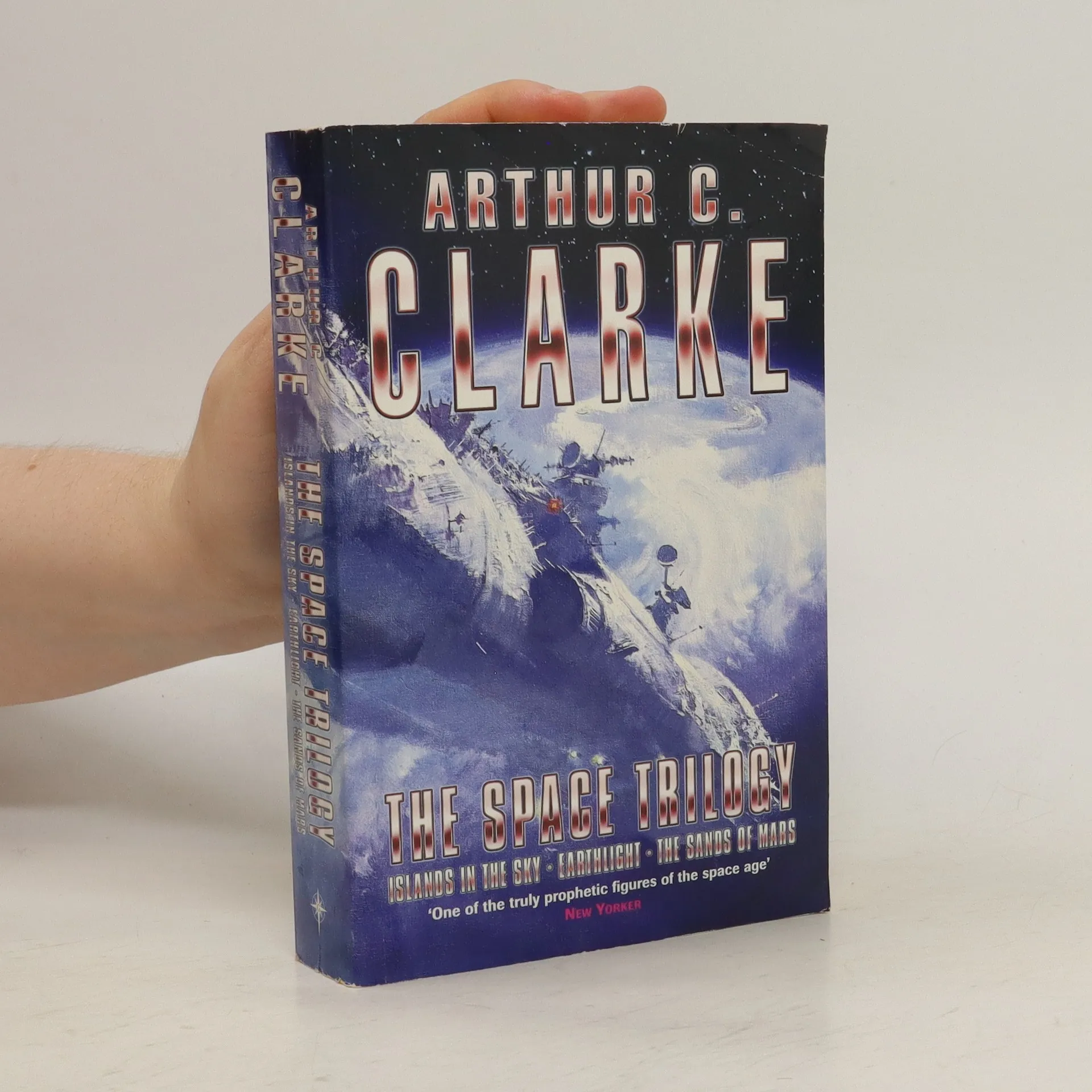
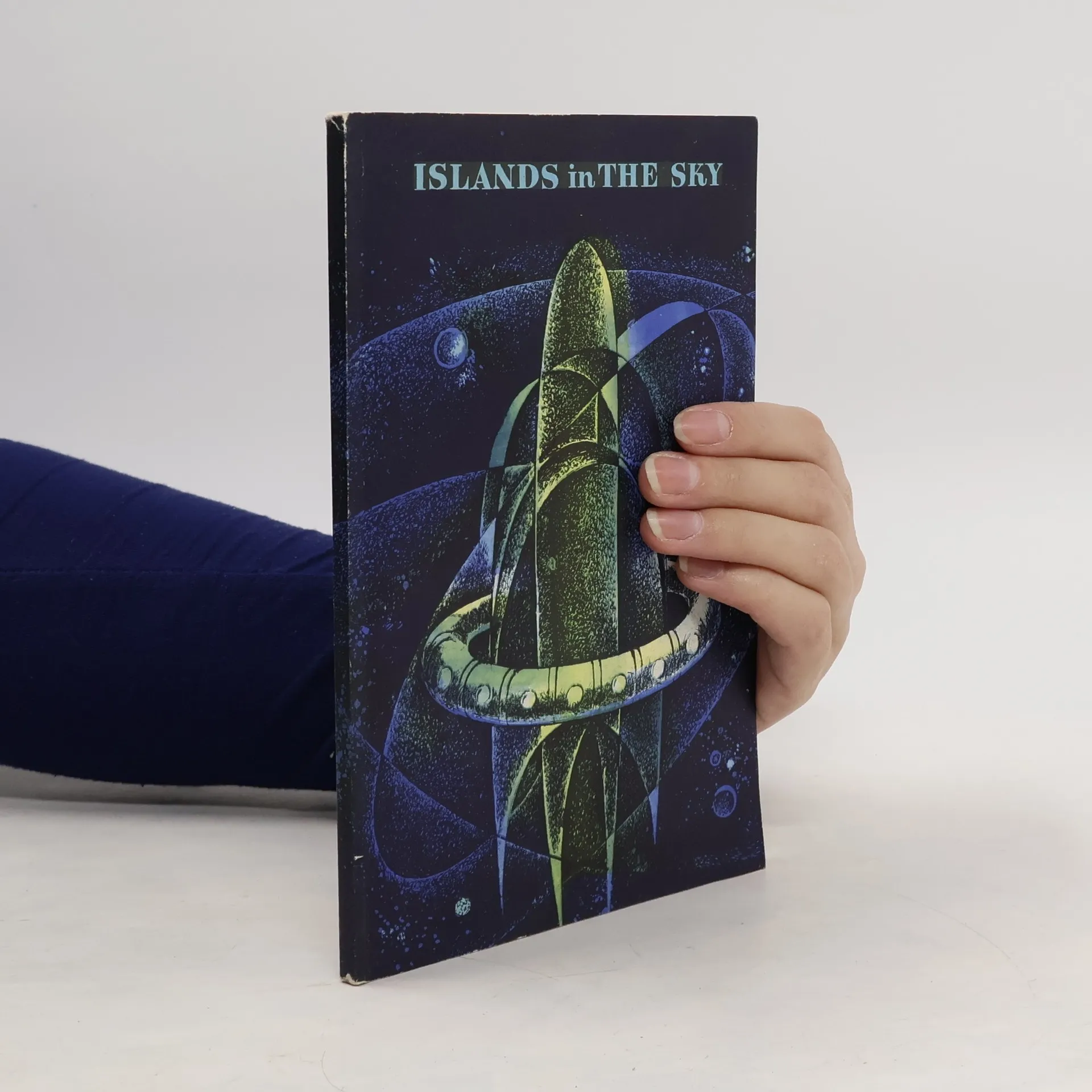
Islands in the Sky, first published in 1954, sees Roy Malcolm win a trip to the Inner Station, a space station rotating 500 miles from Earth.The Sands of Mars, set in the 21st century, has a group of pioneers struggling to change the face of this inhospitable planet.Earthlight is set in a human colony on the moon.This omnibus edition of Arthur C. Clarke's early novels shows the author of 2001: A Space Odyssey exploring space and time in adventurous and thoughtful ways. Although the course of recent history has been different, these novels offer a glimpse of what-might-have-been, as envisioned nearly 50 years ago by the greatest sci-fi writer of them all.
Arthur C. Clarke is one of the greatest science fiction writers of the century, and surely the most celebrated science fiction writer alive. He is -- with H. G. Wells, Isaac Asimov and Robert A. Heinlein -- one of the writers who define the genre. Now, at the dawn of the year 2001, Sir Arthur C. Clarke has cooperated in the preparation of a massive definitive edition of his collected shorter works, which will be made available on audio in five chronological volumes, followed by a 10 CD volume of favorite selection and a 30 cassette gift set...the most ambitious science fiction audio project in history.In addition to the well-known and ever popular stories "The Other Side of the Sky," "I Remember Babylon," and The Songs of Distant Earth," this volume features comic cosmic narratives originally collected in Tales From the White Hart, including "The Defenestration of Ermintrude Inch," "The Next Tenants," and "The Man Who Ploughed the Sea."
The Deep Range is a 1957 Arthur C. Clarke science fiction novel concerning a future sub-mariner who helps farm the seas. The story includes the capture of a sea monster similar to a kraken. It is based on a short story of the same name that was published in April 1954, in Argosy magazine. The short story was later featured in Tales from Planet Earth and Frederik Pohl's Star Science Fiction No.3. References Tuck, Donald H. (1974). The Encyclopedia of Science Fiction and Fantasy. Chicago: Advent, 101. ISBN 0-911682-20-1.
In the 22nd century visionary scientist Vannevar Morgan conceives the most grandiose engineering project of all time, and one which will revolutionize the future of humankind of space: a Space Elevator, 36,000 kilometres high, anchored to an equatorial island in the Indian Ocean.
It is the twenty-first century. On Mars a dedicated group of pioneers - among them some of Earth's finest brains - struggle to change the face of the planet . . . Science fiction writer Martin Gibson finally gets a chance to visit the research colony on the Red Planet. It's a dream come true - until he discovers the difficulties and perils of survival on another world . . . and the very real terror it holds.
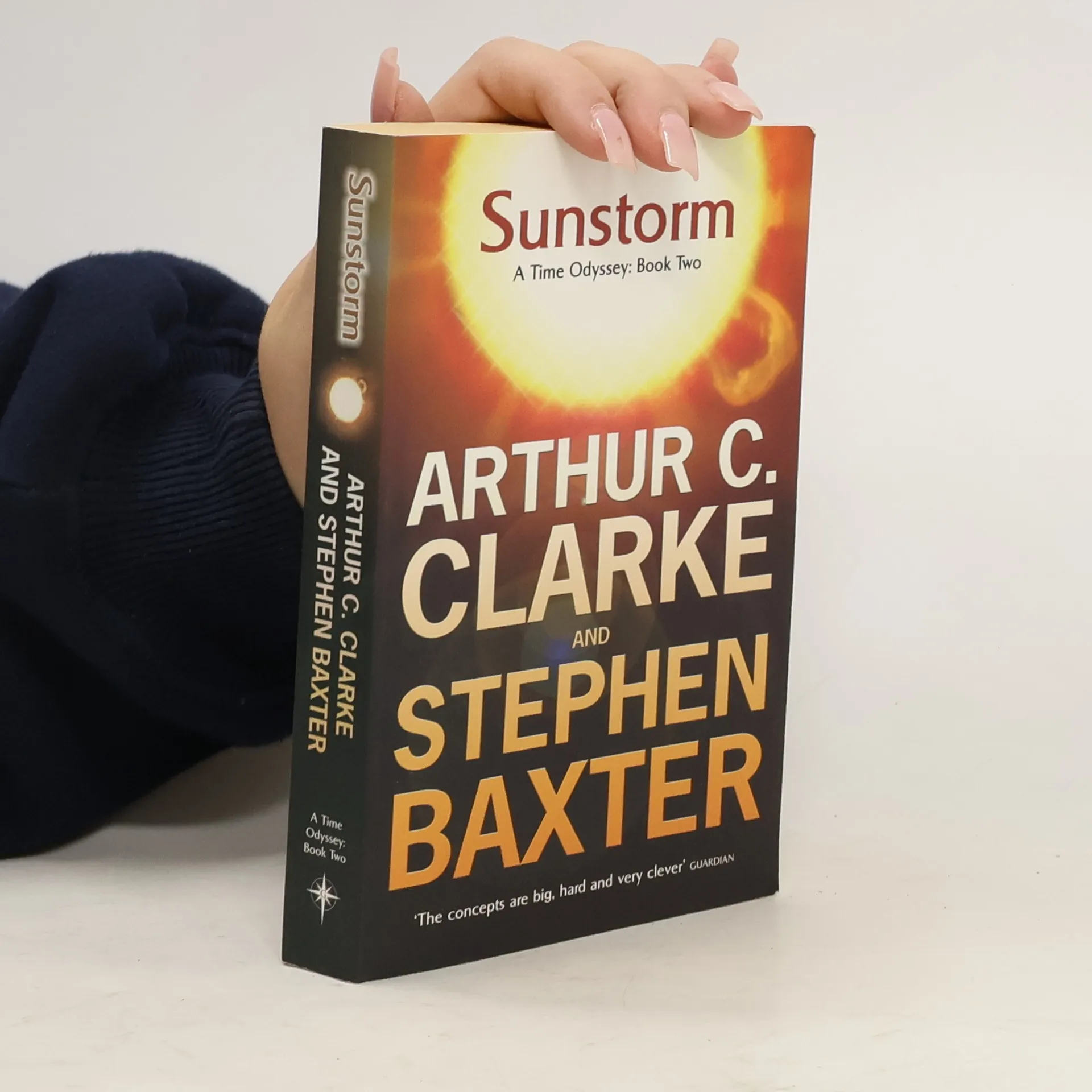
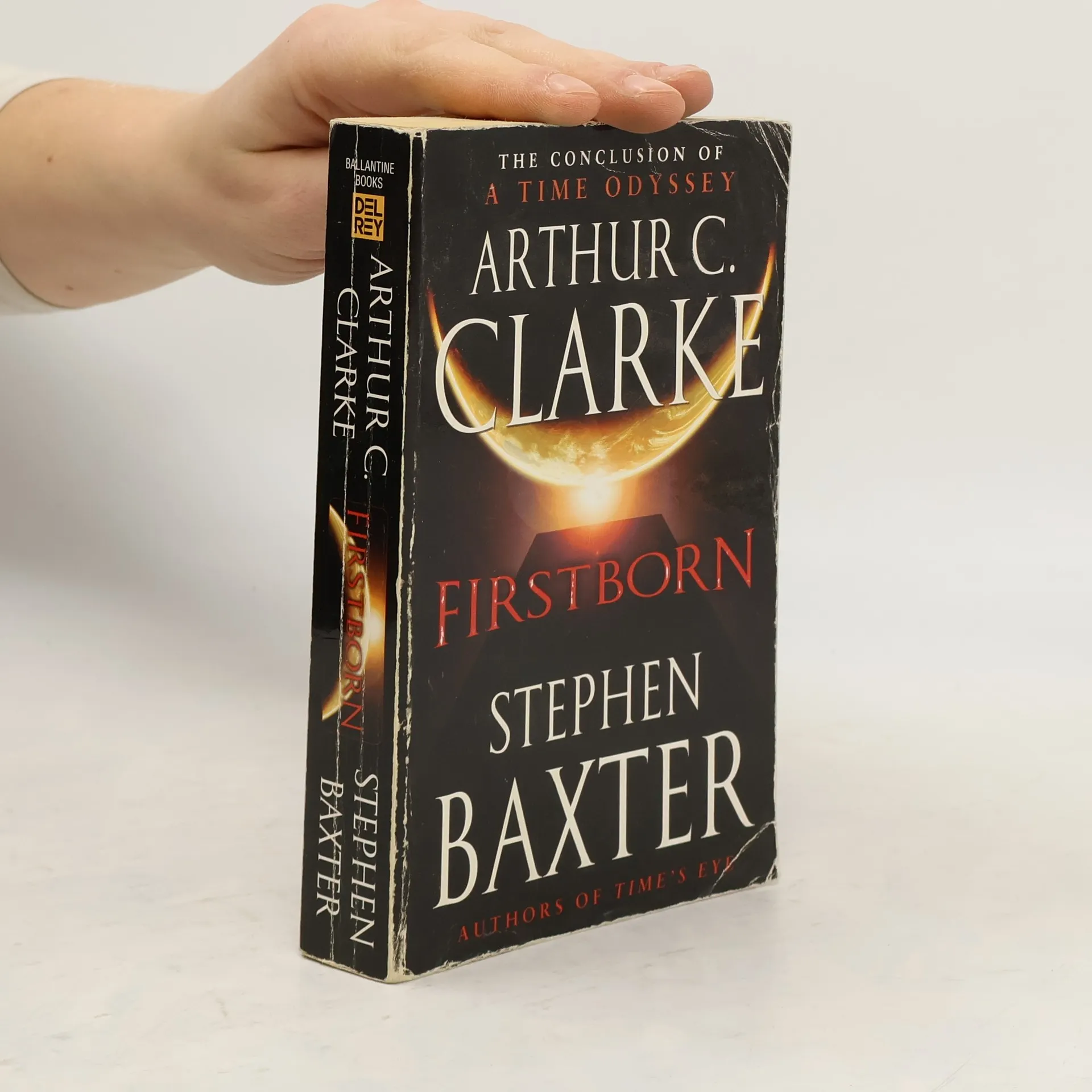
The Firstborn, a mysterious alien race first introduced in 2001: A Space Odyssey, have long been a part of Sir Arthur C. Clarke’s science fiction legacy. In the Time Odyssey series, co-authored with Stephen Baxter, they seek to halt human progress using technology akin to magic. Their initial act, the Discontinuity, transformed Earth into Mir, a patchwork world featuring figures like Alexander the Great and Genghis Khan. Bisesa Dutt, a UN peacekeeper, communicates with an alien artifact of immense power, which ultimately returns her to Earth. She becomes crucial in humanity's struggle against a doomsday solar storm orchestrated by the Firstborn, aimed at wiping out all life. This catastrophe is narrowly averted, but at a great cost. Twenty-seven years later, the Firstborn return with a "quantum bomb," an incomprehensible device that threatens to annihilate Earth. Bisesa embarks on a desperate quest for answers, traveling to Mars and then back to Mir, which faces its own extinction. As the situation grows dire, new revelations about the Firstborn's intentions emerge, and an unexpected ally arrives from light-years away, offering a glimmer of hope in a seemingly hopeless scenario.
“This is a space trip that no reader will want to miss.”—Playboy Years ago, the enormous, enigmatic alien spacecraft called Rama sailed through our solar system as mind-boggling proof that life existed—or had existed—elsewhere in the universe. Now, at the dawn of the twenty-third century, another ship is discovered hurtling toward us. A crew of Earth's best and brightest minds is assembled to rendezvous with the massive vessel. They are armed with everything we know about Raman technology and culture. But nothing can prepare them for what they are about to encounter on board Rama II: cosmic secrets that are startling, sensational—and perhaps even deadly. “Offers one surprise after another.”—The New York Times “A masterpiece . . . one of the year’s best hard SF epics.”—The Houston Post
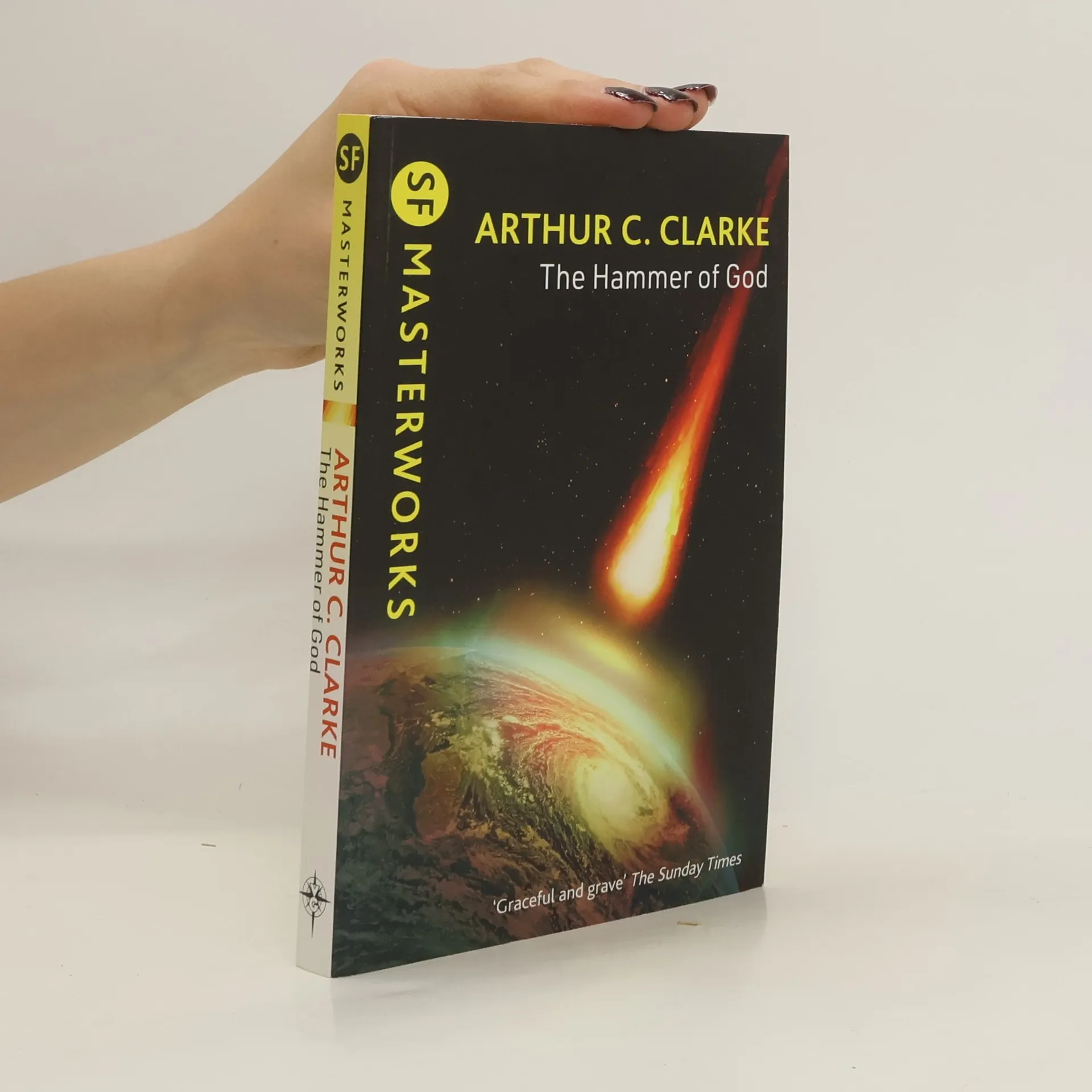
The year is 2110. Humankind is entering a new golden age.But when an amateur
astronomer points his telescope at just the right corner of the night sky, he
sees disaster hurtling toward Earth: a chunk of rock that could annihilate
civilization. While a few fanatics welcome the apocalyptic destruction as a
sign from God, the greatest scientific minds of Earth desperately search for a
way to avoid the inevitable. On board the starship Goliath, Captain Robert
Singh and his crew must race against time to redirect the meteor from its
deadly collision course. Suddenly they find themselves on the most important
mission in human history - a mission whose success may require the ultimate
sacrifice.
This entertaining volume by Arthur C. Clarke collects fifteen improbable stories narrated in a London pub where a select group of writers, scientists, journalists, and editors gather weekly. The star of these gatherings is Harry Purvis, a boastful and witty storyteller who seizes any opportunity to overwhelm his friends with strange occurrences he claims to have witnessed or been privy to. Surprising inventions, unexpected situations, and bold experiments—such as machines that produce silence, recreate sexual pleasure, or compose perfect melodies; ships that plow the oceans; military computers that adopt pacifist behaviors; and colonies of termites that incorporate human knowledge—form the clever and imaginative fabric of these tales from the White Hart tavern.
Arthur C. Clarke, creator of one of the world's best-loved science fiction tales, revisits the most famous future ever imagined in this NEW YORK TIMES bestseller, as two expeditions into space become inextricably tangled. Heywood Floyd, survivor of two previous encounters with the mysterious monloiths, must again confront Dave Bowman, HAL, and an alien race that has decided that Mankind is to play a part in the evolution of the galaxy whether it wishes to or not. --This text refers to an out of print or unavailable edition of this title.
Features sixteen stories inspired by the 20th century's great master of
horror, H P Lovecraft, and his acknowledged masterpiece, At the Mountains of
Madness.
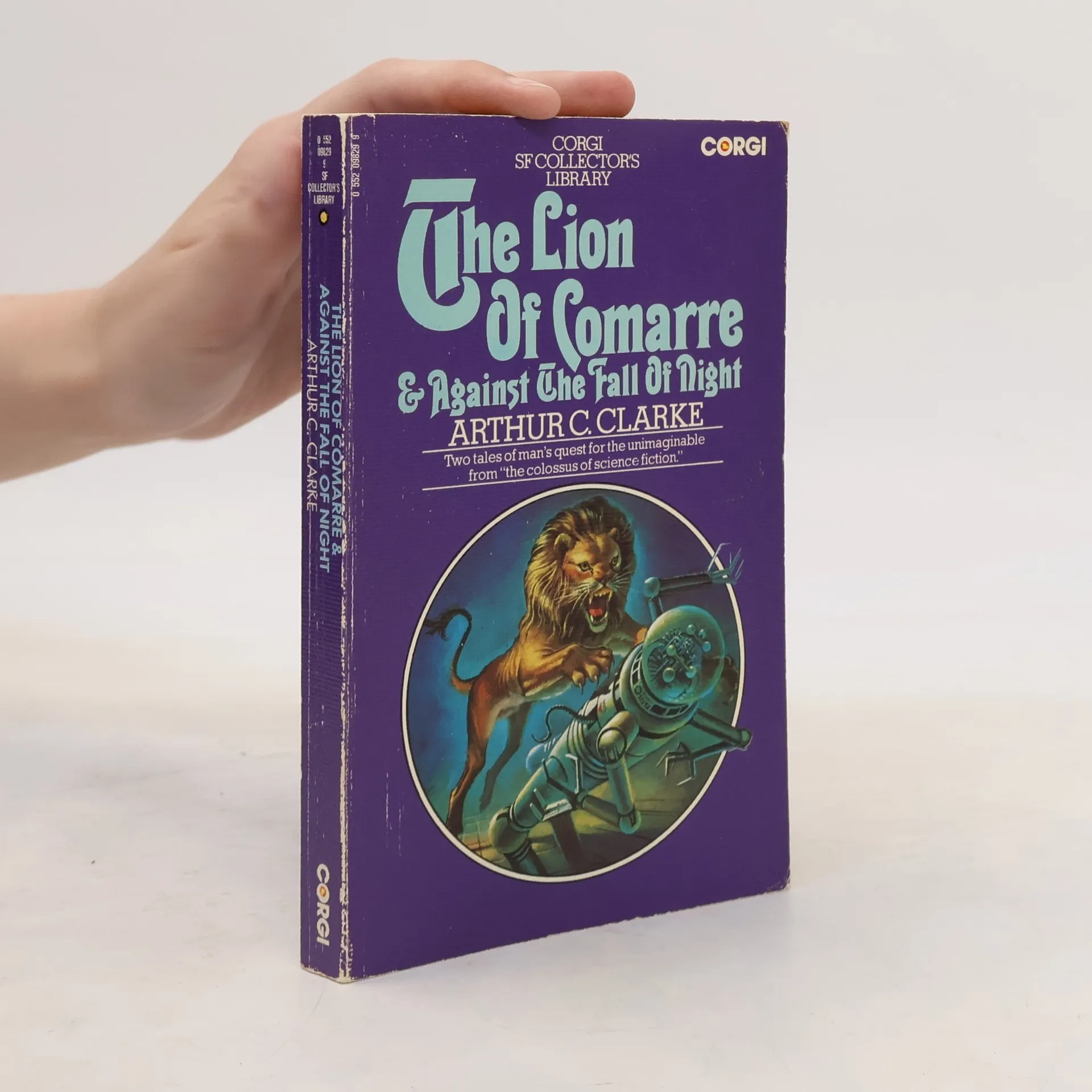
Arthur C.Clarke's early novel Against the Fall of the Night, set far in the future, and a sequel by Gregory Benford. Alvin, the only child for many centuries born in what is believed to be the only city left on Earth, leads a renaissance. Man is reclaiming the Earth, but evil has also returned.
A science fiction story in which one man leaves his native planet, Titan, in order to join in celebrations held on Mother Earth. However he has other things on his mind; he has a delicate mission to perform - for himself, his family and the future of his home planet. From the author of GARDEN OF RAMA and RICHTER 10.
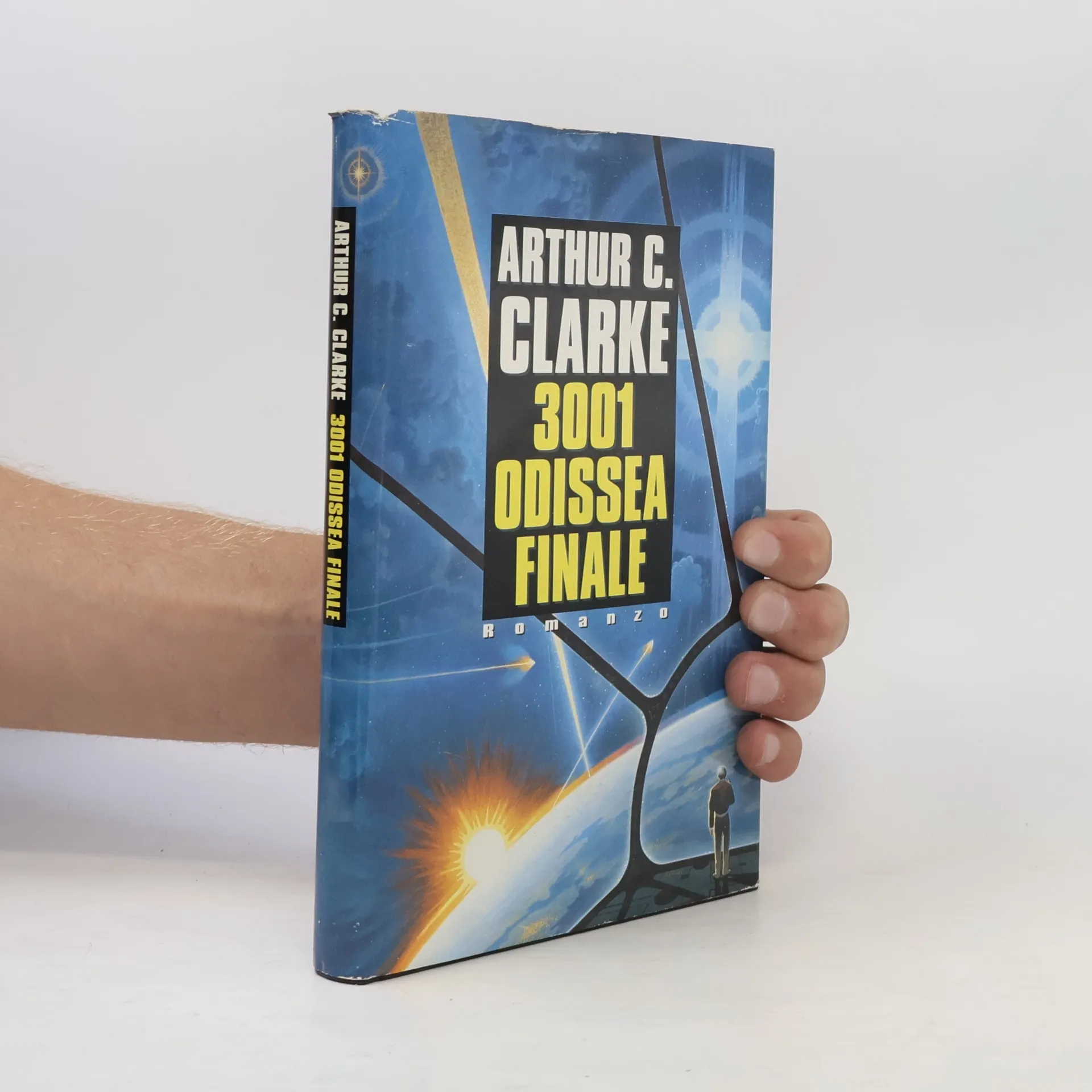
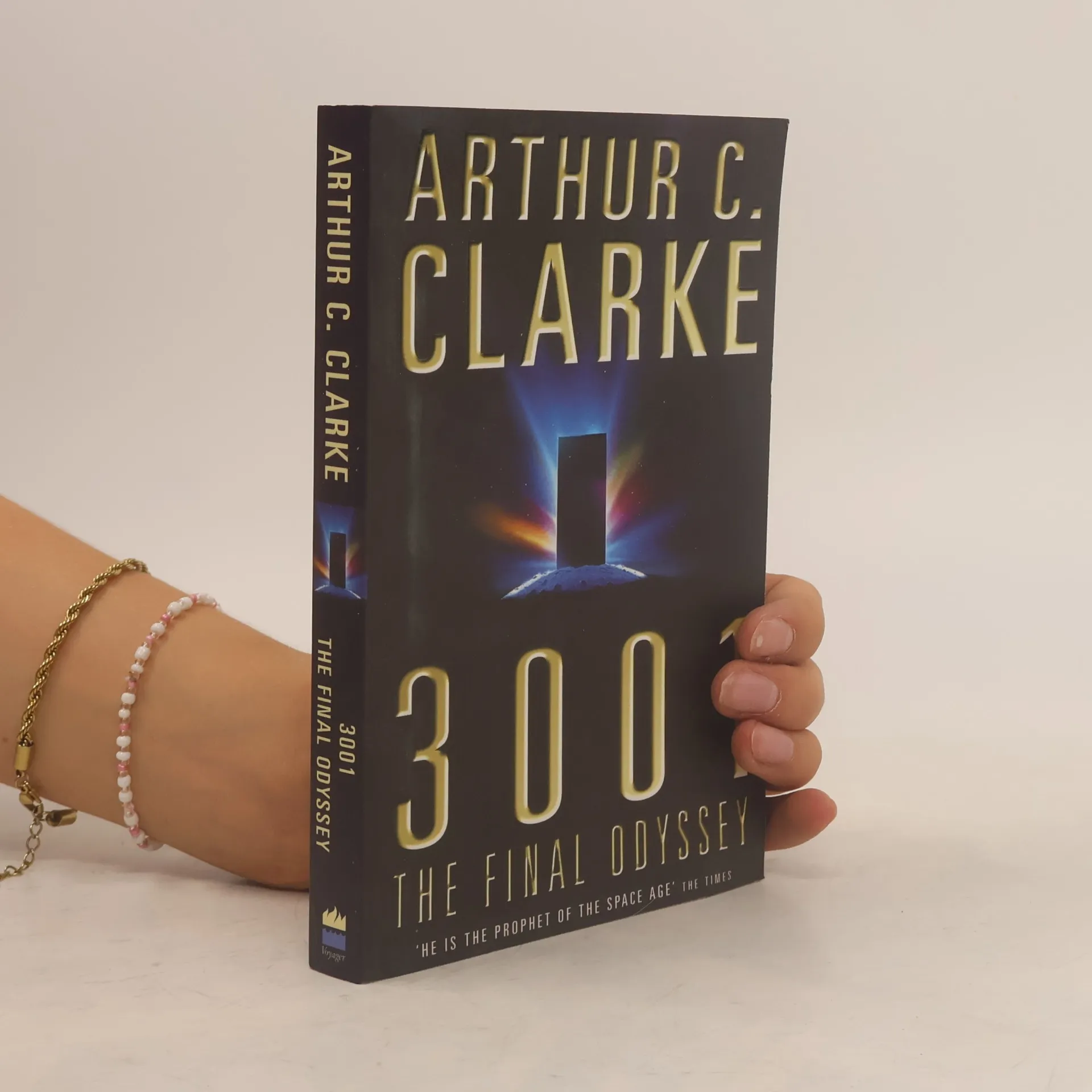
The world in the year 3001 seen through the eyes of an astronaut, revived after a thousand-year sleep. The earth is encircled by space cities, accessed by elevators and education is a breeze, computers enabling the brain to absorb complicated information in milliseconds. By the author of 2001: A Space Odyssey
Two seemingly unconnected events trigger off the discovery of nothing less than the secret of humanity's existence. Written in conjunction with author and senior NASA scientist Gentry Lee.
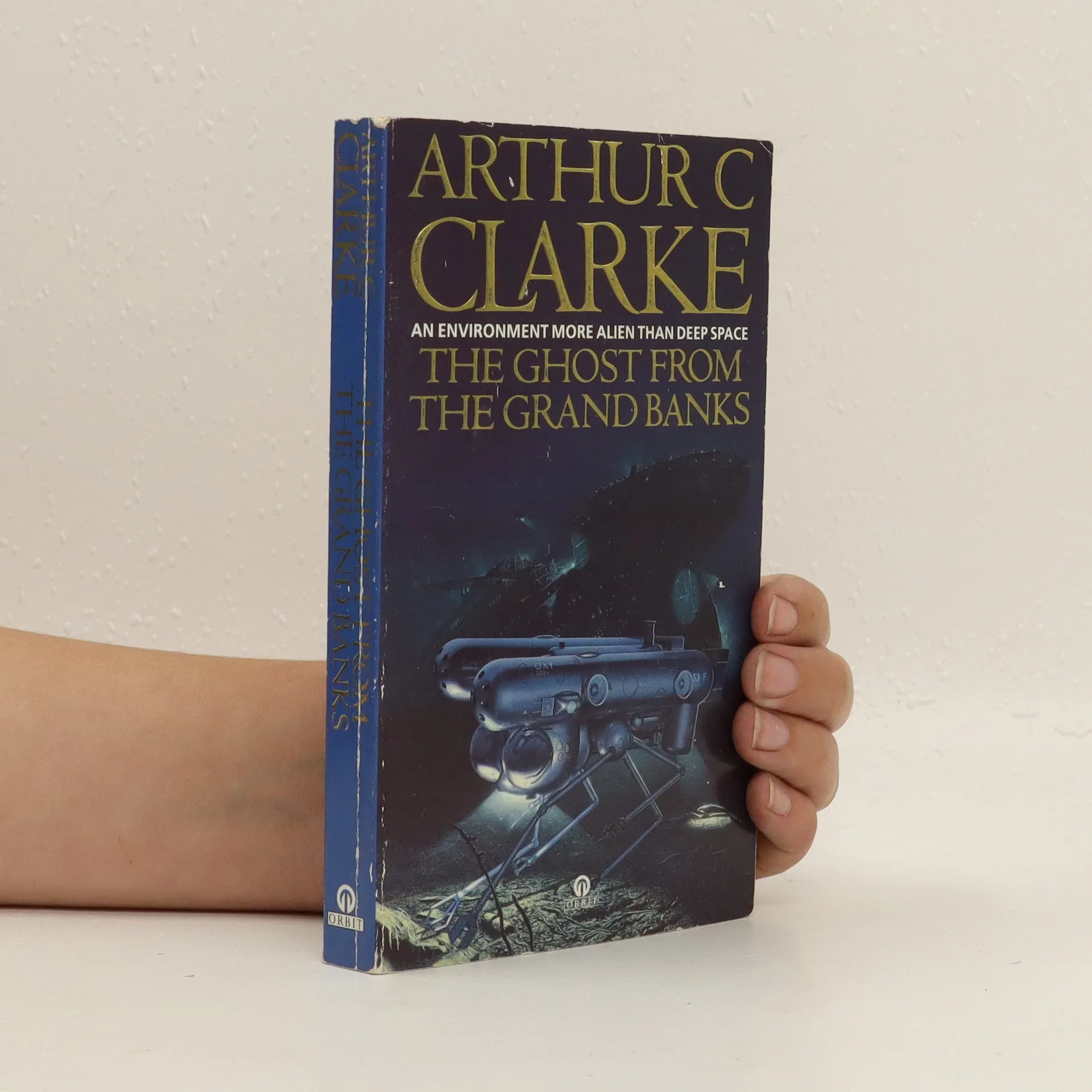
It is 2010. In two years' time it will be the centennial of the sinking of the Titanic. Two of the world's most powerful corporations race to raise the vessel but there are other powers at work, and chaos theory comes into play as plans progress - and six preserved bodies are found. This novel incorporates two of Arthur C.Clarke's passions - deep sea exploration and future technology - in a fast-moving tale of mysetry and adventure. As operations proceed, the perfectly preserved body of a beautiful girl is found. She was not on the ship's passenger lists. The quest to uncover the secrets of the wreck and reclaim her becomes an obsession ...and for some, a fatal one.
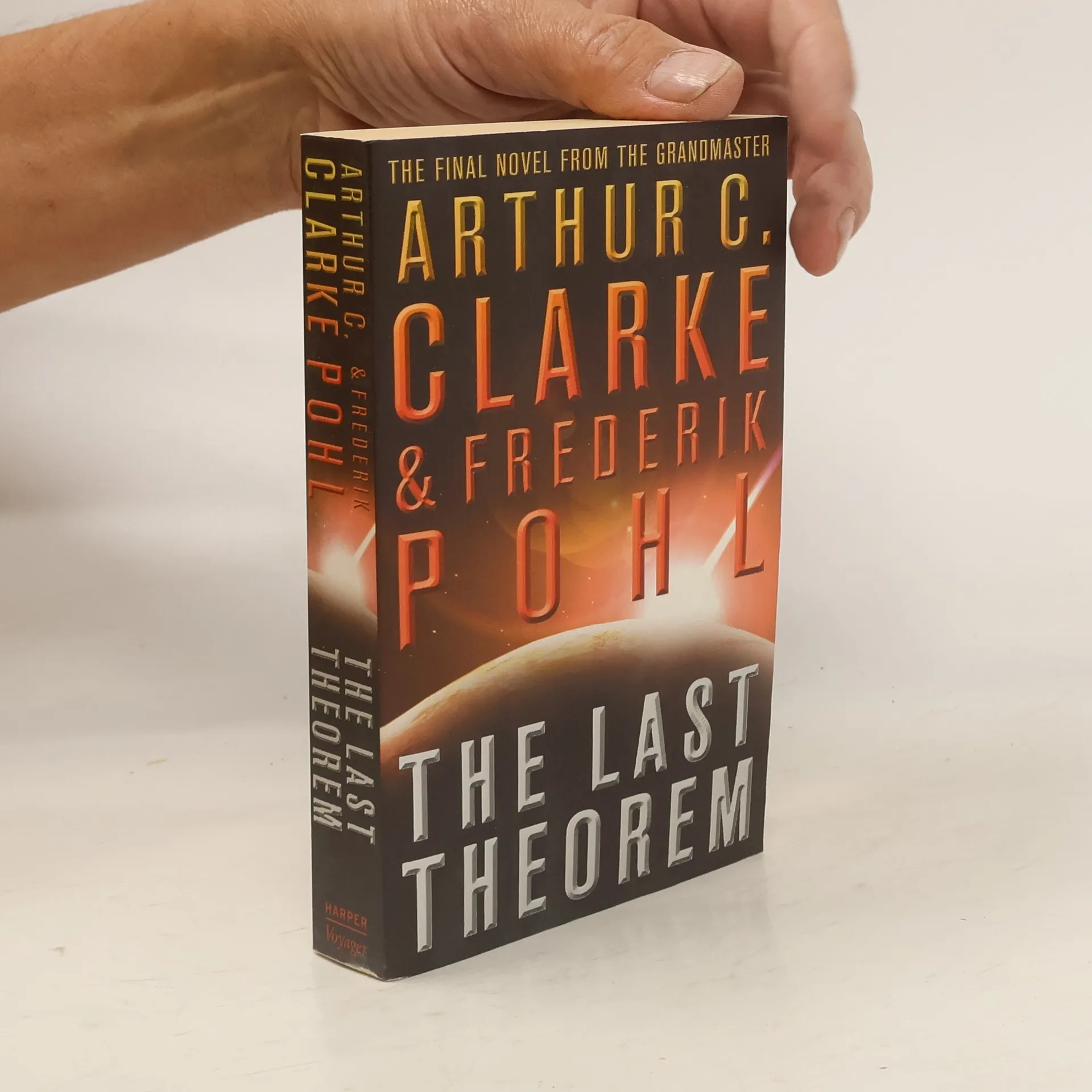
The last theorem charts the story of Ranjit Subramanian, a man fascinated by Fermat's Last Theorem - so simple that anyone can understand it, yet not proved for more than three centuries. Ranjit learns about the Indian mathematical genius Ramanujan (1887-1920) and discovers a three-page proof of the Last Theorem: this might even be Fermat's own proof. The discovery of the Theorem wins Ranjit the Fields Medal - and the attention of the NSA cryptography branch. However, Ranjit soon finds himself drawn by physics rather than cryptography, as there have been some spectacular advances in fusion technology. And these in turn lead to a plasma drive that can open up the solar system.
The Search for the Million Megaton Menace That Threatens Life on Earth
308pagine
11 ore di lettura
Could a giant asteroid or comet crash into Earth and annihilate life as we know it? Many astronomers, once skeptical of such risks, now recognize the serious danger. In this exploration, Duncan Steel, a leading expert and director of a global asteroid and comet search program, delves into chilling scientific findings. He narrates the compelling story of how detection efforts revealed a troubling history of impacts, including the comet likely responsible for the dinosaurs' extinction. Advances in telescope tracking have identified at least 2,000 objects orbiting Earth that could strike with nuclear force. Calculations indicate that Earth is bound to face another catastrophic collision eventually. Potential outcomes include towering ocean waves that could devastate coastal areas, massive fires, and clouds of dust blocking sunlight, crippling agriculture. Steel expertly assesses these threats and discusses proposed strategies for detecting and neutralizing incoming celestial bodies, including Edward Teller's controversial suggestion of using a nuclear bomb. This account vividly illustrates the existential threat from space and the scientific community's response. With an unprecedented opportunity to avert disaster, the book argues that failing to act would be both dangerous and unwise.
Kniha Sněhy Olympu s podtitulem Zahrada na Marsu popisuje a ukazuje pomocí počítačového programu, jak by se proměňoval povrch planety Mars, kdyby byla postupně vytvářena příhodná atmosféra a uměle zvyšována teplota. Díky fotografiím povrchu Marsu je v knize nastíněno, jak by se měnil ráz krajiny celé planety. Výsledkem je poutavě naučné dílo, které velmi zajímavým způsobem ilustruje hypoteticky možný přerod Marsu v živou a obyvatelnou planetu....
Sbírka Devět miliard božích jmen přináší výběr nejlepších Clarkových povídek. Mezi čtyřiadvaceti příběhy čtenář nalezne nejen Hlídku, ale také všechny ostatní slavné povídky: Hvězdu, Setkání s Medúzou či titulních Devět miliard božích jmen. Knížka je doslova nabitá povídkami oceněnými Hugy či Nebulami.
Na Mesiaci je objavený záhadný objekt. Dôsledky nálezu sú natoľko významné, že je kvôli nemu vôbec prvýkrát vyslaná ľudská posádka hlboko do Slnečnej sústavy. Ale ako výprava dosahuje cieľ, vyskytnú sa problémy, rastúce do desivých rozmerov ... Slávny román napísaný v čase, keď pristátie na Mesiaci bolo ešte iba snom, pretvorený do jedného z najvýznamnejších filmov všetkých čias, strhujúci a prorocký. Vesmírna odysea je príbehom o pretrvávajúcej otázke miesta človeka vo vesmíre.
2001: Vesmírná odyssea Na Měsíci je objeven záhadný objekt. Důsledky nálezu jsou natolik významné, že je kvůli němu vůbec poprvé vyslána lidská posádka hluboko do Sluneční soustavy. Ale než výprava dosáhne cíle, vyskytnou se potíže, narůstající do děsivých rozměrů… Slavný román napsaný v době, kdy přistání na Měsíci bylo ještě pouhým snem, přetvořený do jednoho z nejvýznamnějších filmů všech dob, strhující, prorocký. 2001: Vesmírná odysea je příběhem o přetrvávající otázce místa člověka ve vesmíru. Rajské fontány: Rajské fontány je vědeckofantastický román Arthura C. Clarka, vydaný v roce 1979. Události odehrávající se v 22. století popisují konstrukci kosmického výtahu. Tato „orbitální věž“ jest gigantická konstrukce, která se tyčí z povrchu zemského a je propojena se satelitem na geostacionární orbitě ve výšce asi 36 000 kilometrů. Taková stavba by měla být použita pro dopravu nákladu na oběžnou dráhu bez použití raket, čímž by se stala velice efektivní.