

This book is a reproduction of a historical work, published by Megali, a house dedicated to producing large print editions. This initiative aims to enhance accessibility for readers with impaired vision, ensuring that important texts are available to a wider audience.
Charles Godfrey Leland Ordine dei libri (cronologico)
Charles Godfrey Leland fu un umorista e folklorista americano il cui lavoro esplorò frequentemente lingue e tradizioni popolari americane ed europee. Coltivò un profondo interesse per la linguistica popolare, pubblicando numerosi articoli e libri sull'argomento. Mentre le sue comiche Ballate di Hans Breitmann gli procurarono riconoscimenti come umorista, le sue ricerche accademiche si addentrarono nel cuore della cultura popolare. Inoltre, scrisse un testo che sarebbe diventato un'opera fondamentale per il neopaganesimo, mostrando l'ampiezza del suo impegno nelle tradizioni esoteriche.

The Algonquin Legends of New England; Myths and Folk Lore of the Micmac, Passamaquoddy and Penobscot Tribes
in large print
- 420pagine
- 15 ore di lettura
Dedicated to accessibility, this publishing house focuses on reproducing historical works in large print, catering specifically to individuals with impaired vision. By enhancing readability, Megali aims to ensure that important historical texts remain available and enjoyable for a wider audience.
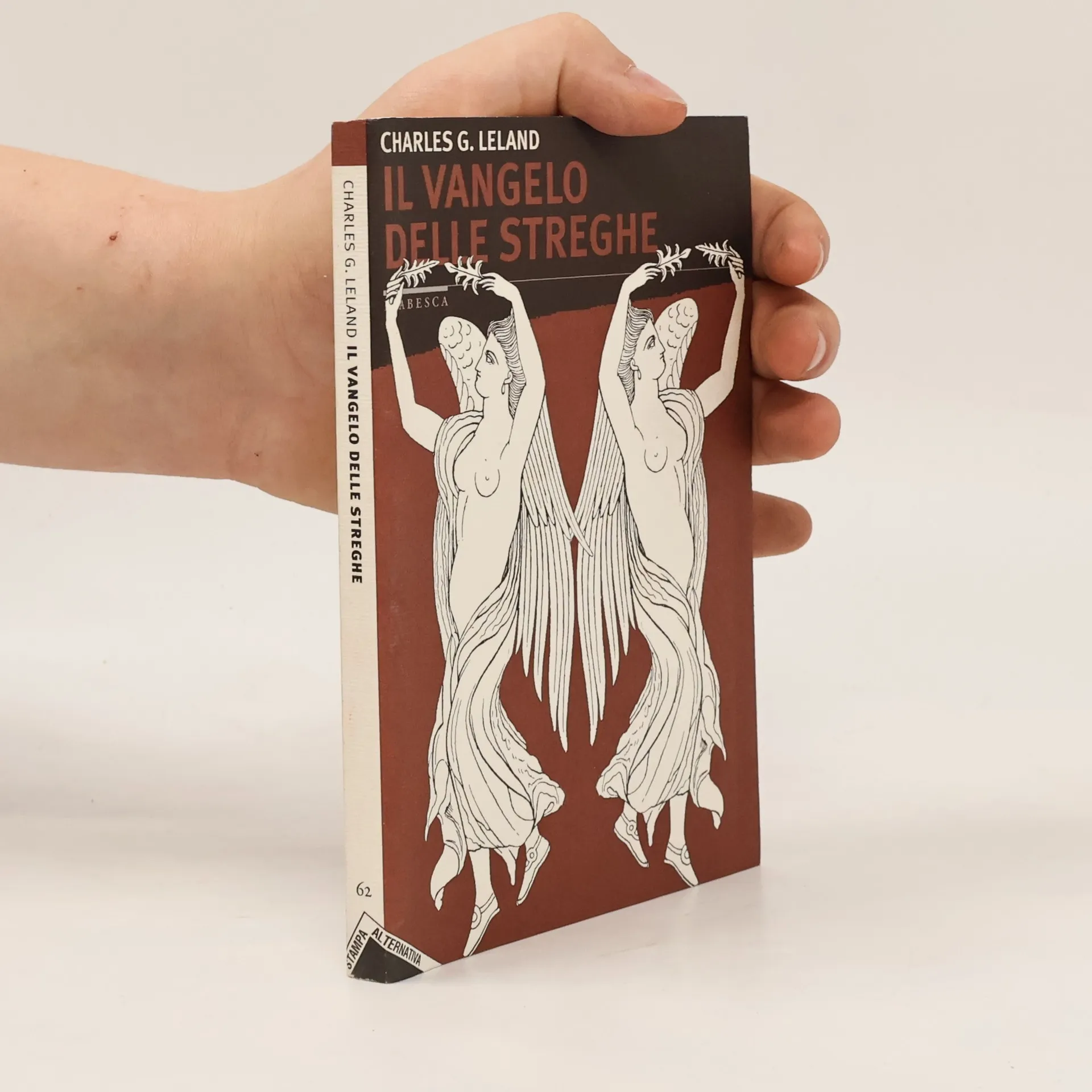
Il vangelo delle streghe
- 144pagine
- 6 ore di lettura
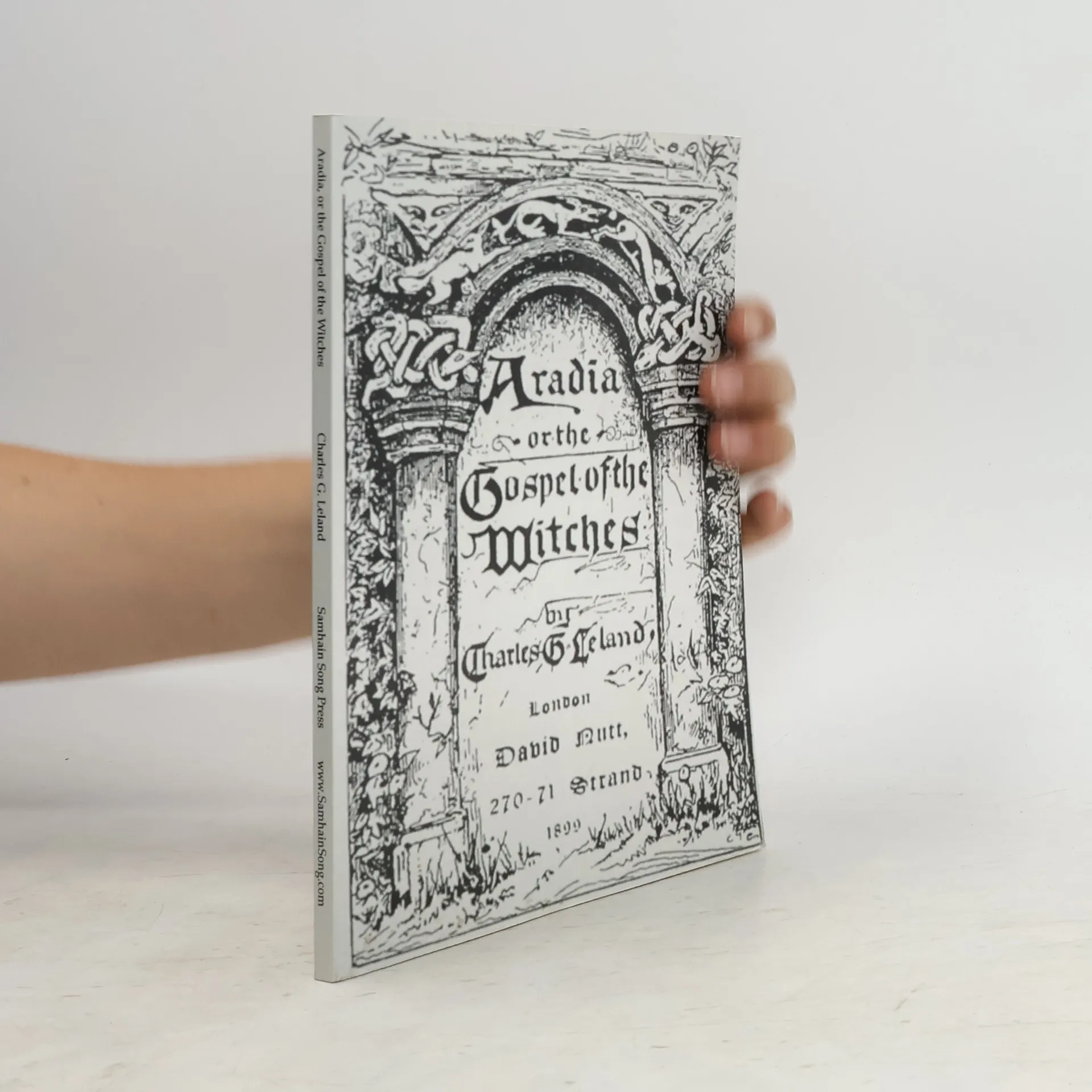
Aradia, or the Gospel of the Witches
- 132pagine
- 5 ore di lettura
Its accuracy is disputed by some, while others consider it a vital resource for studying and understanding Italian witch folklore of the 19th century. What is certain is that this 1899 classic has become a foundational document of modern Wicca and neopaganism. Leland claimed his "witch informant," a fortune-teller named Maddalena, supplied him with the secret writings that he translated and combined with his research on Italian pagan tradition to create a gospel of pagan belief and practice. Here, in the story of the goddess Aradia, who came to Earth to champion oppressed peasants in their fight against their feudal overlords and the Catholic Church, are the chants, prayers, spells, and rituals that have become the centerpieces of contemporary pagan faiths. American journalist and folklorist CHARLES GODFREY LELAND (1824-1903) was editor of Continental Monthly during the Civil War and coined the term emancipation as an alternative to abolition, but he is best remembered for his books on ethnography, folklore, and language, including The Gypsies (1882), The Hundred Riddles of the Fairy Bellaria (1892), and Unpublished Legends of Virgil (1899).