
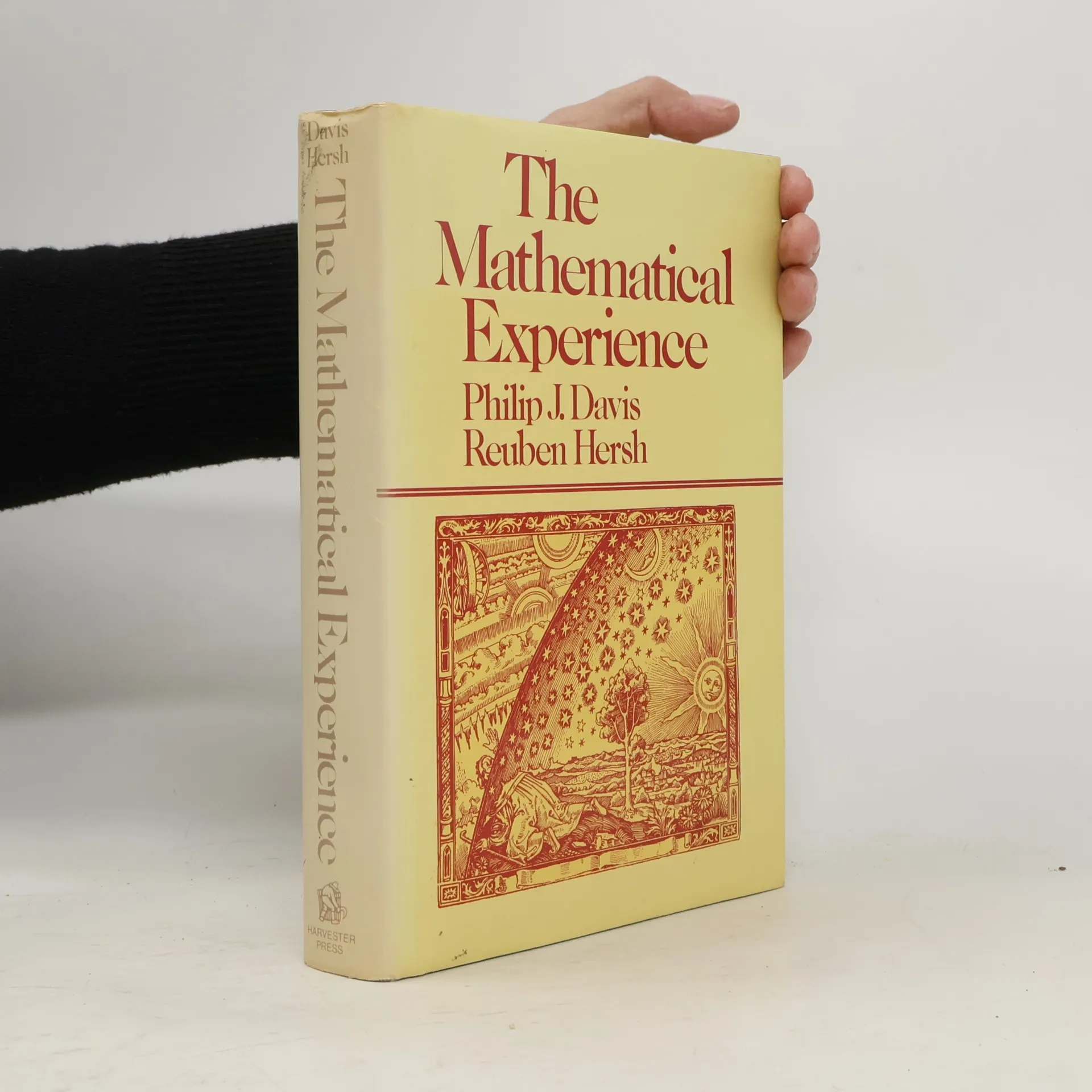
The Mathematical Experience
- 464pagine
- 17 ore di lettura
Explores the foundations of mathematics, looking at the history and philosophy of the field, and includes biographical sketches of people who have made mathematics their life's work.
Reuben Hersh è stato un matematico e accademico americano, noto soprattutto per i suoi scritti sulla natura, la pratica e l'impatto sociale della matematica. Il suo lavoro si è addentrato profondamente negli aspetti filosofici e sociali della disciplina. Hersh cercò di demistificare la matematica e rivelarne la sua dimensione umana. I suoi scritti si rivolgono sia ai matematici che al pubblico più ampio interessato alla scienza.


Explores the foundations of mathematics, looking at the history and philosophy of the field, and includes biographical sketches of people who have made mathematics their life's work.
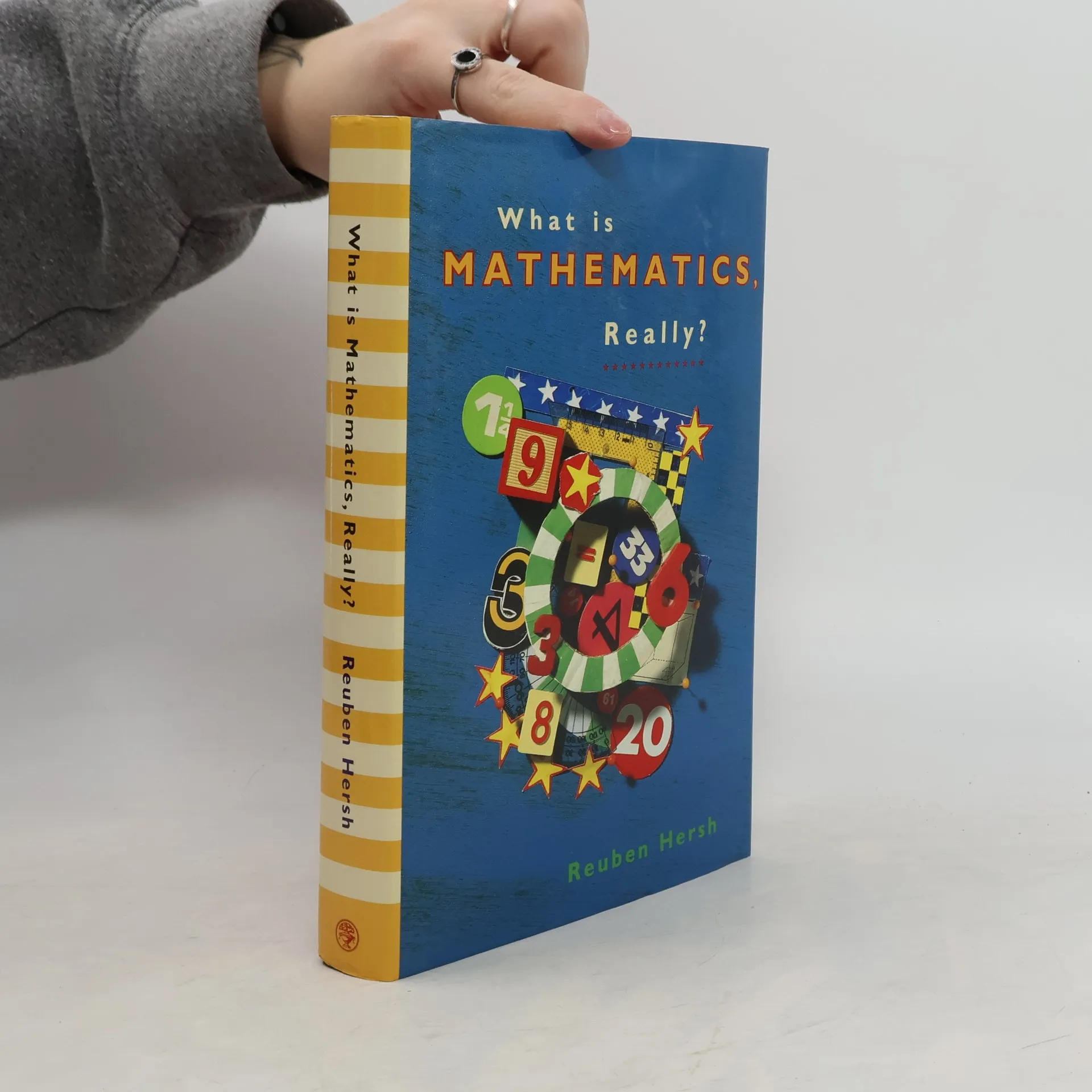
Most philosophers of mathematics treat it as isolated, timeless, ahistorical, inhuman. Reuben Hersh argues the contrary, that mathematics must be understood as a human activity, a social phenomenon, part of human culture, historically evolved, and intelligible only in a social context. Hersh pulls the screen back to reveal mathematics as seen by professionals, debunking many mathematical myths, and demonstrating how the "humanist" idea of the nature of mathematics more closely resembles how mathematicians actually work. At the heart of his book is a fascinating historical account of the mainstream of philosophy--ranging from Pythagoras, Descartes, and Spinoza, to Bertrand Russell, David Hilbert, and Rudolph Carnap--followed by the mavericks who saw mathematics as a human artifact, including Aristotle, Locke, Hume, Mill, and Lakatos.What is Mathematics, Really? reflects an insider's view of mathematical life, and will be hotly debated by anyone with an interest in mathematics or the philosophy of science.
These provocative essays take a modern look at the seventeenth-century thinker's dream, examining the influences of mathematics on society, particularly in light of technological advances. They survey the conditions that elicit the application of mathematic principles; the applications' effectiveness; and how applied mathematics transform perceptions of reality. 1987 edition.
Discusses the impact that mathematics and computers have on our intellectual and emotional lives.