

Neil R. Storey è uno storico e docente professionista specializzato nello studio dell'impatto della guerra sulla società britannica nella prima metà del XX secolo. Il suo lavoro esamina come i conflitti militari abbiano plasmato la società britannica durante questo periodo turbolento. Le analisi di Storey approfondiscono le ramificazioni sociali, culturali e politiche di questi eventi. Il suo approccio offre ai lettori una comprensione più profonda delle forze storiche che hanno influenzato la vita delle persone.
Bram Stoker: Author of Dracula is an affectionate and revealing biography of
the man who created the vampire novel that would define the genre and lead to
a new age in Gothic horror literature.
The Second World War was fought not only in the skies above Kent, but also in
the streets and front rooms of the nation. Air Raid Wardens, Land Girls and
members of the WI formed just a part of the Home Front that would help bring
Britain victory.
In the skies above south-east England in 1940, battle was waged between the men and machines of the Royal Air Force and Hitler's Luftwaffe. At stake was air superiority, and the Germans intended this to be a first step in the invasion of Britain. Squadrons of Hurricanes and Spitfires, then among the best and most modern fighter aircraft in the world, took on the threat and defeated the Luftwaffe. This extensively illustrated history of the battle looks at the origins and events of the battle, at the men and women of the RAF who prepared for and fought in it, and at the ordinary people of Britain who saw a battle for their nation waged above their heads.
Neil Storey's research sheds new light on wartime homicides and reveals a
compelling case to finally identify the Colne Strangler after 80 years of the
Lancashire murder remaining unsolved.
An account of conditions on the Home Front in Newcastle and Tyneside during
the Second World War. Featuring previously unpublished photographs and first
hand accounts, it tells the moving story of survival and struggle during this
devastating conflict.
An illustrated introduction into industrial life in Britain, as the nation geared up to meet the wartime demand for munitions, armor , shipping, uniforms and aircraft.In 1939 Britain was pitched into a war on the Continent for which it was ill-prepared, starting the fight against the Nazis on the back foot. As the nation stood alone against Fortress Europe, it desperately needed to turn all of its industrial might firstly to defending itself and then to expelling Axis troops from occupied countries. Peacetime factories such as car plants were turned to aircraft and tank production; the railway network was timetabled around military needs; and women were brought in to work in factories and shipyards, to fell timber and to bring in the crops. This beautifully illustrated book shows how every aspect of industrial life was coordinated to equip the fight for victory, and how Britain made it.
The Little Book of Suffolk is a repository of intriguing, fascinating, obscure, strange and entertaining facts and trivia about one of England's most colourful counties. It is an essential to the born and bred Suffolk folk or anyone who knows and loves the county. Armed with this fascinating tome the reader will have such knowledge of the county, its landscape, people, places, pleasures and pursuits they will be entertained and enthralled and never short of some frivolous fact to enhance conversation or quiz! A reference book and a quirky guide, this can be dipped in to time and time again to reveal something new about the people, the heritage, the secrets and the enduring fascination of the county. A remarkably engaging little book, this is essential reading for visitors and locals alike.
How animals from dogs and horses to pigeons helped in the 1939—45 war effort, including saving buried blitz victims and delivering top-secret messages.
Wartime fashion is perhaps more popular now than it ever was in the 1940s,
with thousands regularly recreating the look. This is the perfect introduction
to '40s fashion for anyone interested in the decade of make do and mend.
This little gem of a book is a repository of intriguing, fascinating, obscure,
strange and entertaining facts and trivia about Britain and all the things
that have made it great.
The book explores the intriguing history of UFO sightings in Britain, tracing reports from the early 1900s to contemporary times. It delves into various incidents, cultural impacts, and the evolution of public perception regarding unidentified flying objects. Through detailed accounts and analysis, the narrative reveals how these sightings have shaped societal beliefs and sparked curiosity across generations.
A hundred years have now passed since Britain sent hundreds of thousands of
men to fight and to die on the Western Front and elsewhere. This is the
perfect introduction to the life and experiences of the ordinary British
soldier.
Thousands of men fought for Britain in the Second World War. Covering
recruitment, training, kit and life on the front line, this is the ideal
introduction for anyone wanting an insight into the life of the British Tommy.
A nostalgic photographic look at Newcastle upon Tyne in the first half of the
20th Century. Using rarely seen photographs from the library's archives to
illustrate how 'Geordie's' used to live and what made the city so great.
Features 200 photographs - many scanned directly from the glass plates.
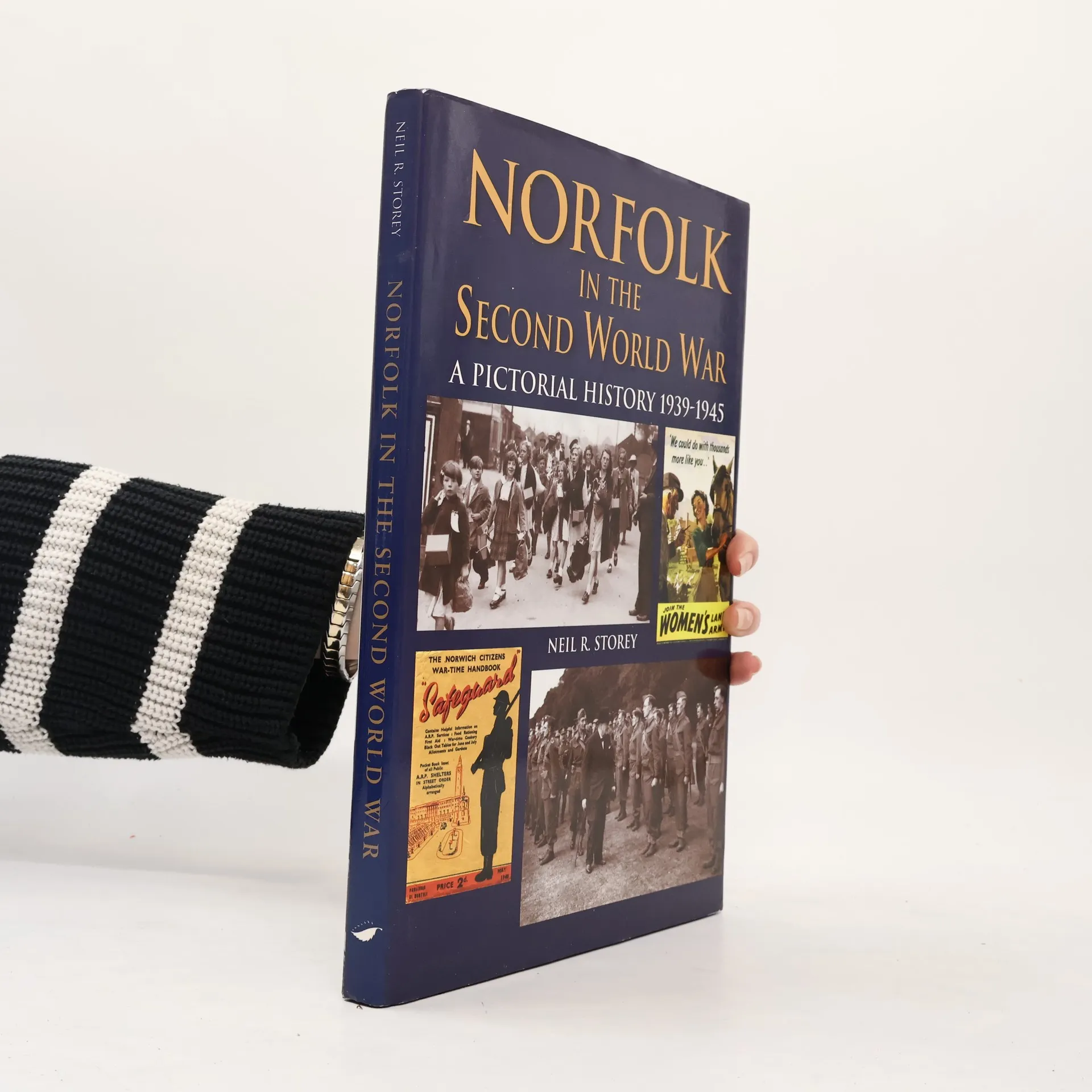
During the Second World War, thousands of Norfolk men and women 'did their bit' in the armed forces while so many others they left behind were part of a most remarkable effort on the home front in a host of occupations, volunteer and auxiliary forces. This book is an overview of their stories.