
Tawni O'Dell porta alla vivida vita l'autenticità cruda della regione carbonifera della Pennsylvania occidentale, la sua casa d'infanzia. La sua prosa penetra nelle profondità della psicologia umana e nelle intricate relazioni plasmate da questo paesaggio esigente. O'Dell esplora magistralmente temi di famiglia, lealtà e sopravvivenza con una voce che immerge i lettori nel cuore delle sue storie. La sua capacità di ritrarre la resilienza e la vulnerabilità dei personaggi la rende una narratrice veramente avvincente.
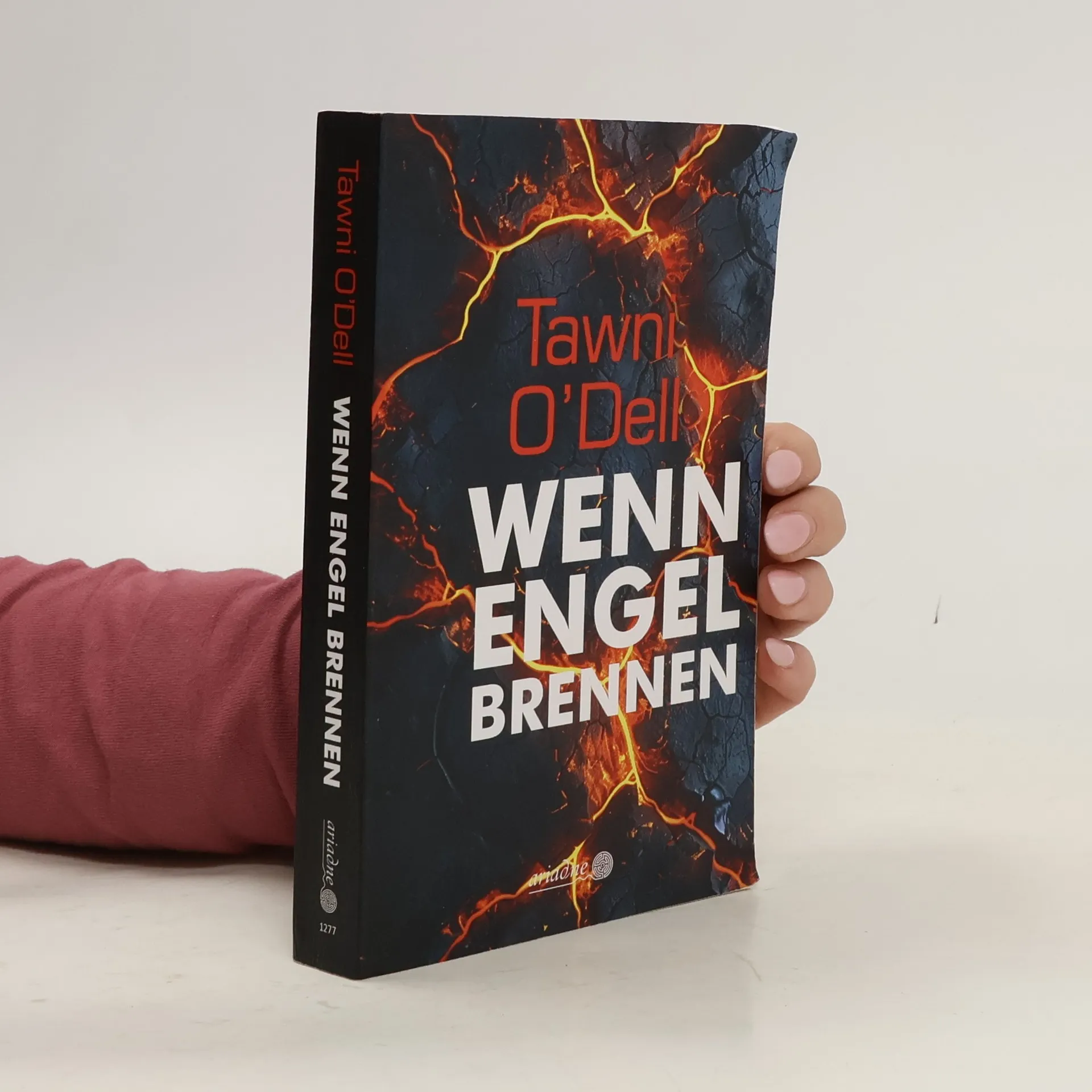
Pennsylvania Country Noir In der einstigen Ortschaft Campbell’s Run schwelt seit Jahrzehnten der Kohlebrand, glühende Erdspalten klaffen im Boden. In einer davon hat jemand eine Leiche deponiert. Jung, blond, weiblich: Die 17-jährige Camio ist ein typisches Mordopfer. Oder doch nicht? Polizeichefin Carnahan kennt ihr Kaff und gibt sich mit Klischees nicht zufrieden. Sie geht jeder Spur nach und wühlt in Privatleben herum, bis die Geheimnisse ans Licht kommen …
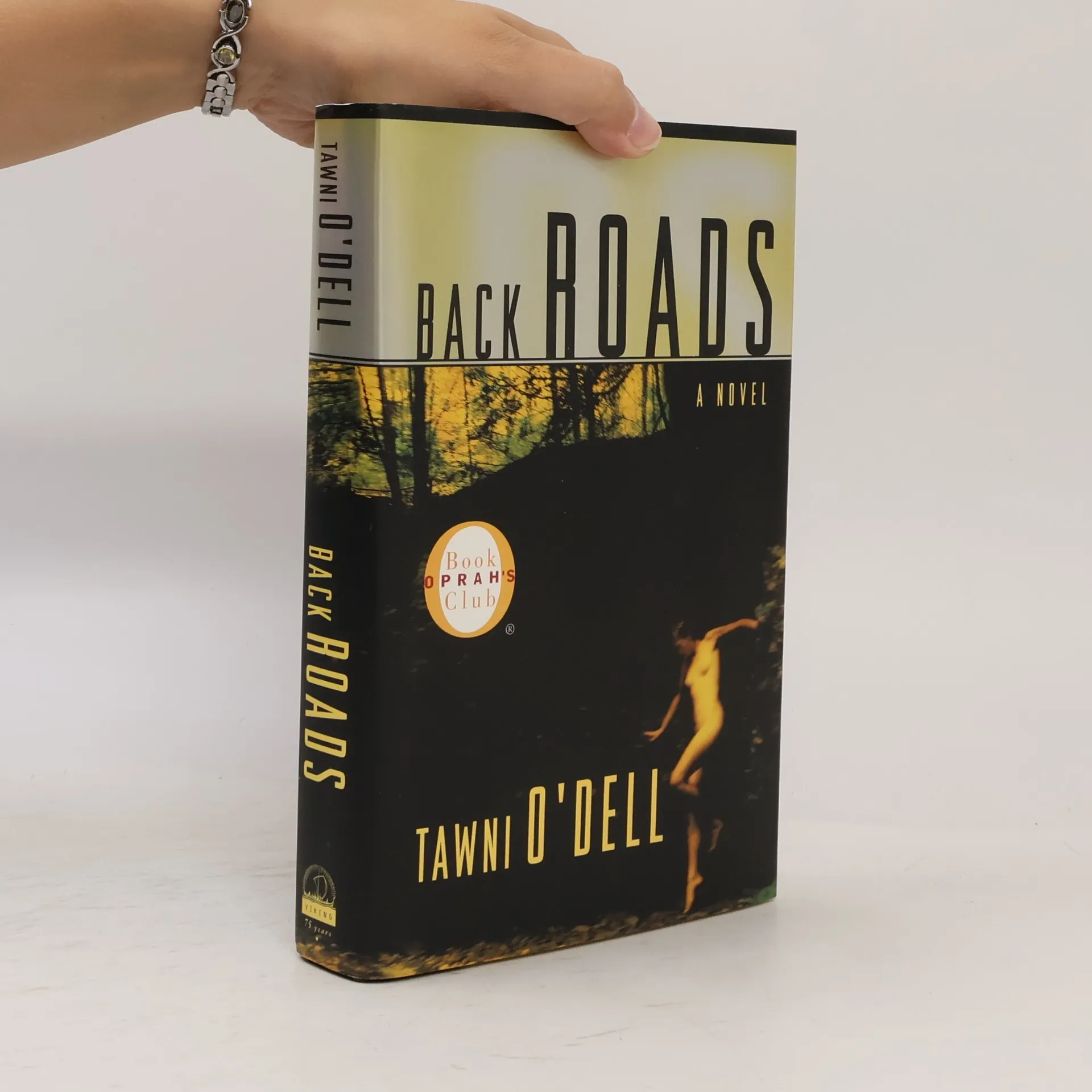
NOW A MAJOR MOTION PICTURE Funny and heartbreaking, this New York Times bestselling debut perfectly captures the maddening confusion of adolescence and the prickly nature of family with irony and unerring honesty. Harley Altmyer should be in college having the time of his life. He should be free from the backwards Pennsylvania coal town he calls home, with its lack of jobs and no sense of humor. Instead, he’s constantly reminded of just how messed up everything is... Harley’s mother is in prison for killing his father, so he’s in charge of bringing up his younger sisters and working two jobs to pay the bills—and that doesn’t leave a lot of time for distractions. But lately, he’s getting more and more sidetracked by lusting after Callie Mercer, his middle-aged neighbor. As he struggles to keep it together, things begin to spin out of control. Soon Harley finds that as shattered as his family is, there are still more crushing surprises in store. “In Harley, O’Dell has created a hero who’s heartbreakingly believable; like Holden Caulfield, he uses caustic humor to hide his pain. Readers will care very much about him and his future, if indeed he has one.”—St. Petersburg Times