

Arturo Escobar presents a new vision of design theory by arguing for the creation of what he calls autonomous design-a design practice aimed at channeling design's world-making capacity toward ways of being and doing that are deeply attuned to justice and the Earth.
Arturo Escobar Ordine dei libri (cronologico)
Arturo Escobar è un antropologo il cui lavoro approfondisce le teorie dell'essere e del corpo, così come le teorie sulla società e la politica. La sua scrittura è caratterizzata da un profondo interesse per come corpi ed essere interagiscono con i processi politici e sociali. Escobar esamina il cambiamento sociale attraverso un'analisi critica delle politiche e dei movimenti sociali.
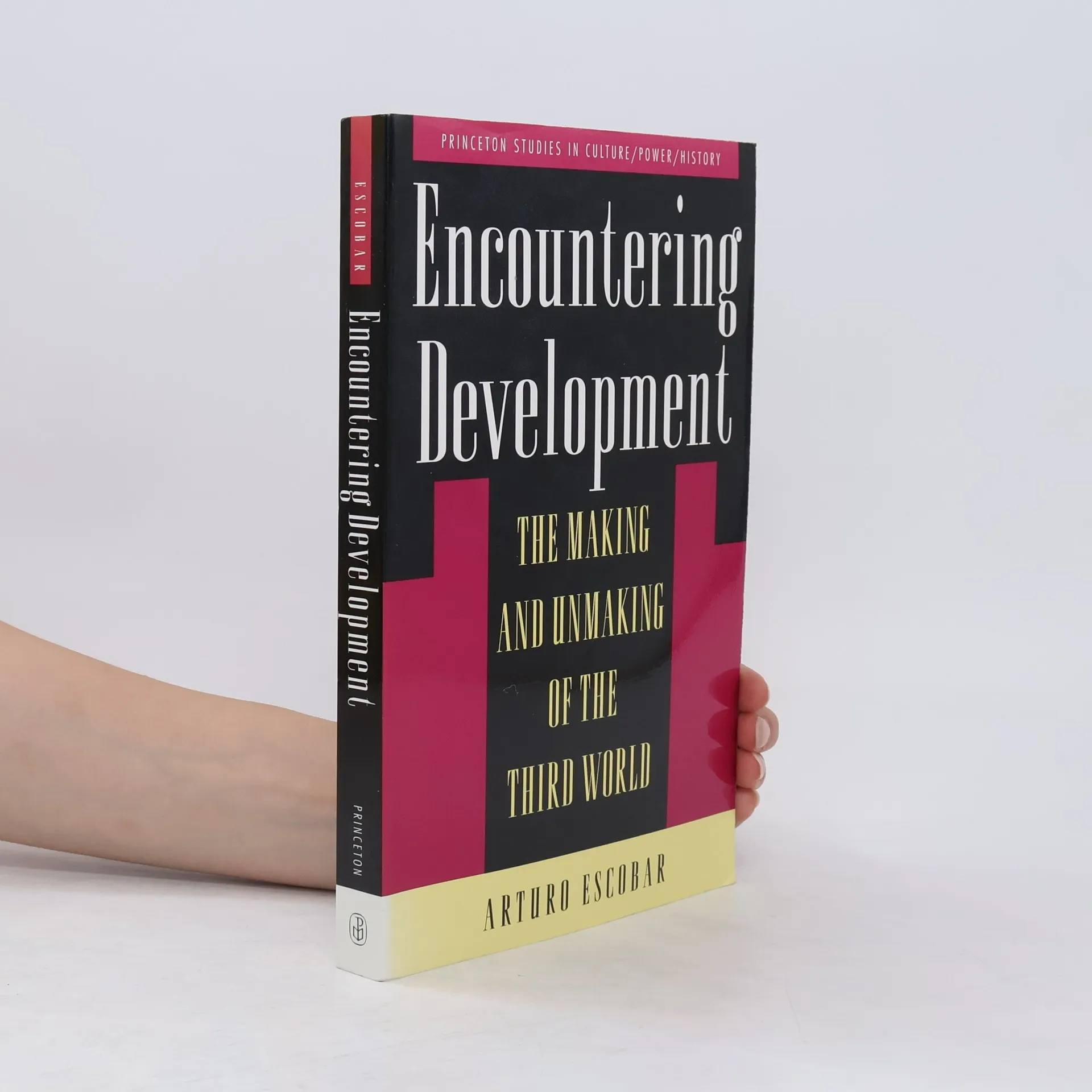
Encountering Development
The Making and Unmaking of the Third World
How did the industrialized nations of North America and Europe come to be seen as the appropriate models for post-World War II societies in Asia, Africa, and Latin America? How did the postwar discourse on development actually create the so-called Third World? And what will happen when development ideology collapses? To answer these questions, Arturo Escobar shows how development policies became mechanisms of control that were just as pervasive and effective as their colonial counterparts. The development apparatus generated categories powerful enough to shape the thinking even of its occasional critics while poverty and hunger became widespread. Development was not even partially deconstructed until the 1980s, when new tools for analyzing the representation of social reality were applied to specific Third World cases. Here Escobar deploys these new techniques in a provocative analysis of development discourse and practice in general, concluding with a discussion of alternative visions for a postdevelopment era.Escobar emphasizes the role of economists in development discourse--his case study of Colombia demonstrates that the economization of food resulted in ambitious plans, and more hunger. To depict the production of knowledge and power in other development fields, the author shows how peasants, women, and nature became objects of knowledge and targets of power under the gaze of experts.