

What kinds of knowledge do international relations theories seek? How do they search for it and claim to have found it? Lebow uses his answers to these questions to say something important about the theory project in IR, and in the social sciences more generally.
Richard N. Lebow Libri
24 aprile 1942


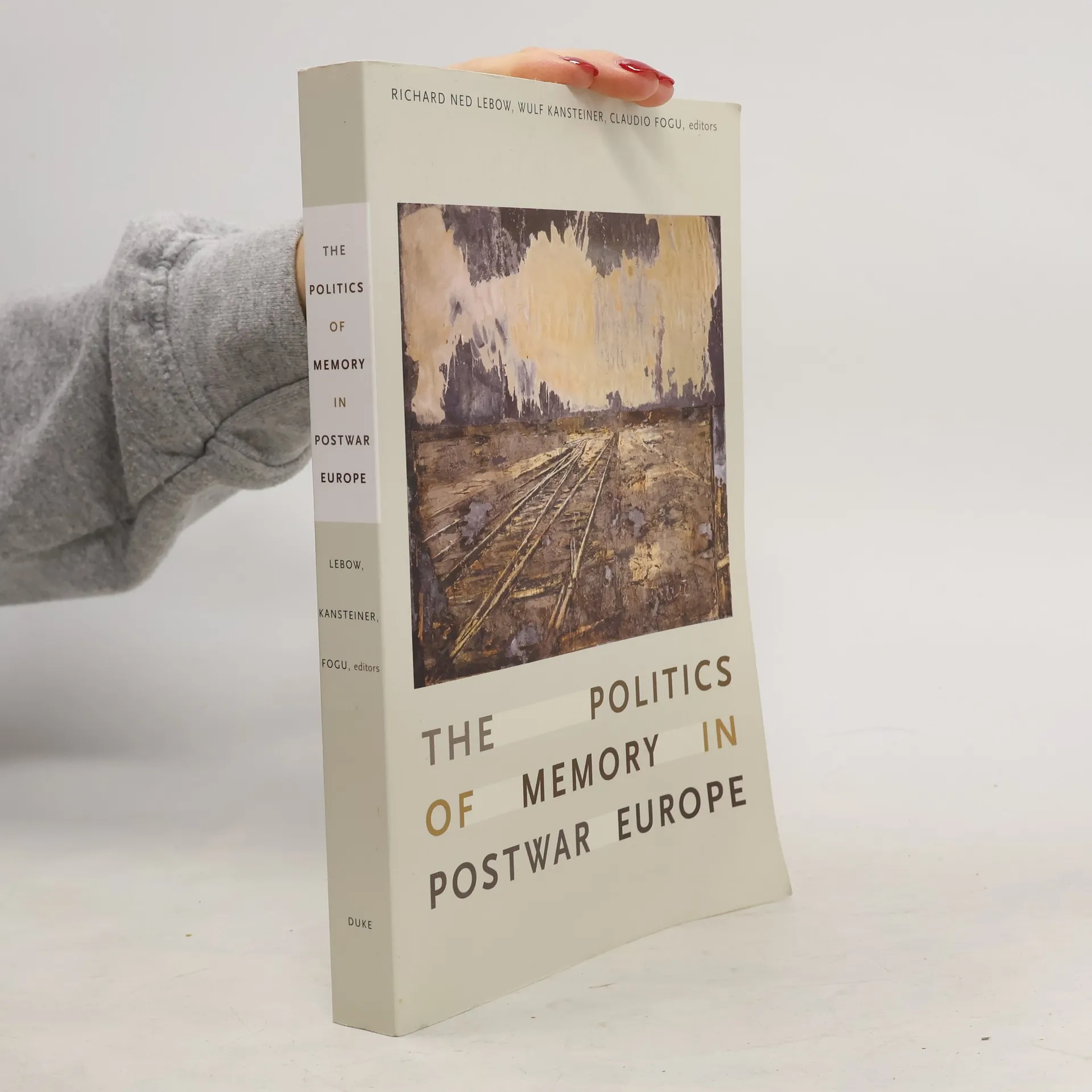
The Politics of Memory in Postwar Europe
- 384pagine
- 14 ore di lettura
For sixty years, various European groups have interpreted World War II and their nations' roles in ways that align with their political and psychological needs. This ongoing conflict over historical narratives has manifested in film, memoirs, court cases, and textbooks, significantly impacting democratization and relations among neighboring countries. This collection offers a comparative case study of how memories of World War II have been shaped and altered in seven countries: France, Germany, Austria, Switzerland, Poland, Italy, and the USSR (Russia). Scholars from diverse fields such as history, literature, political science, psychology, and sociology contribute essays that highlight each nation’s unique postwar memories. The use of similar analytical frameworks allows for meaningful comparisons. An extensive introduction reflects on the importance of these memories, while a conclusion analyzes their implications for memory studies. Notably, the period between the late 1960s and mid-1980s emerged as one of significant change in the politics of memory across all seven nations. The contributors reveal that Europeans primarily view World War II through distinct national lenses, which vary widely. These memories have crucial implications for the democratization of Central and Eastern Europe and the consolidation of the European Union, clarifying how they are formed and institutionalized.
The updated edition features three substantial new chapters, including a prologue and an epilogue, alongside fresh insights on World War I. It retains the influential typology of international crises and critiques of deterrence, while emphasizing agency and incorporating political psychology to analyze irrational policy-making. The new content reevaluates previous arguments, offering a critical assessment in light of developments following the Cold War, making it a vital resource for understanding contemporary international relations.
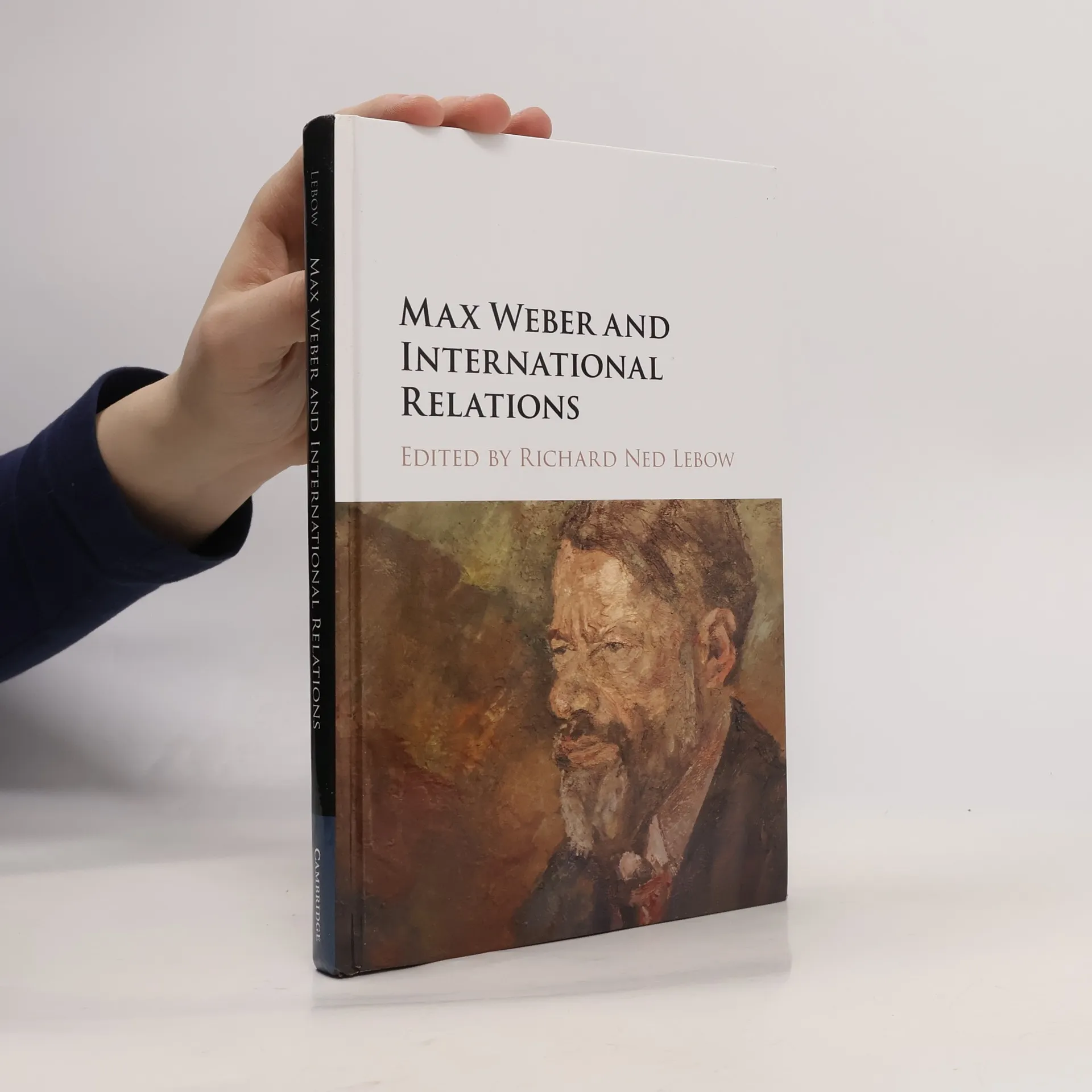
Max Weber and International Relations
- 208pagine
- 8 ore di lettura
Max Weber explored the political, epistemological and ethical problems of modernity, and understood how closely connected they were. His efforts are imaginative, sophisticated, even inspiring, but also flawed. Weber's epistemological successes and failures highlight unresolvable tensions that are just as pronounced today and from which we have much to learn. This edited collection of essays offers novel readings of Weber's politics, approach to knowledge, rationality, counterfactuals, ideal types, power, bureaucracy, the state, history, and the non-Western world. The conclusions look at how some of his prominent successors have addressed or finessed the tensions of the epistemological between subjective values and subjective knowledge; the sociological between social rationalization and irrational myths; the personal among conflicting values; the political between the kinds of leaders democracies select and the national tasks that should be performed; and the tragic between human conscience and worldly affairs.
Drawing on recently declassified documents and extensive interviews with Soviet and American policy-makers, among them several important figures speaking for public record for the first time, Ned Lebow and Janice Stein cast new light on the effect of nuclear threats in two of the tensest moments of the Cold War: the Cuban Missile Crisis of 1962 and the confrontations arising out of the Arab-Israeli war of 1973. They conclude that the strategy of deterrence prolonged rather than ended the conflict between the superpowers.