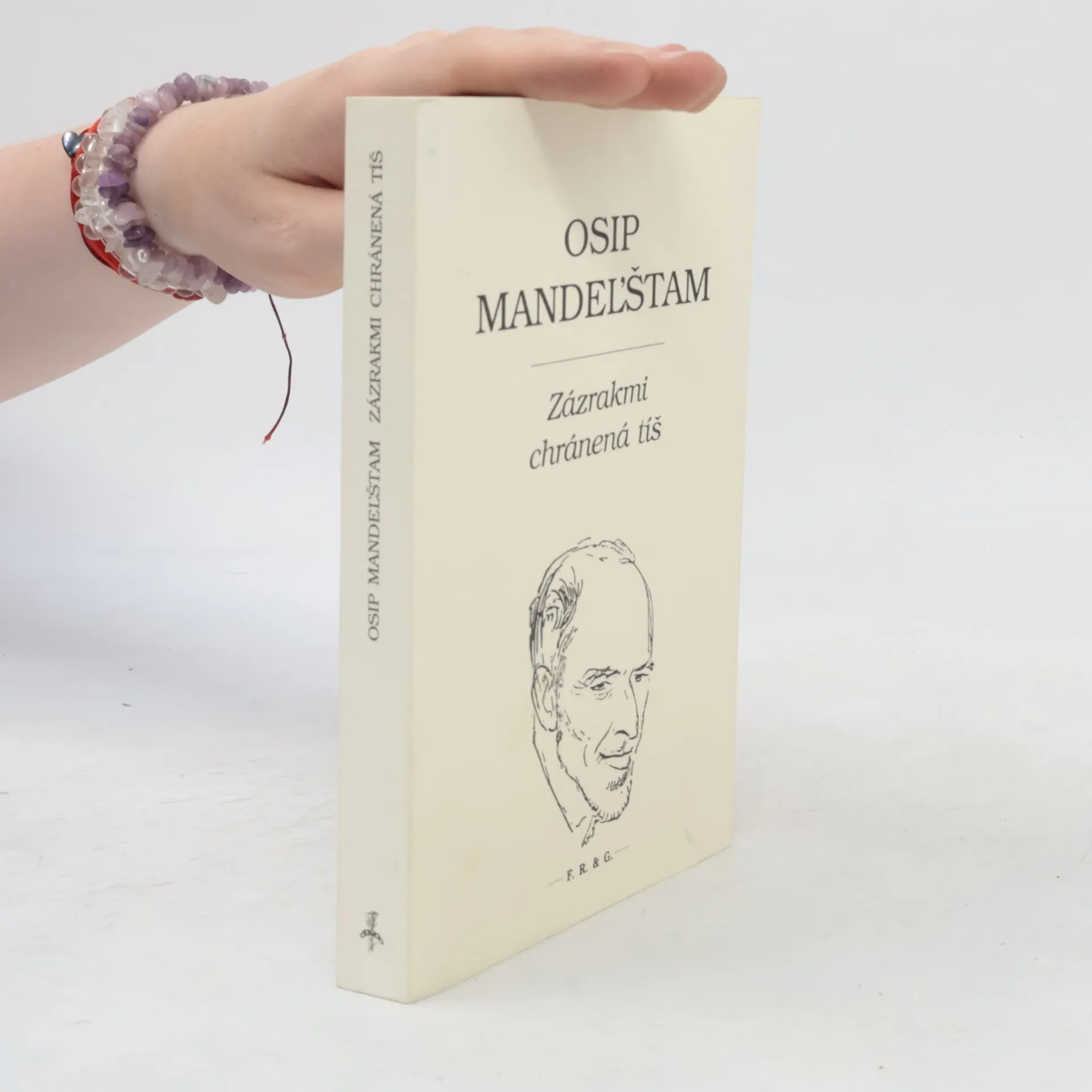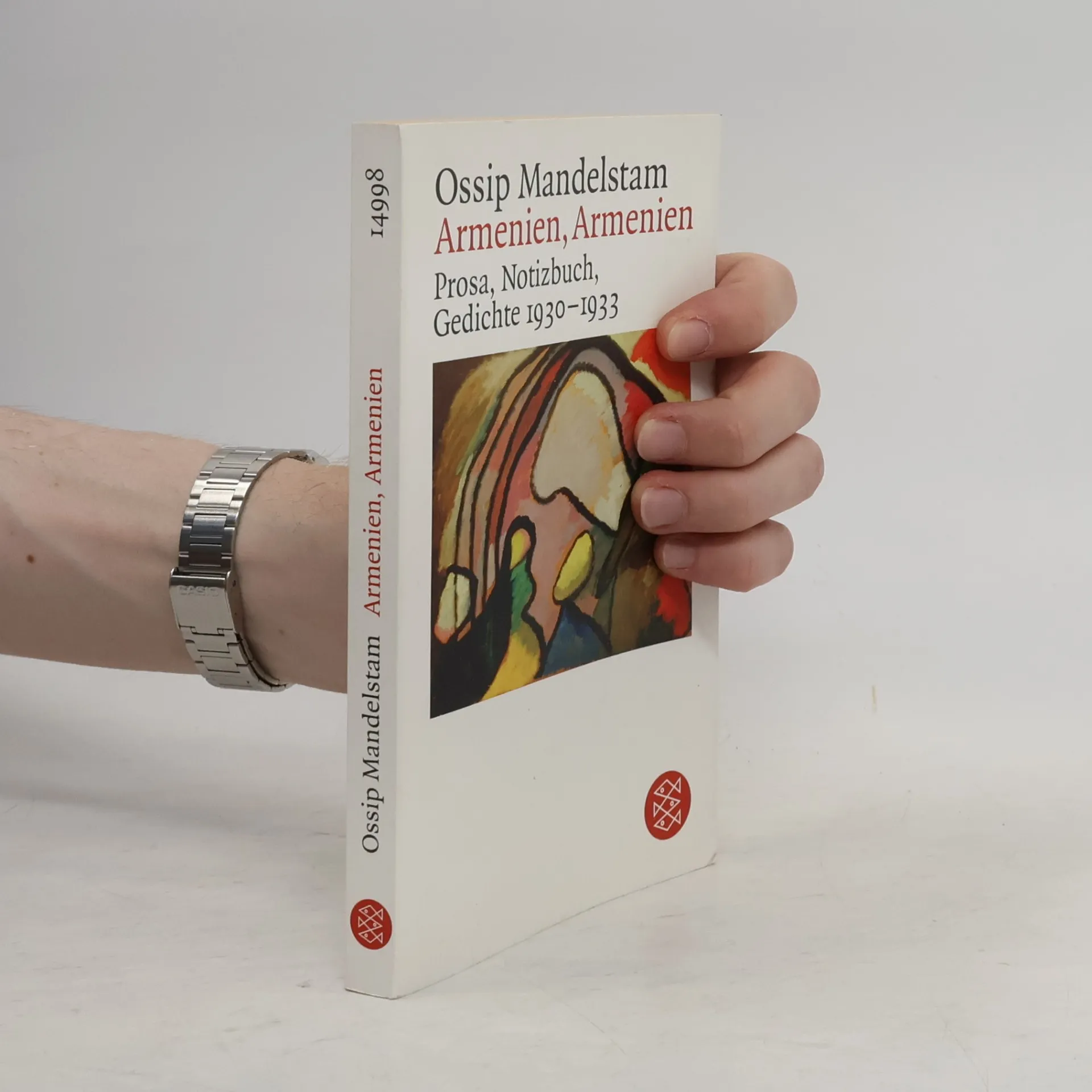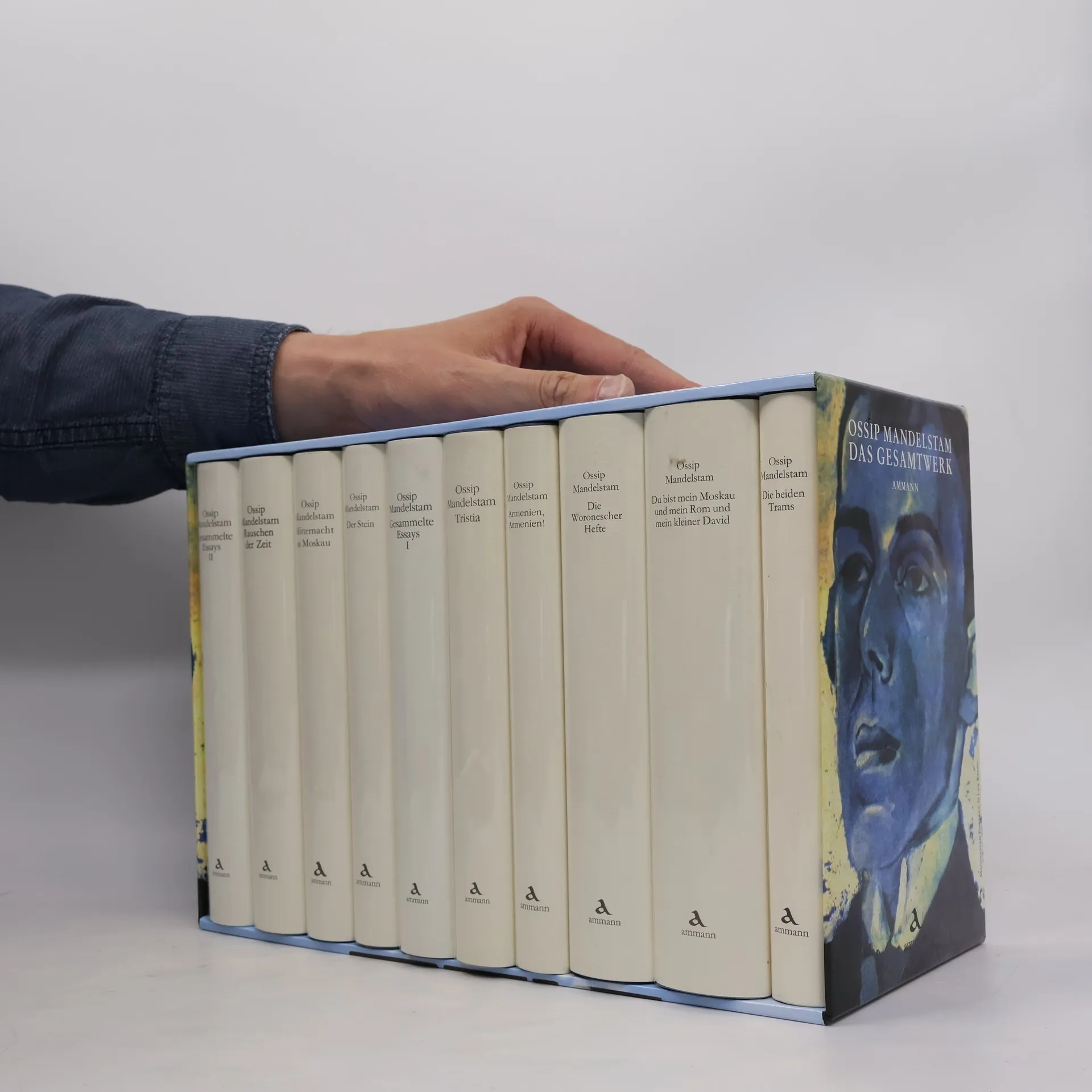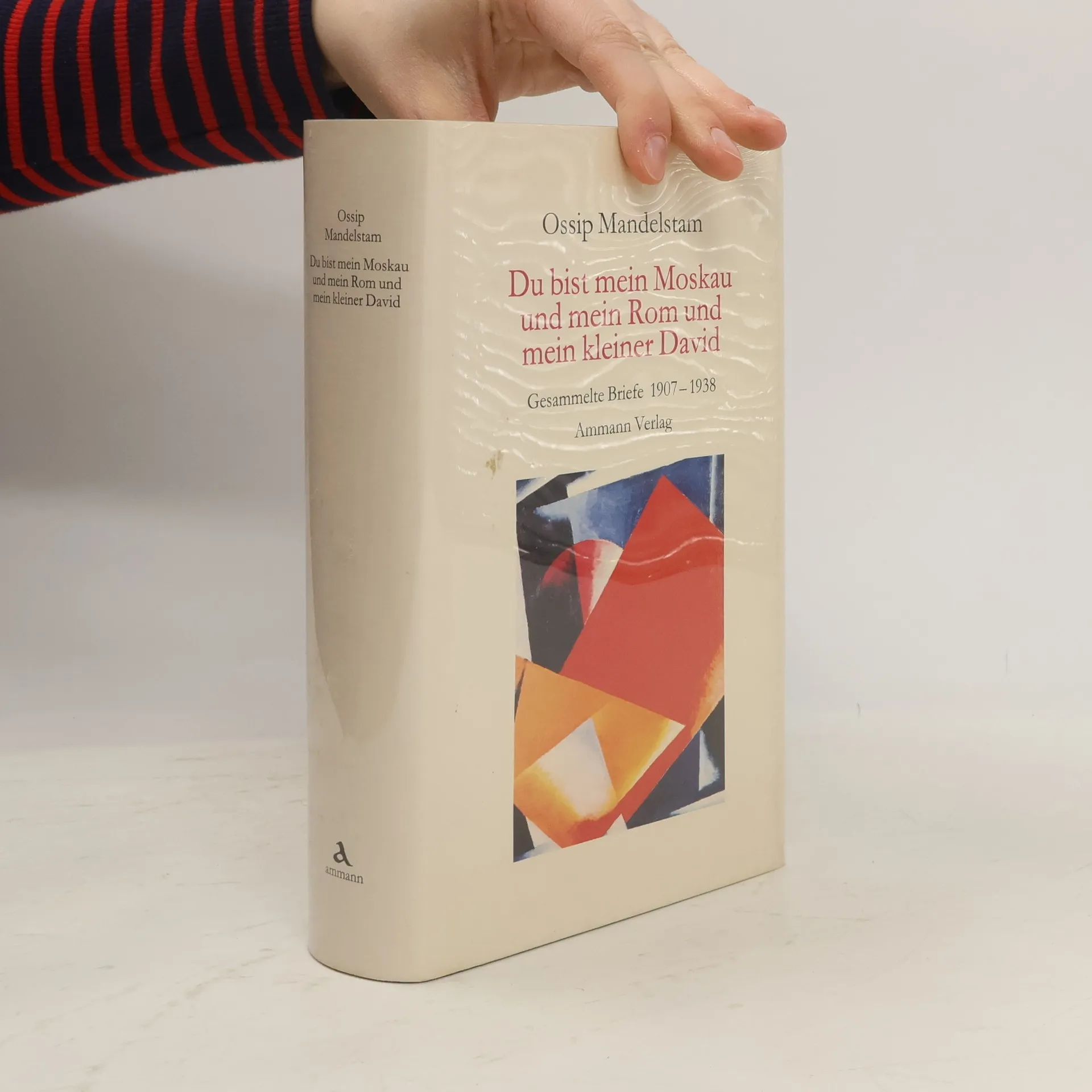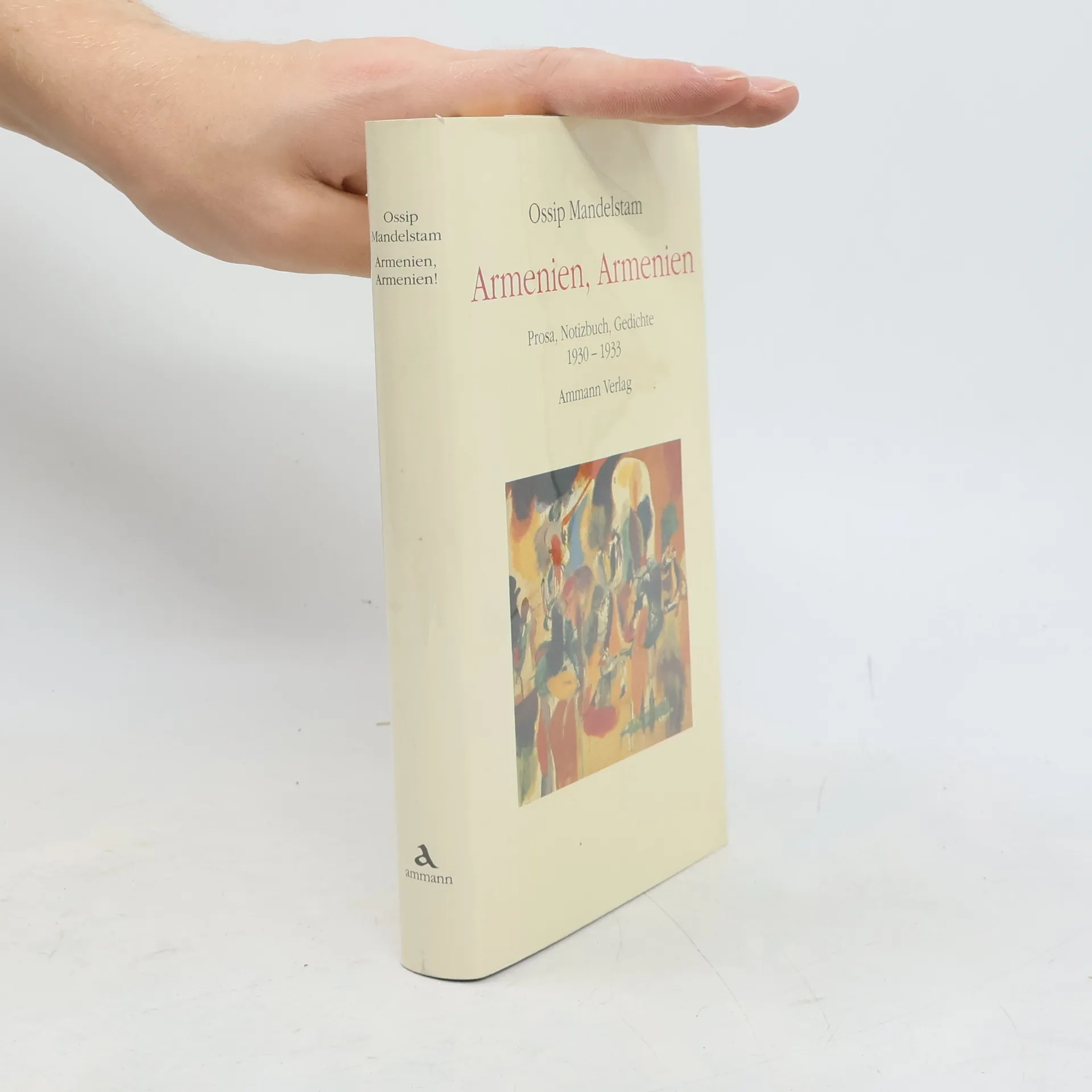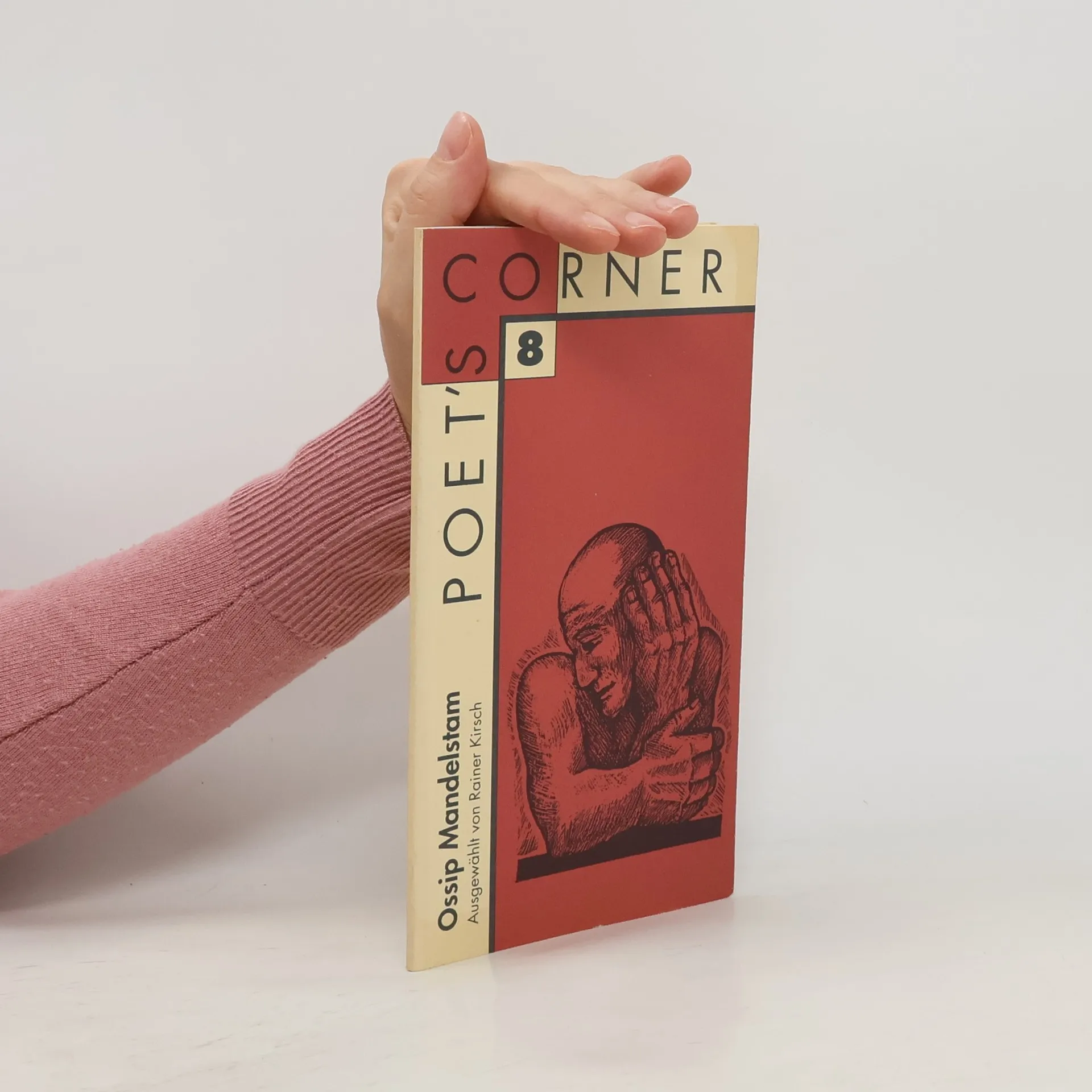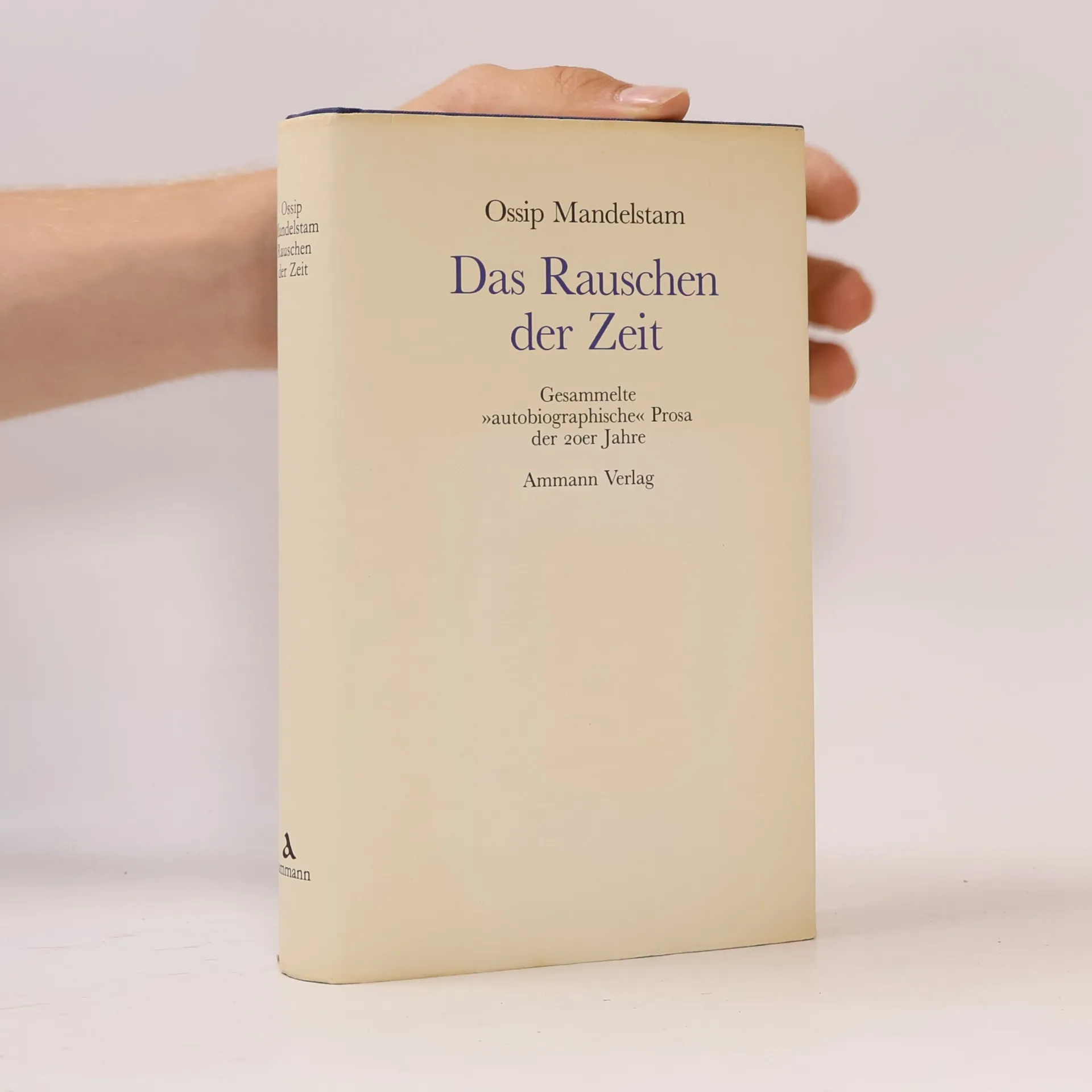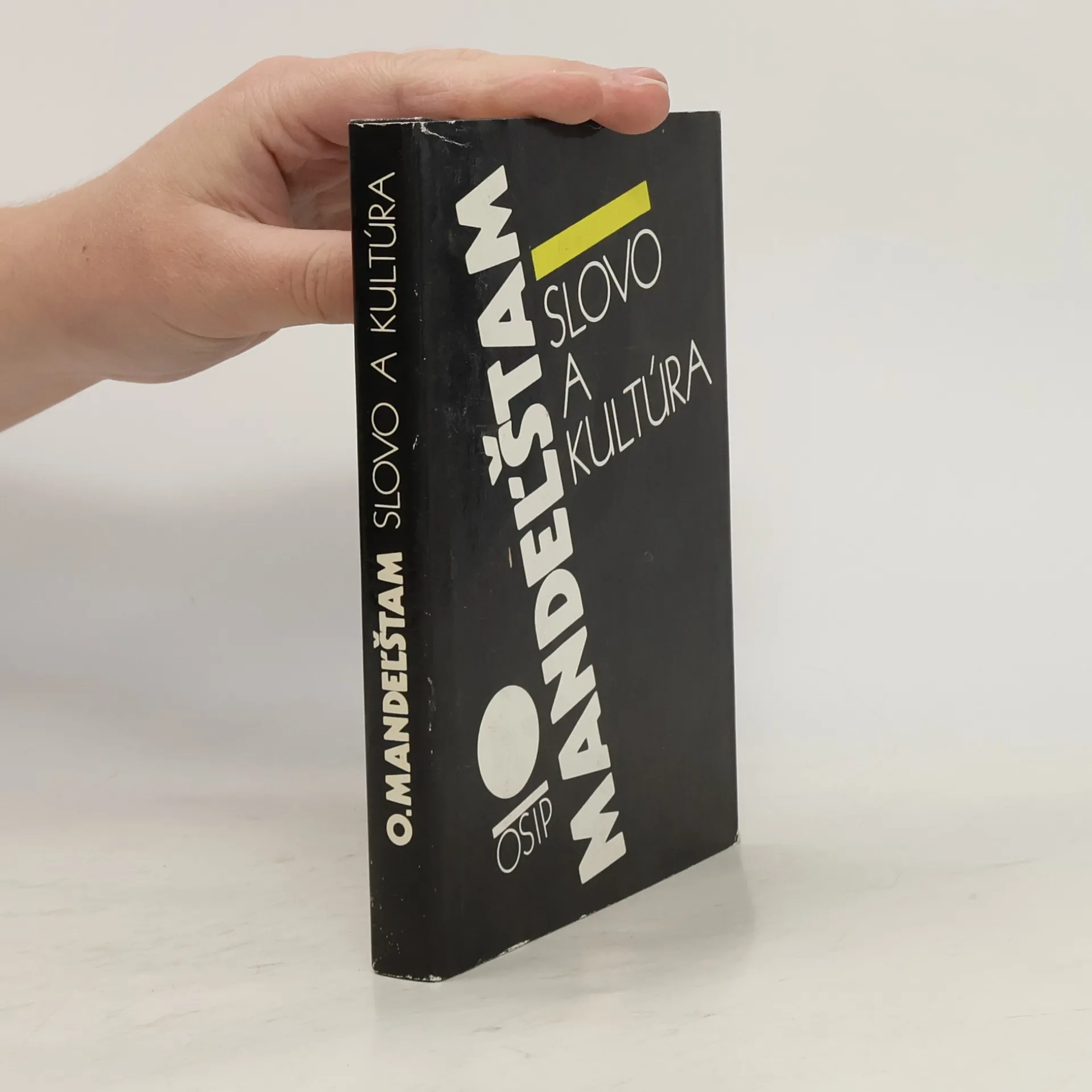
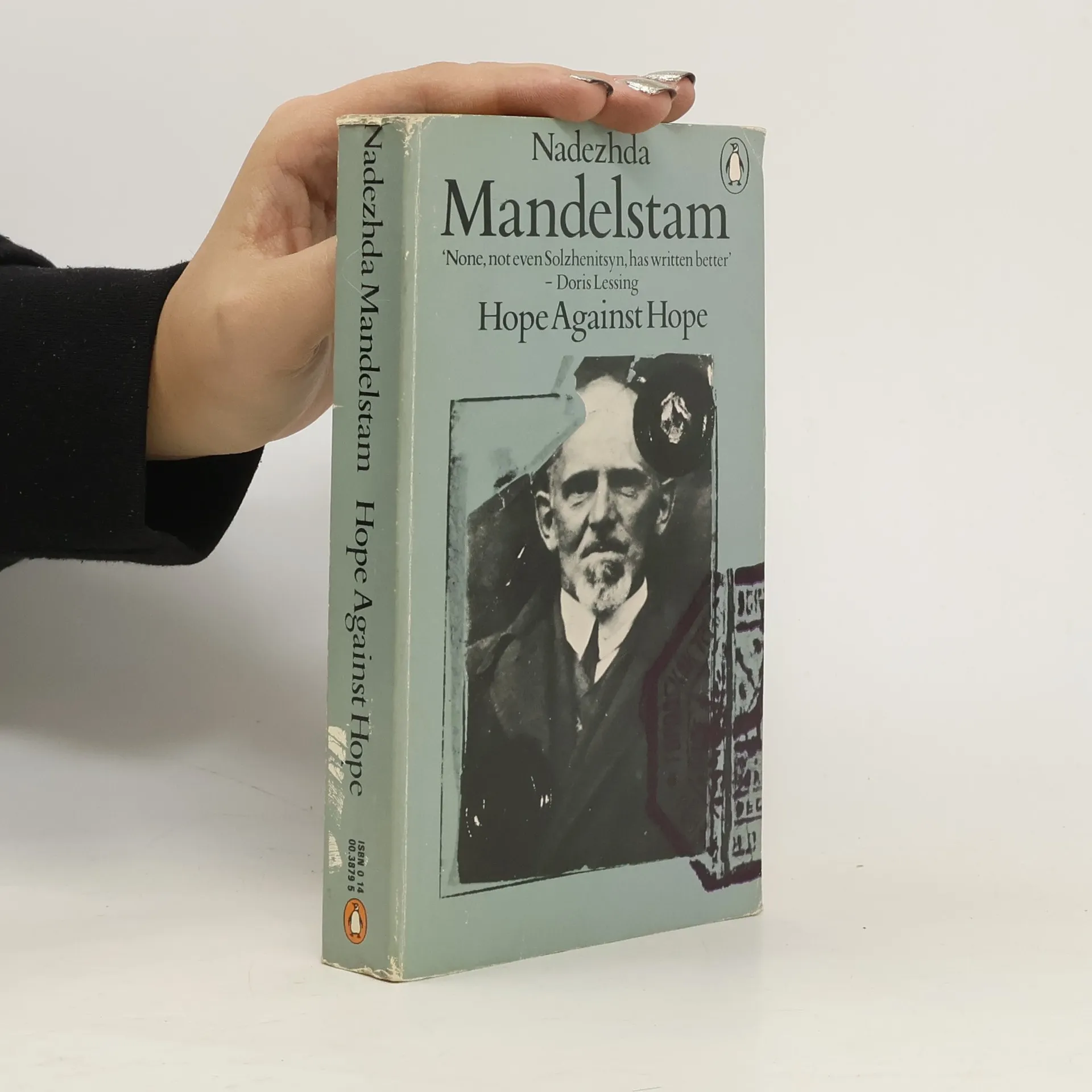
Osip Mandelstam fu un eminente poeta e saggista russo, riconosciuto come figura di spicco del movimento Acmeista. La sua opera è caratterizzata da un profondo impegno con il linguaggio, la cultura e la storia, attingendo spesso alle tradizioni classiche. Nonostante abbia subito repressioni ed esilio interno durante l'era sovietica, la sua scrittura testimonia la resilienza dell'espressione artistica di fronte alle avversità. La sua poesia è celebrata per la sua profondità intellettuale, concisione e potente immaginario.
This collection includes four unique poetry pamphlets from Spring 2014, showcasing a diverse range of themes and styles. Each pamphlet highlights the distinct voice of its featured poet, offering readers an opportunity to explore fresh perspectives and innovative expressions in contemporary poetry. Ideal for poetry enthusiasts seeking to discover new talents, this pack represents a vibrant snapshot of the poetic landscape during that season.
Osip Mandelstam's second collection of poems, Tristia, astonished Russian readers in 1922 with its daring verse forms and meditations on revolution, exile, death and rebirth. Thomas de Waal's new translation gives English-language reader the chance to experience the entire collection for the first time.
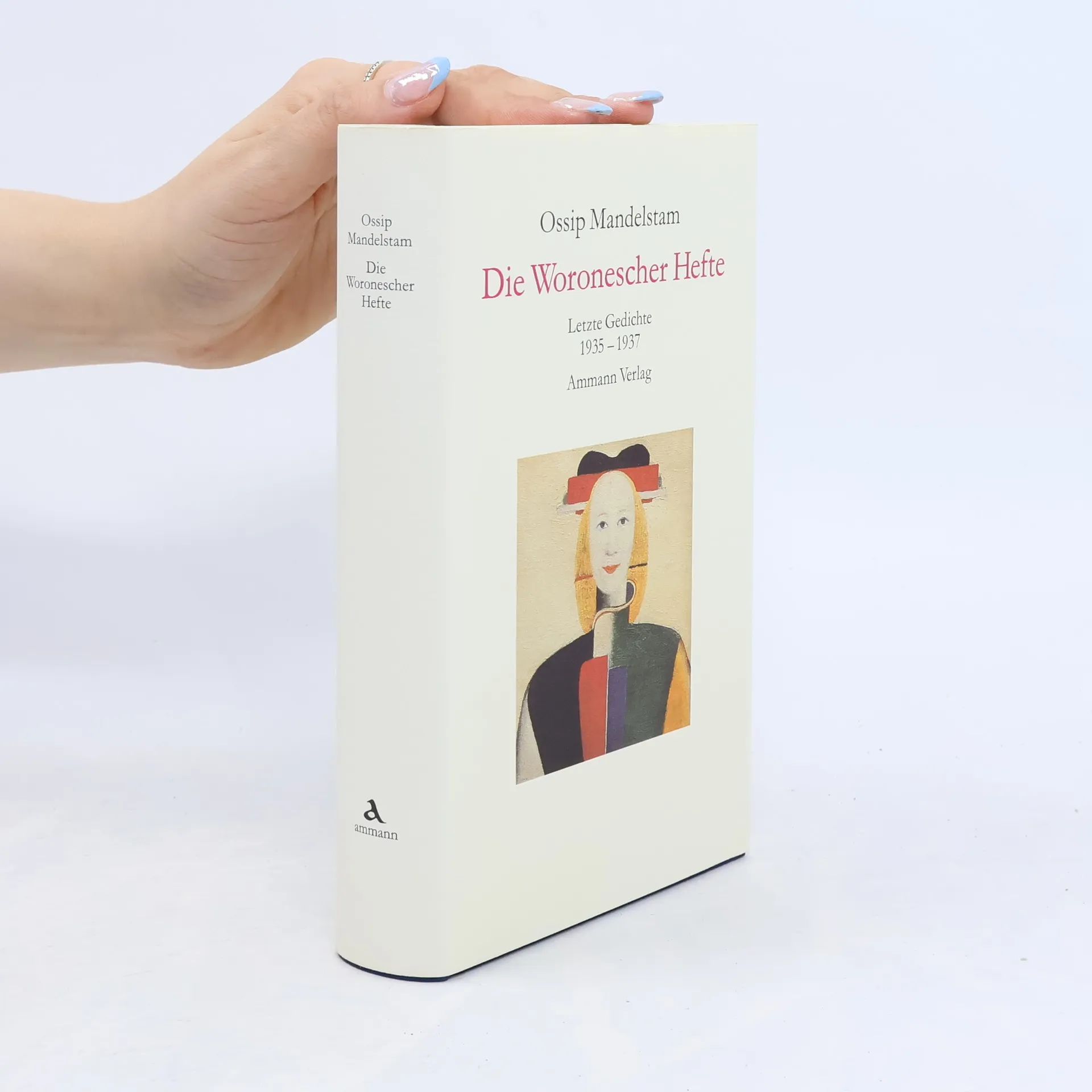
The ninety-odd poems Mandelstam wrote in Voronezh are the pinnacle of his poetic achievement, bearing witness to his consistent independence of mind and concern for the freedom of thought.
The introduction and translated poems of Mandelstam within are the gold-
standard for critics and readers who don't know Russian. They expertly
illuminate other Mandelstam translations, not replacing them, but rather
allowing for a better understanding of what they specifically contribute.
Осип Мандельштам (1891–1938) — одна из ключевых фигур русской культуры XX века, ее совершенно особый и самобытный поэтический голос. «В ремесле словесном я ценю только дикое мясо, только сумасшедший нарост», — так определял Мандельштам особенность своей прозы с ее афористичной, лаконичной, плотной языковой тканью.
Osip Mandelstam is a central figure not only in modern Russian but in world poetry, the author of some of the most haunting and memorable poems of the twentieth century. A contemporary of Anna Akhmatova, Marina Tsvetayeva, and Boris Pasternak, a touchstone for later masters such as Paul Celan and Robert Lowell, Mandelstam was a crucial instigator of the "revolution of the word" that took place in St. Petersburg, only to be crushed by the Bolshevik Revolution. Mandelstam's last poems, written in the interval between his exile to the provinces by Stalin and his death in the Gulag, are an extraordinary testament to the endurance of art in the presence of terror. This book represents a collaboration between the scholar Clarence Brown and W. S. Merwin, one of contemporary America's finest poets and translators. It also includes Mandelstam's "Conversation on Dante," an uncategorizable work of genius containing the poet's deepest reflections on the nature of the poetic process.