Six essays dealing with the relationship of mystical experience to ordinary life.
Watts Alan W. Ordine dei libri (cronologico)
Alan Watts fu un filosofo britannico, rinomato per aver interpretato e reso popolari le filosofie asiatiche per un pubblico occidentale. La sua vasta opera, composta da oltre 25 libri e numerosi articoli, esplora temi profondi come l'identità personale, la natura della realtà, la coscienza superiore e il senso della vita. Watts intrecciò magistralmente le sue intuizioni con la conoscenza scientifica e la saggezza delle tradizioni religiose e filosofiche orientali e occidentali. Il suo approccio distintivo incoraggia i lettori a mettere in discussione le nozioni convenzionali e a esplorare nuove prospettive.
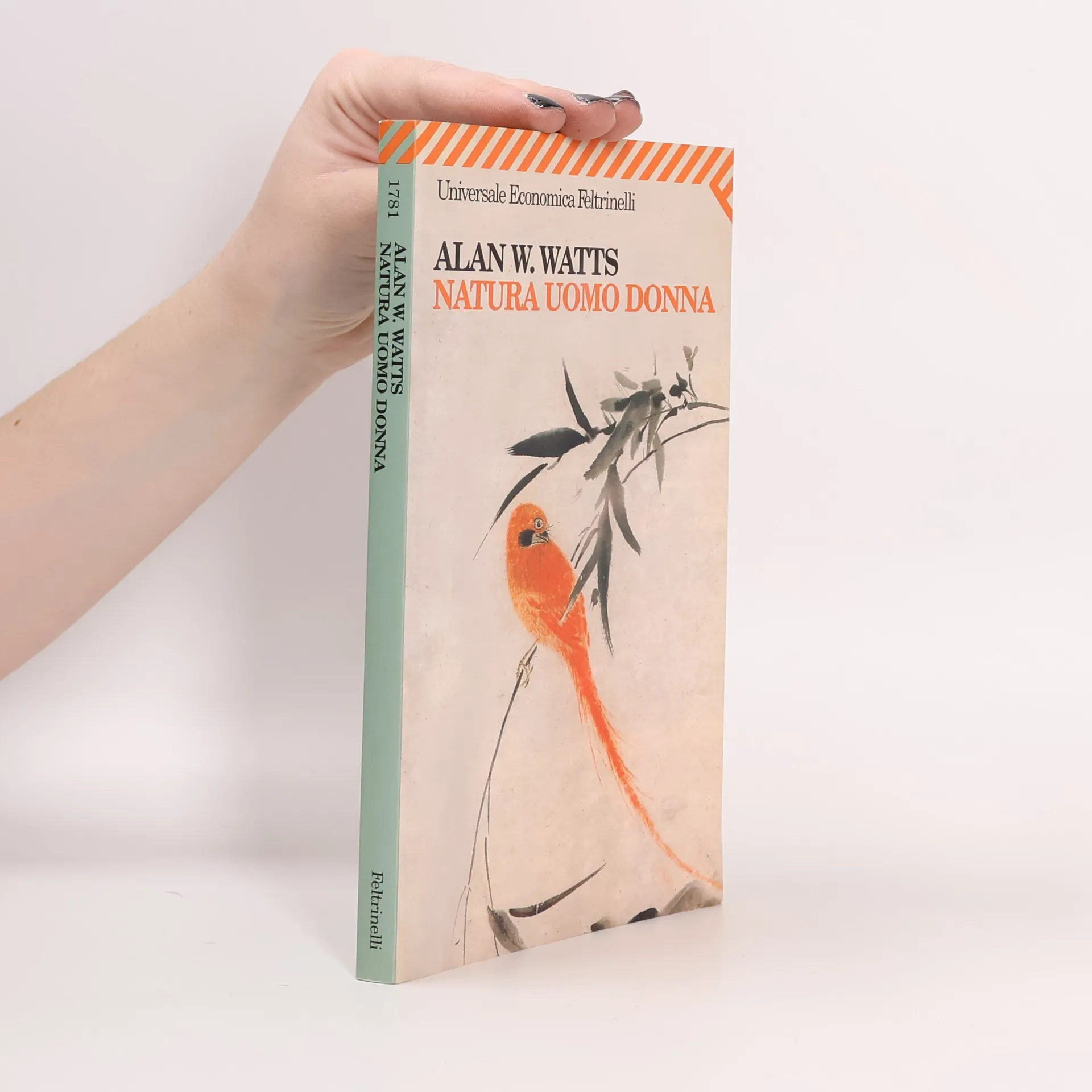

Natura uomo donna
- 207pagine
- 8 ore di lettura
A provocative, enduring work that reexamines humanity's place in the natural world--& the spirit's relation to the flesh--in the light of Chinese Taoism. That human beings stand separate from a nature that must be controlled, that the mind is somehow superior to the body & that all sexuality entails a seduction--a danger & a problem--are all assumptions upon which much of Western thought & culture is based. All of them in some way underlie our exploitation of the earth, distrust of emotion, loneliness & reluctance to love. Few books have challenged those assumptions as directly as this erudite & engaging work by the author of The Way of Zen. Drawing on the precepts of Taoism, Watts offers an alternative vision of humans & the universe--one in which the distinctions between self & other, spirit & matter give way to a more holistic way of seeing. Nature, Man & Woman is a book of elegance & far-reaching implication--one of those rare texts that can change the way we think, feel & love.
Become What You Are
- 192pagine
- 7 ore di lettura
Renowned lecturer and author Alan Watts presents his meditations on the dilemma of seeking your true self. In this collection of writings, Alan Watts displays the intelligence, playfulness of thought, and simplicity of language that has made him so perennially popular as an interpreter of Eastern thought for Westerners. Drawing on a variety of religious traditions, he presents the dilemma of seeking your true self—to “become what you are.” Once called “the godfather of Zen in America,” Watts also covers topics such as the challenge of seeing one’s life “just as it is,” the Taoist approach to harmonious living, the limits of language in the face of ineffable spiritual truth, and psychological symbolism in Christian thought. This book is part of the Shambhala Pocket Library series. The Shambhala Pocket Library is a collection of short, portable teachings from notable figures across religious traditions and classic texts. The covers in this series are rendered by Colorado artist Robert Spellman. The books in this collection distill the wisdom and heart of the work Shambhala Publications has published over 50 years into a compact format that is collectible, reader-friendly, and applicable to everyday life.
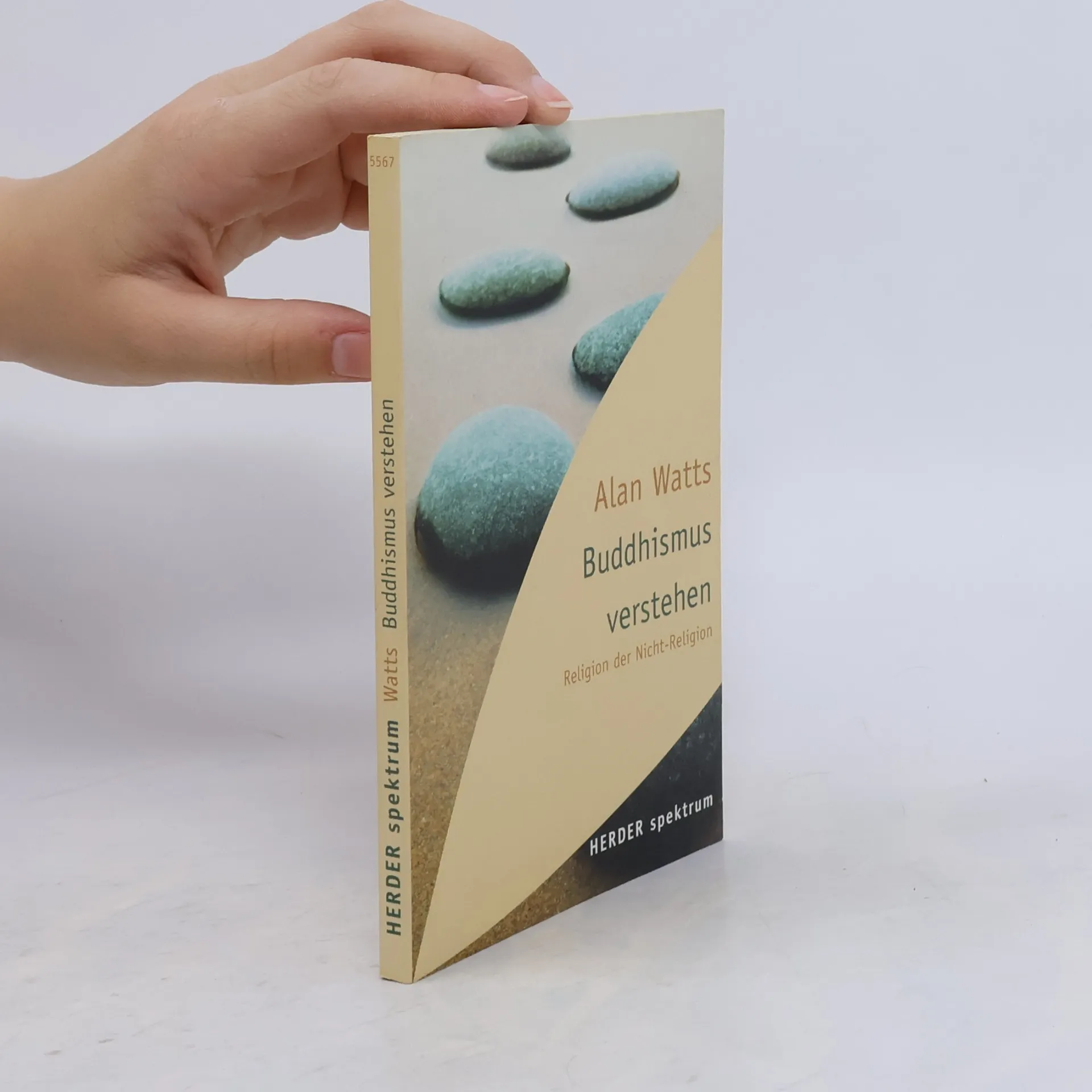
Buddhismus verstehen. Religion der Nicht-Religion
- 127pagine
- 5 ore di lettura
Ein Meisterwerk über den Buddhismus, das Religion als Mittel zur Erfahrung und nicht als Ziel betrachtet. Ideal für Einsteiger und Fortgeschrittene, leicht verständlich und inspirierend.
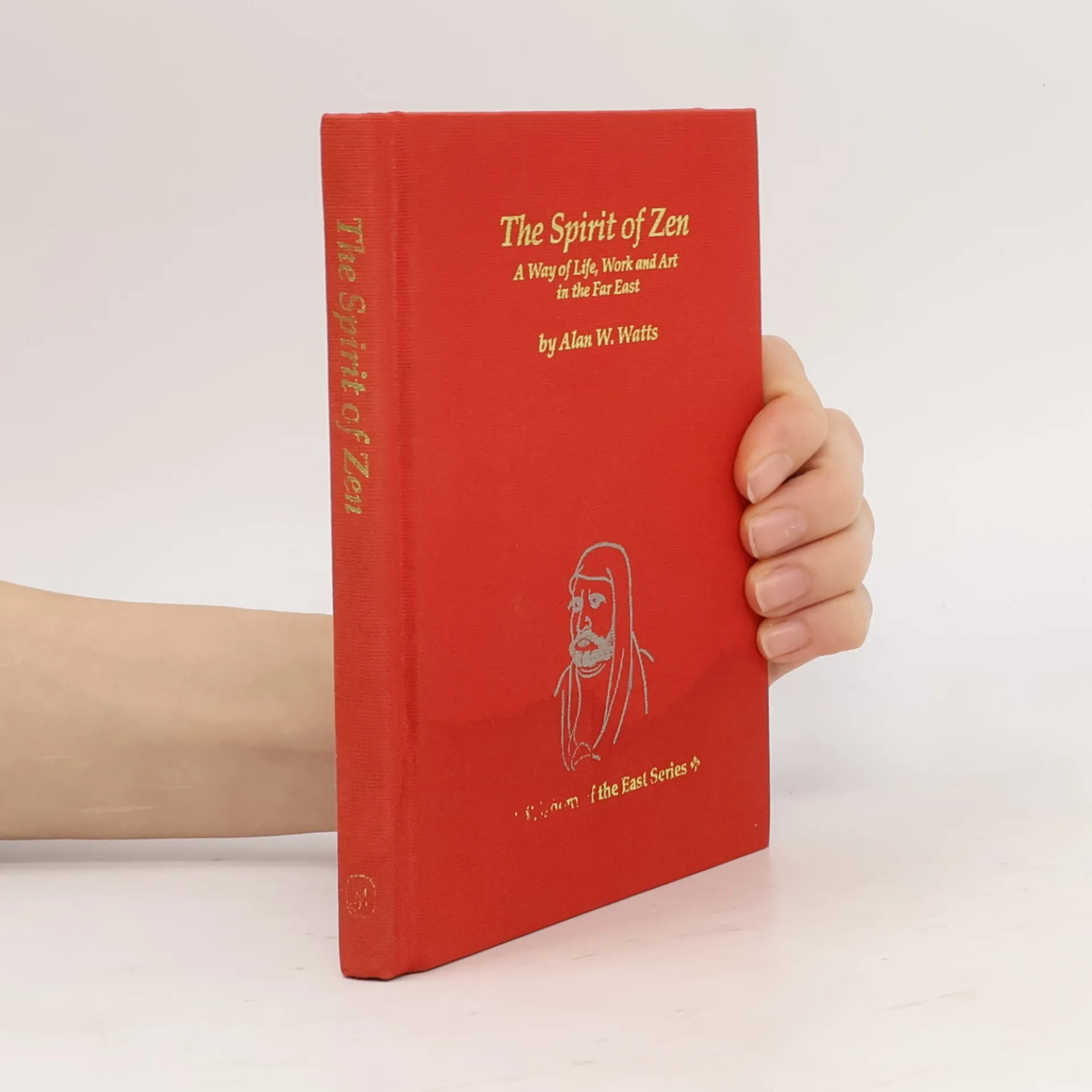
Wisdom of the East: The Spirit of Zen
A Way of Life, Work, and Art in the Far East
- 144pagine
- 6 ore di lettura
Part of a series introducing the wisdom of the East to Western readers, this work offers an exposition of Zen, which although historically an aspect of Buddhism, is itself so vital and elusive (aiming to leave the mind like an open window) that it escapes definition.
“Our main object will be to describe one of the most incomparably beautiful myths that has ever flowered from the mind of man, or from the unconscious processes which shape it and which are in some sense more than man.… This is, furthermore, to be a description and not a history of Christian Mythology.… After description, we shall attempt an interpretation of the myth along the general lines of the philosophia perennis , in order to bring out the truly catholic or universal character of the symbols, and to share the delight of discovering a fountain of wisdom in a realm where so many have long ceased to expect anything but a desert of platitudes.” —from the Prologue
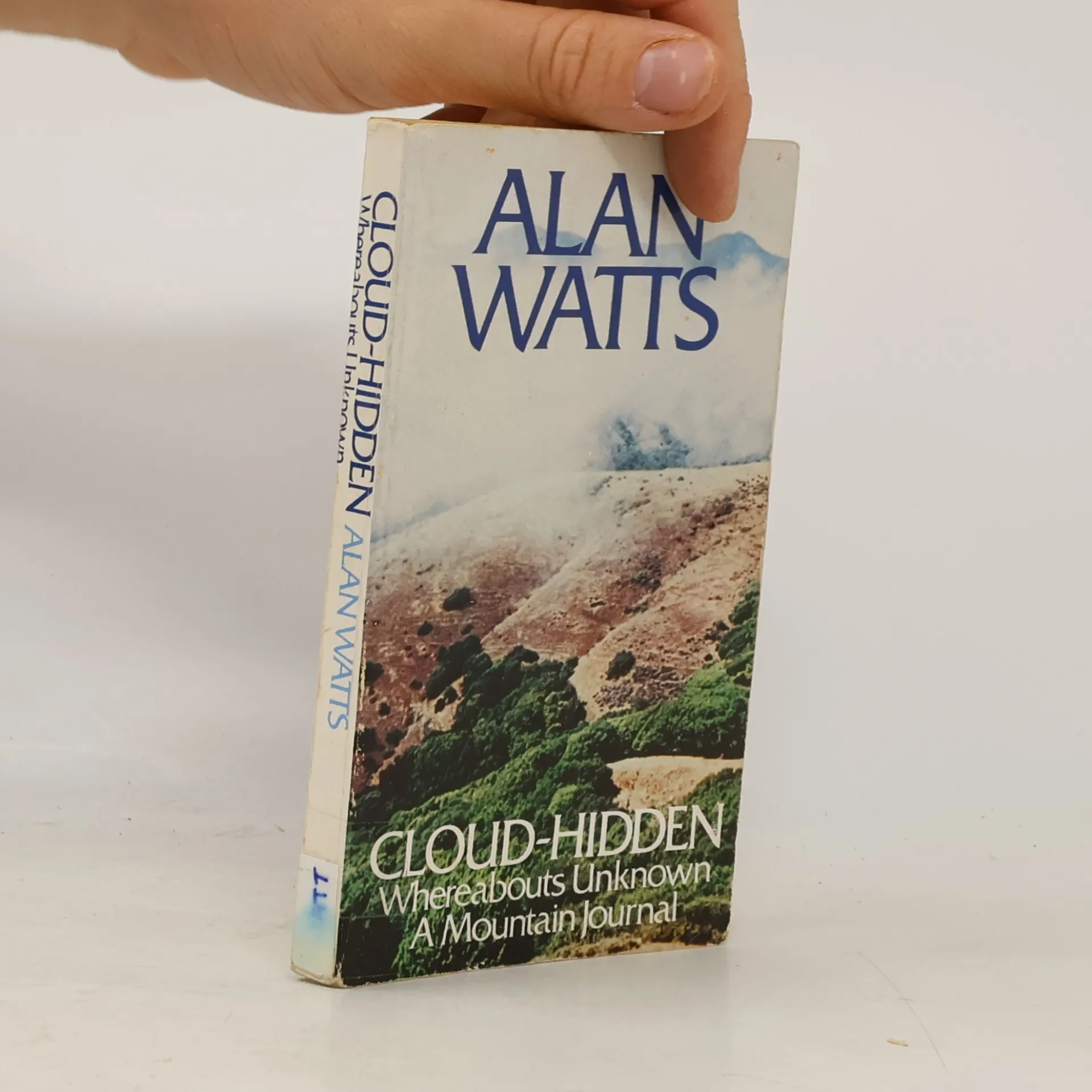
Over the course of nineteen essays, Alan Watts ruminates on the philosophy of nature, ecology, aesthetics, religion, and metaphysics. Assembled in the form of a “mountain journal,” written during a retreat in the foothills of Mount Tamalpais, CA, Cloud-Hidden, Whereabouts Unknown is Watts’s meditation on the art of feeling out and following the watercourse way of nature, known in Chinese as the Tao. Embracing a form of contemplative meditation that allows us to stop analyzing our experiences and start living in to them, the book explores themes such as the natural world, established religion, race relations, karma and reincarnation, astrology and tantric yoga, the nature of ecstasy, and much more.
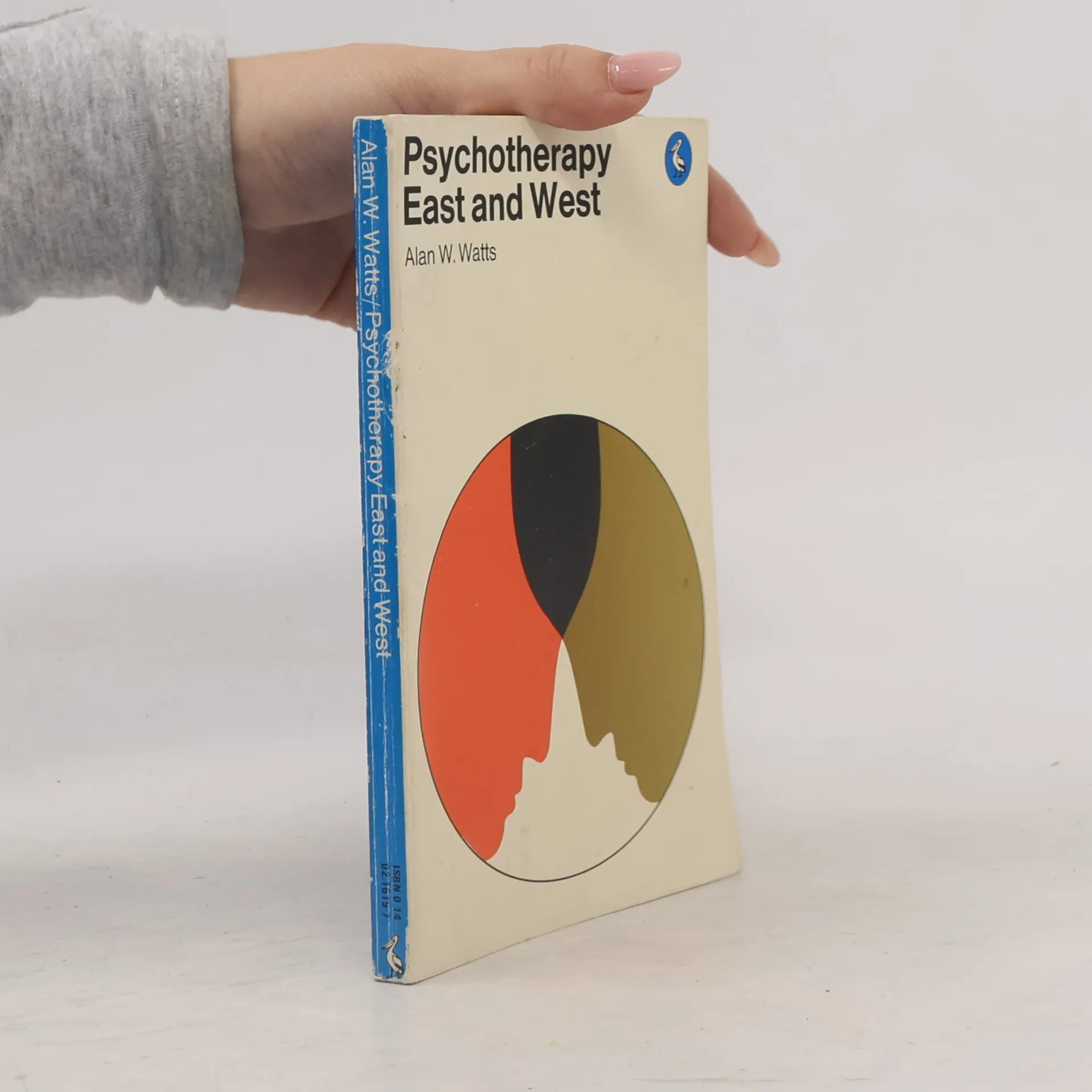
Psychotherapy East and West
- 176pagine
- 7 ore di lettura
What is the common ground between Western psychiatry and Eastern philosophy, and what has each to learn from the other? Alan Watts found a common principle that, intentionally or otherwise, seems to be used wherever therapy is trying to overcome man's false sense of himself as an isolated ego -- an ego that traps him in a perpetual flight from death and loneliness. In varying ways and degrees, both Eastern philosophy and Western psychotherapy engage the individual in experiments that vividly reveal the fallacy of this conception and give him a new feeling of identity.
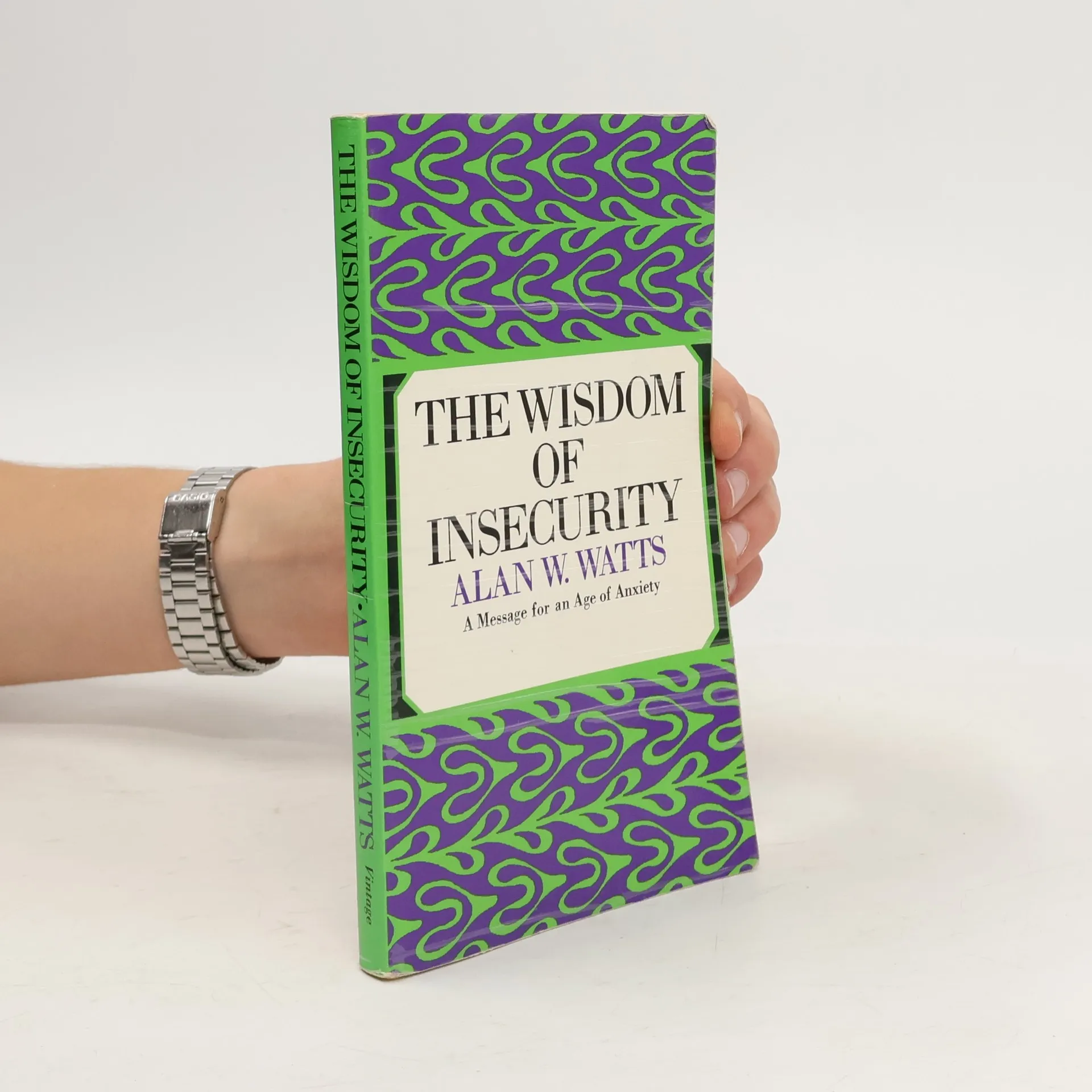
The Wisdom of Insecurity
A Message for an Age of Anxiety
In this fascinating book, Alan Watts explores man's quest for psychological security, examining our efforts to find spiritual and intellectual certainty in the realms of religion and philosophy. The Wisdom of Insecurity underlines the importance of our search for stability in an age where human life seems particularly vulnerable and uncertain. Watts argues our insecurity is the consequence of trying to be secure and that, ironically, salvation and sanity lie in the recognition that we have no way of saving ourselves.
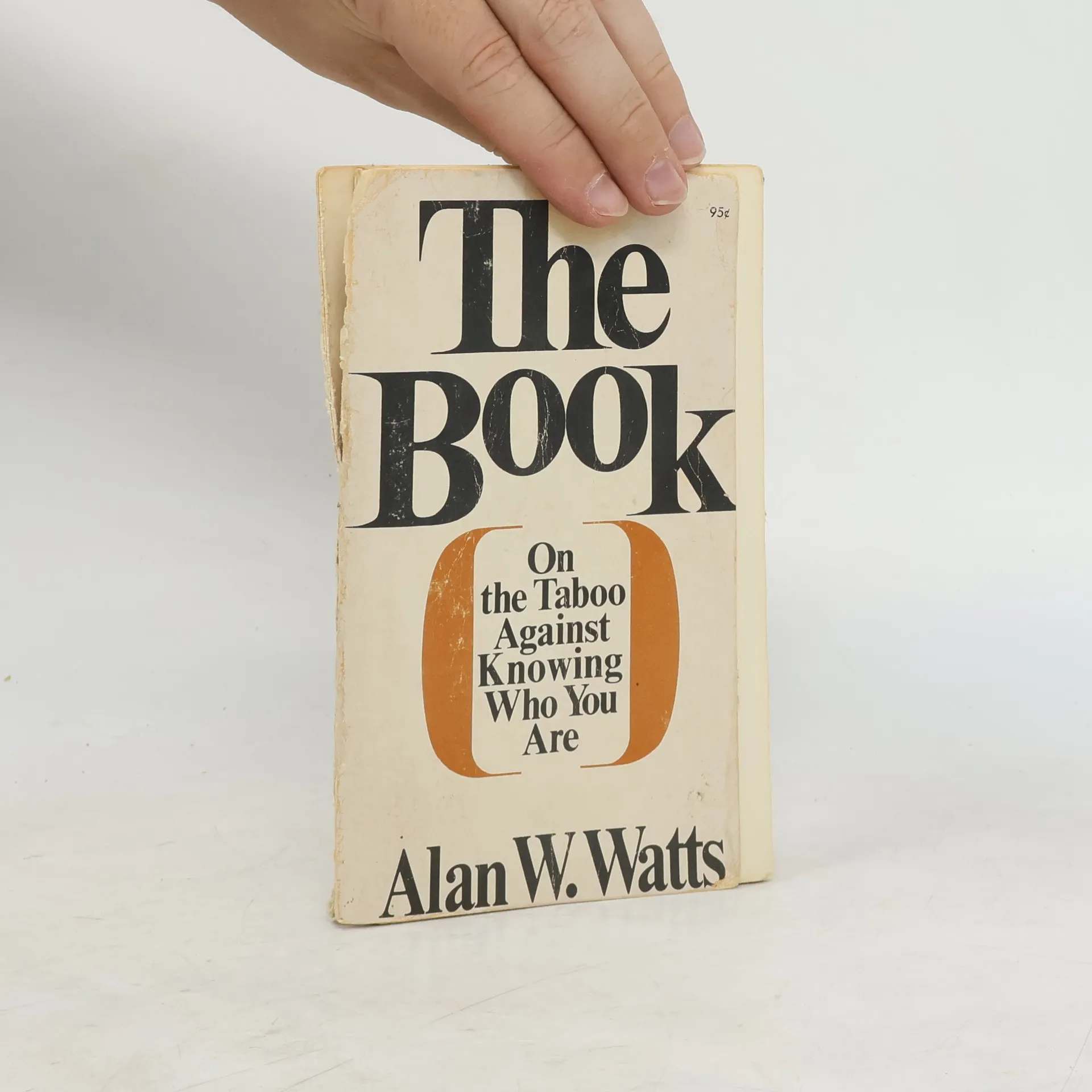
The Book
On the Taboo Against Knowing Who You Are