

Merve Emre Ordine dei libri (cronologico)
Merve Emre è professoressa associata di inglese all'Università di Oxford, dove il suo lavoro si confronta approfonditamente con la critica e la teoria letteraria. La sua scrittura indaga questioni di lettorato e produzione letteraria, in particolare quando si intersecano con i mutamenti sociali e culturali. Gli saggi e la critica di Emre esplorano i modi in cui viene costruito il valore letterario e come questo plasma la nostra comprensione della letteratura. Il suo approccio è analitico e acuto, esaminando spesso gli aspetti meno tradizionali della storia e della cultura letteraria.
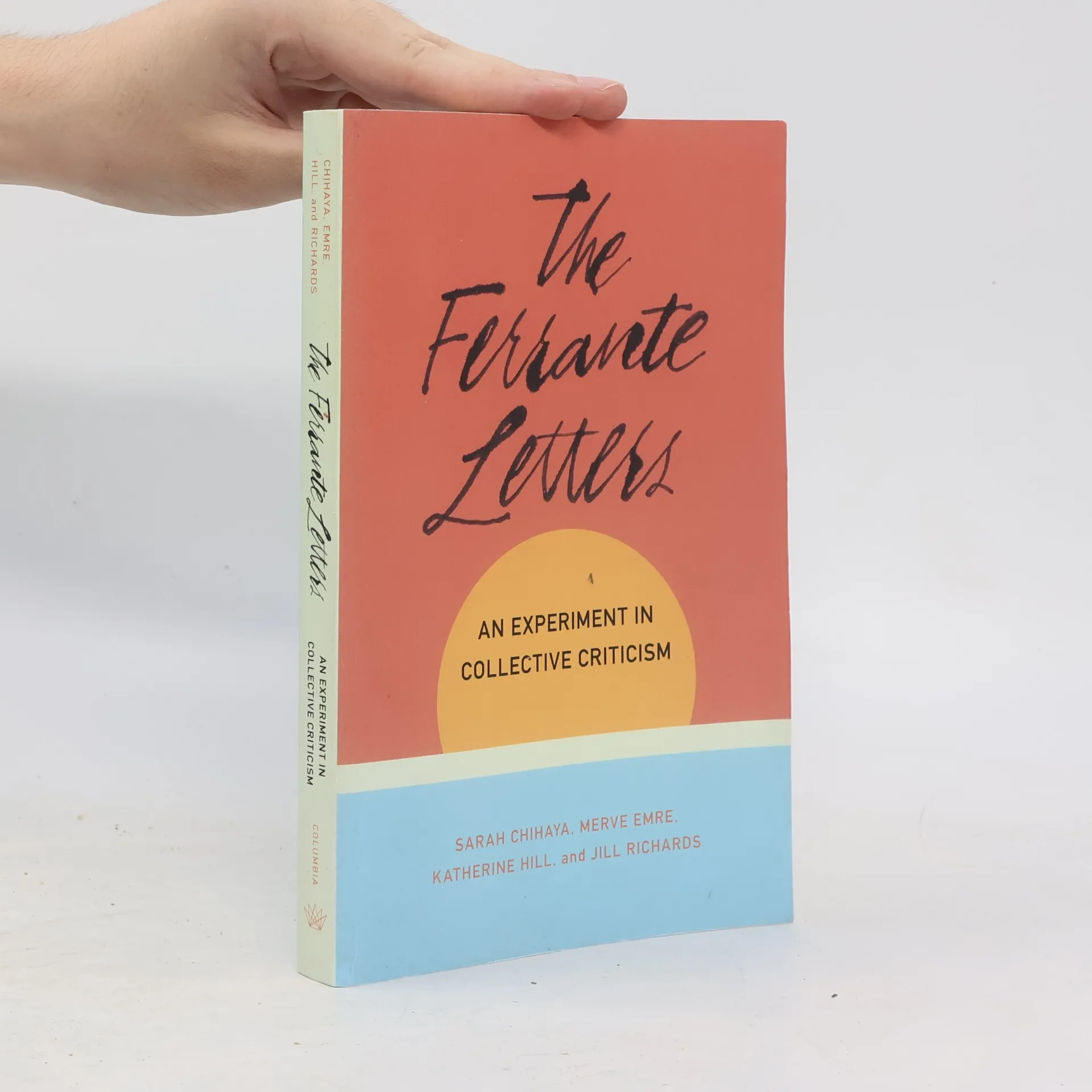

In The Ferrante Letters, four critics create a series of epistolary readings of the Neapolitan Quartet that also develops new ways of reading and thinking together. In a series of intertwined, original, and daring readings of Elena Ferrante's work and her fictional world, they strike a tone that falls between the seminar and the book club.
Paraliterary
- 304pagine
- 11 ore di lettura
Literature departments are staffed by, and tend to be focused on turning out, "good" readers--attentive to nuance, aware of history, interested in literary texts as self-contained works. But the vast majority of readers are, to use the author's tongue-in-cheek term, "bad" readers. They read fiction and poetry to be moved, distracted, instructed, improved, engaged as citizens. The author of this book argues that we should think of such readers not as non-literary but as paraliterary--thriving outside the institutions we take as central to the literary world. She traces this phenomenon to the postwar period, when literature played a key role in the rise of American power. At the same time as American universities were producing good readers by the hundreds, many more thousands of bad readers were learning elsewhere to be disciplined public communicators, whether in diplomatic and ambassadorial missions, private and public cultural exchange programs, multinational corporations, or global activist groups. As we grapple with literature's diminished role in the public sphere, she suggests a new way to think about literature, its audience, and its potential, one that looks at the civic institutions that have long engaged readers ignored by the academy.