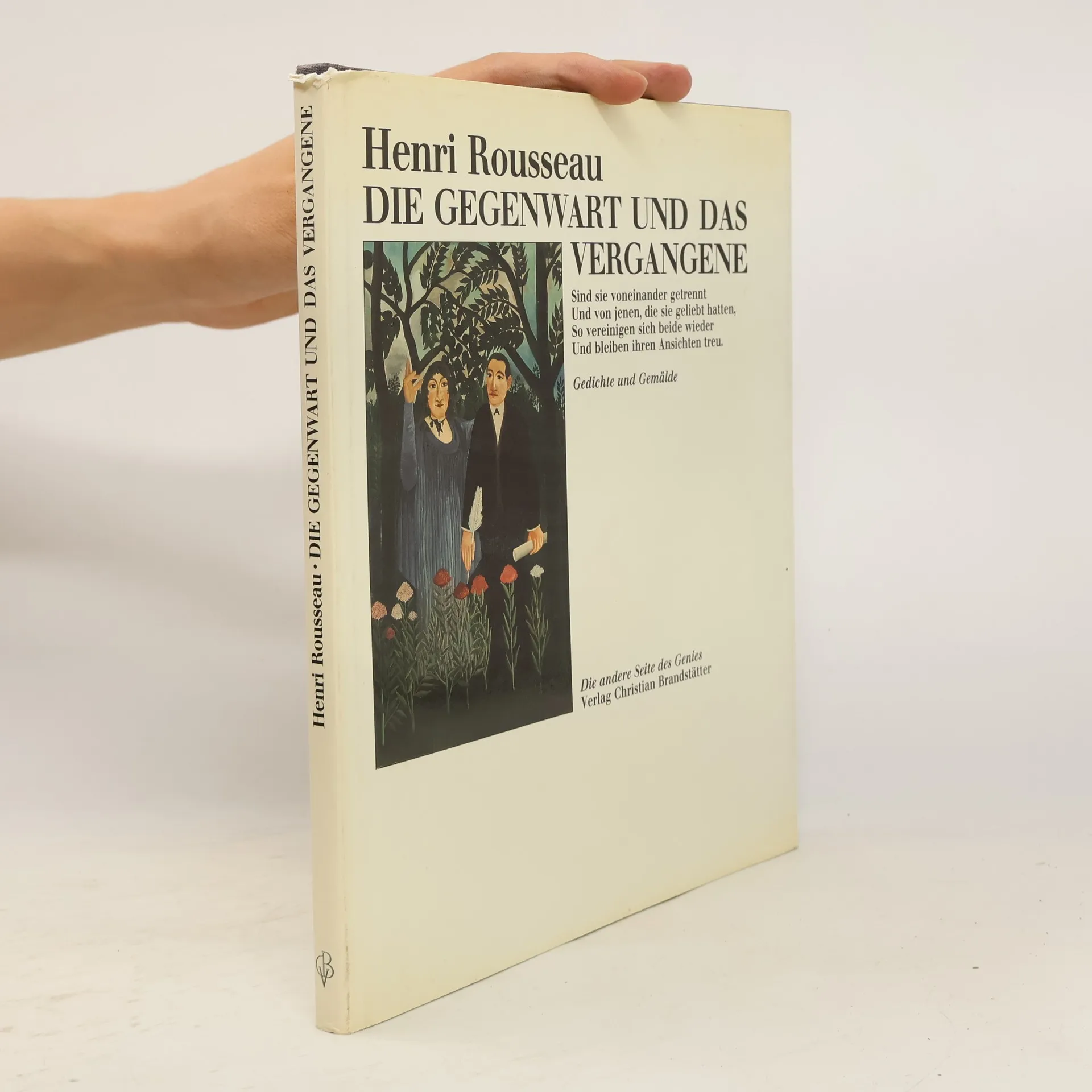
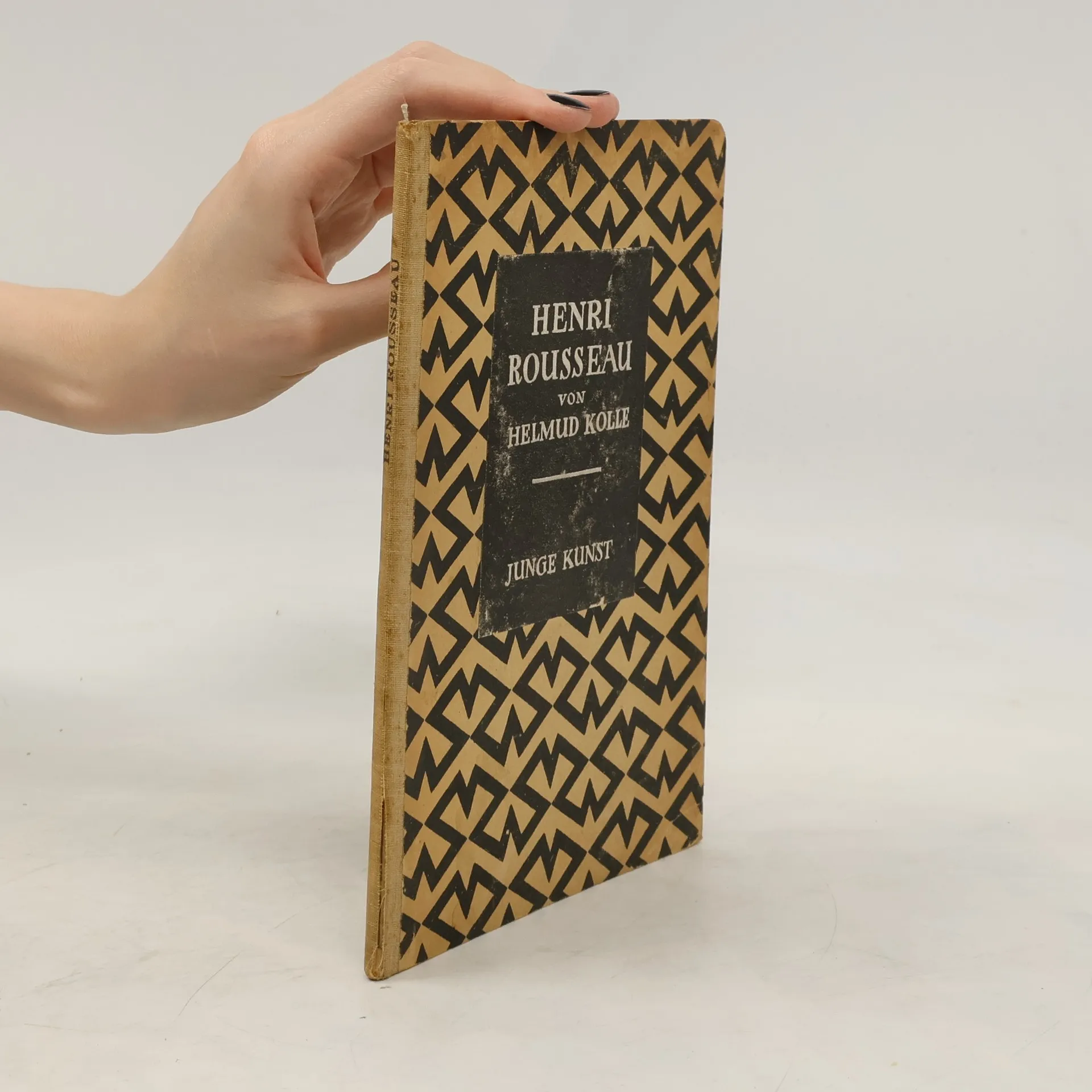
Dieses Büchlein wagt ein Abenteuer. Fasziniert von der Schöpferkraft eines großen Naiven - er lebte von 1844 bis1910 - hat sich der Autor Wolfgang von Polentz auf eine Reise durch die Landschaften seiner Phantasie begeben. Er beschreibt sie so: 'Was mir die Bilder von Henri Rousseau erzählt haben, drei Menschenalter nachdem sie in die Welt kamen.' Kleine Veränderungen, die die Malerin Marta Hofmann eingeschmuggelt hat, fordern die kindliche Entdeckerfreude heraus, die mit einem Buchgeschenk der Amalienpresse belohnt werden soll.
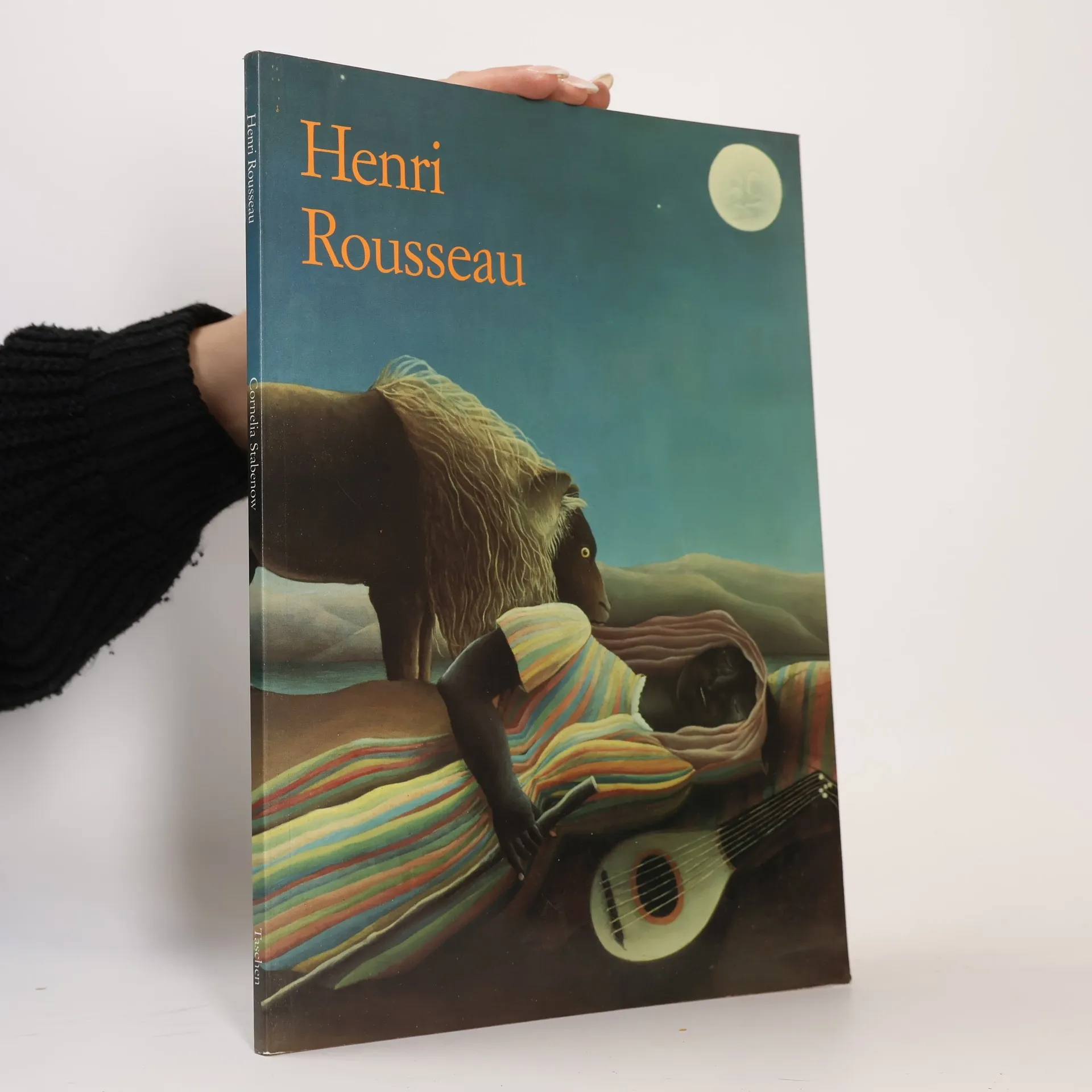
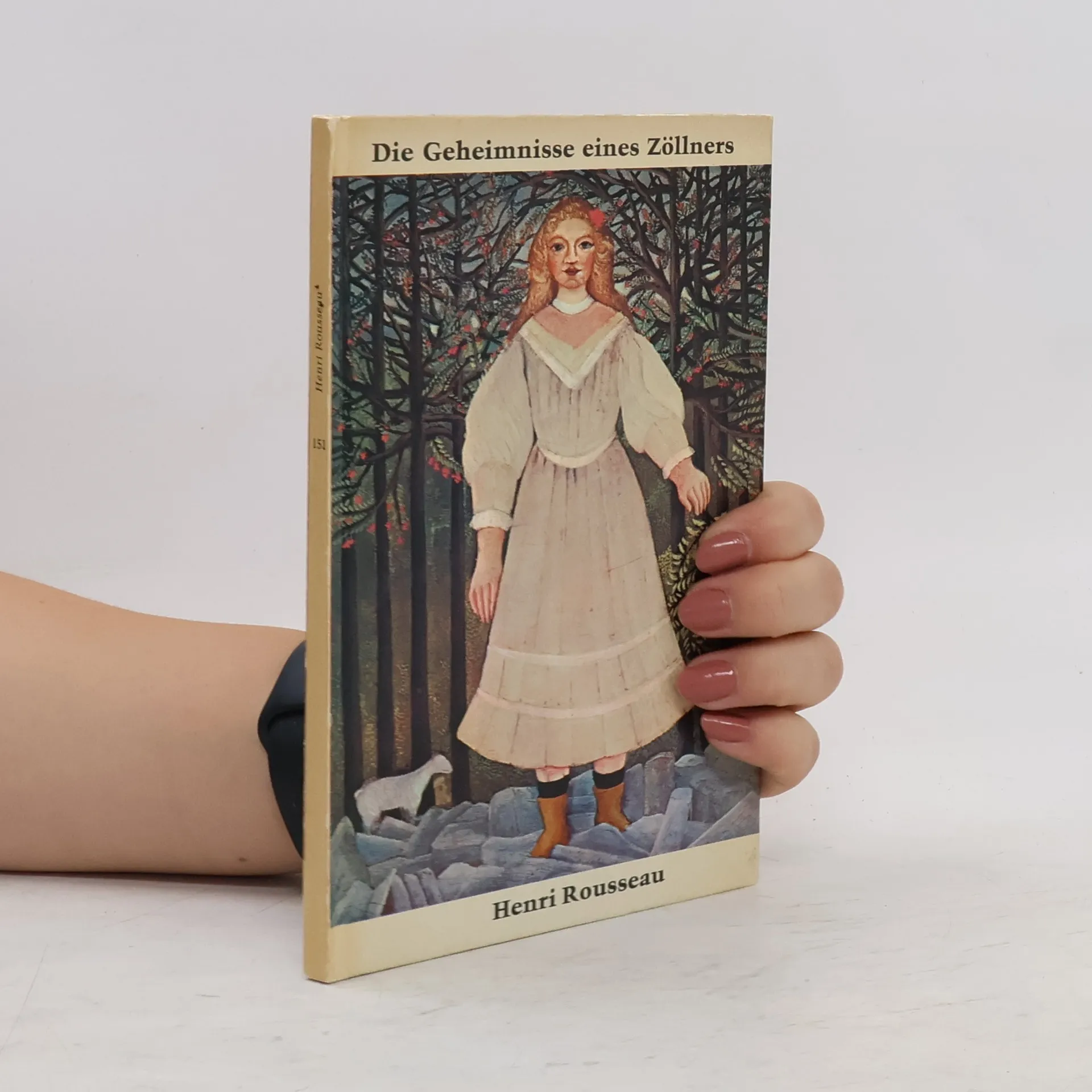
Der französische Maler Henri Rousseau (1844 1910), genannt der Zöllner, war
ein Autodidakt. Noch heute sind die Bilder 'Der Traum' und 'Die schlafende
Zigeunerin' den Kunstkennern ein Begriff. Rousseau verwendete klare Linien
ohne Schatten und leuchtende Farbakzente, stattdessen arbeitete er mit
zahlreichen Farbabstufungen. Sein Werk wird dem Postimpressionismus und
Naturalismus zugeordnet und gilt als Wegbereiter des Surrealismus. In diesem
Buch im Postkartenformat werden 20 seiner wichtigsten Bilder gezeigt.
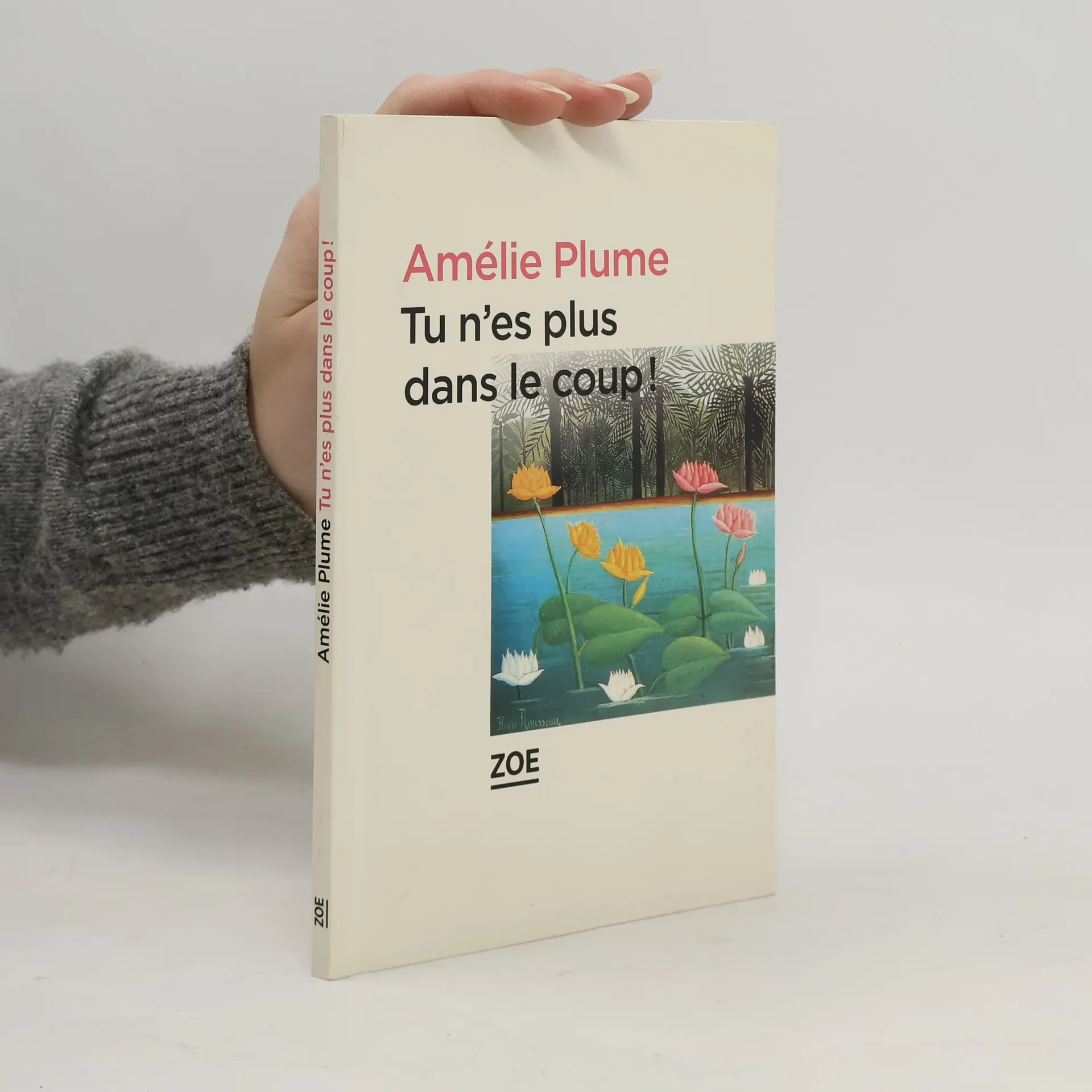
Avec Lily Petite, la narratrice, la vieillesse est plaisante, la retraite une aubaine, la perte de mémoire un prétexte à recenser la flore méditerranéenne. Elle s'attèle avec courage, lucidité et humour à l'héroïque tâche de prendre son temps pour envisager les années qui lui restent à vivre. L'aplomb, la drôlerie, la franchise donnent à cette méditation une allégresse communicative.
En Provence, jadis les "passo-pais" étaient des errants miséreux que la pauvreté et la faim avaient chassés de terres ingrates. Acharnés à survivre, ils trouvaient, parfois, une main tendue par intérêt, un jardin à l'abandon, quelques maset en ruine. Alors de toutes la force de leurs reins ils s'acharnaient au travail qui dans les vallées arides a peu à peu créee la civilisation provençale.Ce roman relate, avec une grande connaissance des traditions provençales, l'installation au vingtième siècle d'une famille piémontaise dans la région de Fréjus. Une difficile marche vers l'intégration et la nation française.
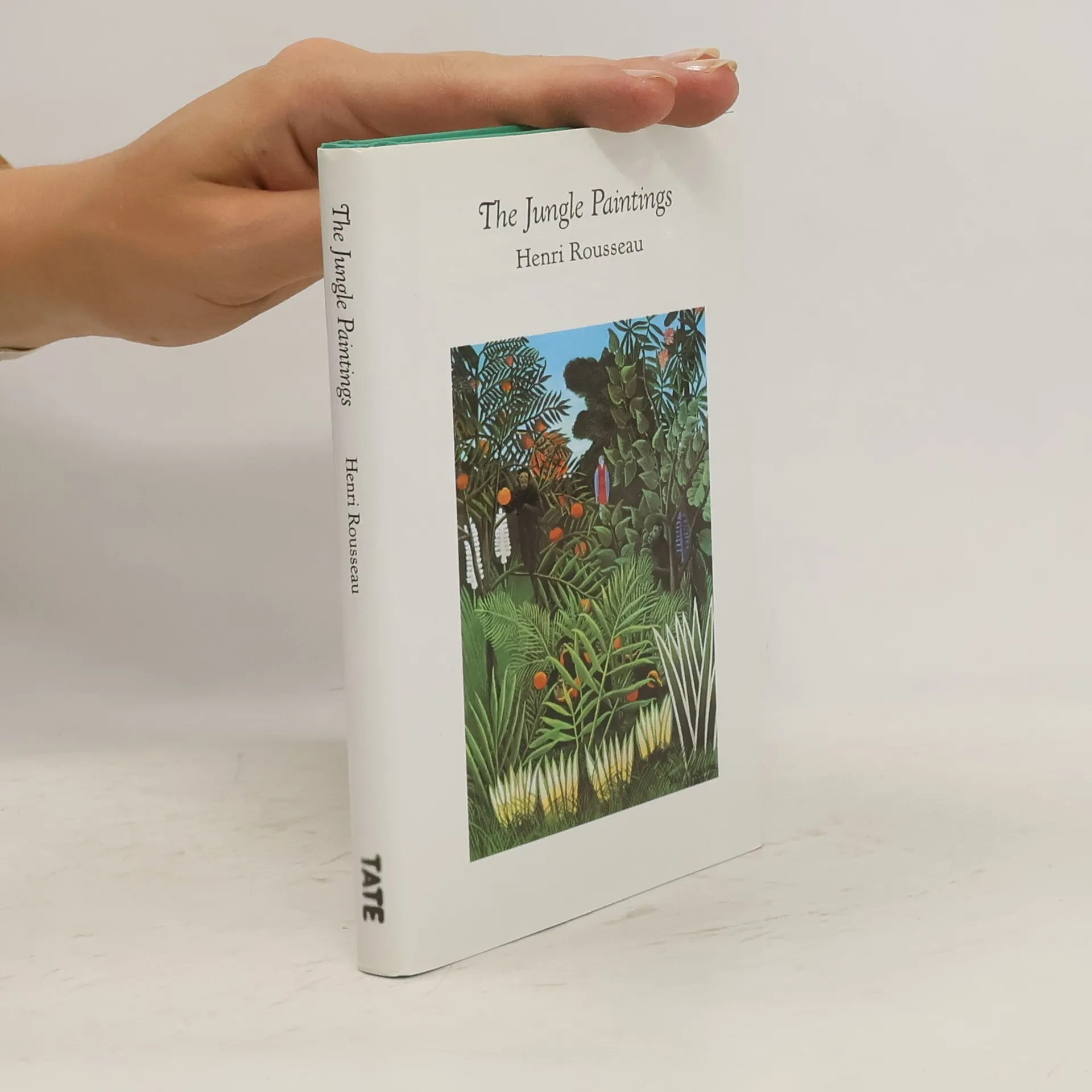
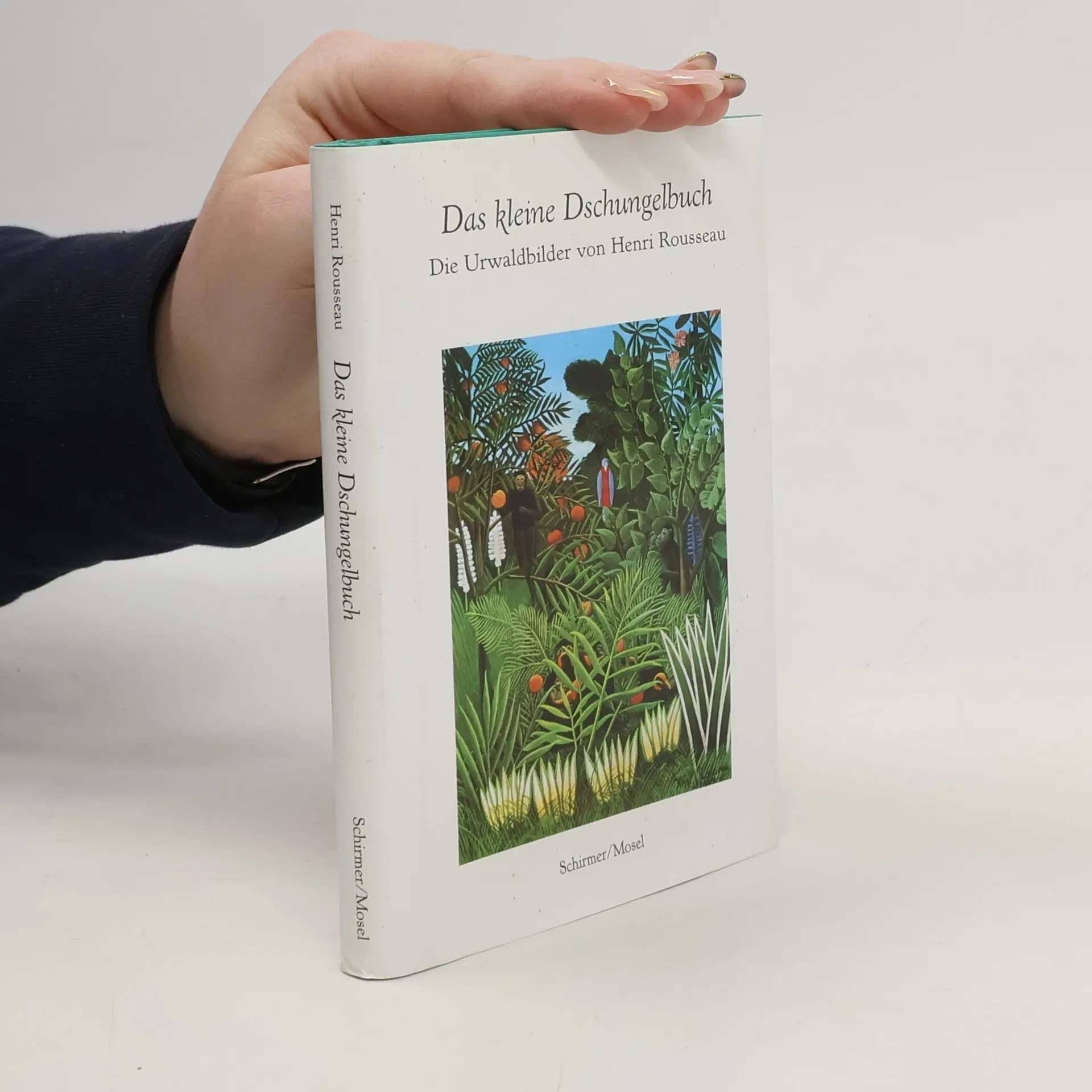
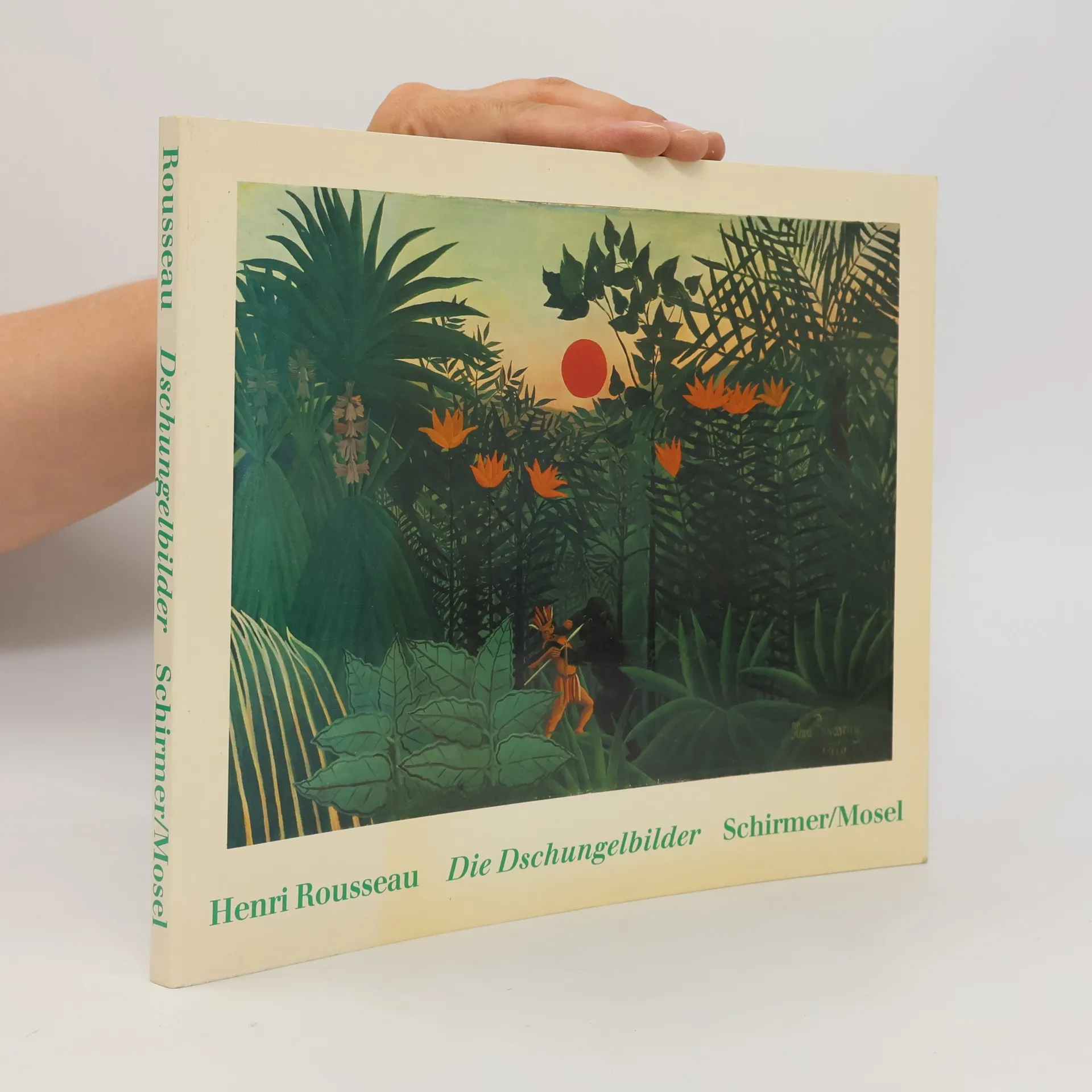
Henri Rousseau (1844-1910) never visited the tropics or saw a jungle in real life, anymore than he studied the wild animals he painted in their natural habitat. Rousseau's jungle paintings were the fantasies of a city dweller, constructed from visits to the Botanical Gardens in Paris, from books and from his vivid imagination. Nevertheless they have struck a chord with succeeding generations of viewers, offering a dream of escape from banal reality to an exotic and savage realm. In this beautiful miniature gift book the jungle paintings are reproduced in all their full, jewel-like colour, along with details highlighting the intricacy of the painter's extraordinary vision, and a brief explanatory text. A perfect and affordable introduction to the unique world of Henri Rousseau.
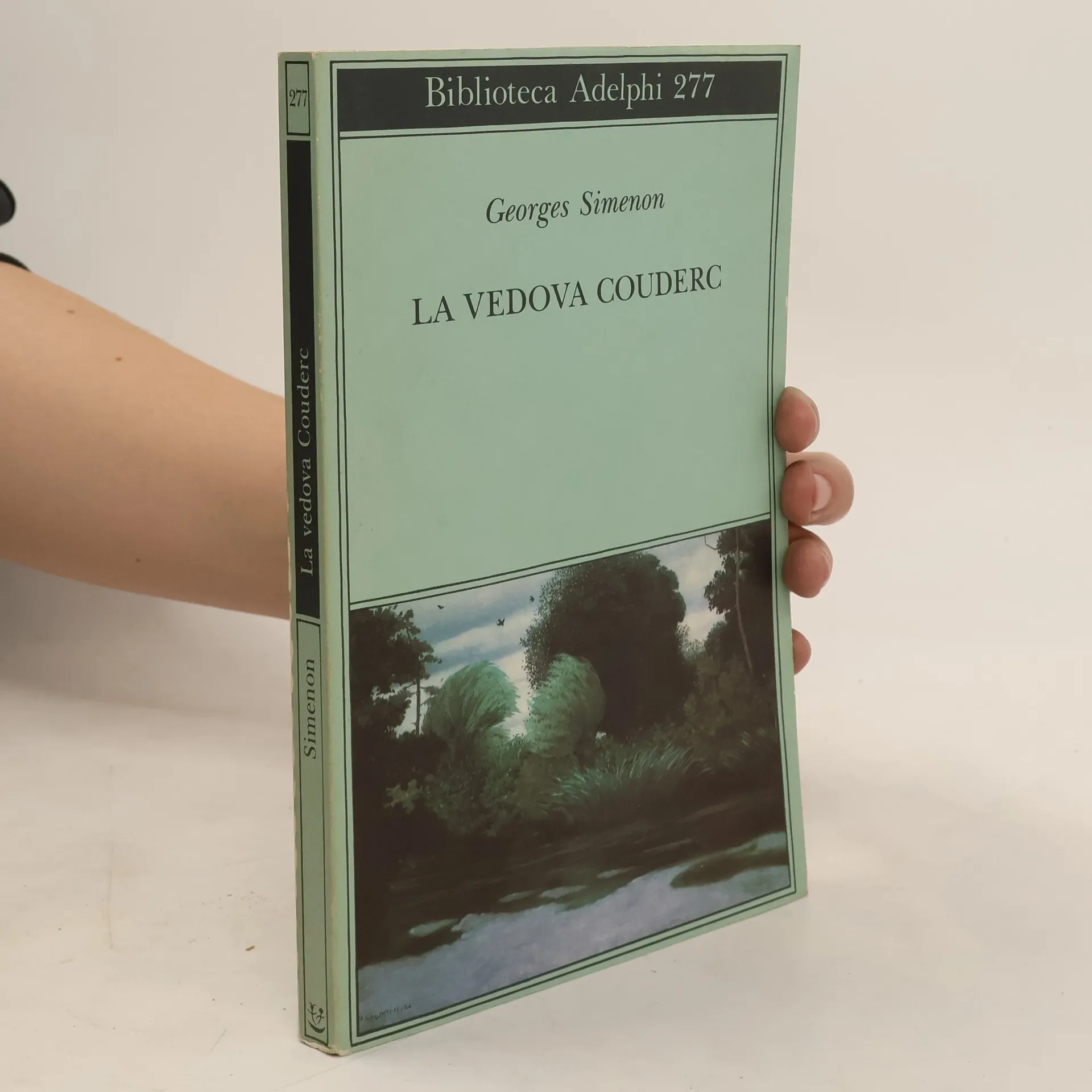
Un giovane ricco esce di prigione, non sa dove andare: si ritrova – quasi senza accorgersene – a convivere con una matura vedova in una casa di campagna lungo un canale. È un rifugio, una nicchia di innocente, riposante carnalità, da cui guardare con più leggerezza le cose e le persone intorno – un paesaggio immobile, affocato. La promessa di una stasi biologica, di un auspicato torpore della mente. Ma altre donne interverranno a turbare quel precario equilibrio. Si scatena un inferno provinciale, di interessi e recriminazioni. E insieme si accende l’occasione demoniaca per tornare al delitto. A ragione Gide avvicinò questo romanzo allo Straniero di Camus, che apparve in quello stesso 1942. E aggiunse, in una lettera a Simenon: «... ma trovo che il suo libro si spinga molto oltre, pur senza averne l’aria , e quasi inavvertitamente, il che coincide con il livello più alto dell’arte». Rare volte Simenon è riuscito a rendere altrettanto palpabile il peso del destino.
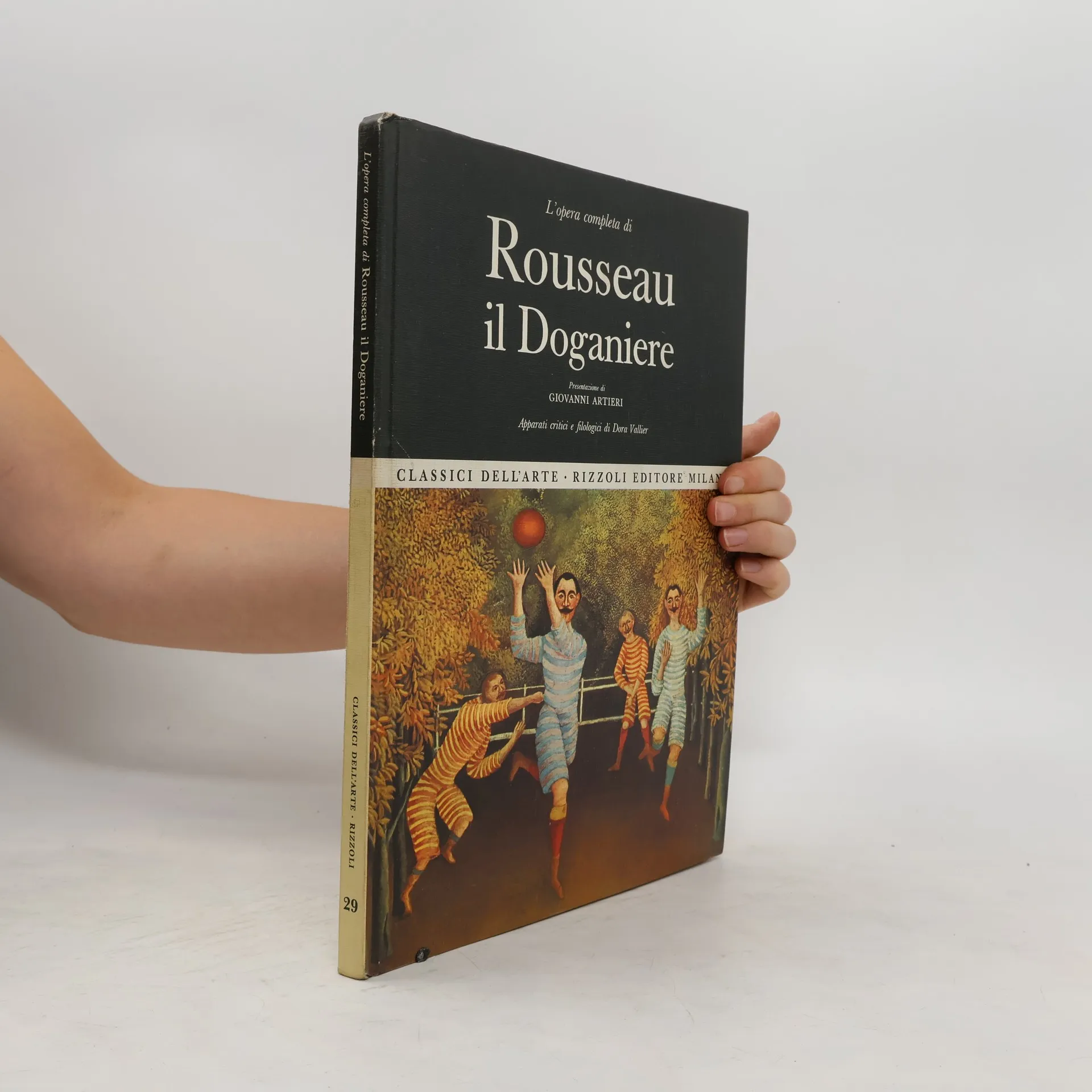
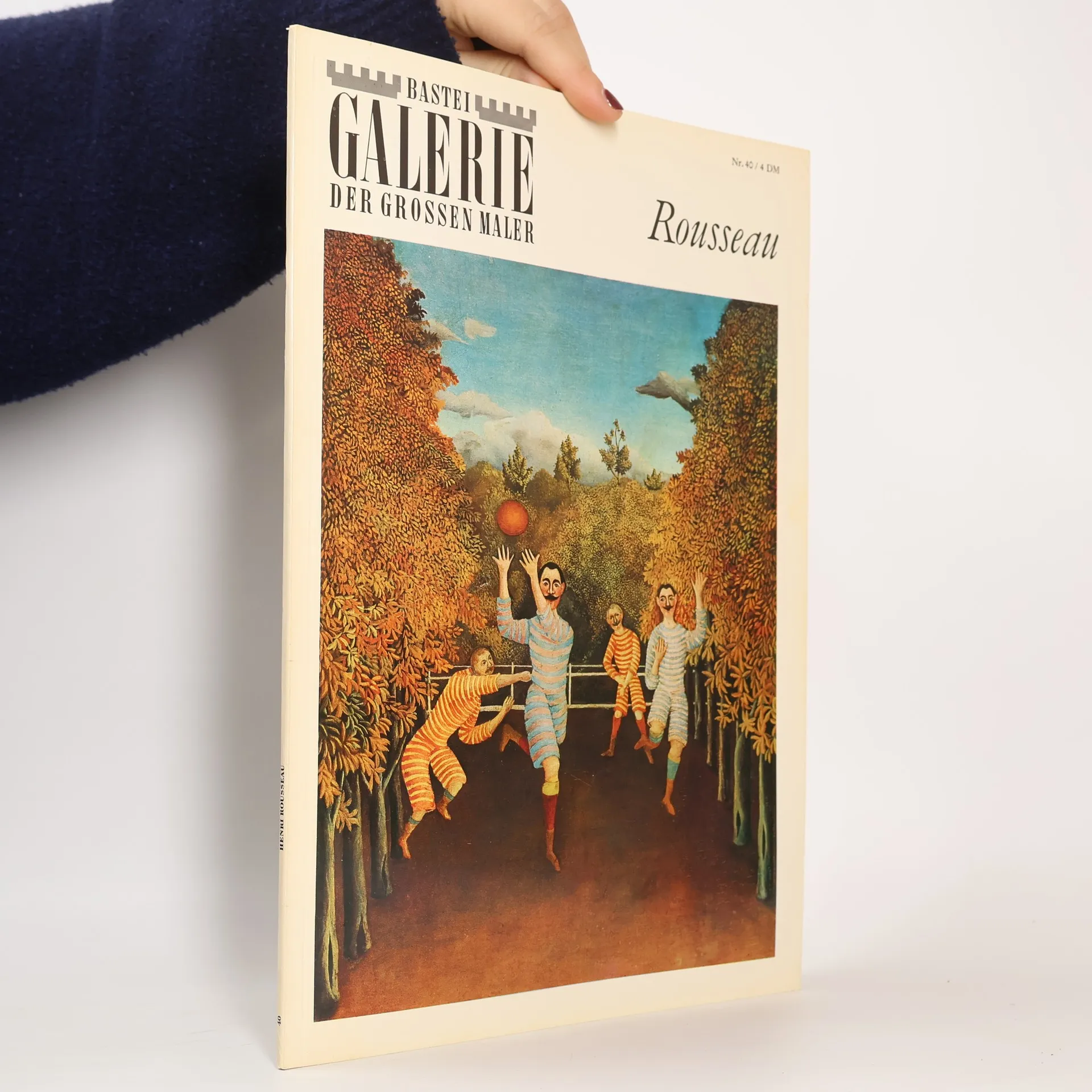
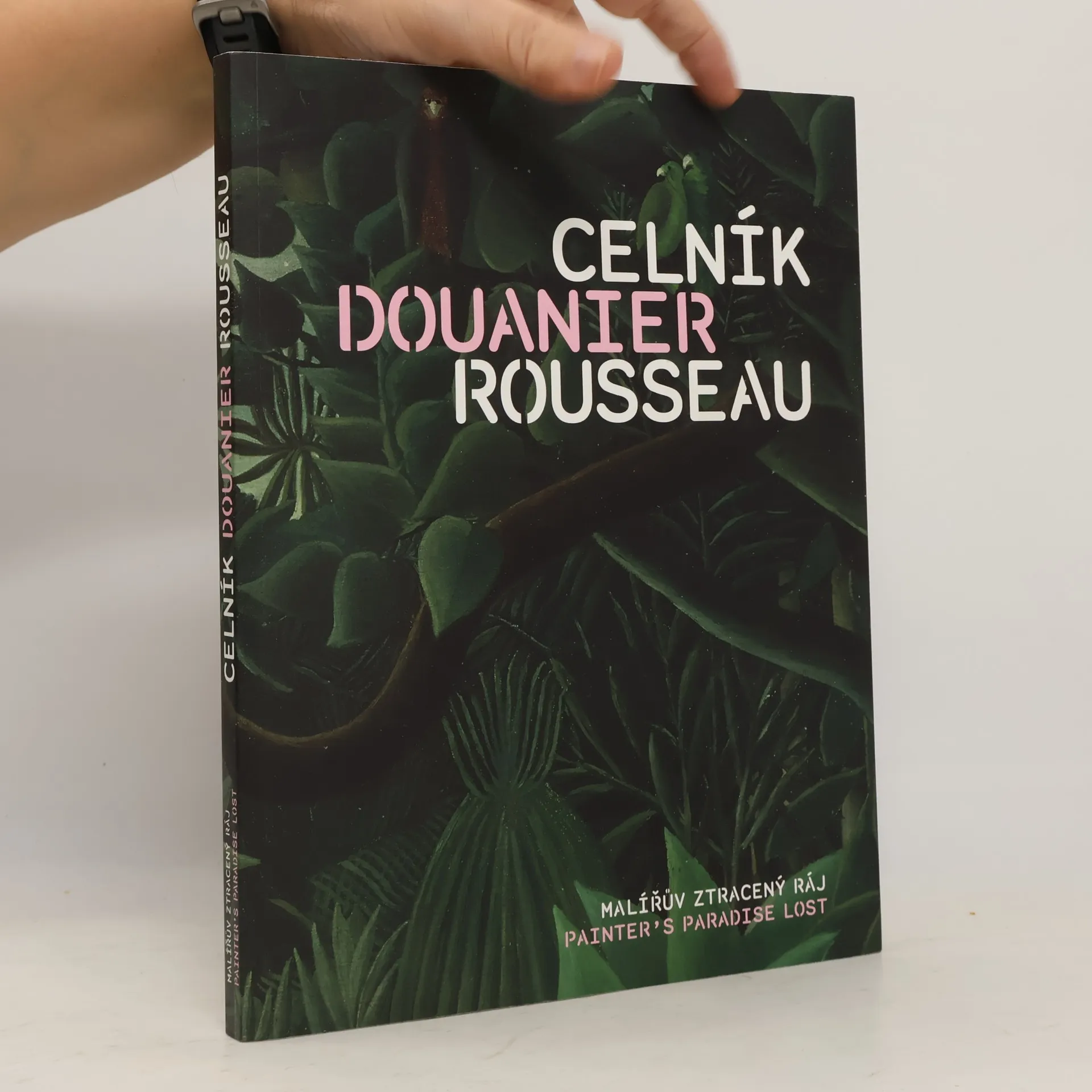
Henri Rousseau (1844-1910) emerged from humble circumstances - reflected in his nickname, "the customs official". An employee in the Paris customs bureau, Rousseau was an autodidact who incrementally worked his way into a position among the artists who were renewing the art world at the turn of the century. It was a difficult journey - for years the art world laughed at the layman's flat, icon-like figures, simple landscapes and, in his late phase, exotic jungle scenes. However his "naive" compositions in fact became an emblem that piqued the interest of the avant-garde. Rousseau's jungle paintings consisted of ornamental variations of plant leaves, among which he set brilliantly coloured predators, natives and naked beauties. In so doing, the artist evinced intuitive principles of design and compositions, which subsequent avant-garde artists had to work out for themselves with great effort. Ultimately winning recognition as an uncompromising modernist, Rousseau inspired comparison with Derain, Cezanne, Matisse and Gauguin. He became acquainted with Apollinaire, Delaunay, Picabia, Brancusi and other important figures; in 1908, Picasso held a legendary banquet in his honour. Today, "Rousseau's myth," a fascinating mixture of primitive idyll and flight from civilization, of concrete and abstract, holds a secure place in the history of art.