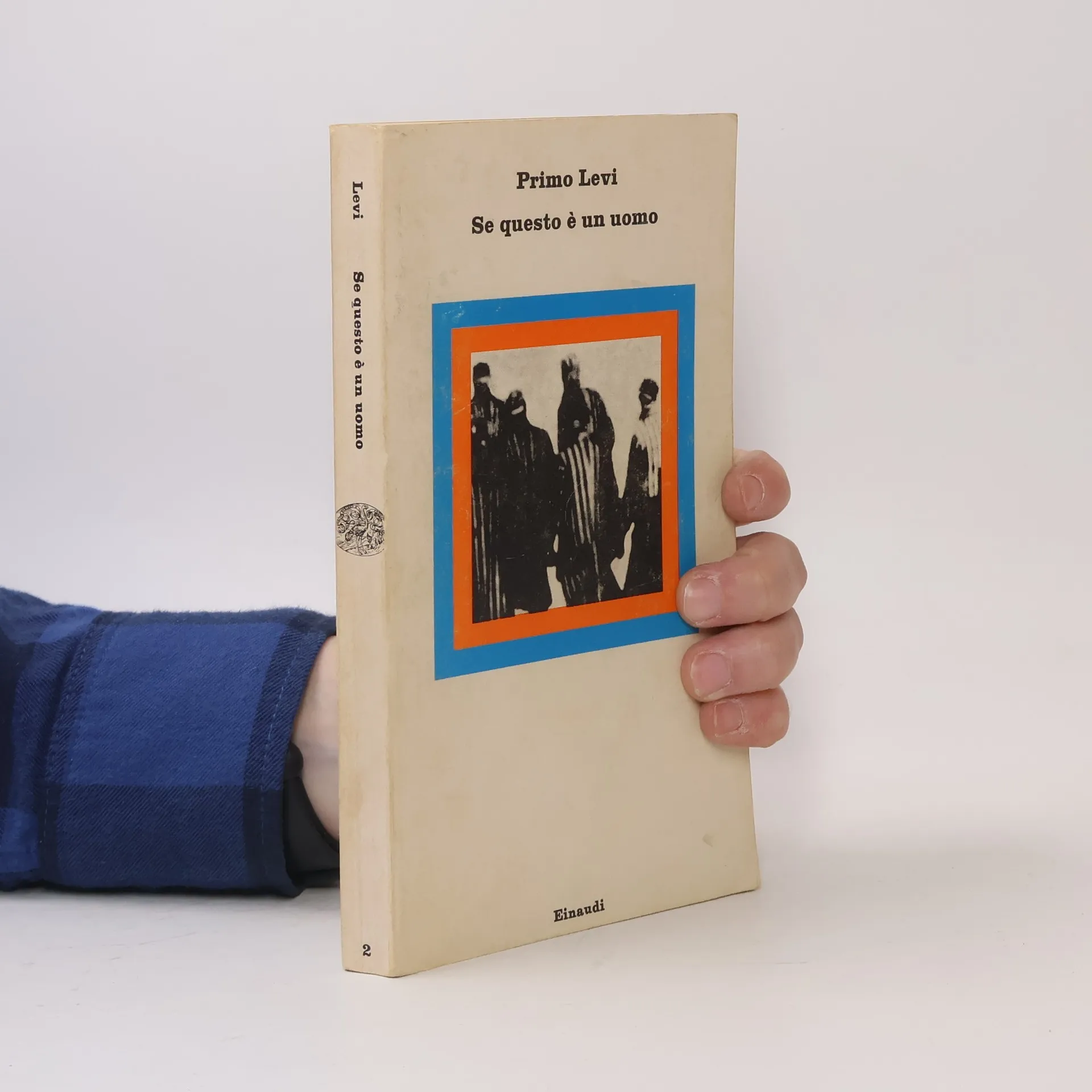
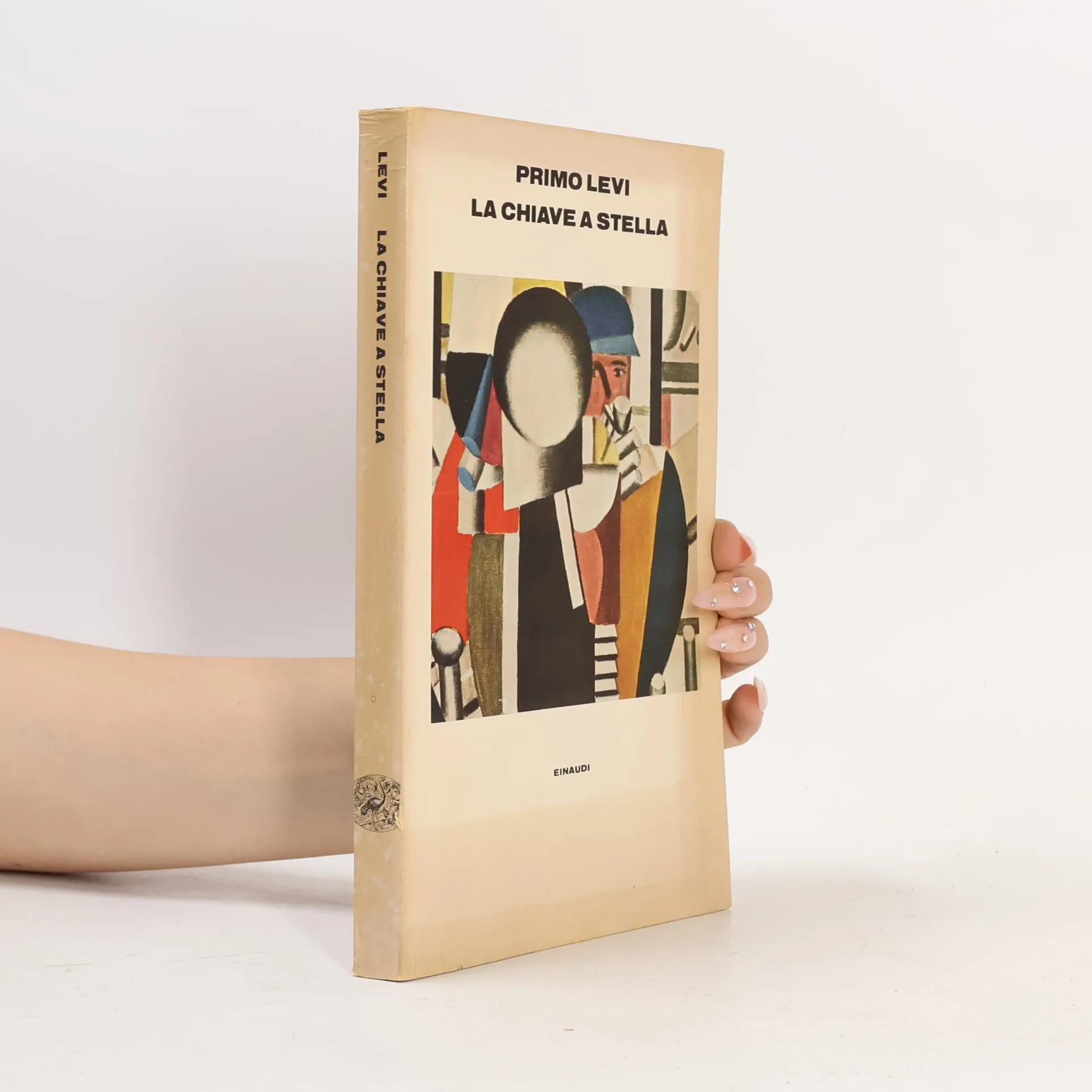
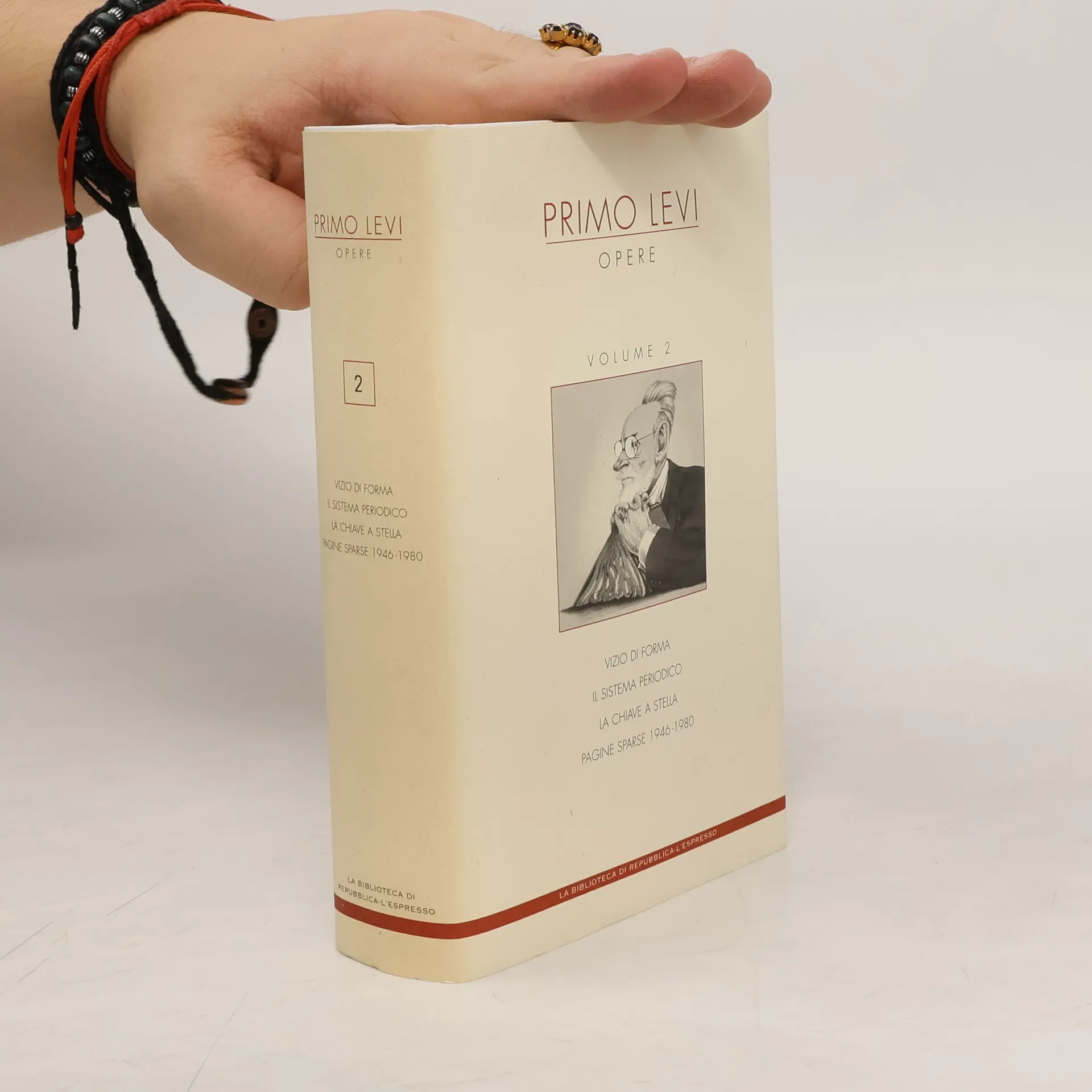
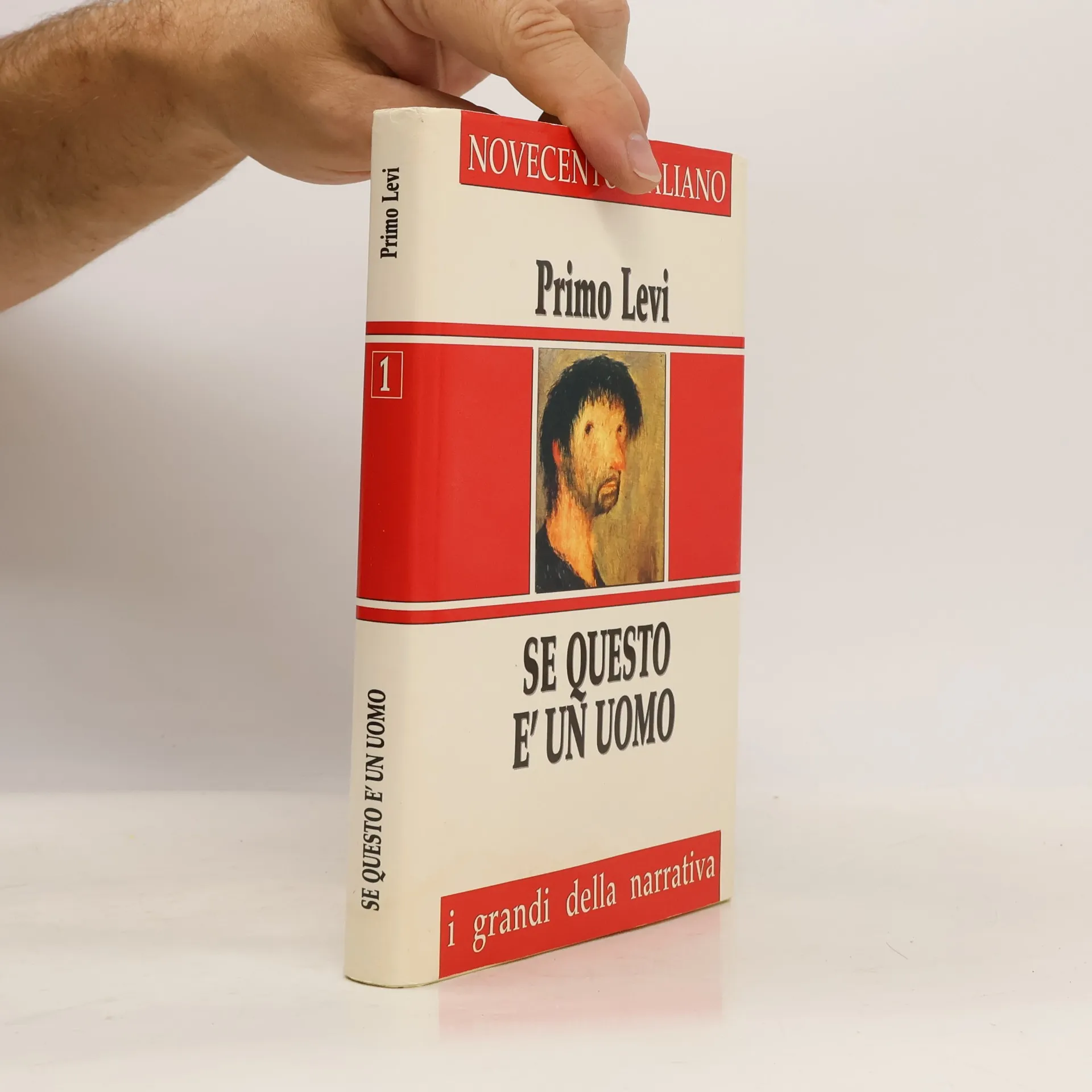
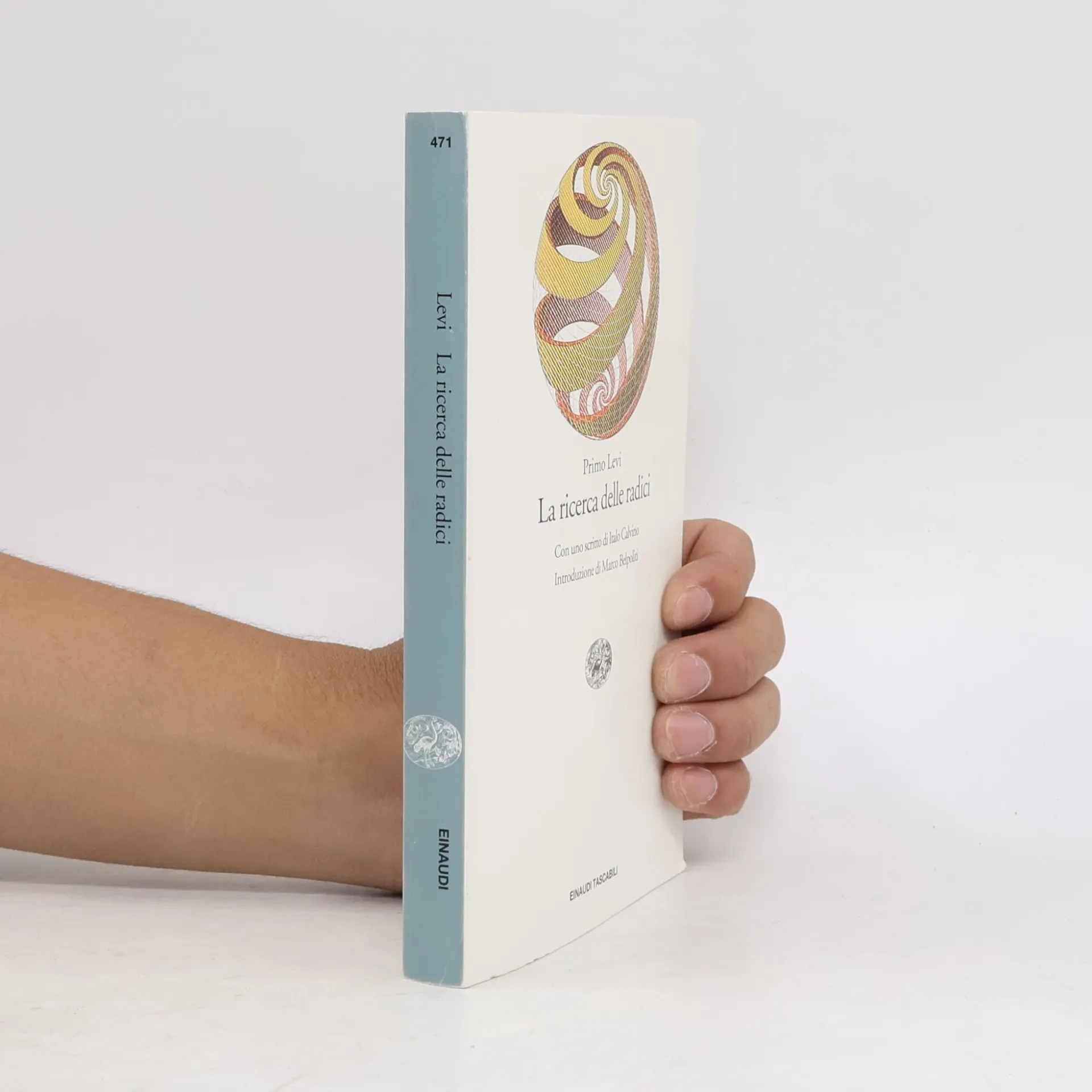
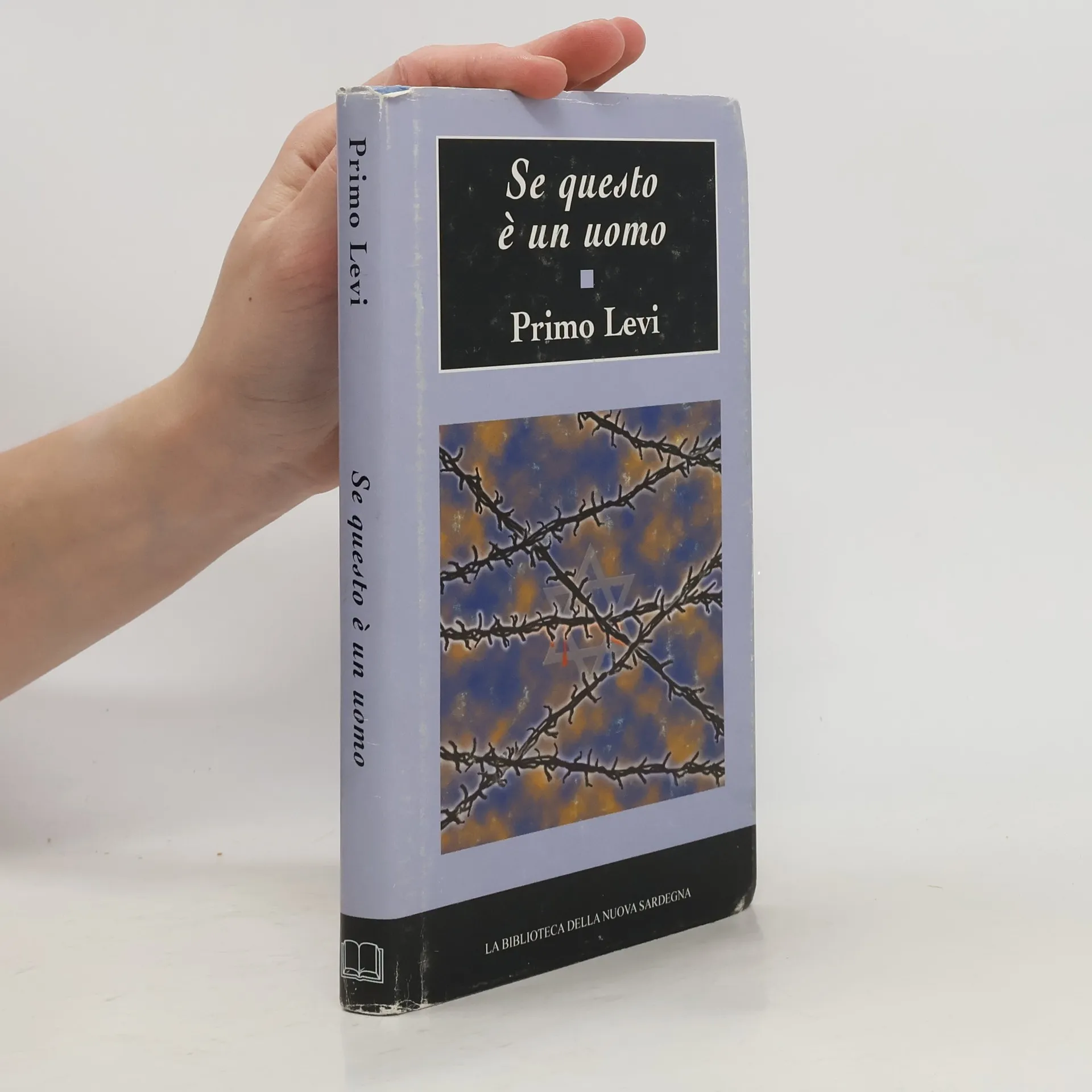
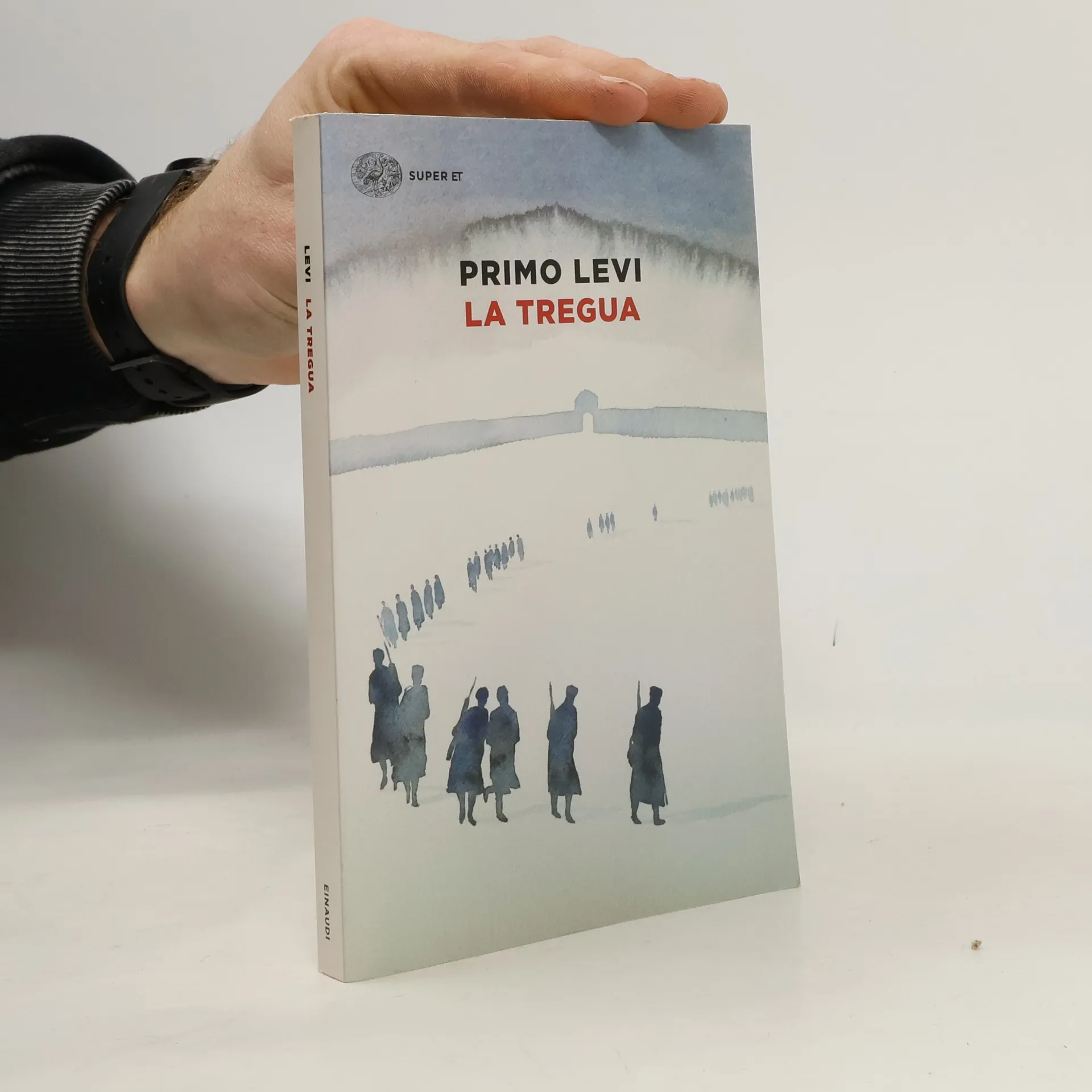
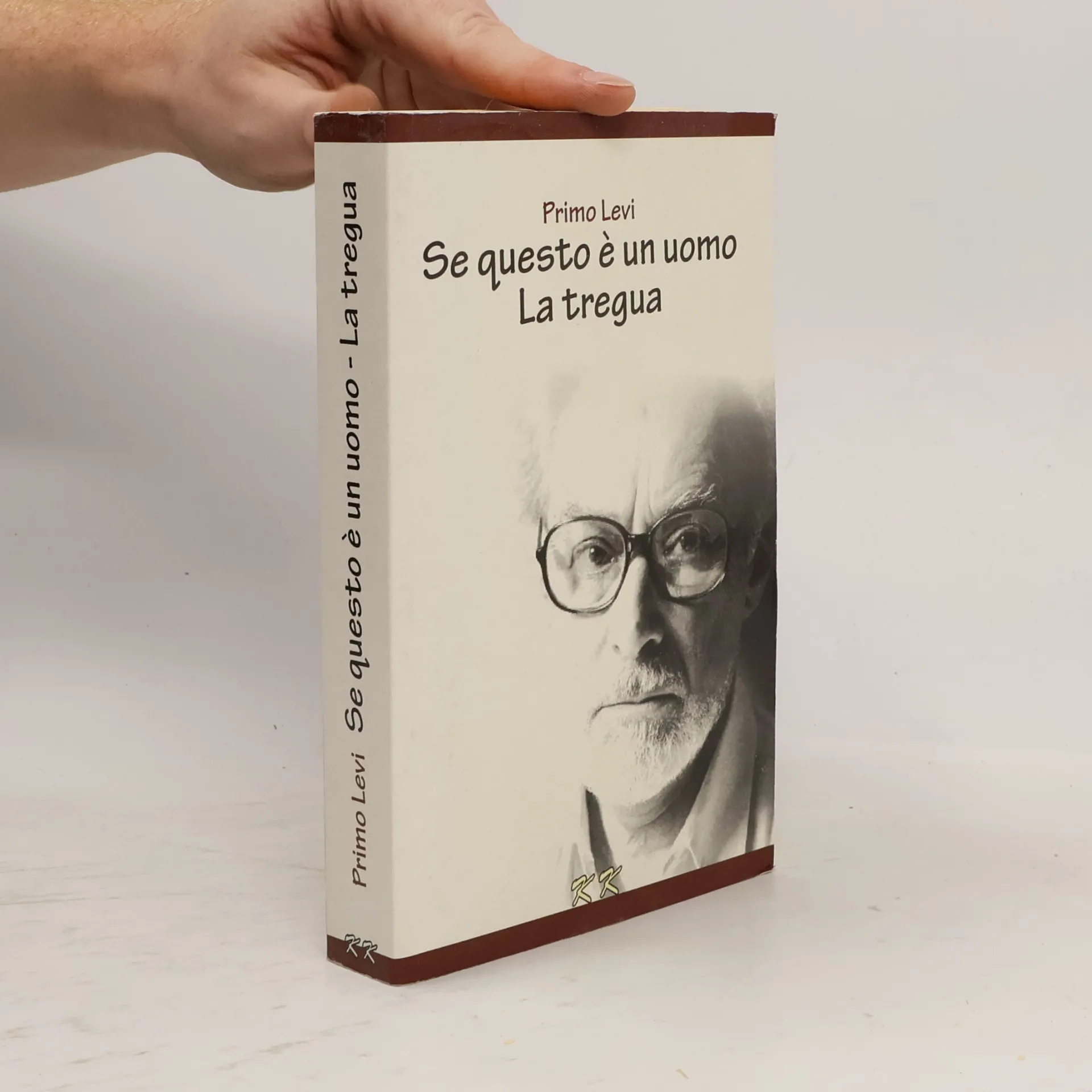
Primo Levi, reduce da Auschwitz, pubblicò Se questo è un uomo nel 1947. Einaudi lo accolse nel 1958 nei "Saggi" e da allora viene continuamente ristampato ed è stato tradutto in tutto il mondo. Testimonianza sconvolgente sull'inferno dei Lager, libro della dignità e dell'abiezione dell'uomo di fronte allo sterminio di massa. Se questo è un uomo è un capolavoro letterario di una misura, di una compostezza già classiche. Levi, ne La tregua, ha voluto raccontare anche il lungo viaggio di ritorno attraverso l'Europa dai campi di sterminio: una narrazione che contempera il senso di una libertà ritrovata con i segni lasciati dagli orrori sofferti.
Primo Levi Libri
31 luglio 1918 – 11 aprile 1987
Primo Levi è stato un chimico e scrittore le cui opere esplorano l'esperienza umana, la memoria e l'etica con profonda perspicacia. La sua scrittura, spesso attingendo alle sue esperienze personali, è caratterizzata da una calma precisione e da una notevole capacità di comprendere le complessità della natura umana. Ha creato opere durature che riflettono sui pericoli dell'odio e sull'importanza della forza morale.

Il fumo di Birkenau
- 163pagine
- 6 ore di lettura
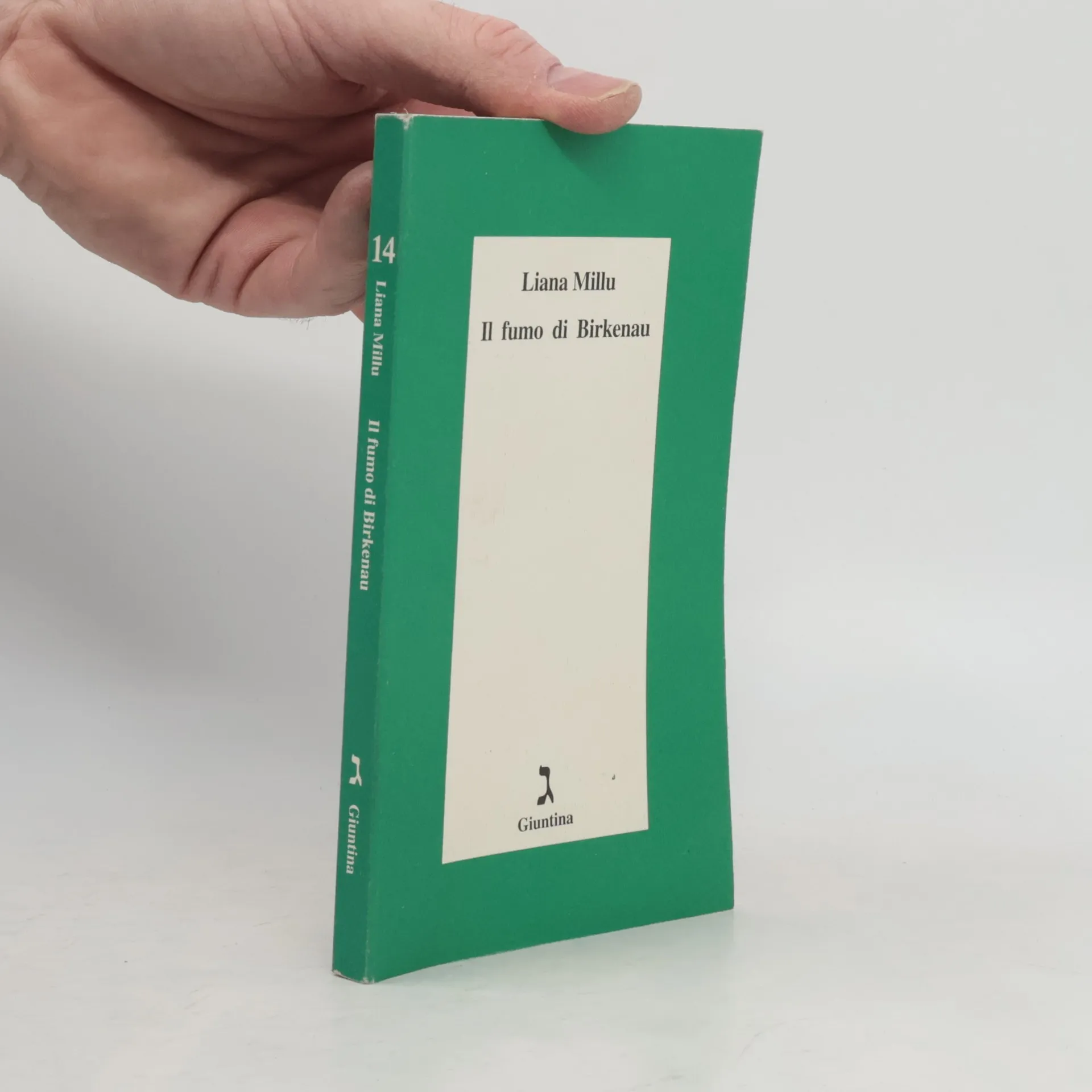
Il fumo di Birkenau di Liana Millu è fra le più intense testimonianze europee sul Lager femminile di Auschwitz-Birkenau: certamente la più toccante fra le testimonianze italiane. Consta di sei racconti, che tutti si snodano intorno agli aspetti più specificamente femminili della vita minimale e disperata delle prigioniere. La loro condizione era assai peggiore di quella degli uomini, e ciò per vari motivi: la minore resistenza fisica davanti ai lavori più pesanti e umilianti di quelli inflitti agli uomini; il tormento degli affetti familiari; la presenza ossessiva dei crematori, le cui ciminiere, situate nel bel mezzo del campo femminile, non eludibili, non negabili, corrompono con il loro fumo empio i giorni e le notti, i momenti di tregua e di illusione, i sogni e le timide speranze. (dalla Prefazione di Primo Levi)
Quali sono le strutture gerarchiche di un sistema autoritario e quali le tecniche per annientare la personalità di un individuo? Quali rapporti si creano tra oppressori e oppressi? Chi sono gli esseri che abitano la 'zona grigia' della collaborazione? Come si costruisce un mostro? Era possibile capire dall'interno la logica della macchina dello sterminio? Era possibile ribellarsi? E ancora - come funziona la memoria di una esperienza estrema? Le risposte dell'autore di Se questo è un uomo nel suo ultimo e per certi versi piú importante libro sui Lager nazisti. Un saggio per capire il Novecento e ricostruire un'antropologia dell'uomo contemporaneo.
La tregua
- 278pagine
- 10 ore di lettura
"Diario del viaggio verso la libertà dopo l'internamento nel Lager nazista, La tregua, seguito di Se questo è un uomo, piú che una semplice rievocazione biografica è uno straordinario romanzo picaresco. L'avventura struggente tra le rovine dell'Europa liberata - da Auschwitz, attraverso la Russia, la Romania, l'Ungheria, l'Austria, fino a Torino - si snoda in un itinerario tortuoso, punteggiato di incontri con persone appartenenti a civiltà sconosciute, e vittime della stessa guerra: da Cesare, "amico di tutto il mondo", ciarlatano, truffatore, temerario e innocente, al Moro di Venezia, il gran vecchio blasfemo che sembra uscito dall'Apocalisse, a Hurbineck, il bimbo nato ad Auschwitz, "che non aveva mai visto un albero", alle bibliche tradotte dell'Armata Rossa in disarmo. L'epopea di un'umanità ritrovata dopo il limite estremo dell'orrore e della miseria." --einaudi.it
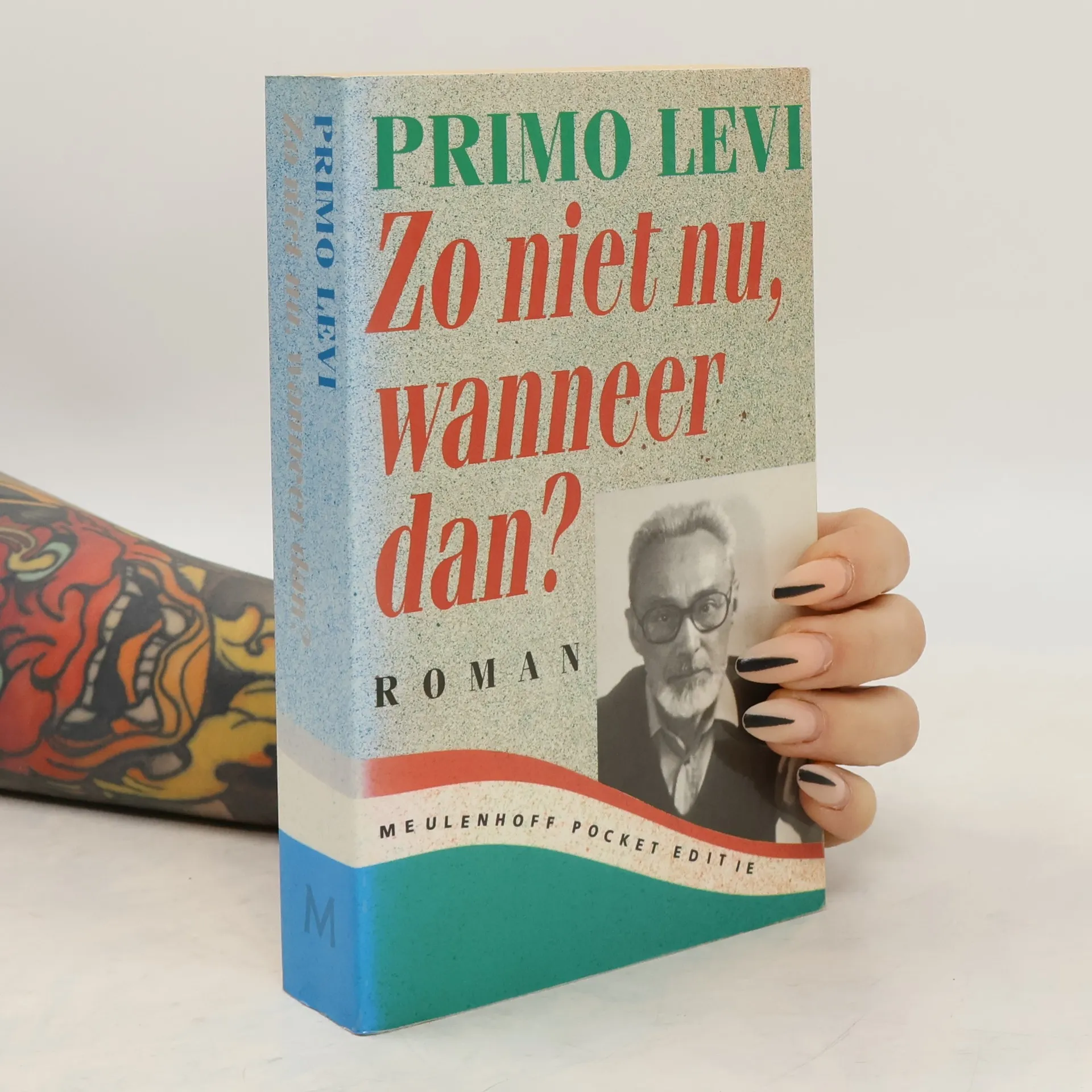
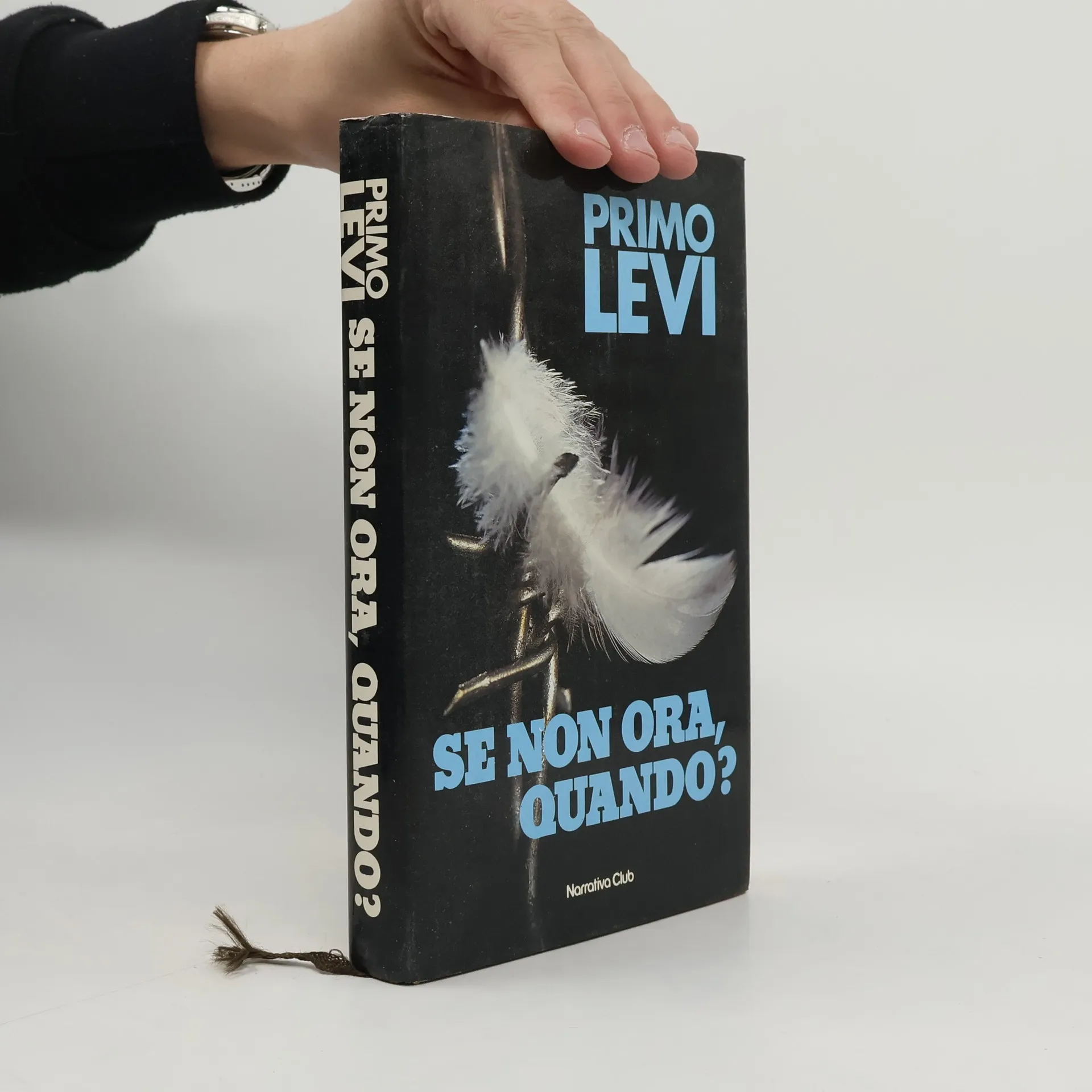
Se non ora, quando?
- 262pagine
- 10 ore di lettura
Gli ebrei che combatterono contro il nazifascismo in tutta Europa furono centinaia di migliaia. In questo romanzo Primo Levi racconta le avventure drammatiche e vere di quei partigiani ebrei polacchi e russi che resero colpo su colpo a chi tentò di sterminarli. Dalle foreste della Russia Bianca attraverso incontri, separazioni, battaglie, stretti da vincoli fraterni e da passioni contrastate, i protagonisti di questa interminabile epopea percorrono la Polonia e la Germania, e raggiungono tra molte peripezie le vie della vecchia Milano. Venato di comicità sottile e mai incline a compiaciute descrizioni, Se non ora, quando?, il primo, vero romanzo dell'autore di Se questo è un uomo, si è imposto al grande pubblico, vincendo, quando uscì nel 1982, il Premio Campiello e il Premio Viareggio.
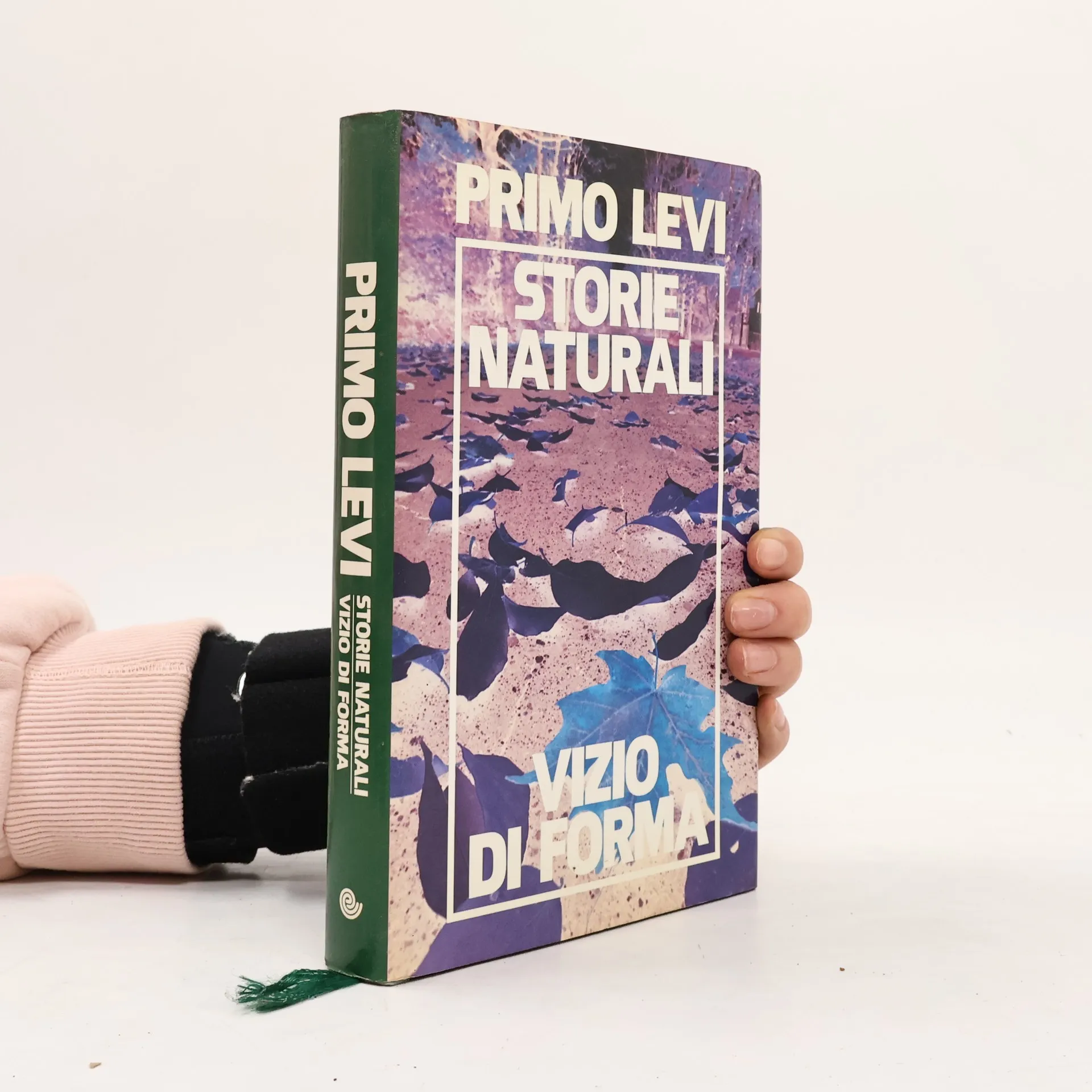
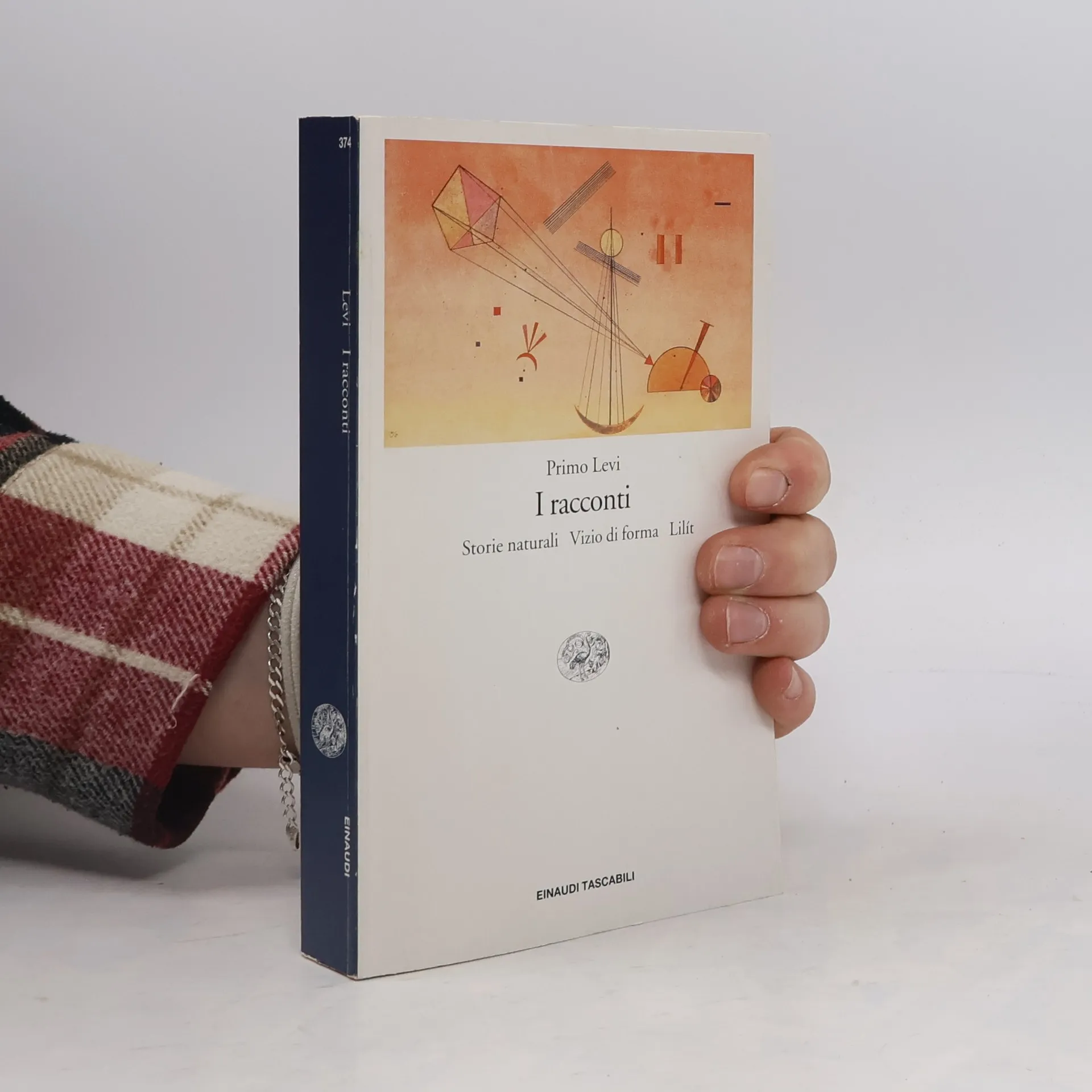
Se questo è un uomo e La tregua non sono soltanto libri di un testimone d'eccezione, ma di un vero e grande scrittore. Quanto forte e originale fosse la vocazione narrativa di Primo Levi lo dimostrano i racconti compresi in questo volume. Un futuro prossimo e probabile, una tecnologia dal volto quotidiano e domestico, ma percorsa da segni inquietanti, paradossali o semplicemente comici. Chimico dagli interessi enciclopedici, con un particolare amore per la natura, gli animali, i linguaggi, il piacere della sperimentazione e della ricerca, Levi si avventura a esplorare le infinite possibilità combinatorie che la materia consente, ma non dimentica di cogliere le anomalie, le sfasature, i "vizi di forma" in cui si annida il germe di catastrofi piccole e grandi. A cura di Ernesto Ferrero.
Per la prima volta vengono raccolti in un unico volume tutti i racconti di Primo Levi: Storie naturali, Vizio di forma, Lilít, Il sistema periodico, L'ultimo Natale di guerra. Il lettore potrà seguire, lungo un percorso coerente, lo sviluppo narrativo e stilistico dell'autore. In questo volume si intrecciano storie autobiografiche ambientate nel Lager, racconti fantastici, racconti di atmosfera onirico-kafkiana, racconti di animali costruiti come apologhi morali; in tutti ritroviamo la semplicità tranquilla e straziata dell'autore, la sua arte inimitabile di raccontare in modo brioso e vivace.
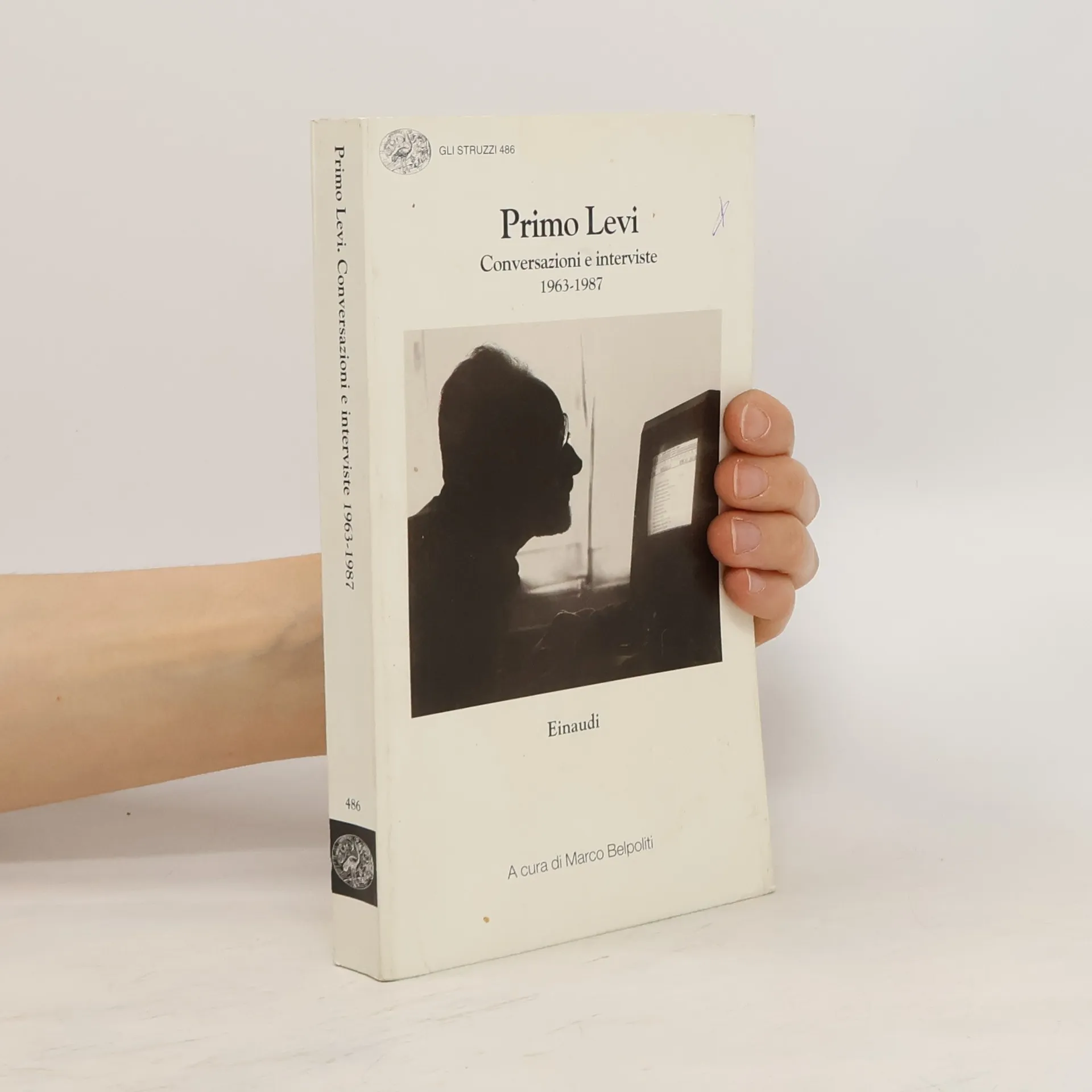
Conversazioni e interviste
1963-1987
La vita, i libri, il lavoro, il lager, l'ebraismo, Israele: Primo levi si racconta in una serie di interviste e conversazioni con giornalisti, critici, ricercatori, rilasciate dal 1963 - l'anno della Tregua - al 1987. Sono risposte che costituiscono un significativo commento dell'autore alla propria opera, che non è soltanto quella di un testimone dall'altissima coscienza morale e civile, ma anche quella di un grande scrittore. Levi non si sottrae alle domande: spiega, precisa, discute, prolungando nelle interviste l'arte del racconto e della memoria e affrontando le questioni politiche e morali del nostro secolo con dolorosa lucidità e forte tensione civile. Marco Belpoliti ha ordinato e annotato le conversazioni piú significative in cui l'uomo, il testimone, il chimico e lo scrittore si saldano mirabilmente componendo una preziosa autobiografia.
Primo Levi, reduce da Auschwitz, pubblicò "Se questo è un uomo" nel 1947. Einaudi lo accolse nel 1958 nei "Saggi" e da allora viene continuamente ristampato ed è stato tradotto in tutto il mondo. Testimonianza sconvolgente sull'inferno dei Lager, libro della dignità e dell'abiezione dell'uomo di fronte allo sterminio di massa, "Se questo è un uomo" è un capolavoro letterario di una misura, di una compostezza già classiche. È un'analisi fondamentale della composizione e della storia del Lager, ovvero dell'umiliazione, dell'offesa, della degradazione dell'uomo, prima ancora della sua soppressione nello sterminio.
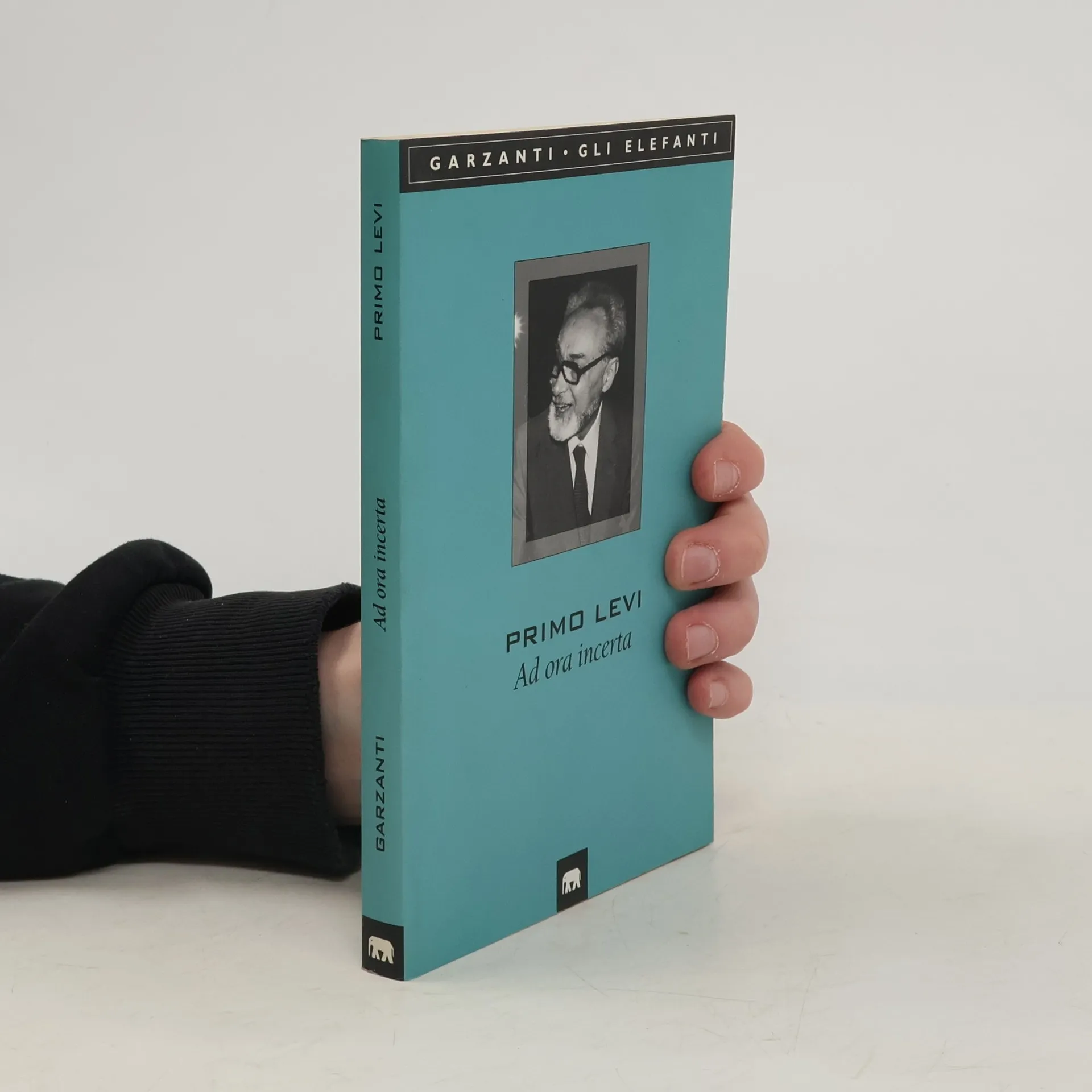
Gli Elefanti: Ad ora incerta
- 154pagine
- 6 ore di lettura
«Chi non ha mai scritto versi?... Anch’io, ad intervalli regolari, “ad ora incerta”, ho ceduto alla spinta: a quanto pare, è inscritta nel nostro patrimonio genetico». In realtà, il fare poesia non è stato in Primo Levi un’attività marginale o minore; egli stesso ci racconta come, scampato al Lager, gli fosse venuto spontaneo fissare la tragedia di Auschwitz nei versi che poi avrebbero aperto Se questo è un uomo: «Voi che vivete sicuri / Nelle vostre tiepide case...». Nei testi poetici raccolti in questo volume ritroviamo, come ha osservato Giovanni Raboni, «lo stesso acume morale, la stessa forza di memoria, ammonimento e pietà che rendono sostanziosa, così giusta, così naturalmente memorabile la sua prosa... In Levi lo scatto, l’impulso iniziale di ogni singola poesia nasce dalla ragione, dalla lettura morale della realtà, da quella capacità di capire la propria sofferenza e la propria indignazione come patrimonio comune a tutti gli uomini, che formano la peculiarità e l’insostituibilità della sua prosa».
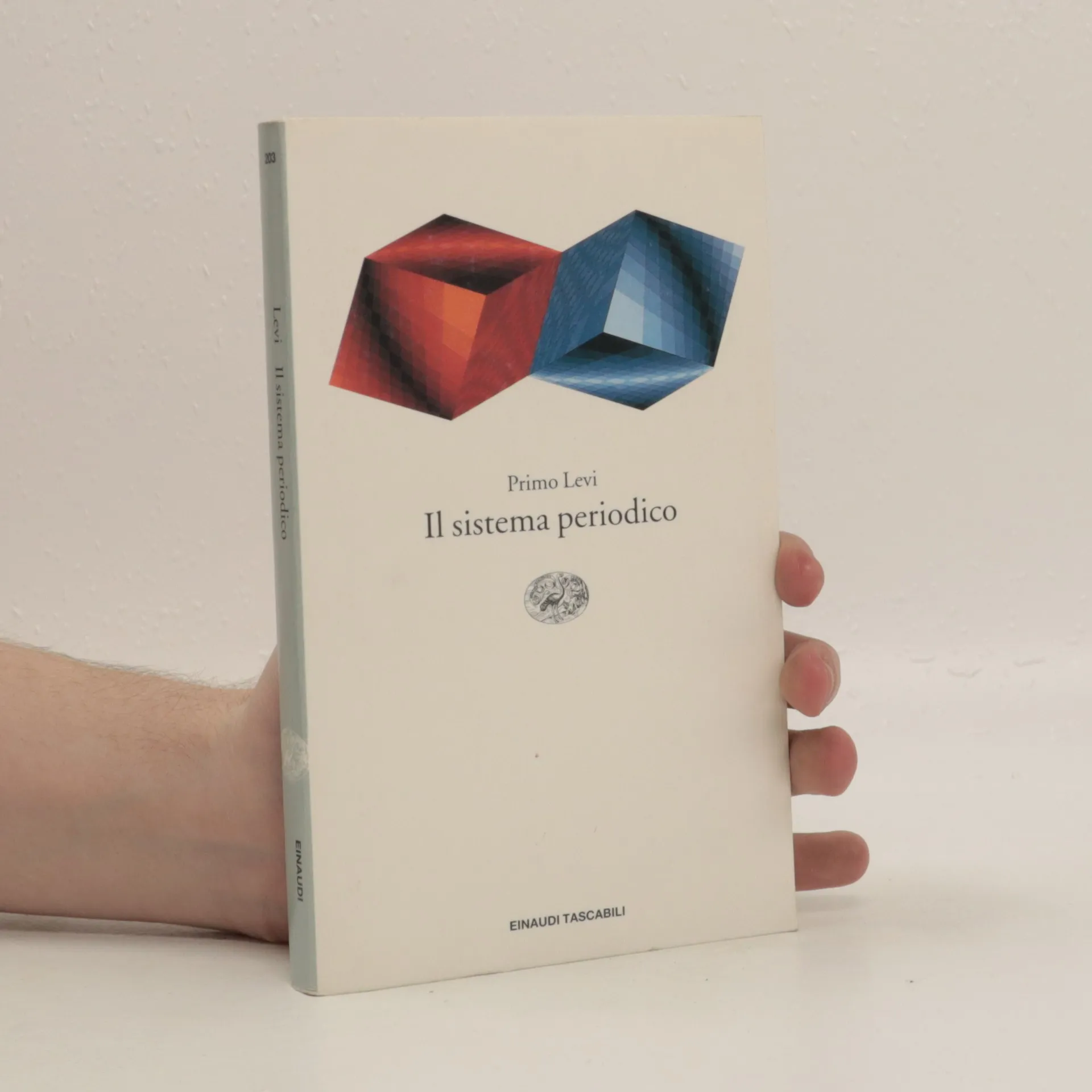
Il sistema periodico
- 261pagine
- 10 ore di lettura
Azoto, carbonio, idrogeno, oro, arsenico... Sono ventuno gli elementi chimici che dànno il titolo ai racconti di questo libro, e ventuno i capitoli di un'autobiografia che per affinità e accostamenti corre sul filo di una storia personale e collettiva, affondando le radici nell'oscura qualità della materia, raccontando le storie di un mestiere «che è poi un caso particolare, una versione piú strenua del mestiere di vivere». È questo il gigantesco minuscolo gioco che lega osservazione, memoria, scrittura: ne esce ricostruita la vicenda di una formazione maturata negli anni del fascismo, poi nelle drammatiche vicende della guerra: di chi, partendo dalla concretezza del lavoro, impara a capire le cose e gli uomini, a prendere posizione, a misurarsi con ironia e autoironia. Un De rerum natura metafora dell'esistenza, in cui emergono, nel volgersi del racconto, stranezze, fallimenti e riuscite imprevedibili.
Faussone, detto Tino, il protagonista di questa «opera prima» di Primo Levi, ovvero del suo primo romanzo d'invenzione, è un operaio specializzato che si lascia alle spalle la dura esperienza della catena di montaggio alla Lancia e gira per il mondo a montare gru, ponti sospesi, strutture metalliche, impianti petroliferi. Il romanzo racconta la sua vita e il suo lavoro: una sorta di Odissea moderna con protagonista una specie di Ulisse che dall'India alla Russia, dall'Alaska all'Africa offre agli altri la sua voglia di fare e la sua tecnica e che Levi racconta con gusto e ironia, immedesimandosi nel personaggio e nelle sue avventure.
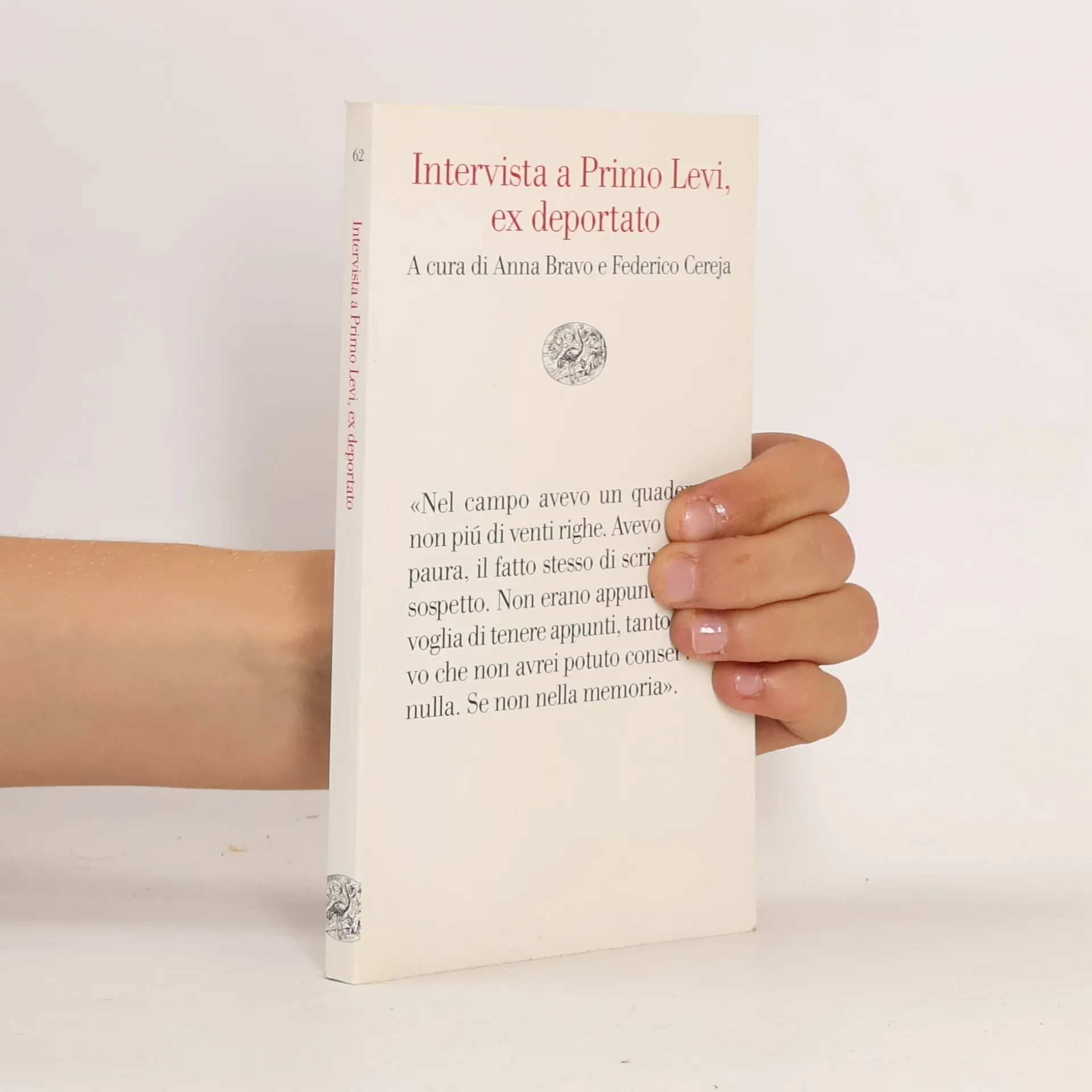
Intervista a Primo Levi, ex deportato
- 93pagine
- 4 ore di lettura
"Realmente llego a creer en la concepcion heroica de la historia, segun la cual alguien malo, poderoso y persuasivo, la encarnacion del demonio, un personaje como Hitler arrastra tras de si al pueblo entero como un rebano. Que otra explicacion puede darse? En las filmaciones de la epoca, los dialogos entre Hitler y el publico son absolutamente impresionantes, parecen intercambios de truenos. Por ese motivo las personalidades carismaticas me dan miedo. No consigo aceptar la tesis marxista del nazismo como fruto de la lucha de clases; el comportamiento del pueblo aleman era muy especial y la personalidad de Hitler tambien. No se, son preguntas que me hago." BIOGRAFIA DEL AUTOR: Primo Levi nace en Turin en 1919, en el seno de una familia judia. En 1942 se gradua en Quimica e ingresa en la Resistencia. Al ano siguiente es deportado a Auschwitz, donde permanece hasta la liberacion del campo por parte de los rusos, en enero de 1945. Su primer libro, Si esto es un hombre, tuvo poca repercusion inicialmente, pero hoy es considerado una obra maestra. En el texto que presentamos -una entrevista realizada en 1983-, Primo Levi retoma con una fuerza renovada los temas abordados en sus primeros escritos.
Quanto delle nostre radici viene dai libri che abbiamo letti?
La Biblioteca della Nuova Sardegna: Se questo è un uomo
- 189pagine
- 7 ore di lettura
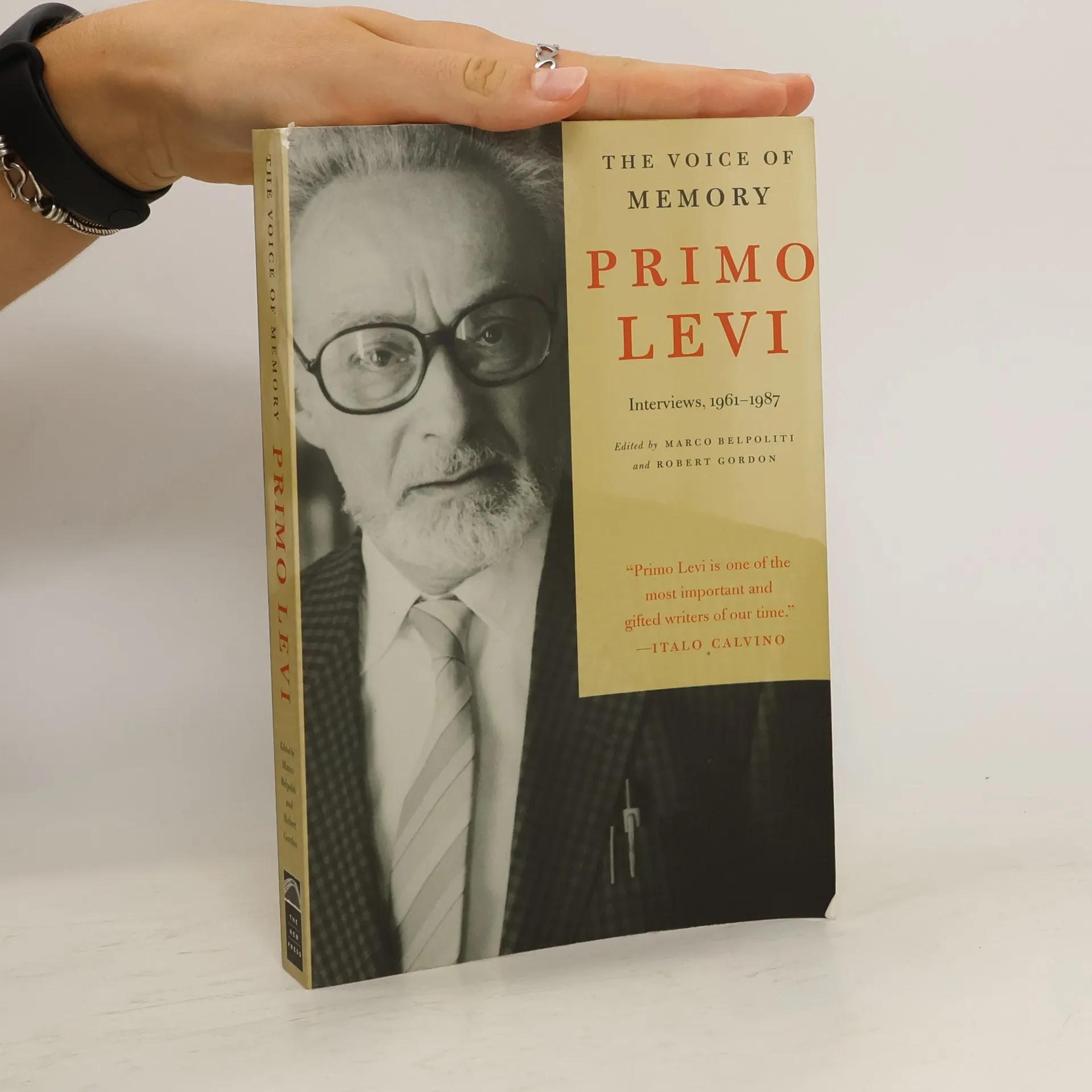
Interviews with the Holocaust survivor and writer reveal the many faces of Primo Levi, from his political polemicism to his thoughts on Jewish culture. 10,000 first printing.
Moments of Reprieve
- 176pagine
- 7 ore di lettura
Primo Levi was one of the most astonishing voices to emerge from the twentieth century: a man who survived one of the ugliest times in history, yet who was able to describe his own Auschwitz experience with an unaffected tenderness.Levi was a master storyteller but he did not write fairytales. These stories are an elegy to the human figures who stood out against the tragic background of Auschwitz, 'the ones in whom I had recognized the will and capacity to react, and hence a rudiment of virtue'. Each centres on an individual who - whether it be through a juggling trick, a slice of apple or a letter - discovers one of the 'bizarre, marginal moments of reprieve'.
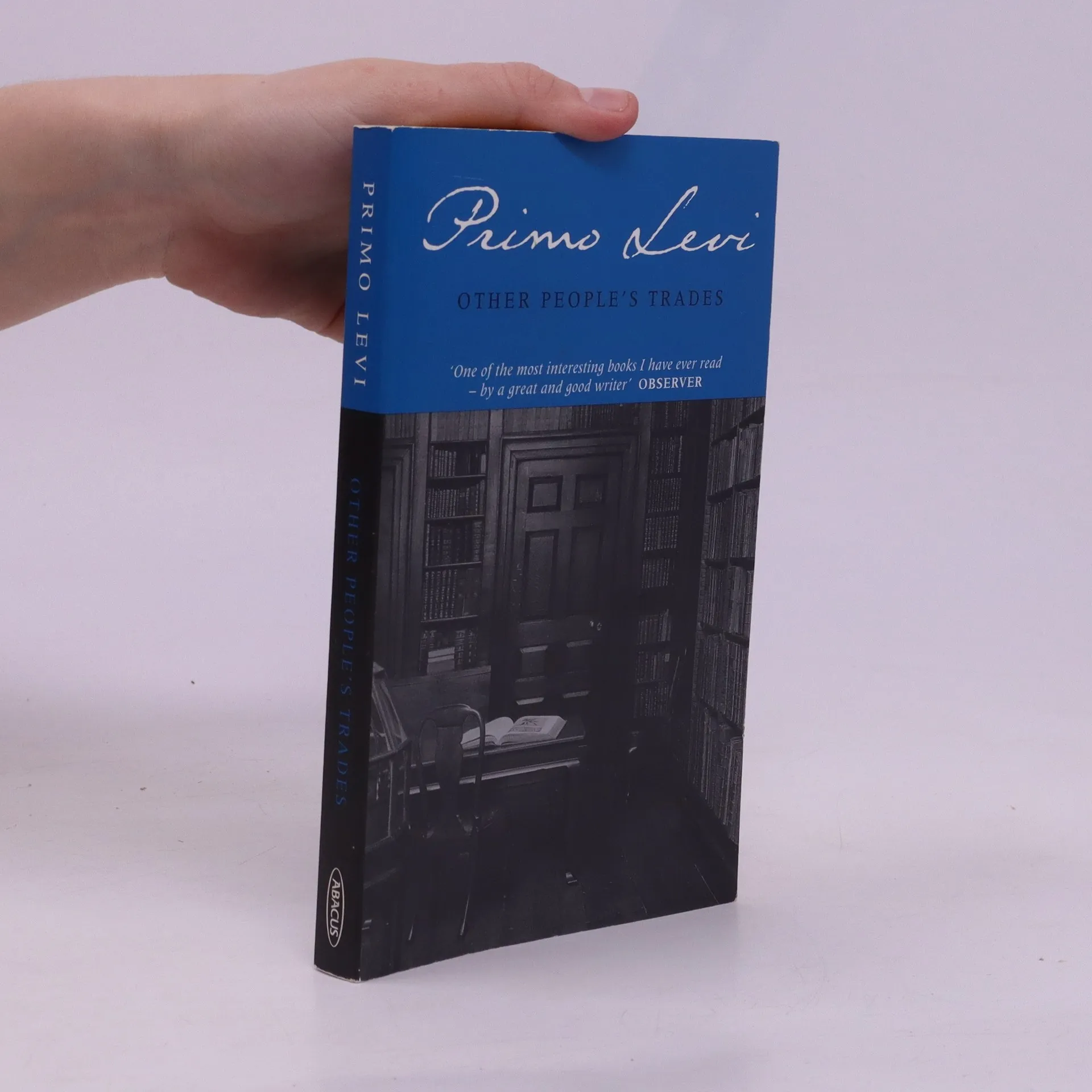
Other People's Trades
- 224pagine
- 8 ore di lettura
OTHER PEOPLE'S TRADES contains 43 essays originally written for newspaper publication. They are, in the author's words, 'the fruit of my roaming about as a curious dilettante for more than a decade ... invasions of the field, incursions into other people's hunting preserves, forays into the boundless territories of zoology, astronomy and linguistics' 'There is no contest. The noblest book of the year' Anita Brookner, SPECTATOR 'Read an essay or two every few days; it'll be like meeting him in a Turin cafe, hearing him talk of wonderful, funny and horrible things in his gentle, dry voce, with all the virtues of his chemist's training - 'humility, patience and method', a wonderful nose and eye, and a steady hand' NEW STATESMAN & SOCIETY 'Everything Primo Levi has ever written is well worth reading, and this collection is no exception' THE TIMES 'There is no contest. The noblest book of the year' SPECTATOR
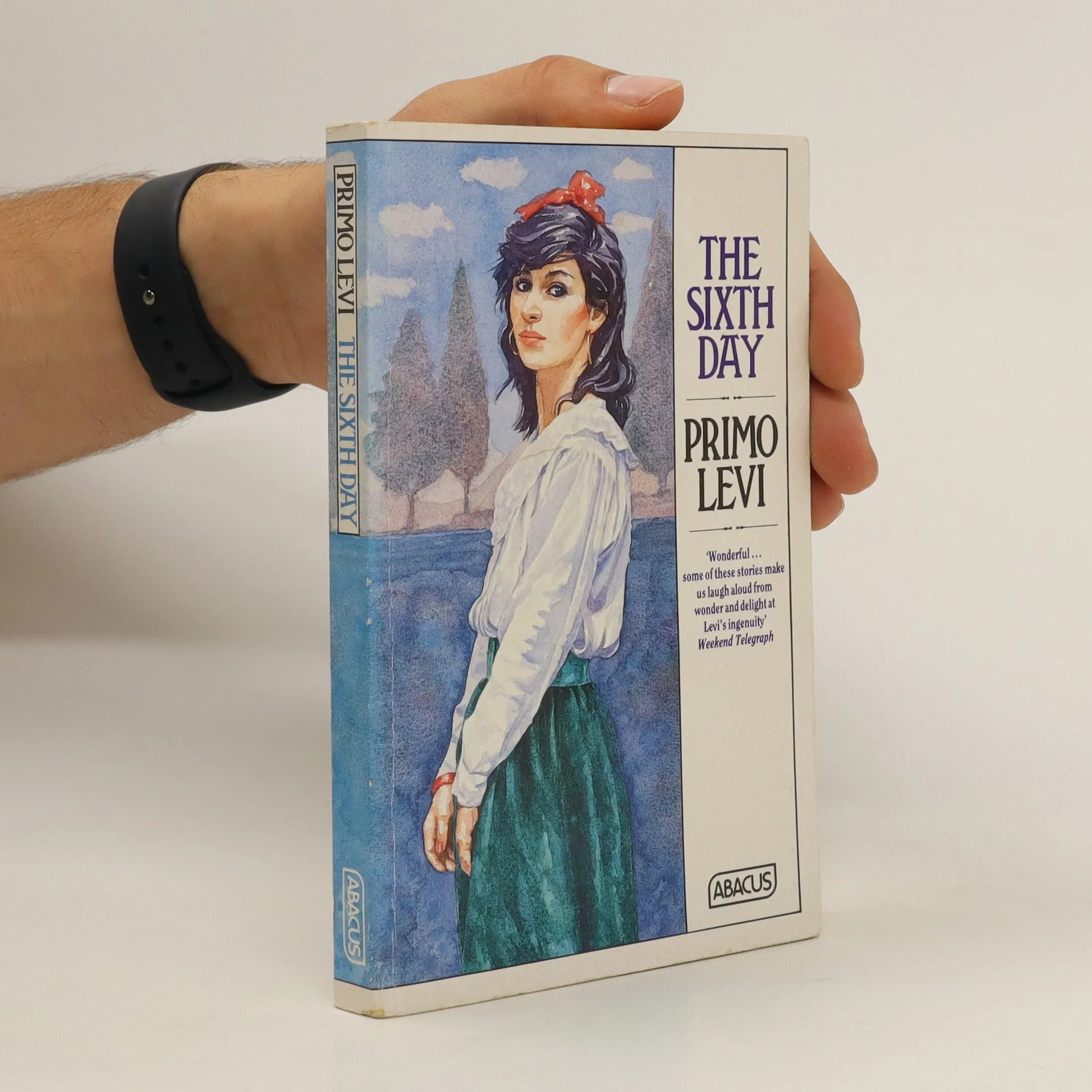
The sixth day and other tales
- 192pagine
- 7 ore di lettura
A collection of 23 stories in which the author creates a strangely familiar universe, transformed by the imagination. The stories include commentary on the human condition and the effect of a technological culture on people's daily lives.
The Survivor
- 64pagine
- 3 ore di lettura
Back, away from here, drowned people, go. I haven't stolen anyone's place' A selection of poetry from the author of If this is a Man and The Periodic Table. From the writer who bore witness to the twentieth century's darkest days, these verses of beauty and horror include the poem that inspired the title of his memoir, If This Is a Man.
The Magic Paint
- 80pagine
- 3 ore di lettura
'He was blamed for endless disasters, from failed exams to a bridge collapse, an avalanche, even a shipwreck: all due, in the stupid opinion of, first, his fellow-students and, later, his colleagues, to the penetrating power of his evil eye...' Profound and compassionate, Primo Levi was one of the most astonishing literary voices to emerge from the twentieth century. Whether describing the most beautiful poem ever composed or an invention gone horribly wrong, these eight exquisitely wrought stories open up a rich, fantastical world of wonder, adventure and cruel twists of fate, where nothing is as it seems. This book contains The Magic Paint, The Death of Marinese, Censorship in Bitinia, Knall, Gladiators, The Fugitive, Bureau of Vital Statistics, Buffet Dinner
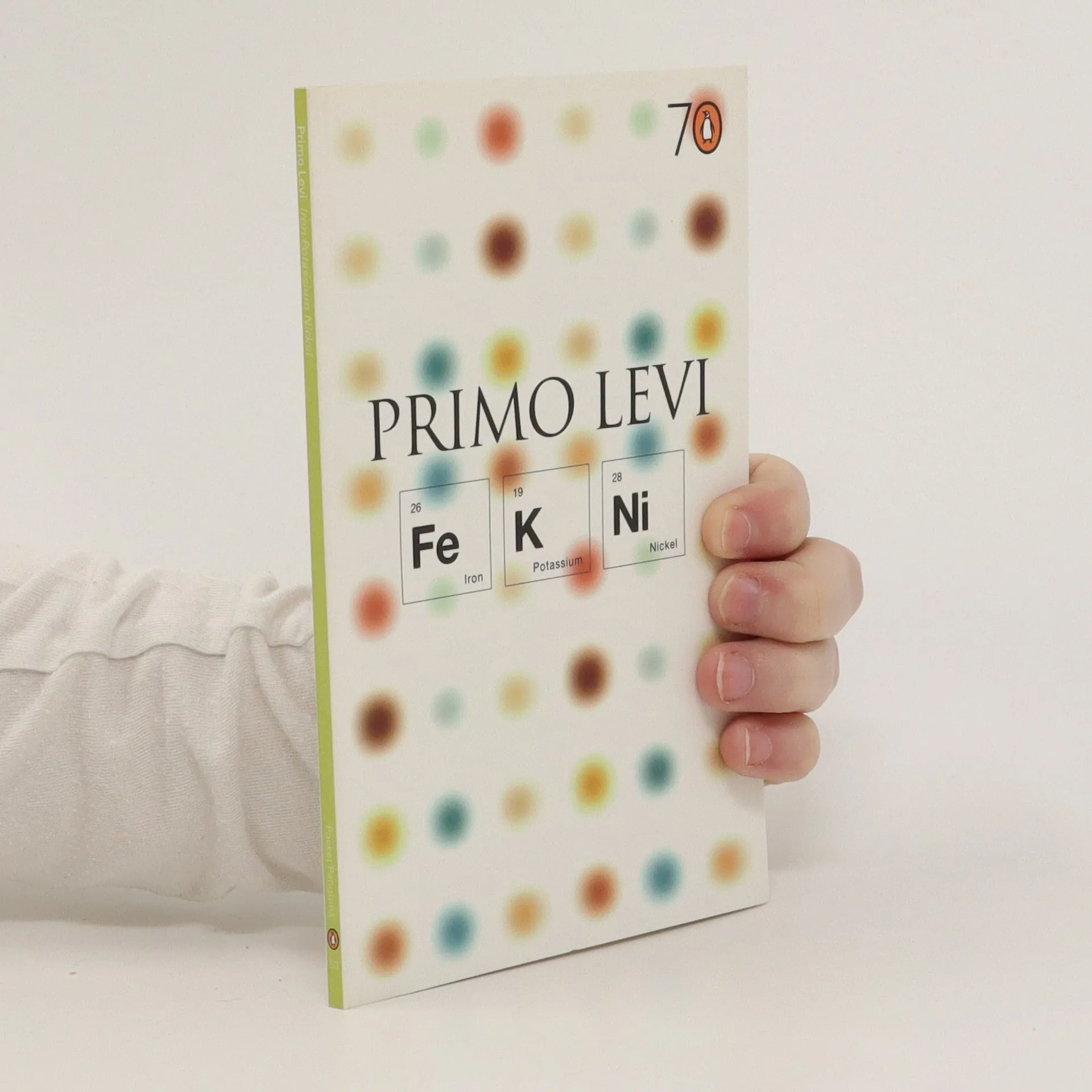
In May 2005 Penguin will publish 70 unique titles to celebrate the company's 70th birthday. The titles in the Pocket Penguins series are emblematic of the renowned breadth of quality of the Penguin list and will hark back to Penguin founder Allen Lane's vision of good books for all'. A highly educated Jewish Italian, Primo Levi achieved world-wide fame with his first book, If This is a Man: an objective account of his struggle for survival following imprisonment in Auschwitz in 1943. Taken from his great work The Periodic Table, these stories describe his training as a chemist in wartime Turin against a backdrop of growing anti-Semitism.
In Philip Roth's intimate intellectual encounters with an international and diverse cast of writers, they explore the importance of region, politics and history in their work and trace the imaginative path by which a writer's highly individualized art is informed by the wider conditions of life. With Primo Levi, Roth discusses the stubborn core of rationality that helped the Italian chemist-writer survive the demented laboratory of Auschwitz. With Milan Kundera, he analyzes the mix of politics and sexuality that made him the most subversive writer in communist Czechoslovakia. With Edna O'Brien, he explores the circumstances that have forced generations of Irish writers into exile. Elsewhere Roth offers appreciative portraits of two friends--the writer Bernard Malamud and the painter Philip Guston--at the end of their careers, and gives us a masterful assessment of the work of Saul Bellow. Intimate, charming, and crackling with ideas about the interplay between imagination and the writer's historical situation, Shop Talk is a literary symposium of the highest level, presided over by America's foremost novelist.
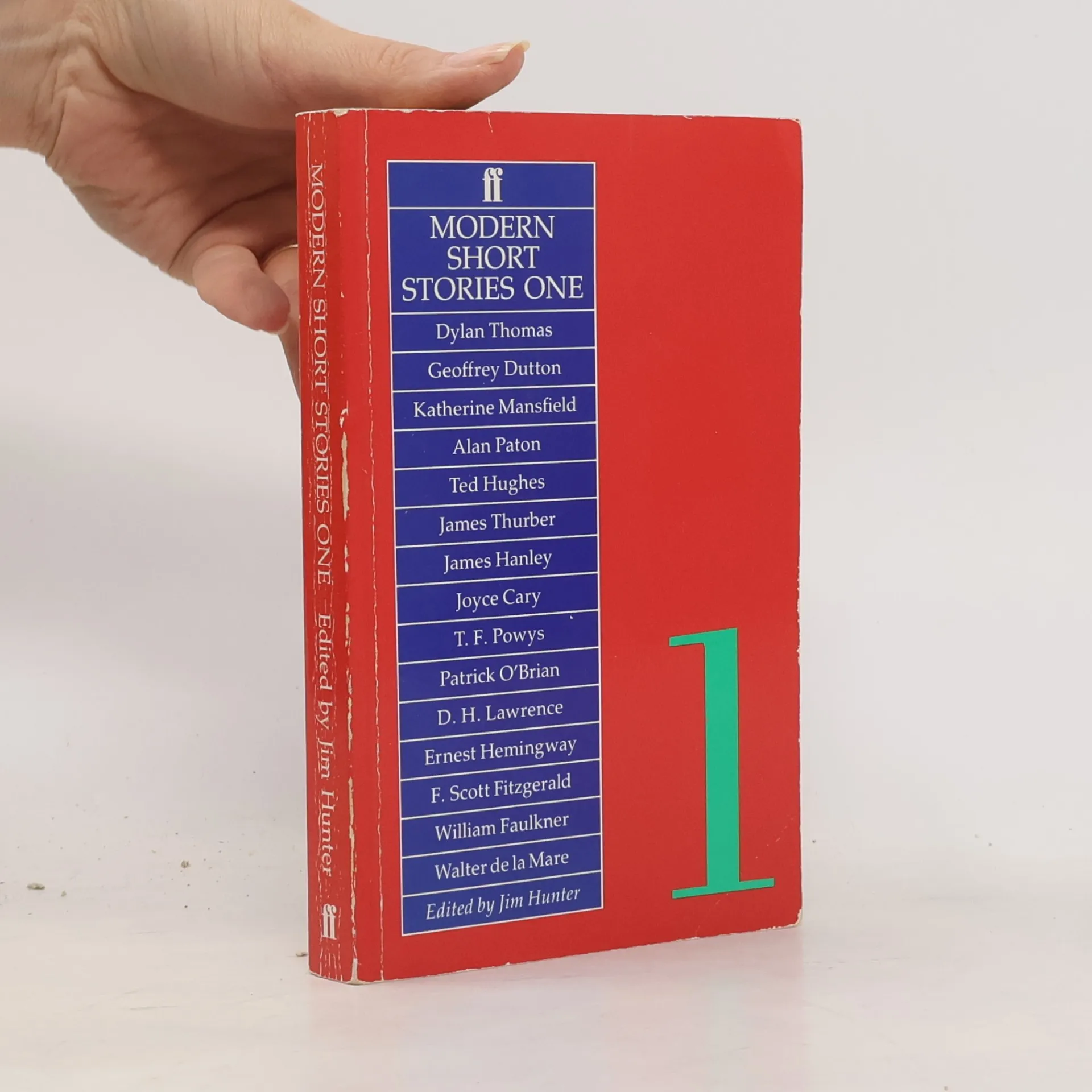
Modern Short Stories
- 219pagine
- 8 ore di lettura
This collection is a companion to the long-established and highly successful Modern Short Stories One and its essential aims are the same: to offer stories of high literary quality which, though written for adults, can be enjoyed and appreciated by adolescents. The fifteen stories included are by distinguished writers from Africa, America, Australia, India, Ireland, Italy and Great Britain; and within their artistic context several of them deal with the special personal and social concerns of society today.The collection includes stories by the likes of Dorothy Parker, Maeve Binchy, Garrison Keillor, Peter Carey, Flannery O'Connor and Nadine Gordimer.
Conversations
- 68pagine
- 3 ore di lettura
The renowned novelist and chronicler of the Nazi concentration camps, Primo Levi together with Tullio Regge, a leading physicist in the development of quantum mechanics, engage in a conversation that will enlighten and amuse the reader.
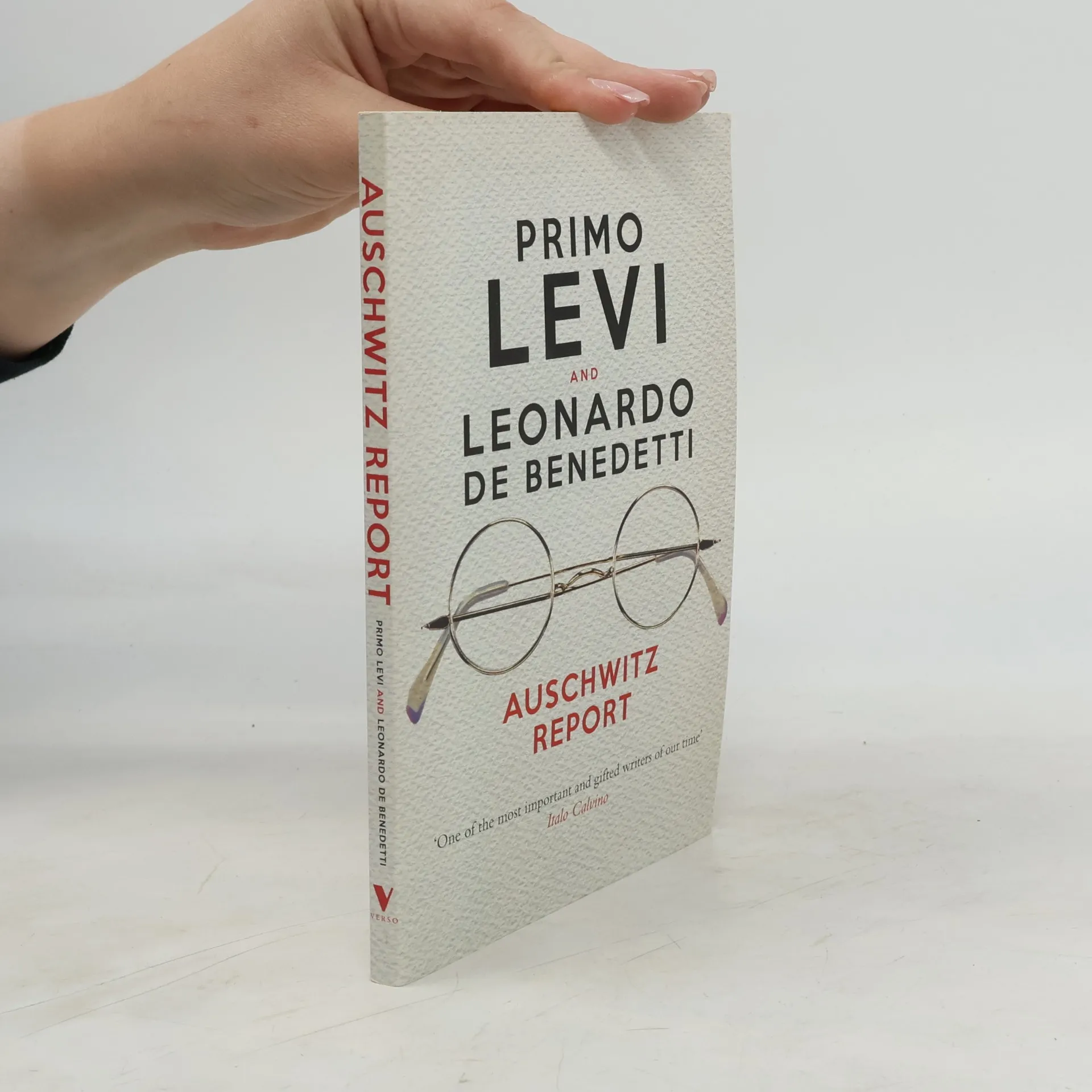
Auschwitz Report
- 112pagine
- 4 ore di lettura
Among the first written accounts of the concentration camps—a major literary and historical discovery. While in a Russian-administered holding camp in Katowice, Poland, in 1945, Primo Levi was asked to provide a report on living conditions in Auschwitz. Published the following year, it was subsequently forgotten and remained unknown to a wider public. Dating from the weeks and months immediately after the war, Auschwitz Report details the authors’ harrowing deportation to Auschwitz, and how those who disembarked from the train were selected for work or extermination. As well as being a searing narrative of everyday life in the camp, and the organization and working of the gas chambers, it constitutes Levi’s first lucid attempts to come to terms with the raw horror of events that would drive him to create some of the greatest works of twentieth-century literature and testimony. Auschwitz Report is a major literary and historical discovery.
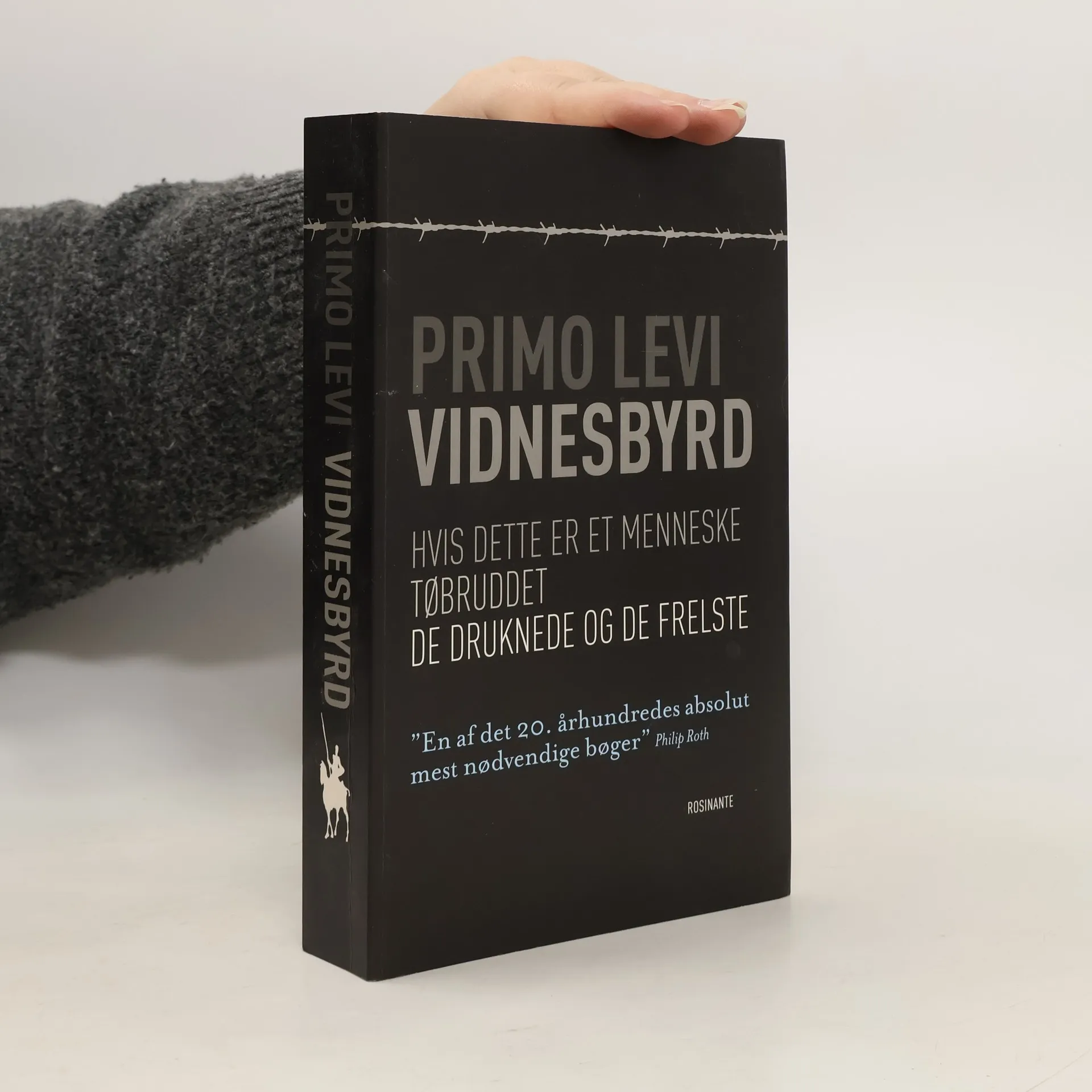
Primo Levis vidnesbyrd fra Auschwitz er tre af det 20. århundredes allervigtigste litterære værker. Den 13. december 1943 arresteres den italiensk-jødiske kemiker Primo Levi i Alperne og føres til dødslejren Auschwitz. Det er begyndelsen på en grum fortælling, om hvordan man overlever kz-lejrenes ubegribelige brutalitet og meningsløshed, om vejen tilbage til de levendes verden, om behovet for at aflægge vidnesbyrd - om behovet for at blive hørt. De tre værker er en dyster udforskning af det, vi forstår som menneskelighed fyldt med visdom og sort humor på trods. Denne udgave samler for første gang Primo Levis tre bøger om Auschwitz på dansk.
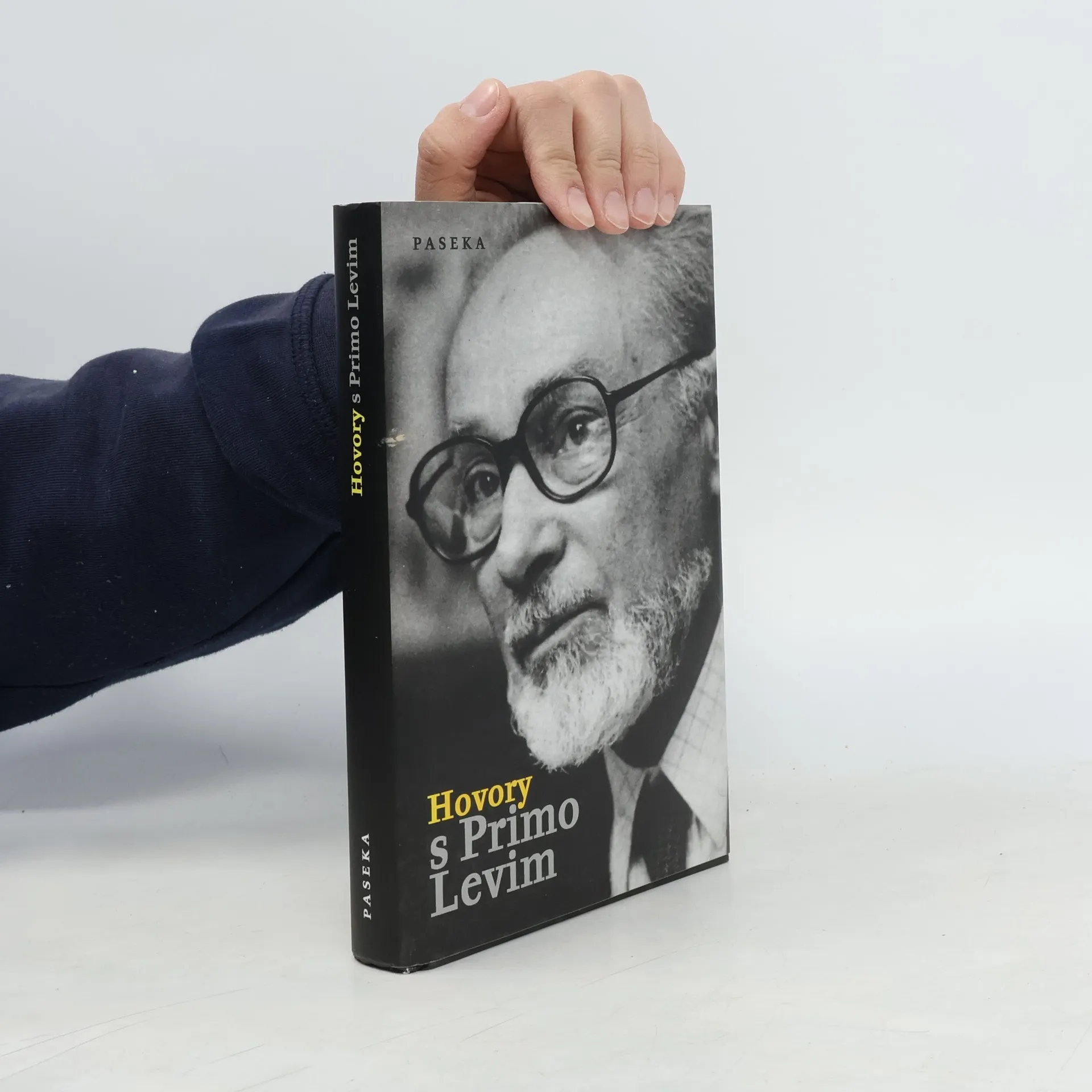
Osud připravil Primo Levimu, racionálně uvažujícímu vědci-chemikovi, v soukromí plachému a odtažitému muži, prazvláštní úděl: udělil mu dar slova, dar vypovídat o zkušenostech z Osvětimi. Postupem doby, kdy se Levi stává veřejnou osobností a jedním z nejznámějších světových židovských spisovatelů, se ho novináři začínají detailně vyptávat na jeho život a práci, na pobyt v koncentračním táboře, na vztah k judaismu a politice, ale i na mnohem subtilnější témata: problém viny a trestu, odpuštění, nenávisti, víry v Boha. Nejdůležitější rozhovory Primo Leviho, ať už poskytnuté novinám nebo rozhlasu, nyní vycházejí knižně, rozčleněné do pěti tematických oddílů. Vybral, uspořádal a poznámkami opatřil Marco Belpoliti.
Verše významného italského autora napsané v letech 1943 až 1984. V souboru uplatňuje autor zkušenost člověka, který poznal peklo vyhlazovacích koncentračních táborů. Verše jsou psány vytříbeným stylem a dokonale přetlumočeny do české verze.
Groteske und humorvolle, realistische und phantastische Geschichten beleuchten den Fortschrittswahn, die Globalisierung und die Entfremdung zwischen Mensch und Natur. Levis Oeuvre zeugt von dem Wunsch, den Unberührten das Unvorstellbare zu vermitteln. Wir sind die Zauberlehrlinge, die die entfesselten Kräfte immer weniger kontrollieren können. Die Erzählungen entführen in eine Zukunft, die Schauplatz beunruhigender Experimente ist. Ernst und Satire verschmelzen in diesen 14 Geschichten, in denen Levis Interesse an Naturwissenschaften mit seiner literarischen Begabung harmoniert. Die Themen reichen von Mnemagogien und Zensur in Bitinien über Cladonia rapida und das Maß der Schönheit bis hin zu Vollbeschäftigung und Schutz. Weitere Geschichten behandeln die Richtung Sonnenuntergang, die Synthetischen, Rote Lämpchen, Vilmy, Knall, unsere schönen Spezifikationen, Psychofant und Auf die Stirn geschrieben. Diese Erzählungen sind auf irritierende Weise aktueller denn je und laden dazu ein, über die Herausforderungen und Absurditäten unserer Zeit nachzudenken.
Román italského spisovatele židovského původu líčí v jednotlivých povídkách, spojených postavou vypravěče a pojmenovaných jmény prvků, zápas chemika se záhadami chemie, zápas, do něhož se promítá řada jeho životních zkušeností jako příslušníka generace vyrůstající v období fašismu. Doslov „Básnický dokument o jedné generaci“ napsal Vladimír Hořký.
L'asymétrie et la vie
- 316pagine
- 12 ore di lettura
Pourquoi l'enfer des camps ? Pourquoi la destruction ? Pourquoi l'incapacité de l'homme à assimiler les leçons de l'Histoire ? En marge de ses récits sur Auschwitz, Primo Levi n'a cessé de s'interroger sur ce noyau incompréhensible de l'action humaine révélé par la Shoah, comme en témoigne ce recueil de textes rédigés entre 1955 et 1987. Avec l'obstination que, chimiste, il met à se mesurer à la matière pour en connaître la structure, Primo Levi écrivain montre dans une prose lumineuse que la racine du mal réside dans une asymétrie inséparable de la vie. Des textes d'une passionnante actualité à travers lesquels se dessine une autobiographie à la fois scientifique, littéraire, politique et morale.
Eindelijk vrij!
de bevrijdingsdagen van Curzio Malaparte, Viktor Nekrasov, Simone de Beauvoir, Michel Tournier, Louis Paul Boon, Hans Koning, Anatoli Koeznetsov, Primo Levi en vele anderen (Meulenhoff pocket editie)
- 159pagine
- 6 ore di lettura
Bundel verhalen over de bevrijdingsdagen in Europa 1944/1945.
Kurz nach der Befreiung von Auschwitz am 27. Januar 1945 verfasste der Chemiker Primo Levi zusammen mit dem Arzt Leonardo De Benedetti im Auftrag der russischen Kommandantur einen Bericht über die hygienisch-medizinische Organisation von Auschwitz III. Dieser erschütternde, wenig bekannte Text ist der Beginn von Levis weltbedeutendem Werk, das für ein Schreiben gegen das Vergessen und eine kritische Hinterfragung der Gegenwart steht. Neben dem „Bericht“ versammelt „So war Auschwitz“ zum Großteil unveröffentlichte Artikel, Reden, Briefe und Zeugenaussagen aus über vierzig Jahren. Ein in seiner dokumentarischen Dichte und chronologischen Breite einzigartiger Band, der eine neue Dimension von Levis Werk erschließt.
Ich, der ich zu Euch spreche. Ein Gespräch mit Giovanni Tesio
- 176pagine
- 7 ore di lettura
Im Januar 1987 nahm Primo Levi den Vorschlag des Kritikers Giovanni Tesio an, gemeinsam eine Biografie zu schreiben. Beide waren sich der Herausforderungen bewusst, die vor ihnen lagen, als sie zu ihrem ersten Gespräch zusammentrafen. Levi, der unter Depressionen litt und sich auf eine Operation vorbereitete, bat Tesio, seine „Geständnisse“ zu „übersetzen“ und die Gedanken des Auschwitz-Zeugen zu deuten. Es fanden nur zwei weitere Treffen statt, bevor Levi am 11. April 1987 aus seiner Wohnung stürzte. Die Umstände seines Todes – ob Unfall oder Suizid – sind bis heute umstritten. Seine Witwe schloss einen Freitod aus und verhinderte die Veröffentlichung der Gespräche. In diesen Äußerungen zeigt sich Levi so offen wie selten zuvor und spricht über seine Universitätszeit, Beziehungsprobleme, den Faschismus und den Widerstand. Dabei sucht er oft die Schuld bei sich selbst und reflektiert über seine politische Naivität. Obwohl die Biografie nicht zustande kam, bietet dieses Protokoll einen tiefen, persönlichen Einblick in Levis Selbstverständnis als Autor, der das Schreiben als Pflicht betrachtete. Maike Albath, die das Nachwort verfasst hat, ist Journalistin und hat mehrere Bücher veröffentlicht. Sie lebt in Berlin.
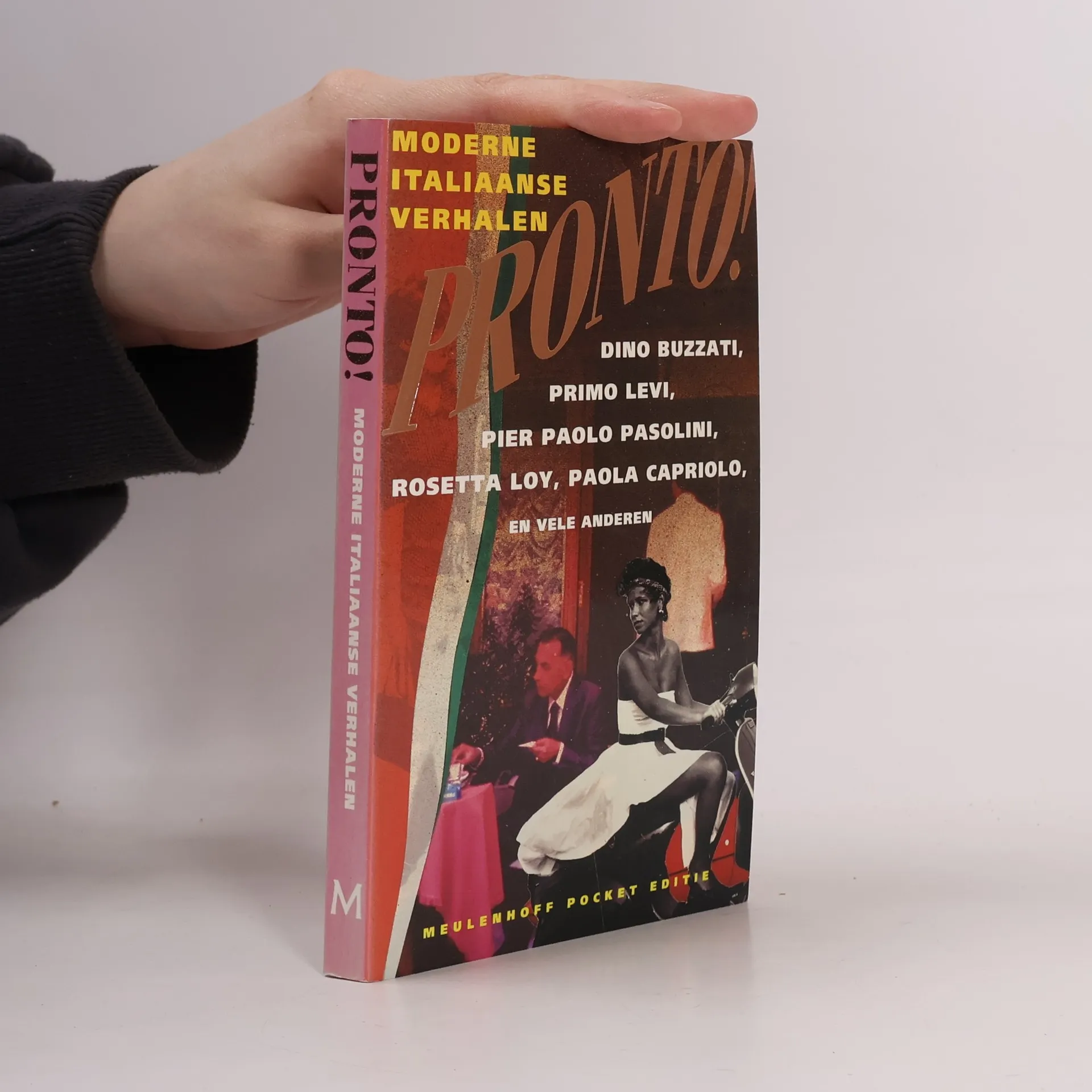
Pronto! moderne Italiaanse verhalen (Meulenhoff pocket editie)
- 159pagine
- 6 ore di lettura
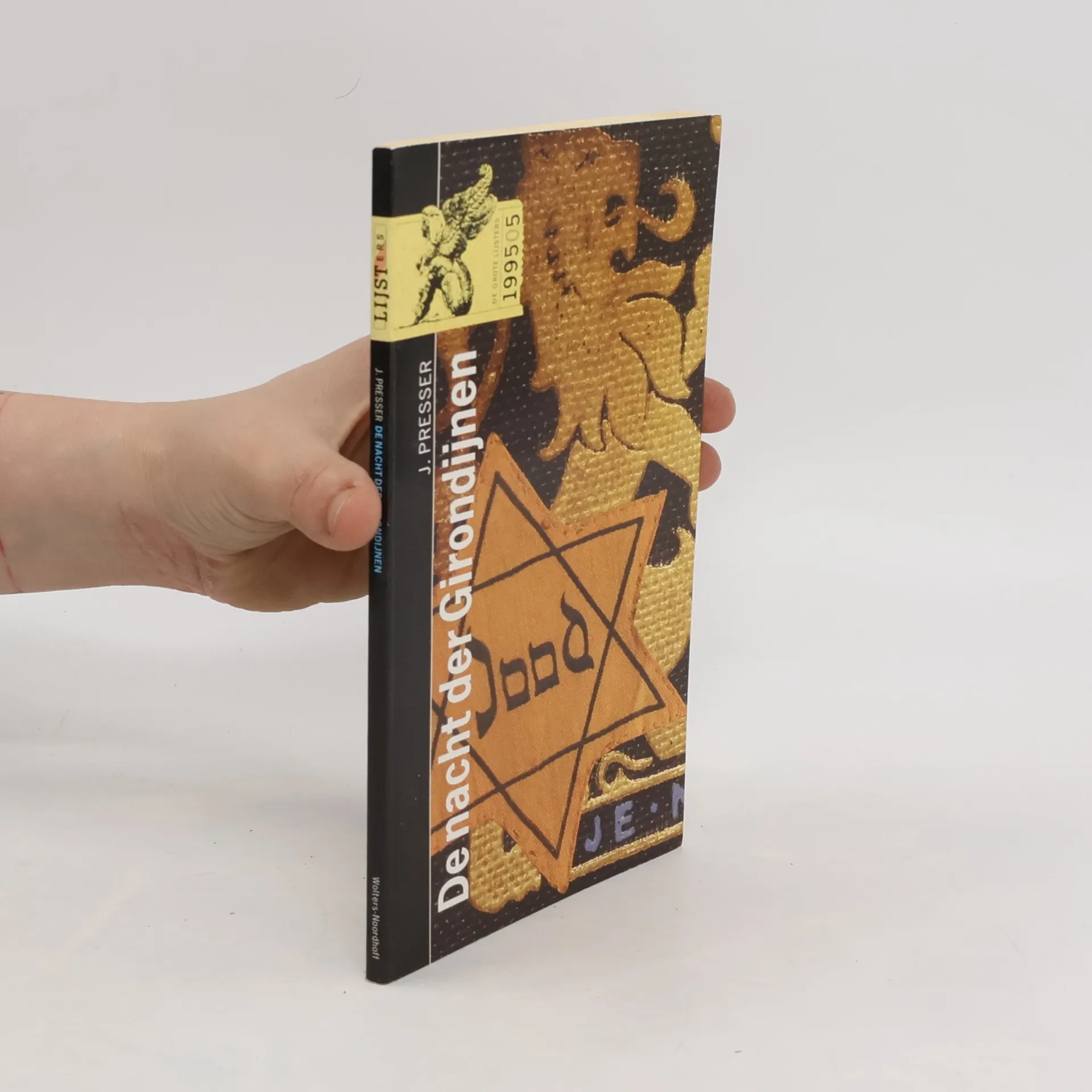
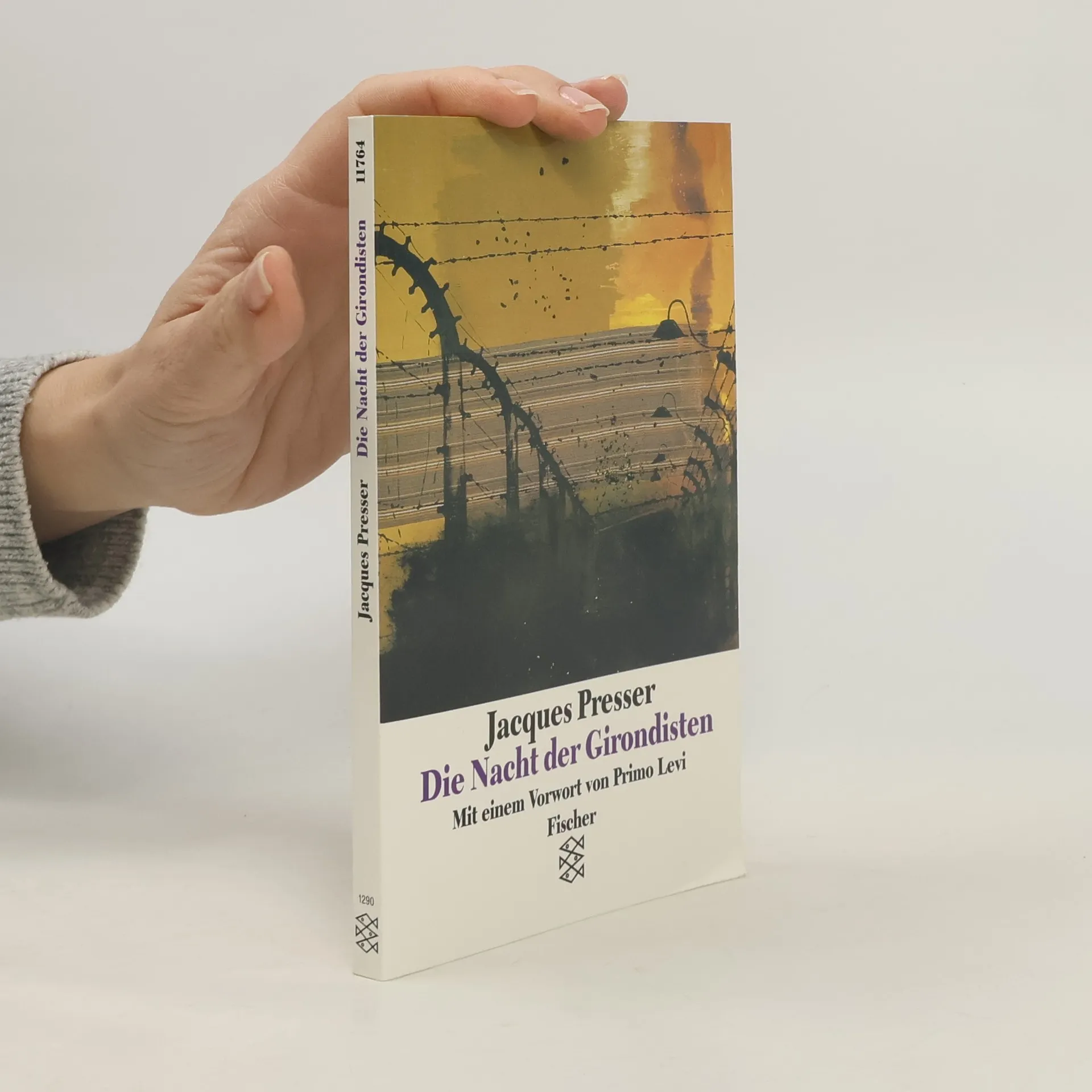
De nacht der Girondijnen
- 77pagine
- 3 ore di lettura
Navrant verhaal over een Portugese jood in het doorgangskamp Westerbork tijdens de Tweede Wereldoorlog.
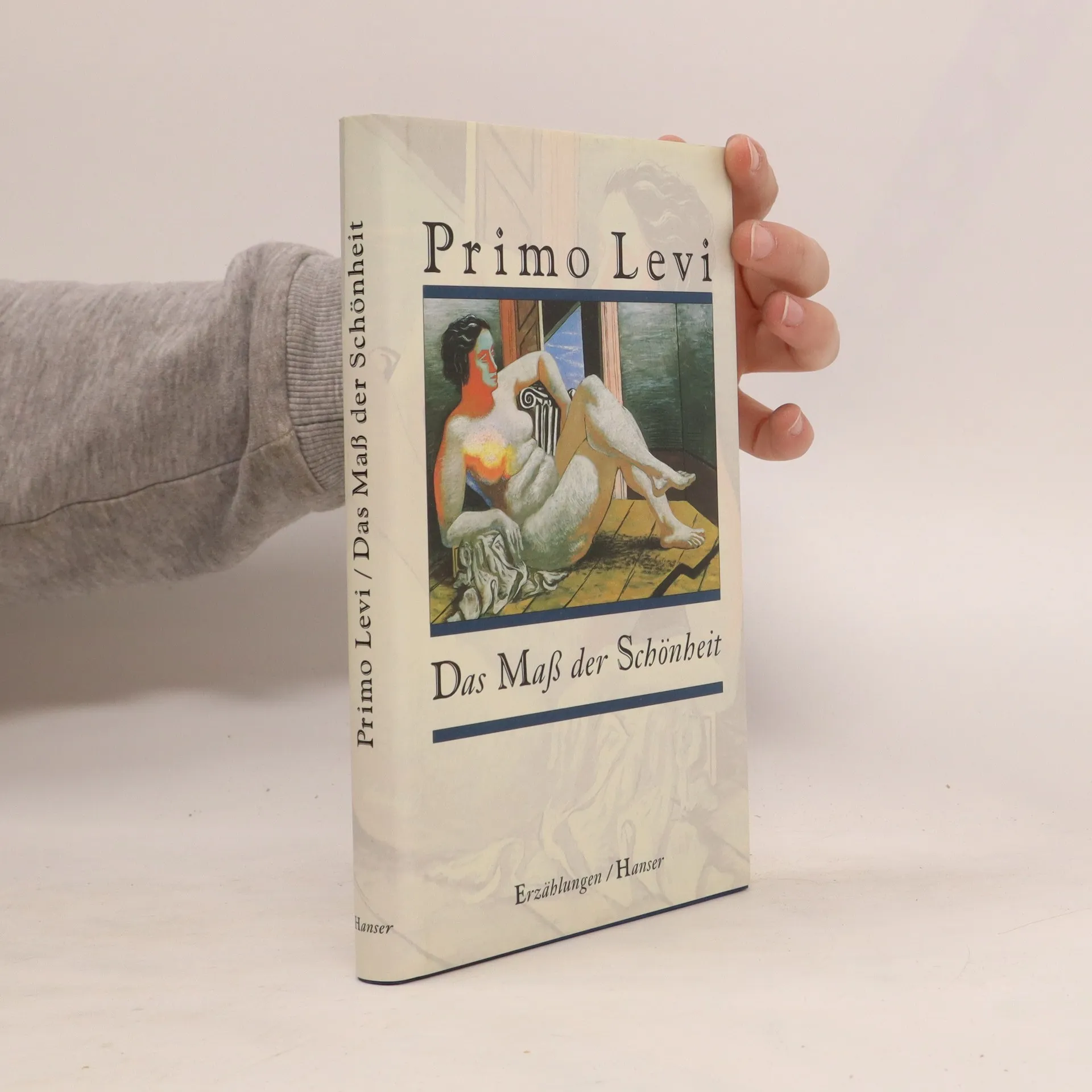
Das Mass der Schönheit
- 147pagine
- 6 ore di lettura
Racconti e Saggi vereint fünfzehn Erzählungen und zwanzig Essays und ist das letzte Buch, das Primo Levi zu Lebzeiten veröffentlicht hat: Es erscheint im Herbst 1986, wenige Monate nach I sommersi e i salvati, das im Frühjahr desselben Jahres erschienen war. Der Band gehört zu einer Reihe mit dem Titel „Terza pagina“, die Sammlungen von Artikeln der angesehensten Mitarbeiter der Turiner Zeitung „La Stampa“ gewidmet ist. In dieser Zeitung schrieb Levi erstmals 1959 (Monumento ad Auschwitz, 18. Juli), um dann ab 1968 eine regelmäßige Zusammenarbeit zu beginnen (La luna e l’uomo, 27. Dezember).
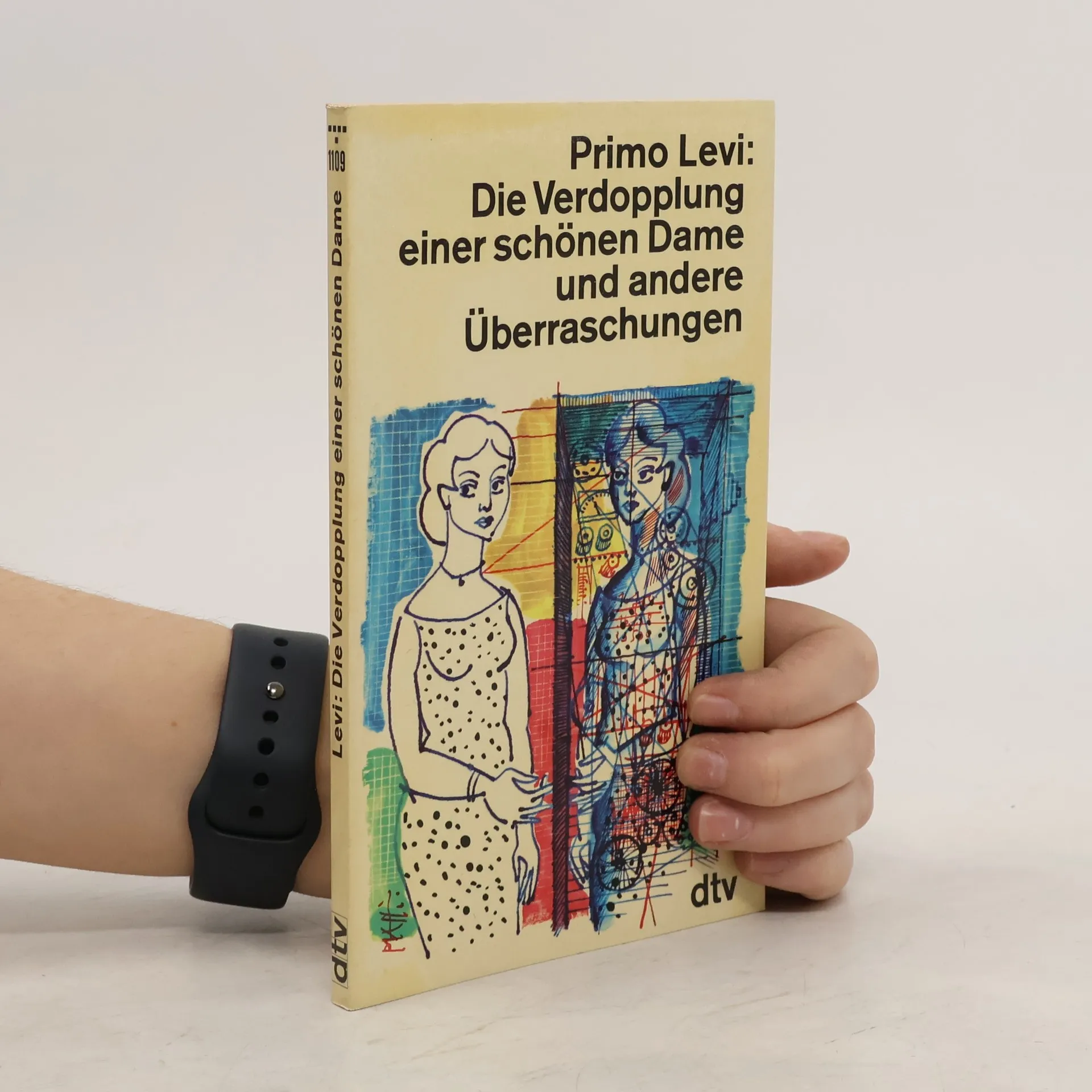
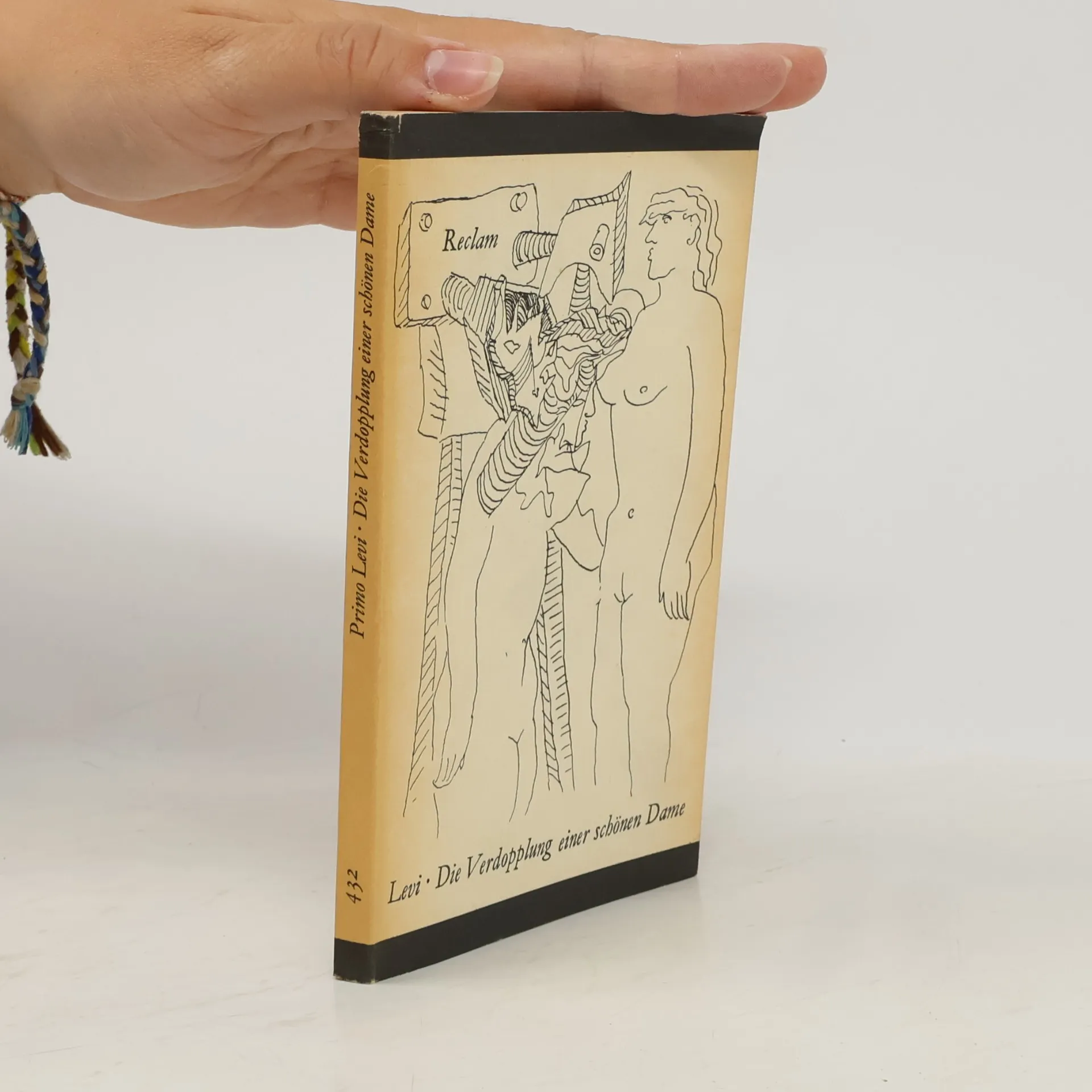
Die Verdopplung einer schönen Dame und andere Überraschungen
- 161pagine
- 6 ore di lettura
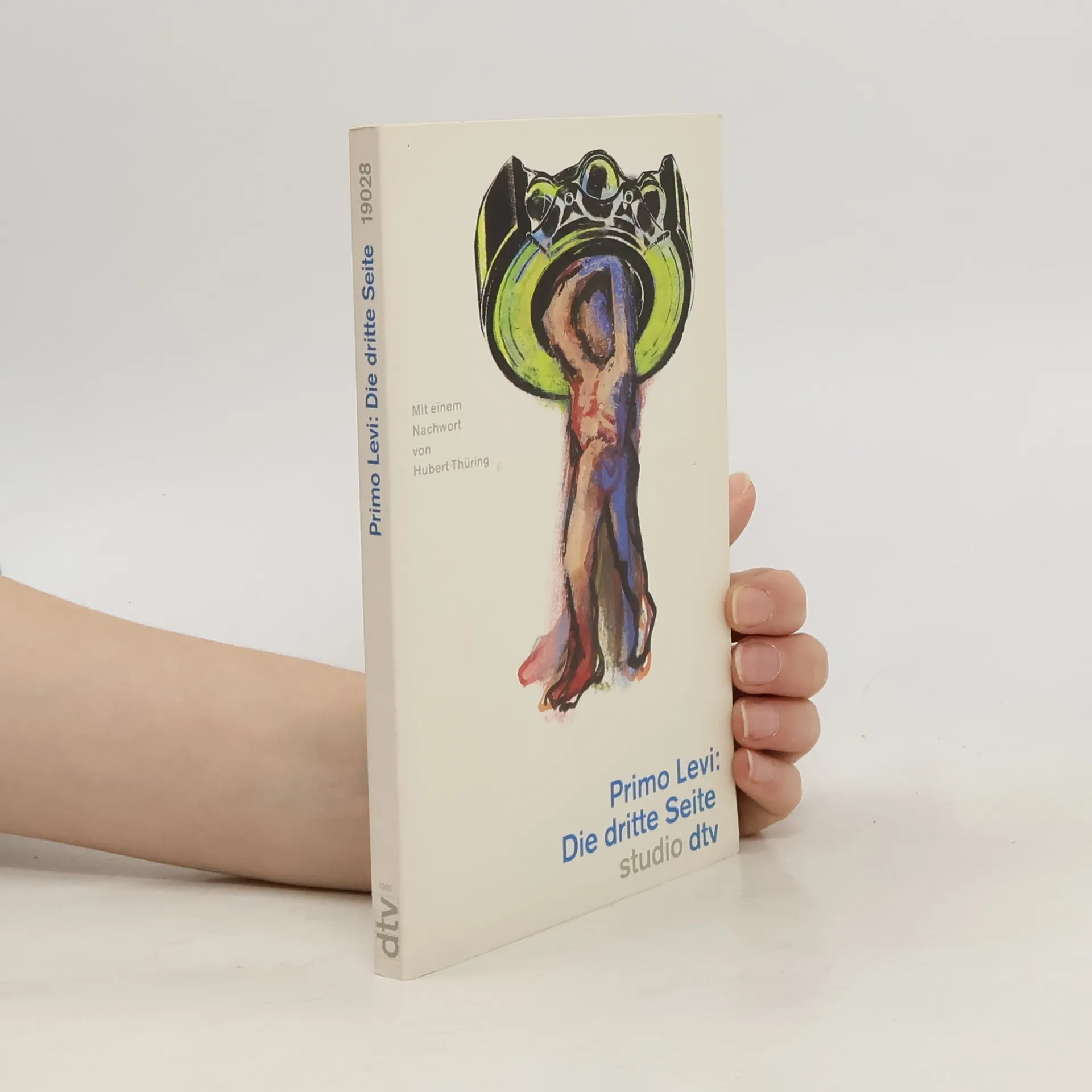
Prosastücke, die zwischen 1968 und 1986 für die dritte Seite der Turiner Tageszeitung "La Stampa" geschrieben wurden. Sie sind um einen Sachkommentar und ein Nachwort erweitert.
La collection Fichebook vous offre la possibilité de tout savoir de Si c'est un homme de Primo Levi grâce à une fiche de lecture aussi complète que détaillée. La rédaction, claire et accessible, a été confiée à un spécialiste universitaire. Cette fiche de lecture répond à une charte qualité mise en place par une équipe d'enseignants. Ce livre contient: - La biographie de Primo Levi - La présentation de l'oeuvre - Le résumé détaillé (chapitre par chapitre) - Les raisons du succès - Les thèmes principaux - L'étude du mouvement littéraire de l'auteur
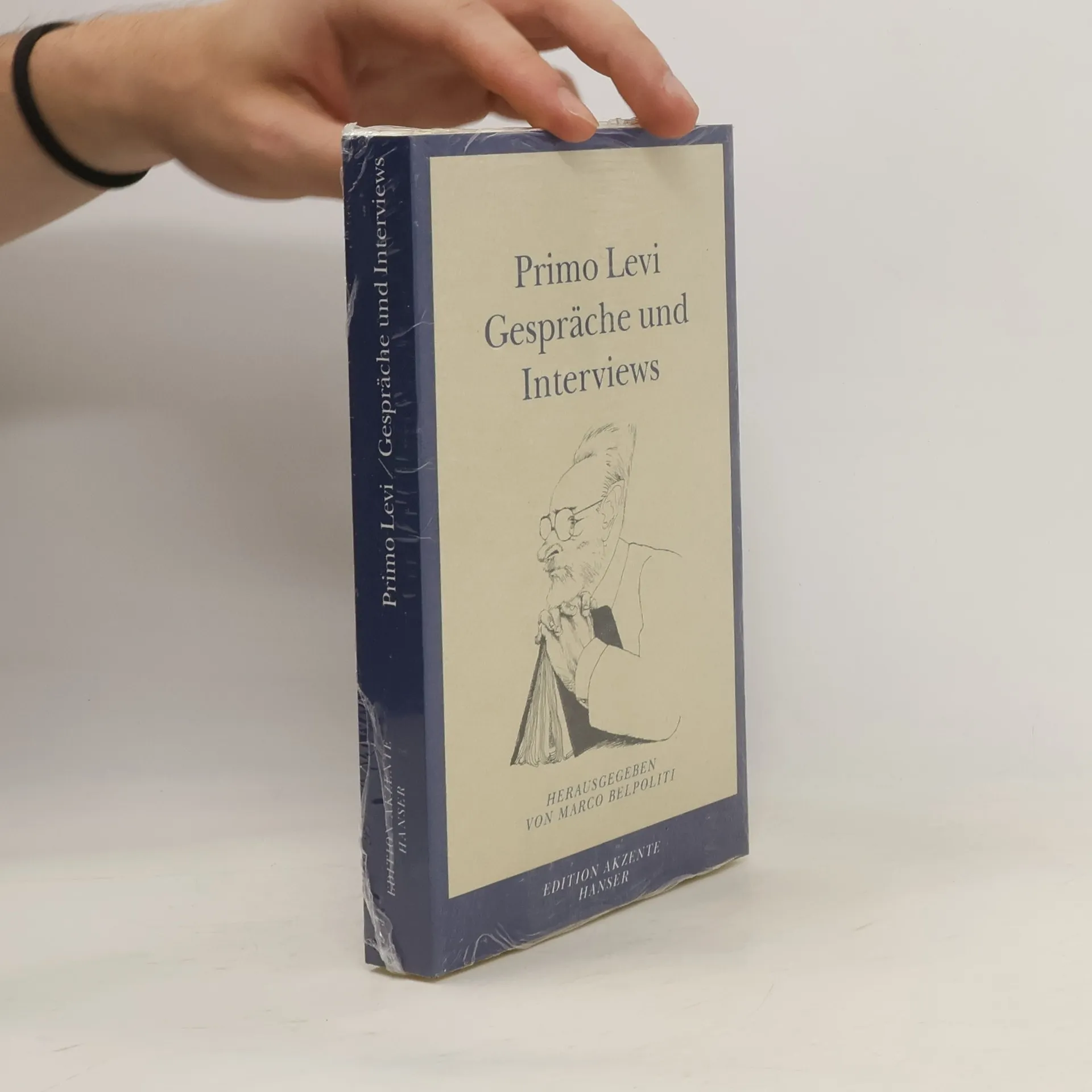
Gespräche und Interviews
- 287pagine
- 11 ore di lettura
Erst zu Anfang der sechziger Jahre erkannte man, daß Primo Levi mit seinem Buch Ist das ein Mensch? einen bleibenden Beitrag zur Weltliteratur des 20. Jahrhunderts geleistet hatte. Damals setzte das Interesse an seiner Person, an ihm als Augenzeugen ein, das über seinen Tod im Jahr 1987 hinaus andauerte. Aus den über 200 Interviews, die Levi gegeben hat, wurden im vorliegenden Band die wichtigsten ausgewählt. Im Gespräch mit Journalisten und Autoren äußert sich Levi zu seinen Büchern, zur Literatur und zum Schreiben im allgemeinen, zum Judentum und zum Staat Israel. Und er gibt Auskunft über sein Leben und über das, was dieses Leben am meisten geprägt hat: das Lager.
De rook boven Birkenau
- 169pagine
- 6 ore di lettura
Autobiografisch getinte verhalen over het vrouwenkamp in Auschwitz.
Deze verzameling bevat 24 verhalen van 10 Nederlandse en 14 buitenlandse schrijvers, die de actieve en minder actieve beoefening van diverse sporten verkennen. Onder de schrijvers zijn Camilo José Cela, Jan Siebelink en Gianni Celati, die zich richten op de populairste sport: voetbal. Boksen is ook een geliefd onderwerp, met bijdragen van Julio Cortázar, Bertolt Brecht en Joop Waasdorp. Daarnaast komen andere sporten aan bod, zoals roeien, schaken, bergbeklimmen, kameelracen, stierenvechten en hondenrennen. De verhalen beschrijven avonturen zoals het oversteken van de oceaan, hardlopen door Praag, de Elfstedentocht schaatsen en het deelnemen aan wielerrondes. Gabriel García Márquez laat zijn drievoudige wielerkampioen vertellen over een duizelingwekkende afdaling zonder remmen, wat de spanning van de sport mooi illustreert. Tussen humor en ernst, spanning en ontspanning, bewegen de vertellers zich door de ervaringen van sportieve personages die de vreugde van triomfen en de teleurstelling van nederlagen ervaren. Deze bundel biedt 24 topverhalen over een onvermoeibaar onderwerp en is een waardevolle toevoeging voor sportliefhebbers.
Die Gedichte aus der Zeit von 1945 bis 1987 behandeln Themen wie die Vernichtung des Inkareichs und Hiroshima, bieten jedoch auch versöhnliche Motive, wie einen alten Kastanienbaum, eine Maus und einen Elefanten Hannibals, der im Schnee der Alpen begraben liegt.
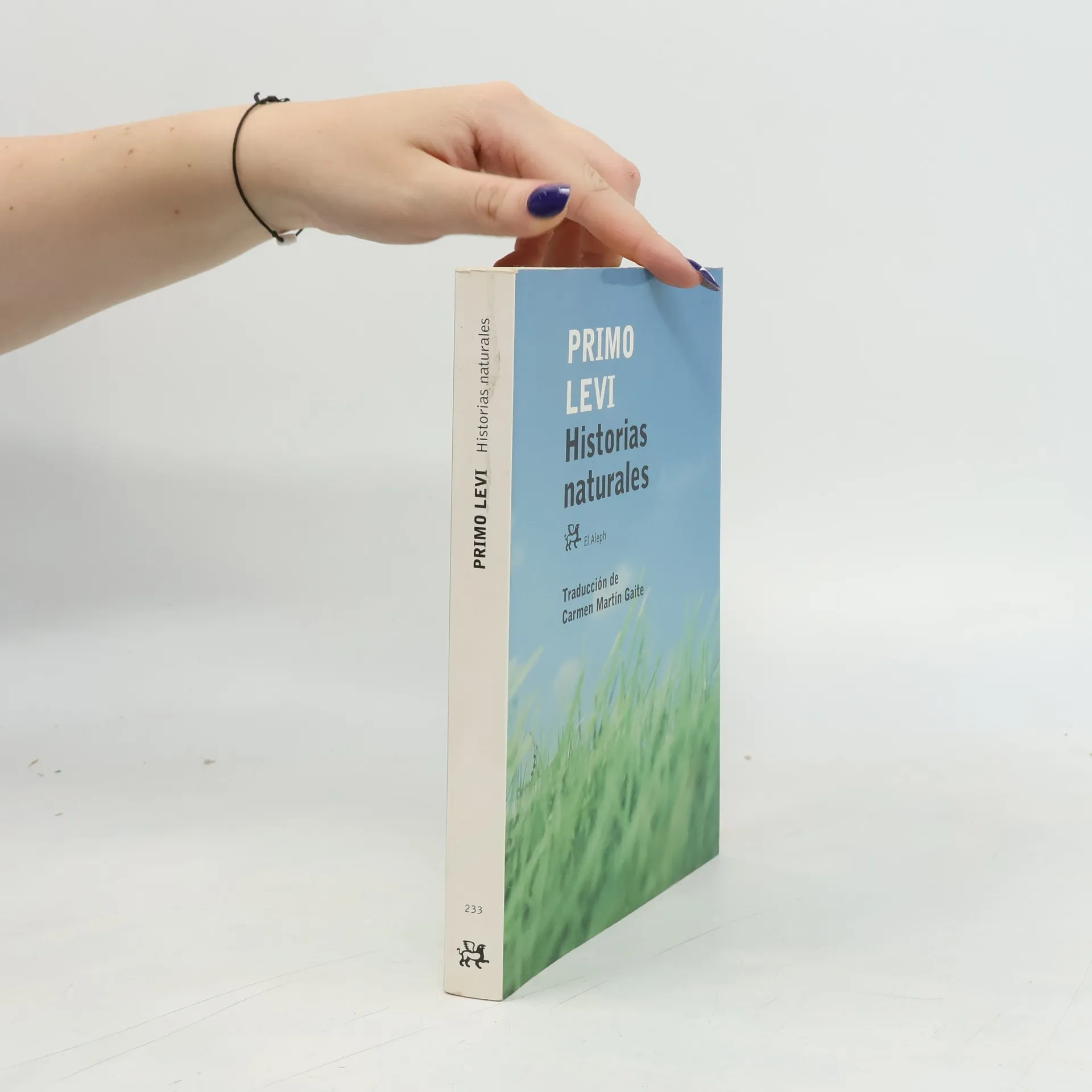
Historias naturales
- 224pagine
- 8 ore di lettura
A collection of short stories first published under the pen name 'Damiano Malabalia'
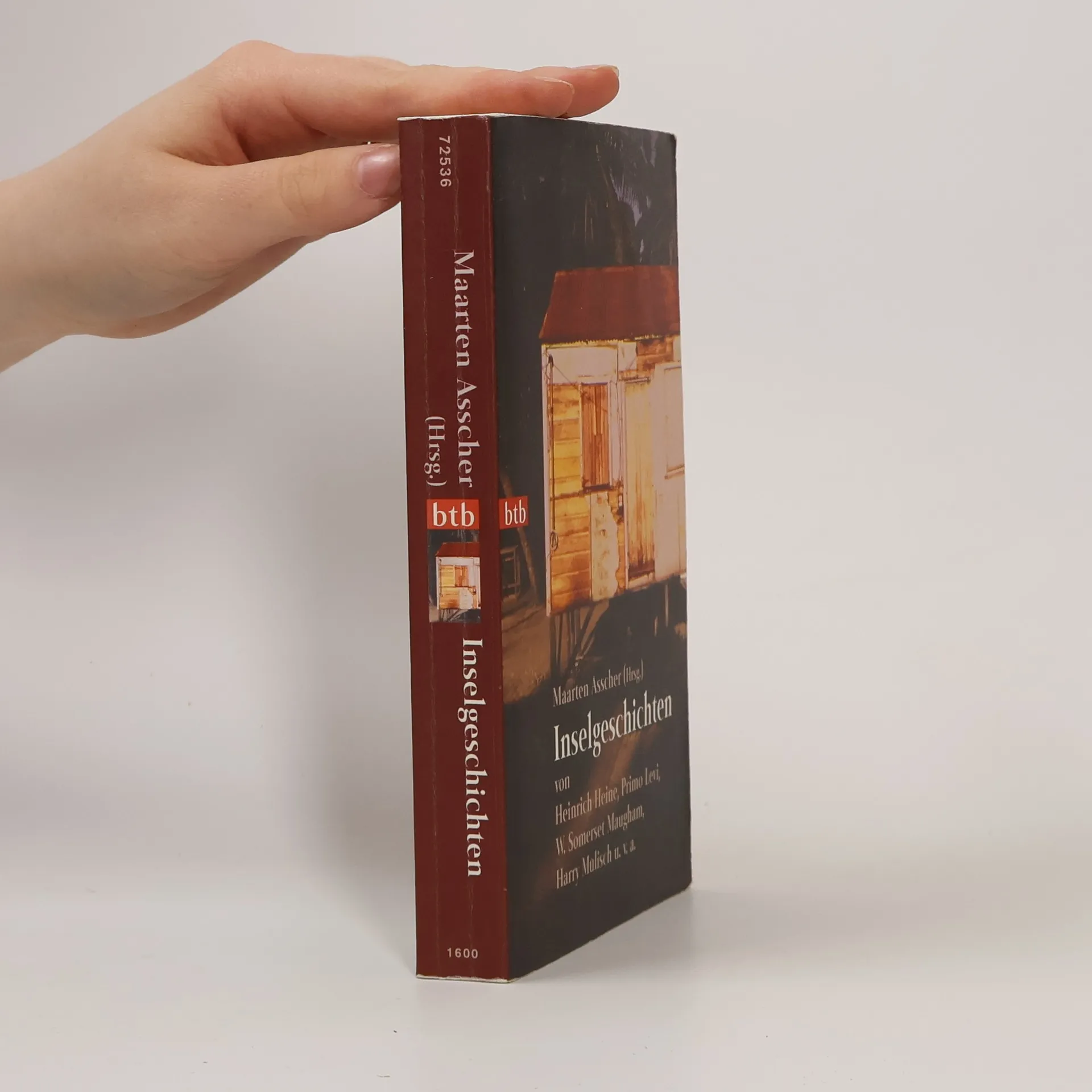
Inselgeschichten
- 297pagine
- 11 ore di lettura
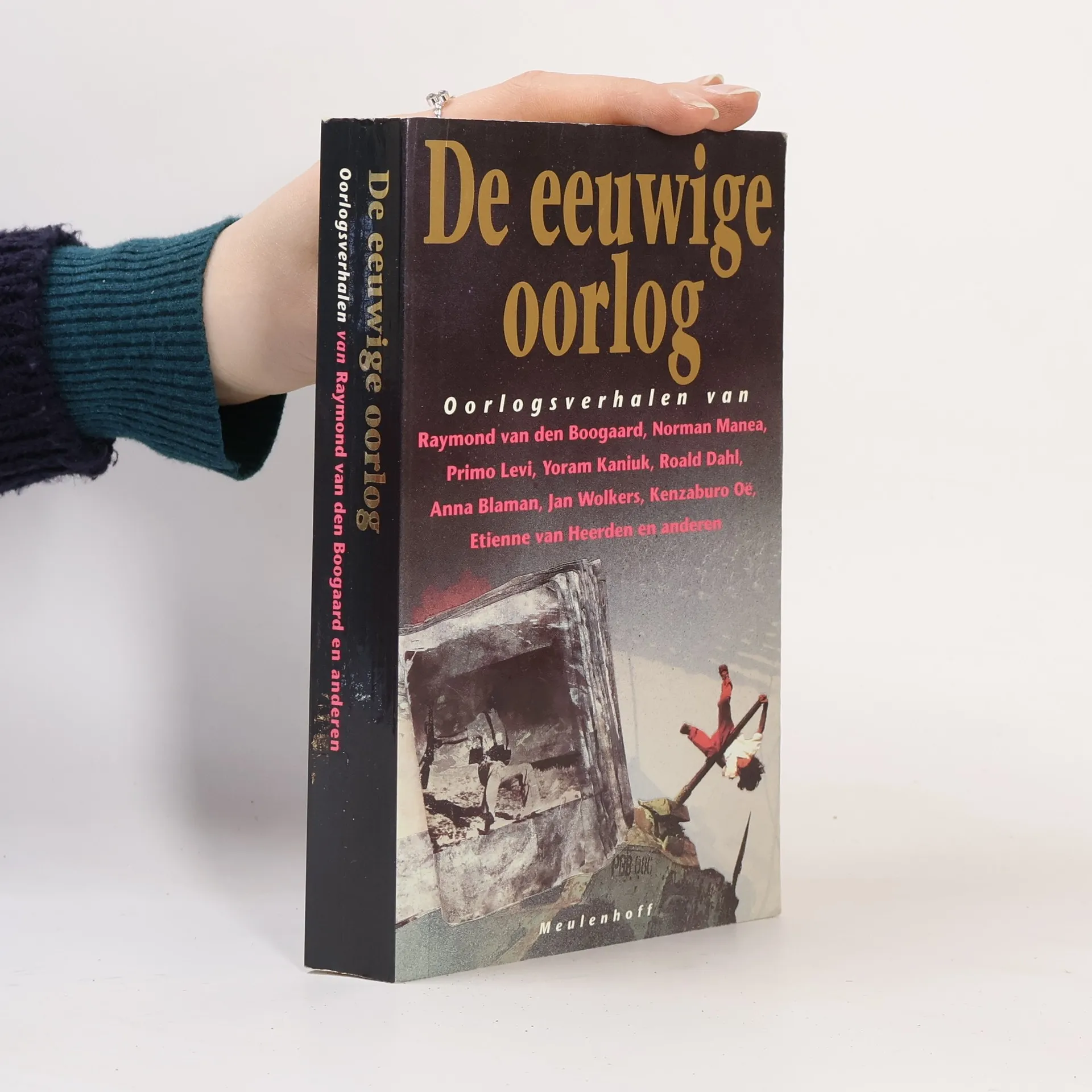
Eeuwige oorlog. Oorlogsverhale
- 295pagine
- 11 ore di lettura
Een groep aan de Nazi's ontsnapte Poolse en Russische joden probeert tegen het einde van de Tweede Wereldoorlog Italië te bereiken, op weg naar Israël.
Die Nacht der Girondisten
- 123pagine
- 5 ore di lettura