
Desde la Segunda Guerra Mundial, los economistas han buscado entender por qué los países pobres no alcanzan a los industrializados. El autor sostiene que el problema radica en no aplicar los principios económicos. Con un estilo accesible, el libro aborda la teoría del crecimiento económico desde una perspectiva práctica y comprometida.
William Russell Easterly Ordine dei libri
William Easterly è un professore di economia il cui lavoro esamina criticamente i determinanti della crescita economica a lungo termine, l'economia politica dello sviluppo e l'efficacia degli aiuti esteri. La sua ricerca indaga le conseguenze, spesso involontarie, degli sforzi di aiuto occidentali, mettendone in discussione l'impatto reale e sottolineando perché i tentativi di migliorare le condizioni nel mondo in via di sviluppo possano rivelarsi insufficienti. Basandosi su una vasta esperienza nelle regioni in via di sviluppo e sul suo incarico presso la Banca Mondiale, Easterly offre una prospettiva sfumata sulle complessità dello sviluppo globale. Le sue analisi mirano a svelare le realtà dietro le strategie di sviluppo e i loro risultati pratici.


- 2022
- 2021
A "bracingly iconoclastic" (New York Times) critique of global development that points a way toward respect for the poor and an end to global poverty Over the last century, global poverty has largely been viewed as a technical problem that requires the right "expert" solution. Yet all too often, experts fix immediate problems without addressing the systematic oppression that created them. In The Tyranny of Experts, renowned economist William Easterly argues that the expert-approved, authoritarian approach to development has not only made little lasting progress, but has proven a convenient rationale for generations of human rights violations. Although aid agencies, such as the World Bank and the Gates Foundation, are still regarded as both well-meaning and effective, they're founded on the mistaken belief that wise technocrats from the West will be the saviors of helpless victims from the rest. This revised edition comes at a time of even greater peril for freedom worldwide. Easterly brings in new research that carries his masterful critiques into the present. He reveals the fundamental errors inherent in the long-celebrated top-down approach and offers a new model for developing countries -- a model predicated on respect for the rights of poor people -- with the power to end global poverty.
- 2014
The Tyranny of Experts
- 394pagine
- 14 ore di lettura
An economist describes how tactics to fight global poverty have actually resulted in suppressing the rights of the poor and argues for a new model of development in third world countries that will address unchecked state power and retain individual freedoms. 40,000 first printing.
- 2008
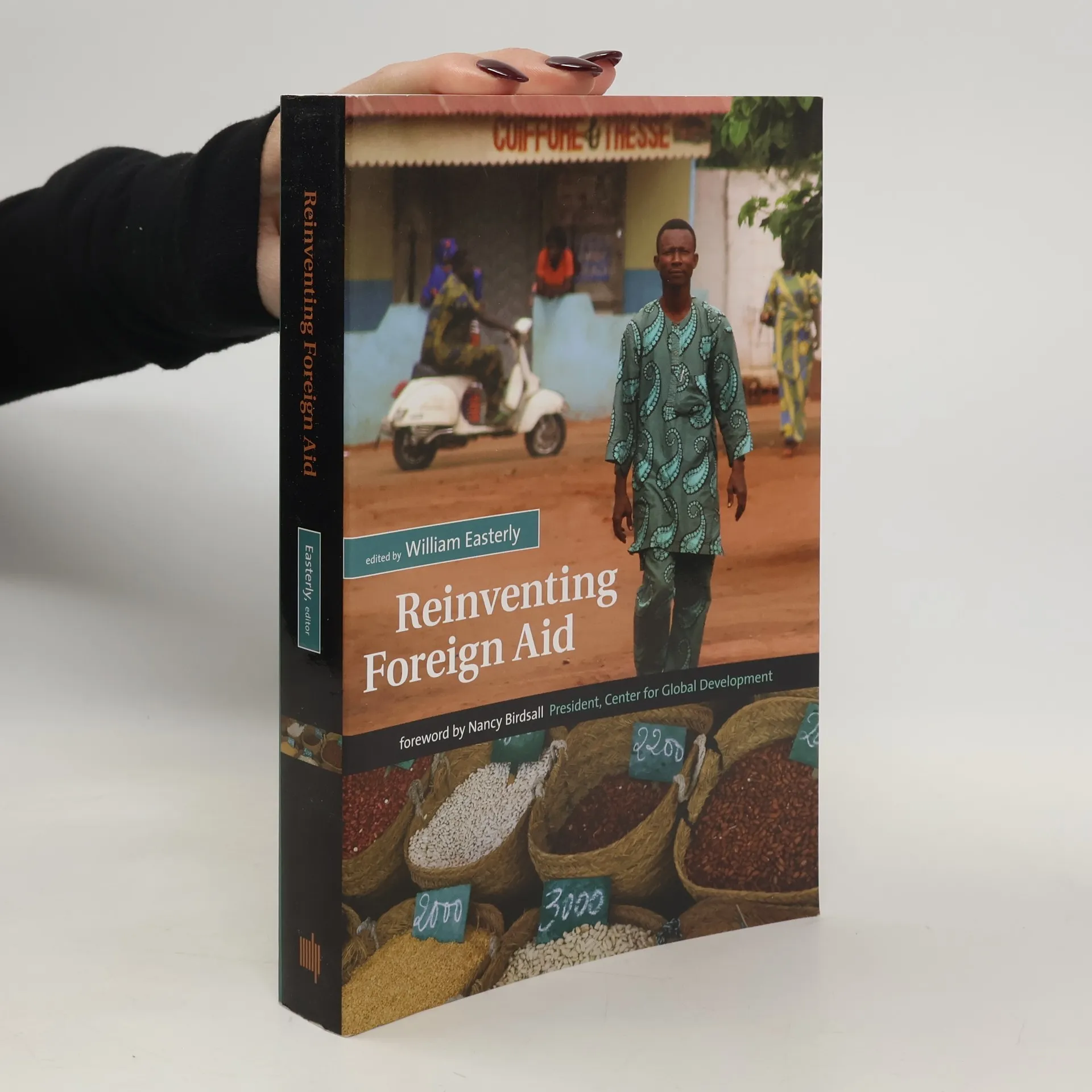
Reinventing foreign aid
- 624pagine
- 22 ore di lettura
- 2006
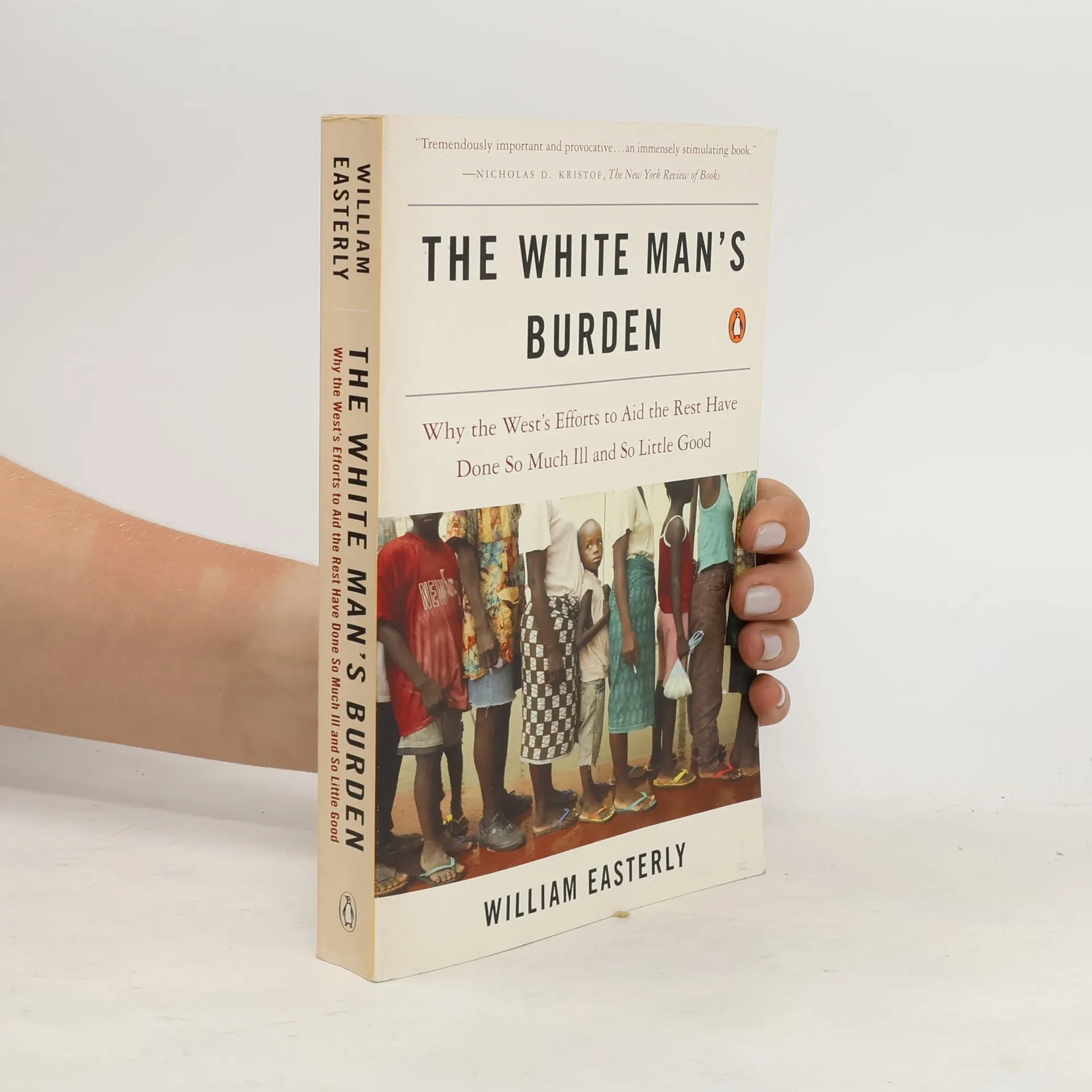
The white man's burden : why the West's efforts to aid the rest have done so much ill and so little good
- 448pagine
- 16 ore di lettura
Argues that western foreign aid efforts have done little to stem global poverty, citing how such organizations as the International Monetary Fund and the World Bank are not held accountable for ineffective practices that the author believes intrude into the inner workings of other countries. By the author of The Elusive Quest for Growth. Reprint. 50,000 first printing.
- 2002
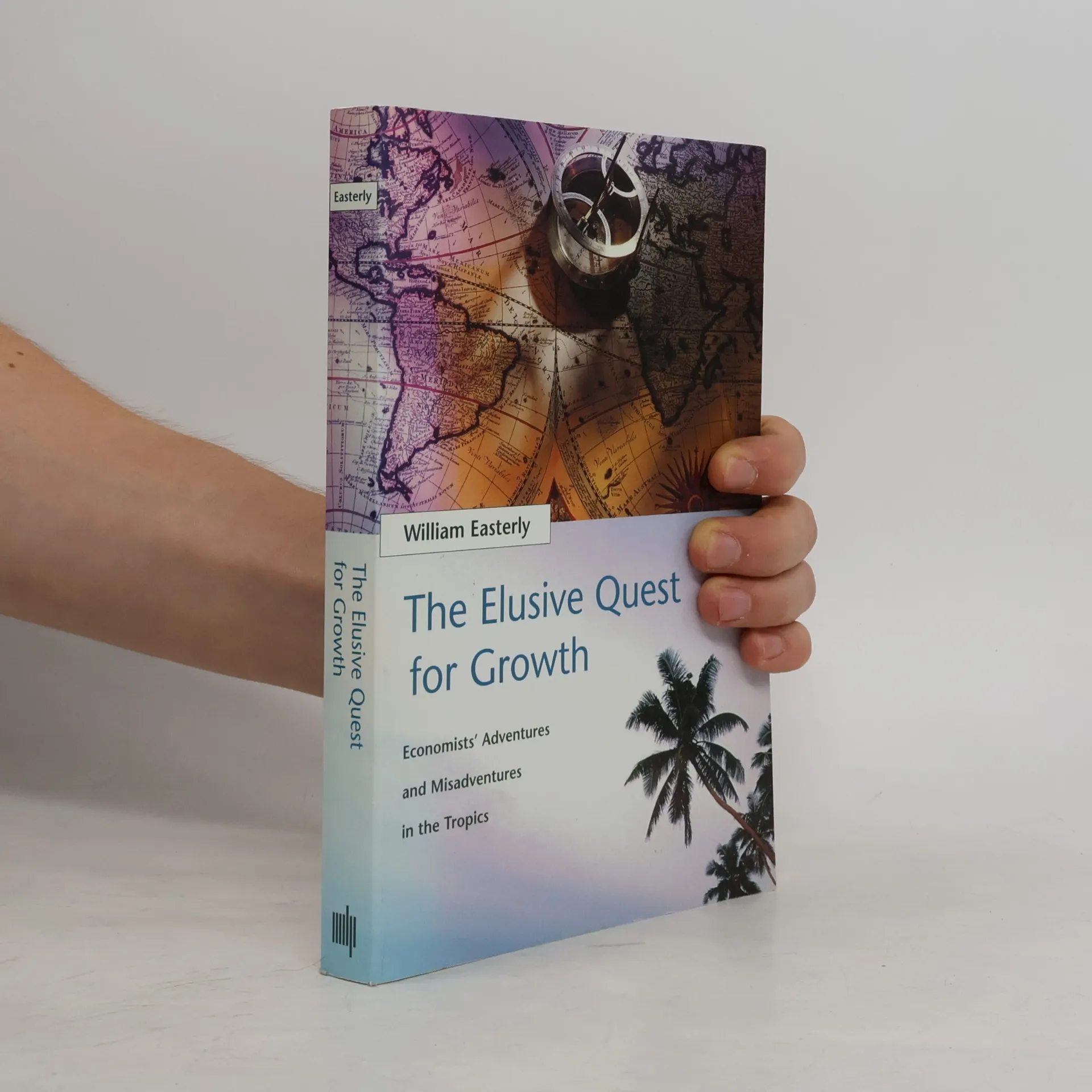
The Elusive Quest for Growth
- 356pagine
- 13 ore di lettura
Why economists' attempts to help poorer countries improve their economic well- being have failed.
- 2002
Since the end of World War II, economists have tried to figure out how poor countries in the tropics could attain standards of living approaching those of countries in Europe and North America. Attempted remedies have included providing foreign aid, investing in machines, fostering education, controlling population growth, and making aid loans as well as forgiving those loans on condition of institutional reforms. None of these solutions has delivered as promised. The problem is not the failure of economics, William Easterly argues, but the failure to apply economic principles to practical policy work.In this book Easterly shows how these solutions all violate the basic principle of economics, that people -- private individuals and businesses, government officials, even aid donors -- respond to incentives. Easterly first discusses the importance of growth. He then analyzes the development solutions that have failed. Finally, he suggests alternative approaches to the problem. Written in an accessible, at times irreverent, style, Easterly's book combines modern growth theory with anecdotes from his fieldwork for the World Bank.