

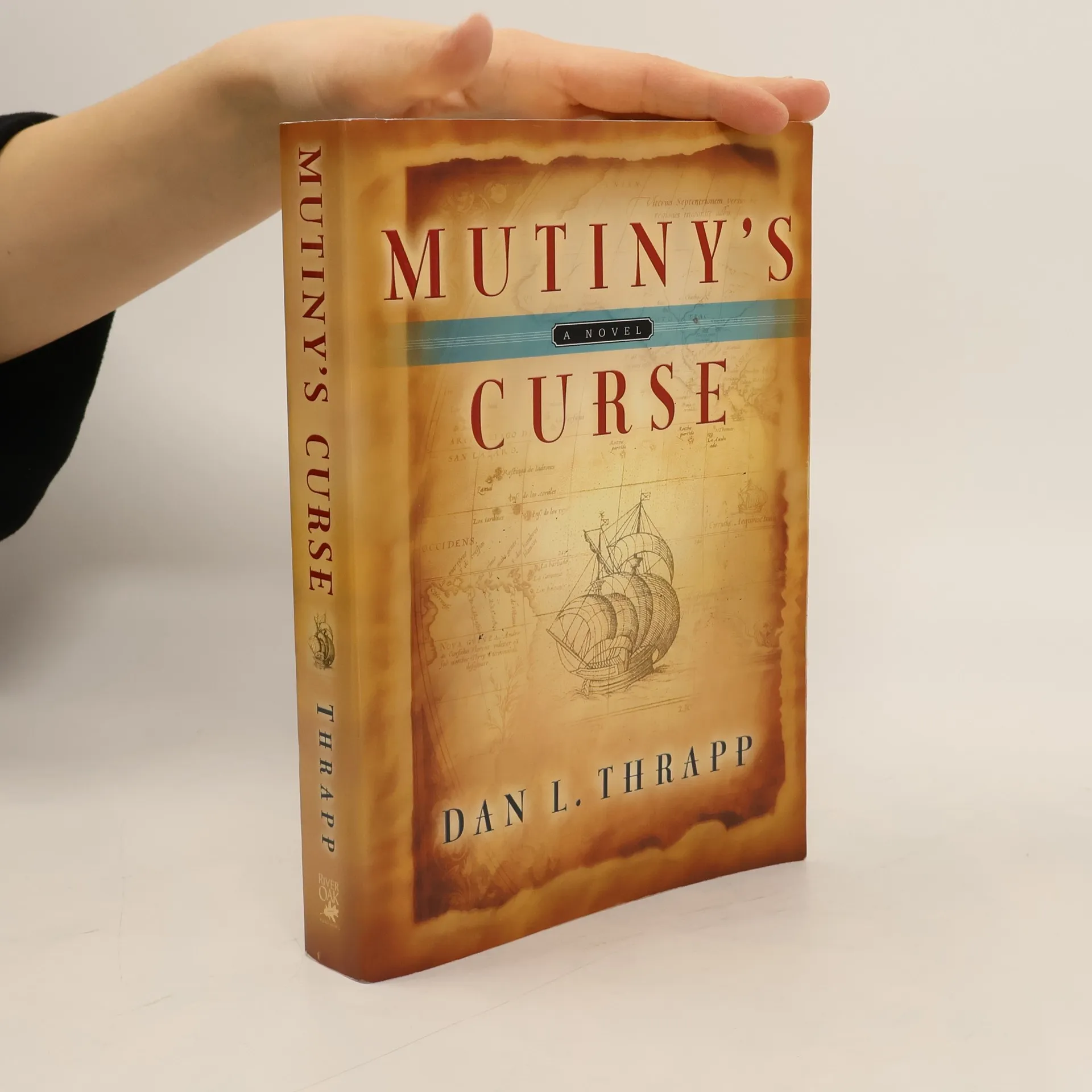
Mutiny's Curse begins where Mutiny On the Bounty left off! "If you go through with this thing, Christian," said Captain Bligh at last, his voice cold and low and penetrating, "may God damn your soul!" History records that on April 28, 1789, Fletcher Christian led a mutiny of the crew of the H.M.S. Bounty. Captain William Bligh and seventeen other men were put aboard a 16-foot rowboat south of the island of Tofoa in the South Pacific. Afraid of stories and legends of cannibalism and human sacrifice among islanders in this part of the Pacific, Bligh and his men began a journey of more than 4,000 miles that ultimately led them back to England. And what became of Christian? It is equally well known to historians that he and his crew settled on Pitcairn Island, where descendents of the Bounty still live more than two centuries later. What isn't as well known is that historical records indicate that Fletcher Christian escaped Pitcairn and also returned to England. His journeys bring him to the end of himself, where he must decide who will be captain of his soul. In the grand tradition of Mutiny on the Bounty, Dan Thrapp weaves together historical fact with brilliant imagination to create a modern classic that portrays a man who does not believe he can ever escape the curse of the Captain he betrayed-nor his own sin against God.
Dan L. Thrapp Libri
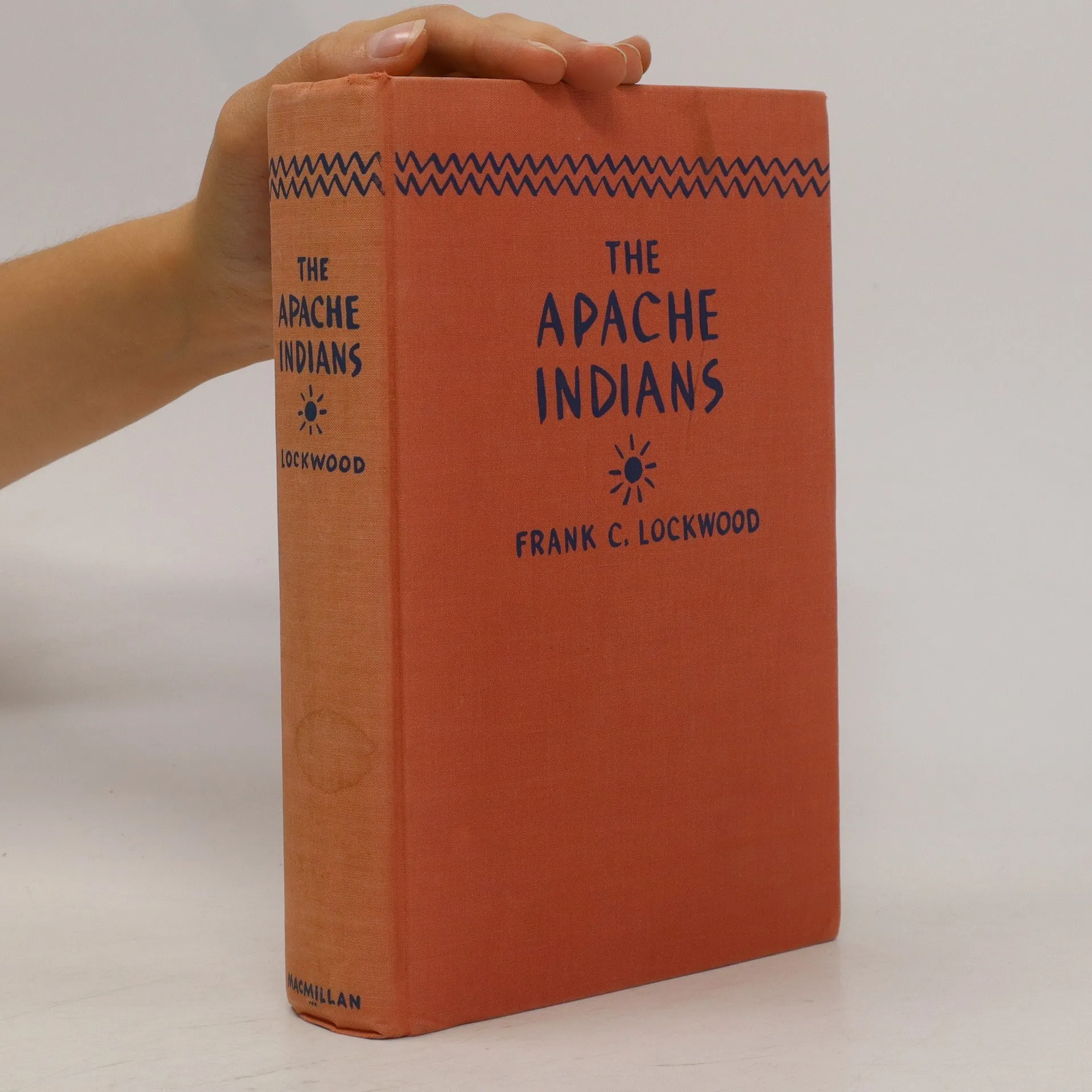
Cochise. Geronimo. Apache Indians known to generations of readers, moviegoers, and children playing soldier. They enter importantly into this colorful and complex history of the Apache tribes in the American Southwest. Frank C. Lockwood was a pioneer in describing the origins and culture of a proud and fierce people and their relations with the Spaniards, Mexicans, and Americans. Here, too, is a complete picture of the Apache wars with the U.S. Army between 1850 and 1886 and the government's dealings with them. When The Apache Indians was first published in 1938, Oliver La Farge called it "the best study we have of . . . the military campaigns." Dan L. Thrapp, noted historian of the Apache wars, has written a foreword for this Bison Book edition.