This is a searing portrait of the human devastation wrought by the Bosnian wars, and their aftermath - told through the stories of those who are left alive and looking for their families and their remains - by a young writer who has all the makings of a Kapuscinski or a Gourevitch.This book is suitable for readers of Philip Gourevitch, Janine Di Giovanni, Timothy Garton Ash, Slavenka Drakulic, Fergal Keane, Michael Ignatieff, Anna Funder, Misha Glenny.During four years of war in Bosnia, over 100,000 people lost their lives. But it was months, even years, before the mass graves started to yield up their dead and the process of identification, burial and mourning could begin. For many, the waiting, the searching and the suspended grieving still continues.Here we travel through the ravaged post-war landscape in the company of a few of those who survived, as they visit the scenes of their a hall where the clothing of victims is displayed; an underground cave with its pale jumble of bones; a camp for homeless refugees; a city now abandoned to the ghosts of painful memories; and a funeral service where a family finally says goodbye. These encounters are snapshots and memorials, capturing a jagged moment in a community's history as it is still flinching from its raw and recent past, not quite yet able to believe in a possibility of a peaceful future.
Antonia Lloyd-Jones Libri



The ancient Greeks referred to catharsis as the cleansing of both body and soul. In this inspiring work, renowned cardiologist Andrzej Szczeklik delves into the artistry and mystery of being a doctor, drawing on our humanistic heritage. He navigates between ancient and contemporary examples, illustrating how medicine and art share common roots and challenges. The process of diagnosis is likened to a poem or painting, requiring the physician to engage with it through alertness and receptivity. Speculation on slowing aging through genetics connects to the timeless dream of immortality cherished by artists and poets. The concept of catharsis has evolved from Aristotle's writings to modern interests in music's health benefits, particularly for newborns. Szczeklik examines the mysteries of heart rhythms, the history of pain relief, the logic of epidemics, and near-death experiences, weaving together classical literature, medical history, and poignant clinical anecdotes. The result is a life-affirming exploration that enriches the healing work of both patients and doctors, contributing significantly to our evolving understanding of the art of medicine.
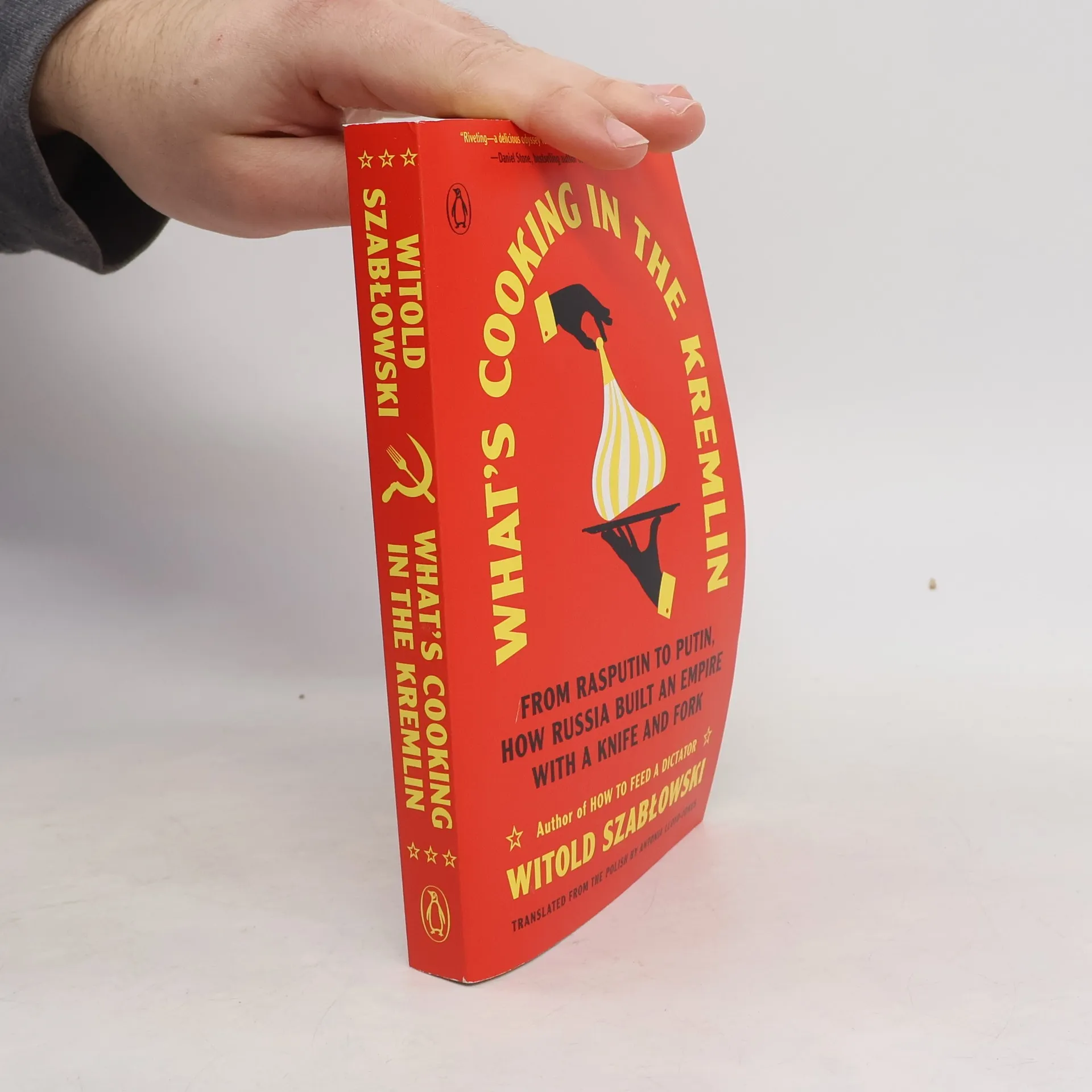
What's Cooking in the Kremlin
From Rasputin to Putin, How Russia Built an Empire with a Knife and Fork
- 384pagine
- 14 ore di lettura
A New York Times Editors’ Choice, this book offers an entertaining and insightful look at the last hundred years of Russian power through the lens of food, penned by an award-winning Polish journalist. In a style reminiscent of Anthony Bourdain and Hunter S. Thompson, the author engages with individuals who have worked in Kremlin kitchens, revealing how their stories enrich our understanding of modern Russia. The narrative explores the culinary preferences of historical figures like Tsar Nicholas II and Lenin, the peculiarities of Stalin's food tester during the Great Famine, and the significance of meals served during pivotal moments in Soviet history. With a mix of humor and history, the author travels through diverse locales—from Stalin’s Georgia to the war fronts of Afghanistan and the nuclear wastelands of Chornobyl—often gaining access to places off-limits to outsiders. This journey highlights how food has evolved in Russia, from periods of famine to feasts, and how it remains a tool of propaganda and a reflection of the country's global standing. Complete with recipes and photos, this oral history captures the Kremlin's ongoing obsession with food as a means of asserting power and influence, revealing that, even a century after the revolution, food continues to play a crucial role in Russia’s narrative.
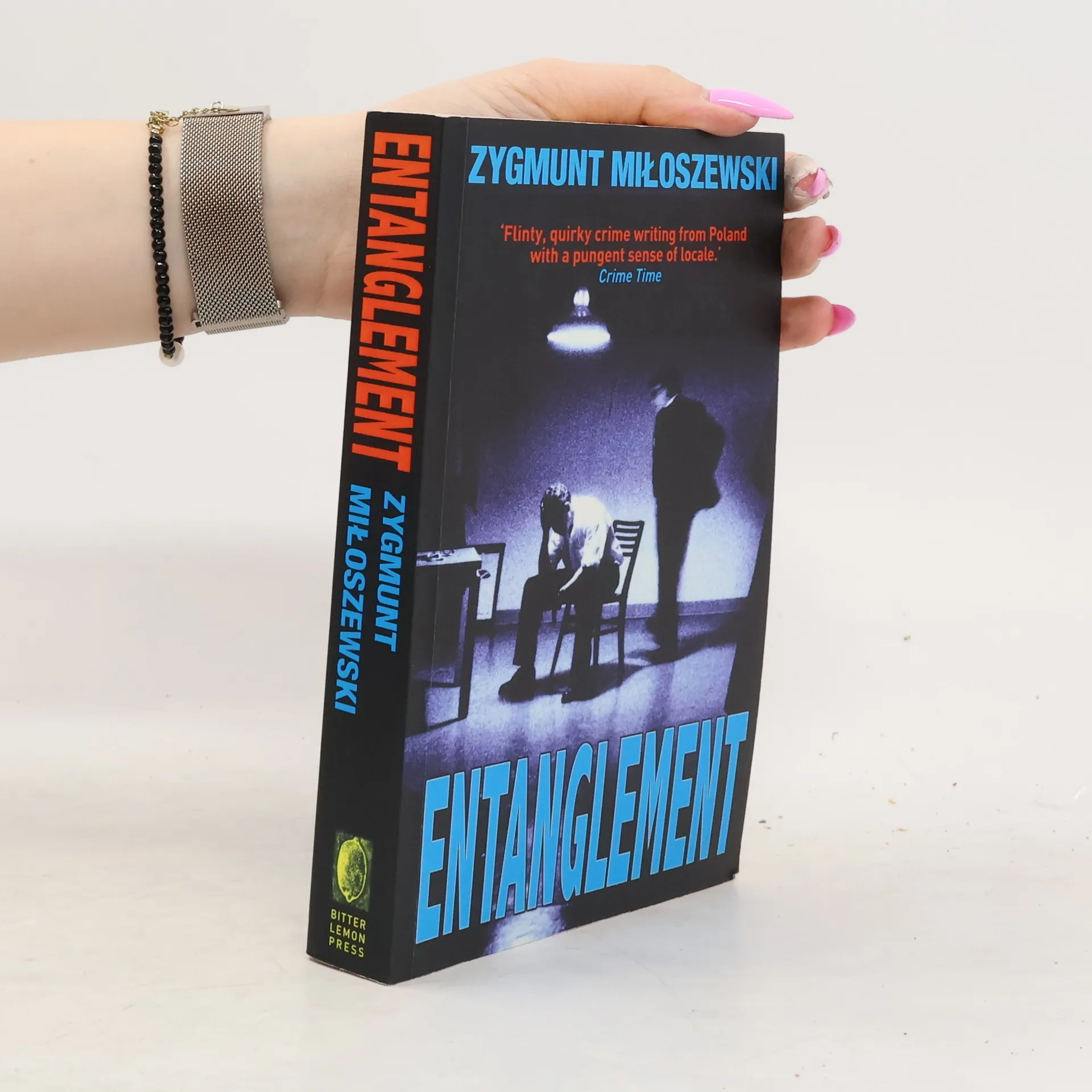
Entanglement
- 254pagine
- 9 ore di lettura
After a tough psychotherapy session, Henryk Telak is found dead with a roasting spit in his eye. State Prosecutor Teodor Szacki, feeling weary and disillusioned, is assigned the case, which becomes a turning point in his life.
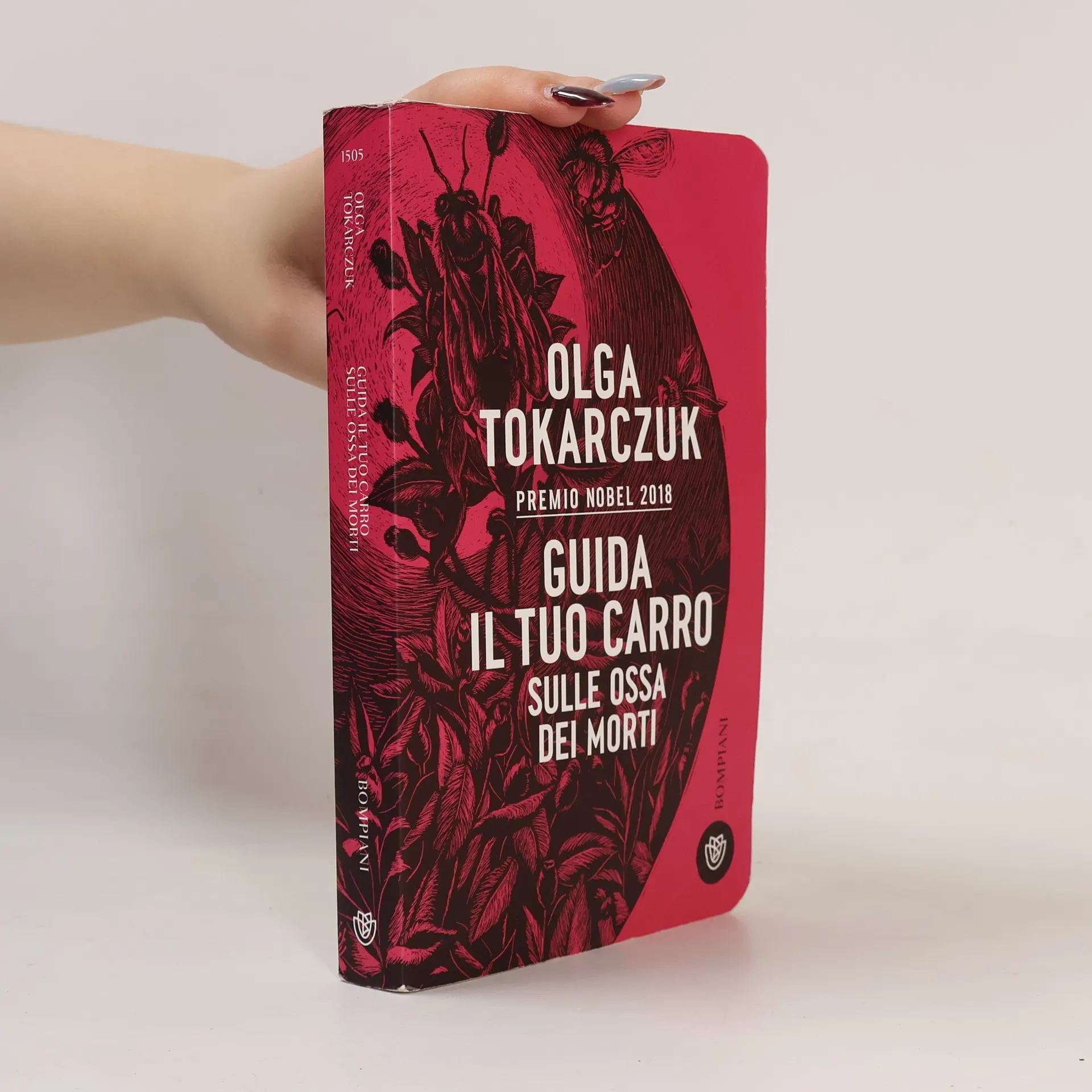
Guida il tuo carro sulle ossa dei morti
- 262pagine
- 10 ore di lettura
Janina Duszejko, insegnante d’inglese e appassionata delle poesie di William Blake, è un’eccentrica sessantenne che preferisce la compagnia degli animali a quella degli uomini e crede nell’astronomia come strumento per porre ordine nel caos della vita. Quando alcuni cacciatori vengono trovati morti nei dintorni del suo villaggio, Janina si tuffa nelle indagini, convinta com’è che di omicidi si tratti. Con la sua prosa precisa e pungente Olga Tokarczuk ricorre ai modi del noir classico per virare verso il thriller esistenziale e affrontare temi come la follia, il femminismo, l’ingiustizia verso gli emarginati, i diritti degli animali: surreale, acuto, melanconico, sconcertante, il suo romanzo interroga il presente anche quando sembra parlare di tutt’altro.
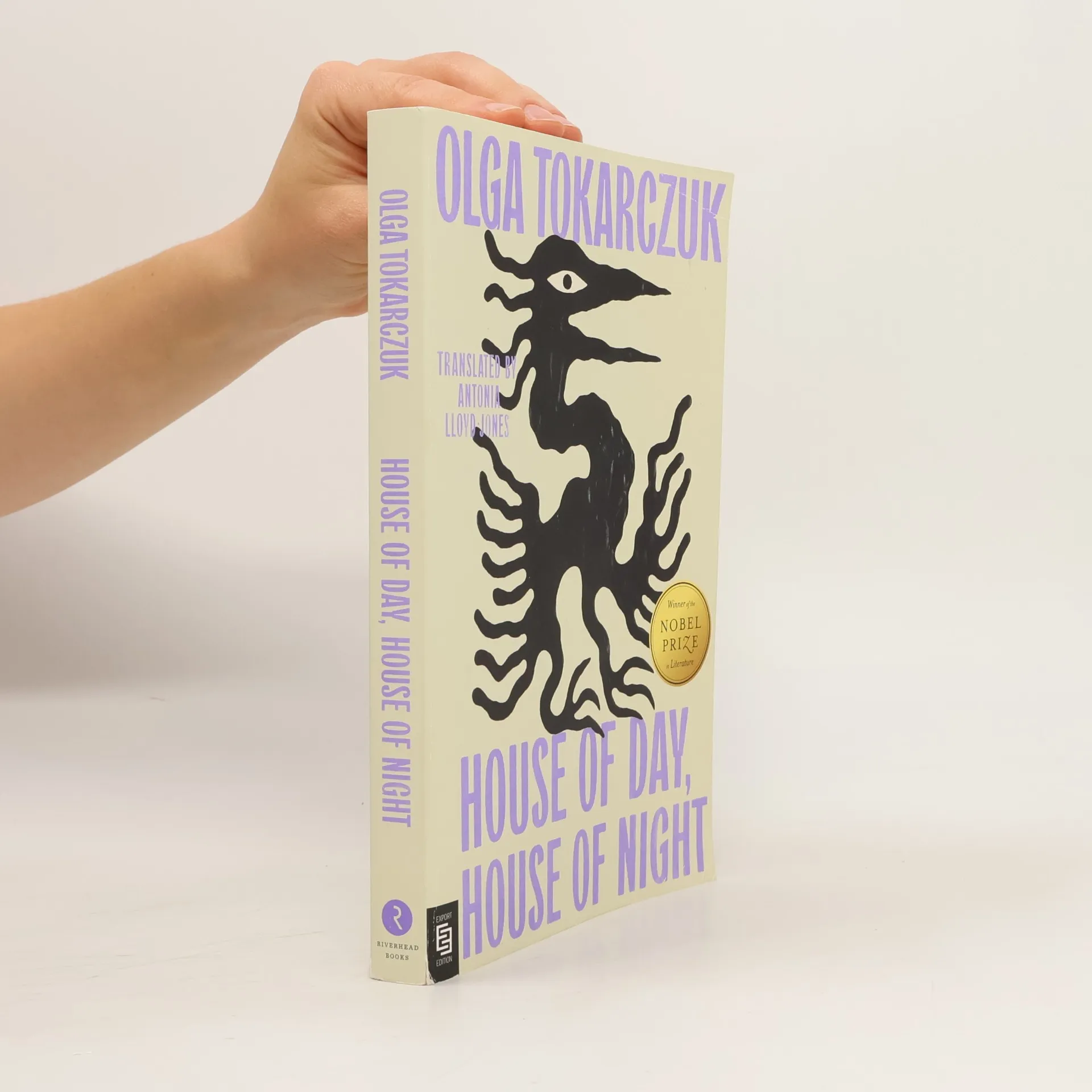
House of Day, House of Night
- 304pagine
- 11 ore di lettura
A brilliantly imaginative epic novel of a small place by Nobel Prize in Literature laureate Olga Tokarczuk, one of the most daring and ambitious novelists at work today.