

Rumore. Un difetto del ragionamento umano
- 496pagine
- 18 ore di lettura
Cass R. Sunstein è un giurista americano il cui lavoro approfondisce il diritto costituzionale, il diritto amministrativo, il diritto ambientale e il diritto e l'economia comportamentale. Esamina meticolosamente come il comportamento umano si interseca con i quadri giuridici e li influenza. L'approccio distintivo di Sunstein spesso unisce la teoria legale con le intuizioni psicologiche, offrendo una prospettiva unica sul funzionamento e la regolamentazione della società. Le sue analisi forniscono una profonda comprensione dei meccanismi che plasmano la nostra legislazione e le nostre norme sociali.


The authors address concerns about the influence of unaccountable bureaucrats, referred to as the deep state, by advocating for a moral framework that promotes transparency and accountability in government. They argue that while the administrative state can appear daunting, it has the potential to operate on principled grounds, ensuring that rulemakers act ethically and do not misuse their power.
This book offers a comprehensive overview of contemporary perspectives on rationality within economics and social sciences. It presents a clear and self-contained exploration of how rationality is conceptualized and applied in these fields, making complex ideas accessible to a broad audience. By examining various theories and their implications, the text encourages readers to engage critically with the notion of rationality and its relevance in understanding human behavior and decision-making.
"We live in an era of tribalism, polarization, and intense social division--separating people along lines of religion, political conviction, race, ethnicity, and sometimes gender. How did this happen? In Conformity, Cass R. Sunstein argues that the key to making sense of living in this fractured world lies in understanding the idea of conformity--what it is and how it works--as well as the countervailing force of dissent."--Publisher
Cover -- Table of Contents -- Introduction -- 1. Theories of Interpretation -- 2. The Inevitability of Choice -- 3. The Oath of Office -- 4. How to Choose -- 5. Traditions: "Athwart History, Yelling Stop" -- 6. Where to Stand -- Acknowledgments -- Index -- The Constitution of the United States.
Exploring theory and practice, this Element attempts to provide one-stop shopping for those who are new to then intersection between behavioral science and public policy, and for those who are familiar with it. With reference to nudges, taxes, mandates, and bans, it offers concrete examples of behaviorally informed policies.
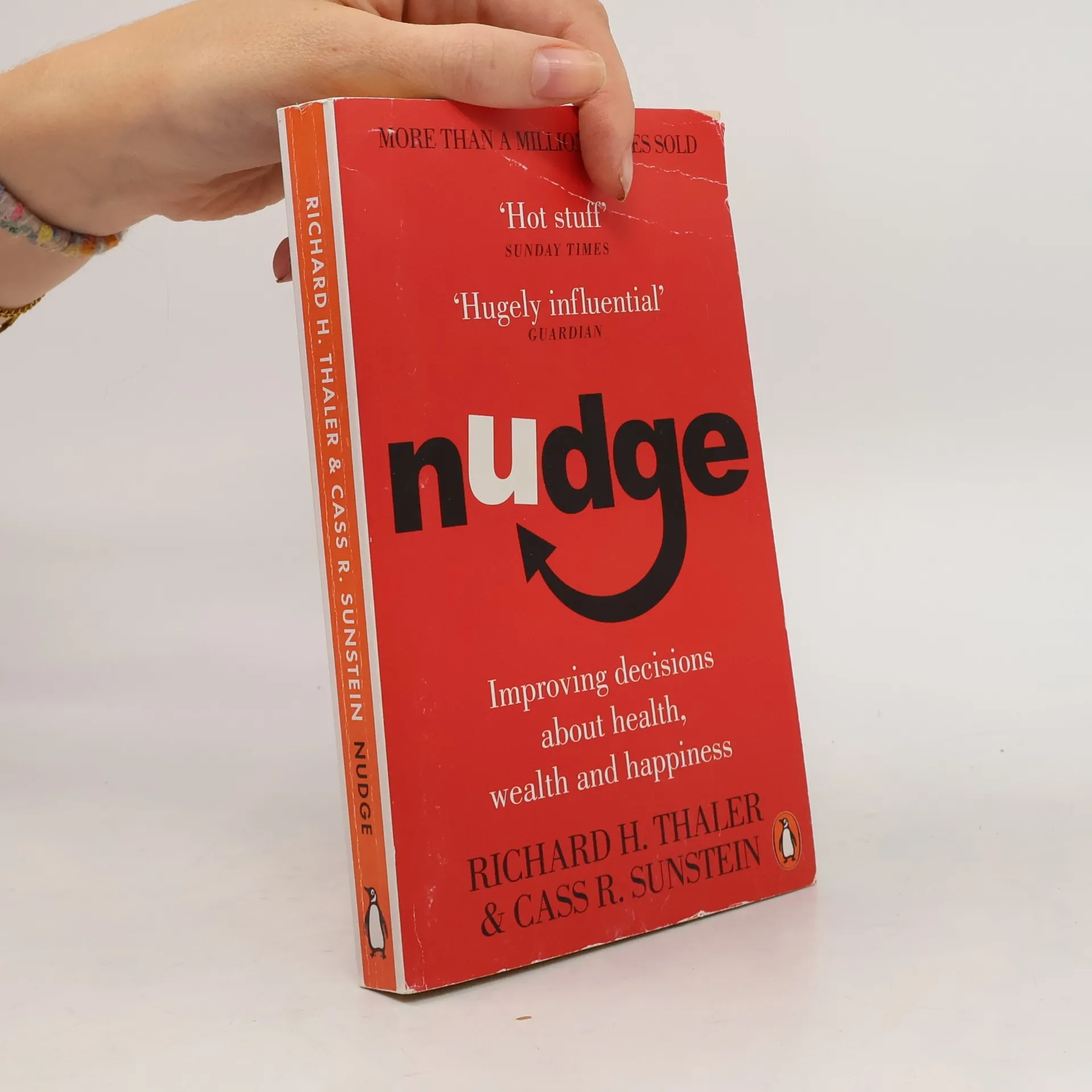
Improving Decisions about Health, Wealth, and Happiness
Every day we make decisions: about the things that we buy or the meals we eat; about the investments we make or our children's health and education; even the causes that we champion or the planet itself. Unfortunately, we often choose poorly. We are all susceptible to biases that can lead us to make bad decisions that make us poorer, less healthy and less happy. And, as Thaler and Sunstein show, no choice is ever presented to us in a neutral way. By knowing how people think, we can make it easier for them to choose what is best for them, their families and society. Using dozens of eye-opening examples the authors demonstrate how to nudge us in the right directions, without restricting our freedom of choice. Nudge offers a unique new way of looking at the world for individuals and governments alike.This is one of the most engaging, provocative and important books you will ever read.
"Every day we make choices--about food and other purchases, financial investments, our children's health and education, even the causes we champion or the planet itself. Unfortunately, we often choose poorly. Using dozens of eye-opening examples and drawing on decades of behavioral science research, Nudge shows how sensible "choice architecture" can help us to overcome the biases that lead to bad decisions and nudge us toward the best decisions for ourselves, our families, and our society"-- Provided by publisher
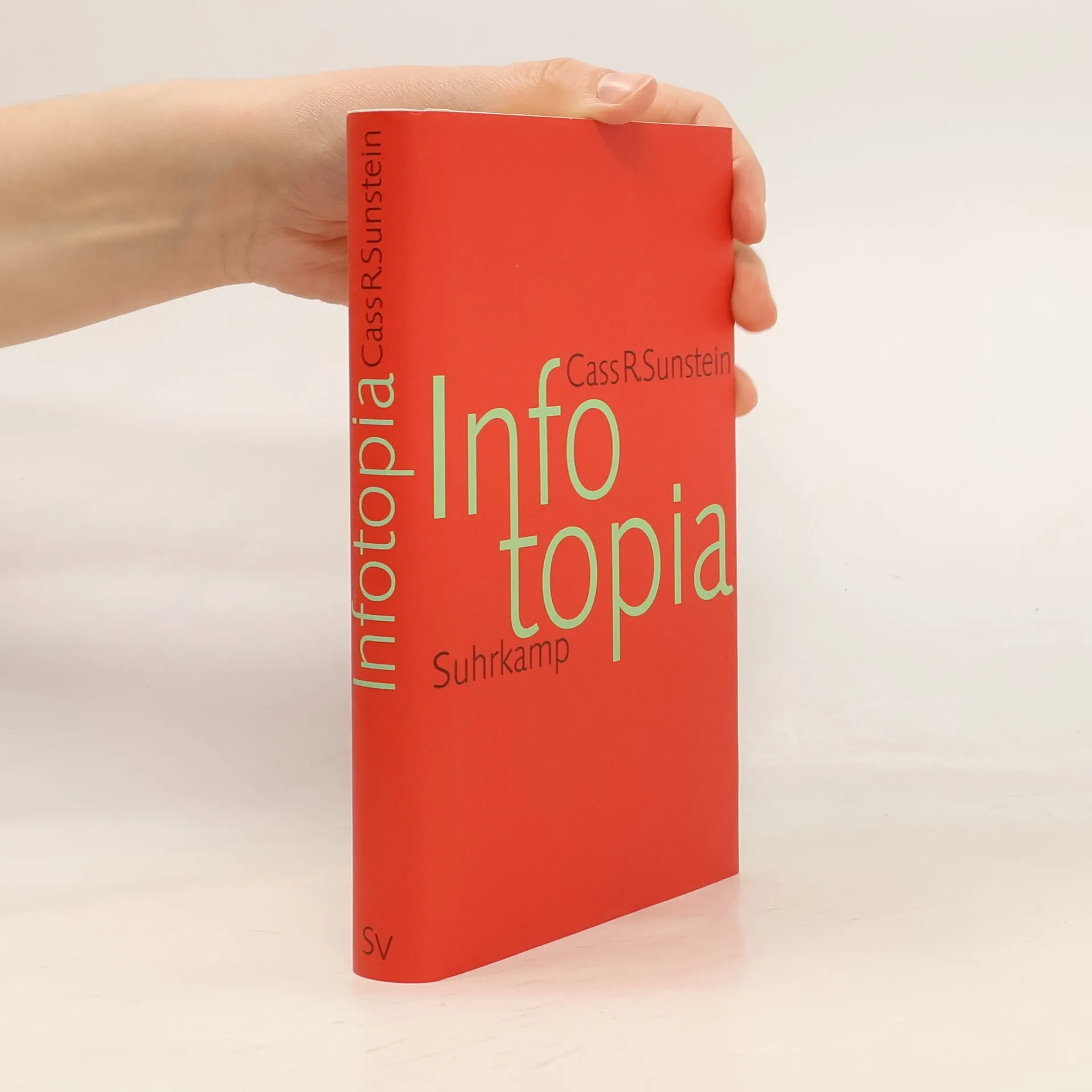
The rise of the "information society" brings both peril and promise. In a world inundated with media, how can we ensure that accurate information prevails? Cass R. Sunstein presents an optimistic view of human potential to gather and utilize knowledge for improvement. Amid information overload, it's easy to cling to biases and comforting opinions. Historical events like the Iraq war justification and the Enron collapse illustrate the dangers of "information cocoons," where leaders and groups ignore conflicting data. The challenge lies in overcoming insular decision-making to access collective knowledge. Innovative methods for sharing and aggregating information, particularly through the Internet, are empowering individuals, companies, and governments to create accurate knowledge bases. Self-correcting exchanges, wikis, and open-source software enable widespread participation in knowledge development. Prediction markets allow organizations to make informed decisions by efficiently aggregating information. Sunstein emphasizes how individuals can leverage this aggregated knowledge without falling prey to herd mentality, highlighting the accuracy of these new techniques. In a landscape where opinion often competes with evidence, the collaborative efforts of many may pave the way to a more informed society.
In The Ethics of Influence, Cass R. Sunstein investigates the ethical issues surrounding government nudges, choice architecture, and mandates.