
Bookbot

Wendy Doniger

    20 novembre 1940
    Śiva : the erotic ascetic
    Shamanism. Archaic Techniques of Ecstasy
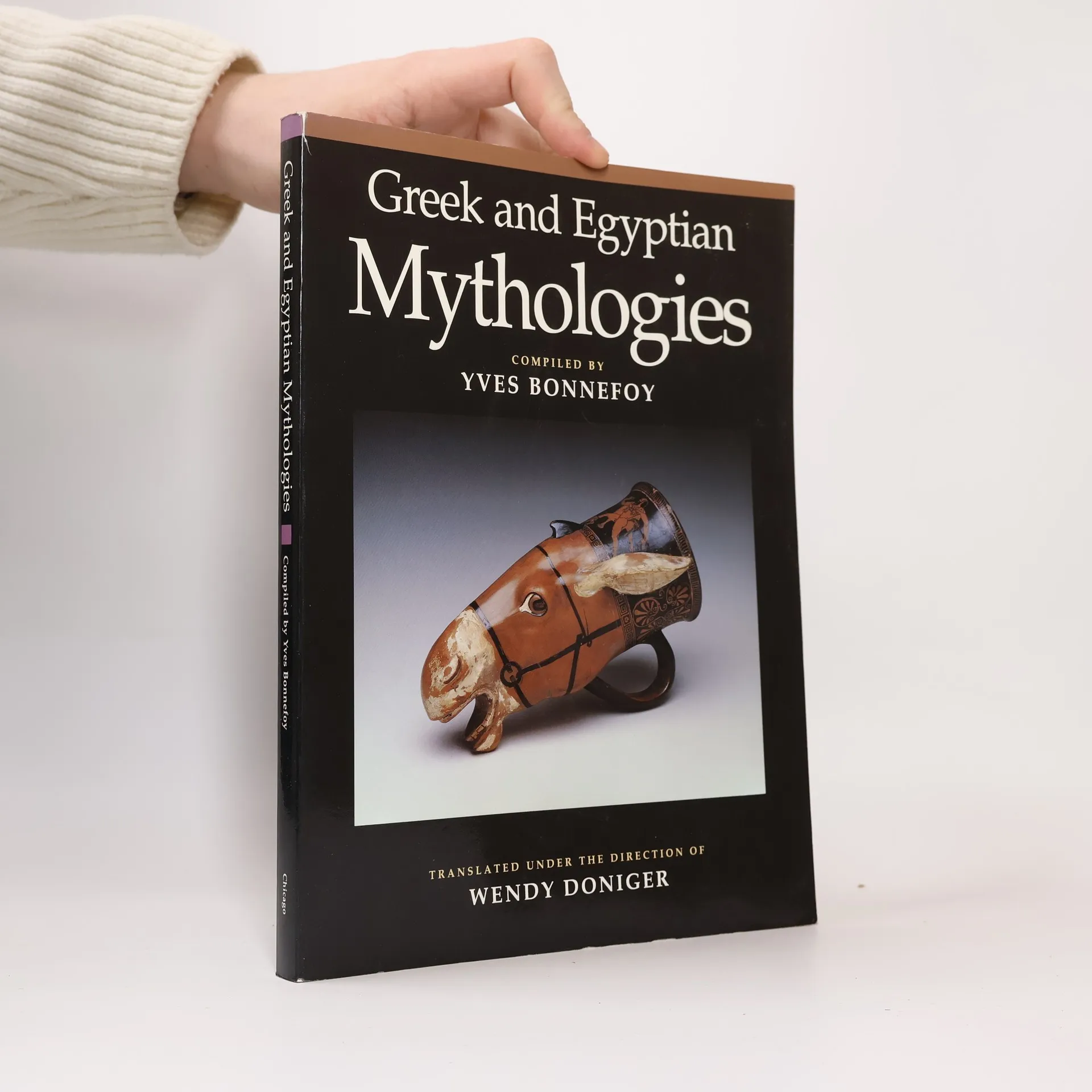
    Greek and Egyptian Mythologies
    After the War
    Death, War, and Sacrifice
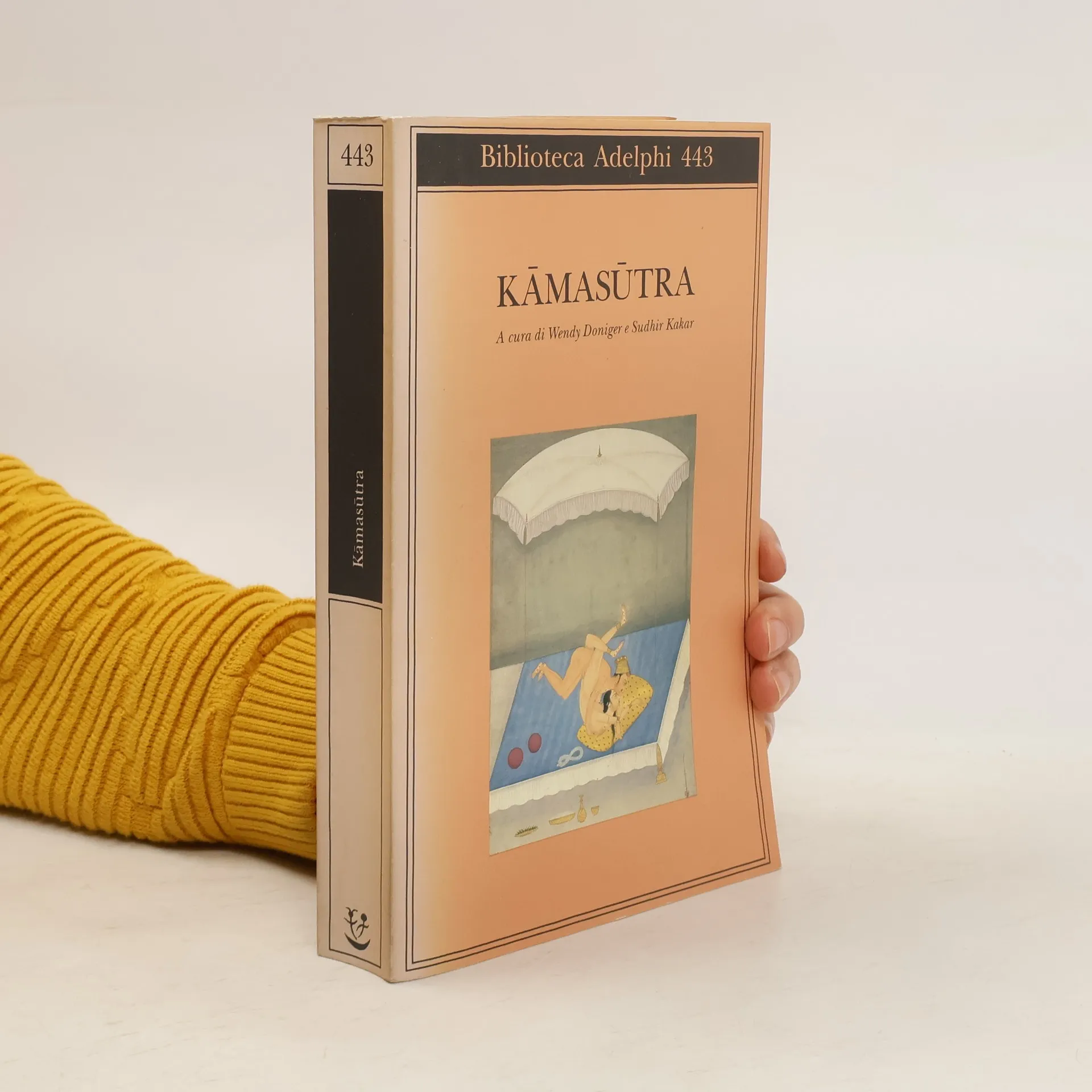
    Biblioteca Adelphi - 443: Kāmasūtra
    • Biblioteca Adelphi - 443: Kāmasūtra

      • 335pagine
      • 12 ore di lettura

      Amori leciti e illeciti, tattiche di seduzione, cataloghi di carezze, gemiti e percosse, posizioni erotiche consigliate o da evitare, suggerimenti per mariti e mogli, e consigli per cortigiane su come gestire relazioni. Questo è solo un assaggio di un’India sconosciuta, ben diversa dalle immagini bigotte occidentali, che emerge nel trattato sull’arte erotica composto da Vātsyāyana Mallanāga nel III secolo d.C. Wendy Doniger, una delle più versatili indologhe contemporanee, offre una nuova interpretazione del testo, lontano dalle prime traduzioni europee edulcorate o censurate, ma anche dalla riduzione a mera pornografia. Attraverso un commento moderno in hindi e il più antico a noi pervenuto, la Doniger restituisce il testo nella sua saggezza fondamentale, rivolta a un pubblico colto e raffinato, composto da aristocratici, mercanti e giovani ambiziosi. Questo manuale è prezioso per comprendere la concezione della sessualità nell’India classica, presentando un'affascinante ironia nella sua gravità. Il Kāmasūtra delinea una società che ha esplorato il kāma, il "desiderio", condensando il suo sapere in un manuale simile al Cortegiano, che insegna come comportarsi fino a quando, come osserva Vātsyāyana, "la ruota dell’estasi sessuale gira a pieno ritmo", momento in cui "non vi è manuale che tenga".


      Biblioteca Adelphi - 443: Kāmasūtra
      3,8
    • Death, War, and Sacrifice

      Studies in Ideology & Practice

      • 312pagine
      • 11 ore di lettura

      One of the world's leading specialists in Indo-European religion and society, Bruce Lincoln expresses his doubts about the existence of a prototypical Indo-European religion in these essays, written over fifteen years. The collection, with six previously unpublished essays, is divided into three parts. Part I explores haunting images of the Otherworld across cultures, presenting data that, while later rejected by Lincoln, remains valuable for the topics discussed. In Part II, Lincoln shifts focus from dying to killing, examining data from a single culture area. Notably, he connects sacrifice to physiology, revealing how ancient discourses linked the cosmos, human body, and society in an ideologically charged manner. Part III presents Lincoln's most controversial arguments against a hypothetical Indo-European protoculture, critiquing Georges Dumézil's work as influenced by political concerns associated with French fascism. This collection serves as an invaluable resource for students of myth, ritual, ancient societies, anthropology, and the history of religions. Bruce Lincoln is a professor of humanities and religious studies at the University of Minnesota.

      Death, War, and Sacrifice
      4,3
    • Greek and Egyptian Mythologies

      • 294pagine
      • 11 ore di lettura

      The seventy-two entries in this volume explore, among other topics, the history, geography, and religion of Greece, Plato's mythology and philosophy, the powers of marriage in Greece, heroes and gods of war in the Greek epic, and origins of mankind in Greek myths. Ancient Egyptian cosmology, anthropology, rituals, and religion—closely linked to Greek mythology—are also discussed."In a world that remains governed by powerful myths, we must deepen our understanding of ourselves and others by considering more carefully the ways in which the mythological systems to which we cling and social institutions and movements to which we are committed nourish each other. Yves Bonnefoy's Mythologies not only summarizes the progress that has already been made toward this end, but also lays the foundation for the difficult work that lies ahead."—Mark C. Taylor, New York Times Book Review"The almost 100 contributors combine, with characteristic precision and élan, the arts of science and poetry, of analysis and translation. The result is a treasury of information, brilliant guesswork, witty asides, and revealing digressions. This is a work of genuine and enduring excitement."—Thomas D'Evelyn, Christian cience Monitor

      Greek and Egyptian Mythologies
      4,1
    • Describes the beliefs, rituals, and symbols of shamanism and explores its practice in various cultures and influence on religious tradition

      Shamanism. Archaic Techniques of Ecstasy
      4,0
    • Śiva : the erotic ascetic

      • 416pagine
      • 15 ore di lettura

      Originally published under the title Asceticism and Eroticism in the Mythology of Siva, this book traces the development of an Indian approach to an enduring human dilemma: the conflict between spiritual aspirations and human desires. The work examines hundreds of related myths and a wide range of Indian texts--Vedic, Puranic, classical, modern, and tribal--centering on the stories of the great ascetic, Siva, and his erotic alter ego, Kama.

      Śiva : the erotic ascetic
      4,0
    • The Rig Veda

      • 343pagine
      • 13 ore di lettura

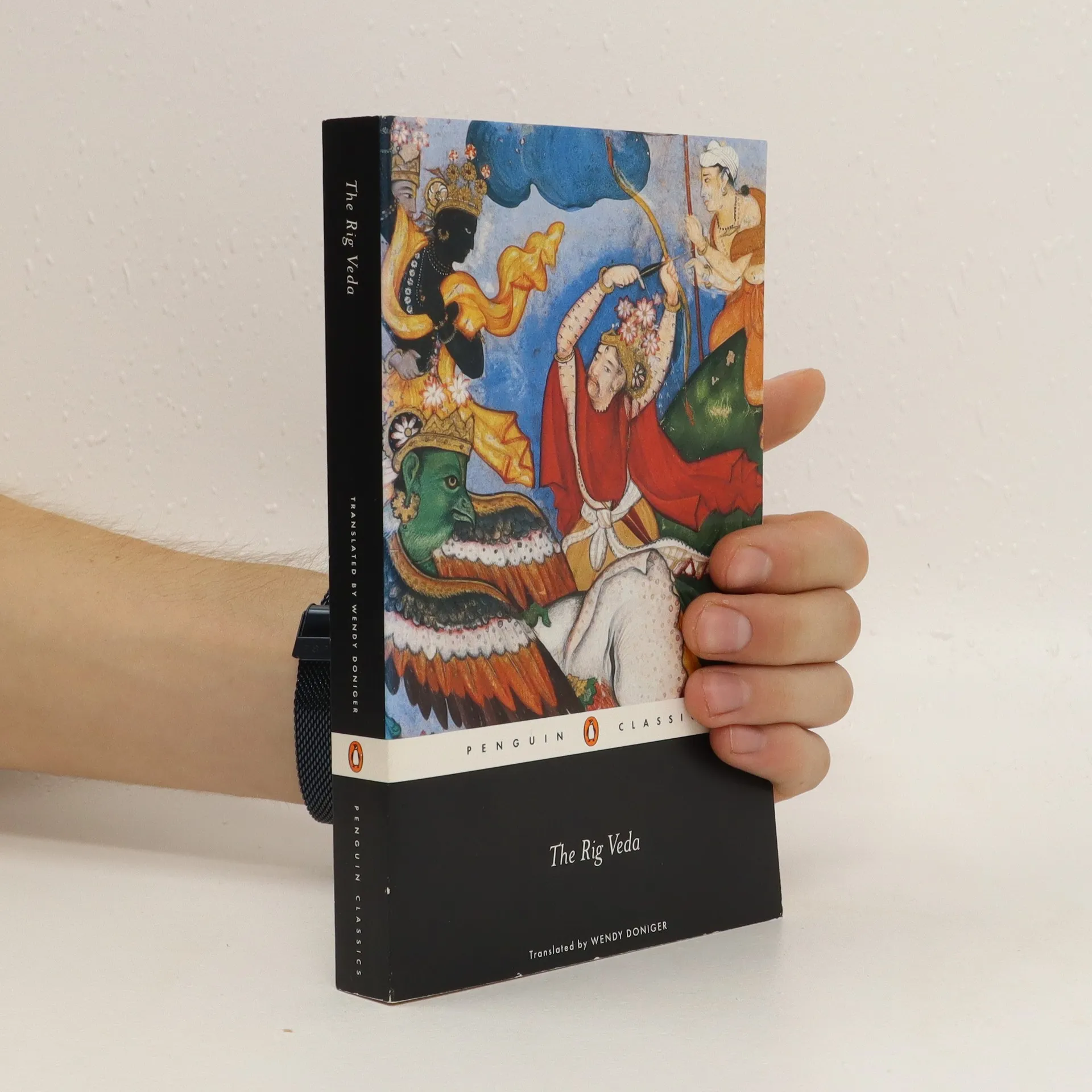
      The earliest of the four Hindu religious scriptures known as the Vedas, and the first extensive composition to survive in any Indo-European language, the Rig Veda is a collection of over 1000 individual Sanskrit hymns. A work of intricate beauty, it provides a unique insight into early Indian mythology, religion and culture. This selection of 18 of the hymns, chosen for their eloquence and wisdom, focuses on the enduring themes of creation, sacrifice, death, women, the sacred plant soma and the gods. Inspirational and profound, it provides a fascinating introduction to one of the founding texts of Hindu scripture, an awesome and venerable ancient work of Vedic ritual, prayer, philosophy, legend and faith.

      The Rig Veda
      4,0
    • Asian Mythologies

      • 400pagine
      • 14 ore di lettura

      These 130 articles explore mythologies in societies from India to Japan. Among the many topics are Buddhist and Hindu symbolic systems, myth in pre-Islamic Iran, Indonesian rites of passage, Chinese cosmology and demons, and Japanese conceptions of the afterlife and the "vital spirit." The mythological traditions of Turkey, Korea, Tibet, and Mongolia are also included."The almost 100 contributors combine, with characteristic precision and élan, the arts of science and poetry, of analysis and translation. The result is a treasury of information, brilliant guesswork, witty asides, and revealing digressions. This is a work of genuine and enduring excitement."—Thomas D'Evelyn, Christian Science Monitor

      Asian Mythologies
      3,5
    • The Dharma of Unfaithful Wives and Faithful Jackals

      Some Moral Tales From The Mahabharata

      • 224pagine
      • 8 ore di lettura

      Exploring the creation of enchanting women by Brahma, this book delves into the deeper motivations behind their existence in mythology. It examines themes of beauty, desire, and the interplay between divine intention and human experience. Through captivating narratives, it reveals the significance of these figures in cultural and spiritual contexts, posing thought-provoking questions about femininity and the divine in ancient lore. The story intertwines mythological elements with philosophical inquiries, inviting readers to reflect on the nature of attraction and creation.

      The Dharma of Unfaithful Wives and Faithful Jackals
      3,3
    • In her later years, novelist Elizabeth Costello becomes consumed by the idea of human cruelty to animals, leading her to avoid eye contact with others. To her, meat-eating humans are complicit in a vast crime occurring in farms, slaughterhouses, and laboratories worldwide. Her son, a physics professor, admires her literary work but fears her animal rights lectures at his college. His colleagues challenge her views on the value of life beyond human reasoning, while his wife criticizes her vegetarianism as moral superiority. During a dinner following her first lecture, guests express a mix of sympathy and skepticism regarding animal rights, engaging in discussions that span philosophical, anthropological, and religious perspectives. For her son, Costello's demeanor is both offensive and oddly resonant. J. M. Coetzee uses fiction to delve into the complexities of animal rights, capturing Costello's sense of mortality and her alienation from humans, including her family. Presented as a Tanner Lecture at Princeton University, the narrative reflects the emotional weight of discussing contentious issues in an academic setting. The text features an introduction by political philosopher Amy Gutmann and responses from various scholars, including Wendy Doniger, Barbara Smuts, Marjorie Garber, and Peter Singer. Together, the lecture-fable and essays examine the profound social implications of moral conflict and confrontation.

      The University Center for Human Values Series: The Lives of Animals
      3,7