
The dynamics of architectural form
- 296pagine
- 11 ore di lettura
Explores the unexpected perceptual consequences of architecture.
Rudolf Arnheim fu un influente teorico dell'arte e del cinema che applicò i principi della psicologia della Gestalt alle arti visive. Il suo lavoro esplorò come gli esseri umani percepiscono le informazioni visive e come questi processi plasmano la creazione artistica e l'apprezzamento estetico. L'approccio di Arnheim enfatizzò l'interconnessione tra la psicologia percettiva e l'occhio creativo. I suoi scritti hanno avuto un impatto significativo sulla storia dell'arte e sulla psicologia, offrendo ai lettori una comprensione più profonda del mondo visivo.


Explores the unexpected perceptual consequences of architecture.
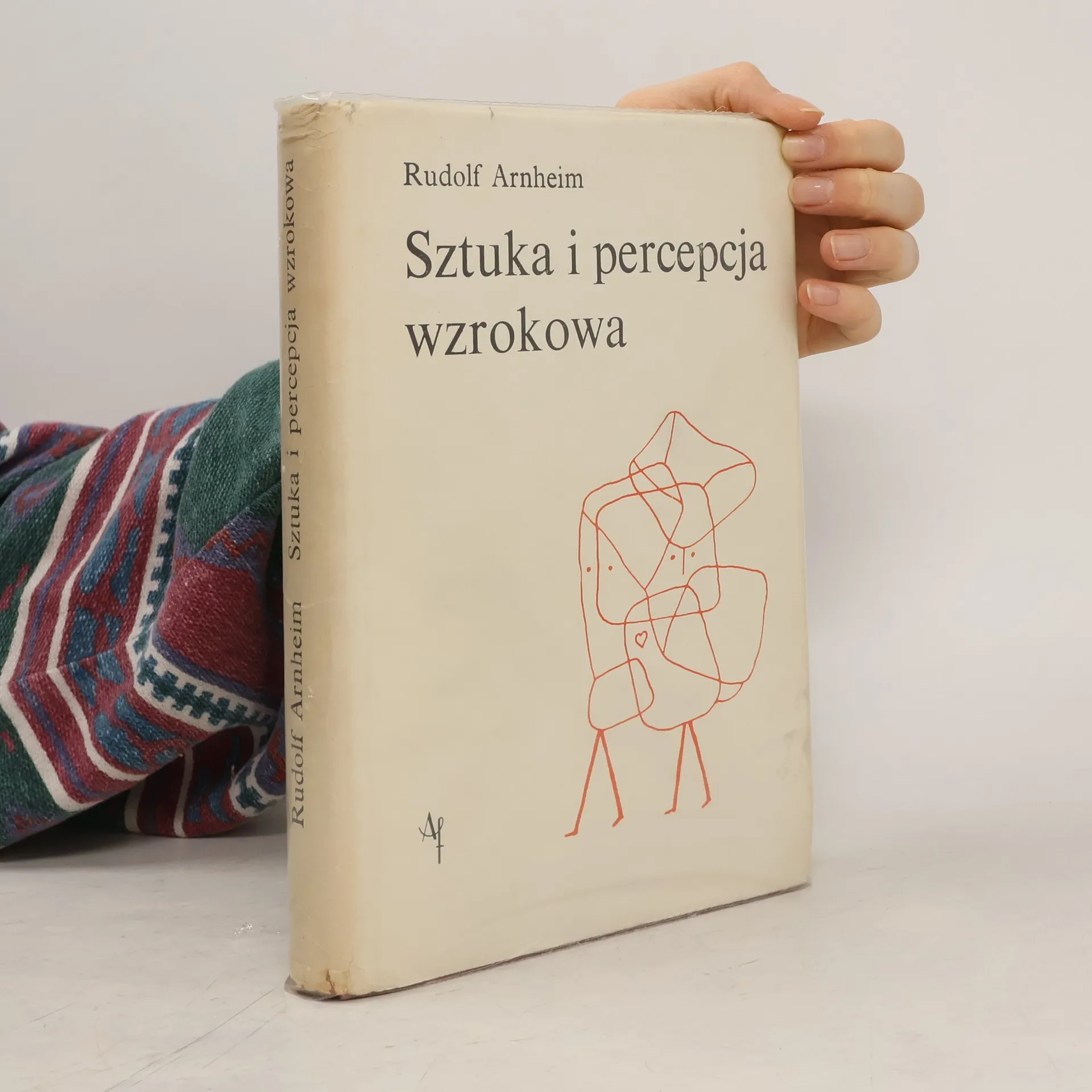
Since its publication fifty years ago, this work has established itself as a classic. It casts the visual process in psychological terms and describes the creative way one's eye organizes visual material according to specific psychological premises. In 1974 this book was revised and expanded, and since then it has continued to burnish Rudolf Arnheim's reputation as a groundbreaking theoretician in the fields of art and psychology.
Based on the assumption that art is subject to psychology, accessible to understanding, and needed for any comprehensive survey of mental functioning, this book offers psychological findings range from experiments in the perception of shape or observations on the art work of children to broad deliberations on nature of images or of inspiration.
For thirty-five years Visual Thinking has been the gold standard for art educators, psychologists, and general readers alike. In this seminal work, Arnheim, author of The Dynamics of Architectural Form, Film as Art, Toward a Psychology of Art, and Art and Visual Perception, asserts that all thinking (not just thinking related to art) is basically perceptual in nature, and that the ancient dichotomy between seeing and thinking, between perceiving and reasoning, is false and misleading. An indispensable tool for students and for those interested in the arts.
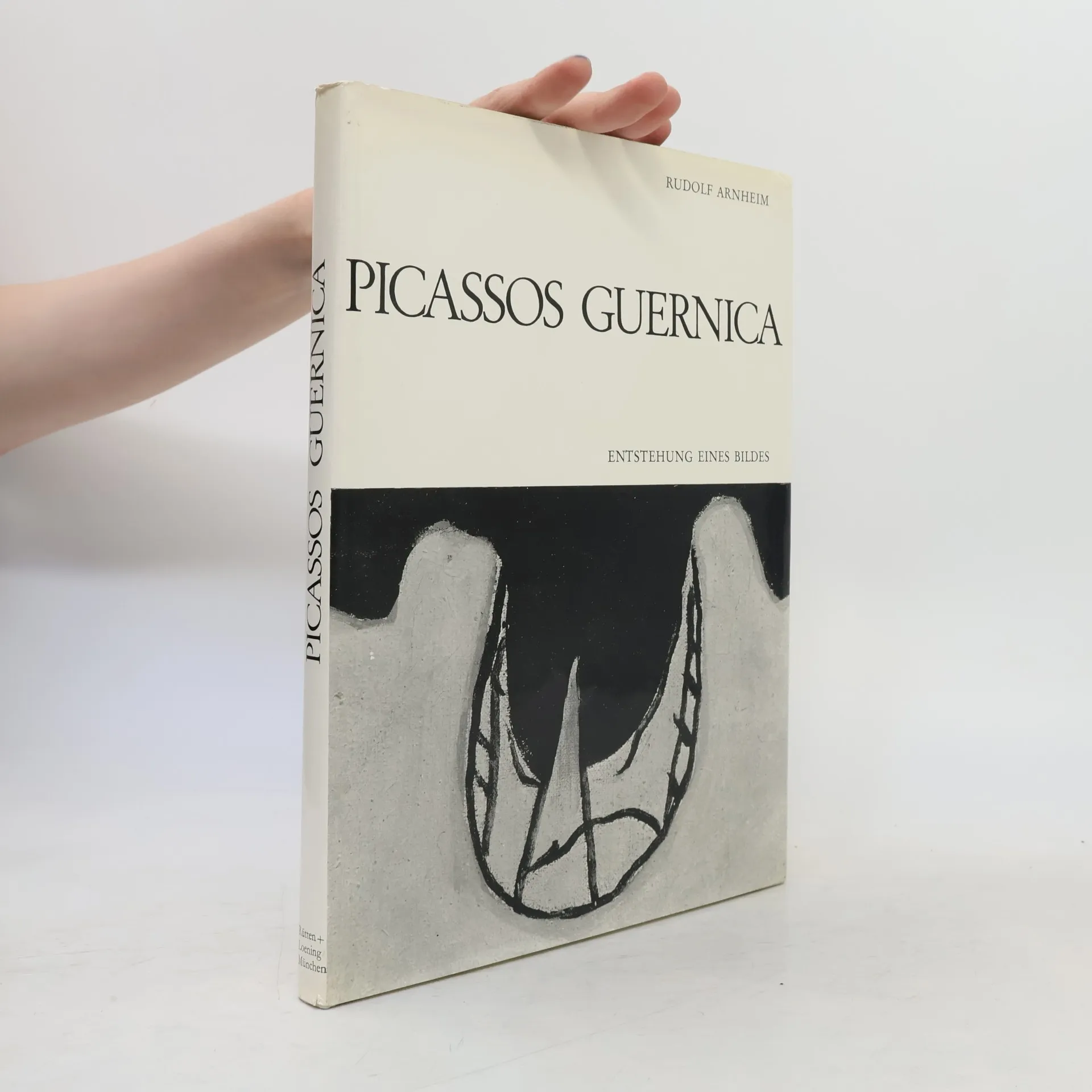
Picasso's preliminary sketches analyzed in artistic and psychological terms trace the protean character of the famous mural
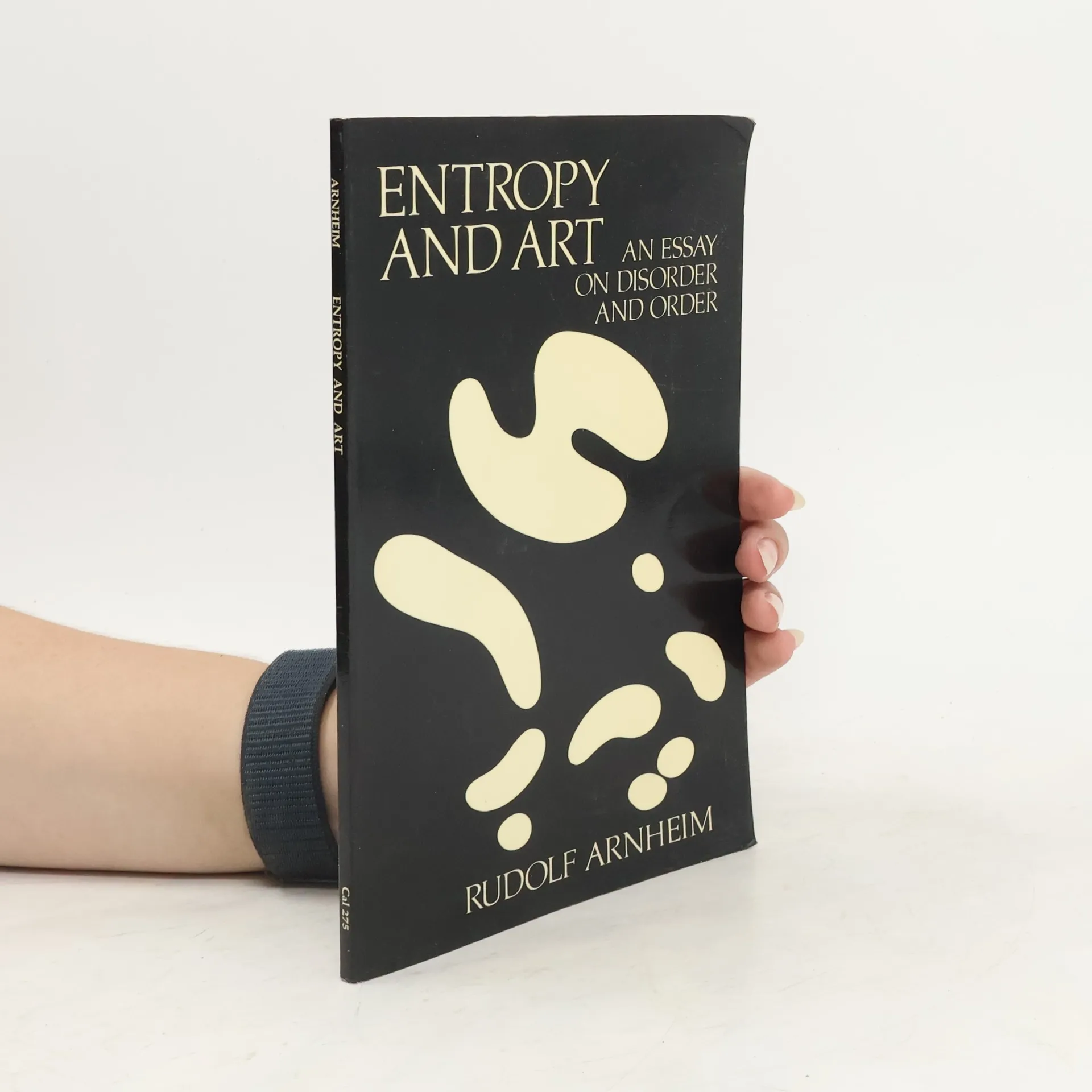
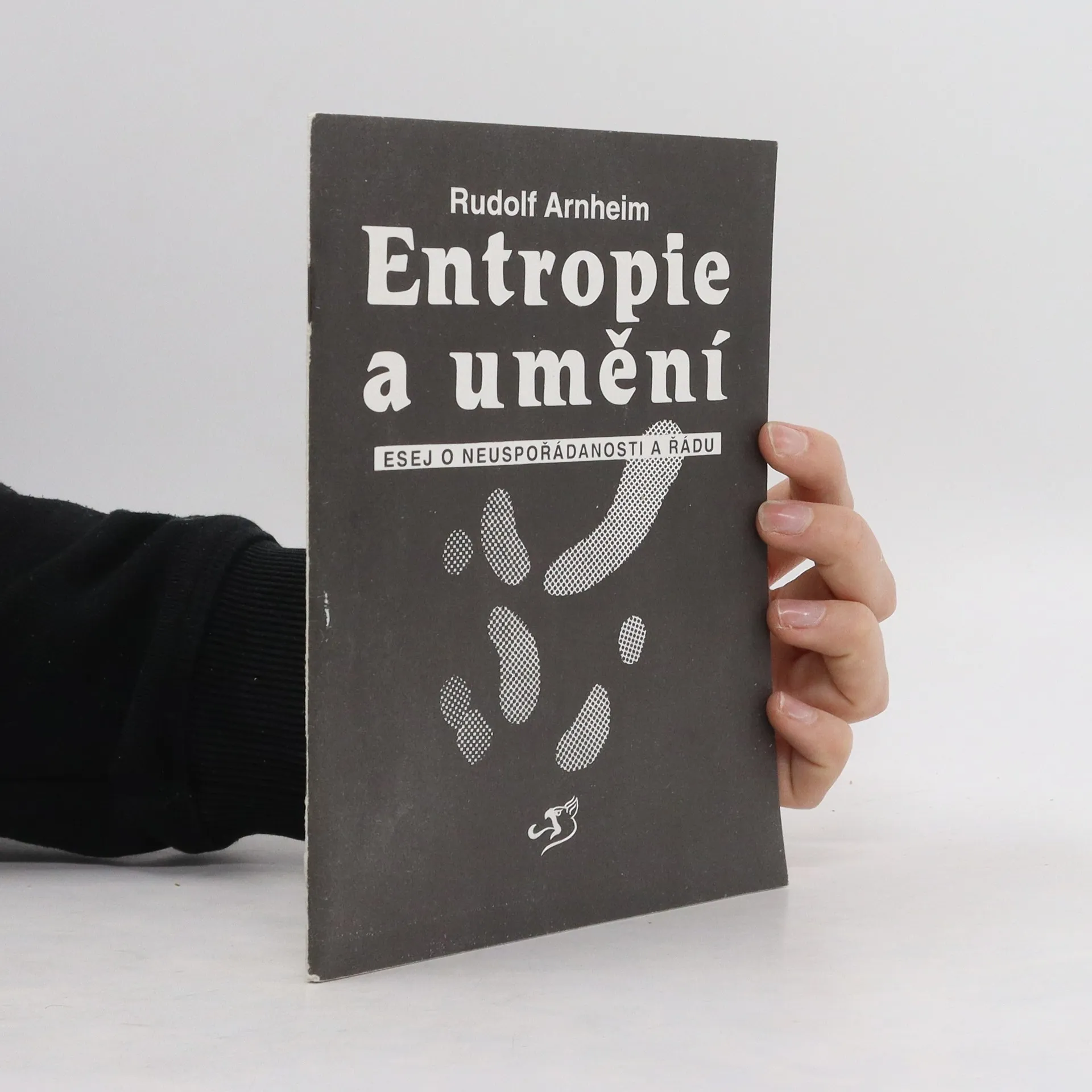
Views the process of artistic creation in light of the conflict between man's quest for order and increasing universal disorder