
Bookbot

Will Mc Callum

    Will Mc Callum
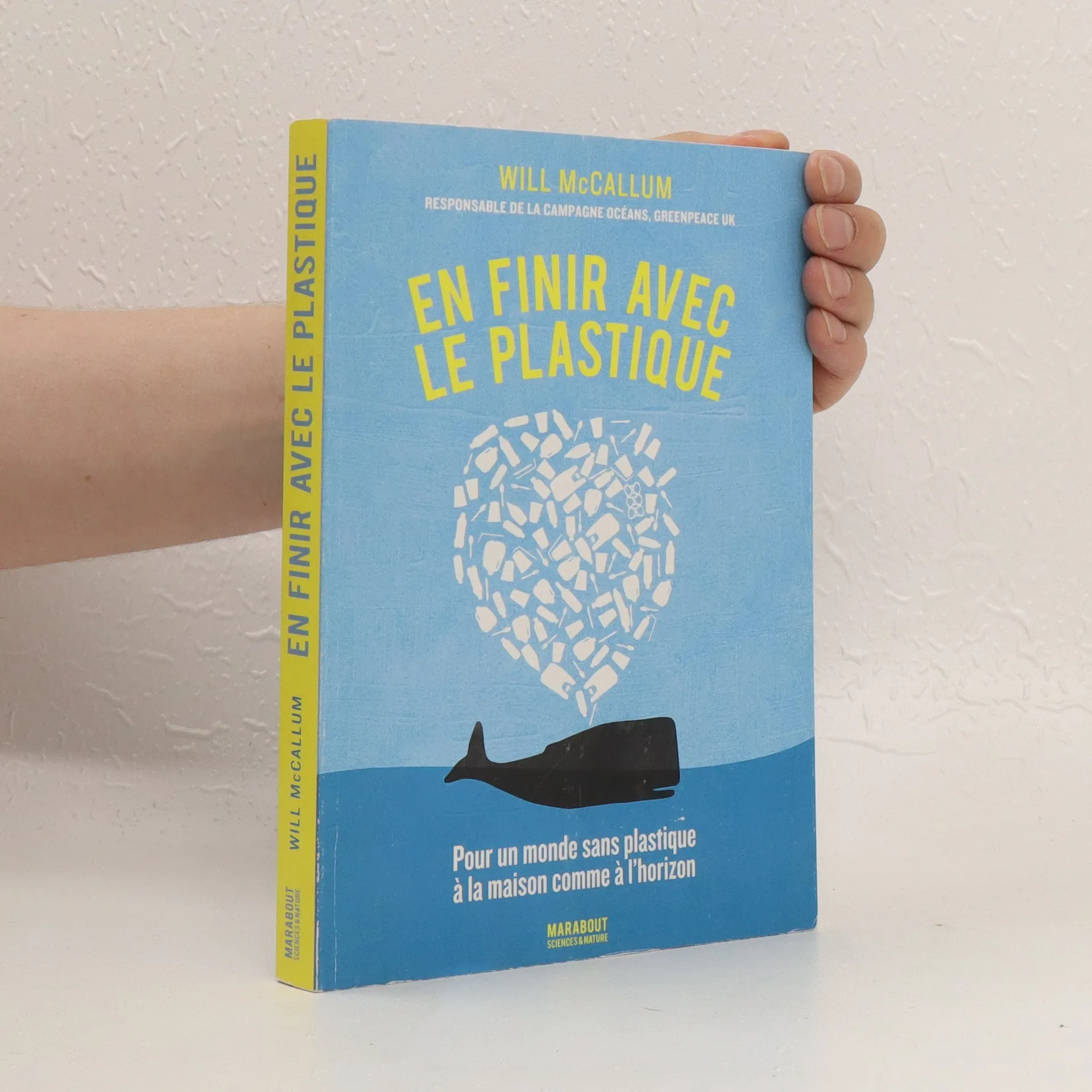
    En finir avec le plastique
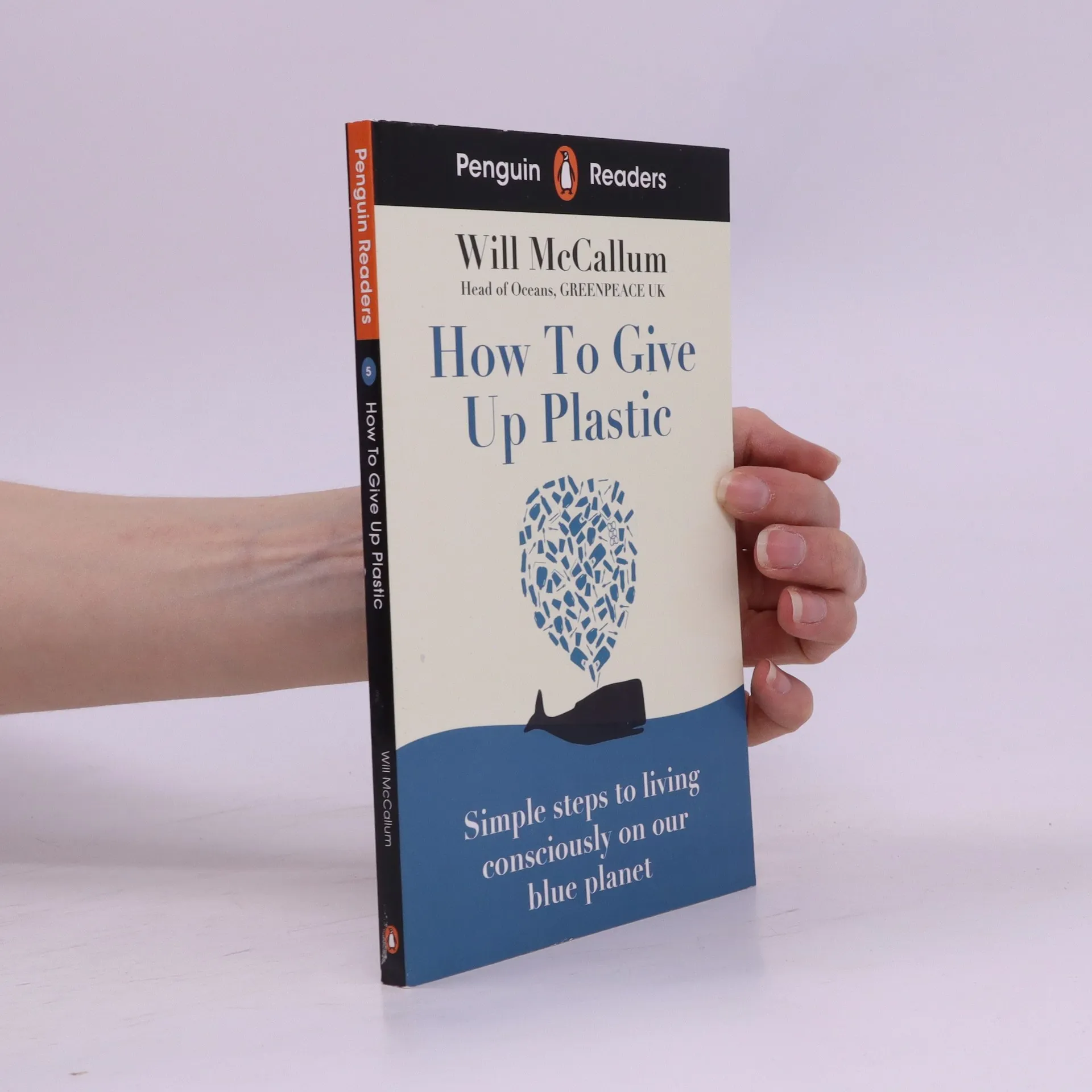
    Penguin Readers Level 5: How to Give Up Plastic (ELT Graded Reader)
    How to Give Up Plastic
    How to give up plastic. Simple steps to living consciously on our blue planet
    • A practical guide to cutting back the amount of plastic we use, by the Head of Oceans at Greenpeace.Plastic is everywhere - from the deepest canyons in the ocean to the frozen Arctic tundra. 12.7 million tonnes of plastic are entering the ocean every year, killing over 1 million seabirds and 100,000 marine mammals; by 2050 there is likely to be more plastic in the ocean than fish by weight. Plastic pollution is the environmental scourge of our age, but how can you make a difference?This book offers a handy guide for what we can do in our own homes, communities and workplaces to start bringing about the end of our plastic dependent age. It covers all ground, from easy wins such as using a reusable keep cup for your morning coffee, to lesser-known hacks like fixing a filter to your washing machine to catch some of the mircofibres released from your clothes (microfibers are responsible for up to 30% of plastic in the ocean). But it will also help you to be a part of big changes, offering insights into how to lobby for impactful legislation and how to put pressure on big corporations to reduce the use of plastic on a global scale. Packed with the latest research, useful tips, and anecdotes from scientists in the field and success stories from local communities round the world - this is an essential overview of why we should all be working together no matter where we are in the world to reduce the amount of plastic being produced

      How to give up plastic. Simple steps to living consciously on our blue planet
      3,7
    • How to Give Up Plastic

      • 224pagine
      • 8 ore di lettura

      Plastic is everywhere - from the deepest canyons in the ocean to the frozen Arctic tundra. 12.7 million tonnes of plastic are entering the ocean every year, killing over 1 million seabirds and 100,000 marine mammals; by 2020 there is likely to be more plastic in the ocean than fish by weight. Plastic pollution is the environmental scourge of our age, but how can youmake a difference? This book offers a handy guide for what we can do in our own homes, communities and workplaces to start bringing about the end of our plastic dependent age. It covers all ground, from easy wins such as using a reusable keep cup for your morning coffee, to lesser-known hacks like fixing a filter to your washing machine to catch some of the mircofibres released from your clothes (microfibers are responsible for up to 30% of plastic in the ocean). But it will also help you to be a part of big changes, offering insights into how to lobby for impactful legislation and how to put pressure on big corporations to reduce the use of plastic on a global scale. Packed with the latest research, useful tips, and anecdotes from scientists in the field and success stories from local communities round the world - this is an essential overview of why we should all be working together no matter where we are in the world to reduce the amount of plastic being produced.

      How to Give Up Plastic
      3,7
    • "Around 12.7 million tonnes of plastic are entering the ocean every year. By 2050 there could be more plastic in the ocean than fish by weight. But you can make a difference. This book will help you to use less plastic in your homes and communities"--Back cover

      Penguin Readers Level 5: How to Give Up Plastic (ELT Graded Reader)
      3,6
    • Le plastique fait des ravages dans nos océans : 12,7 millions de tonnes de plastique sont déversées dans nos océans chaque année, tuant 1 million d'oiseaux marins et 100 000 mammifères marins. D'ici 2050 il y aura plus de plastique que de poissons dans nos océans si nous ne changeons rien. Le guide essentiel pour apprendre ce que l'on peut faire au quotidien pour réduire notre usage du plastique à la maison, au bureau, etc. De l'astuce basique d'utiliser une tasse et non un gobelet en plastique pour votre café du matin, au conseil moins connu de fixer un filtre sur votre machine à laver le linge pour réduire le rejet de micro fibres de nos habits (les micro fibres sont responsables de 30 % du plastique dans les océans). L'auteur vous plonge dans un récit passionnant qui présente nt les dernières recherches, des conseils pratiques et des anecdotes de scientifiques et liste ainsi ldes actions positives à travers le monde qui ont porté leurs fruits à travers le monde. Un livre d'initiatives positives qui nous encouragent à changer nos habitudes pour en finir avec notre dépendance au plastique.

      En finir avec le plastique