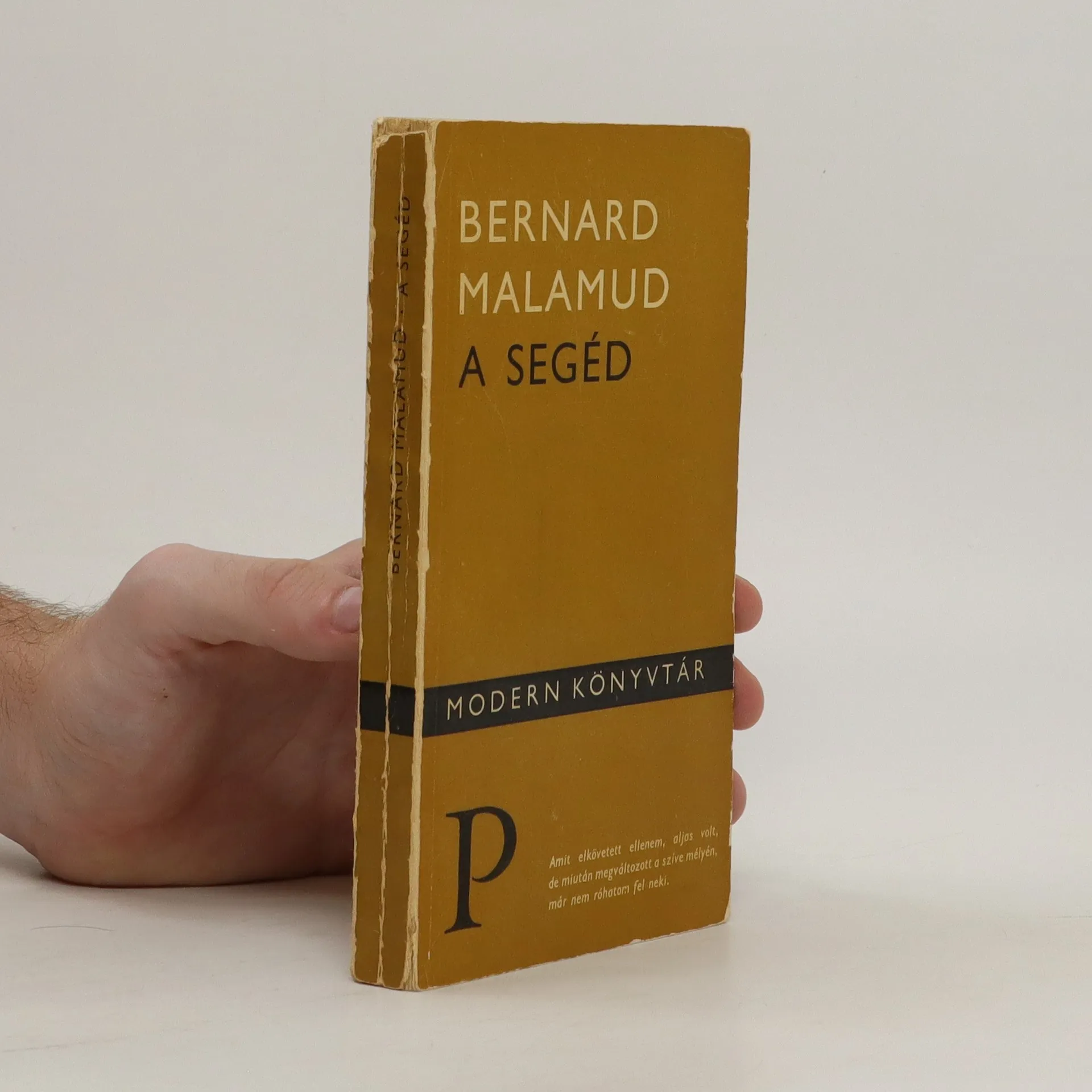
Bernard Malamud Libri
Bernard Malamud fu un autore americano di origine ebraica le cui opere esplorano spesso temi di identità, esilio e ricerca di significato. La sua prosa, caratterizzata da un misto di umorismo malinconico e sensibilità alla fragilità umana, cattura le complessità della vita moderna. Eccelleva nella creazione di personaggi memorabili che affrontano le avversità mantenendo la loro umanità e speranza. La scrittura di Malamud offre profonde intuizioni sull'esperienza ebraico-americana e sugli aspetti universali della condizione umana.

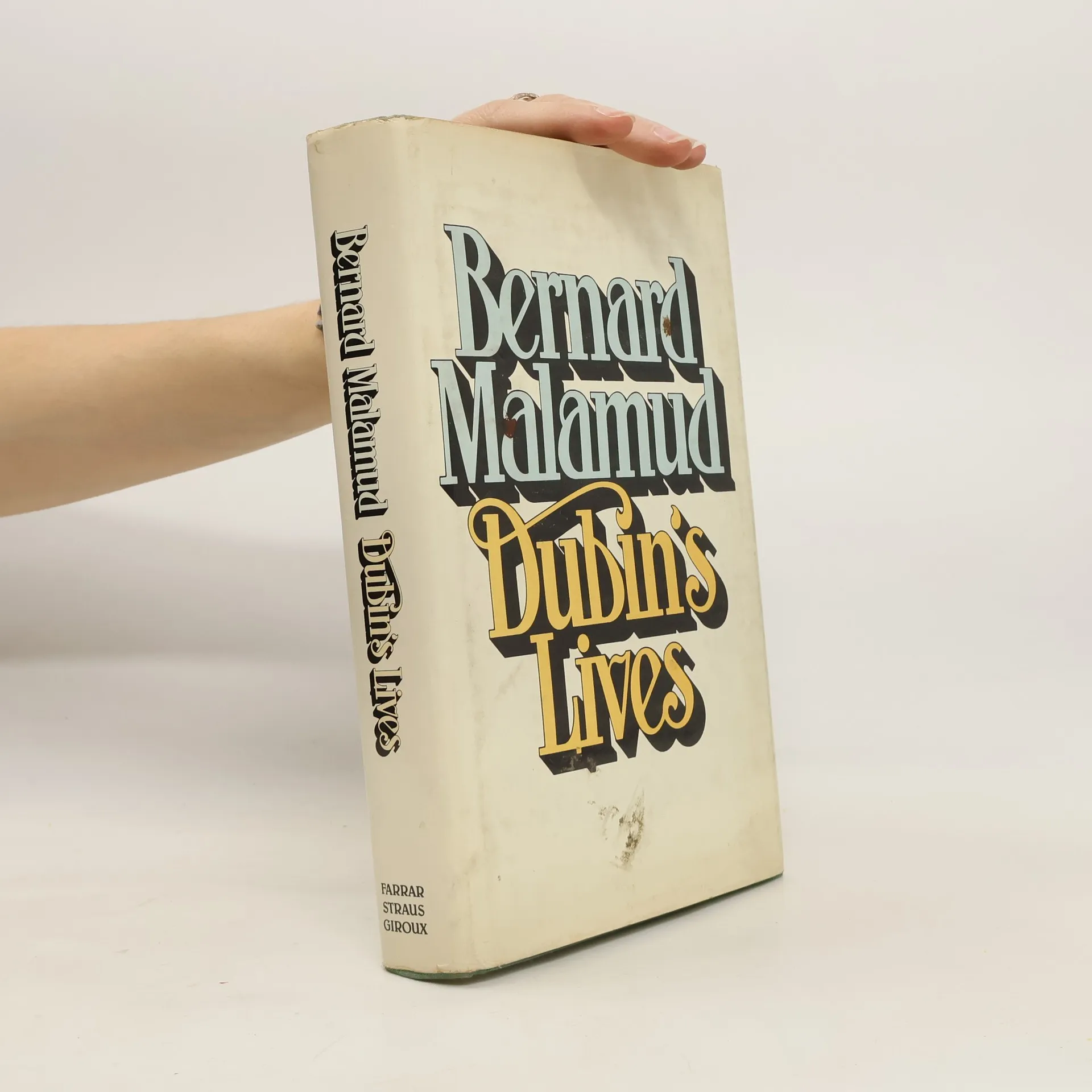
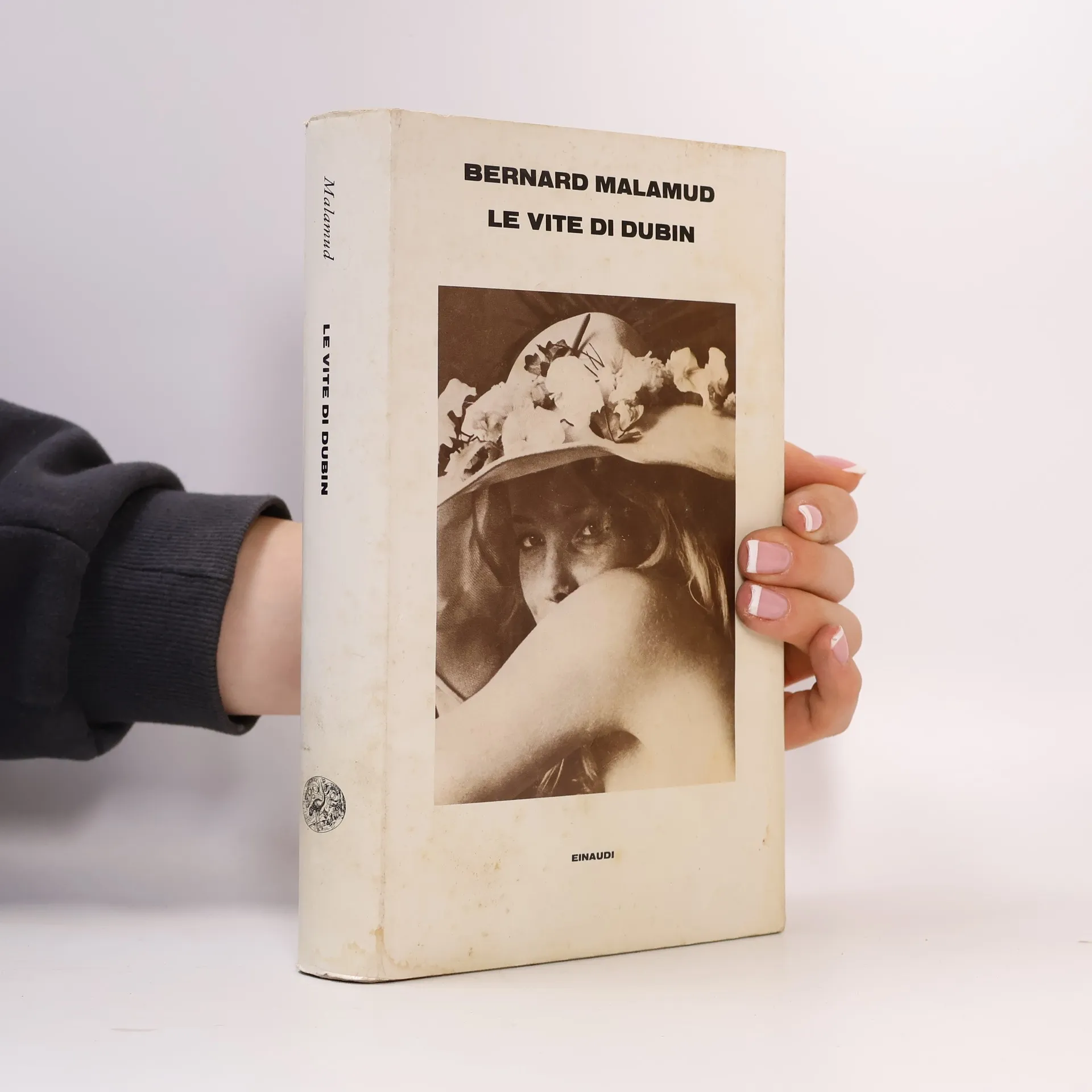
"Dubin's Lives" is a compassionate and wry commedia featuring William Dubin, a prize-winning biographer who learns from the lives he writes about, those he shares, and his own life experiences. Now in his later middle age, Dubin embarks on a journey to discover his secret self, as his obsession with biography shifts to an obsession with love. He finds himself drawn to a woman half his age, who seeks understanding of her own life through his works. This rich and subtle narrative explores themes of love, identity, and the complexities of marriage, presenting a moving tale that reflects on the intersections of life and art.
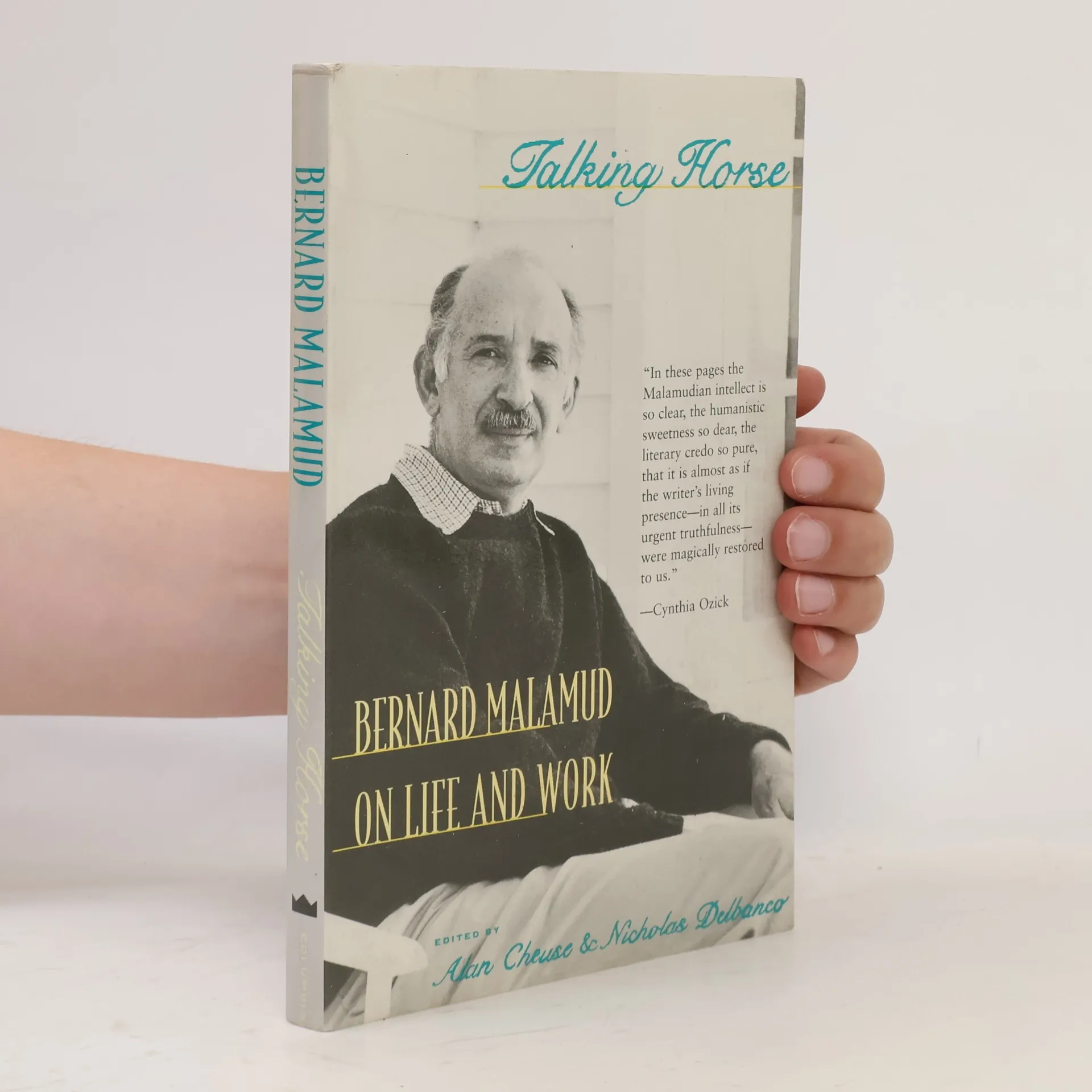
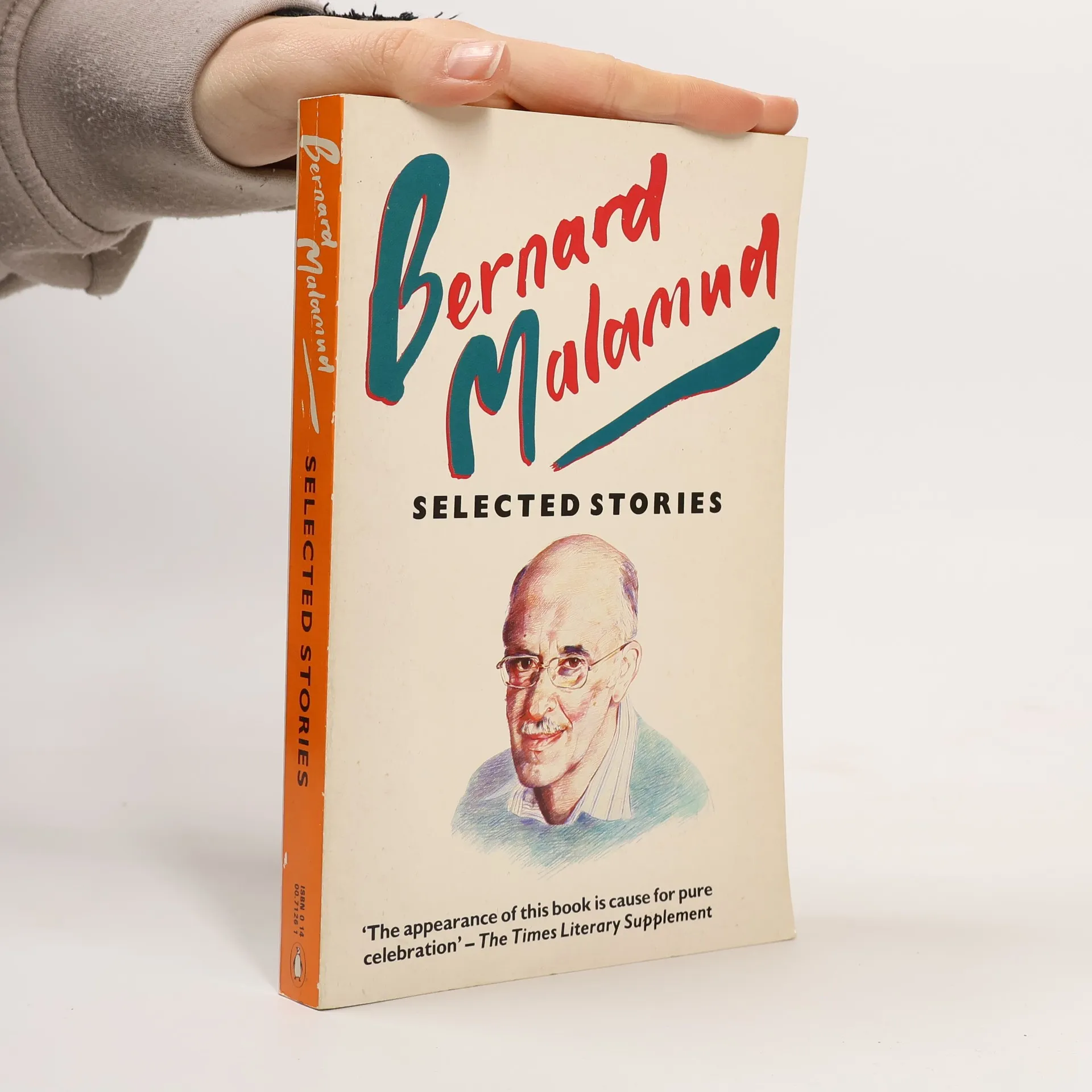
Selected Stories
- 368pagine
- 13 ore di lettura
Compassionate and profound in their wry humor, this collection of stories captures the poetry of human relationships at the point where reality and imagination meet.
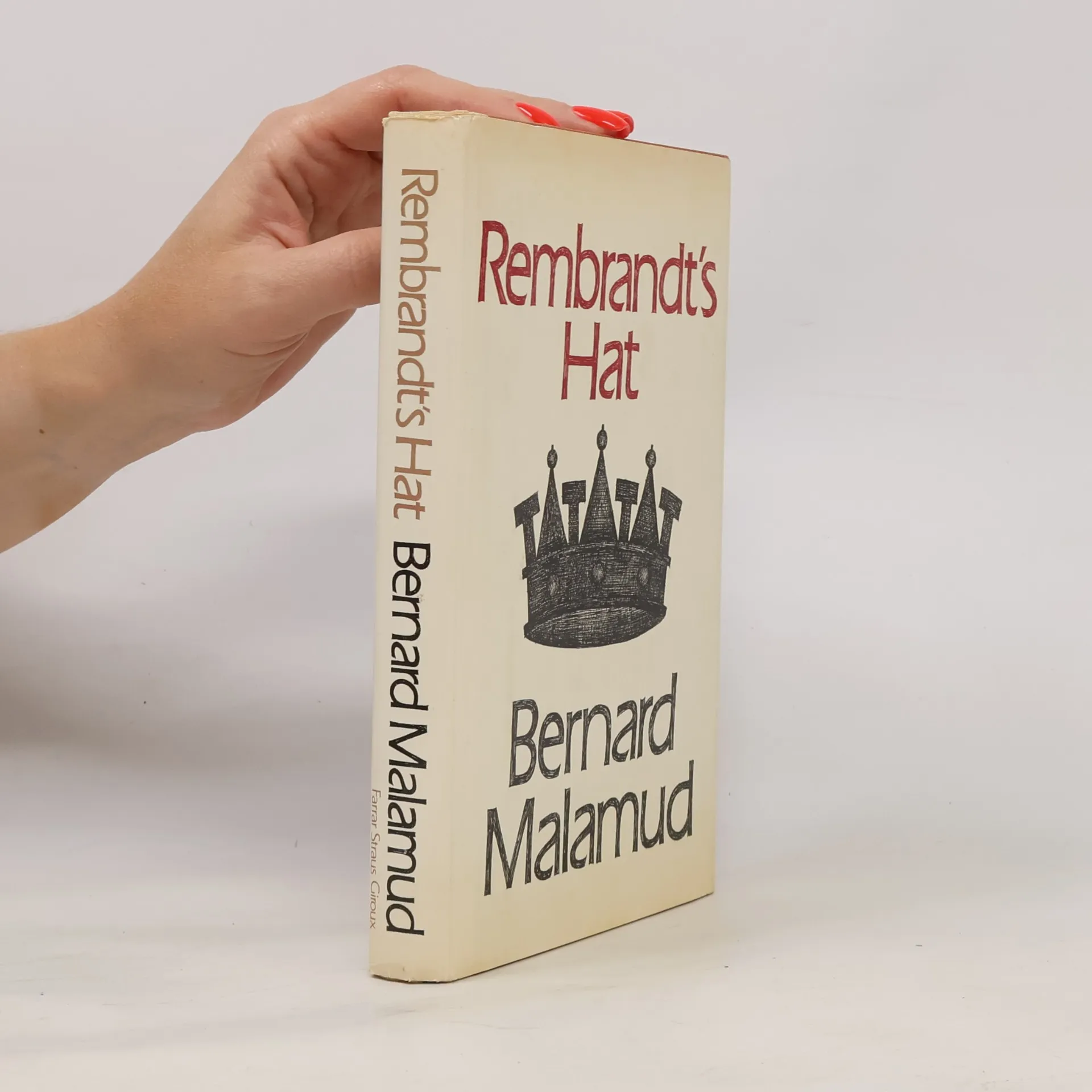
When Rembrandt the bear loses his special lucky hat, he finds that neither a bird nor a clown hat can replace it.
A New Life
- 324pagine
- 12 ore di lettura
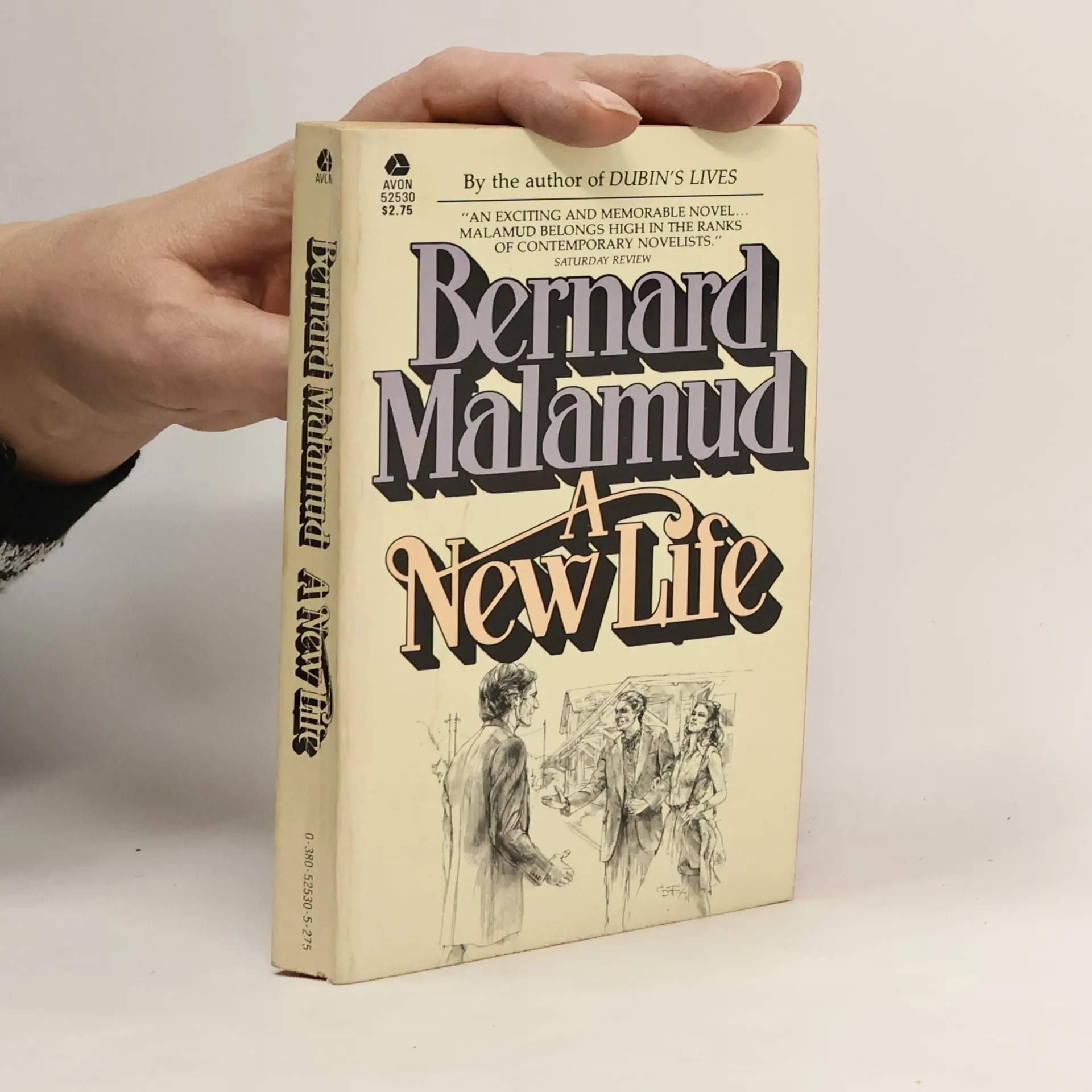
Sy Levin, a high school teacher beset by alcohol and bad decisions, leaves New York for the Pacific Northwest to start over, imagining that an extraordinary new life awaits him there. Soon after arriving, he realizes that he had fallen for the myth of the West as a place of personal reinvention.
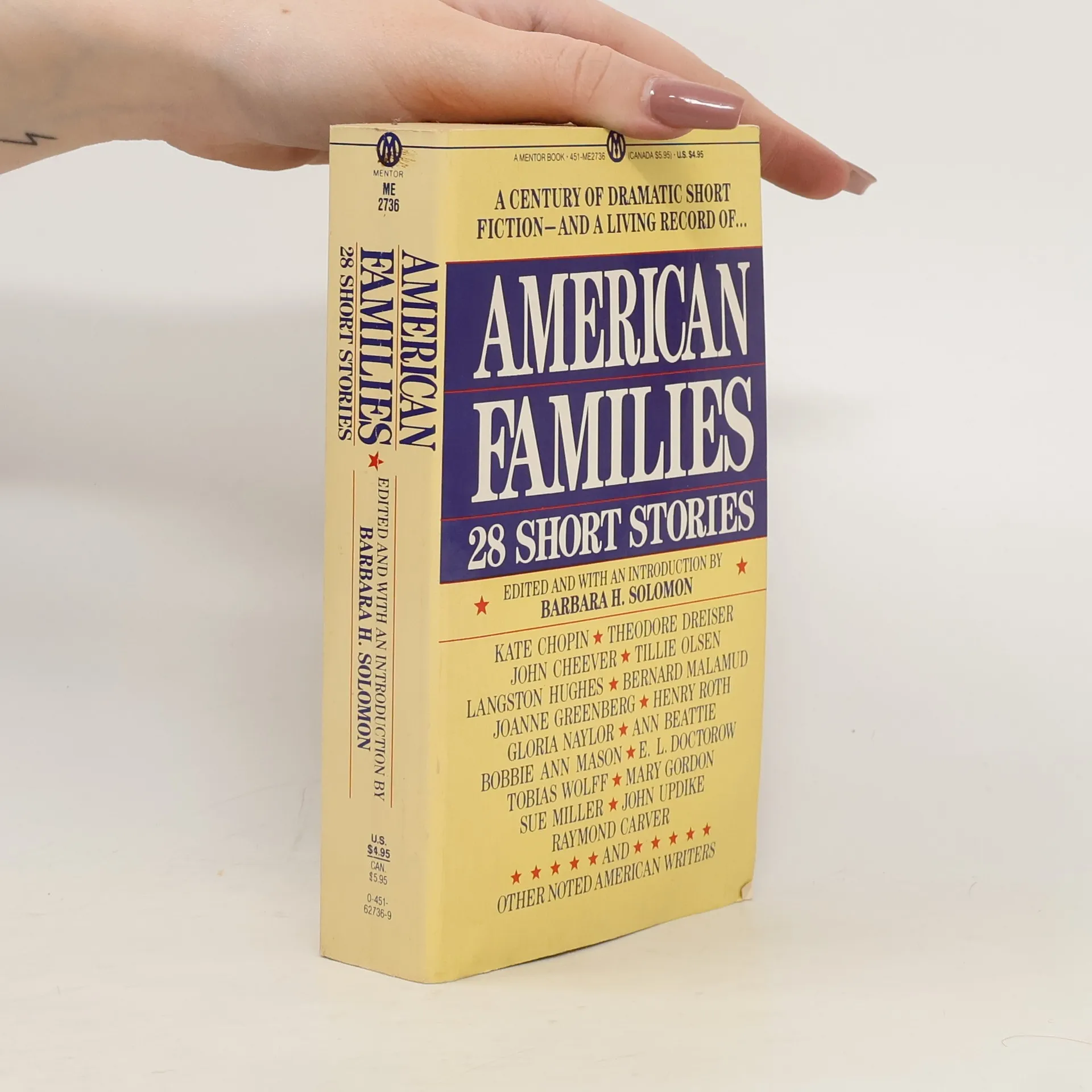
This stunning collection of 28 stories brings readers a literary portrait of the American family from 1894 to today. A collection of works that captures the essence of American families from living together and apart to loving and letting go.Regret / Kate Chopin --The lombardy poplar / Mary Wilkins Freeman --The widow's might / Charlotte Perkins Gilman --Old Rogaum and his Theresa / Theodore Dreiser --The sorrows of gin / John Cheever --I stand here ironing / Tillie Olsen --Simple and Counsin F.D. Roosevelt Brown / Langston Hughes --The sky is gray / Ernest J. Gaines --My Coney Island uncle / Harvey Swados --My son the murderer / Bernard Malamud --Final dwarf / Henry Roth --And Sarah laughed / Joanne Greenberg --Wedding day / Roberta Silman --The legacy of Beau Kremel / Stephen Wolf --Kiswana Brown / Gloria Naylor --Tuesdays / Mary Hedin --Afloat / Ann Beattie --Winterblossom garden / David Low --Old things / Bobbie Ann Mason --Starlight / Marian Thurm --The writer in the family / E.L. Doctorow --The rich brother / Tobias Wolff --My legacy / Don Zacharia --Violation / Mary Gordon --Appropriate affect / Sue Miller --What I did for love / Lynne Sharon Schwartz --Still of some use / John Updike --Elephant / Raymond Carver
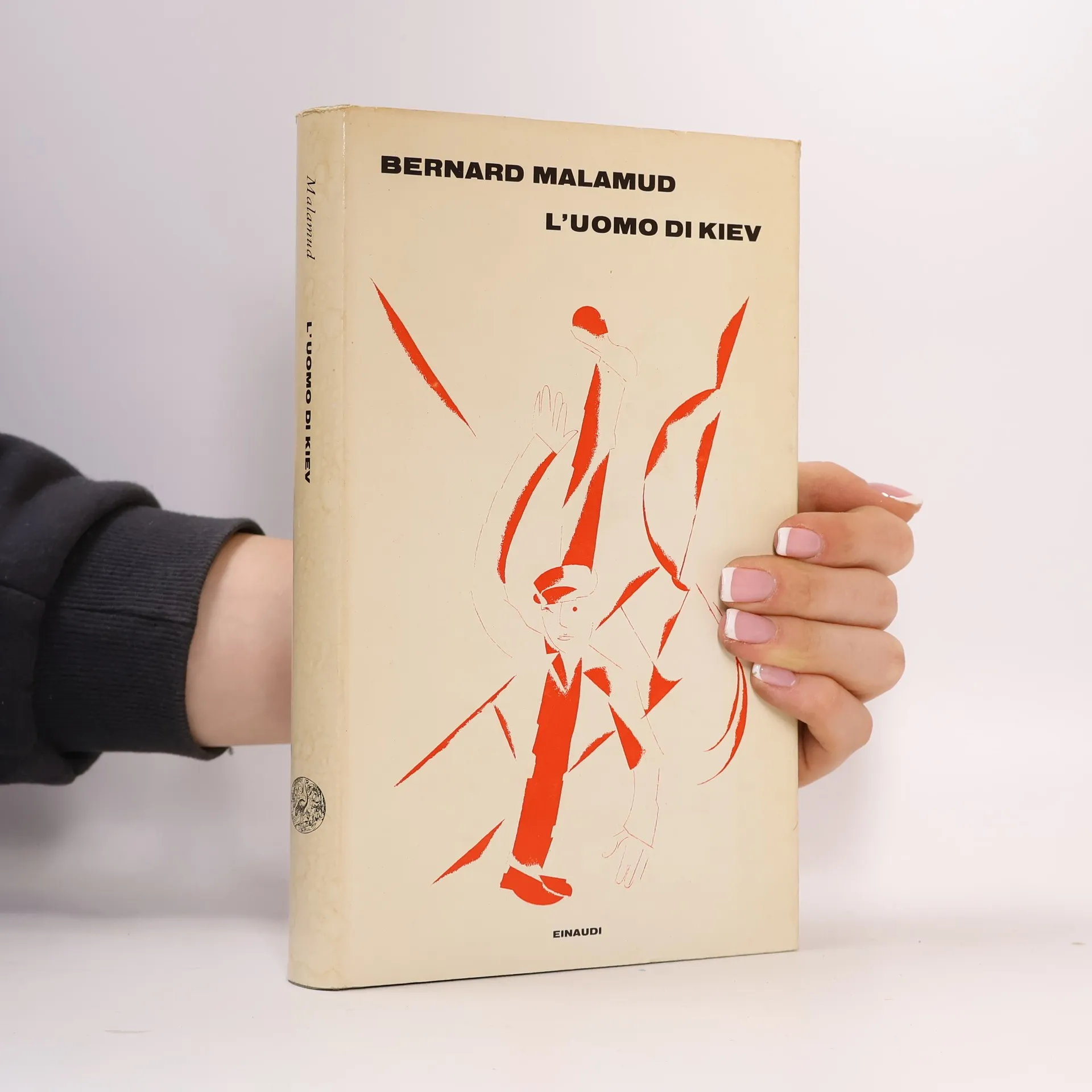
Kiev, 1911. When a 12-year-old Russian boy is found stabbed to death, his body drained of blood, the accusation of ritual murder is levelled at the Jews. Yakov Bok - a handyman hiding his Jewish identity from his anti-semitic employer - is first outed and blamed. Arrested and imprisoned, Bok refuses to confess to a crime that he did not commit. What becomes of this man under pressure, for whom acquittal is made to seem as hopeless as conviction, is the subject of a terrifying masterpiece of 20th-century fiction.
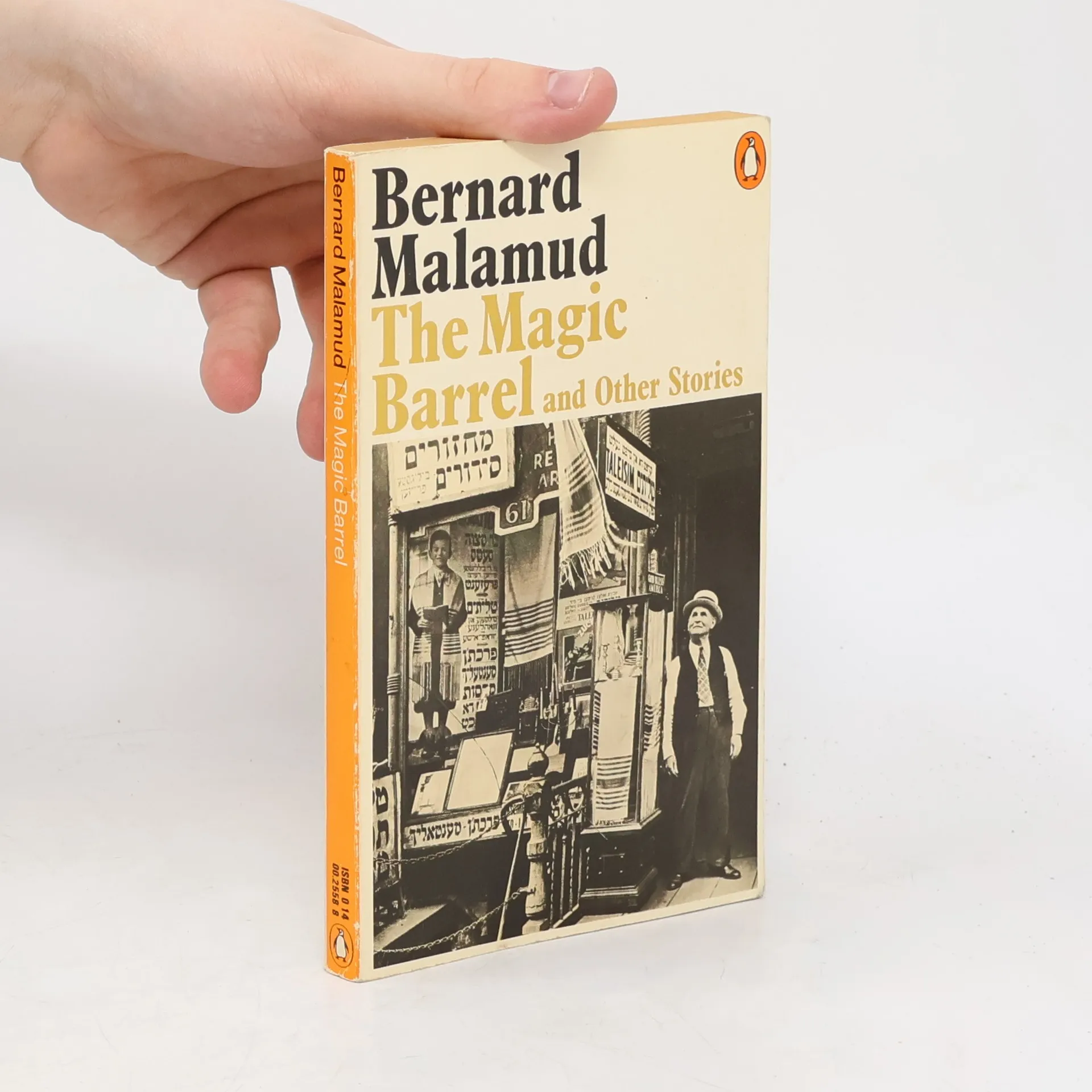
The Magic Barrel and Other Stories
- 192pagine
- 7 ore di lettura
One of the great story collections of our time. Bernard Malamud's first book of short stories, The Magic Barrel, has been recognized as a classic from the time it appeared in 1958. Malamud had published two novels, The Natural & The Assistant, but in these thirteen stories he found the voice that eventually made him one of the most admired & beloved American writers of this century. The stories are set in New York and in Italy (where Malamud's alter ego, the struggling New York Jewish painter Fidelman, roams amid the ruins of old Europe in search of his artistic patrimony); they tell of egg candlers and shoemakers, matchmakers and rabbis, in a voice that blends vigorous urban realism, Yiddish idiom, and a dash of Chagallish artistic magic. In recent years, immigrant writers from around the world have acknowledged the book as a landmark in the literature of migration. Few books of any kind have managed to depict heartbreak with such delight, or such artistry-and it is these qualities that make The Magic Barrel so great and so deeply human a collection.
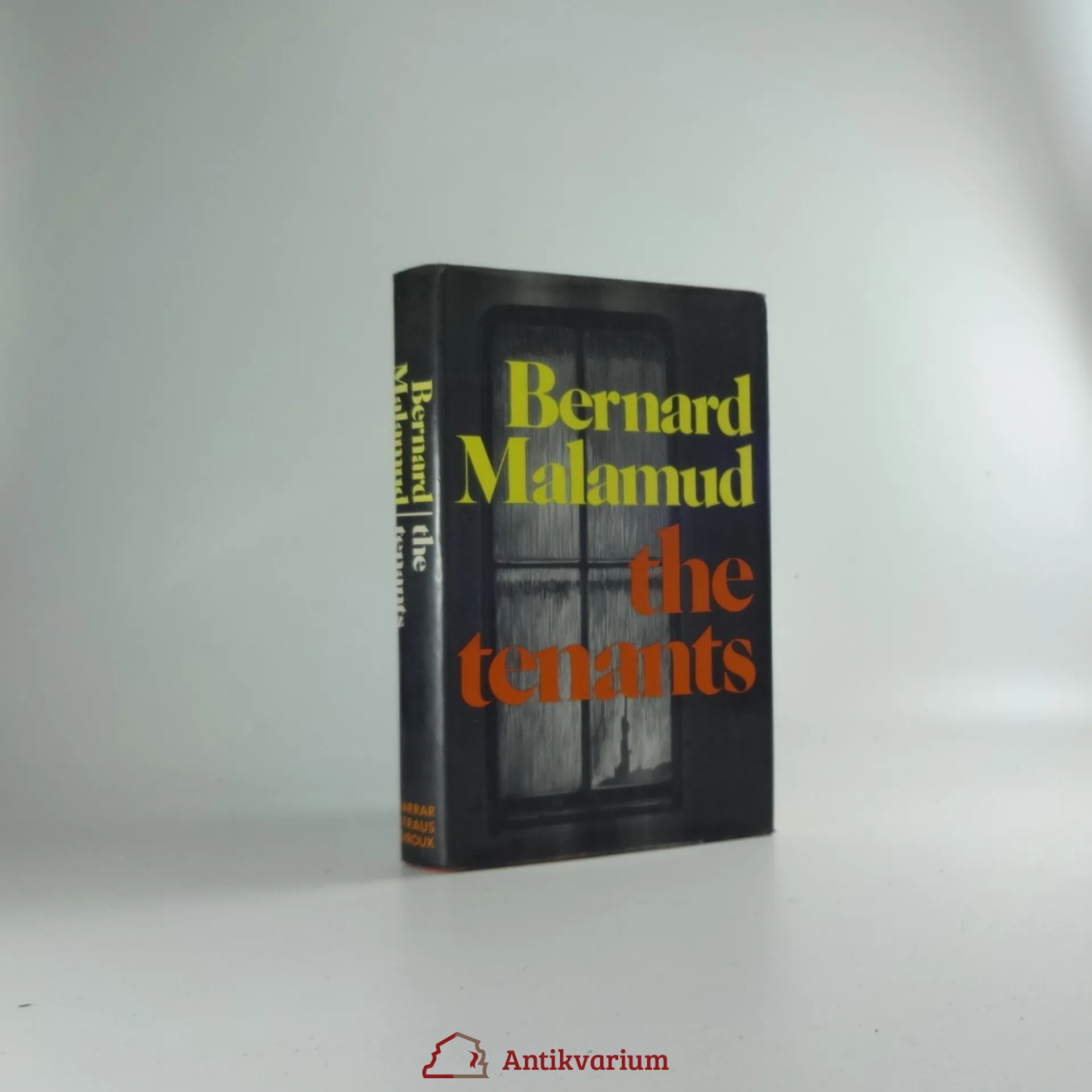
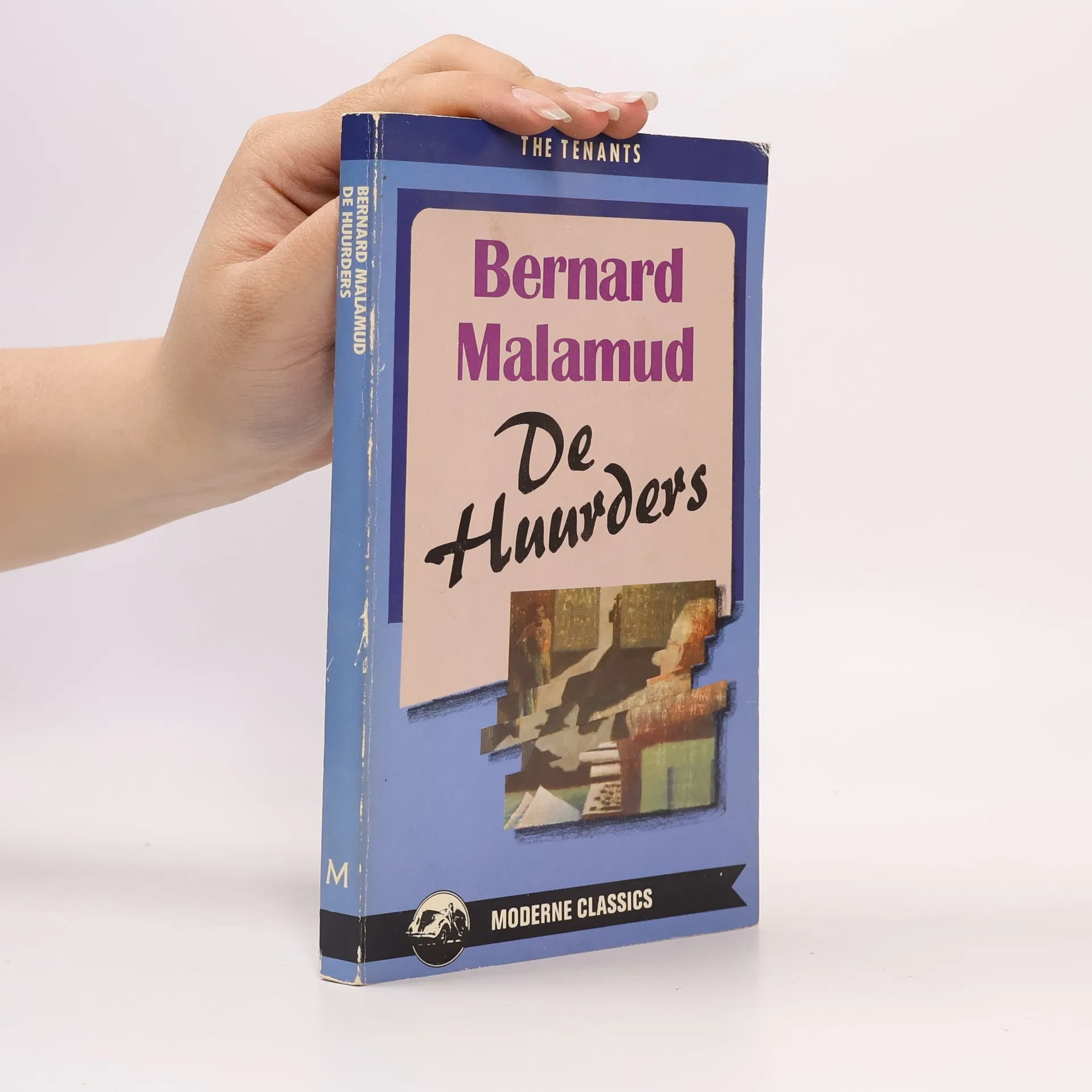
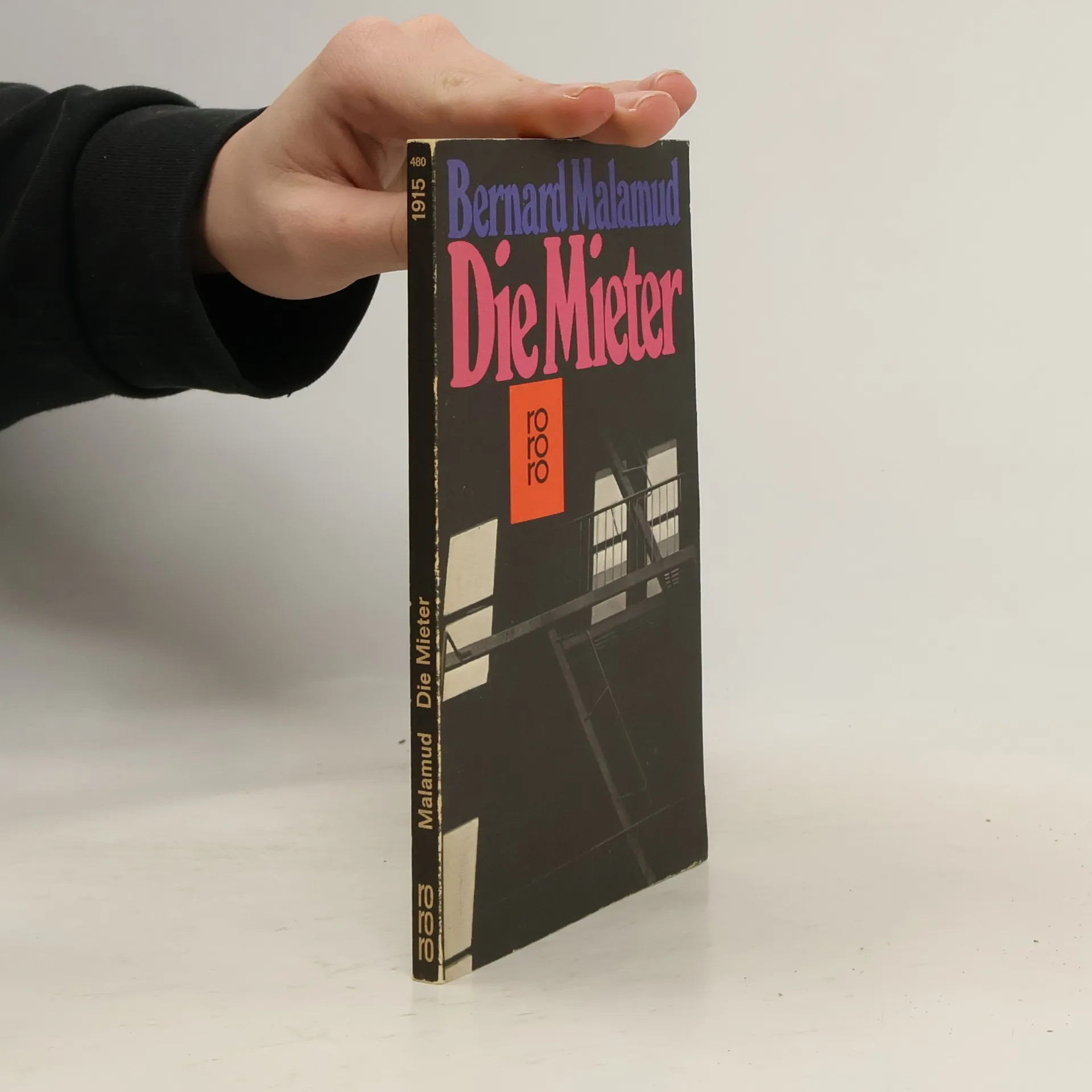
With a new introduction by Aleksandar Hemon In "The Tenants" (1971), Bernard Malamud brought his unerring sense of modern urban life to bear on the conflict between blacks and Jews then inflaming his native Brooklyn. The sole tenant in a rundown tenement, Henry Lesser is struggling to finish a novel, but his solitary pursuit of the sublime grows complicated when Willie Spearmint, a black writer ambivalent toward Jews, moves into the building. Henry and Willie are artistic rivals and unwilling neighbors, and their uneasy peace is disturbed by the presence of Willie's white girlfriend Irene and the landlord Levenspiel's attempts to evict both men and demolish the building. This novel's conflict, current then, is perennial now; it reveals the slippery nature of the human condition, and the human capacity for violence and undoing.
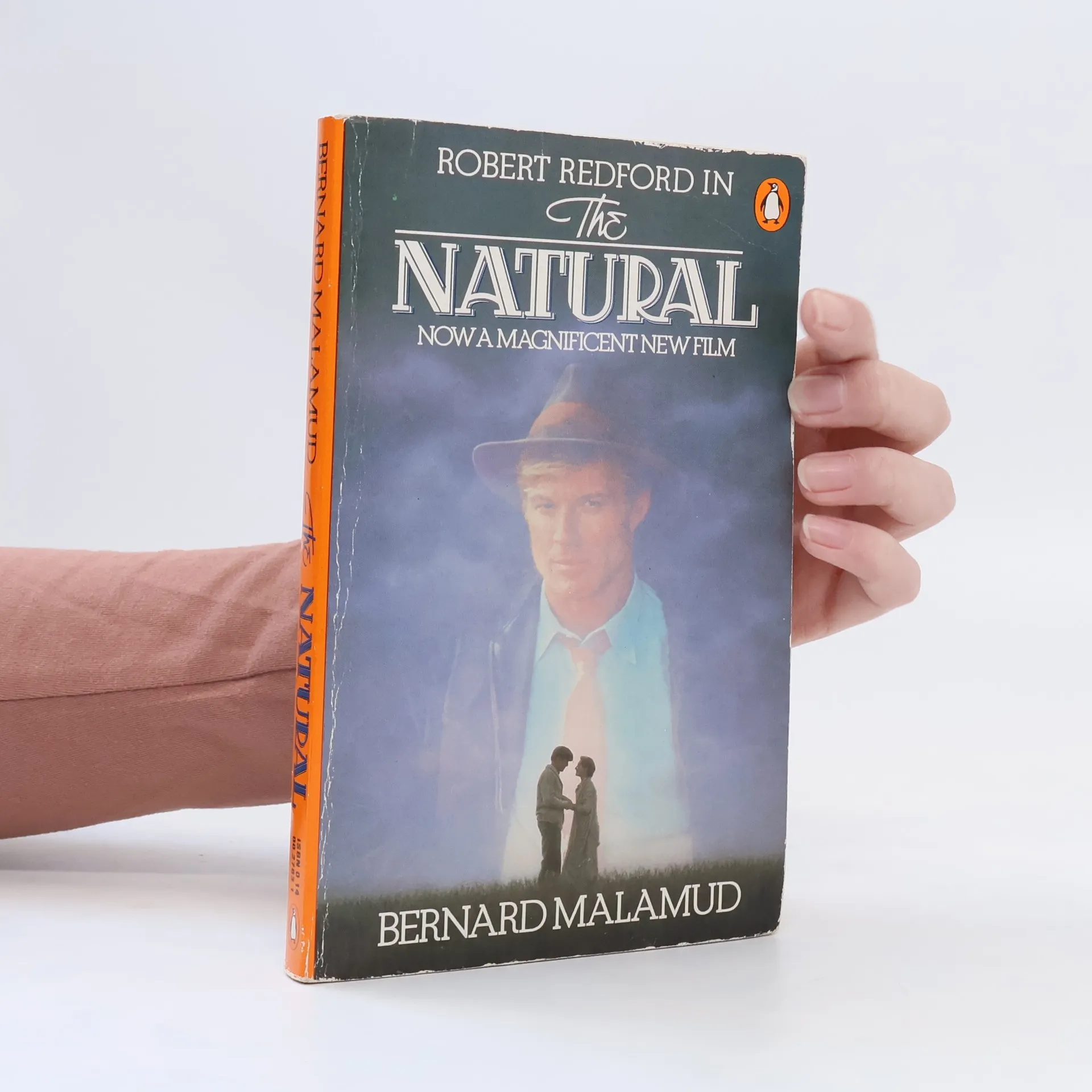
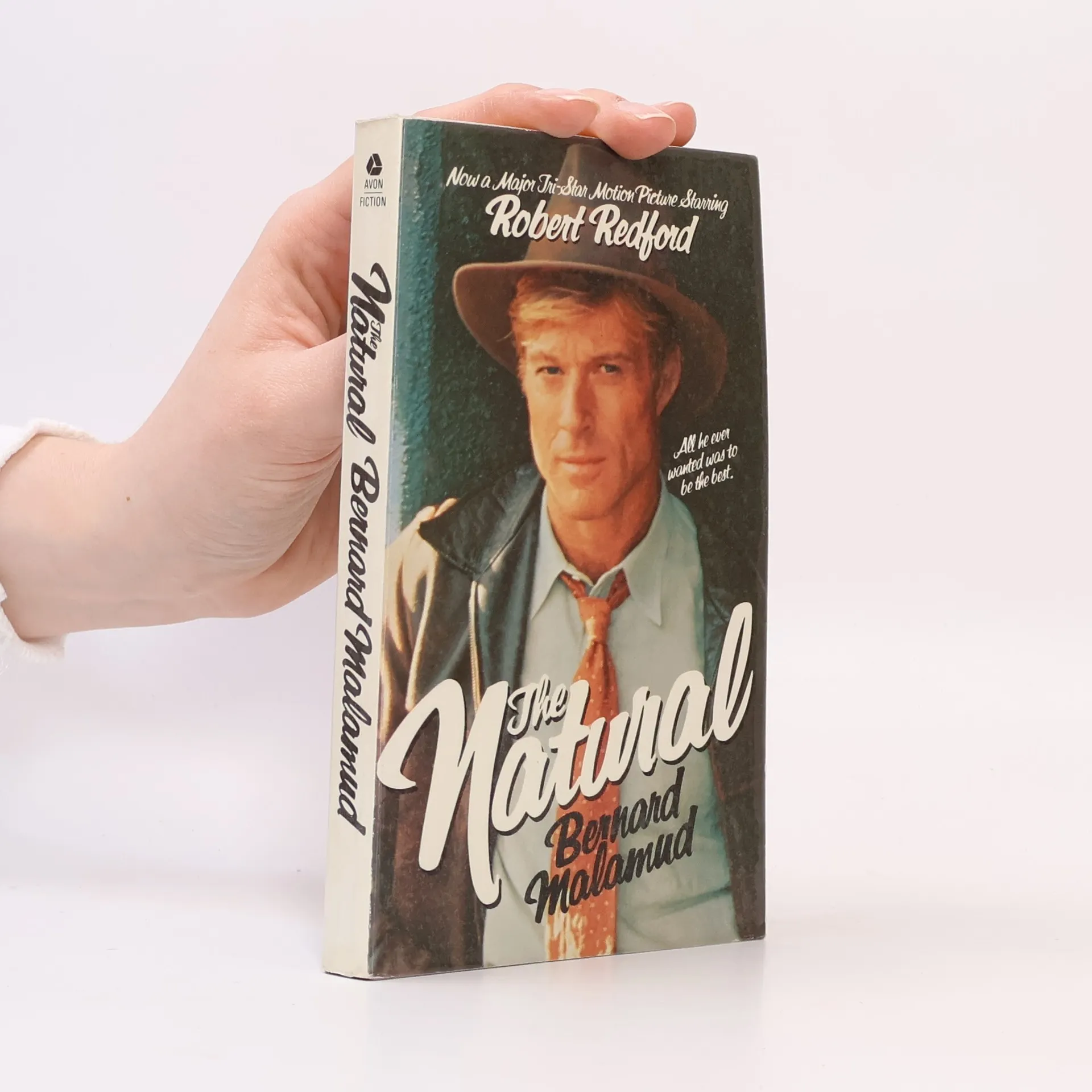
The classical novel (and basis for the acclaimed film) now in a new edition Introduction by Kevin Baker The Natural, Bernard Malamud's first novel, published in 1952, is also the first—and some would say still the best—novel ever written about baseball. In it Malamud, usually appreciated for his unerring portrayals of postwar Jewish life, took on very different material—the story of a superbly gifted "natural" at play in the fields of the old daylight baseball era—and invested it with the hardscrabble poetry, at once grand and altogether believable, that runs through all his best work. Four decades later, Alfred Kazin's comment still holds true: "Malamud has done something which—now that he has done it!—looks as if we have been waiting for it all our lives. He has really raised the whole passion and craziness and fanaticism of baseball as a popular spectacle to its ordained place in mythology."
The Assistant
- 297pagine
- 11 ore di lettura
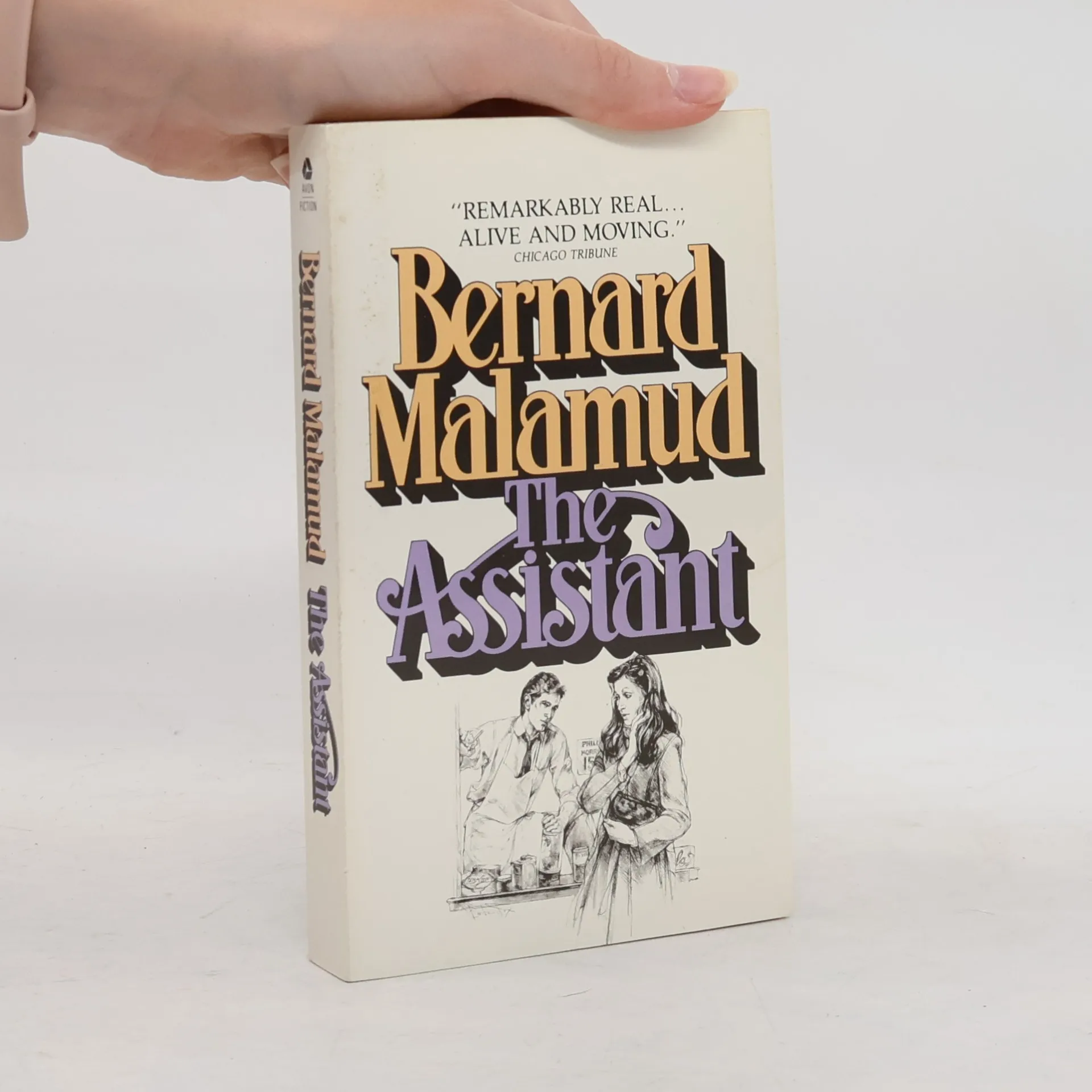
Bernard Malamud's second novel, originally published in 1957, is the story of Morris Bober, a grocer in postwar Brooklyn, who "wants better" for himself and his family. First two robbers appear and hold him up; then things take a turn for the better when broken-nosed Frank Alpine becomes his assistant. But there are complications: Frank, whose reaction to Jews is ambivalent, falls in love with Helen Bober; at the same time he begins to steal from the store. Like Malamud's best stories, this novel unerringly evokes an immigrant world of cramped circumstances and great expectations. Malamud defined the immigrant experience in a way that has proven vital for several generations of writers.
At age 82, Clifton Fadiman continues his prolific publishing career, here presenting 62 of the world's best short stories from 16 countries. His criteria? "Each story had to be both interesting and of high literary merit." Fadiman fulfills both requirements and much more, offering a cornucopia of superior 20th-century writers that includes Franz Kafka, D. H. Lawrence, Isaac Babel, F. Scott Fitzgerald, William Faulkner, Ernest Hemingway, John Cheever, Sean O'Faolain, Graham Greene, Robert Penn Warren, Colette, John Updike, Donald Barthelme, and James Thurber. (Regrettably, J. D. Salinger is not included due to lack of permission.) Here is a truly remarkable collection of this century's short stories that readers from all over the world will read with delight.
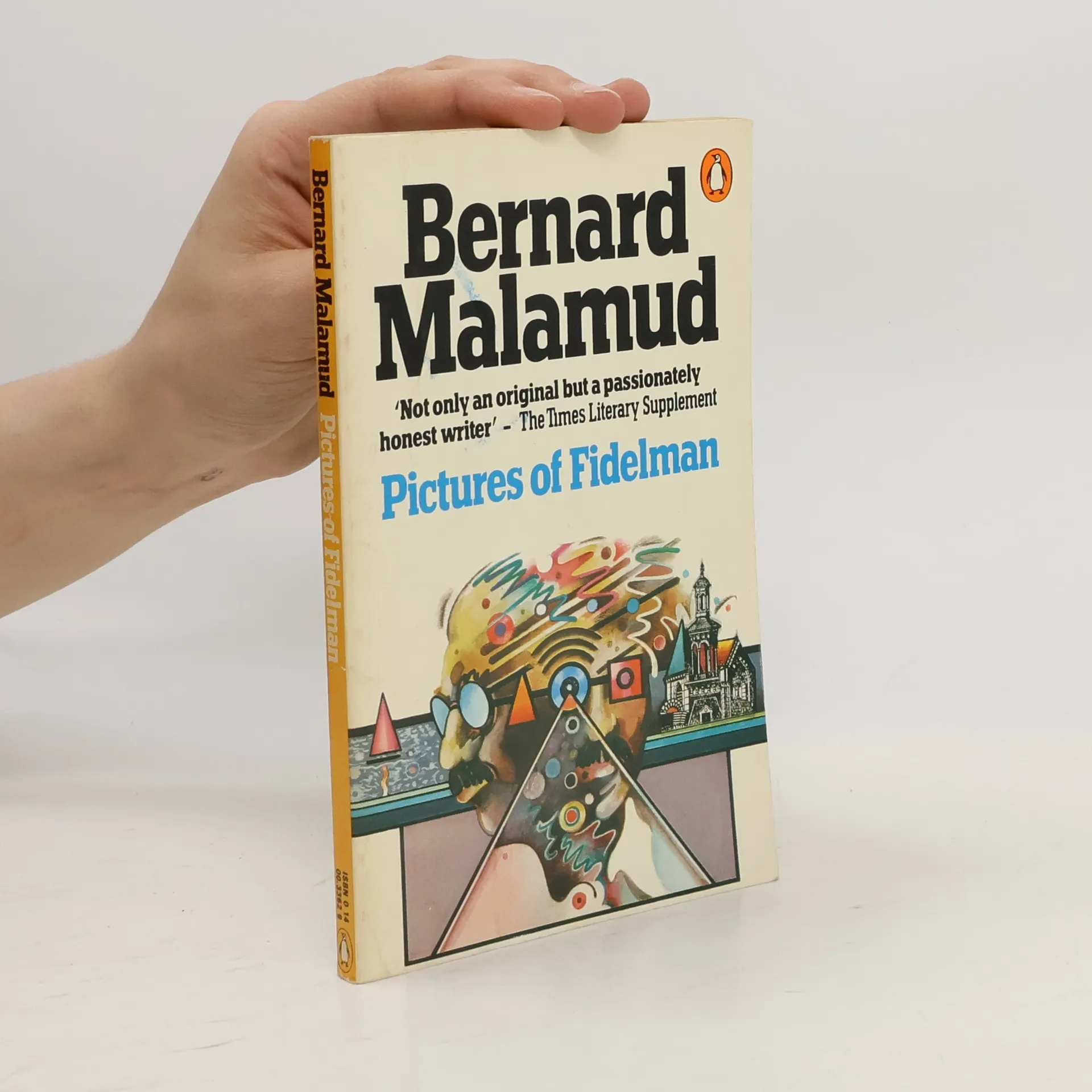
Arthur Fidelman, Bronx-born and raised, is a self-confessed failure as a painter. When he goes to Italy to prepare a critical study of Giotto, a zany adventure ensues. Pursued through the streets of Rome by the refugee Susskind, forced to abandon Giotto, feeling a reawakening desire to create art, falling into the hands of art thieves, hand-carving wooden Madonnas for sale, becoming a pimp, attempting to sculpt the perfect hole, Fidelman is a comic creation of genius.
In Philip Roth's intimate intellectual encounters with an international and diverse cast of writers, they explore the importance of region, politics and history in their work and trace the imaginative path by which a writer's highly individualized art is informed by the wider conditions of life. With Primo Levi, Roth discusses the stubborn core of rationality that helped the Italian chemist-writer survive the demented laboratory of Auschwitz. With Milan Kundera, he analyzes the mix of politics and sexuality that made him the most subversive writer in communist Czechoslovakia. With Edna O'Brien, he explores the circumstances that have forced generations of Irish writers into exile. Elsewhere Roth offers appreciative portraits of two friends--the writer Bernard Malamud and the painter Philip Guston--at the end of their careers, and gives us a masterful assessment of the work of Saul Bellow. Intimate, charming, and crackling with ideas about the interplay between imagination and the writer's historical situation, Shop Talk is a literary symposium of the highest level, presided over by America's foremost novelist.
God's Grace (1982), Bernard Malamud's last novel, is a modern-day dystopian fantasy, set in a time after a thermonuclear war prompts a second flood -- a radical departure from Malamud's previous fiction.The novel's protagonist is paleolosist Calvin Cohn, who had been attending to his work at the bottom of the ocean when the Devastation struck, and who alone survived. This rabbi's son -- a "marginal error" -- finds himself shipwrecked with an experimental chimpanzee capable of speech, to whom he gives the name Buz. Soon other creatures appear on their island-baboons, chimps, five apes, and a lone gorilla. Cohn works hard to make it possible for God to love His creation again, and his hopes increase as he encounters the unknown and the unforeseen in this strange new world.With God's Grace , Malamud took a great risk, and it paid off. The novel's fresh and pervasive humor, narrative ingenuity, and tragic sense of the human condition make it one of Malamud's most extraordinary books."Is he an American Master? Of course. He not only wrote in the American language, he augmented it with fresh plasticity, he shaped our English into startling new configurations." --Cynthia Ozick
The Natural
- 272pagine
- 10 ore di lettura
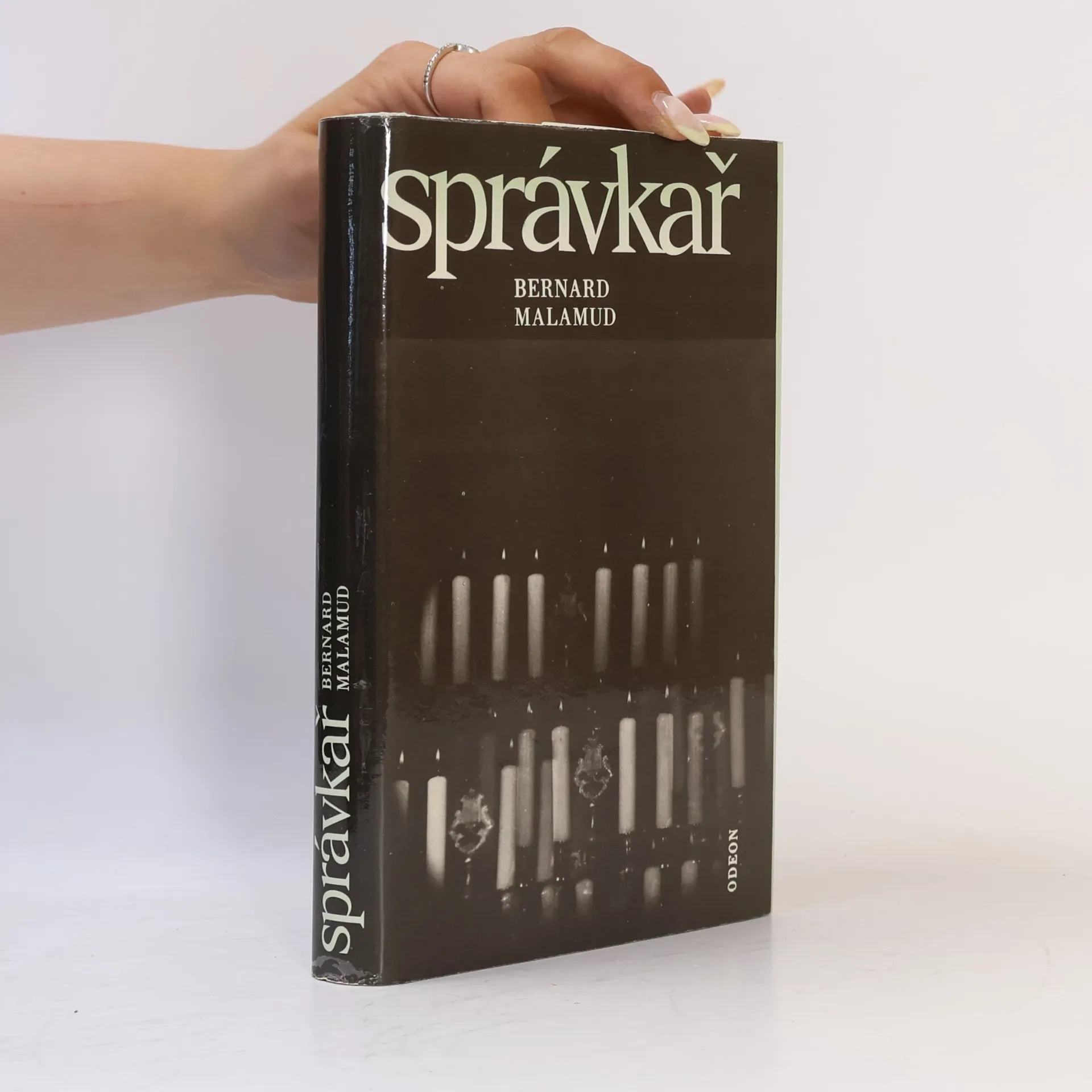
He's a natural athlete and everything is going his way - the game he loves, and the woman he thought he'd lost. But he's up against the corrupters, the seducers, and the glory destroyers.
The Complete Stories
- 634pagine
- 23 ore di lettura
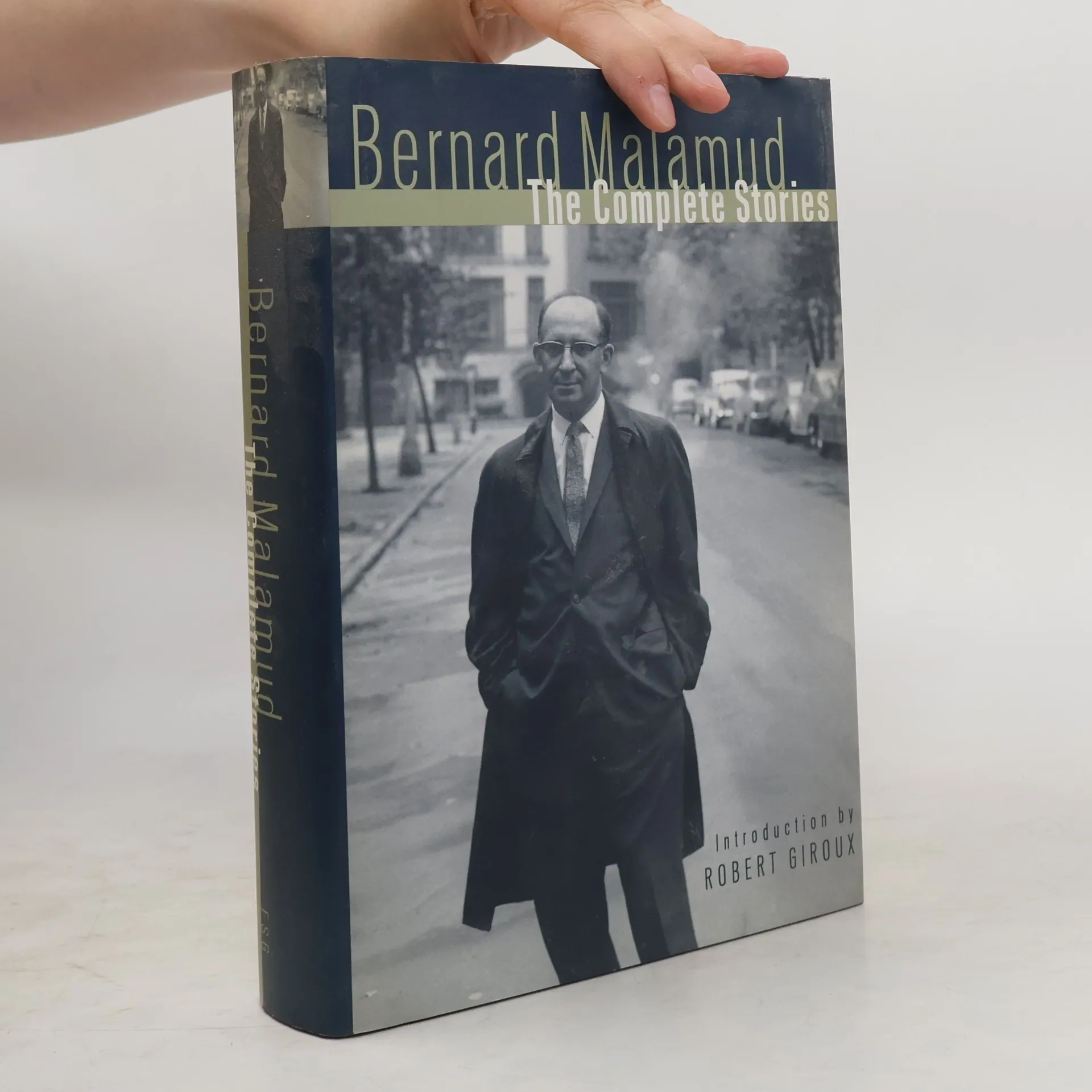
New York Times Notable Book of the Year P ublishers Weekly Best Book of 1997 With an Introduction by Robert Giroux, The Complete Stories of Bernard Malamud is "an essential American book," Richard Stern declared in the Chicago Tribune when the collection was published in hardcover. His praise was echoed by other reviewers and by readers, who embraced the book as they might a displaced person in one of Malamud's stories, now returned to us, complete and fulfilled and recognized at last. The volume gathers together fifty-five stories, from "Armistice" (1940) to "Alma Redeemed" (1984), and including the immortal stories from The Magic Barrel and the vivid depictions of the unforgettable Fidelman. It is a varied and generous collection of great examples of the modern short story, which Malamud perfected, and an ideal introduction to the work of this great American writer.
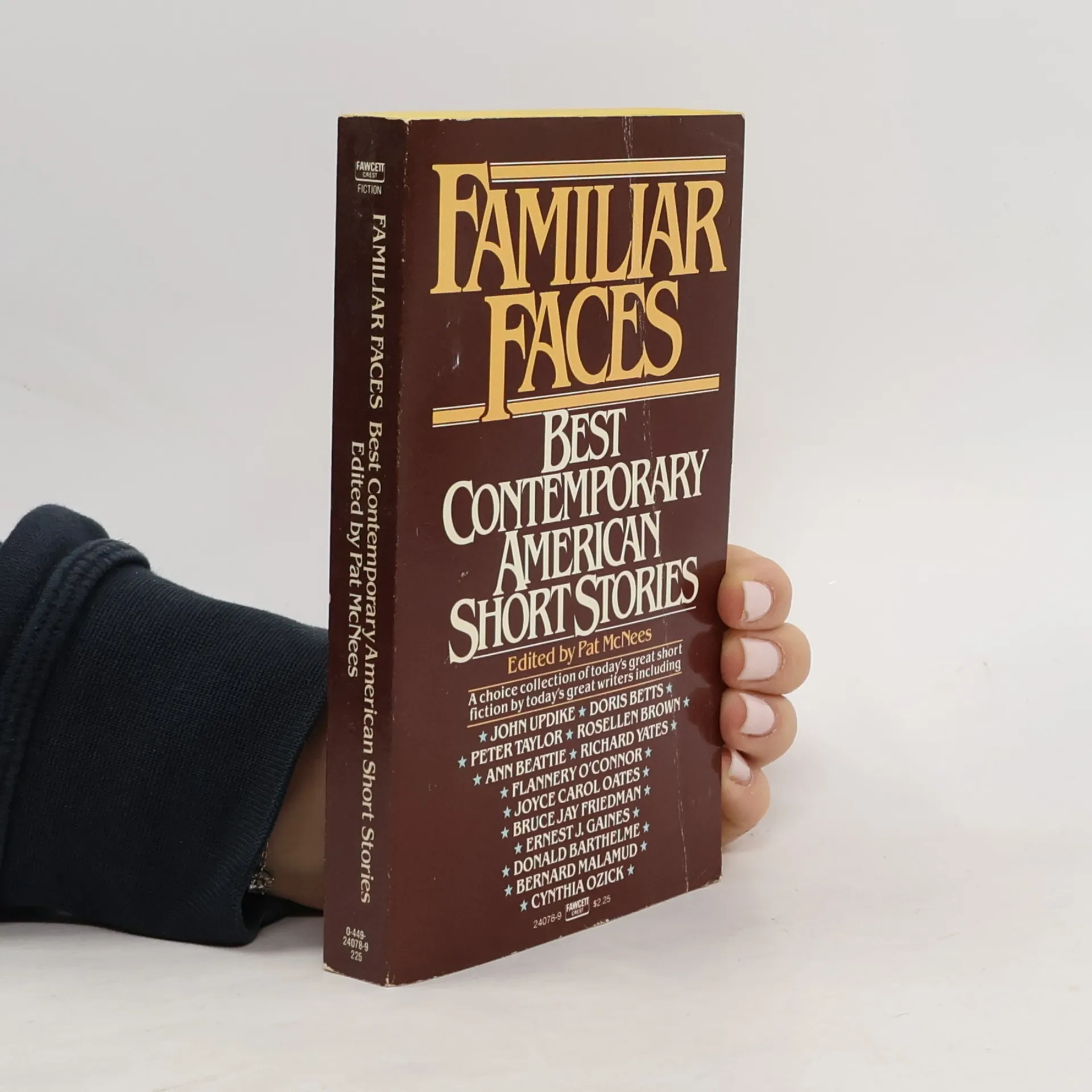
The conflicts of common people in everyday situations are revealed from many angles in a collection of stories assembled to offer an impression of contemporary American life
Lire en V. O. Anglais - 1: New York Stories
- 176pagine
- 7 ore di lettura
-- Publisher's Weekly
Two rival businessmen meet in the Warsaw train station. "Where are you going?" says the first man."To Minsk," says the second."To Minsk, eh? What a nerve you have! I know you're telling me you're going to Minsk because you want me to think that you're really going to Pinsk. But it so happens that I know you really are going to Minsk. So why are you lying to me?"Four men are walking in the desert.The German says, "I'm tired and thirsty. I must have a beer."The Italian says, "I'm tired and thirsty. I must have wine."The Mexican says, "I'm tired and thirsty.I must have tequila."The Jew says, "I'm tired and thirsty. I must have diabetes."
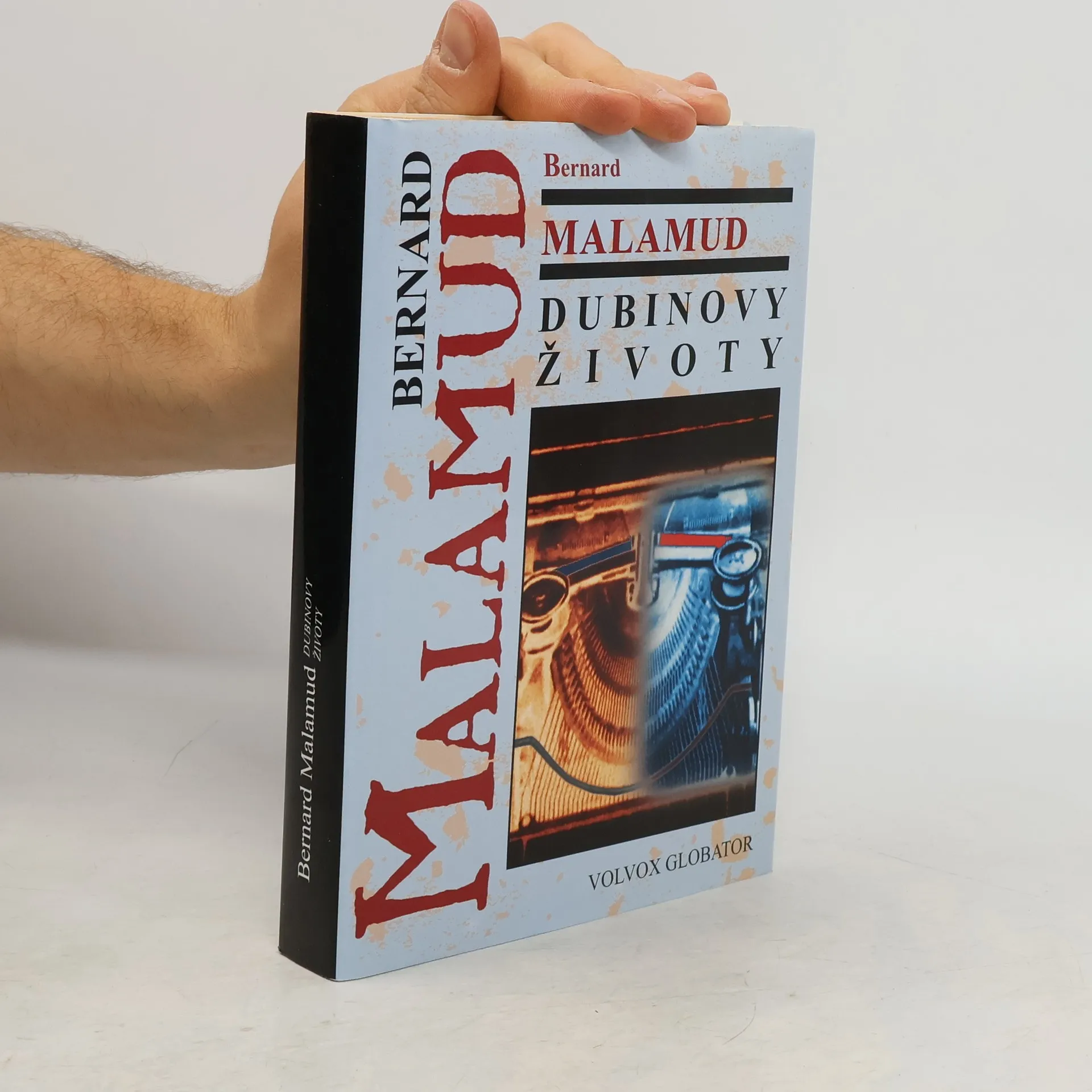
Dubinovy životy
- 383pagine
- 14 ore di lettura
Román jednoho z nejzajímavějších amerických prozaiků XX. století, napsaný v roce 1979. Hlavní hrdina – William Dubin – je distingovaný vypravěč středního věku, hledající klíč k sobě samému. Jeho manželství je stabilní, jeho život usedlý, spořádaný a zajištěný. Do té doby, než ho naruší jistá dívka, třiadvacetiletá Fanny. Dubinovy životy není pouhý milostný román, spíše jeden z nejhlubších portrétů manželství, ale také ostrá, přesná a výstižná kronika touhy – nejen, ale právě erotické touhy...
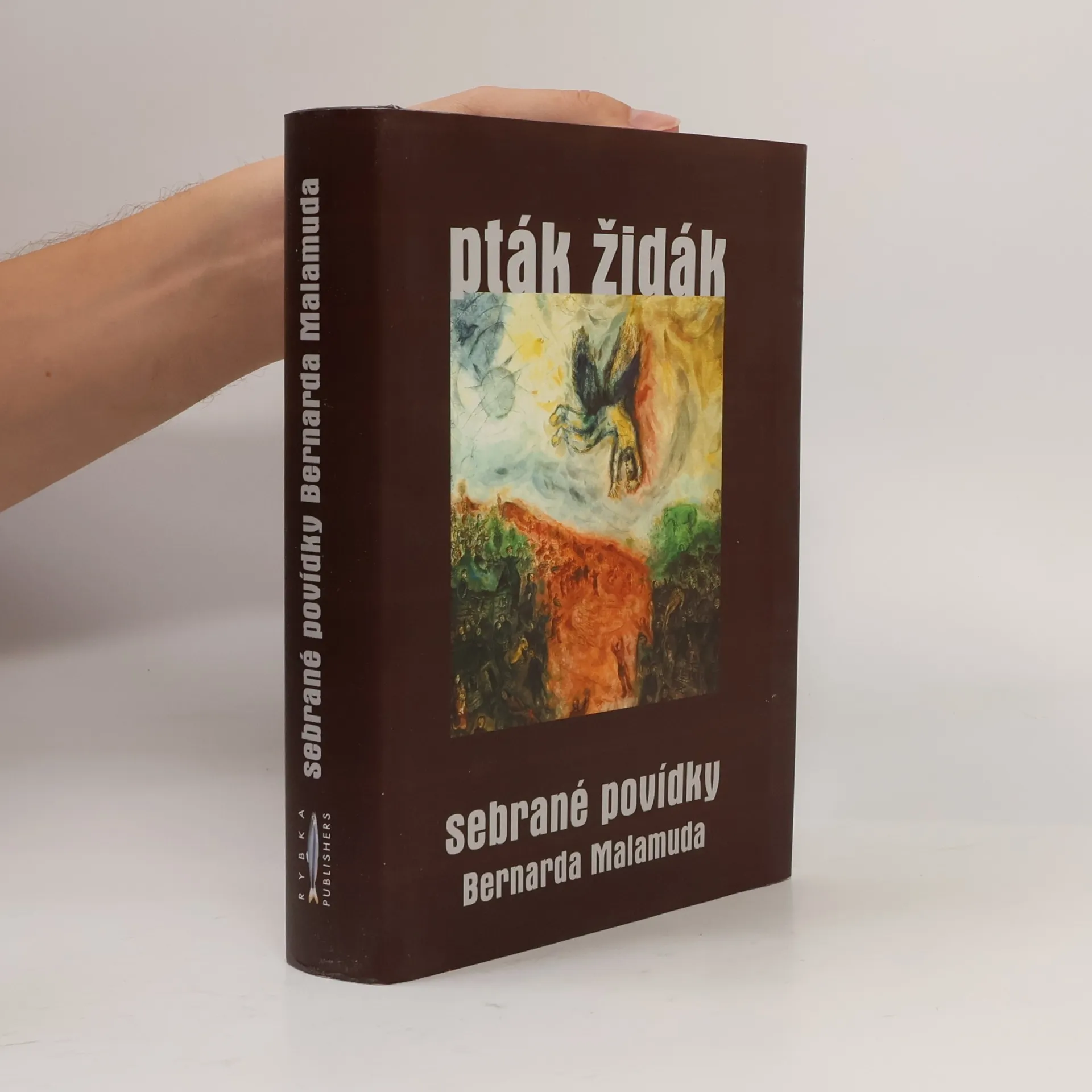
Pták židák
- 619pagine
- 22 ore di lettura
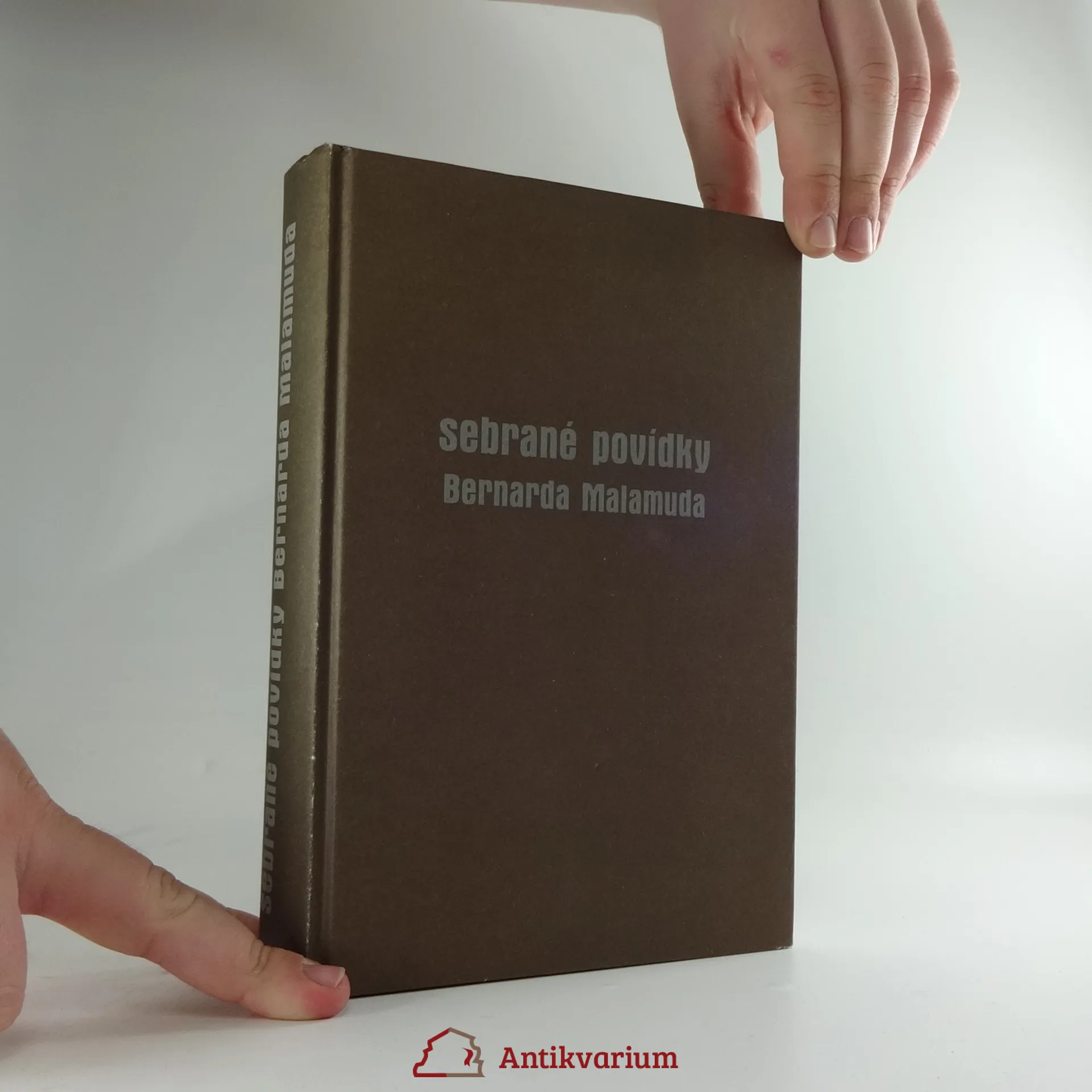
Sebrané povídky Bernarda Malamuda představují první kompletní české vydání spisovatelových krátkých próz. Kniha obsahuje padesát pět povídek, z toho více než polovinu dosud nevydaných. Celý soubor Malamudových prozaických textů je co nejpřesněji uspořádán nikoli tak, jak vycházely, ale v posloupnosti, jak byly napsány.
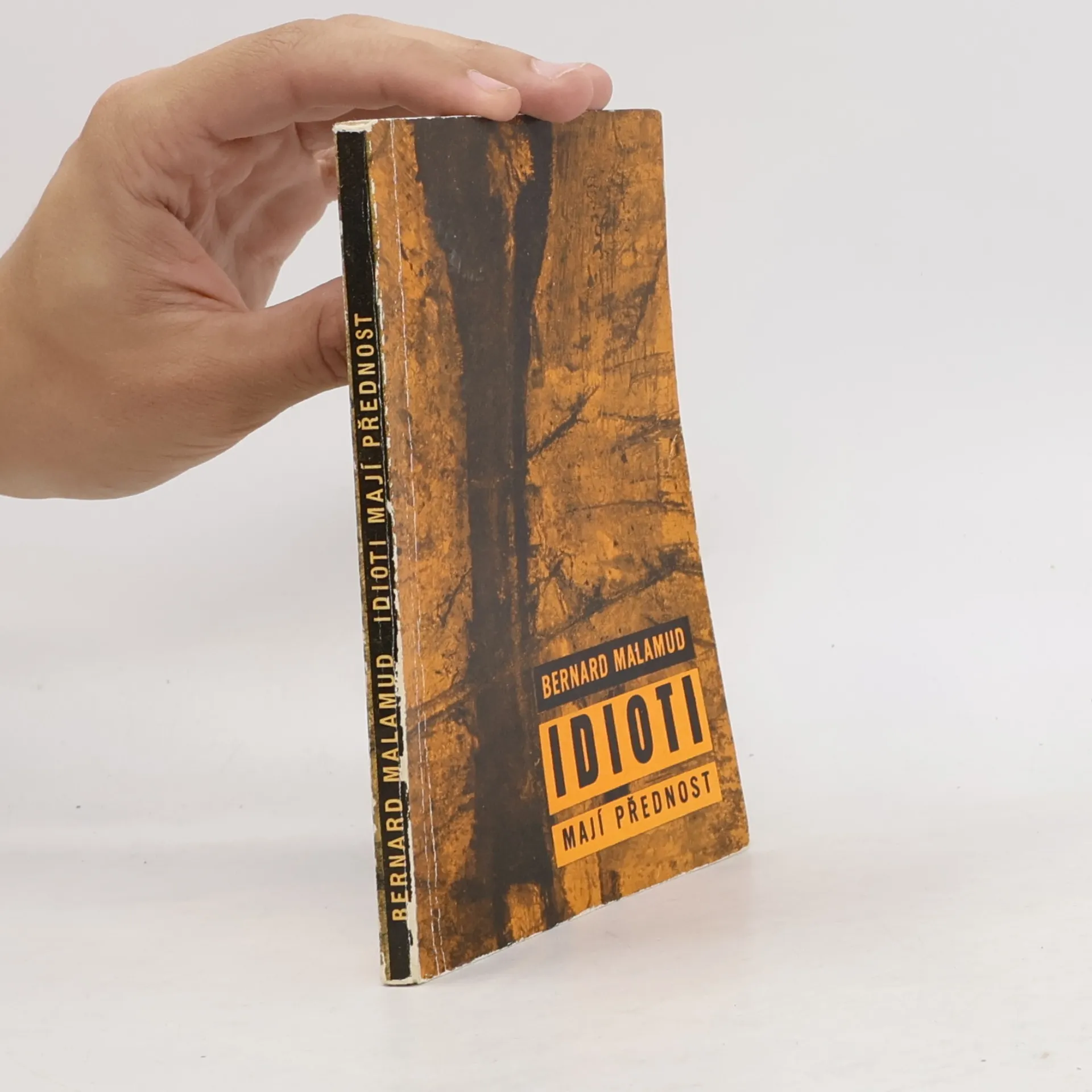
Povídkovou tvorbu tohoto nositele Pulitzerovy ceny mohli čeští čtenáři dosud znát pouze z jediného útlého výboru, který v roce 1966 vydal Odeon pod názvem Idioti mají přednost. Předkládaný povídkový výbor jednoho z nejoriginálnějších amerických autorů přináší práce, které bývají řazeny k vrcholům Malamudovy tvorby. Tragikomické příběhy nedůležitých židovských občánků amerického velkoměsta potvrzují autorovo mistrovství, pro které jej Josef Škvorecký srovnává s A. P. Čechovem či H. G. Wellsem....
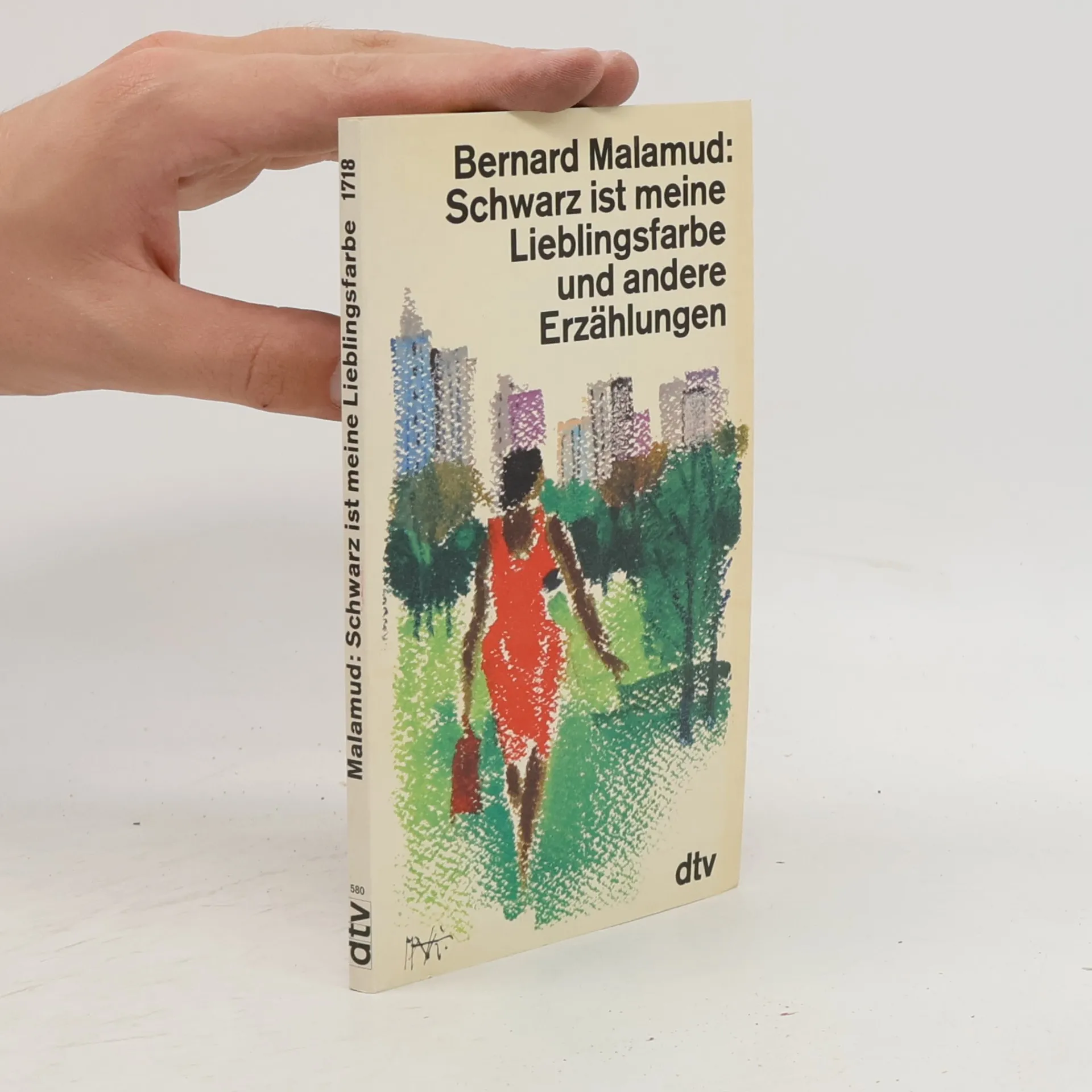
Schwarz ist meine Lieblingsfarbe und andere Erzählungen
- 126pagine
- 5 ore di lettura
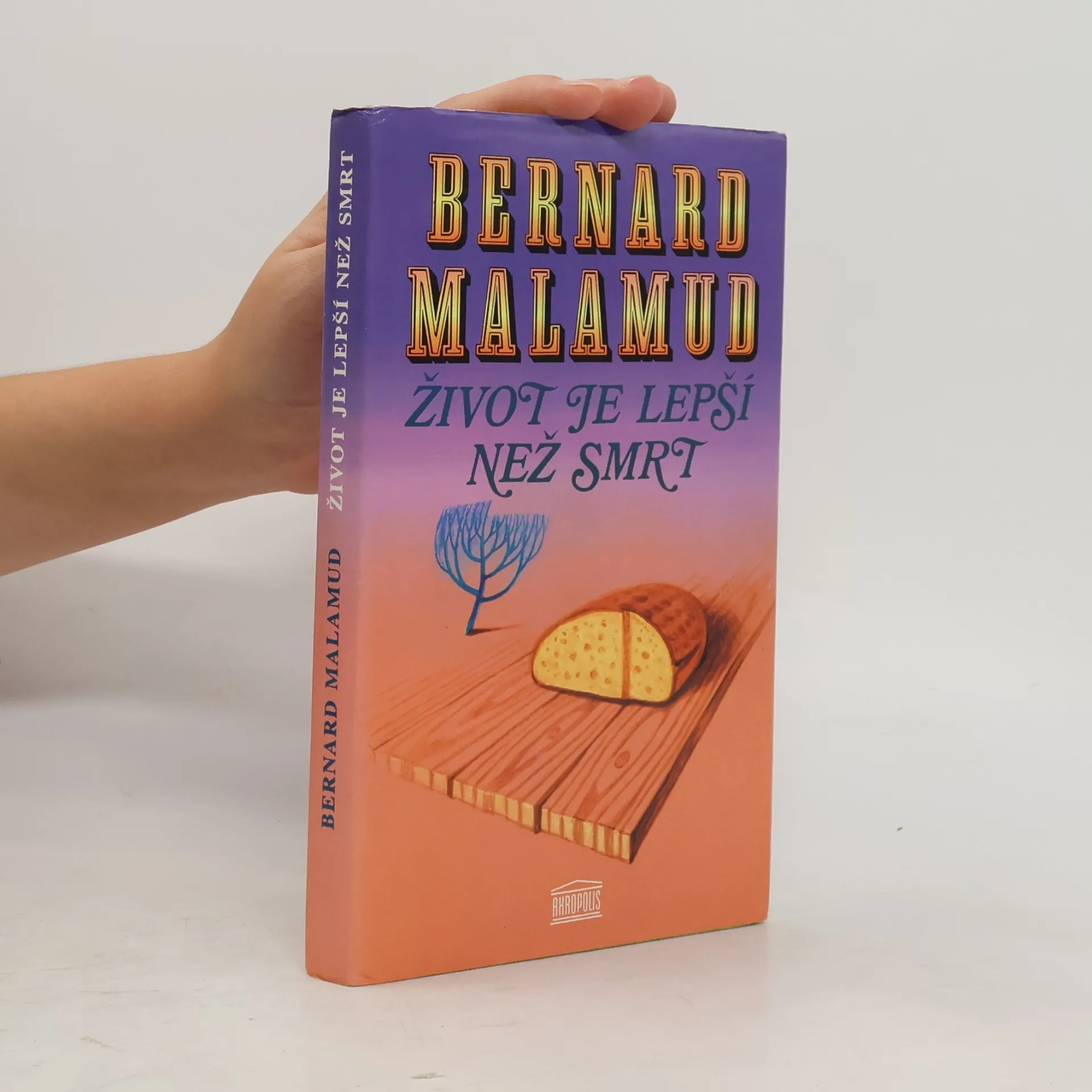
Idioten zuerst Schwarz ist meine Lieblingsfarbe Stilleben Der Tod von mir Eine Berufswahl Das Leben ist besser als der Tod Der Judenvogel Nackt nackt Die Lebenshaltungskosten Die Schuhe der Dienstmagd Angenommen eine Hochzeit Der deutsche Flüchtling
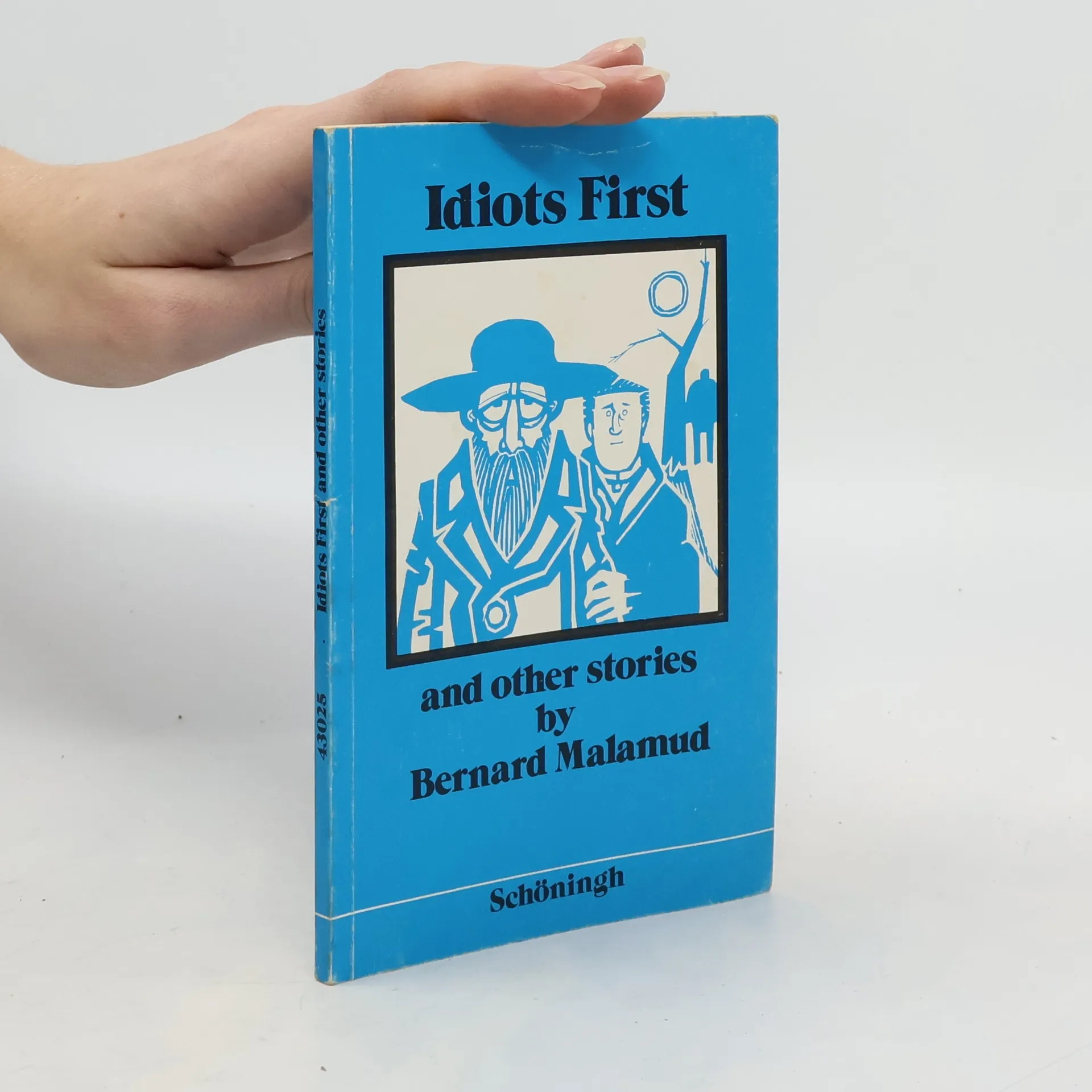
Idiots first and other stories
- 125pagine
- 5 ore di lettura
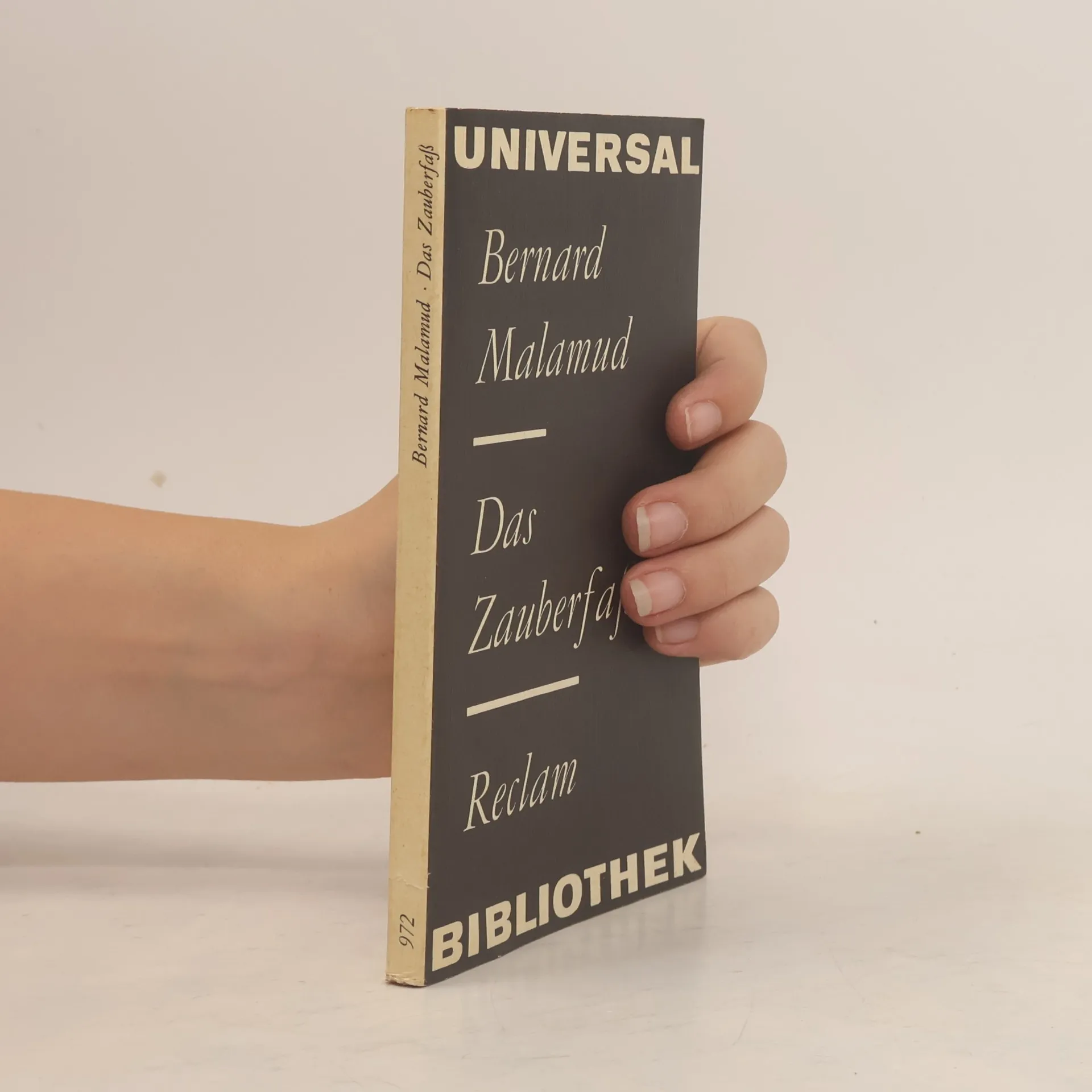
Das Zauberfass und andere Geschichten
- 186pagine
- 7 ore di lettura
Für diesen Geschichtenband erhielt Bernard Malamud 1959 den American National Book Award, den höchsten amerikanischen Literaturpreis. Dieser ungewöhnlichen Auszeichnung stimmt der Leser zu. Die Lust des Erzählens, so kunstvoll dargeboten, macht alle Vorurteile gegen »bloße Erzählungen« zuschanden. Erzählungen sind Ur- und Quellstoff der Literatur.
Sugestivní moralita o údělu slabého jedince, kterého ničí organizovaná síla státní moci. Hrdinou knihy je chudý Žid, příslušník krutě utlačovaného národa v carském Rusku v letech 1911–13. Námětem románu je skutečný příběh židovského dělníka, který byl obviněn z rituální vraždy křesťanského chlapce.
Román známého amerického spisovatele, zachycující na pozadí amerického sportovního prostředí lidský osud profesionálního hráče baseballu a jeho psychologický portrét. Hlavní hrdina románu, prostý chlapec z venkova, má smůlu v tom, že jeho přirozený talent se souhrou nepříznivých náhoduplatní až příliš pozdě, tj. ve věku, který znamená konec závodní činnosti, a tak má možnost vyniknout jen nakrátce a jeho úspěch rychle končí.
Sedm povídek, které ukazují na autorův smysl pro kresbu postav a povah drobných, většinou židovských obyvatelů amerického velkoměsta.
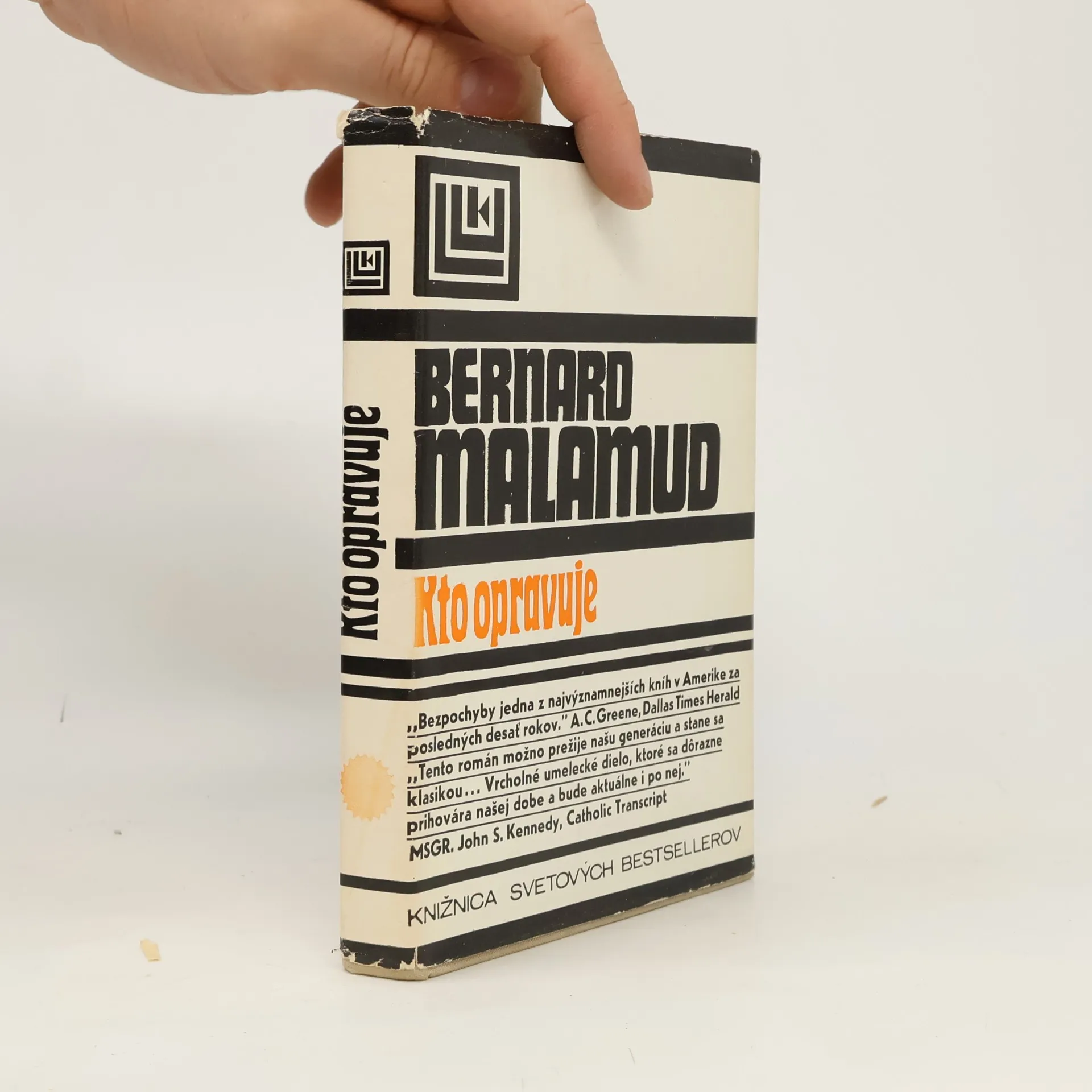
Historicko-psychologický román: tragický príbeh malého židovského remeselníka v cárskom Rusku, obžalovaného z takzvanej rituálnej vraždy. Tragédia popleteného storočia...
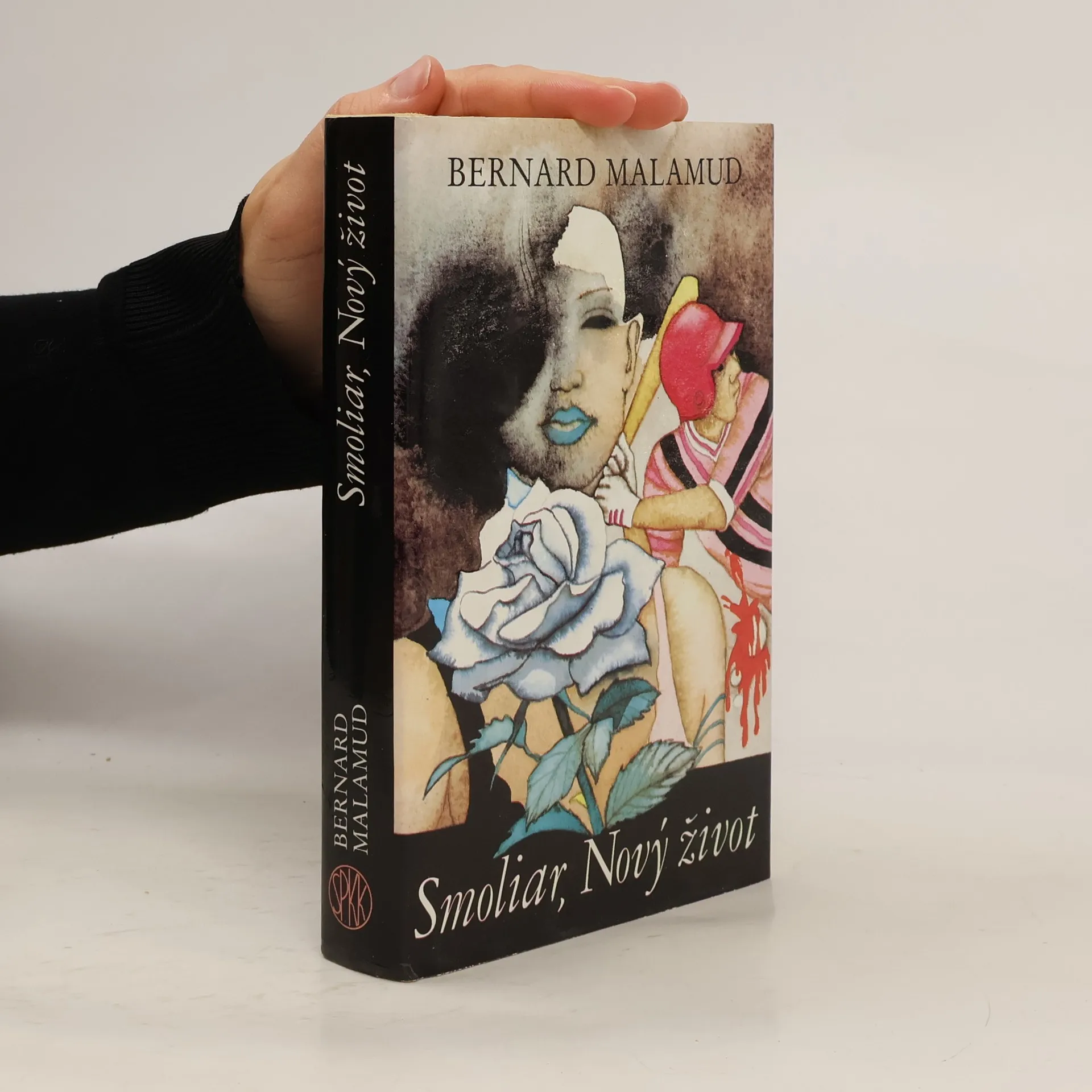
Smoliar. Nový život
- 416pagine
- 15 ore di lettura
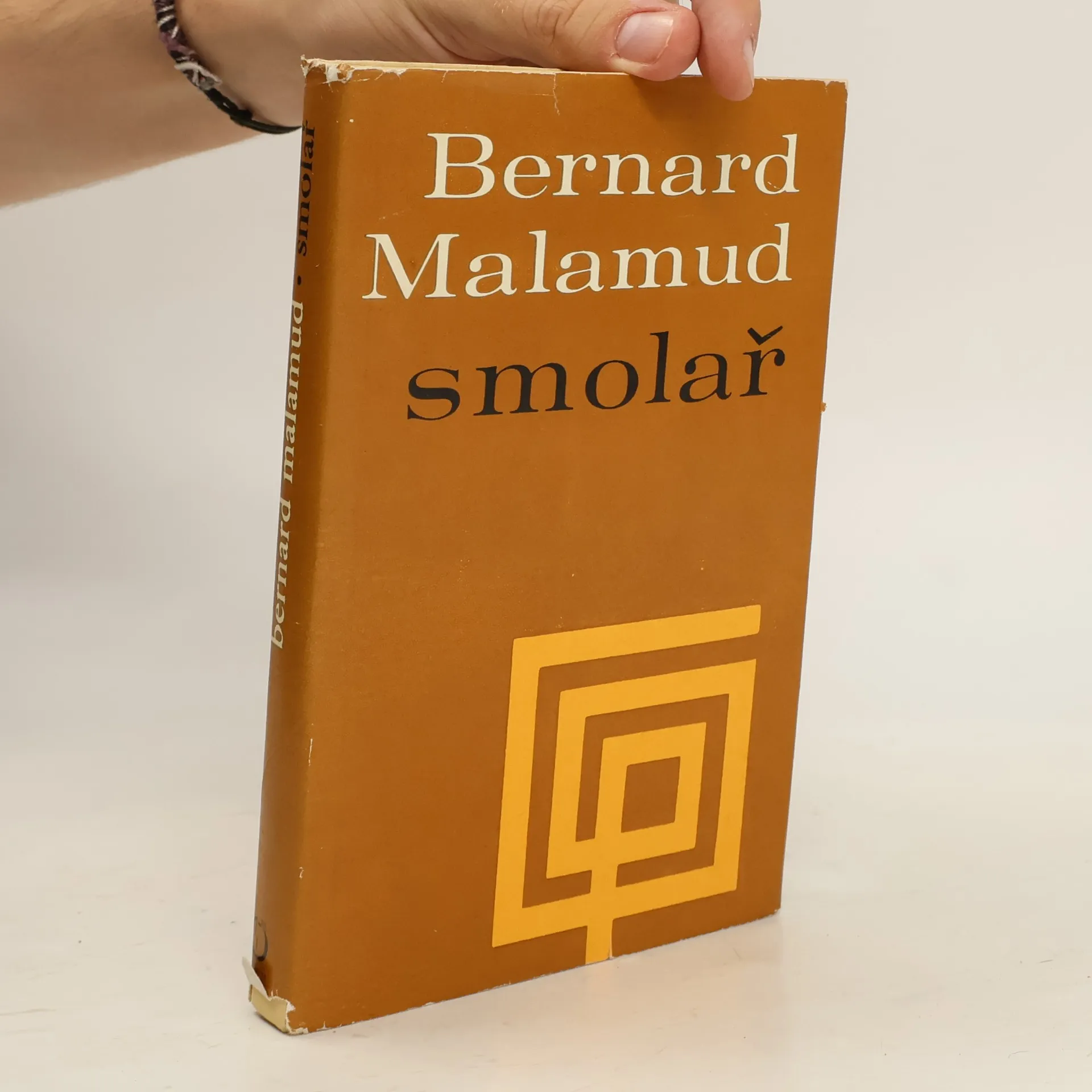
Obidva romány čerpajú z odlišných prostredí, jedno ich však spája a tým je sústredenie optiky na jednoduchého, obyčajného človeka, ktorému sa nič nedarí. Hrdinom románu Smoliar (1952) je baseballová hviezda Roy Hobbs ktorý ťažko znáša pozadie profesionálneho športu... V románe Nový život (1961) Seymour Levin ktorý sa v päťdesiatych rokoch minulého storočia potýka s ťažkosťami profesionálneho postupu a vzťahu k manželke svojho šéfa...
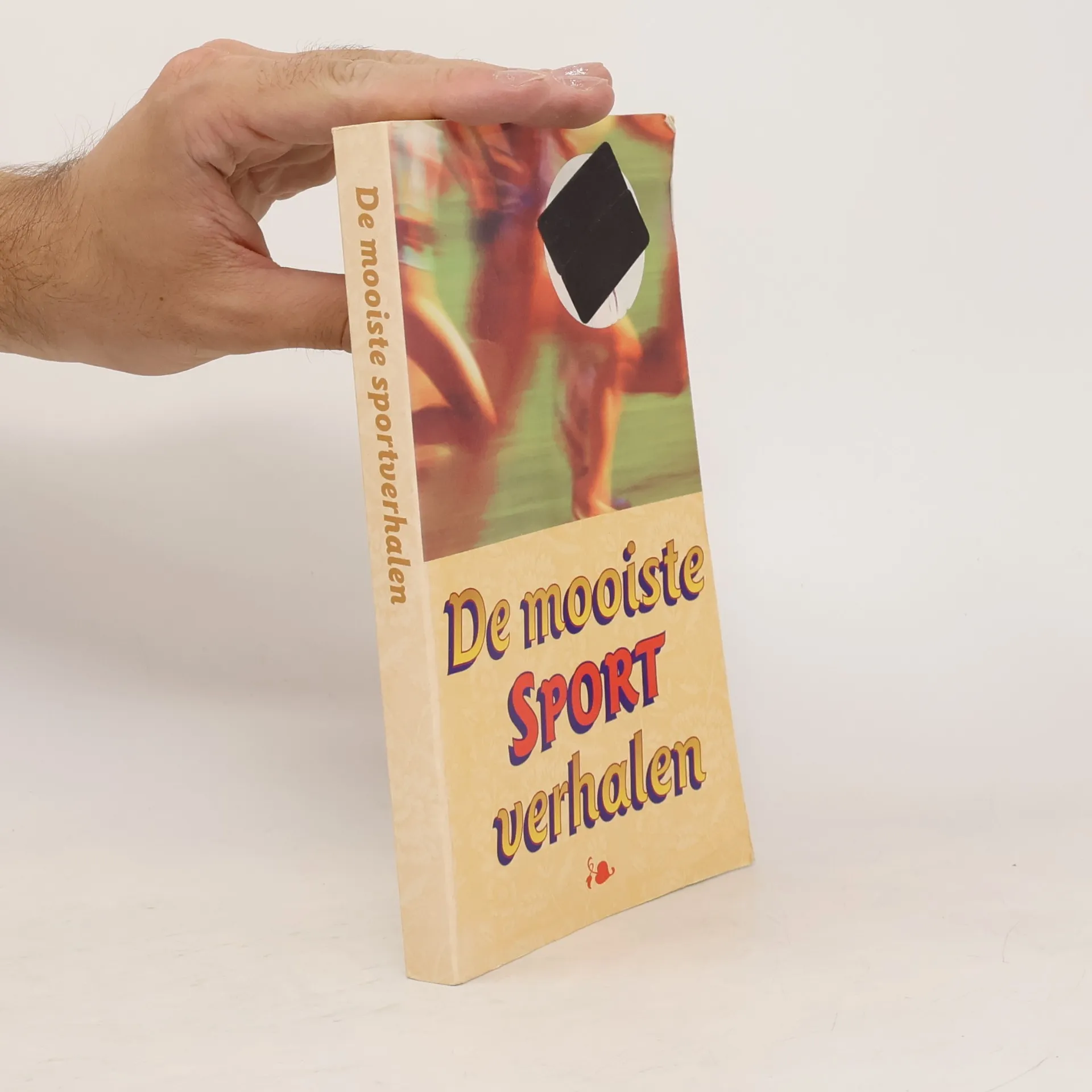
Deze verzameling bevat 24 verhalen van 10 Nederlandse en 14 buitenlandse schrijvers, die de actieve en minder actieve beoefening van diverse sporten verkennen. Onder de schrijvers zijn Camilo José Cela, Jan Siebelink en Gianni Celati, die zich richten op de populairste sport: voetbal. Boksen is ook een geliefd onderwerp, met bijdragen van Julio Cortázar, Bertolt Brecht en Joop Waasdorp. Daarnaast komen andere sporten aan bod, zoals roeien, schaken, bergbeklimmen, kameelracen, stierenvechten en hondenrennen. De verhalen beschrijven avonturen zoals het oversteken van de oceaan, hardlopen door Praag, de Elfstedentocht schaatsen en het deelnemen aan wielerrondes. Gabriel García Márquez laat zijn drievoudige wielerkampioen vertellen over een duizelingwekkende afdaling zonder remmen, wat de spanning van de sport mooi illustreert. Tussen humor en ernst, spanning en ontspanning, bewegen de vertellers zich door de ervaringen van sportieve personages die de vreugde van triomfen en de teleurstelling van nederlagen ervaren. Deze bundel biedt 24 topverhalen over een onvermoeibaar onderwerp en is een waardevolle toevoeging voor sportliefhebbers.
De Huurders
- 190pagine
- 7 ore di lettura
Tussen een joodse en een zwarte schrijver in een verlaten flatgebouw in New York ontstaat een vertrouwensrelatie, die echter verstoord wordt.
Schwarz ist meine Lieblingsfarbe
Kurz geschichten