"Take on the role of scientist and discover for yourself the key princples of chemistry, biology, and physics, with this beautifully illustrated reference book. Each project features clear, step-by-step instructions and specially commissioned artworks. Essential scientific ideas and their real-life applications are illuminated by striking photographs from around the world"--Back cover
Sean Connolly Libri
1 gennaio 1956
Sean Connolly crea narrazioni avvincenti sia per bambini che per adulti, esplorando spesso i regni della scienza e della storia. Il suo approccio è giocoso e sperimentale, permettendo ai lettori di scoprire concetti complessi attraverso una narrazione divertente e accessibile. Le opere di Connolly sono progettate per stimolare la curiosità e incoraggiare l'apprendimento attivo. Il suo stile unico e la sua focalizzazione sull'esplorazione pratica lo rendono un autore amato.

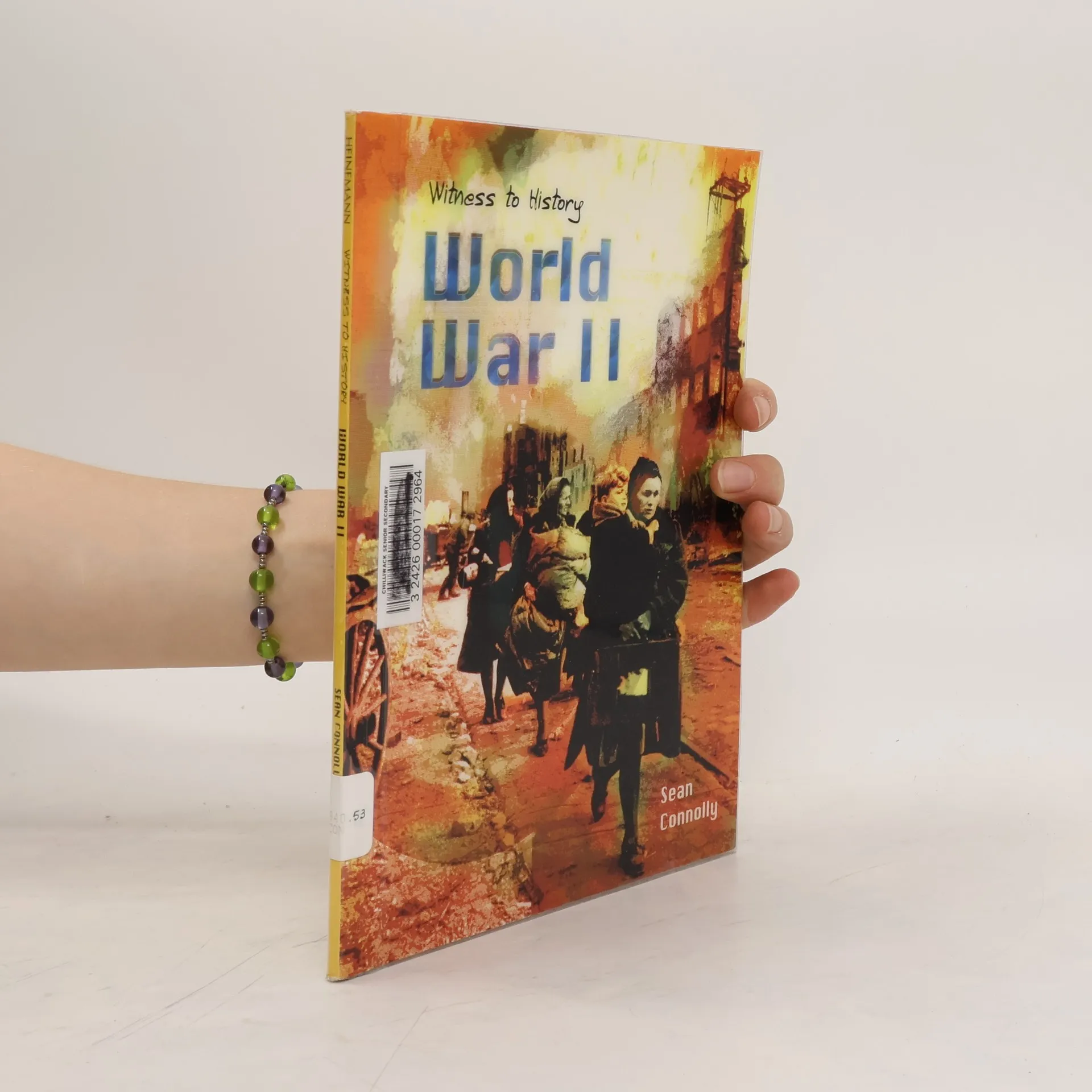

Uses primary source materials to describe the events of World War II.
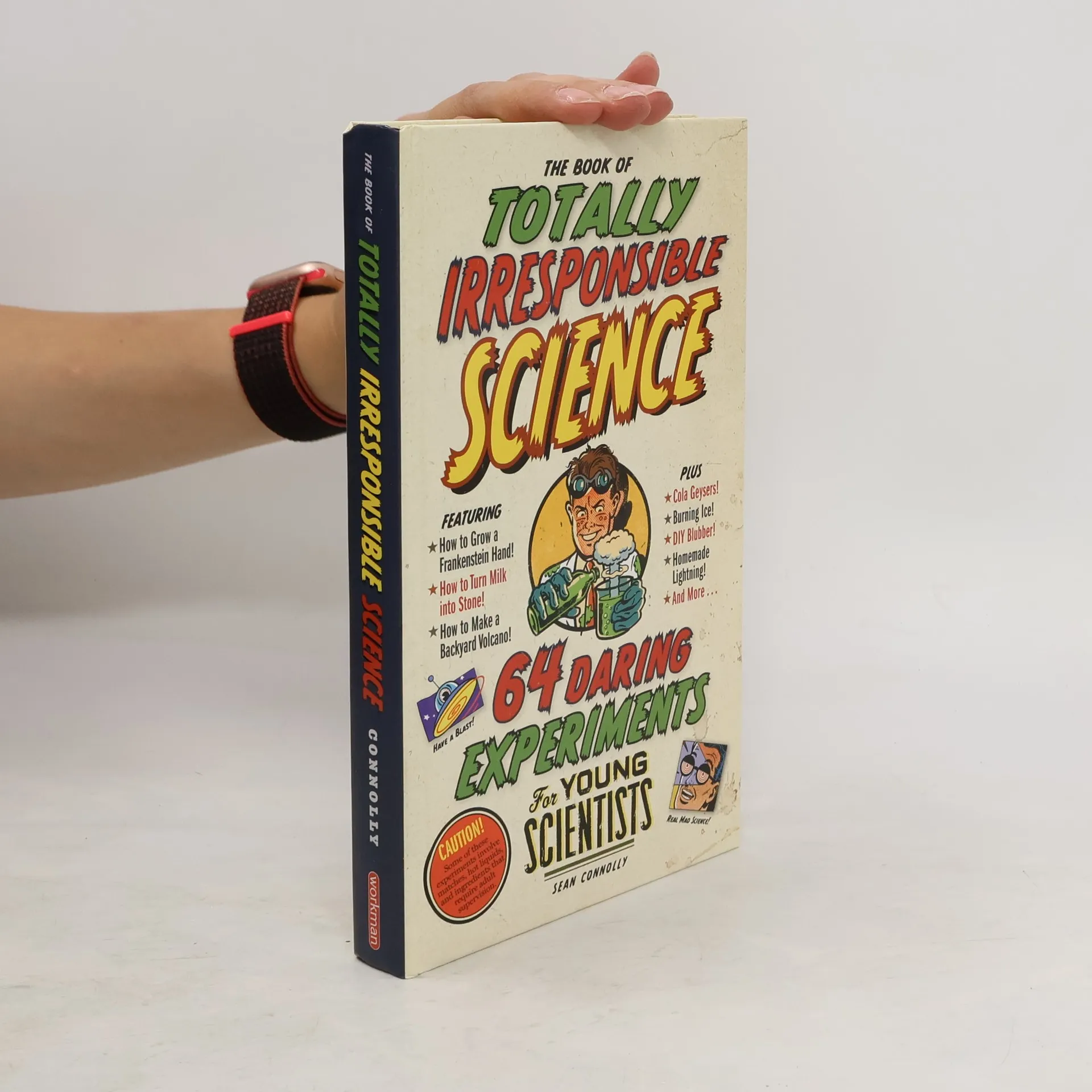
What could be more fun for kids than to have the kind of rip-roaring good time that harkens back to pre-video game, pre-computer days? Introducing 64 valuable science experiments that snap, crackle, pop, ooze, crash, boom, and stink! From Marshmallows on Steroids to Home-Made Lightning, the Sandwich Bag Bomb to Giant Air Cannon, The Book of Totally Irresponsible Science awakens kids' curiosity while demonstrating scientific principles like osmosis, air pressure, and Newton's Third Law of Motion. Kids will love performing these experiments, which use common household ingredients and equipment, in front of an audience or for themselves (though many require adult supervision). Entries are categorized into seven chapters according to scientific theme and are written in a simple-to-follow recipe format. each includes a detailed explanation of the scientific principle involved and a "Take Care!" section with special tips. The book's design and illustrations recall the pulp fiction look of science magazines from the days when space travel was still considered sci-fi, while the author's voice is wry and a bit conspiratorial. He assumes his readers are clever and never coddles them. Drop Mentos into a bottle of diet soda and stand back as a geyser erupts! Launch a rocket made from a film canister! Encase your little brother in a giant soap bubble! For young scientists—and the young at heart—this book is a blast. Literally.
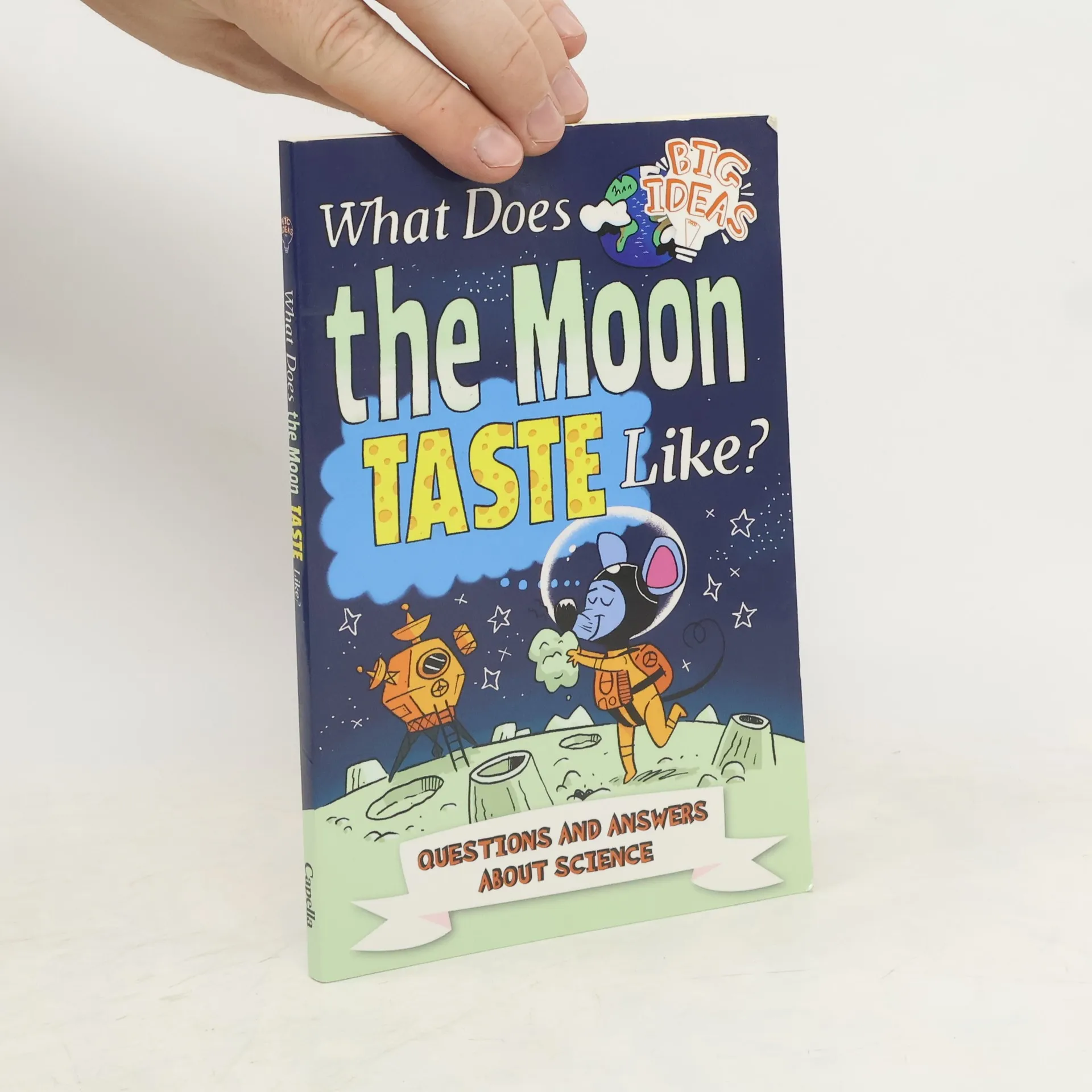
What Does the Moon Taste Like?
- 128pagine
- 5 ore di lettura
Why are black holes black? Why can't you tickle yourself? For the answers to these, and many more science questions, just look inside! Big Ideas! is a dynamic, high-energy "fun fact" series for children aged seven and up, illustrated throughout in full color with humorous cartoons. Packed with surprising facts, stats, and records that kids will just love to share, it revels in all things weird, unexpected, mind-blowing, funny, and gross! This series really has the "wow" factor. It's like a roller-coaster ride for your brain! Perfect for children aged 7+
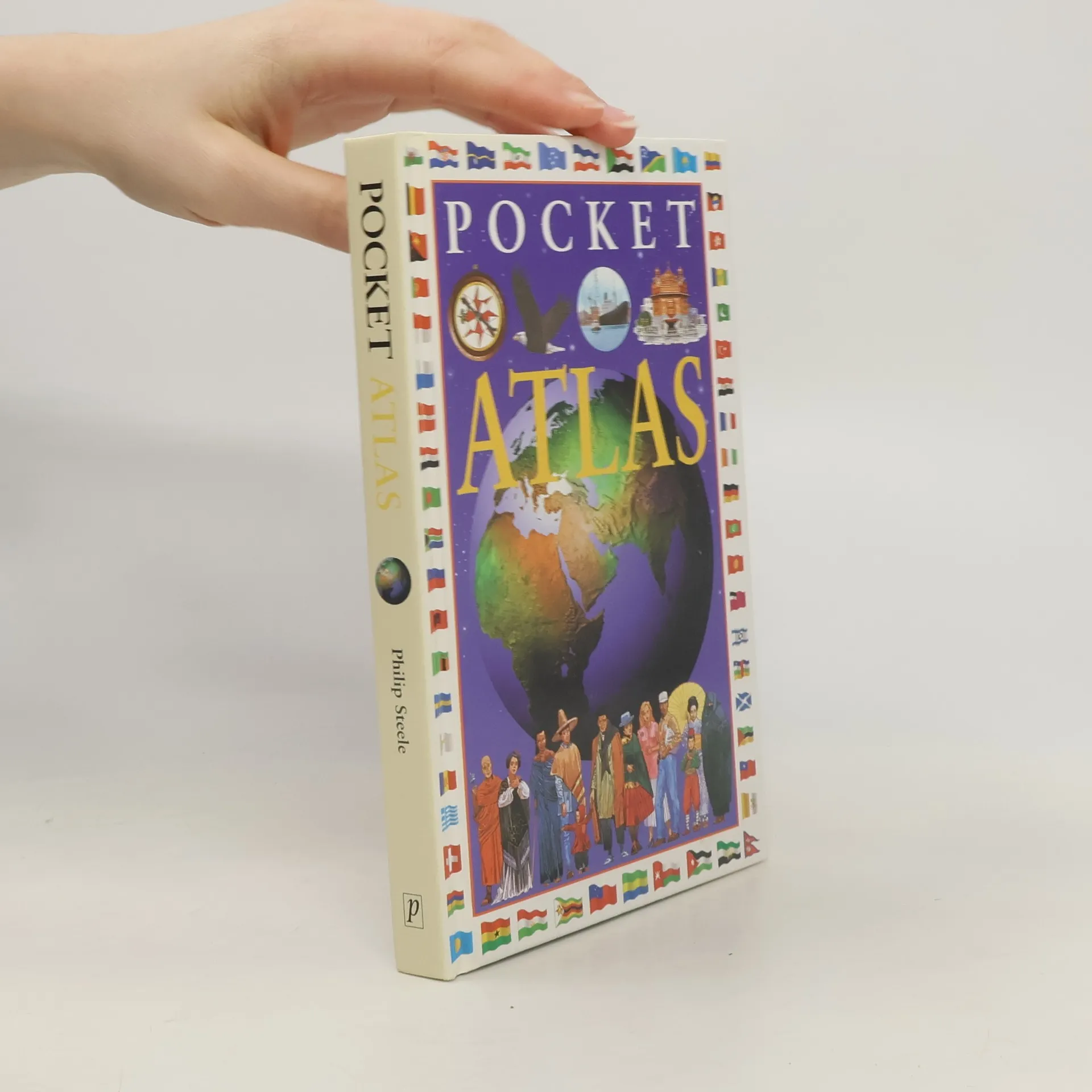
Pocket Atlas
- 128pagine
- 5 ore di lettura
explores the geography and cultures of nearly 200 countries through detailed maps, flags, vivid artwork and photographs and easy-to-read text.
On Every Tide is an immensely impressive, authoritative history of the Irish diaspora.
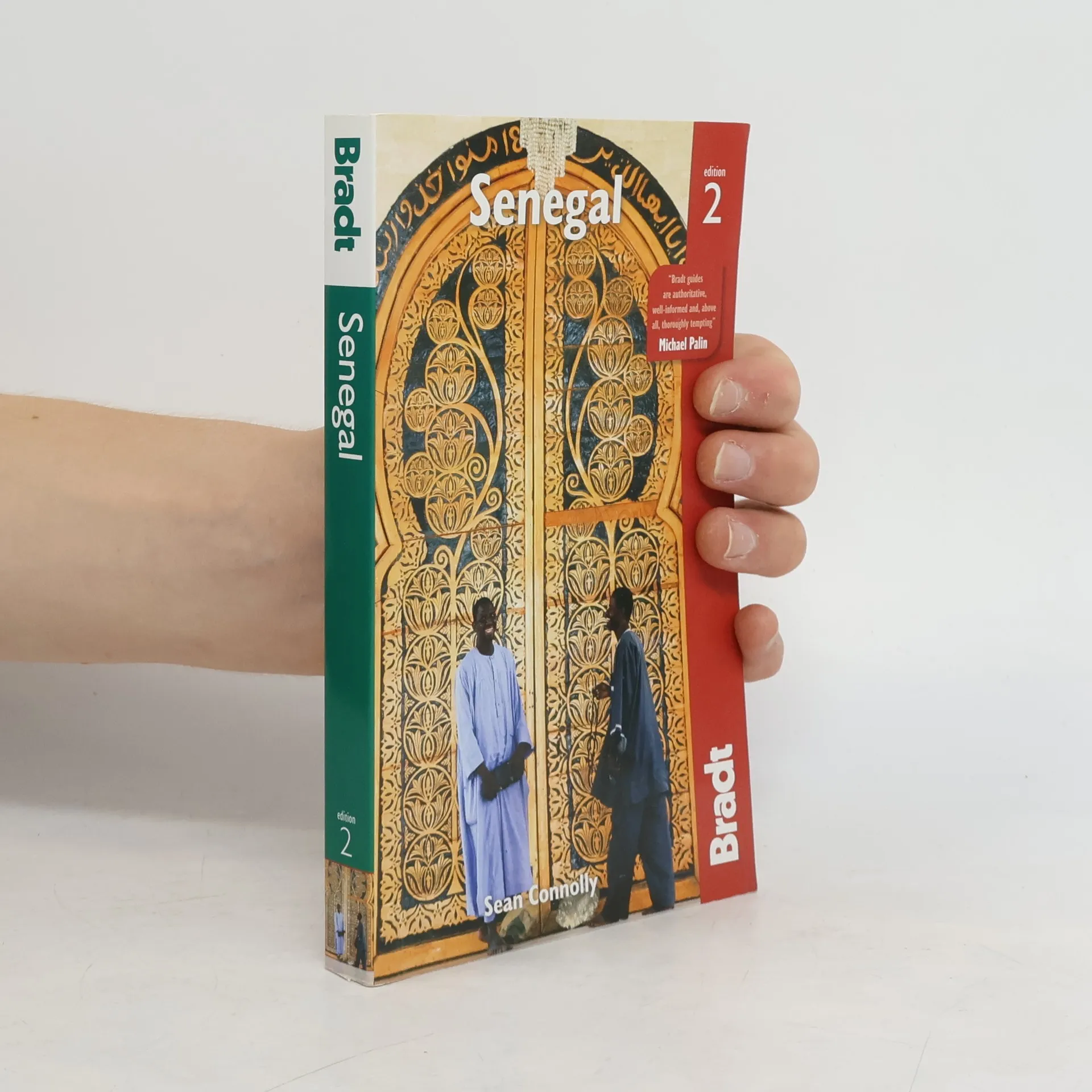
Senegal
- 392pagine
- 14 ore di lettura
"Catch some world-class surf in Dakar, Senegal's dizzying capital -- Discover your inner nomad with an overnight stay in the wild Désert du Lompoul -- Wander among stately bougainvillea-clad homes in UNESCO-listed Saint-Louis -- Marvel at thousands of breeding pelicans at Parc National des Oiseaux du Djoudj -- Pirogue through Basse Casamance's web of mangrove-fringed creeks. Stretching from the waves of the Atlantic to the deserts of Mauritania, Senegal is one of West Africa's most diverse destinations. Known as the 'land of teranga' (Wolof for 'hospitality'), this welcoming nation offers a treasure trove of cultural riches, home to crumbling colonial cities, vibrant fishing villages and the region's liveliest music scene. Nature lovers are spoilt for choice here too, with wonders ranging from unspoilt wildlife reserves to an otherworldly fluorescent-pink lake. Fully updated by Sean Connolly for this second edition, Bradt's Senegal remains the only standalone English guide available to this fascinating land, making it an essential companion for anyone planning a visit." -- Provided by publisher
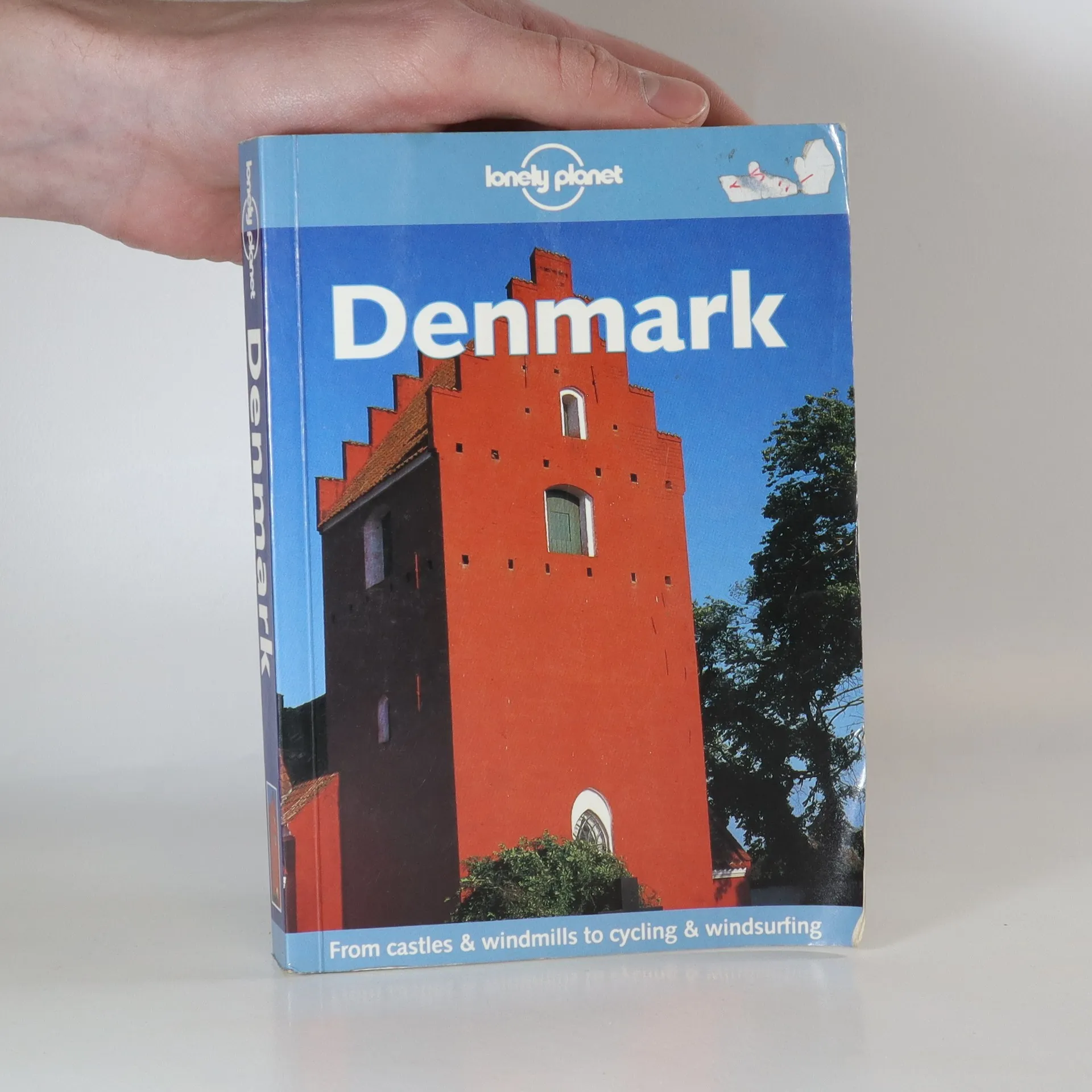
Denmark
- 400pagine
- 14 ore di lettura
Providing coverage of Danish history and culture, this guide also includes: an extended cycling section to get around this bike-friendly country; coverage of the crowd-pulling summer music festivals; details of a 1000-year old Viking fortress and Legoland; and a Copenhagen map section
Connolly's witty, informative text takes readers on a journey of discovery, but the best thing is that the journey needn't go very far from the kitchen cupboard, the odds-and-ends drawer or the garden shed.
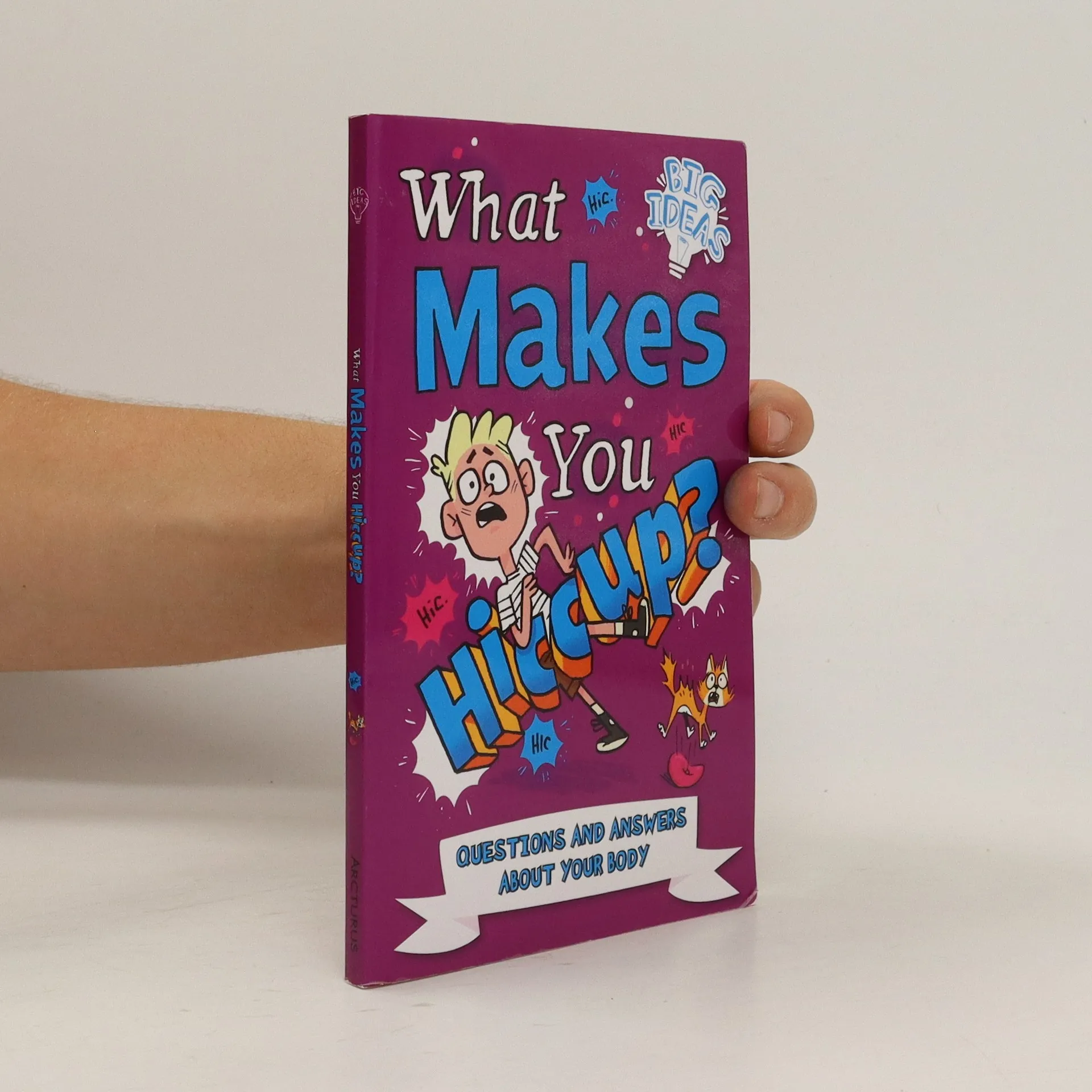
What Makes You Hiccup?
- 128pagine
- 5 ore di lettura
This fantastic fact book is all themed around the human body. Featuring hilarious cartoon illustrations, it will help children name different organs and learn basic biological principles, all while laughing at the body's gross quirks
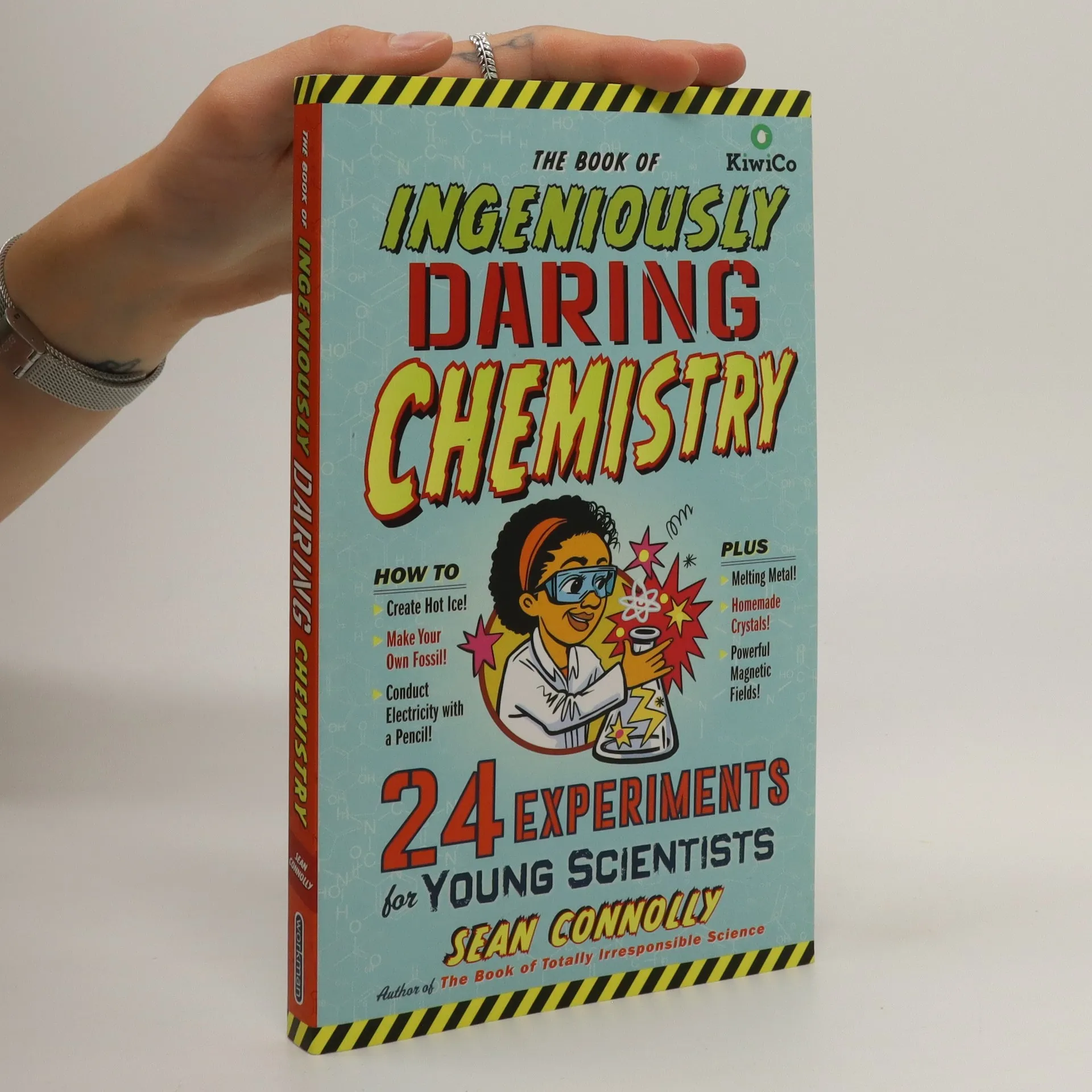
Twenty-four eye-opening chemistry experiments that take readers on an interactive journey through the periodic table of elements. Includes glossary.
Saints Illustrated
- 160pagine
- 6 ore di lettura
Beautifully produced in traditional Chinese binding and with 150 illustrations and artworks of saints from every part of the world, this book will fascinate anyone interested in inspiring religious figures from Biblical times to John Paul II.
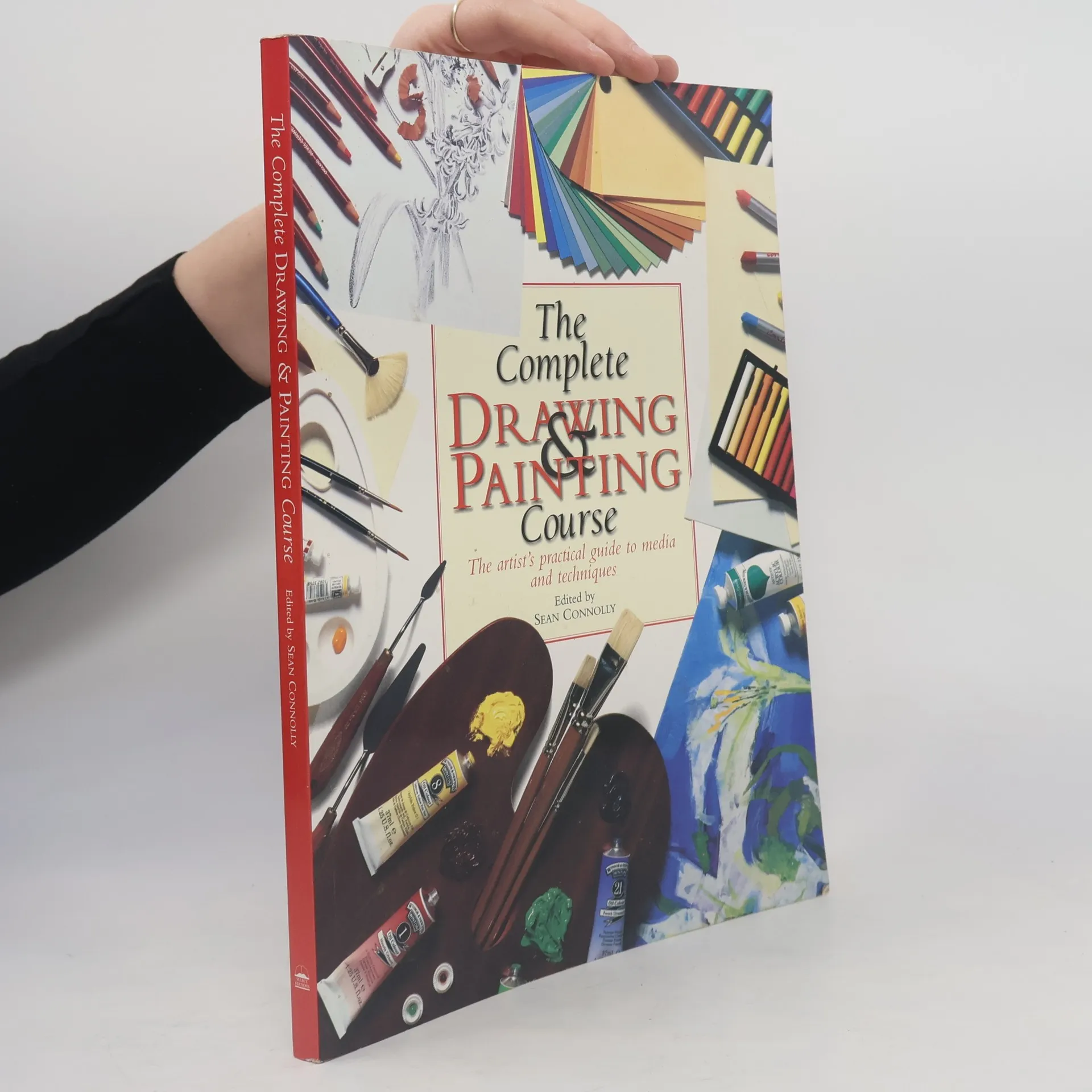
The Complete Drawing & Painting Course
The Artist's Practical Guide to Media & Techniques
- 224pagine
- 8 ore di lettura
A beautiful and practical resource for both beginner and experienced artists furnishes information about a wide range of materials, equipment, and techniques, and offers helpful hints and suggestions from a variety of art experts.
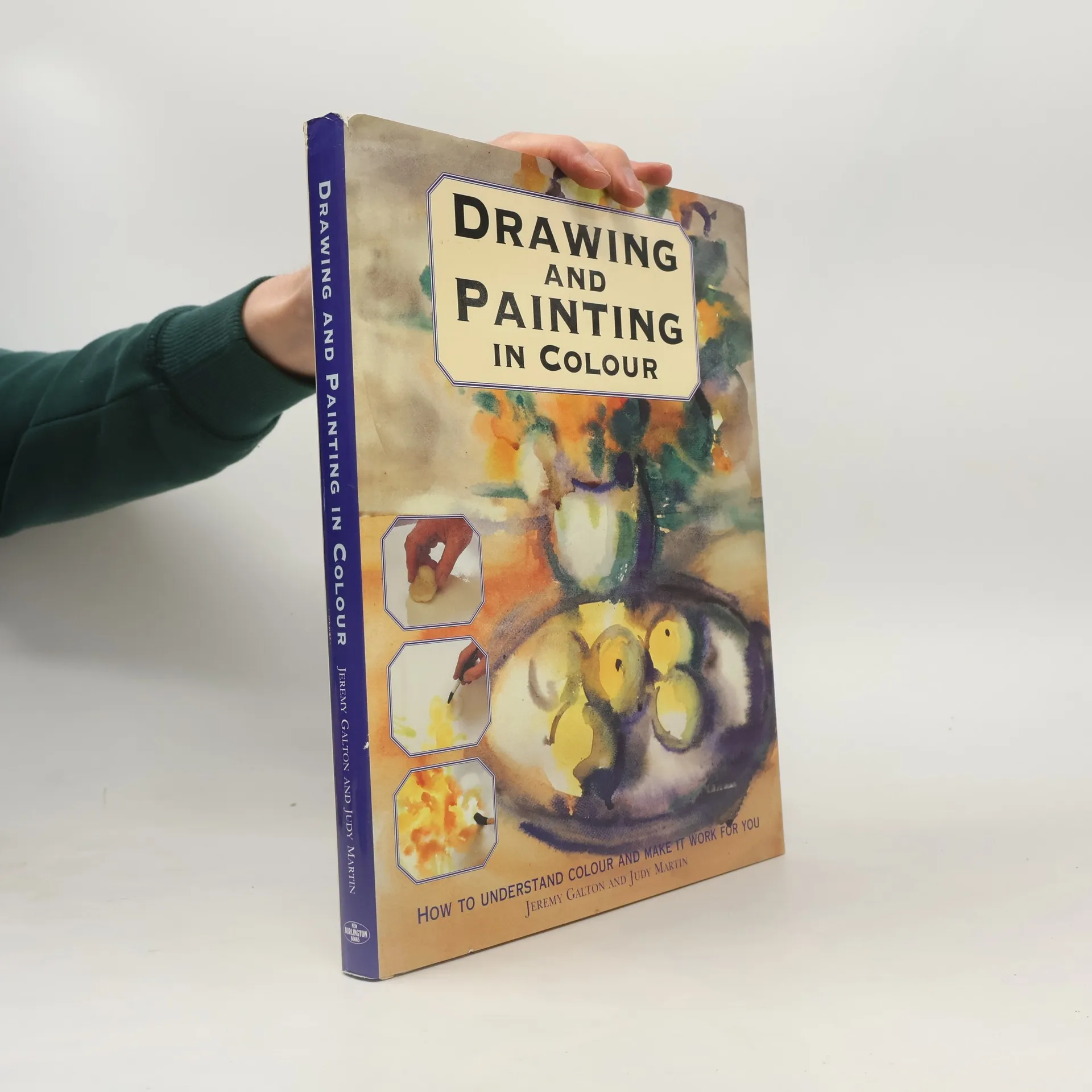
Drawing and Painting in Colour
How to Understand Colour and Make It Work for You
- 160pagine
- 6 ore di lettura
Drawing and Painting in Colour Galton, Jeremy; Martin, Judy and Connolly, Sean
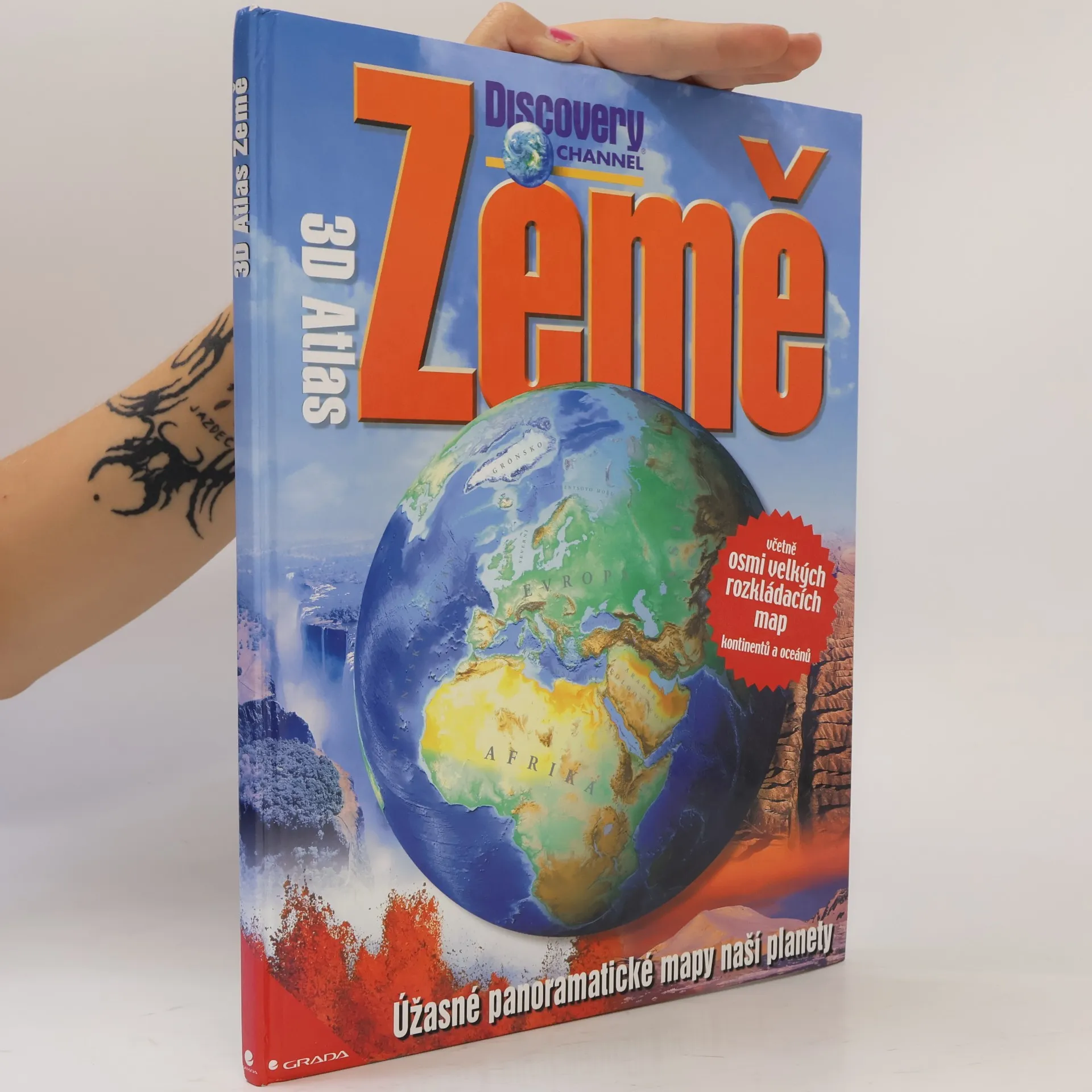
3D atlas Země
- 56pagine
- 2 ore di lettura
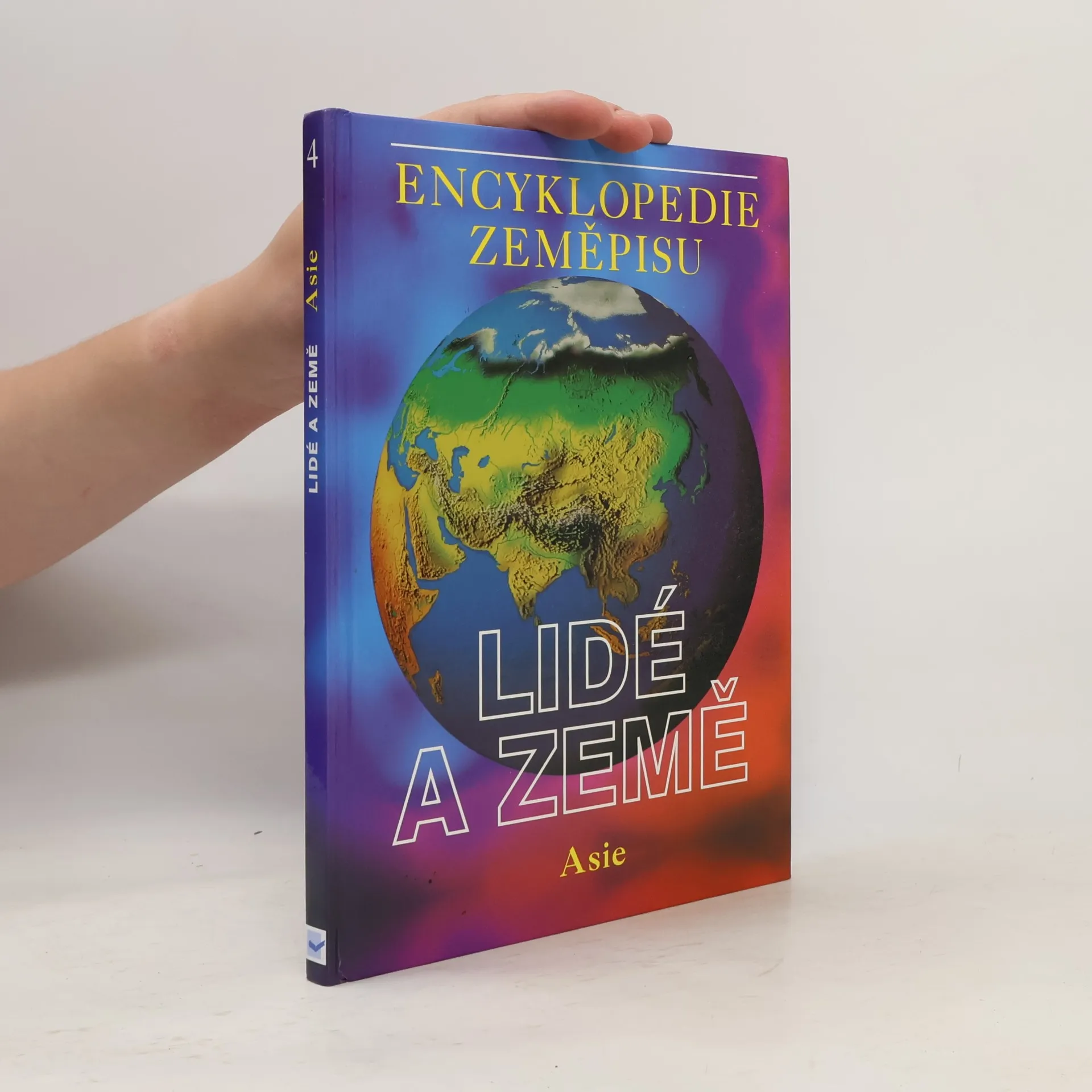
Lidé a Země 5. Encyklopedie zeměpisu. Austrálie a Tichomořské ostrovy
- 128pagine
- 5 ore di lettura
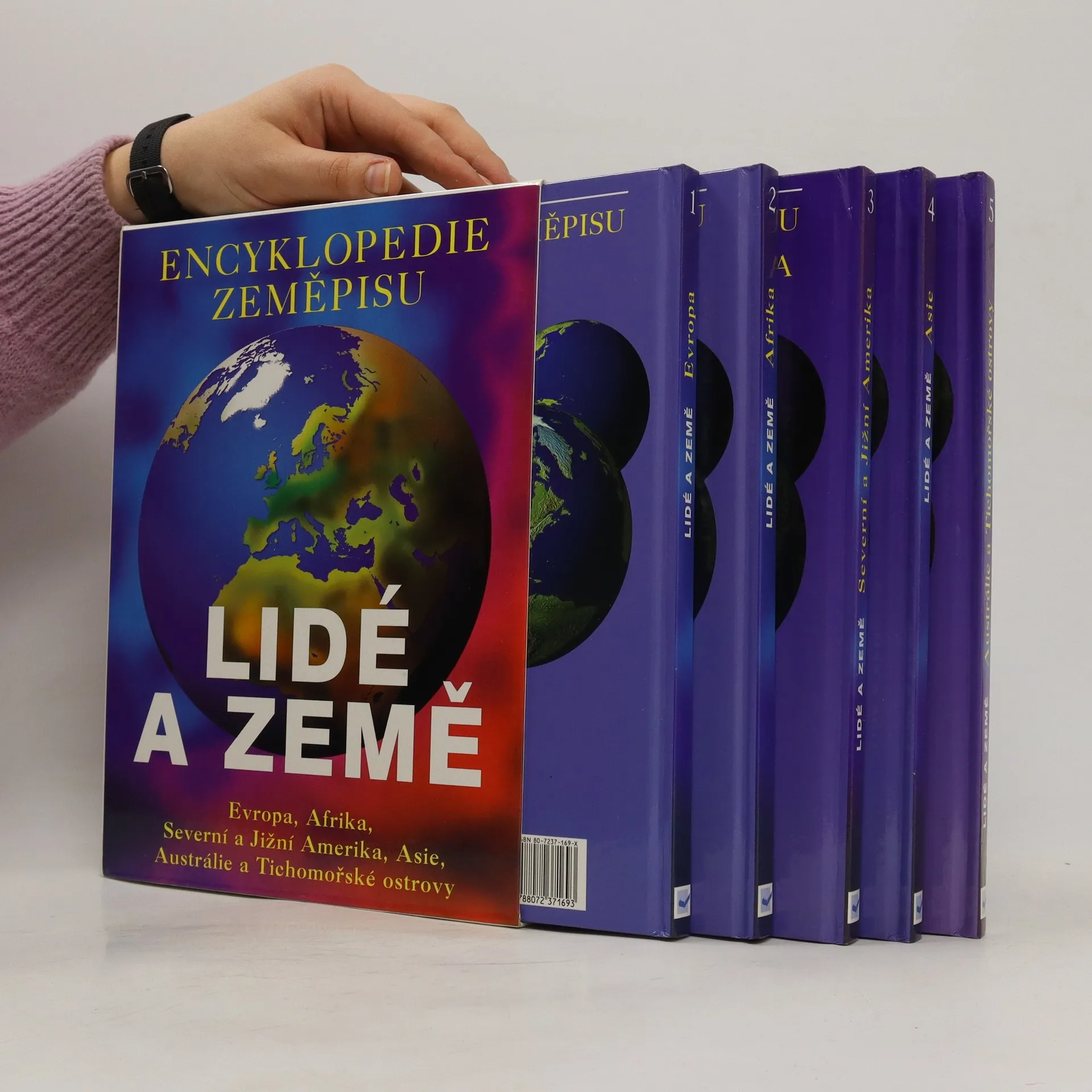
V této ucelené encyklopedii naleznou nejen školáci individuální popis více než 180 nezávislých zemí světa. Soubor 5 knih je doplněn 700 fotografiemi, 2500 ilustracemi a nezbytnými mapamy. Tato publikace by rozhodně neměla chybět v žádné knihovně.
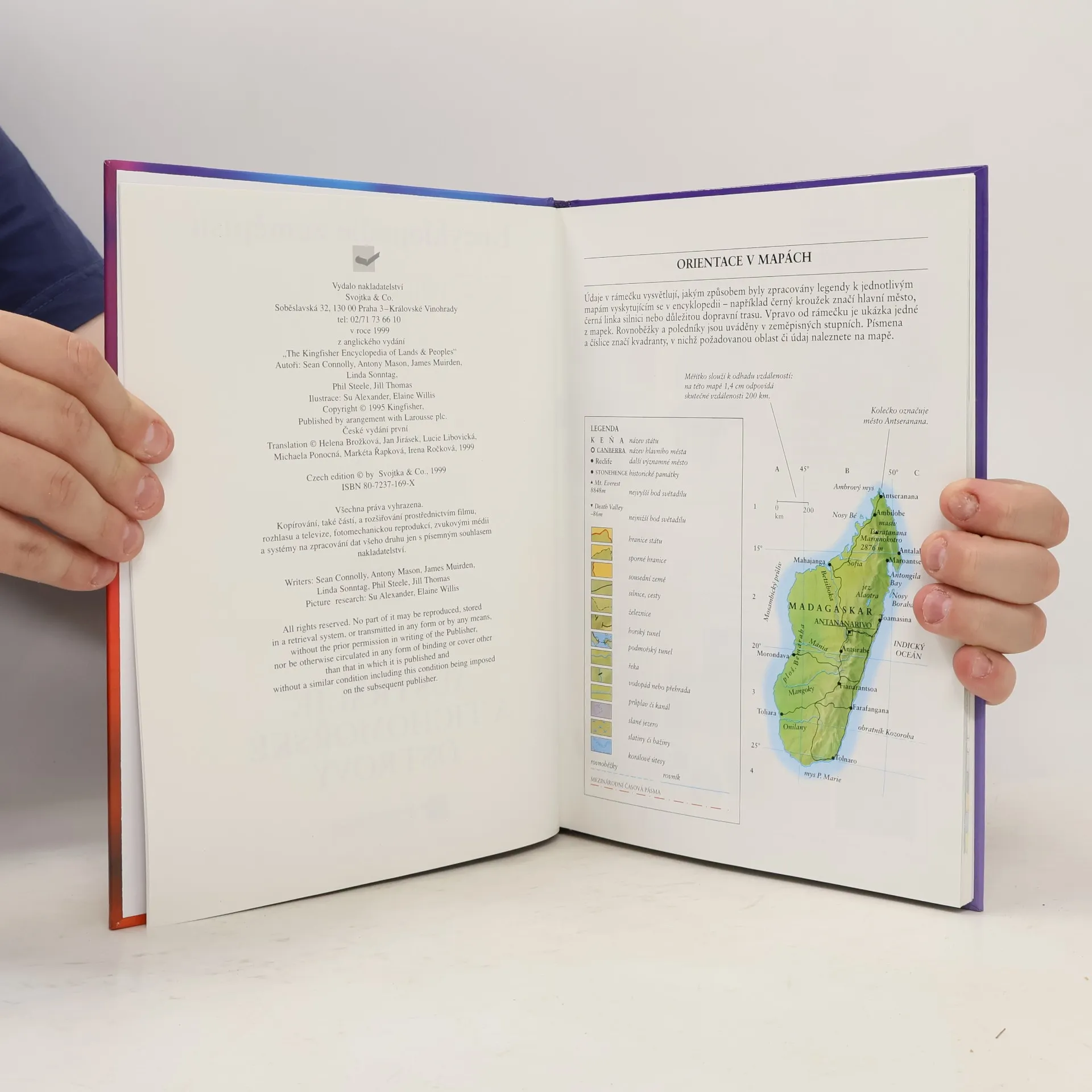
Lidé a Země 1. Encyklopedie zeměpisu. Evropa
- 128pagine
- 5 ore di lettura
V této ucelené encyklopedii naleznou nejen školáci individuální popis více než 180 nezávislých zemí světa. Soubor 5 knih je doplněn 700 fotografiemi, 2500 ilustracemi a nezbytnými mapamy. Tato publikace by rozhodně neměla chybět v žádné knihovně.
Lidé a Země 2. Encyklopedie zeměpisu. Afrika
- 128pagine
- 5 ore di lettura
V této ucelené encyklopedii naleznou nejen školáci individuální popis více než 180 nezávislých zemí světa. Soubor 5 knih je doplněn 700 fotografiemi, 2500 ilustracemi a nezbytnými mapamy. Tato publikace by rozhodně neměla chybět v žádné knihovně.
V této ucelené encyklopedii naleznou nejen školáci individuální popis více než 180 nezávislých zemí světa. Soubor 5 knih je doplněn 700 fotografiemi, 2500 ilustracemi a nezbytnými mapamy. Tato publikace by rozhodně neměla chybět v žádné knihovně.
Lidé a Země 4. Encyklopedie zeměpisu. Asie
- 128pagine
- 5 ore di lettura
V této ucelené encyklopedii naleznou nejen školáci individuální popis více než 180 nezávislých zemí světa. Soubor 5 knih je doplněn 700 fotografiemi, 2500 ilustracemi a nezbytnými mapamy. Tato publikace by rozhodně neměla chybět v žádné knihovně.
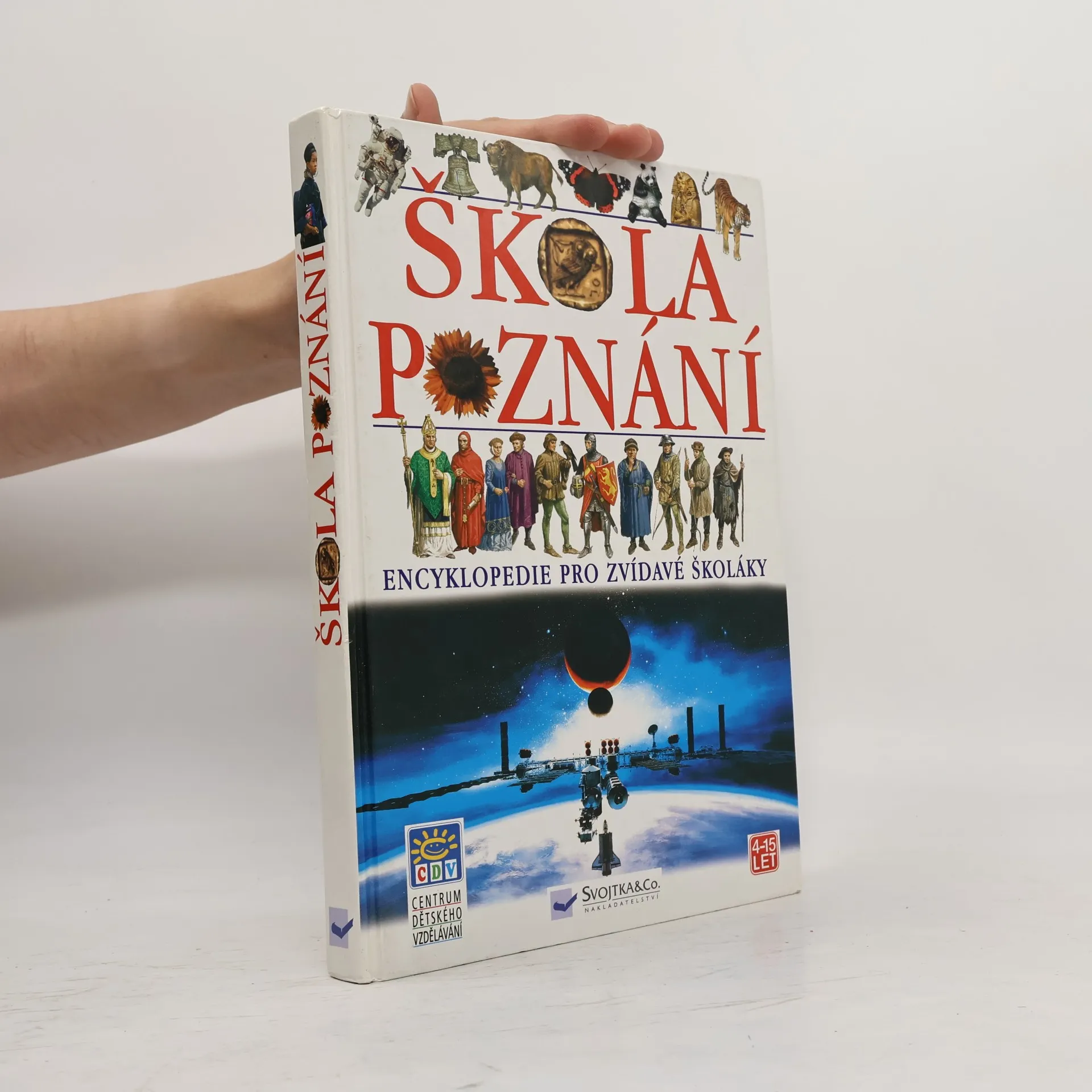
Škola poznání - encyklopedie pro zvídavé školáky
- 256pagine
- 9 ore di lettura
Kniha je rozdělena podle tematických okruhů: Vesmír, Země, Věda a technika, Rostliny, Zvířata, Dávná historie, Moderní historie, Atlas. Doprovází ji množství barevných ilustrací a fotografií, pro snadnější vyhledávání konkrétního údaje slouží rejstřík. U každé kapitoly je kvíz, podle kterého si děti mohou ověřit své znalosti. Jedná se spíše o soubor zajímavostí z jednotlivých oblastí. Publikace podává všeobecné informace ze všech oblastí lidského poznání. Je určena dětem od šesti do patnácti let. ISBN 80-7237-421-4 (chybné)...
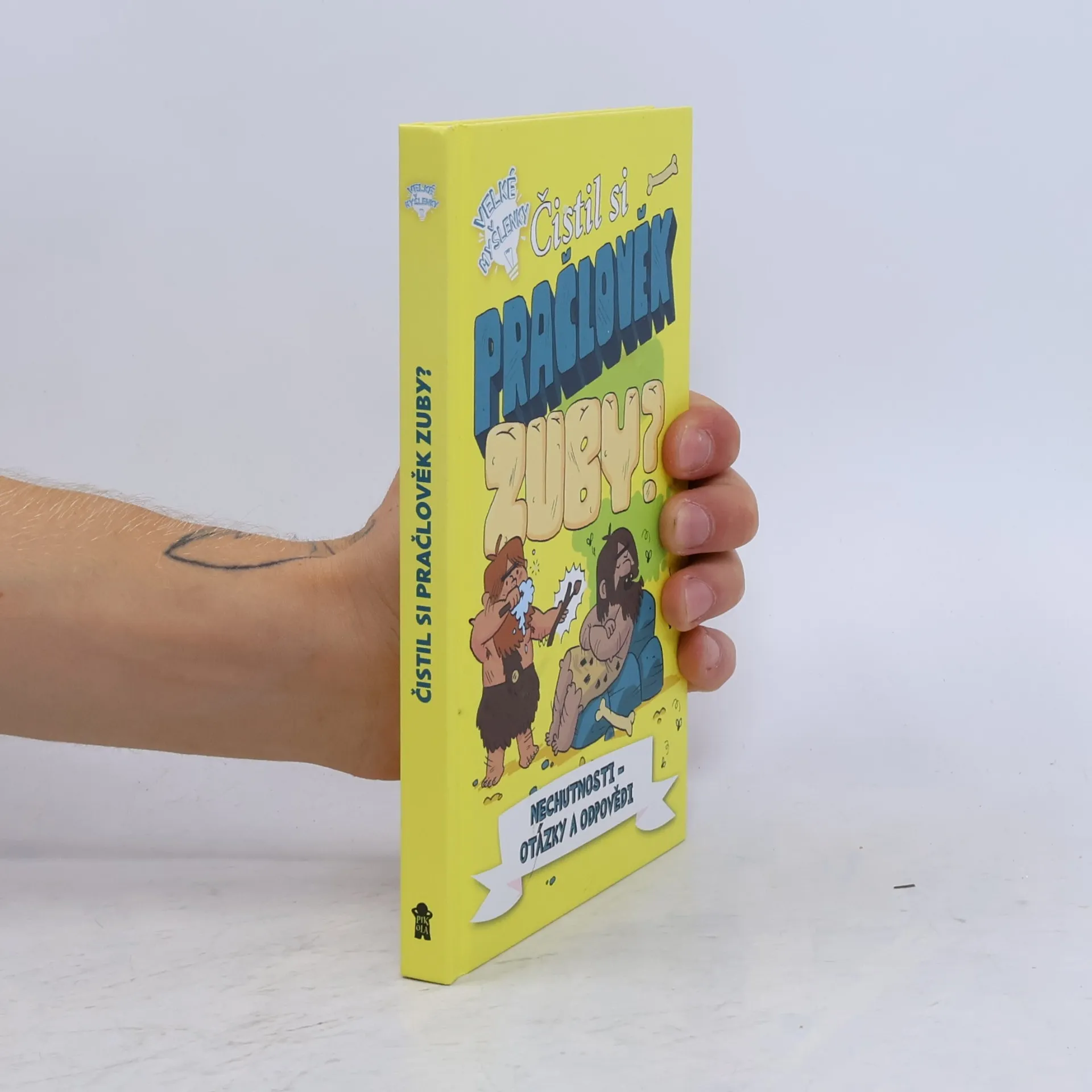
Čistil si pračlověk zuby?
- 128pagine
- 5 ore di lettura
Kolik krve vypije komár? Proč chirurgové kupovali mrtvá těla? To a mnohem více zajímavostí se dozvíš v této fujtajblové knize plné odporných otázek i odpovědí o historii, jídle a vědě.
Das Buch bietet Anregungen für Umwelthelden, um den Planeten zu retten. Es enthält spannende Fakten und Projekte zu erneuerbaren Energien, Plastikmüll, Waldschutz und Klimawandel. Bastelideen und Experimente fördern spielerisch ein nachhaltiges Bewusstsein und zeigen, wie man einen Solarofen baut oder Kompost herstellt.
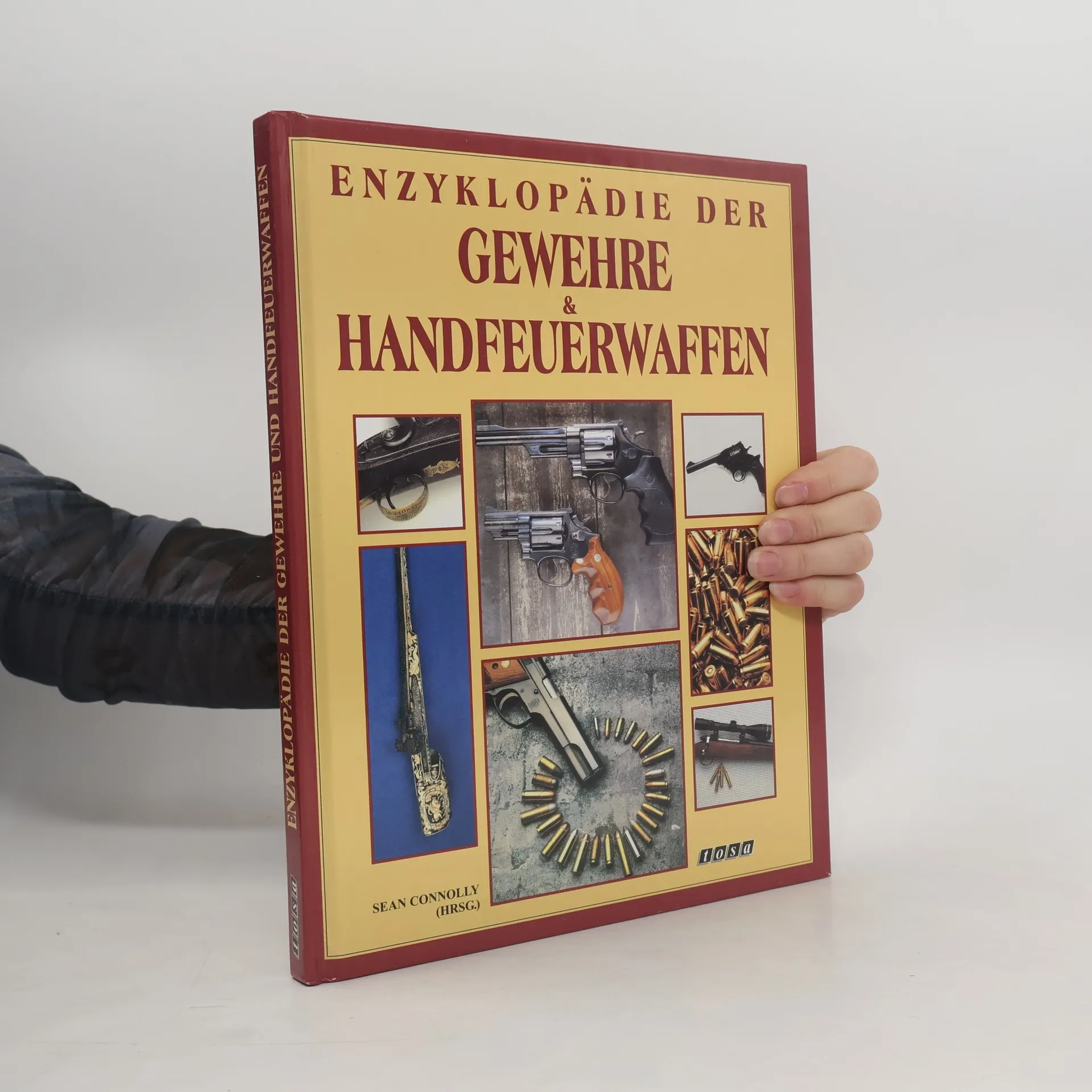
Enzyklopädie der Gewehre & Handfeuerwaffen
- 160pagine
- 6 ore di lettura
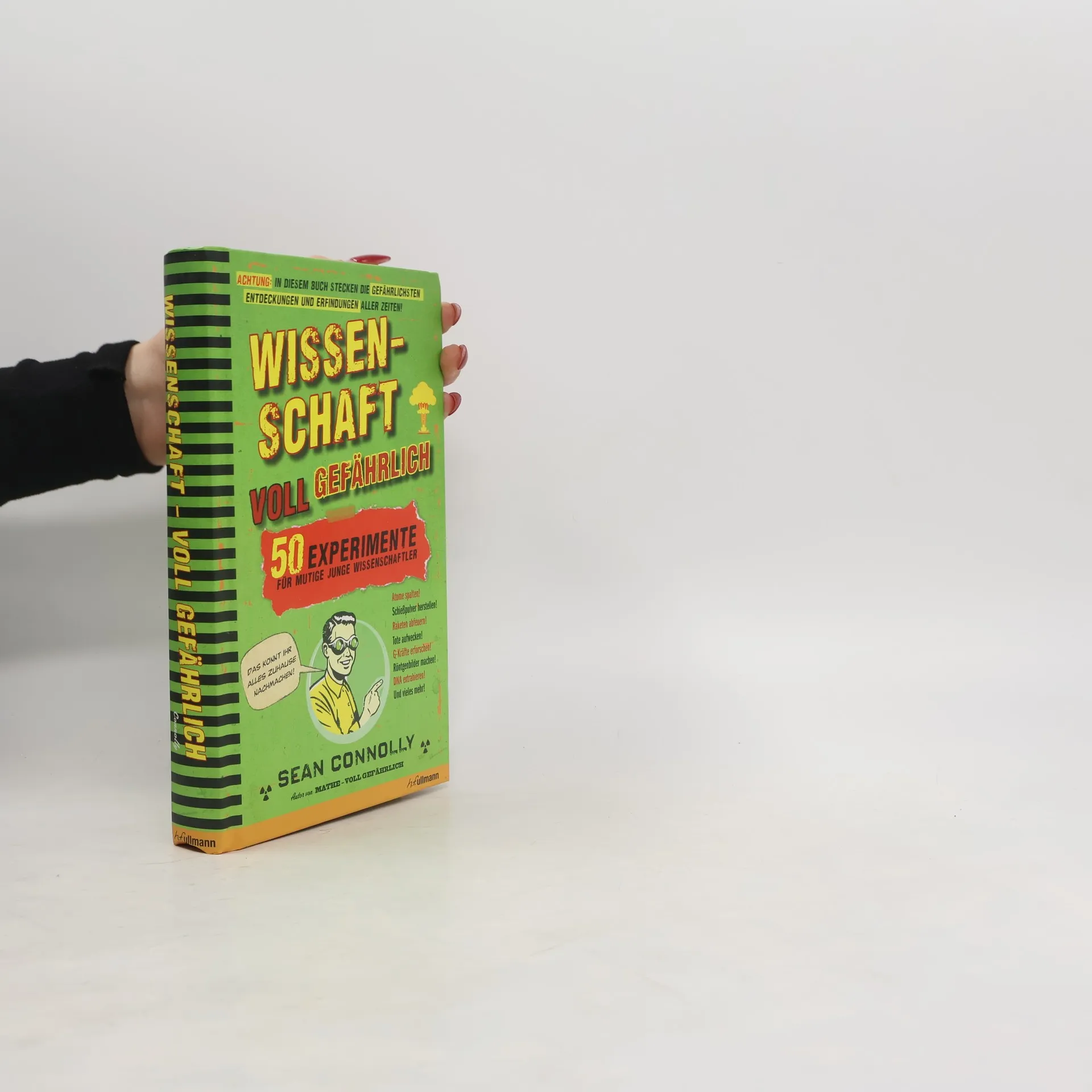
50 spannende Experimente zeigen, was hinter den 34 größten wissenschaftlichen Durchbrüchen der Menschheitsgeschichte steckt, von den ersten Steinwerkzeugen über George Stevensons Dampflokomotive, Juri Gagarins Ausflug ins All bis hin zum größten Teilchenbeschleuniger der Welt, der das Universum erforschen soll. Vom Zähmen des Feuers bis zur Atomspaltung – jeder wissenschaftliche Durchbruch bringt auch potenziell gefährliche Folgen mit sich. Kinder erfahren hier die Chancen und Risiken der Naturwissenschaften direkt von den großen Entdeckern selbst. Die Experimente machen zwar manchmal Unordnung, aber die einzige Kraft, die dabei freigesetzt wird, ist der Spaß am Learning by- Doing.
Mathe - voll gefährlich
- 242pagine
- 9 ore di lettura
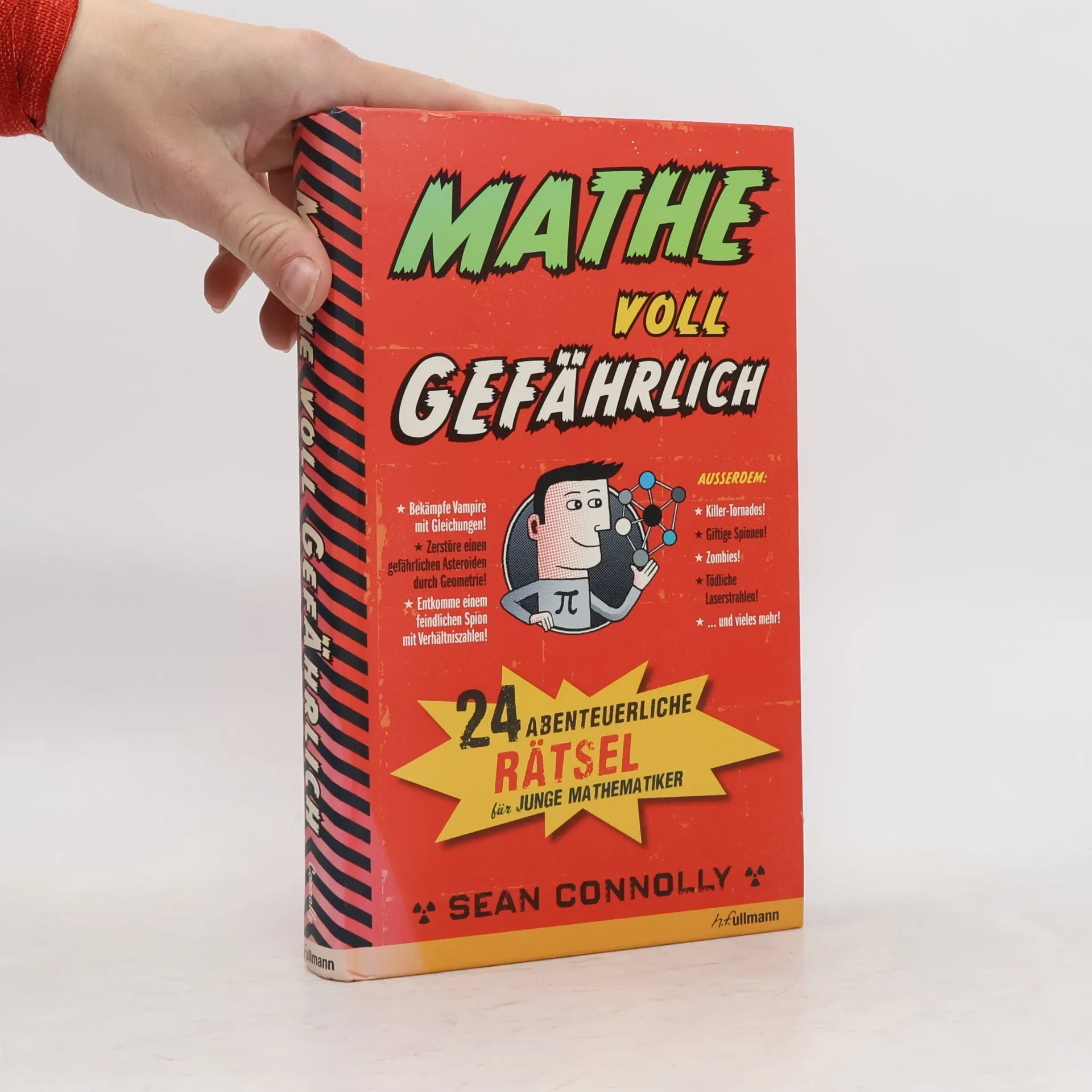
24 Herausforderungen aus einer Welt, wo Fantasie Mathematik trifft, und das Überleben davon abhängt, das richtige Ergebnis zu finden. Wie viele Monate würde es dauern, bis ein einziger Vampir eine Stadt von 500.000 Menschen komplett zu übernehmen? Wie lange reicht ein letztes Fass frisches Wasser aus, bevor fünf schiffbrüchige Seeleute verdursten? Ein großer Lesespaß und gleichzeitig dabei Probleme lösen – mit Hilfe von Algebra, Geometrie, Verhältnisse und Proportionen etc. So viel Freude kann Mathe machen! Zusätzlich gibt es 24 Experimente, die Mathematik zum Leben erwecken. Spitz’ deinen Bleistift – es ist gefährlich da draußen!
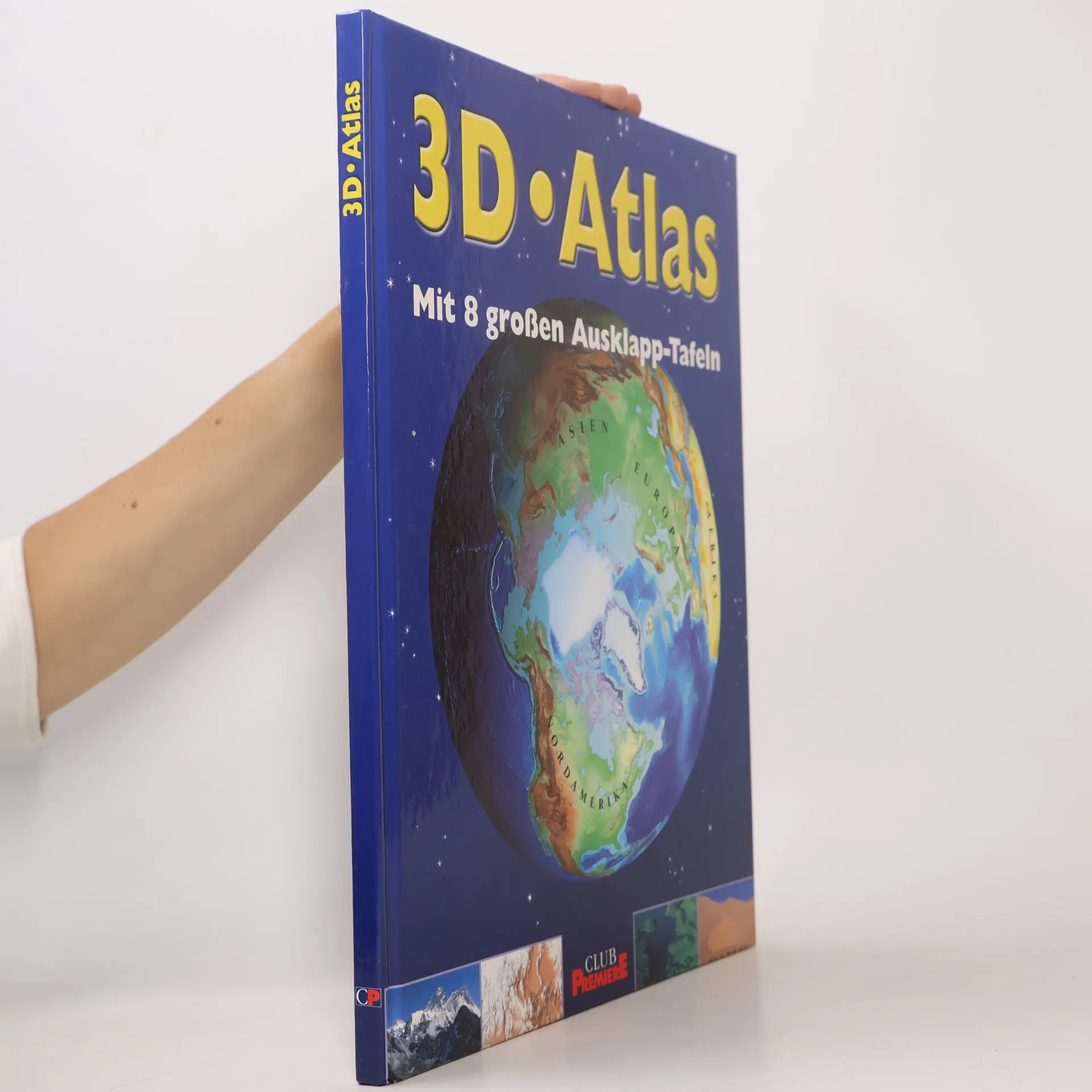
3D-Atlas
- 56pagine
- 2 ore di lettura
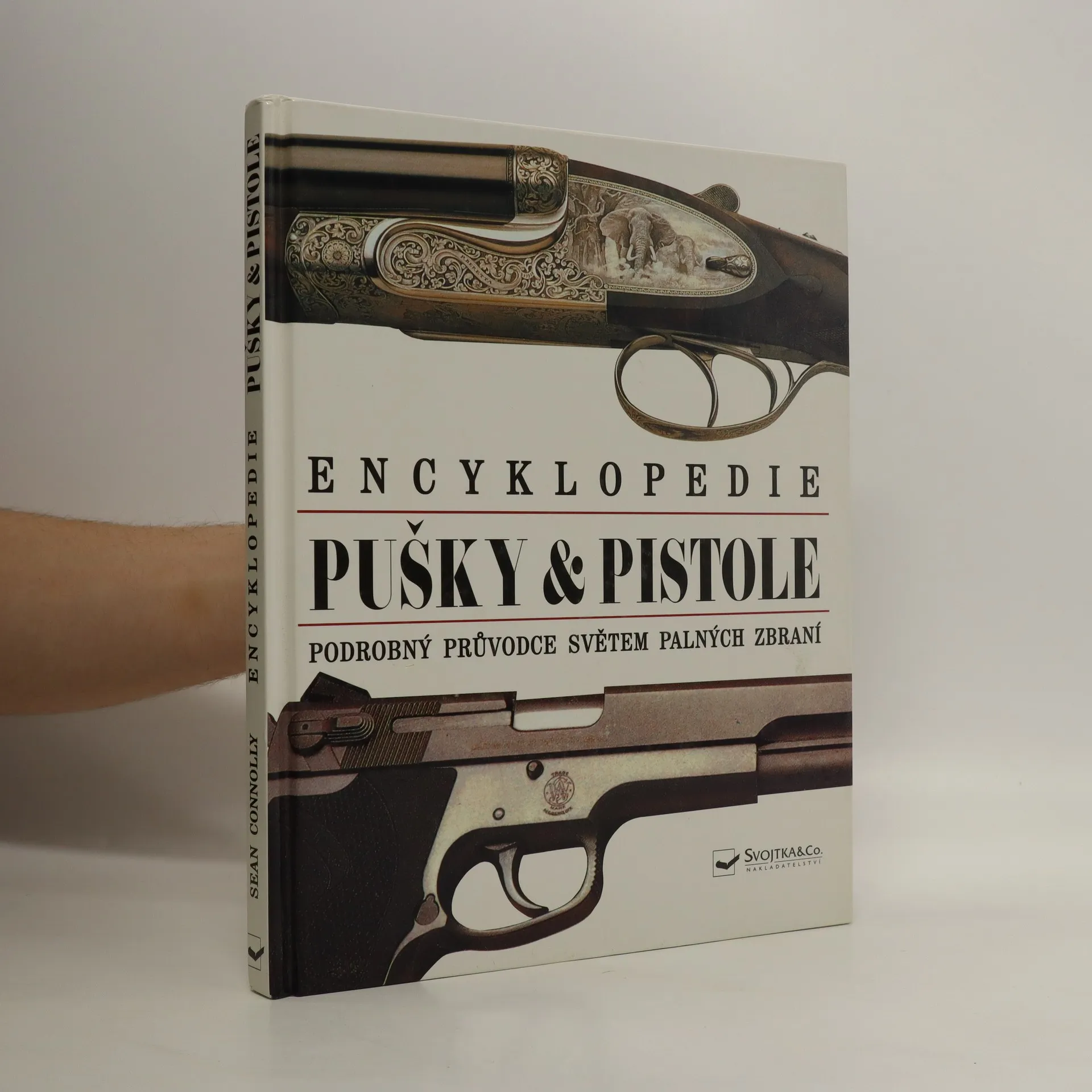
Popis typů, mechanismů, konstrukce a funkce palných ručních zbraní. Význam střeliva, výkon zbraní a výrobní technologie. Vynálezy a významná jména v dějinách zbraní. Encyklopedie je určena profesionálům a sběratelům. Obsahuje nákresy i fotografie modelů pušek a pistolí, slovníček a rejstřík.
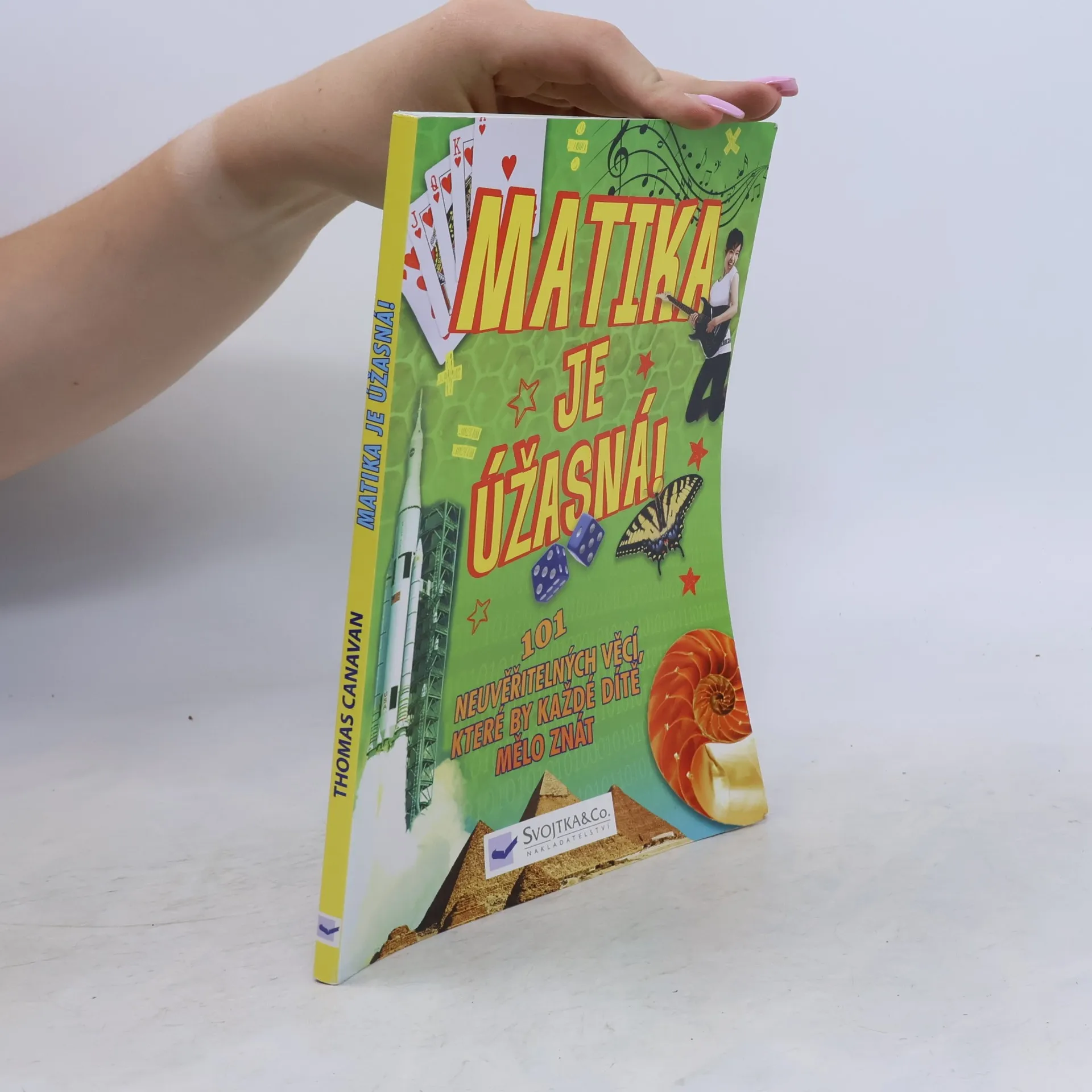
Matika je úžasná! : 101 neuvěřitelných věcí, které by každé dítě mělo znát
- 128pagine
- 5 ore di lettura
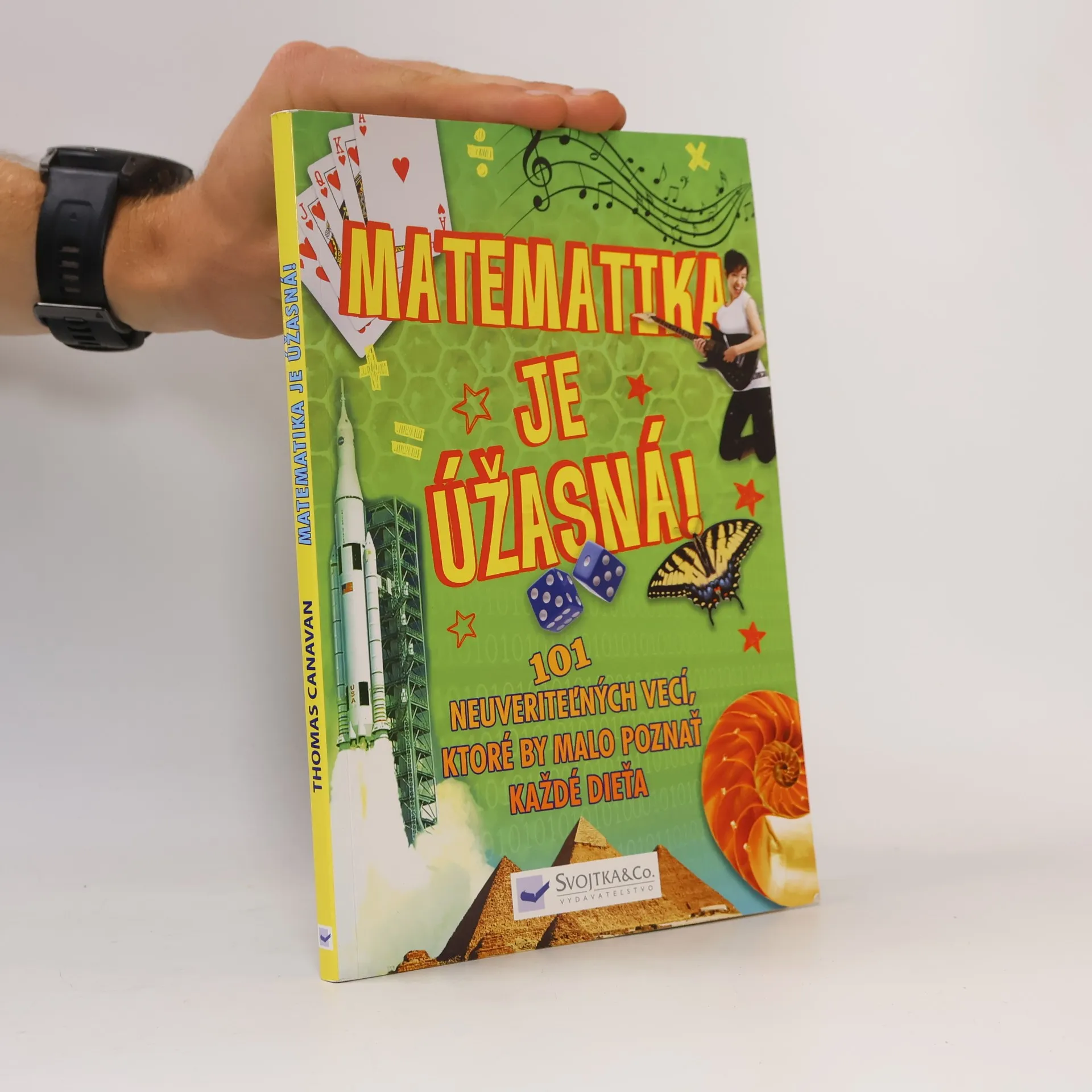
Matematika ještě nikdy nebyla zábavnější. Zajímavosti ze světa čísel a vzorců, které by měl každý znát, najdete v této knize napsané svěžím a vtipným stylem. Matematika? A že prý úžasná a zábavná? To se přeci vylučuje, nebo snad ne? Zapomeňte na nekonečně se vlekoucí hodiny ve školních lavicích a marný pocit, že "tohle nebudete nikdy v životě potřebovat". Tato kniha vás přesvědčí o opaku. Dokáže vám, že matematika je všude kolem nás, a i když se projevuje tu skrytě, tam nápadně, vždy hraje v našich životech zcela klíčovou roli. Vždyť díky matematice a řeči čísel jsou si lidé na celém světě schopni porozumět; vědí, kolik je hodin; dokážou ocenit oku lahodící obrazy i vychutnat si prokomponovaná hudební díla. Matika je prostě úžasná. A kdo tomu nevěří, ať si přečte tuto knihu plnou zábavných faktů o matematice. Je psána svěžím a srozumitelným stylem, který ocení jak čtenáři z řad zvědavých školáků, tak jejich rodiče.
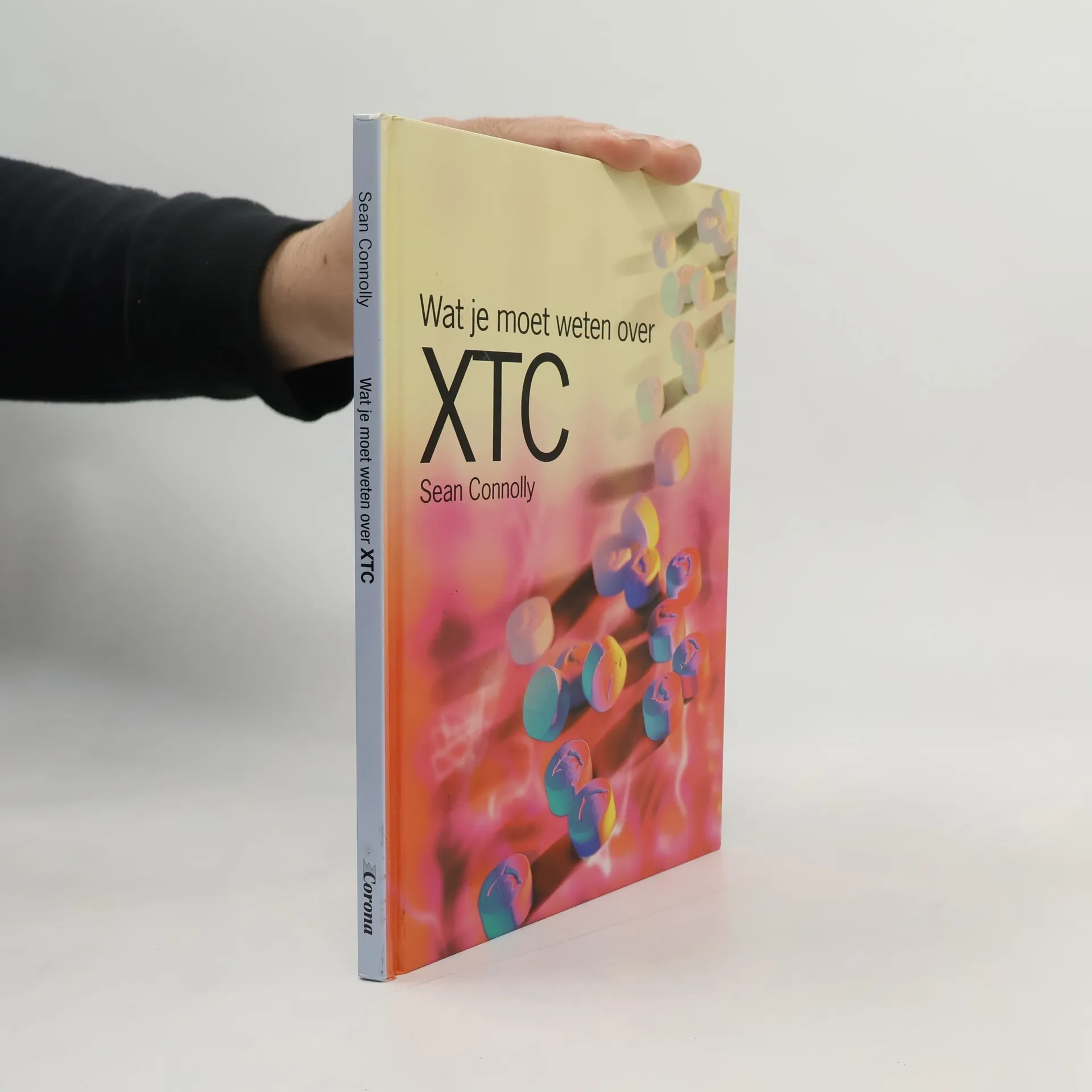
In korte hoofdstukken met kleurenfoto's wordt informatie gegeven over de drug XTC en de gevolgen van het gebruik ervan. Vanaf ca. 13 jaar.
Petites expériences scientifiques déjantées et décoiffantes! 2 Volumes
- 368pagine
- 13 ore di lettura
65 + 65 = 130 expériences renversantes, à base d’explosions soudaines, de geysers bouillonnants, de fusées sifflantes, de ballons survoltés et bien d’autres curiosités bruyantes ou salissantes, voire les deux à la fois ! Pour chaque expérience, toutes facilement réalisables, vous trouverez les ingrédients nécessaires, les précautions d’usage, et bien sûr la caution scientifique.