

Bookbot

Denis Kostomitsopoulos

    Lidské tělo. Poznej, jak funguje
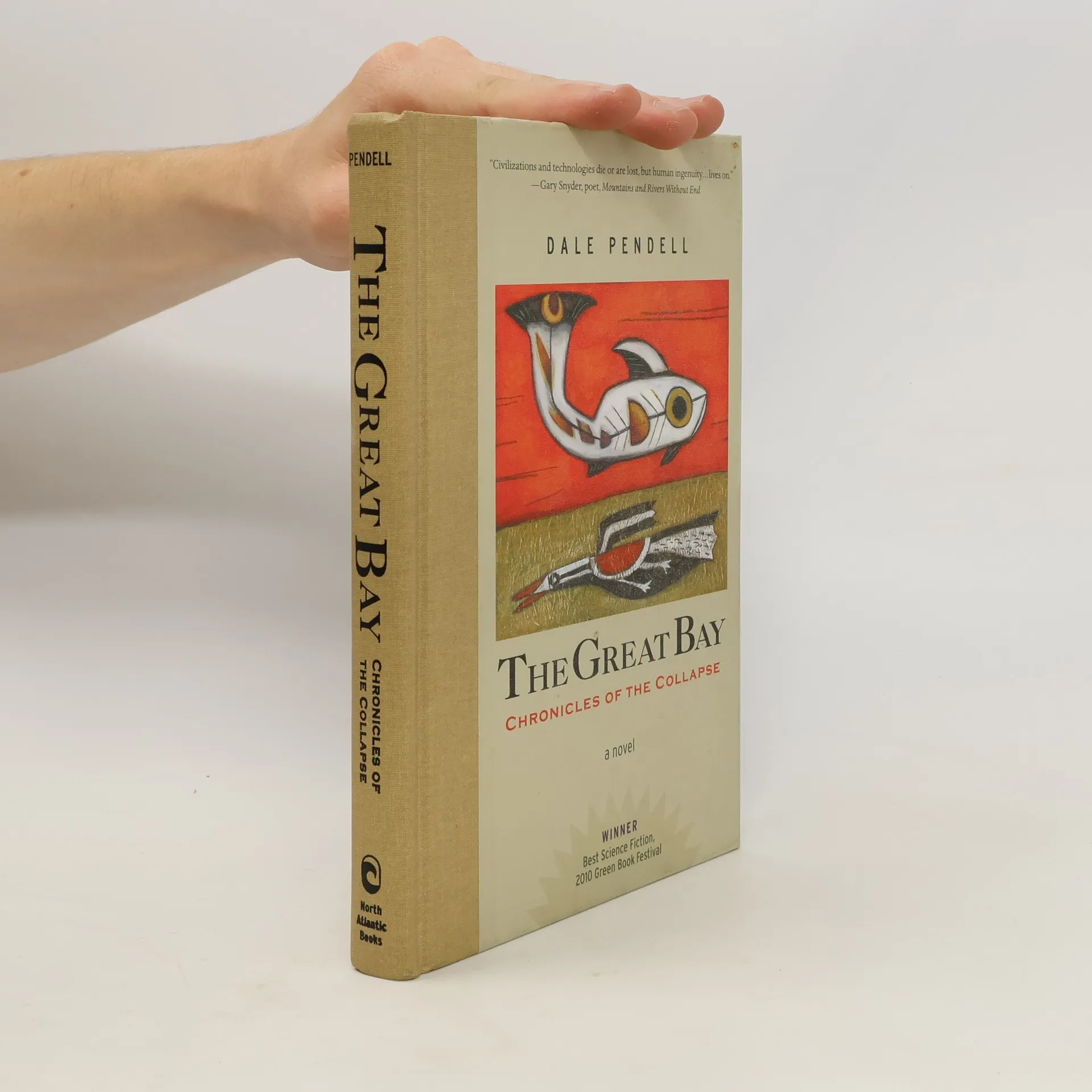
    The Great Bay
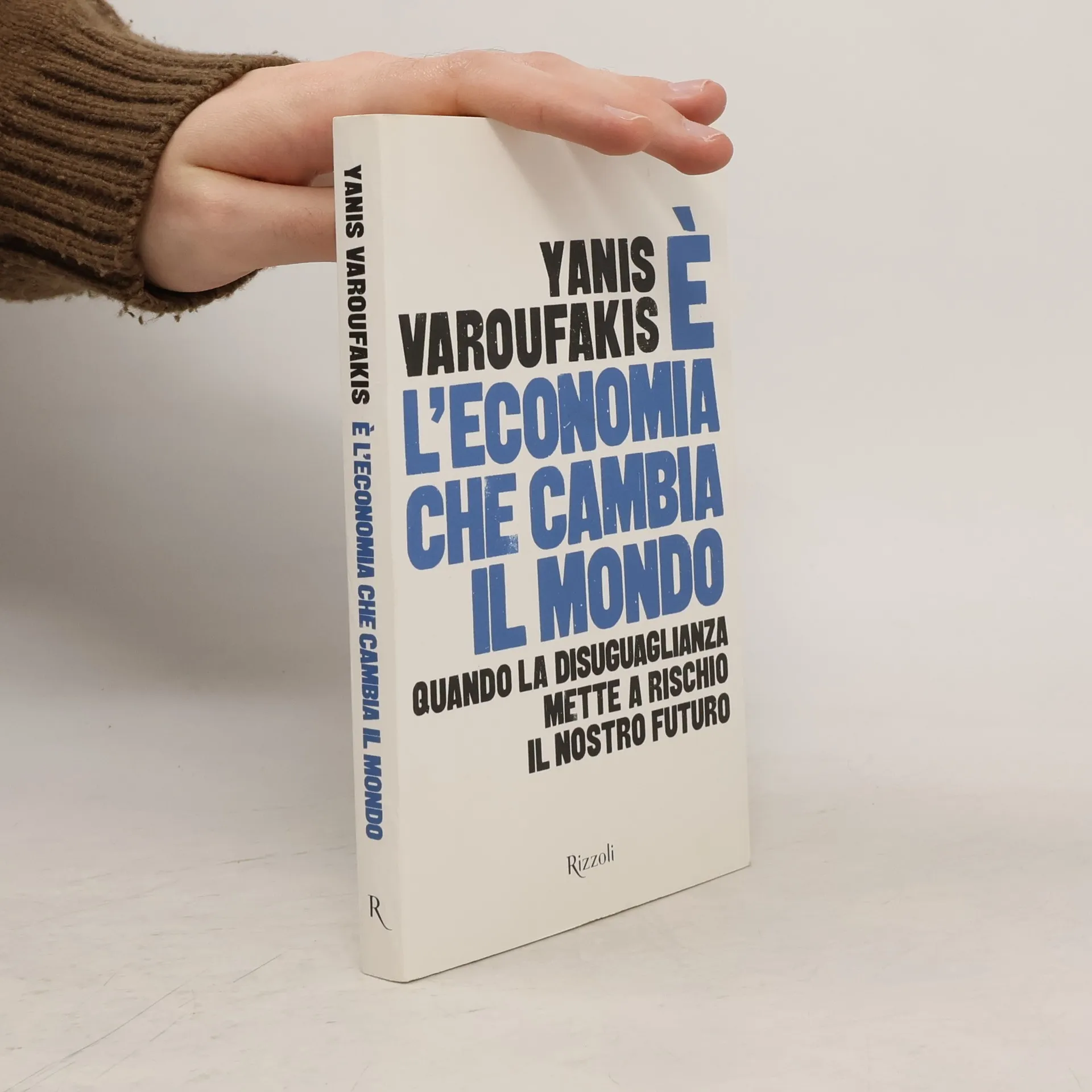
    È l'economia che cambia il mondo. Quando la disuguaglianza mette a rischio il nostro futuro
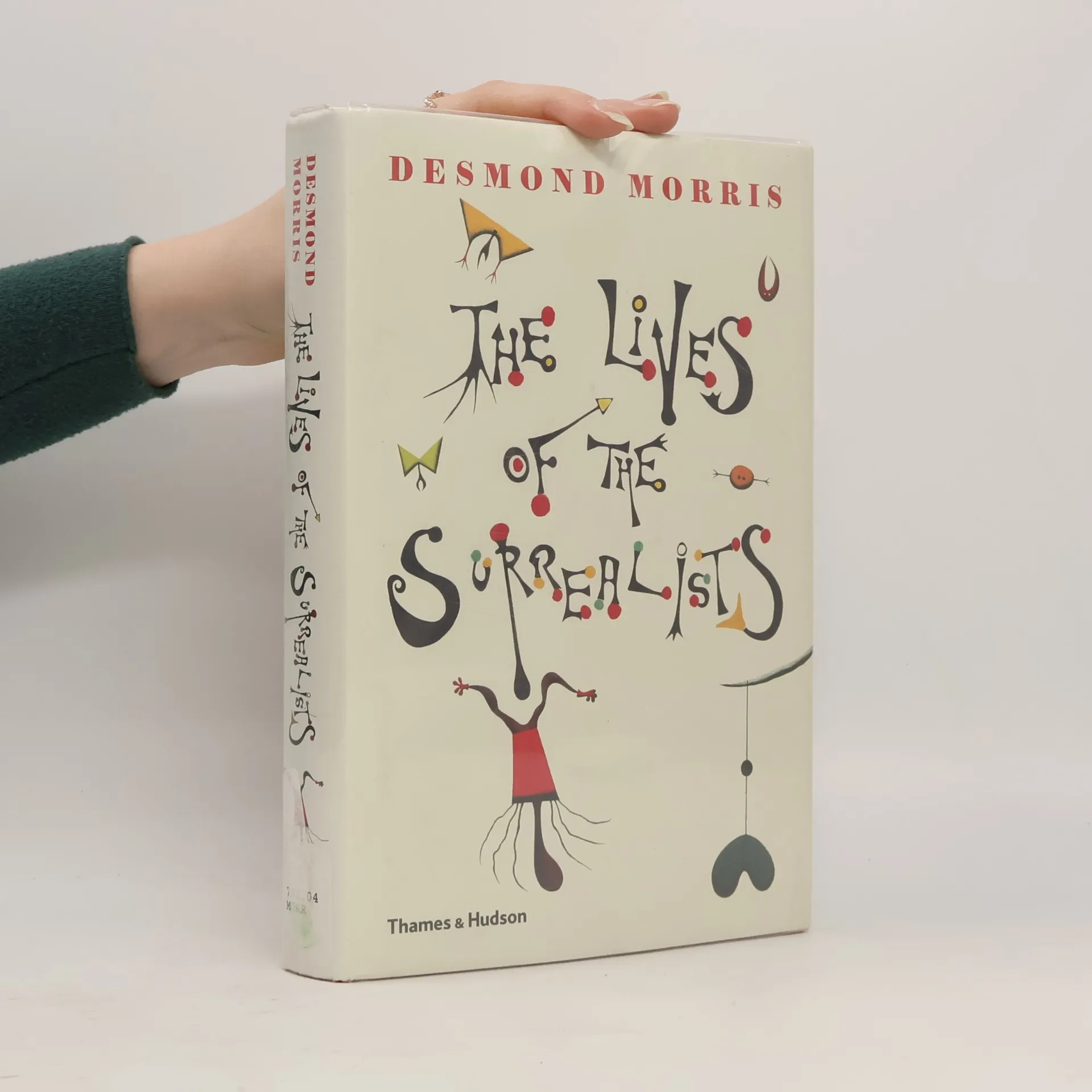
    The lives of the surrealists
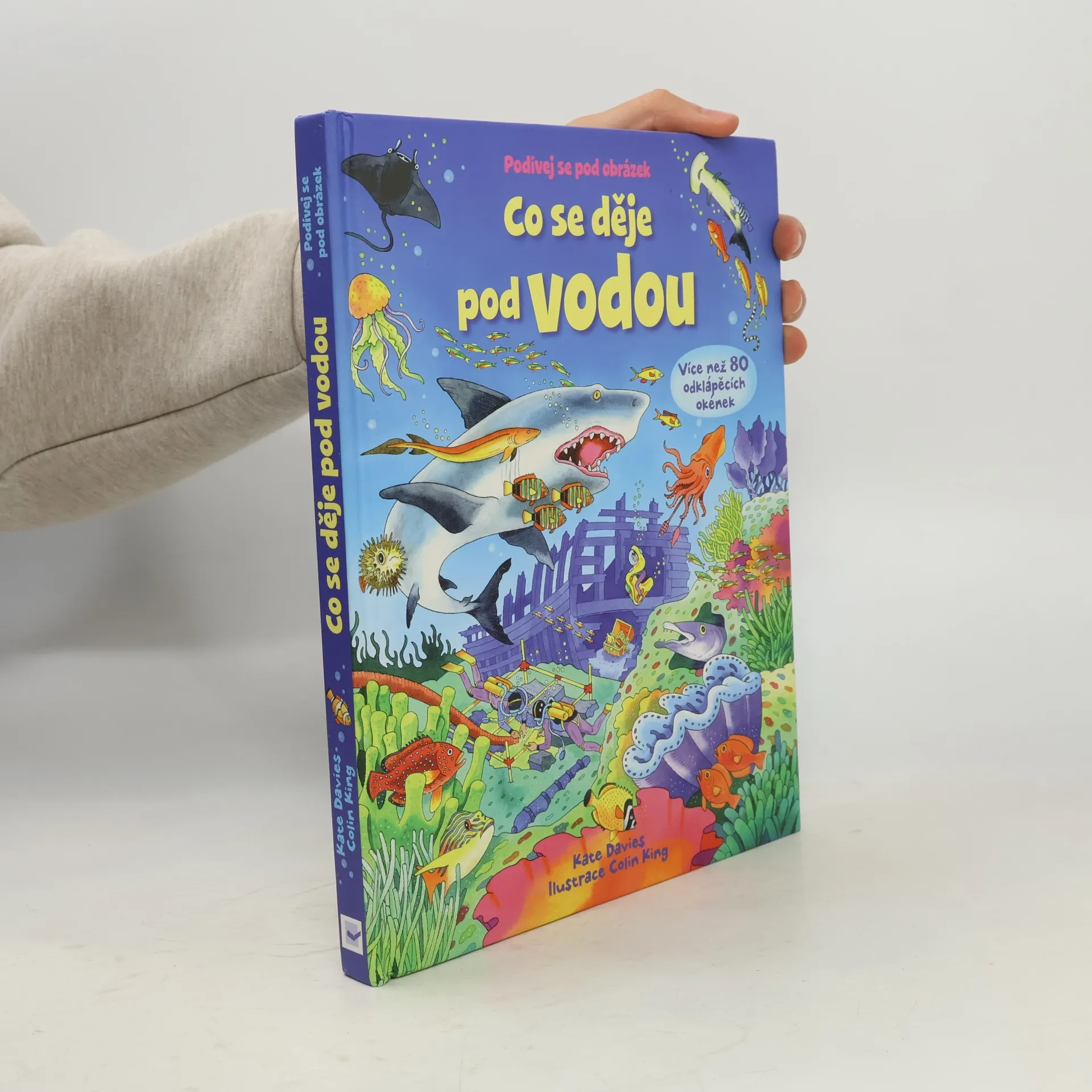
    Co se děje pod vodou : podívej se pod obrázek : více než 80 odklápěcích okének
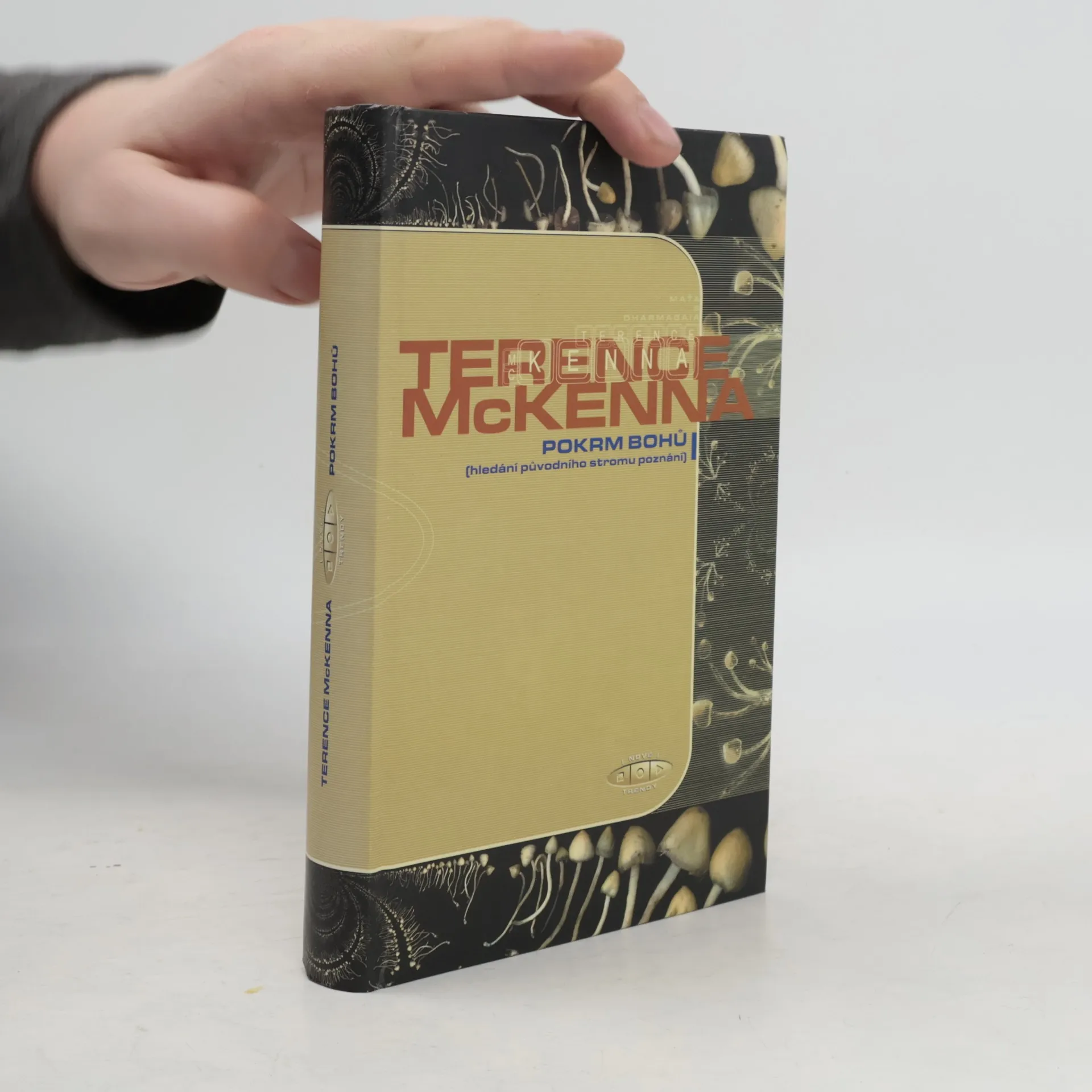
    Pokrm bohů : (hledání původního stromu poznání)
    • Debito, ricchezza, crisi. Una lezione di giustizia sociale dell’economista che dalla Grecia prova a cambiare il futuro dell’Europa. Com'è nato il denaro? Da quando il lavoro è diventato merce? Quale ruolo ha avuto il debito nelle società di mercato? In una lettera appassionata alla figlia adolescente, il ministro delle Finanze del governo Tsipras esplora le origini della disuguaglianza, affrontando i grandi temi dell'economia per aiutare il lettore a vedere la crisi sotto una nuova luce e comprendere perché i governi rifiutano di prendere decisioni che potrebbero liberare le nostre società, in Europa e nel mondo. Yanis Varoufakis, economista radicale e militante anti-austerity, si rivela un narratore capace di raccontare l'economia come un'epopea. Qui, contadini senza terra e eroi dell'"Iliade", operai inglesi e Oscar Wilde lottano insieme per un'alternativa alla società imposta dal capitale. "È incredibile come consideriamo 'logica' e 'giusta' la distribuzione della ricchezza, specialmente quando ci avvantaggia. Ricorda: tutti i bambini nascono nudi, ma per alcuni è già stata pronunciata la condanna alla fame e alla miseria. Non accettare mai una spiegazione logica per le disuguaglianze che hai sempre ritenuto inaccettabili."

      È l'economia che cambia il mondo. Quando la disuguaglianza mette a rischio il nostro futuro2018
      4,1
    • The Great Bay

      Chronicles of the Collapse

      • 296pagine
      • 11 ore di lettura

      ***WINNER, Best Science Fiction, 2010 Green Book FestivalBased in scientific reality, Dale Pendell presents a powerful fictional vision of a fast-approaching future in which sea levels rise and a decimated population must find new ways to live. The Great Bay begins in 2021 with a worldwide pandemic followed by the gradual rising of the seas. Pendell’s vision is all encompassing—he describes the rising seas’ impact on countries and continents around the world. But his imaginative storytelling focuses on California. A “great bay” forms in California’s Central Valley and expands during a 16,000-year period. As the years pass, and technology seems to regress, even memory of a “precollapse” world blends into myth. Grizzly bears and other large predators return to the California hills, and civilization reverts to a richly imagined medieval society marked by guilds and pilgrimages, followed even later by hunting and gathering societies. Pendell’s focus is on the lives of people struggling with love, wars, and physical survival thousands of years in California’s future. He deftly mixes poetic imagery, news-reporting-style writing, interviews with survivors, and maps documenting the geographic changes. In the end, powerful human values that have been with us for 40,000 years begin to reemerge and remind us that they are desperately needed—in the present.

      The Great Bay2018
      3,0
    • The lives of the surrealists

      • 272pagine
      • 10 ore di lettura

      A lively history of the Surrealists, both known and unknown, by one of the last surviving members of the movement—artist and bestselling author Desmond Morris. Surrealism did not begin as an art movement but as a philosophical strategy, a way of life, and a rebellion against the establishment that gave rise to the World War I. In The Lives of the Surrealists, surrealist artist and celebrated writer Desmond Morris concentrates on the artists as people—as remarkable individuals. What were their personalities, their predilections, their character strengths and flaws? Unlike the impressionists or the cubists, the surrealists did not obey a fixed visual code, but rather the rules of surrealist philosophy: work from the unconscious, letting your darkest, most irrational thoughts well up and shape your art. An artist himself, and contemporary of the later surrealists, Morris illuminates the considerable variation in each artist’s approach to this technique. While some were out-and-out surrealists in all they did, others lived more orthodox lives and only became surrealists at the easel or in the studio. Focusing on the thirty-two artists most closely associated with the surrealist movement, Morris lends context to their life histories with narratives of their idiosyncrasies and their often complex love lives, alongside photos of the artists and their work.

      The lives of the surrealists2018
      4,2
