Finally available in paperback, Ralph D. Sawyers incomparable study of ancient Chinese warfare
Ralph D. Sawyer Libri
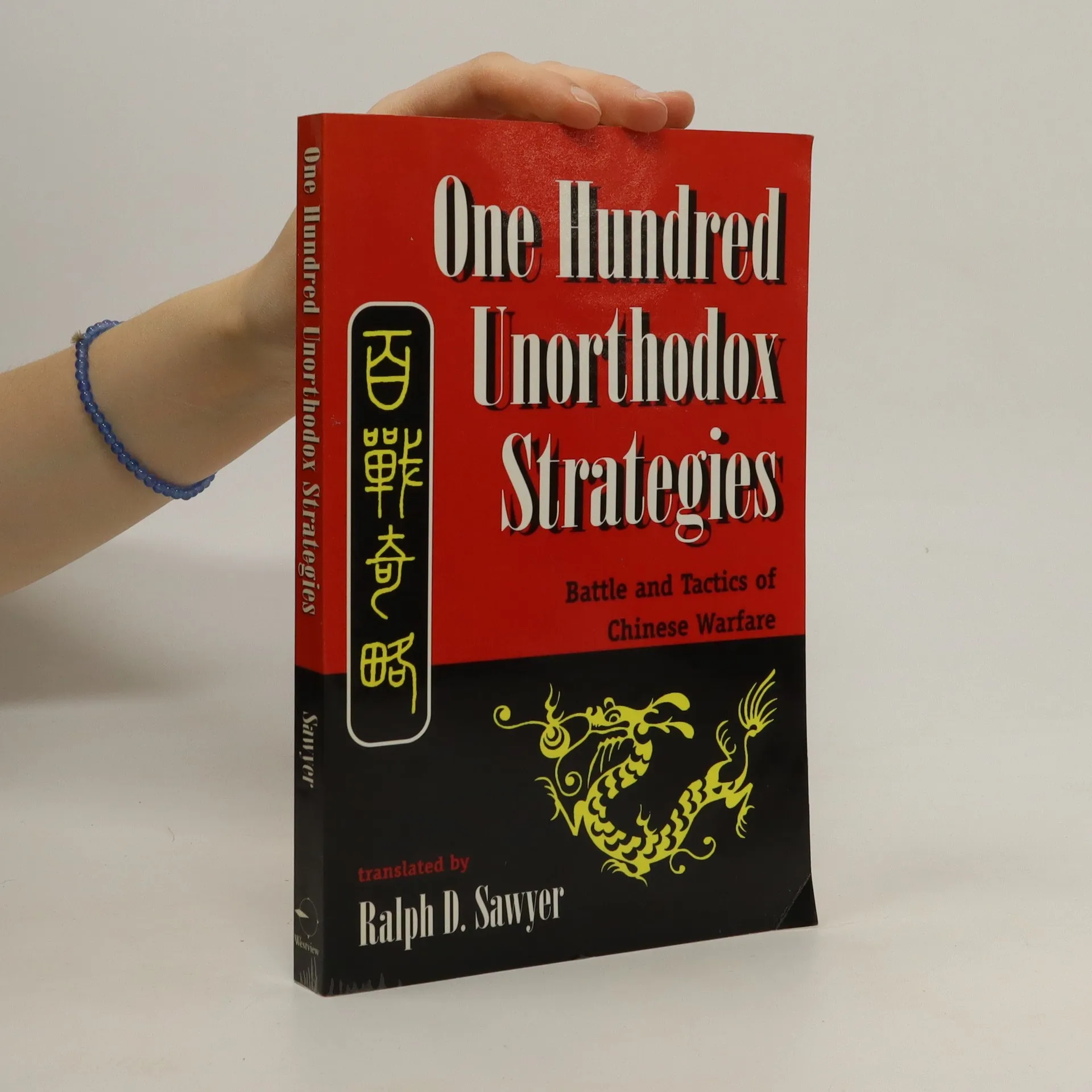
One Hundred Unorthodox Strategies: Battle and Tactics of Chinese Warfare
- 316pagine
- 12 ore di lettura
One Hundred Unorthodox Strategies was compiled in the fifteenth century, during the Ming Dynasty, as a handbook of tactics based on Chinese military classics. Translated into English for the first time, this unique work draws on over two thousand years of experience in warfare to present a distillation of one hundred key strategic principles. Originally prepared as a text for students aspiring to high political positions in Confucian China, One Hundred Unorthodox Strategies is a compendium of Oriental strategies concisely stated and each individually illustrated with a description of battle from Chinese history. These historical examples shed new light on the often enigmatic formulations of the ancient strategists on subjects such as Strategic Power, Defense, Vacuity, Spirit, and Victory. Acclaimed translator and Chinese military specialist Ralph Sawyer adds his own thoughtful commentary, deepening the reader's understanding of the intricacies of Chinese strategic thought.
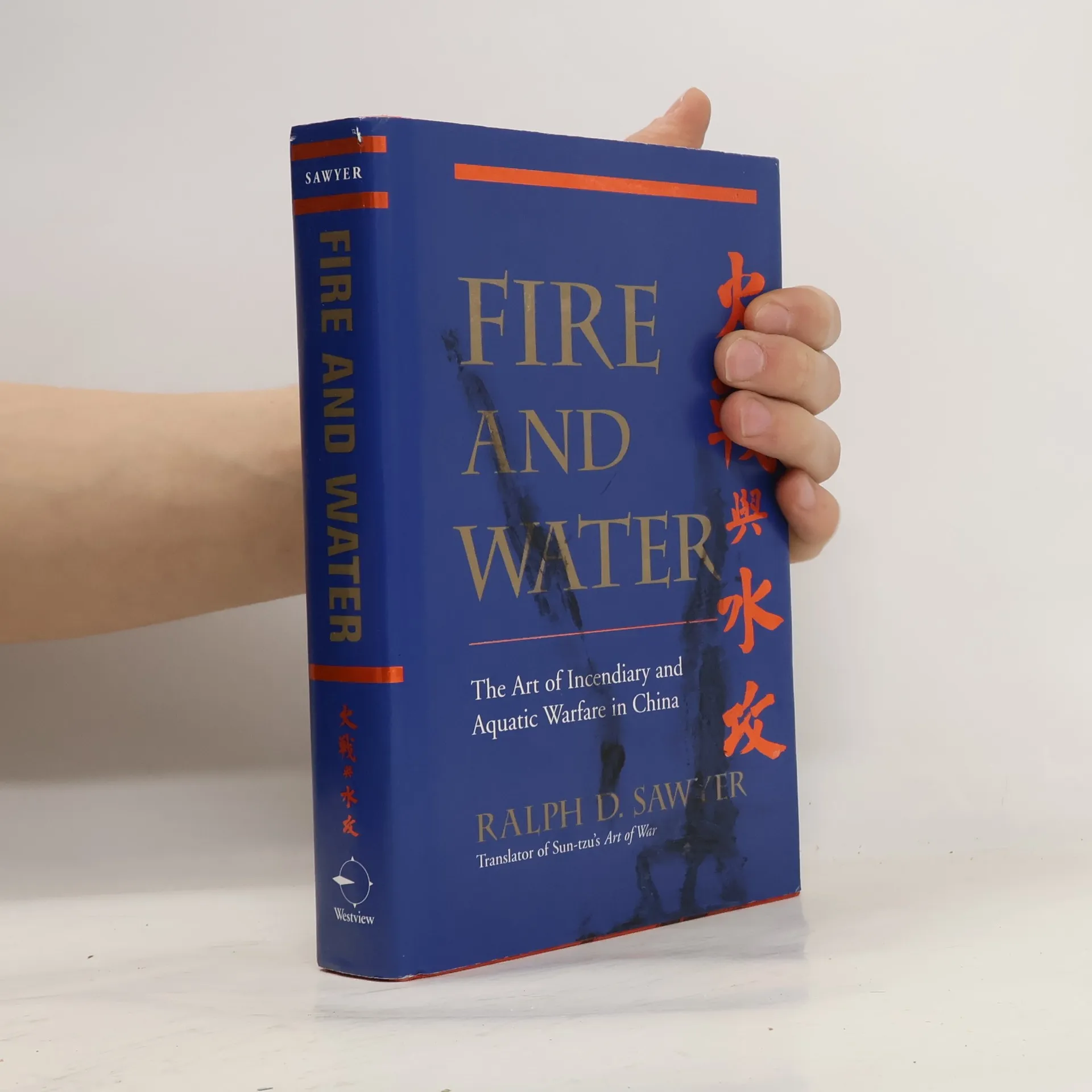
An expert in Chinese Warfare, best-selling author Ralph Sawyer, offers a compelling account of the development of incendiary and aquatic warfare tactics in ancient China as pivotal elements in turning the tides of battle. China's official histories are replete with intriguing examples of incendiary and aquatic warfare being employed (particularly by the outnumbered) in pivotal roles to turn the tide of battle. In his new book Fire and Water, best-selling author Ralph Sawyer traces the dynamic evolution and development of incendiary warfare in ancient China, from antiquity through the introduction of true gunpowder weapons, including cannon and muskets. Discussing both use and techniques, the book similarly unfolds the evolution of aquatic methodology, emphasizing the strong interconnection between the two with the inception of riverine combat. Fundamentally based upon an examination of the Chinese military writings, Sawyer examines and recounts the most important clashes and epochal conflicts in which these dramatic tactics were employed over the centuries. Although not a naval history, Sawyer does examine the extensive employment of incendiary attacks in naval conflict and explores the means for overcoming riverine obstacles, such as floating bridges.
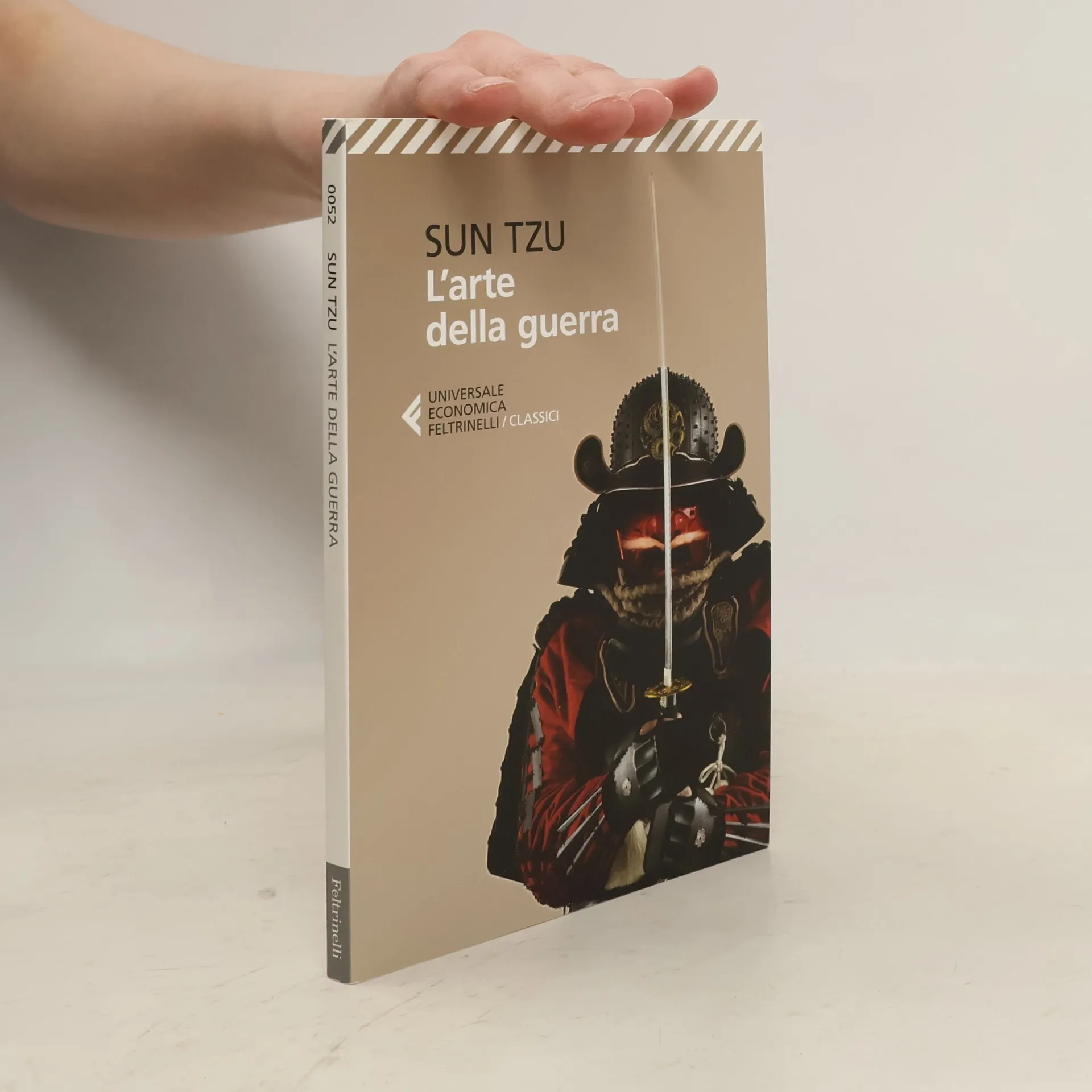
Universale economica. I classici - 52: L'arte della guerra
- 96pagine
- 4 ore di lettura
Composto in Cina diversi secoli prima della nascita di Cristo, l'Arte della guerra è uno dei più antichi trattati di strategia militare; il suo autore è noto col nome di Sun Tzu, ma si tratta in realtà di più filosofi che hanno rielaborato un testo frutto probabilmente di un'unica mano. Il contenuto di quest'opera ha influenzato ampiamente nei secoli la filosofia orientale, ma non solo, tanto che essa viene utilizzata nelle scuole di management in tutto il mondo. Perché Sun Tzu non si limita a dare precetti per sconfiggere i nemici sul campo di battaglia, ma ci insegna a gestire i conflitti in modo profondo e non distruttivo: anche nella nostra vita quotidiana, infatti, la miglior battaglia è quella che vinciamo senza combattere.
xvii, 294 p. : 22cm
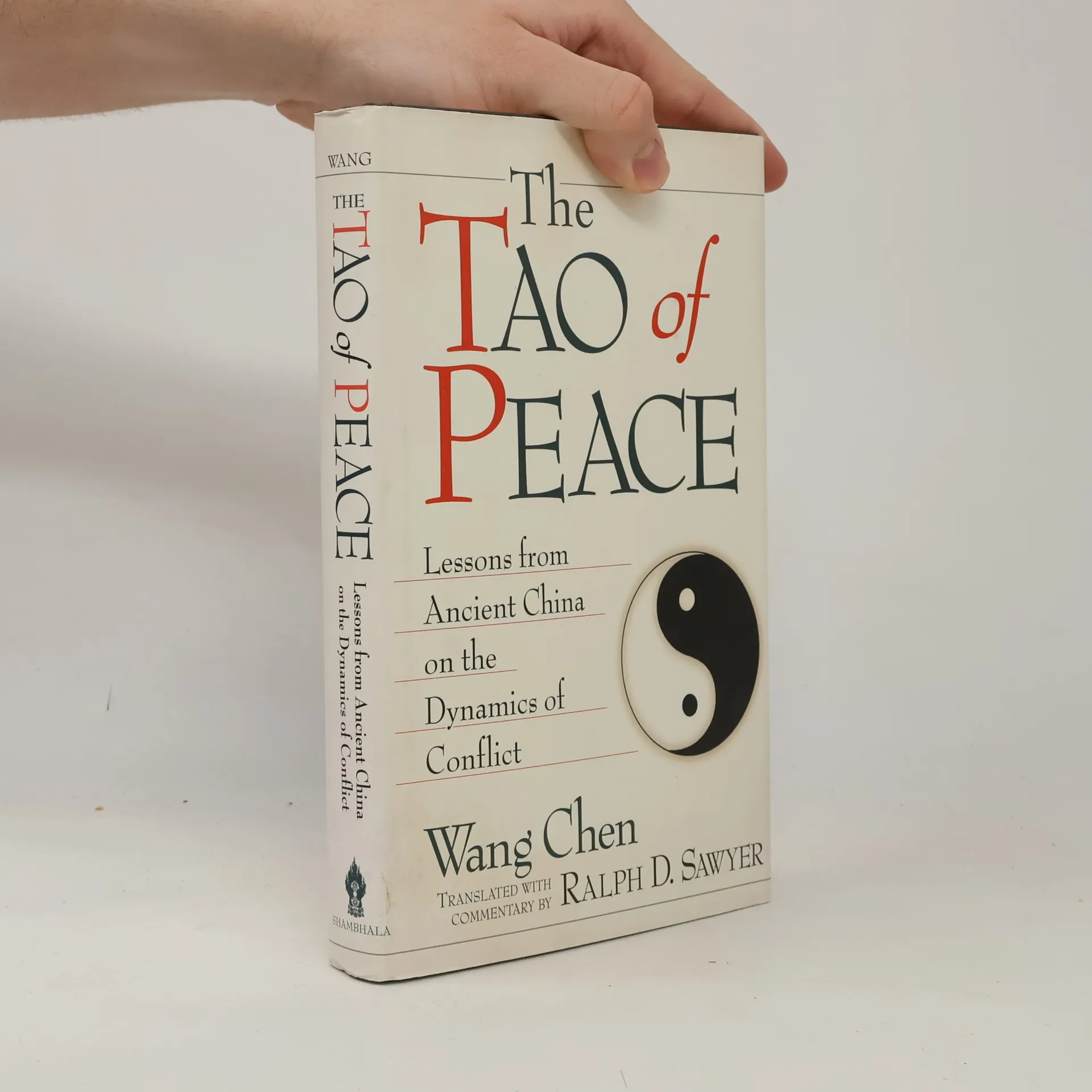
This fascinating book serves as a perfect companion to the best-selling *Art of War*, offering lessons from ancient China on conflict dynamics. Ninth-century military commander Wang Chen, disturbed by the devastation of the T'ang dynasty, sought to understand how to prevent conflicts before they arise. He turned to the *Tao Te Ching* for insights, providing his own interpretation and commentary, which is further enriched by translator Ralph D. Sawyer, a prominent scholar in Chinese military history. While the *Tao* has long influenced Chinese military thought, Wang Chen's interpretations are groundbreaking, presenting the first martial reading of it as a "tao of war." Similar to Sun-tzu's *Art of War*, this text offers valuable lessons applicable to modern struggles. Just as the ancient *Art of War* inspires strategies for various competitive situations, Wang Chen's work reveals actionable plans for managing conflict and fostering peace. This book is an essential addition to any shelf alongside the *Art of War*, providing equally compelling and practical advice for navigating the complexities of conflict and promoting harmony in contemporary life.
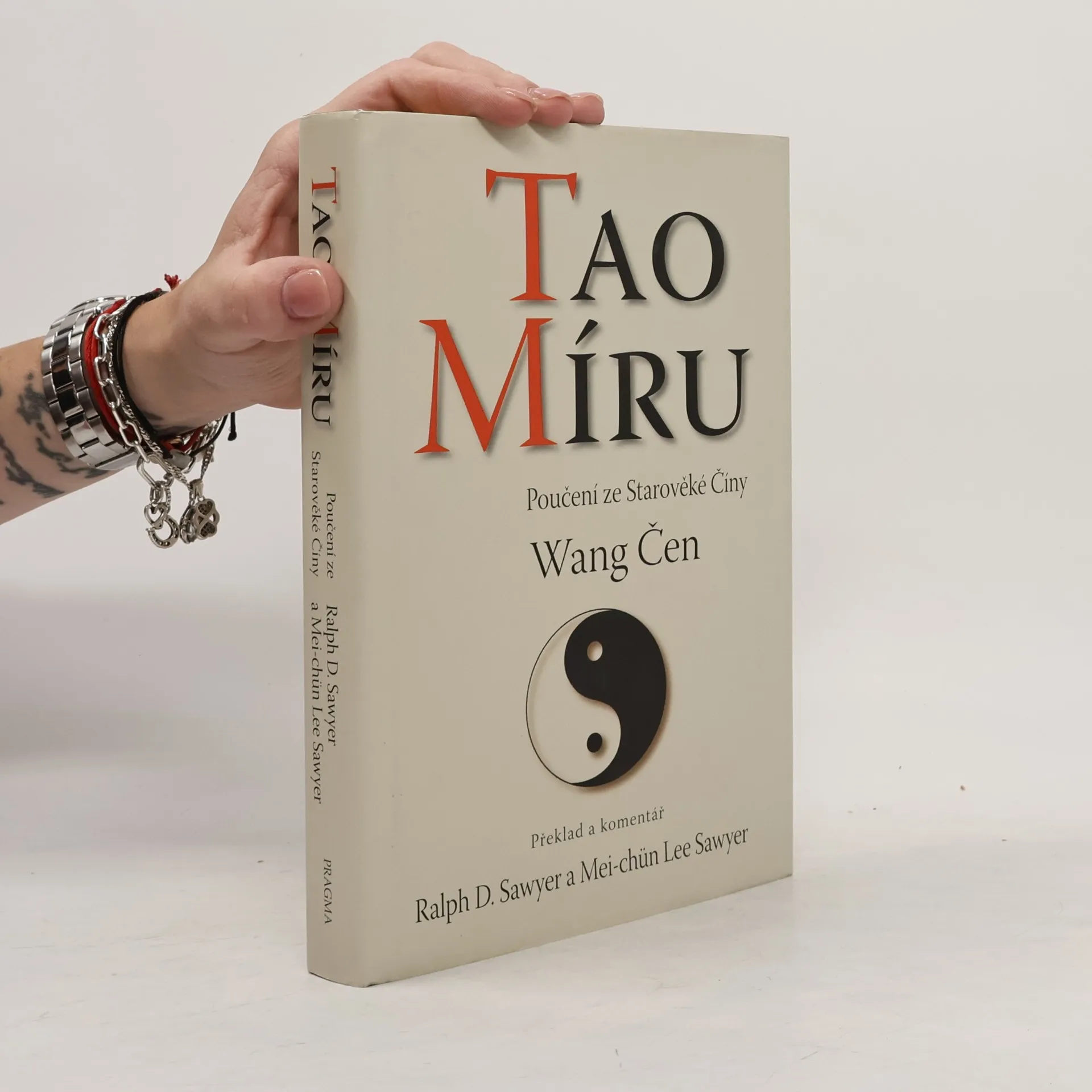
Tao míru. Poučení ze starověké Číny
- 256pagine
- 9 ore di lettura
Wang Čen uvažoval nad otázkami: jak můžeme najít pravý pacifismus, takový, který ukončí konflikty, dříve než začnou? Jsme vůbec schopni napravit své sebedestruktivní tendence? Pro odpovědi se obrátil k pozoruhodnému zdroji: nebyly to teorie o lidské přirozenosti a vláda konfucionismu a buddhismu, které převládaly, ale Tao-te-ťing, který jako filozofický pilíř taoismu po více než tisíc let byl často považován za mystický, kvietistický a nihilistický, ale Wang Čen v něm objevil kosmologickou oporu pro model lidské společnosti a pro vysvětlení dynamických konfliktů. Jak Wang Čen přijímal jeho model, uvěřil, že může vést k pravému posílení každodenního světa politické reality.