Exploring the key tenets of Bernard Williams's ethical philosophy, this Element delves into ethical skepticism, the concept of virtue, and the motivations behind actions. It critiques the Morality System and examines moral realism, providing insights into the nature of ethical theorizing. Through these discussions, the work highlights Williams's significant contributions to contemporary ethical discourse.
In „Informelles Lernen“ untersuchen Alan Thomas und Harriet Pattison, wie informelles Lernen bei Kindern stattfindet. „Bei der Untersuchung des informellen Lernens liegen vermutlich sowohl die größte Faszination als auch die größte Schwierigkeit darin, seine vollkommene Alltäglichkeit zu verstehen. Wie deutlich werden wird, bleibt informelles Lernen - so wie in den ersten Lebensjahren - eine banale, alltägliche, unauffällig und dennoch erstaunlich effiziente Art zu lernen.“
Alan Thomas offers a comprehensive analysis of Thomas Nagel's philosophy, emphasizing the distinction between subjective and objective perspectives. The study explores how this contrast permeates Nagel's work across diverse philosophical domains, providing insights into his approach to various issues. Through this examination, readers gain a deeper understanding of Nagel's contributions to contemporary philosophy and the implications of his views on perception and knowledge.
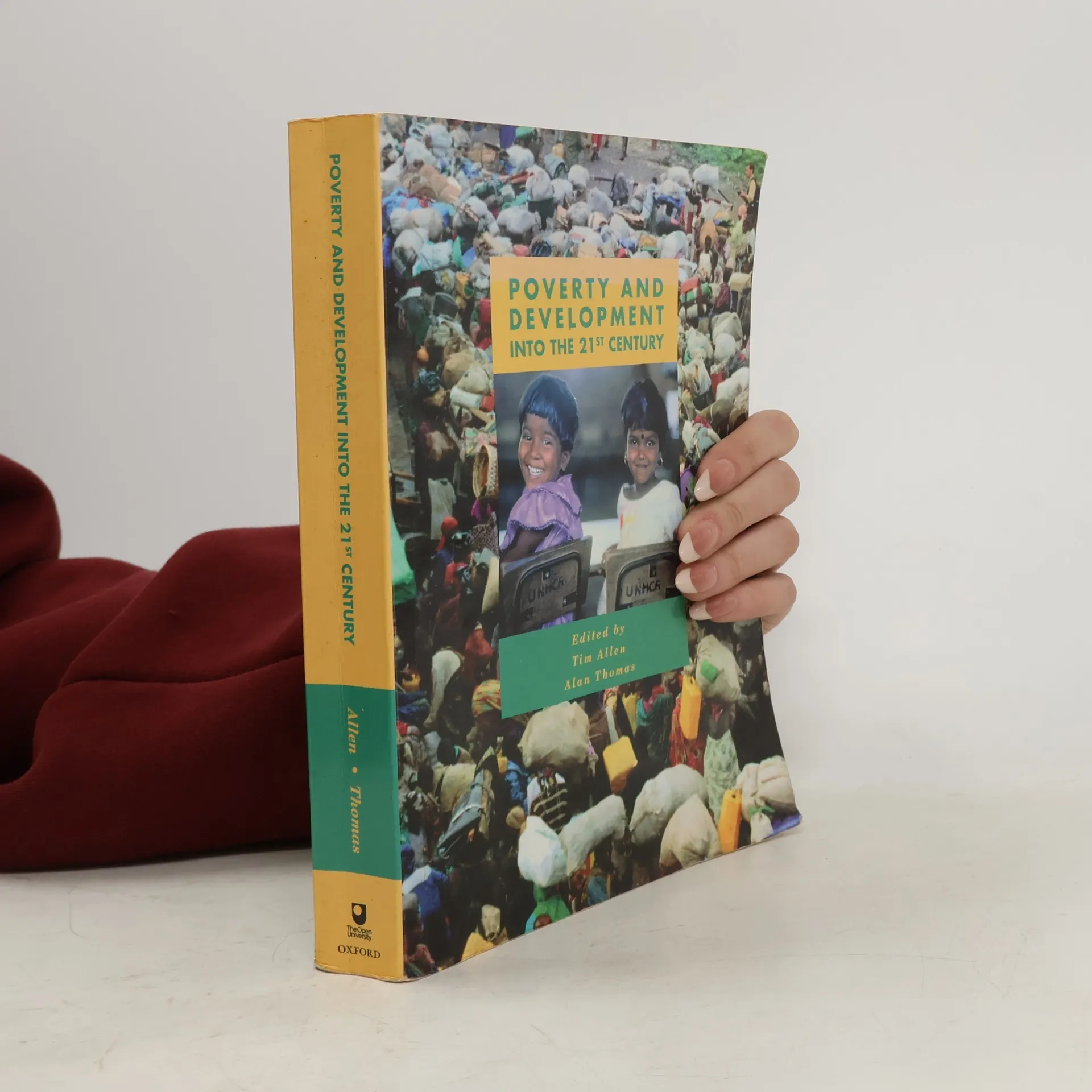
The new edition of this successful textbook aids students in development economics by fostering a deeper understanding of complex issues rather than relying on simplistic analyses. Each chapter, authored by a field specialist, features discussion questions and summaries, complemented by diagrams, tables, and photographs.
The content is organized into five parts:
Part 1 explores concepts of poverty and development, addressing the meanings and implications of development.
Part 2 delves into various global challenges, including famine, diseases of poverty, unemployment, overpopulation, environmental degradation, war, and the role of development agencies.
Part 3 examines historical transformations, discussing diversity in pre-capitalist societies, the impacts of colonialism and capitalism, the influence of colonial states, and the evolution of development over the last fifty years, including socialist models and the state of capitalism at the century's end.
Part 4 focuses on contemporary development issues, such as sustainable globalization, democratization, gender considerations, technology's role in poverty, urban life, and the importance of culture.
Finally, Part 5 looks to the future of development, discussing genetic engineering, the politics of identity, and the prospects and dilemmas of industrialization. This comprehensive approach equips students to critically engage with the multifaceted nature of development ec