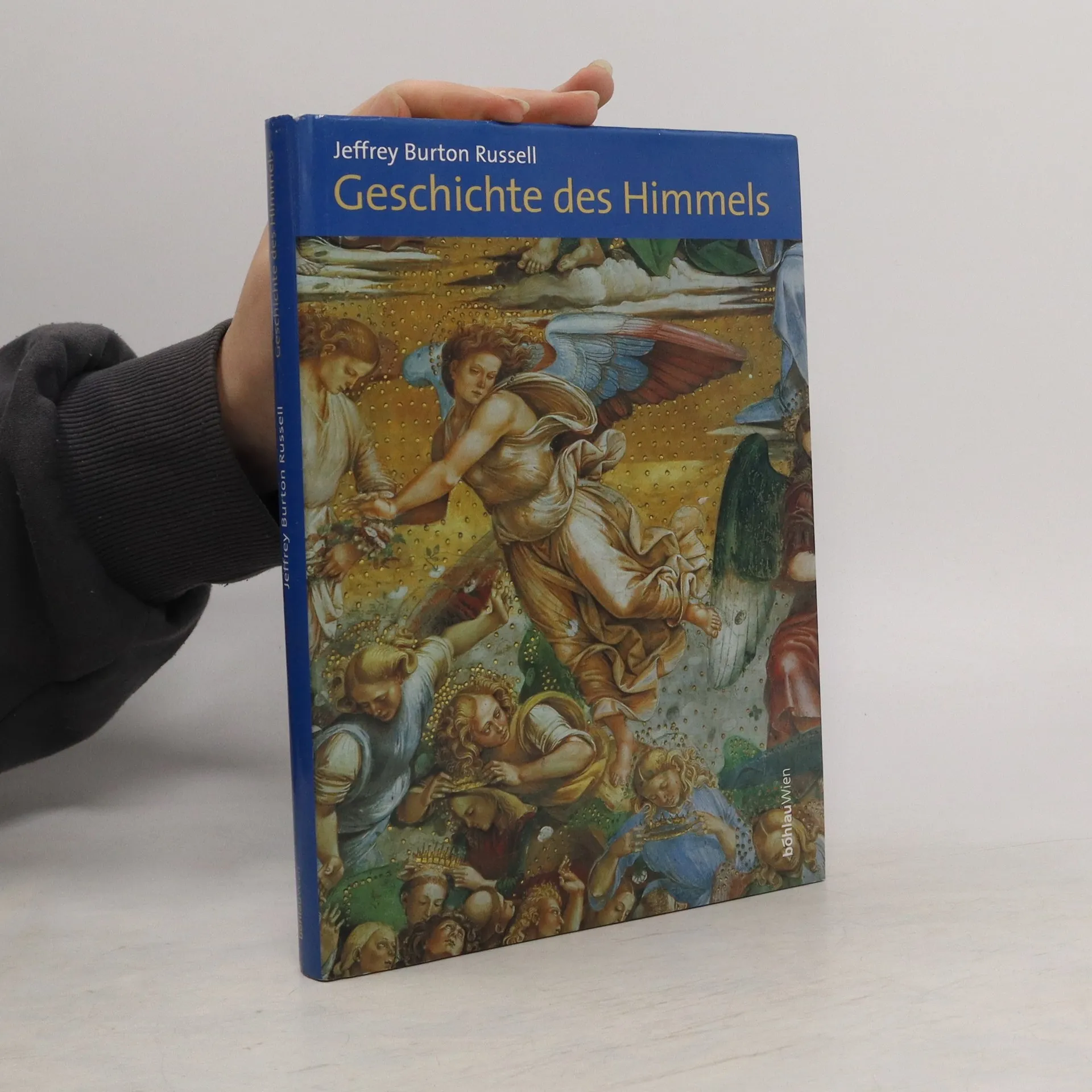
Jeffrey Burton Russell è uno storico acclamato il cui lavoro approfondisce l'intricata storia dei concetti teologici. È particolarmente noto per i suoi studi completi sul concetto del Diavolo e per le sue esplorazioni sulla comprensione storica del paradiso nel pensiero cristiano. La ricerca di Russell sfida i miti prevalenti, dimostrando in particolare come l'idea di una Terra piatta nel Medioevo sia stata un'invenzione del diciannovesimo secolo. La sua scrittura offre profonde intuizioni sull'evoluzione delle idee religiose e sul loro significato culturale.
Drawing on an impressive array of sources from popular religion, art,
literature, and drama, as well as from scholastic philosophy, mystical
theology, homiletics, and hagiography, Russell provides a detailed treatment
of Christian diabology in the Middle Ages.
This lively and learned book traces the history of the concept of evil and its
personification as the Devil from ancient times to the period of the New
Testament and across cultures and...
From rocking in chairs, to singing lullabies, to driving nowhere underneath the moonlight, this is a story to remind parents of the precious magic made in the late hours of the night with their little night owls.
Satan is both a revealing study of the compelling figure of the Devil and an
imaginative and persuasive inquiry into the forces that shape a concept and
ensure its survival.
While recounting how past generations have personified evil, Jeffrey Burton
Russell deepens our understanding of the ways in which people have dealt with
the enduring problem of radical evil.
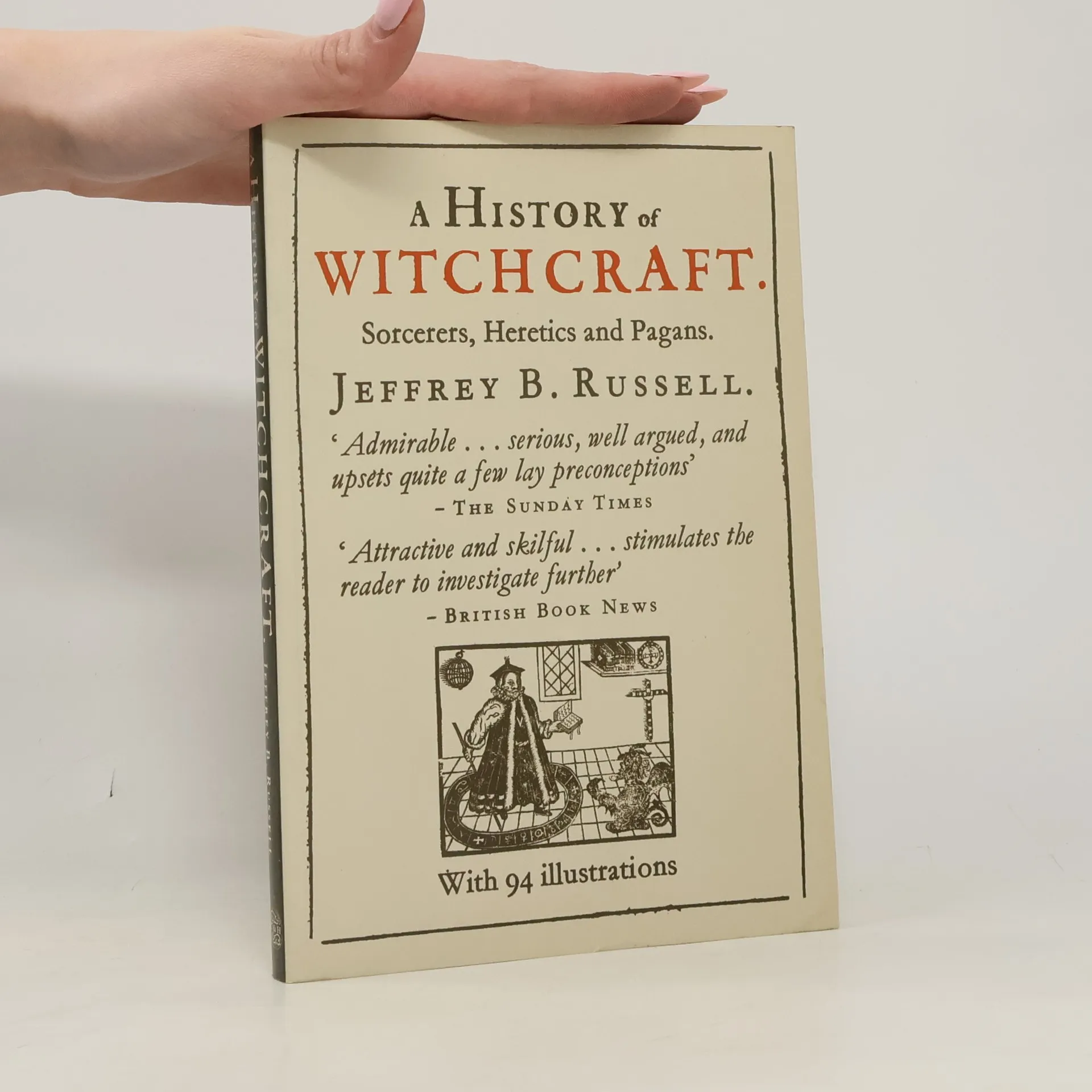
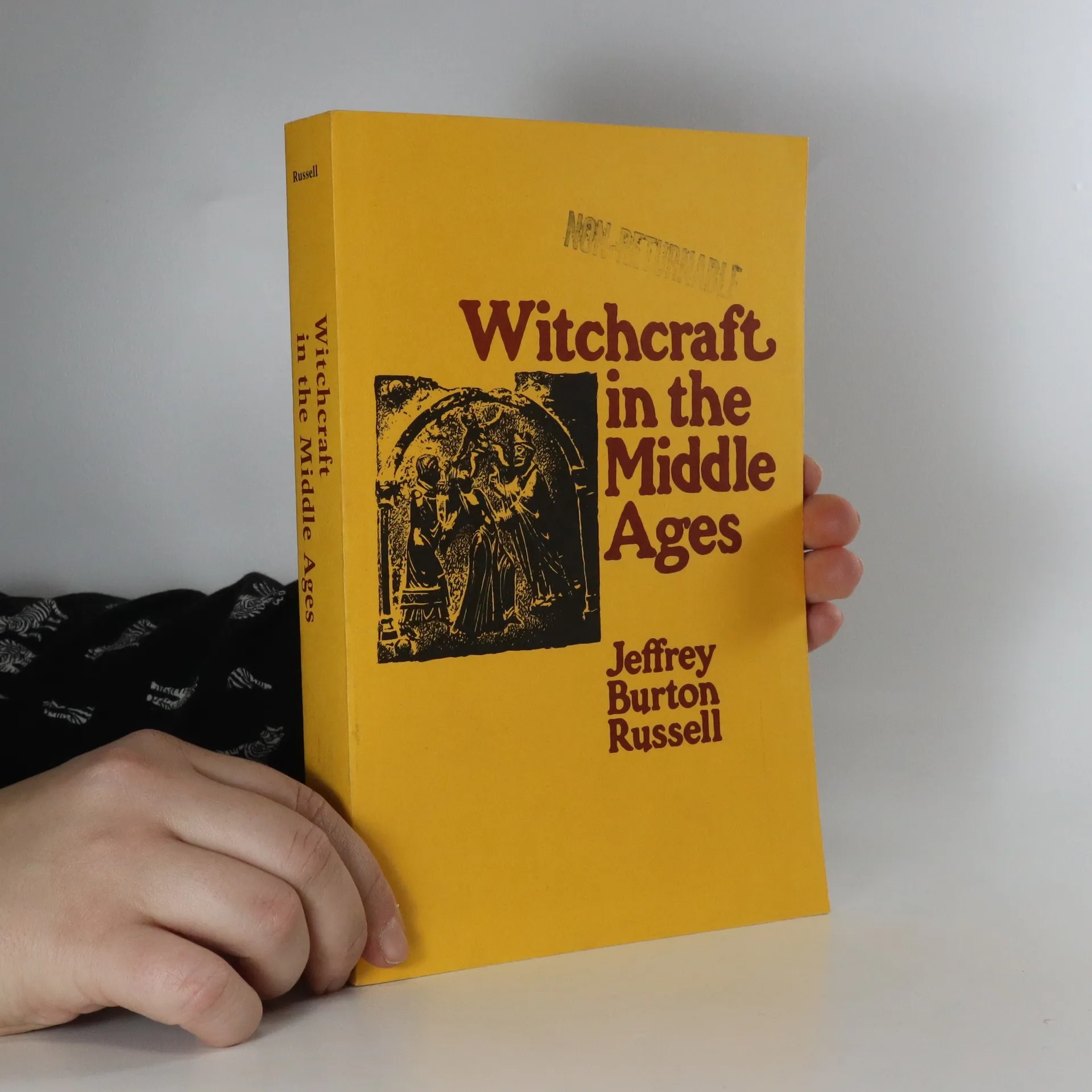
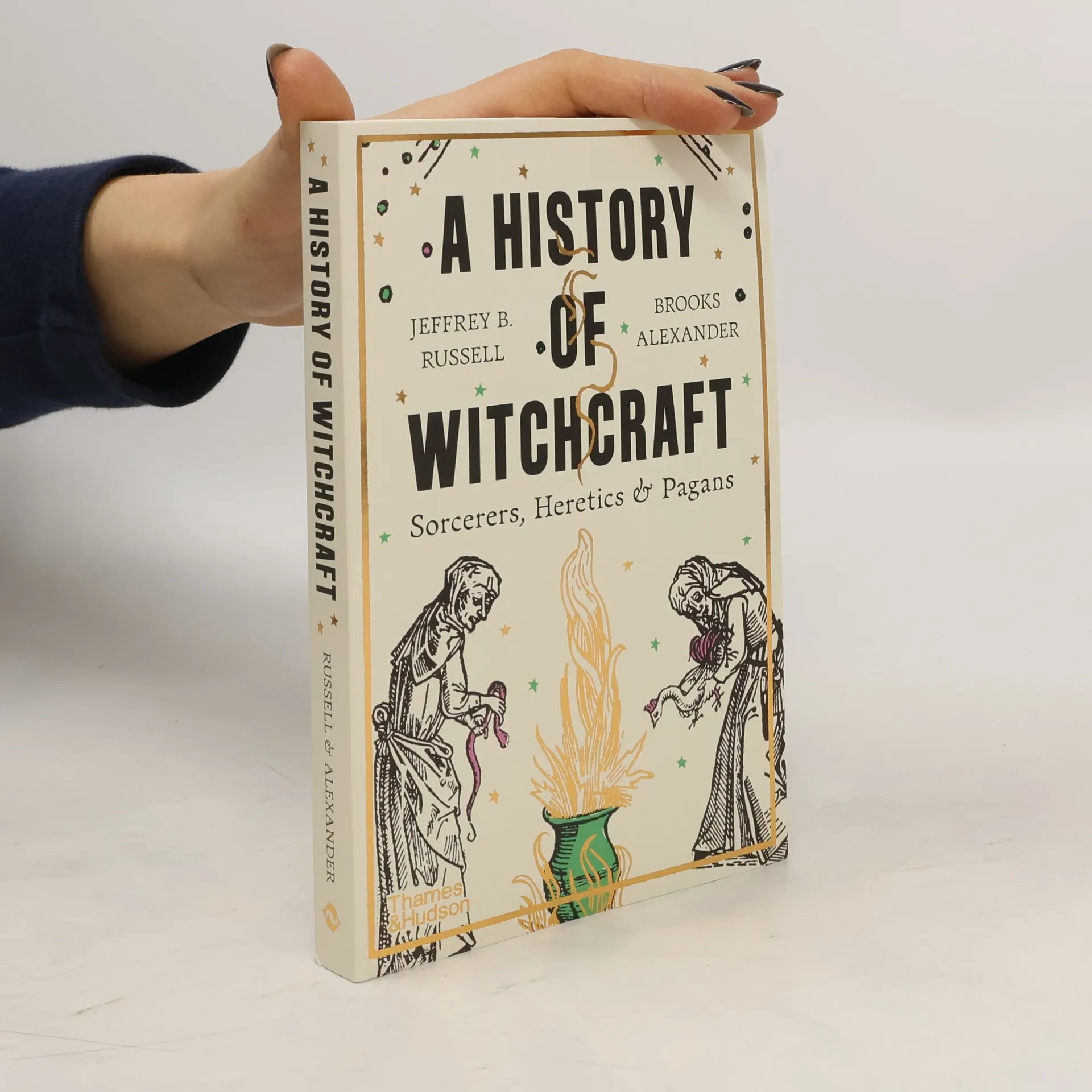
Drawing comparisons between modern sorcery and that of the ancient world, the book shows how the European witch craze in the sixteenth and seventeenth centuries developed out of a combination of ancient sorcery and medieval Christian heresy, paganism, folklore, scholastic theology, and inquisitorial trials. Whether the diabolical witchcraft for which men and women went to the stake ever existed is open to question. What matters more is that it was believed to exist by intellectuals and peasants alike.
Building on a foundation of newly discovered primary sources and recent secondary interpretations, Jeffrey Burton Russell first establishes the facts and then explains the phenomenon of witchcraft in terms of its social and religious environment, particularly in relation to medieval heresies.
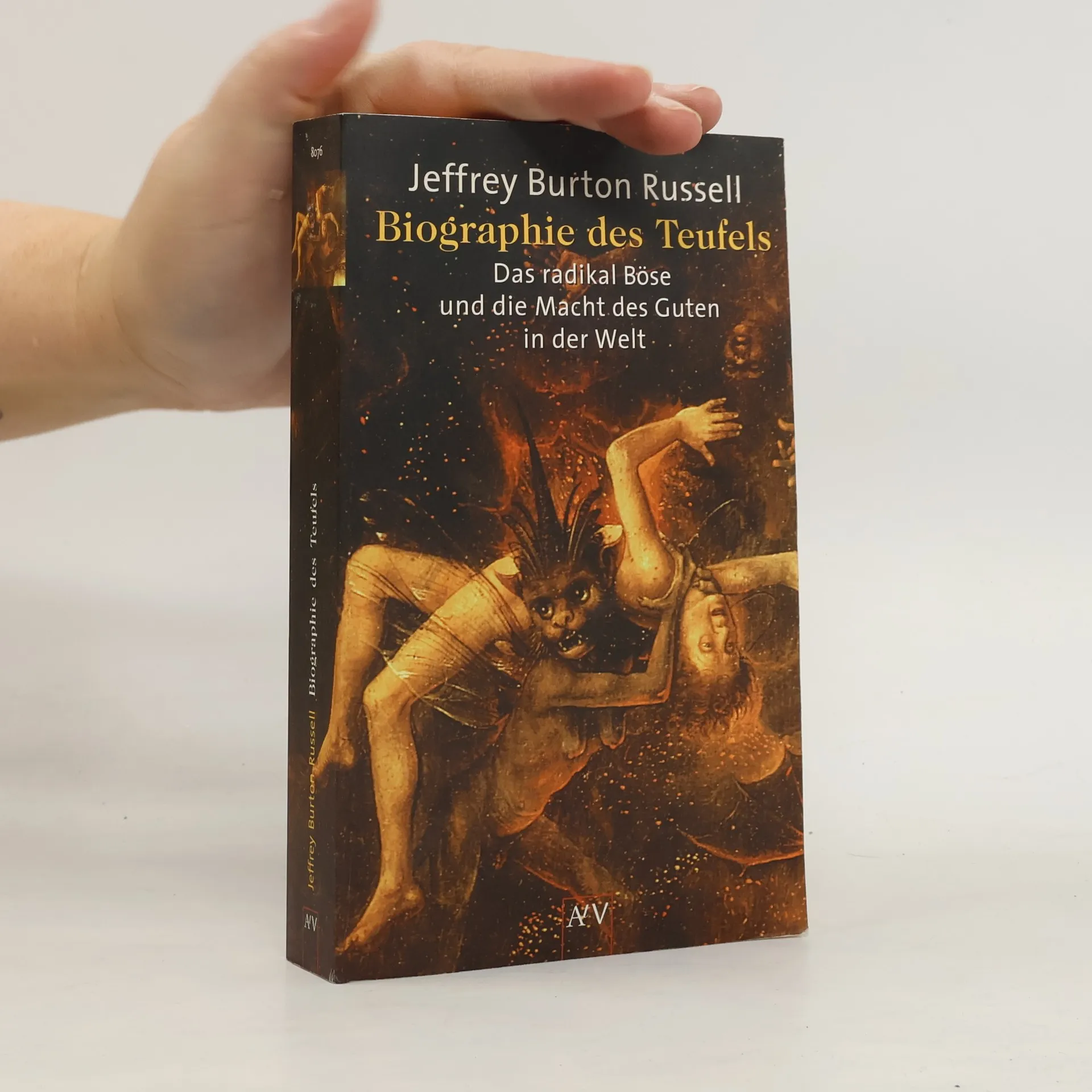
The Devil, known by many names such as Satan and Mephistopheles, has been a powerful symbol of evil throughout history. Jeffrey Burton Russell chronicles the story of the Devil from antiquity to the present, exploring how different cultures have personified evil and how humanity has grappled with the problem of radical evil. After an insightful essay on the nature of evil, Russell examines the Devil's origins in early cultures and traces its evolution in Western thought, beginning with the ancient Hebrews and continuing through the early Christian era. He delves into the medieval perspective, highlighting depictions in folklore, scholasticism, art, literature, mysticism, and witchcraft. The narrative then shifts to modern times, where Russell analyzes changes in the concept of the Devil through examples from theology, philosophy, art, literature, and popular culture. He raises critical questions about the relevance of the Devil today, considering whether he is merely an outdated superstition or if the horrors of the twentieth century necessitate a symbol of radical evil. This work serves as a single-volume distillation of Russell's extensive exploration of the nature and personification of evil, inviting readers to reflect on the enduring significance of this figure in Christianity.