Lawrence M. Krauss Libri
Il Professor Lawrence M. Krauss è un fisico teorico di fama internazionale la cui ricerca si addentra nell'interfaccia tra la fisica delle particelle elementari e la cosmologia. Indaga questioni riguardanti l'universo primordiale, la natura della materia oscura e l'origine di tutta la massa nell'universo. Il suo ampio lavoro comprende sia pubblicazioni scientifiche che articoli divulgativi, attraverso i quali si sforza di comunicare le complessità della scienza fisica a un pubblico più vasto. Krauss è riconosciuto per i suoi eccezionali contributi alla comprensione dell'universo e per la sua abilità nel trasmetterne l'essenza.


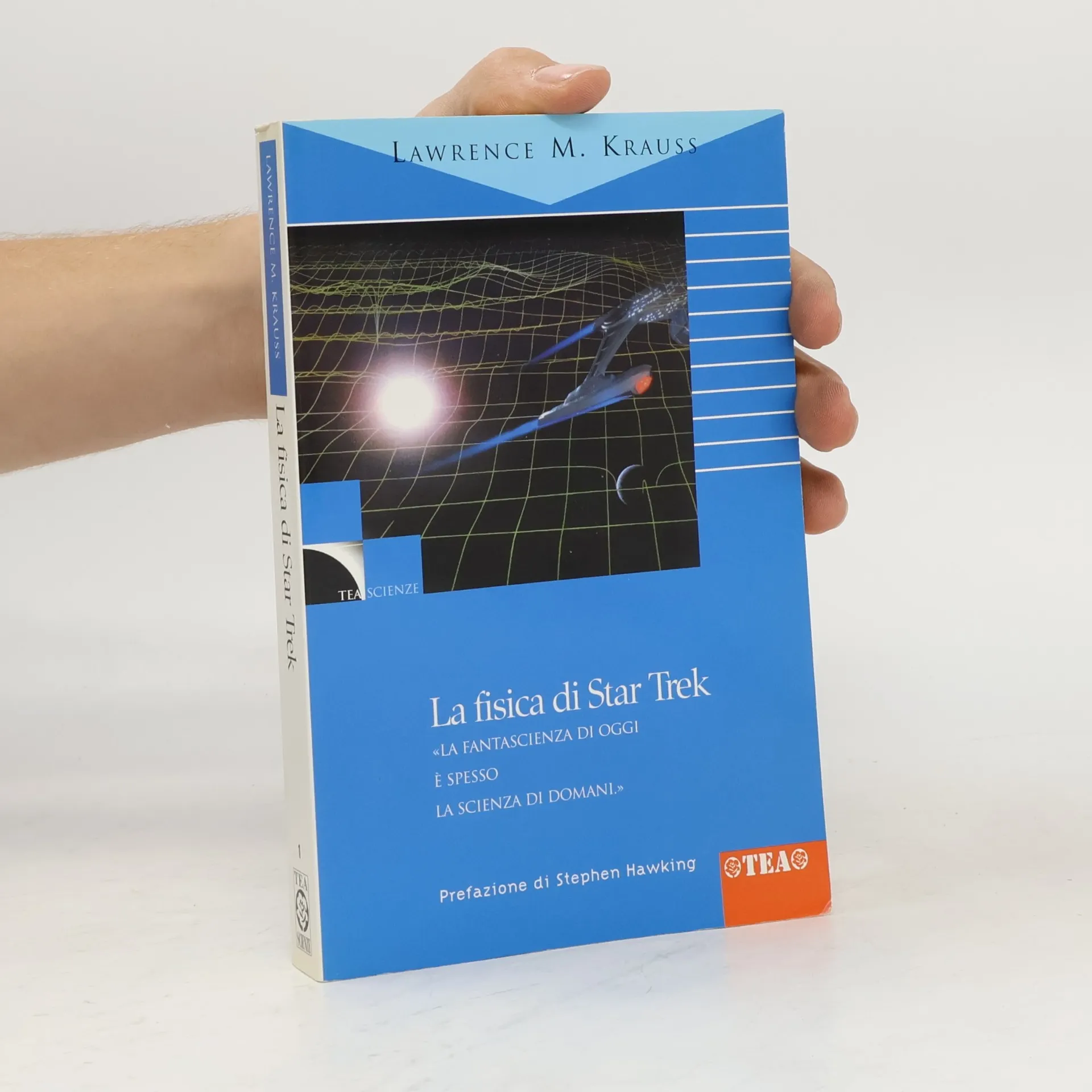
La fisica di Star Trek
- 213pagine
- 8 ore di lettura
Cosa c'è di scientificamente possibile (e cosa invece, di assurdo) nelle avventure di una delle serie televisive più amate di sempre? Le storie di "Star Trek", che raccontano le missioni dell'astronave "Enterprise" nella galassia, sono ambientate nei secoli XXIII e XXIV e gli autori si sono sforzati di immaginare quale potrebbe essere la sorte dell'uomo fra tre o quattro secoli, in una galassia ormai aperta al volo spaziale e popolata da varie civiltà intelligenti. L'autore, professore di fisica e astronomia, muovendosi al confine fra scienza e fantascienza, indaga l'universo di "Star Trek" e lo confronta con quello reale.
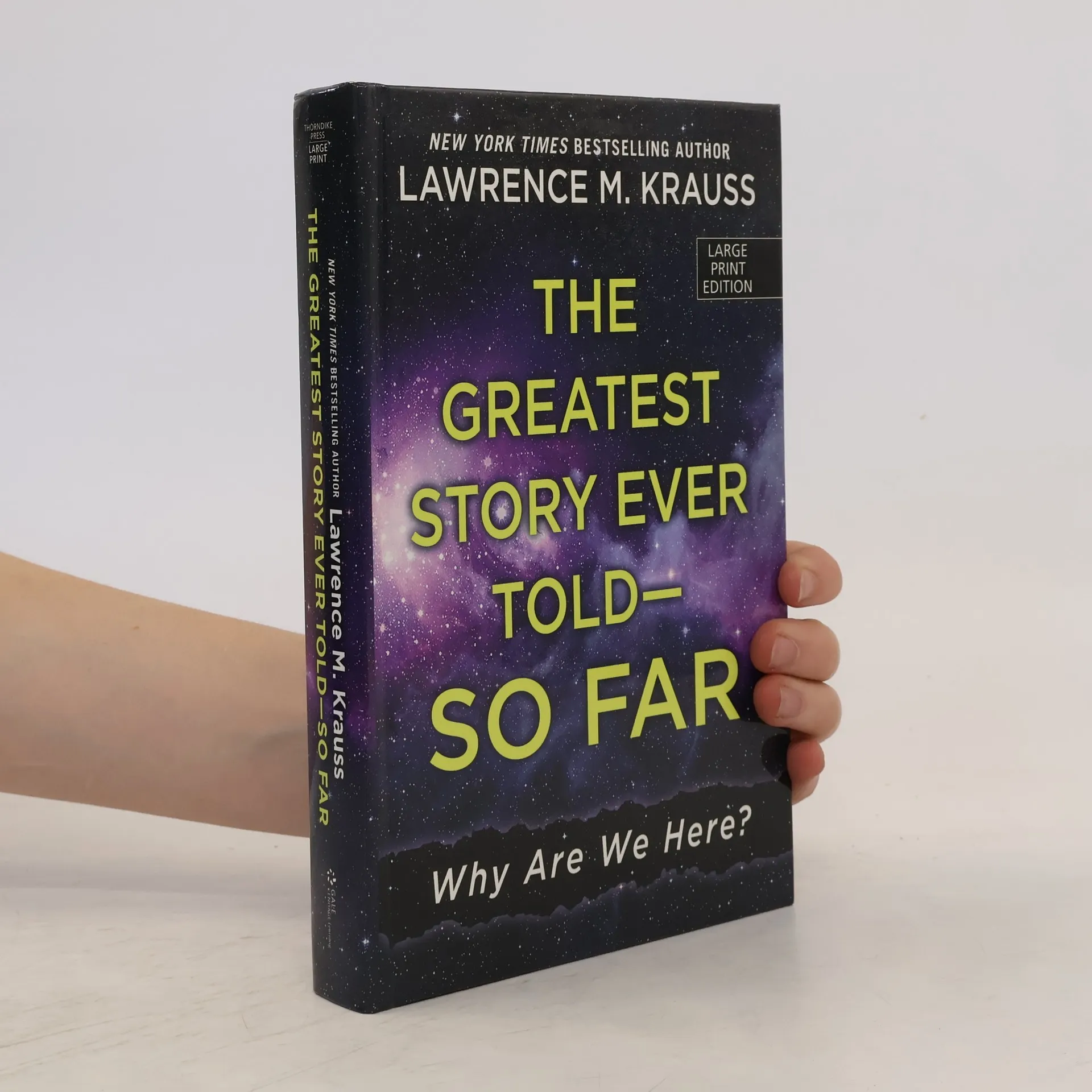
The Greatest Story Ever Told - So Far
Why Are We Here?
In A Universe from Nothing, Lawrence Krauss explained how our entire universe could arise from nothing. Now he reveals what that something -- reality -- is. And, reality is not what we think or sense -- it's weird, wild, and counterintuitive; it's hidden beneath everyday experience; and its inner workings seem even stranger than the idea that something can come from nothing. In a work of scientific history, Krauss leads us to the furthest reaches of space and time, to scales so small they are invisible to microscopes, to the birth and rebirth of light, and into the natural forces that govern our existence. His unique blend of research and storytelling invites us into the lives and minds of the scientists who have helped to unravel the unexpected fabric of reality -- with reason rather than superstition and dogma. Krauss has himself been an active participant in this effort, and he knows many of them well. The Greatest Story challenges us to re-envision ourselves and our place within the universe, as it appears that "God" does play dice with the universe
Quantum Man
- 350pagine
- 13 ore di lettura
A gripping new scientific biography of the revered Nobel Prize-winning physicist (and curious character) Richard Feynman.
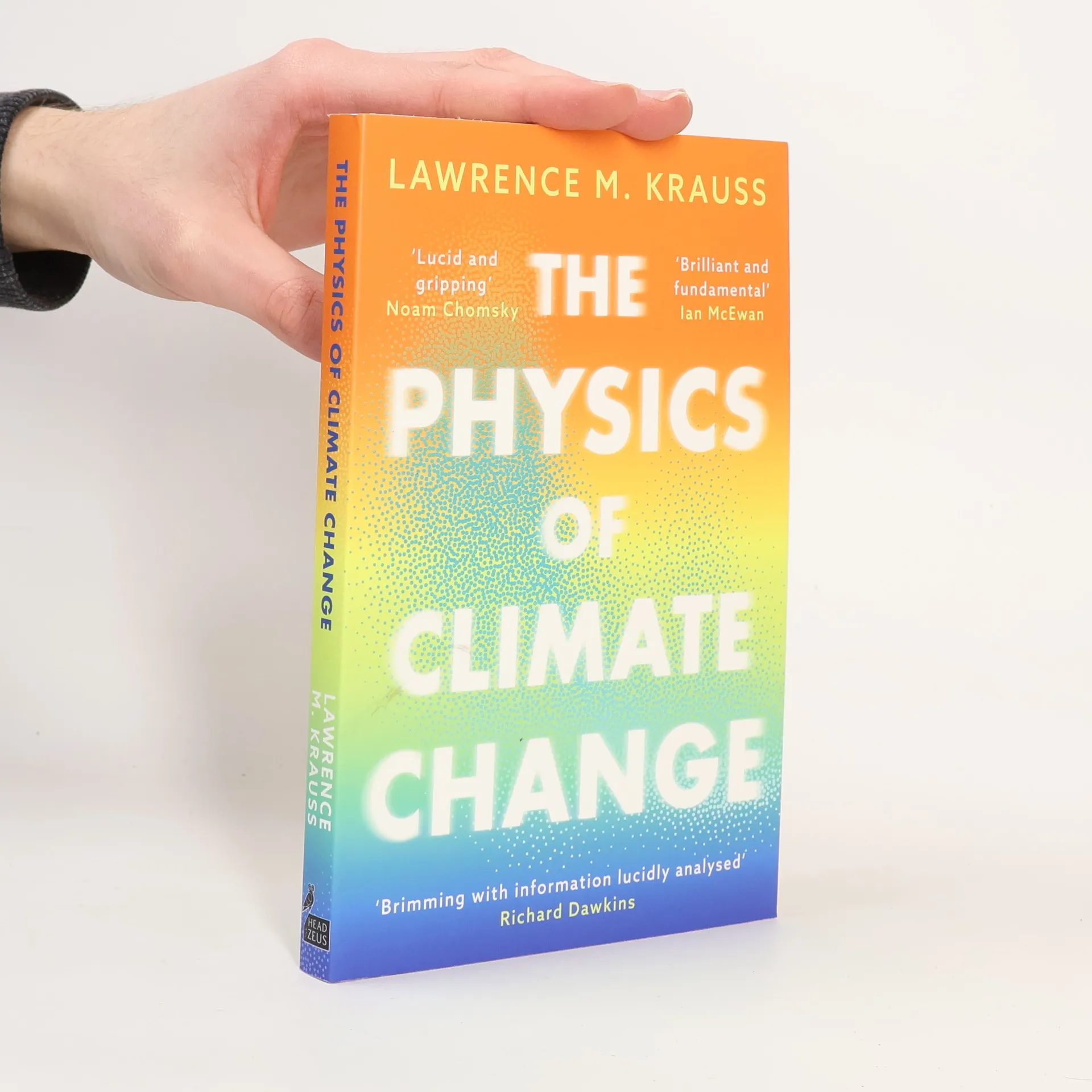
The Physics of Climate Change
- 191pagine
- 7 ore di lettura
This book presents the science of climate change in a clear and accessible manner, allowing laypeople to grasp its foundations and predictions. It is described as "brilliant and fundamental," addressing our planet's most pressing emergency with eloquence and urgency. The author, Lawrence Krauss, offers a blend of clarity and insight that transcends political discourse. Esteemed figures like Ian McEwan and Elizabeth Kolbert praise its elegance and rigor, making it ideal for anyone seeking to understand global warming. The text is characterized as a "brief, brilliant, and charming summary" of physicists' knowledge on climate change, showcasing Krauss's imaginative versatility in tackling this existential threat. Notable voices like Richard Dawkins and Noam Chomsky commend the book for its lucid analysis of the damage humans have caused and the urgent need for change. It leads readers from the basic physics of climate change to the dire prospects ahead if action is not taken. Jennifer Finney Boylan highlights Krauss's talent as both a scientist and writer, asserting that the book will transform our perspective on the future. The work is deemed essential for those seeking a comprehensive yet understandable account of climate science, making it a vital read for anyone concerned about the future of our planet.
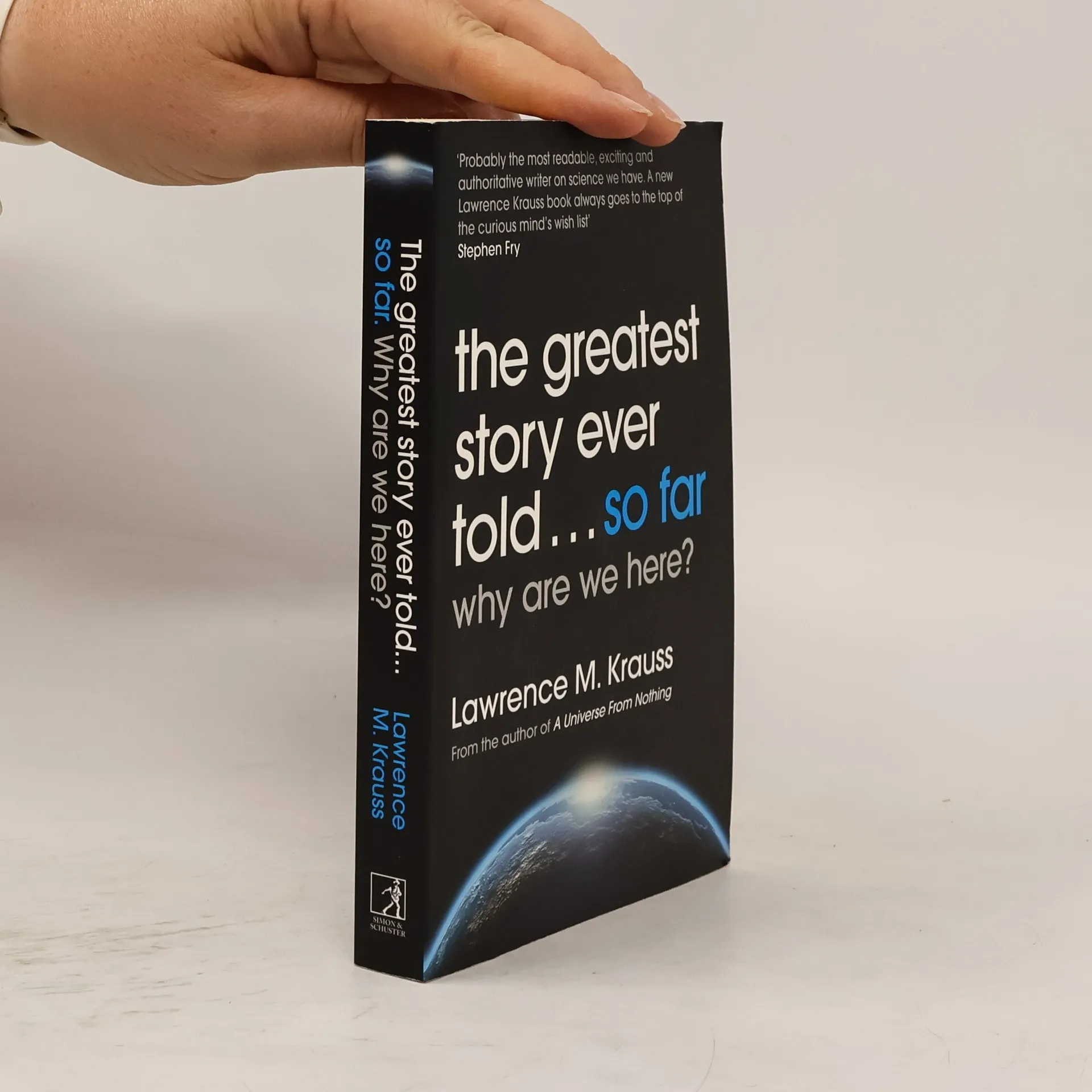
The Greatest Story Ever Told...So Far
- 322pagine
- 12 ore di lettura
Internationally renowned theoretical physicist and bestselling author, Lawrence Krauss, presents a compelling narrative about the discovery of reality's hidden world and our place within it. He begins with the notion that while light was present at the universe's inception, gravity played a crucial role, leading to a chaotic unfolding of existence. Following his exploration of how the universe can emerge from nothing, Krauss delves into the true nature of reality, which defies our perceptions—it's bizarre, unpredictable, and concealed beneath our everyday experiences. In this unprecedented scientific history, Krauss takes us on a journey to the farthest reaches of space and time, exploring scales beyond our sight, the birth of light, and the fundamental forces that shape our lives. His engaging storytelling and rigorous research illuminate the lives of the innovative scientists who have contributed to our understanding of reality through reason rather than superstition. As an active participant in this scientific endeavor, Krauss shares insights from his interactions with these remarkable individuals. The narrative challenges us to reconsider our existence in a universe where chance plays a significant role. With the incisive style characteristic of his essays, Krauss celebrates the monumental quest to comprehend our place in a reality that is often stranger than fiction.
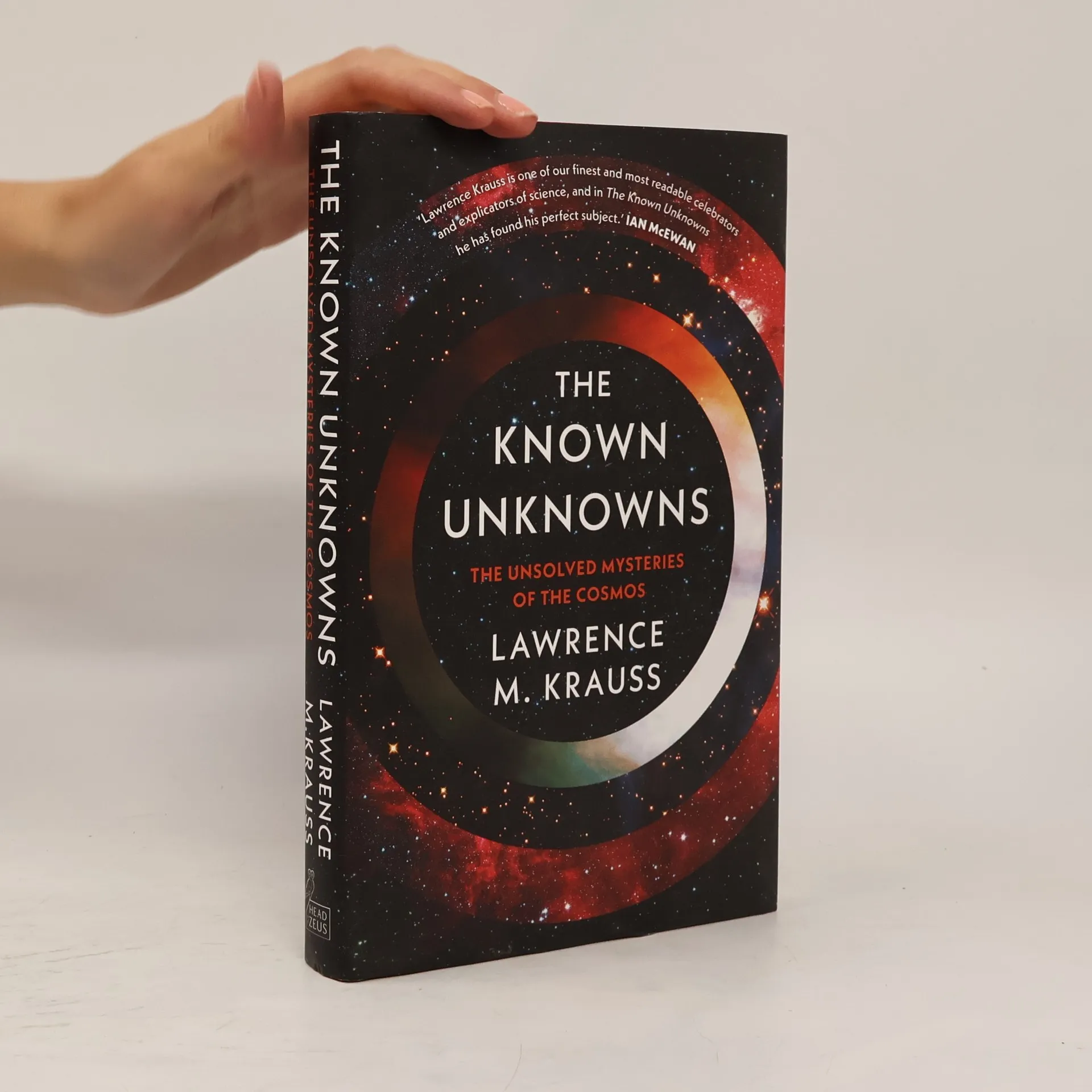
The Known Unknowns
- 272pagine
- 10 ore di lettura
Lawrence Krauss tackles twenty-five of cosmology's greatest unanswered questions that will shape the state of science over the next few decades.
This is a provocative account of the astounding new answers to the most basic philosophical question: Where did the universe come from and how will it end?
La fisica dei supereroi
- 396pagine
- 14 ore di lettura
Il più divertente, istruttivo e sorprendente manuale di fisica che abbiate mai letto. Partendo dai superpoteri degli eroi dei fumetti, un illustre scienziato costruisce una vera e propria guida alle leggi fisiche dell'universo. Da Newton all'Uomo Ragno, da Superman alla meccanica quantistica. Quanta forza serve a Superman per raggiungere con un solo balzo il tetto di un grattacielo? Come può Tempesta degli X-Men controllare gli agenti atmosferici? E quanti cheeseburger dovrebbe mangiare Flash per correre a velocità supersonica? In questo sorprendente e brillante saggio scientifico James Kakalios ci mostra che la fisica può svelare non solo il segreto della potenza dell'Uomo d'Acciaio, ma anche la reale causa di distruzione del suo pianeta d'origine, Krypton. Spaziando dall'energia alla termodinamica, alla fisica dello stato solido, Kakalios chiarisce come la Donna Invisibile dei Fantastici Quattro possa vedere quando è trasparente e ci insegna che la teoria elettromagnetica riesce a spiegare persino come il Professor X sia in grado di leggere nella mente degli altri...
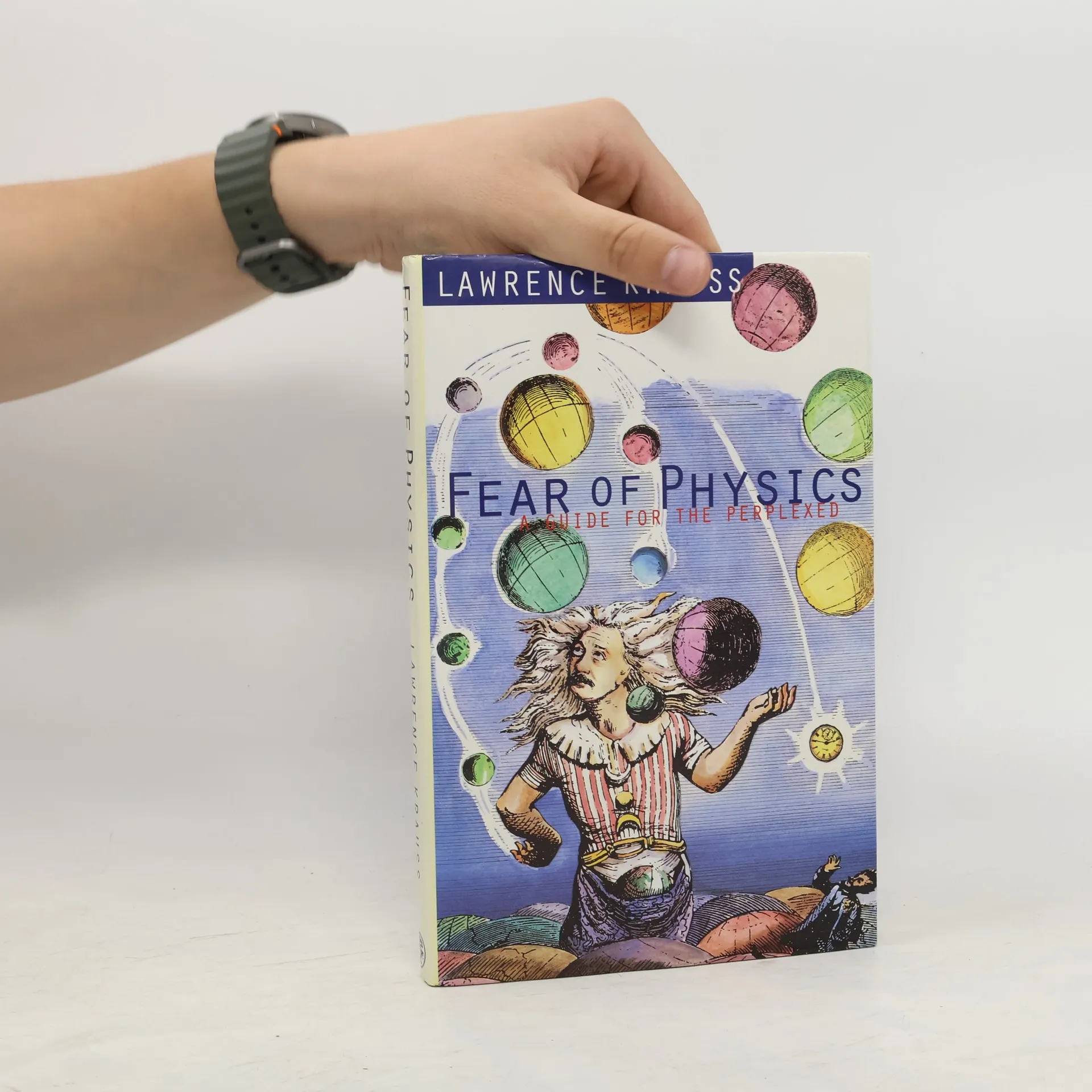
Fear of Physics
- 206pagine
- 8 ore di lettura
A look at everything from the physics of boiling water to the theories of the supercollider at the edge of the observable limits of the universe. Full of anecdotes and examples, the book takes the mystery out of physics and shows how scientists simplify the world in order to explain it.
Beyond Star Trek: From Alien Invasions to the End of Time
- 208pagine
- 8 ore di lettura
In the bestselling The Physics of Star Trek, the renowned theoretical physicist Lawrence Krauss took readers on an entertaining and eye-opening tour of the Star Trek universe to see how it stacked up against the real universe. Now, responding to requests for more as well as to a number of recent exciting discoveries in physics and astronomy, Krauss takes a provocative look at how the laws of physics relate to notions from our popular culture -- not only Star Trek, but other films, shows, and popular lore -- from Independence Day to Star Wars to The X-Files. What's the difference between a flying saucer and a flying pretzel? Why didn't the aliens in Independence Day have to bother invading Earth to destroy it? What's new with warp drives? What's the most likely scenario for doomsday? Are ESP and telekinesis impossible? What do clairvoyance and time travel have in common? How might quantum mechanics ultimately affect the fate of life in the universe?
Hiding in the Mirror
The Mysterious Allure of Extra Dimensions, from Plato to String Theory and Beyond
- 276pagine
- 10 ore di lettura
An exploration of mankind's fascination with worlds beyond our own-by the bestselling author of The Physics of Star Trek Lawrence Krauss -an international leader in physics and cosmology-examines our long and ardent romance with parallel universes, veiled dimensions, and regions of being that may extend tantalizingly beyond the limits of our perception. Krauss examines popular culture's current embrace (and frequent misunderstanding) of such topics as black holes, life in other dimensions, strings, and some of the more extraordinary new theories that propose the existence of vast extra dimensions alongside our own. BACKCOVER: "An astonishing and brilliantly written work of popular science." -Science a GoGo "A brilliant, thrilling book . . . You'll have so much fun reading that you'll hardly notice you're getting a primer on contemporary physics and cosmology." -Walter Isaacson, author of Benjamin Franklin: An American Life
The War on Science
Who's Waging It, Why It Matters, What We Can Do About It
- 514pagine
- 18 ore di lettura
The book explores the critical role of informed citizenry in governance, as emphasized by Thomas Jefferson. It delves into the current landscape where scientific progress faces significant threats from a coordinated war on science, encompassing identity politics, ideology, and industrial interests. This conflict has led to a troubling decline in rational discourse within Western democracies, where evidence-based decision-making is increasingly overshadowed by populism and vocal minorities, affecting crucial areas like climate change, health care, and technology.
The Biology of "Star Trek"
- 272pagine
- 10 ore di lettura
It's a routine mission for the Enterprise-D, tasked with surveying a Class-M planet for potential colonization. As the principal investigator, you're called to action when Captain Picard orders a search for life signs. In this engaging volume, a research geneticist and a psychiatrist explore the intriguing biological questions raised by Star Trek. They delve into topics such as the plausibility of blue humanoids, the climate of Vulcan, and the physiological changes in Klingons over centuries. The authors scrutinize the Federation's technological advancements, questioning the workings of food replicators and the scientific basis for sickbay equipment. They also discuss the possibility of genetically enhancing intelligence, akin to Dr. Bashir's enhancements. The Jenkinses draw parallels between the Star Trek universe and our reality, finding earthly counterparts to phenomena like Vulcan's Pon farr and creatures reminiscent of the crystalline entity. They introduce the concept of trill symbionts, prompting readers to reflect on the billions of life-forms within us. This authoritative book is filled with insights into contemporary biology, from cloning humans to advanced prosthetics that would impress the Borg. It also highlights NASA's challenges with long-duration space missions. Whether you're a genetics expert or a casual fan of biology, this book enhances your appreciation for the wonders of Star Trek.
Známý astrofyzik a autor knihy The Physics of Star Trek poodhaluje ve své práci roušku tajemství nad historií atomu kyslíku od vzniku částic ve velkém třesku přes tvorbu prvků ve hvězdách až k úloze kyslíku pro život organismů. Přitažlivým způsobem seznamuje s málo známými fakty z teorie elementárních částic a podává základy termodynamiky a atomové fyziky. Čtenář tak v knize najde všechno to, co se nemohl dozvědět z knih Hawkingových, Weinbergových či Daviesových.
This explains everything : deep, beautiful, and elegant theories of how the world woks
- 432pagine
- 16 ore di lettura
In This Explains Everything, John Brockman, founder and publisher of Edge.org, asked experts in numerous fields and disciplines to come up with their favorite explanations for everyday occurrences. Why do we recognize patterns? Is there such a thing as positive stress? Are we genetically programmed to be in conflict with each other? Those are just some of the 150 questions that the world's best scientific minds answer with elegant simplicity. With contributions from Jared Diamond, Richard Dawkins, Nassim Taleb, Brian Eno, Steven Pinker, and more, everything is explained in fun, uncomplicated terms that make the most complex concepts easy to comprehend.
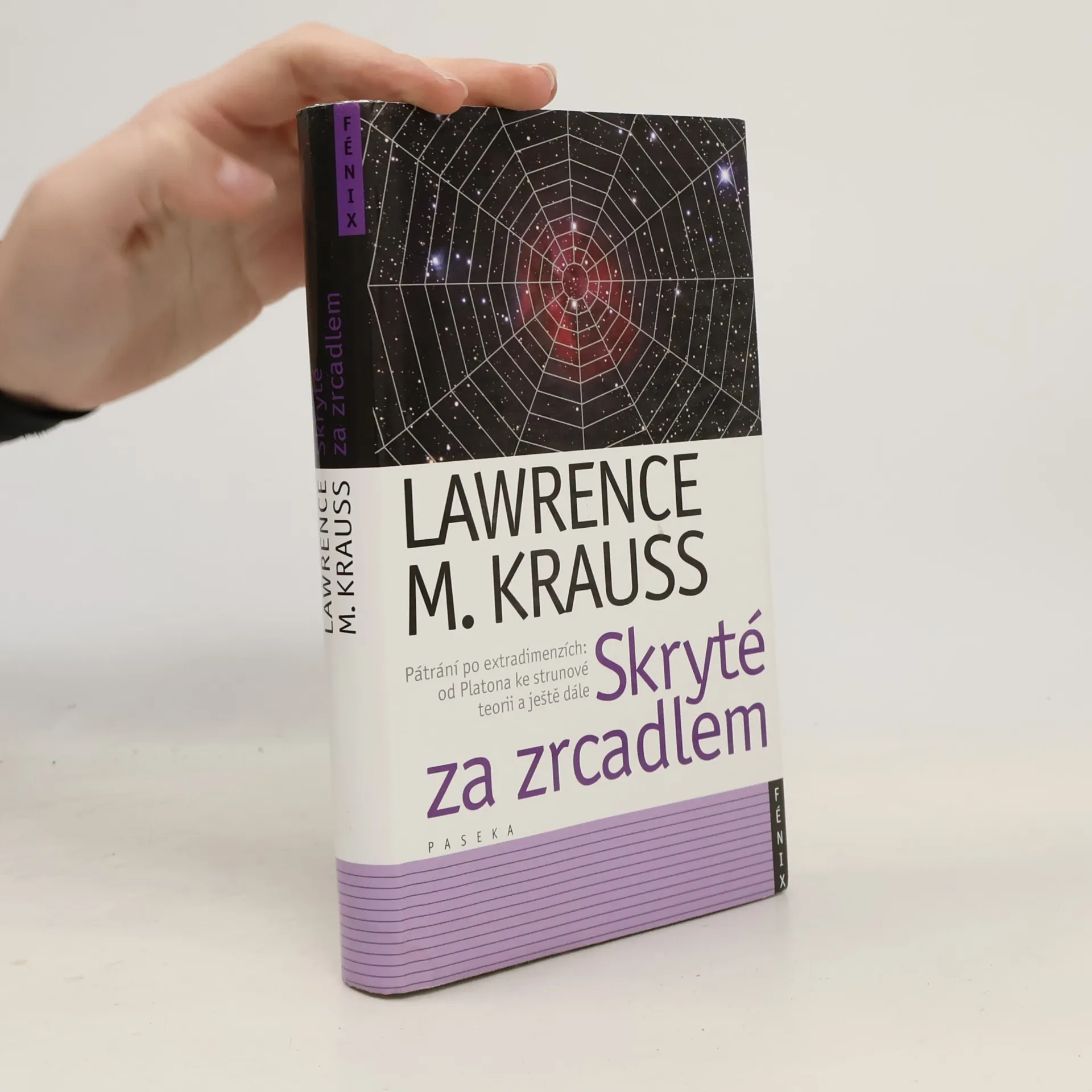
Skryté za zrcadlem: pátrání po extradimenzích – od Platóna ke strunové teorii a ještě dále. Světově uznávaná kapacita ve fyzice a kosmologii a jeden z nejlepších autorů populárně-vědeckých knih seznamuje ve své knize s dlouhou a vzrušující cestou k paralelním vesmírům, tajemným rozměrům a končinám, které se svůdně rozkládají za hranicemi našich představ o vesmíru. Vede čtenáře od Platonovy jeskyně k Území soumraku, od Einsteinova epochálního objevu relativity k teorii strun, od Letopisů Narnie C. S. Lewise k radikální kubistické transformaci reality. Naše fascinace extradimenzemi nezahrnuje jen abstraktní spekulace, dodatečné dimenze možná skrývají skutečný klíč k hlubokému porozumění univerzu.
Die Entschlüsselung des Universums ist das größte Abenteuer der Menschheit Warum sind wir hier? Diese Frage steht hinter dem jahrtausendealten Versuch der Menschen, die Welt, in der wir leben, zu begreifen. Lawrence Krauss, einer der bekanntesten Astrophysiker der Gegenwart, erzählt die Geschichte dieses größten geistigen Abenteuers der Menschheit: Schritt für Schritt zu entschlüsseln, wie das Universum entstanden ist, woraus es besteht, wie es funktioniert und welche Rolle wir darin spielen, kurz, die Entdeckung der verborgenen Welt hinter der wahrnehmbaren Realität im Großen wie im Kleinen. Packend und anschaulich schildert er die Entwicklung der wissenschaftlichen Erkenntnisse bis hin zu dem faszinierenden Bild, das die Physik unserer Zeit von den rätselhaften Strukturen und Kräften des Universums zeichnet.
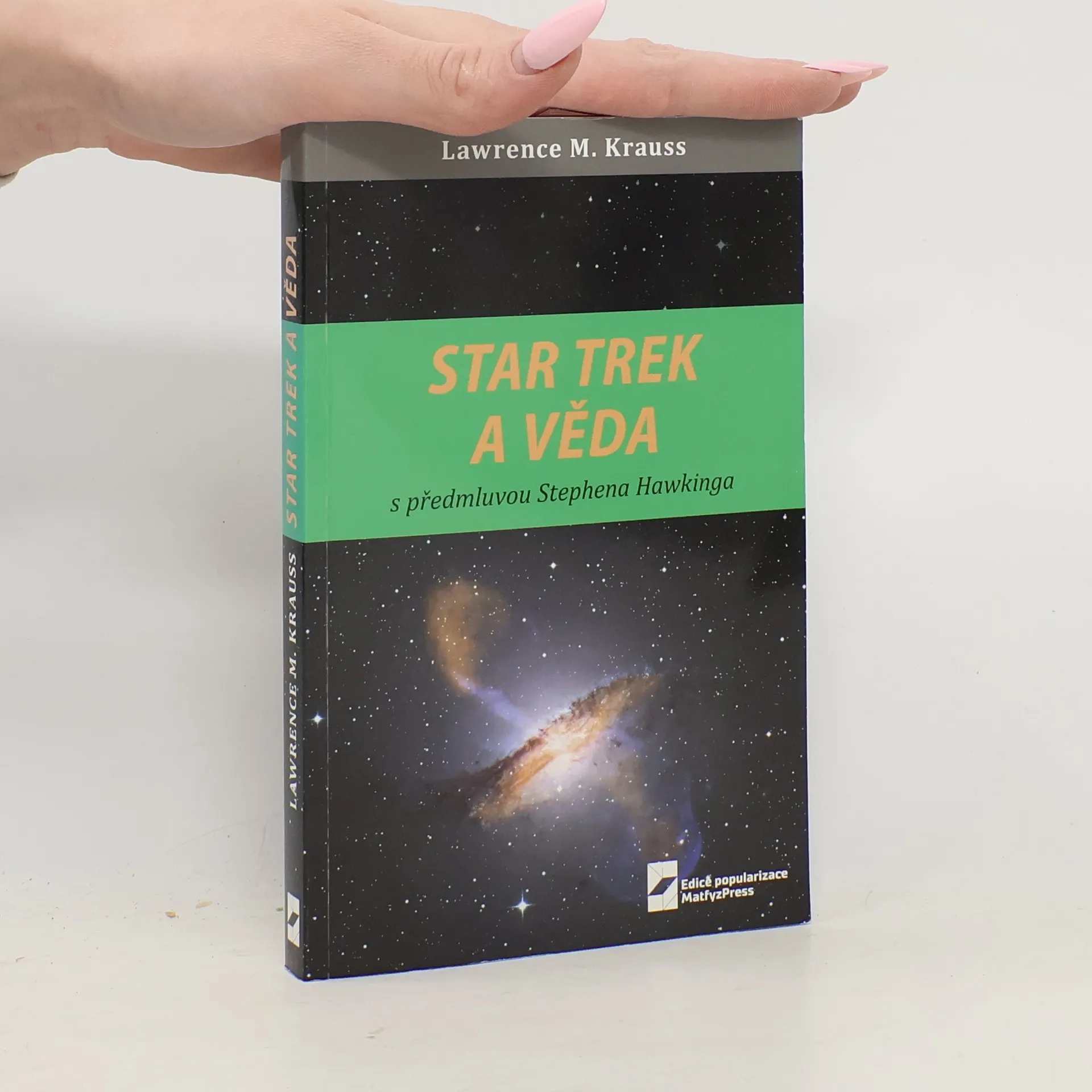
Star Trek a věda
- 222pagine
- 8 ore di lettura
Kniha Star Trek a věda (původní název The Physics of Star Trek) reaguje na svět sci-fi série Star Trek. Ta se stala od počátku šedesátých let minulého století celosvětovým fenoménem. Její specifikum je mimo jiné i v optimistickém pohledu na budoucnost lidstva založeném na mírovém využití výsledků vědeckého poznání a technologického pokroku. Komunita příznivců Star Treku je velice rozšířená. Také u nás se najde mezi lidmi s obecným zájmem o vědu a techniku spousta „trekkies“. Autor se věnuje teoretickým i praktickým základům sci-fi rekvizit jako jsou manipulace prostorem, časem, gravitací, budoucími obtížemi „skutečné“ teleportace, výroby a skladování antihmoty, možností počítačových simulací a holograie nebo možnosti vzniku a detekce života ve vesmíru. Přes toto všechno kniha nevyžaduje od čtenáře žádné speciální znalosti.V nejnáročnějších pasážích nepředpokládá více než znalost fyziky střední školy.