Cahiers d'Art
Rivista internazionale d'arte e cultura


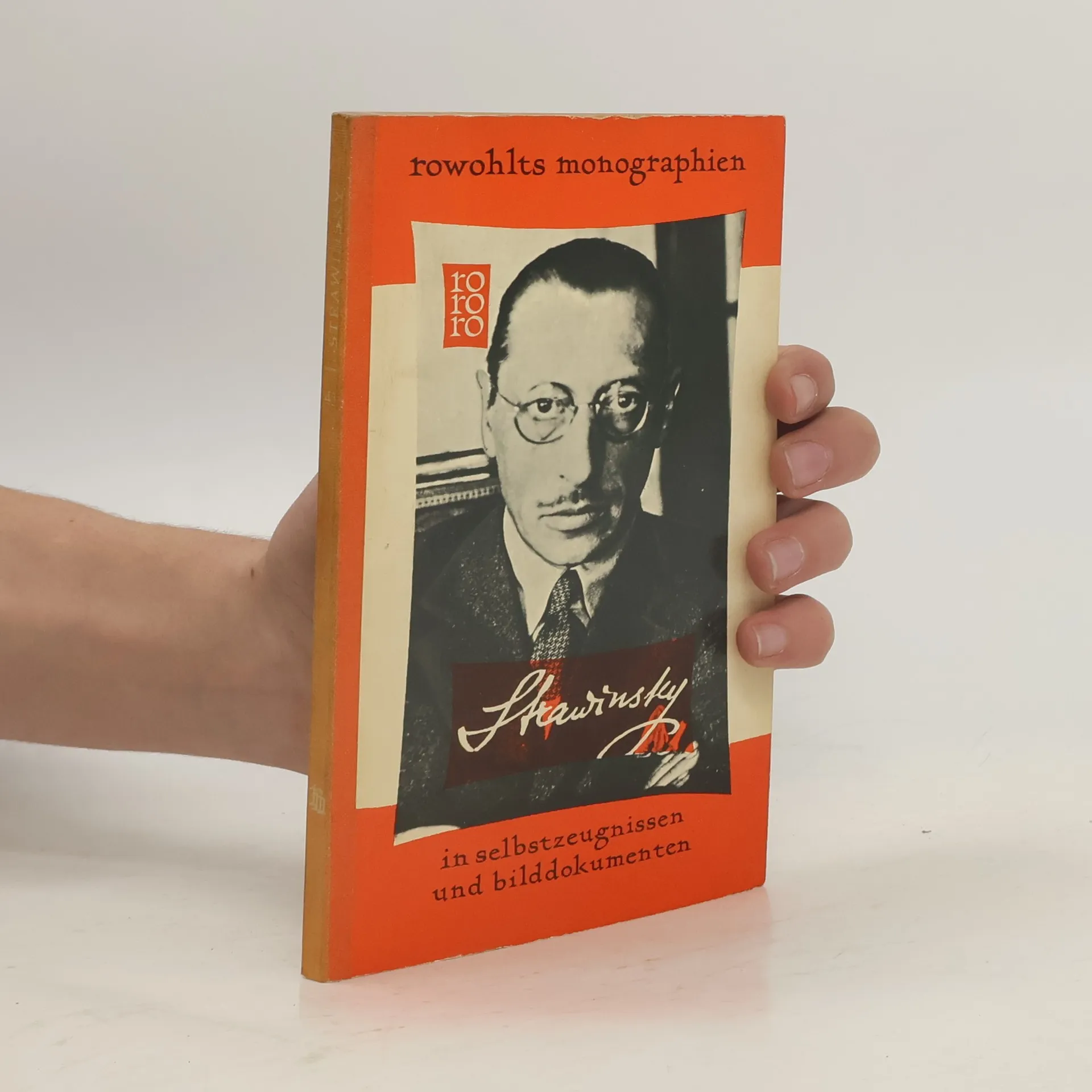
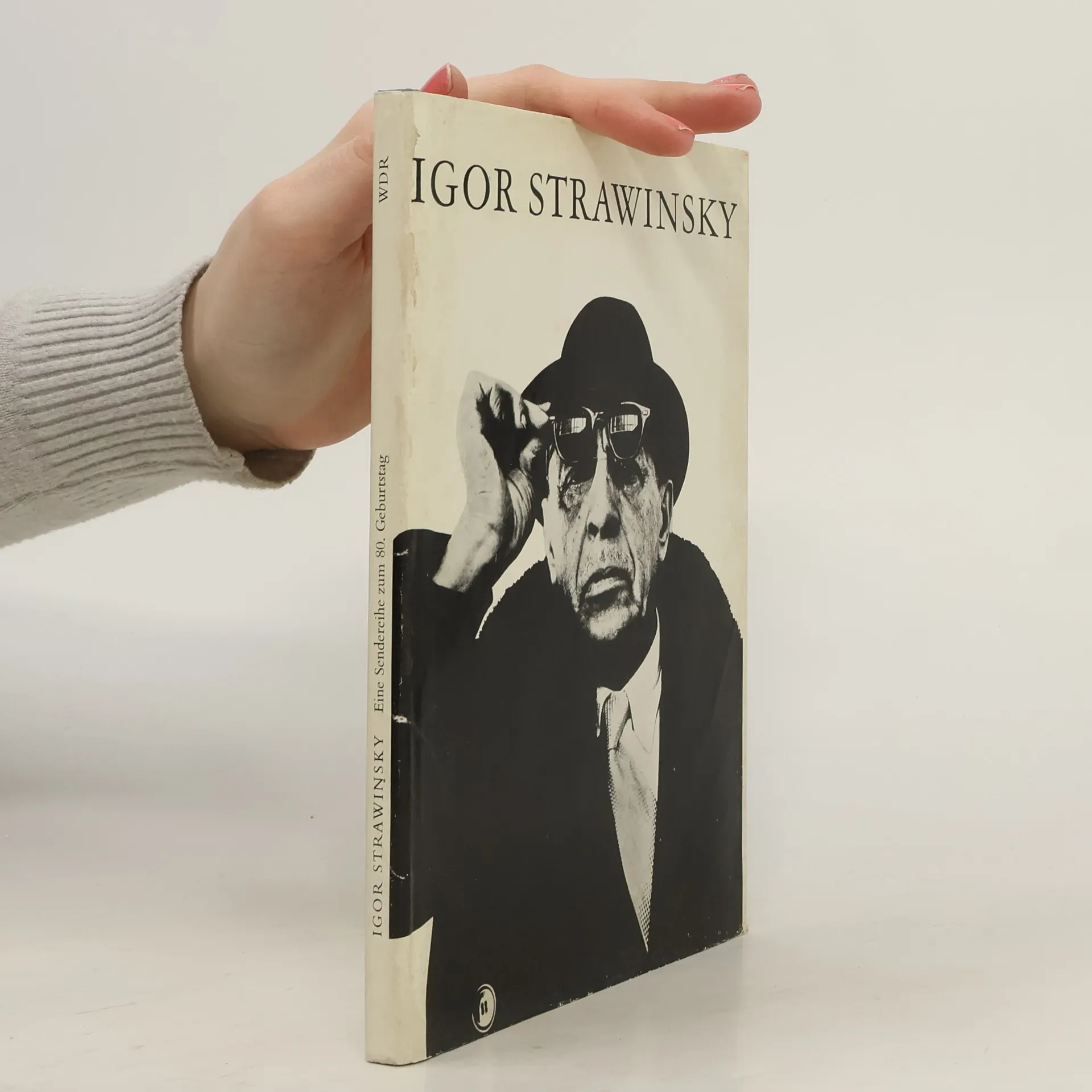
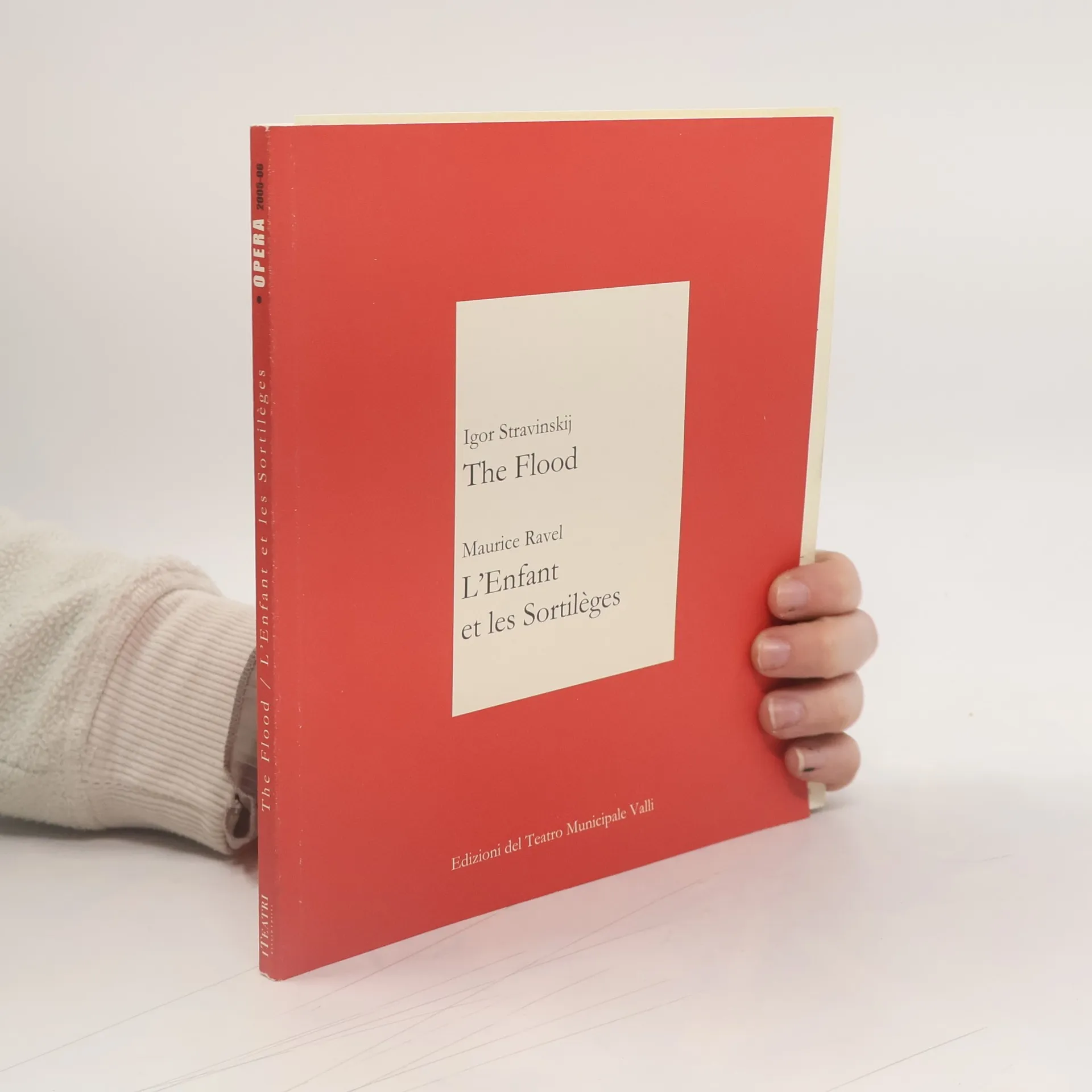
Igor Stravinsky si erge come un titano della musica del XX secolo, ampiamente riconosciuto come uno dei compositori più significativi e influenti. La sua opera possedeva uno spirito intrinsecamente cosmopolita che risuonò a livello globale. Oltre alle sue composizioni innovative, Stravinsky si guadagnò anche fama come pianista e direttore d'orchestra formidabile, spesso salendo sul podio per le prime delle sue stesse opere. È interessante notare la sua affermazione che la musica, per sua stessa natura, è impotente nell'esprimere alcunché.

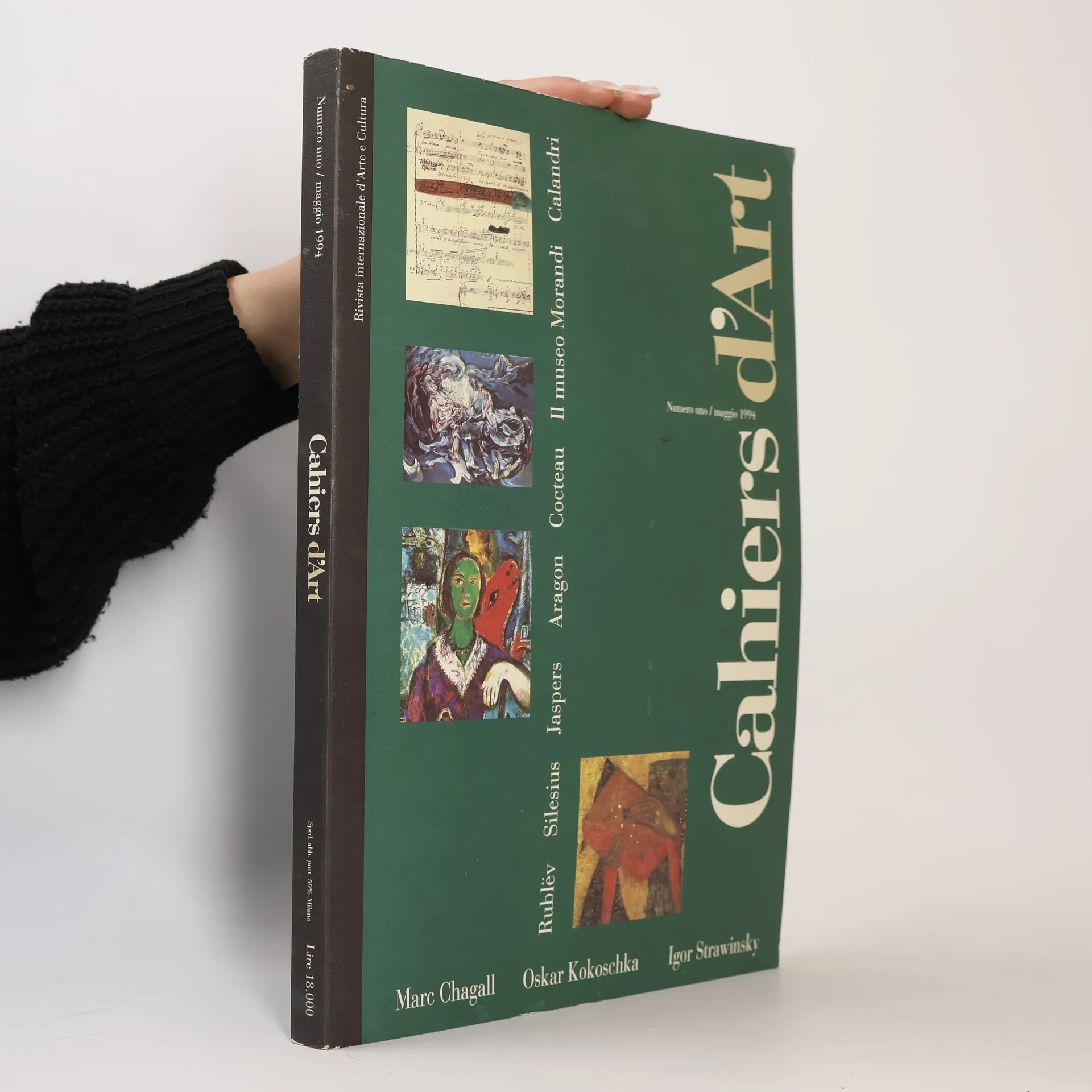
Rivista internazionale d'arte e cultura
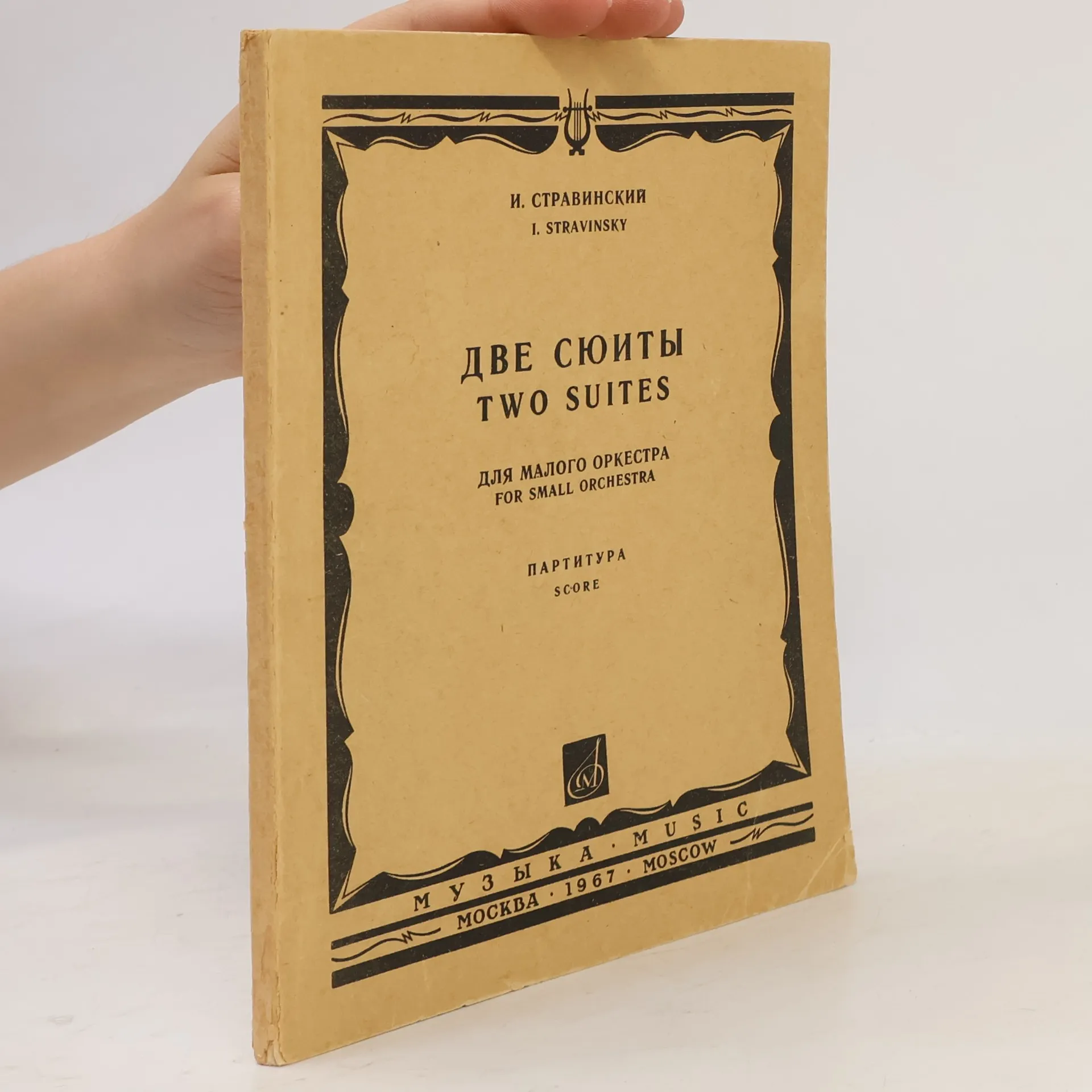
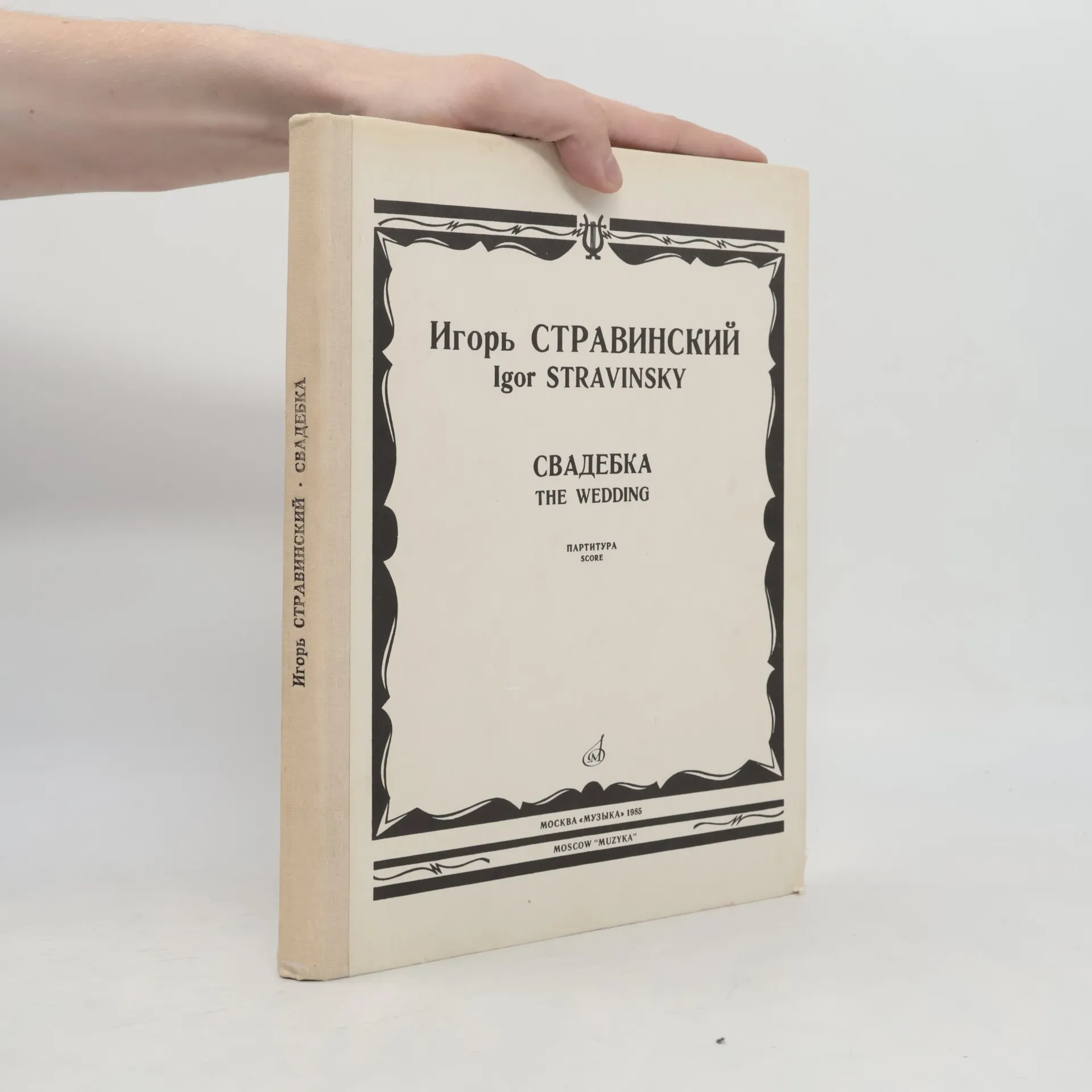
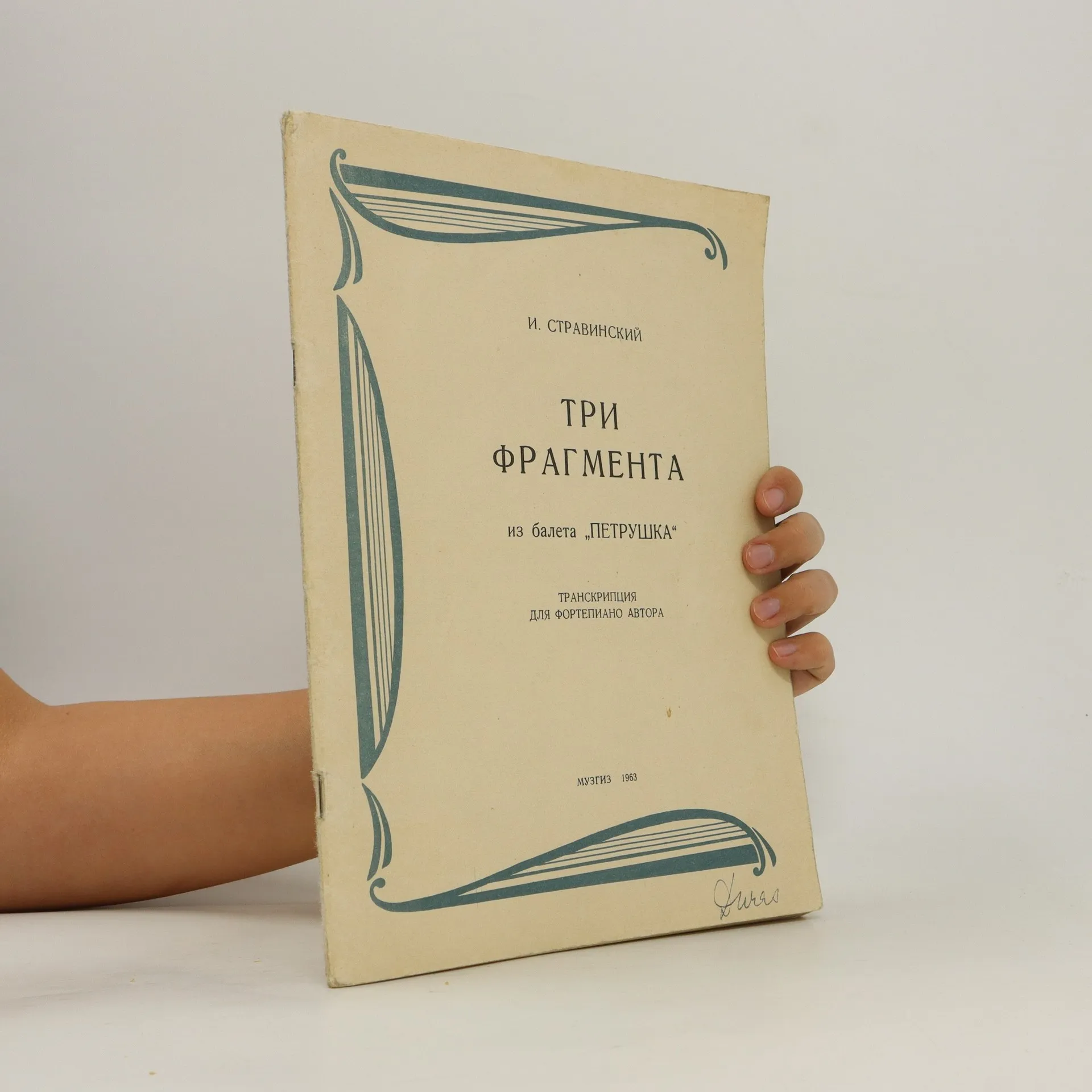
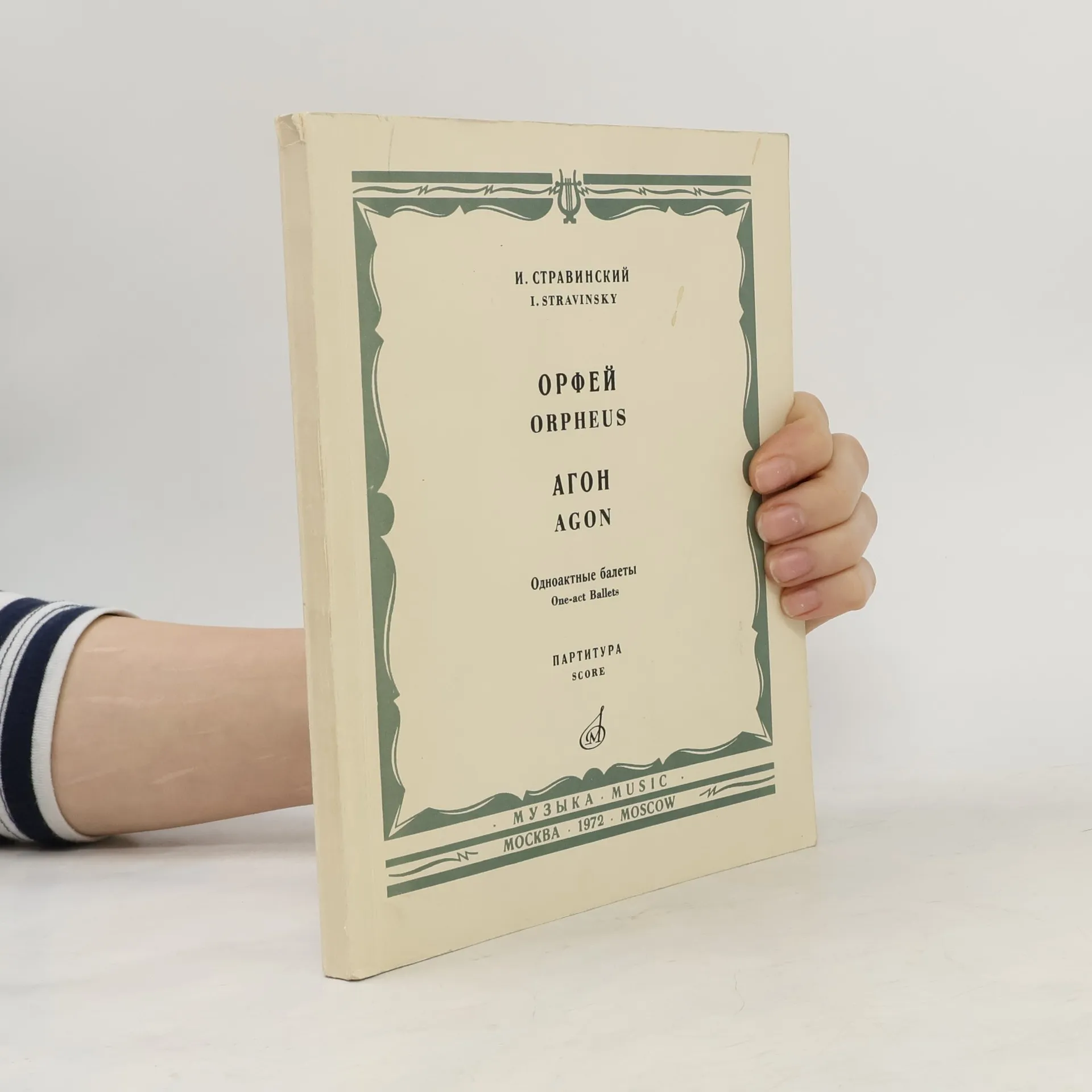
Одноактные балеты. One-act Ballets. Партитура. Score
Poème symphonique
Для малого оркестра
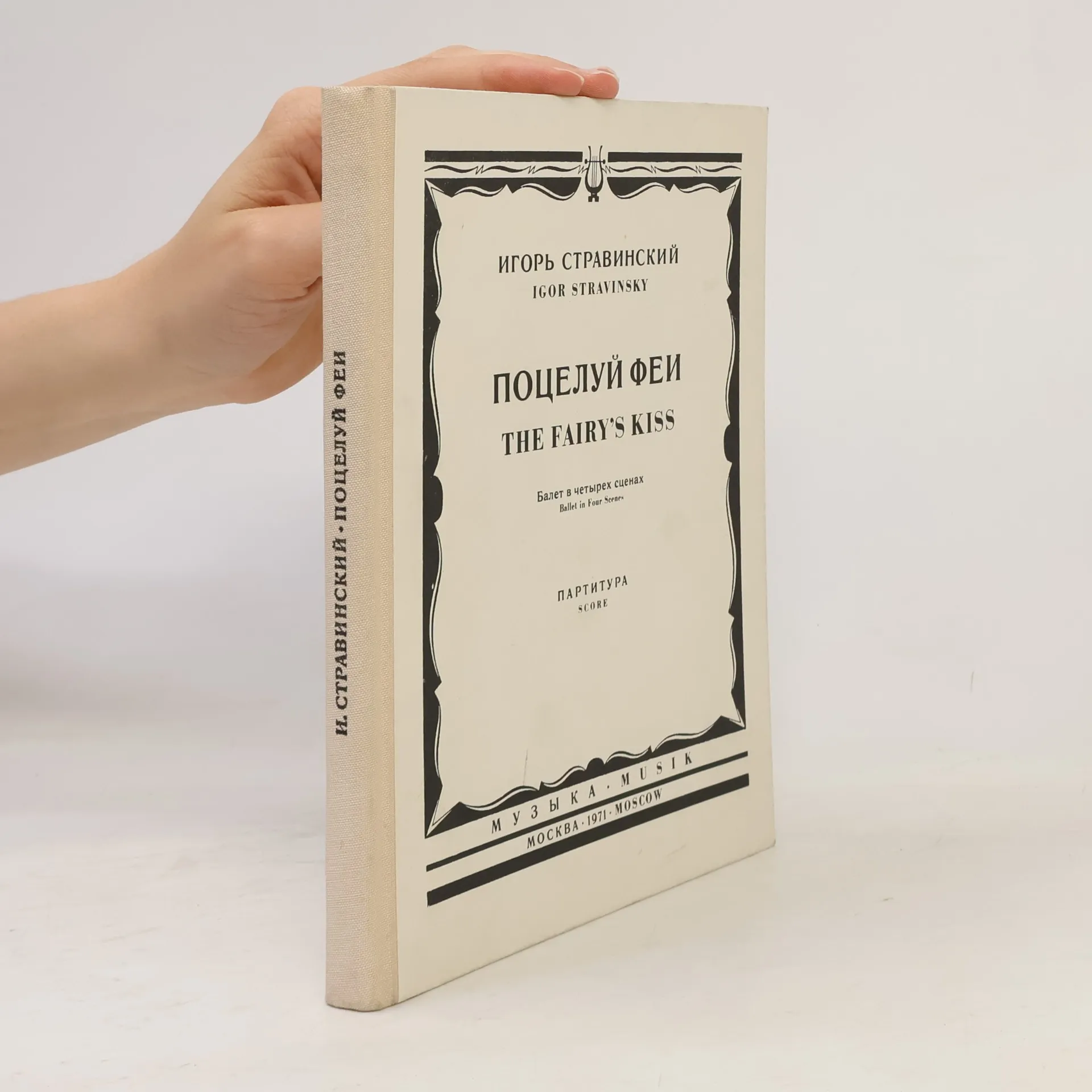
Балет в четырех сценах
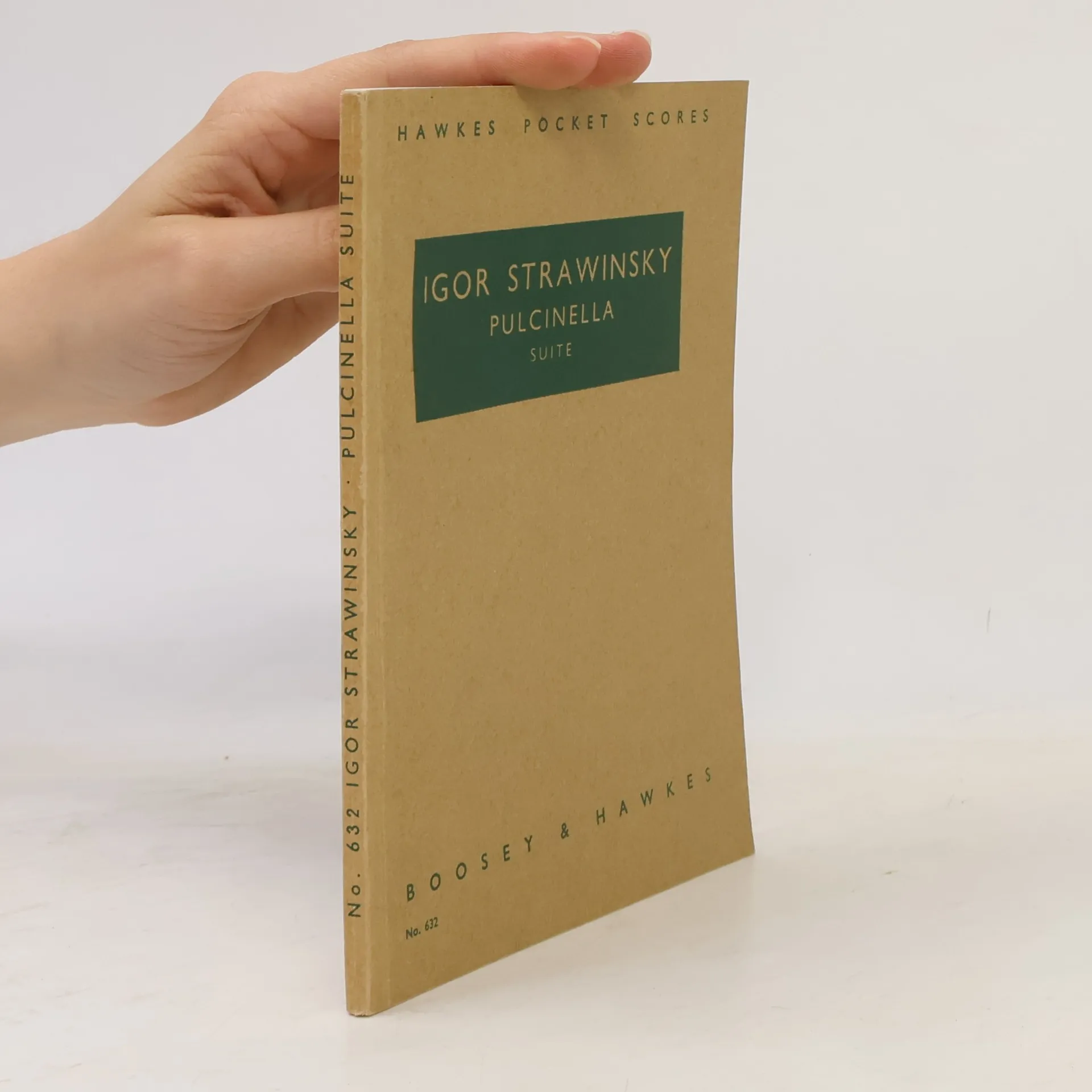
No. 632
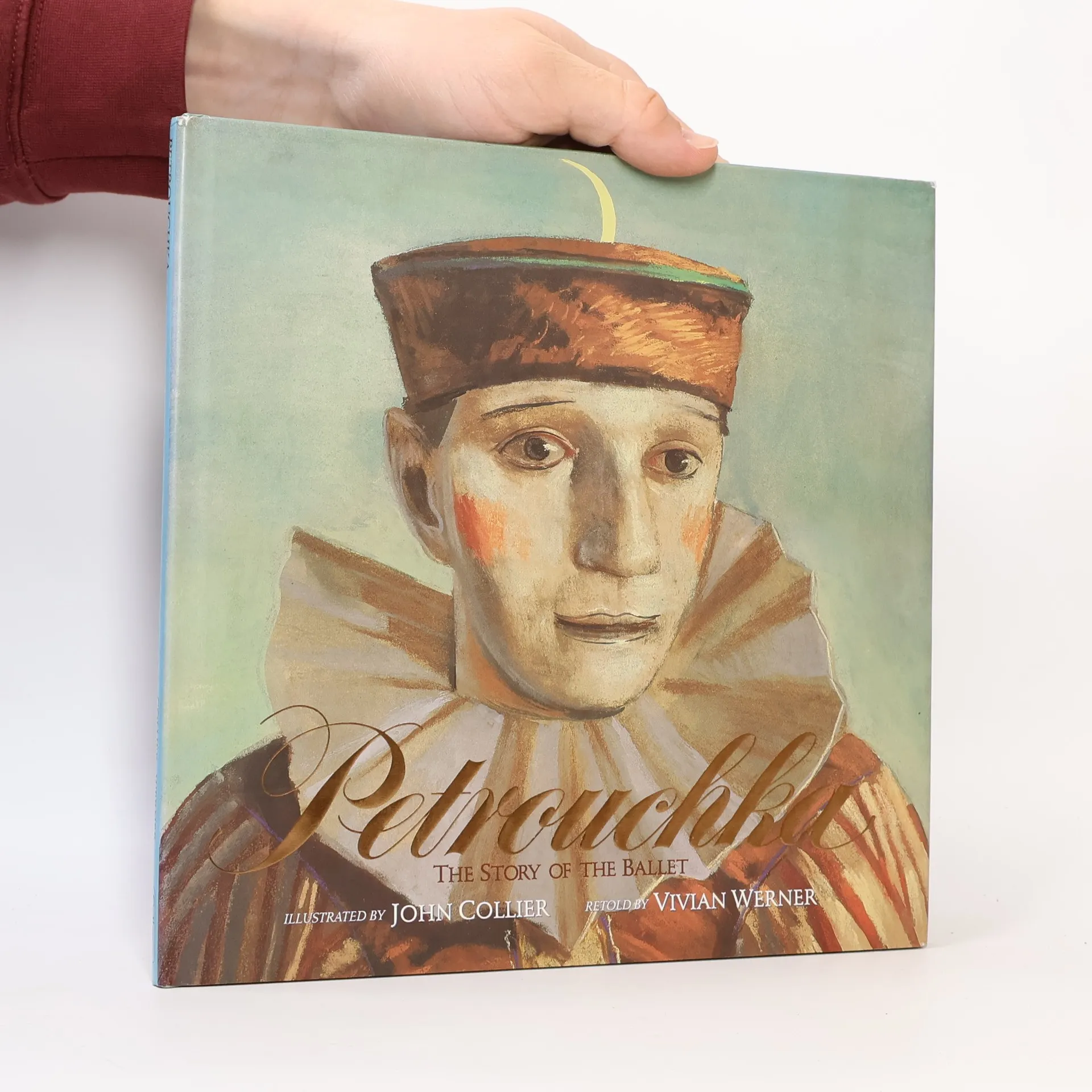
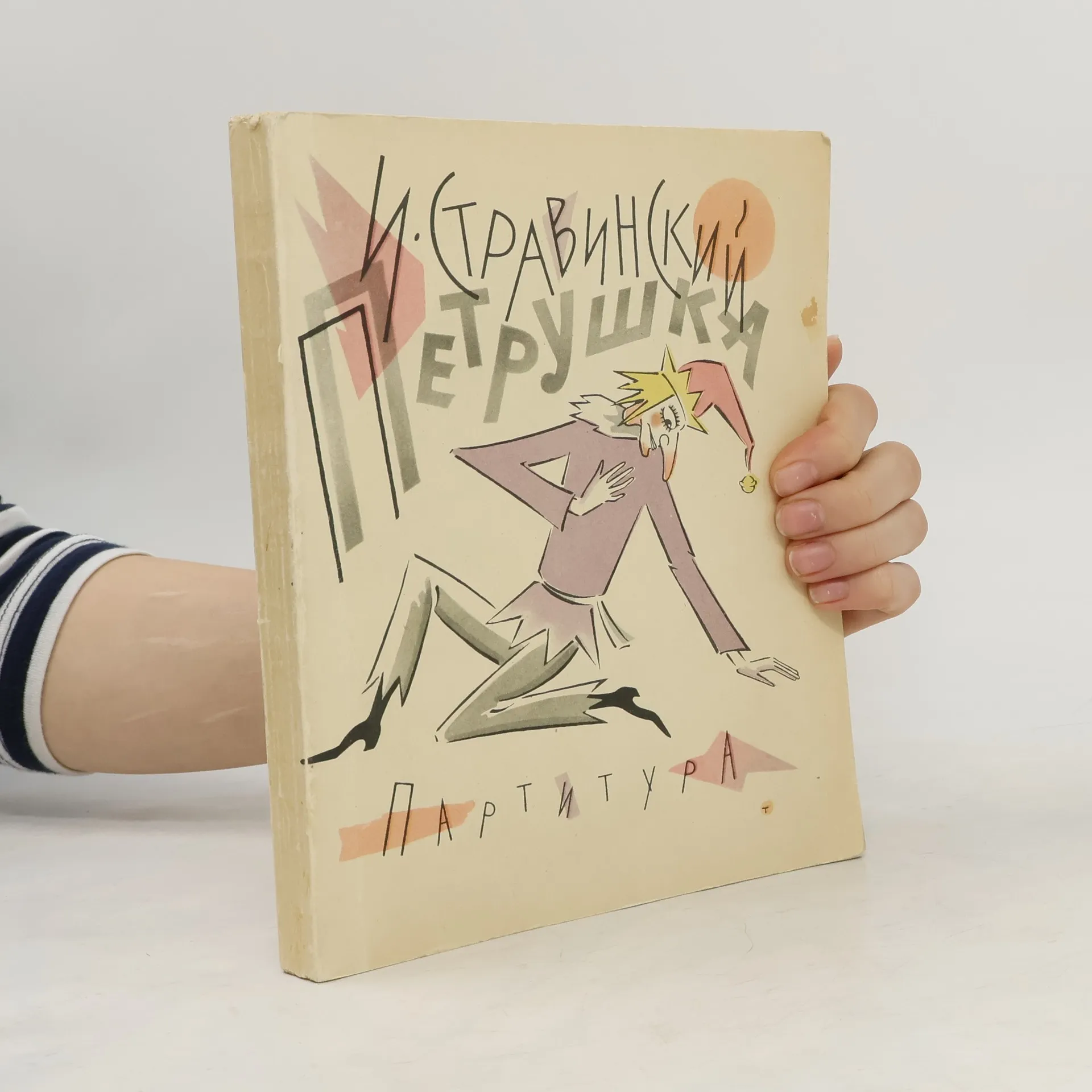
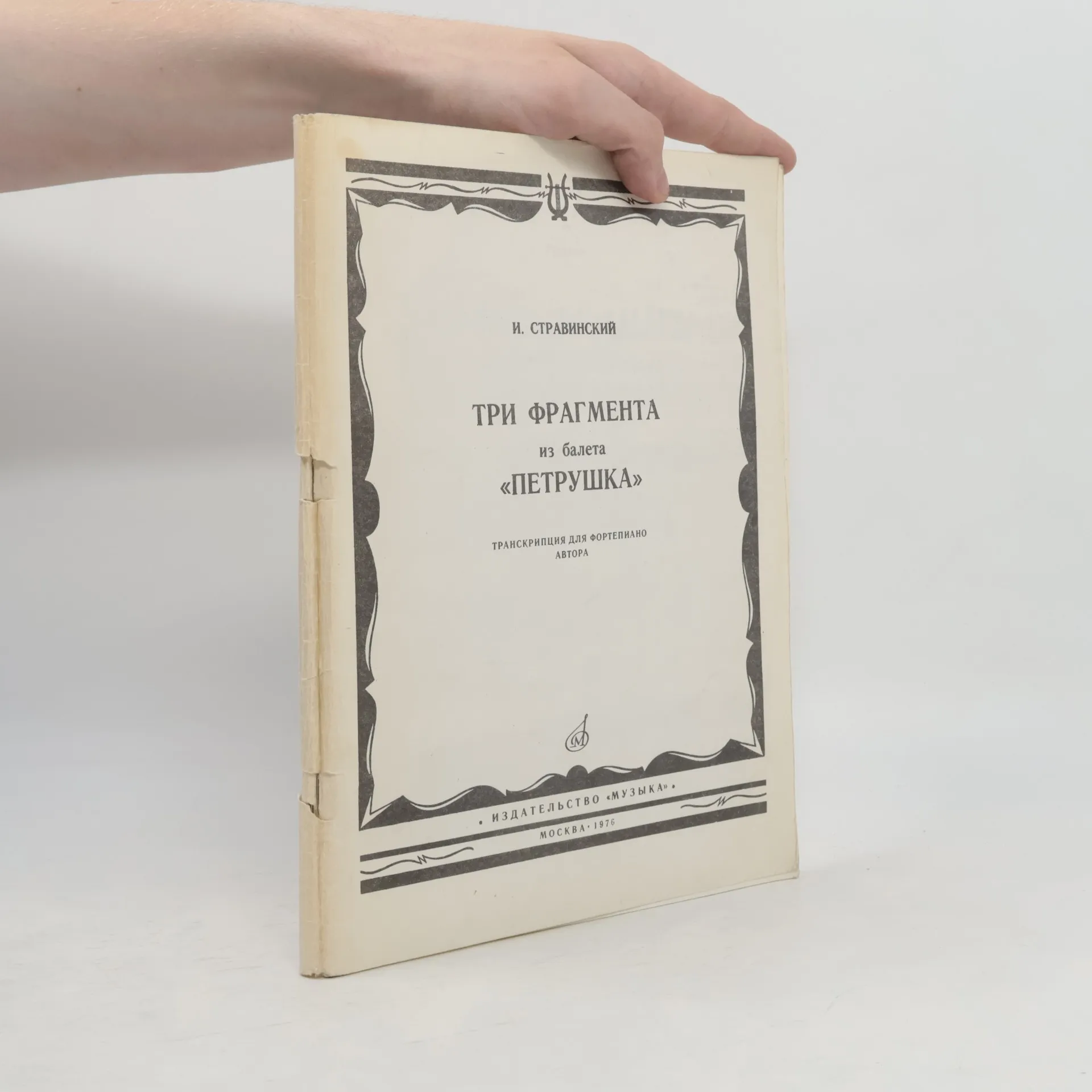
On Shrove Tuesday, the annual Shrovetide Fair in St. Petersburg features a booth labeled 'Living Theatre.' An old magician appears, playing a haunting tune on his flute, commanding three life-size puppets to dance: the beautiful Ballerina, the powerful Moor, and the limp Petrouchka. As the performance unfolds, the audience senses something deeper than mere puppetry. The dolls, though stiff and seemingly lifeless, evoke emotions that suggest they possess their own lives and passions. Stravinsky's classic ballet has captivated audiences since Vaslav Nijinsky's debut in 1911. Petrouchka, a tragicomic figure from Russian folklore, embodies the essence of a clown—ridiculous yet profoundly human. His heart-wrenching story of longing for freedom resonates with all, making him more than just a puppet. This interpretation of the tale is vividly illustrated by renowned American artist John Collier, while Vivian Werner's lyrical text invites readers of all ages to immerse themselves in one of the most compelling narratives in twentieth-century ballet.
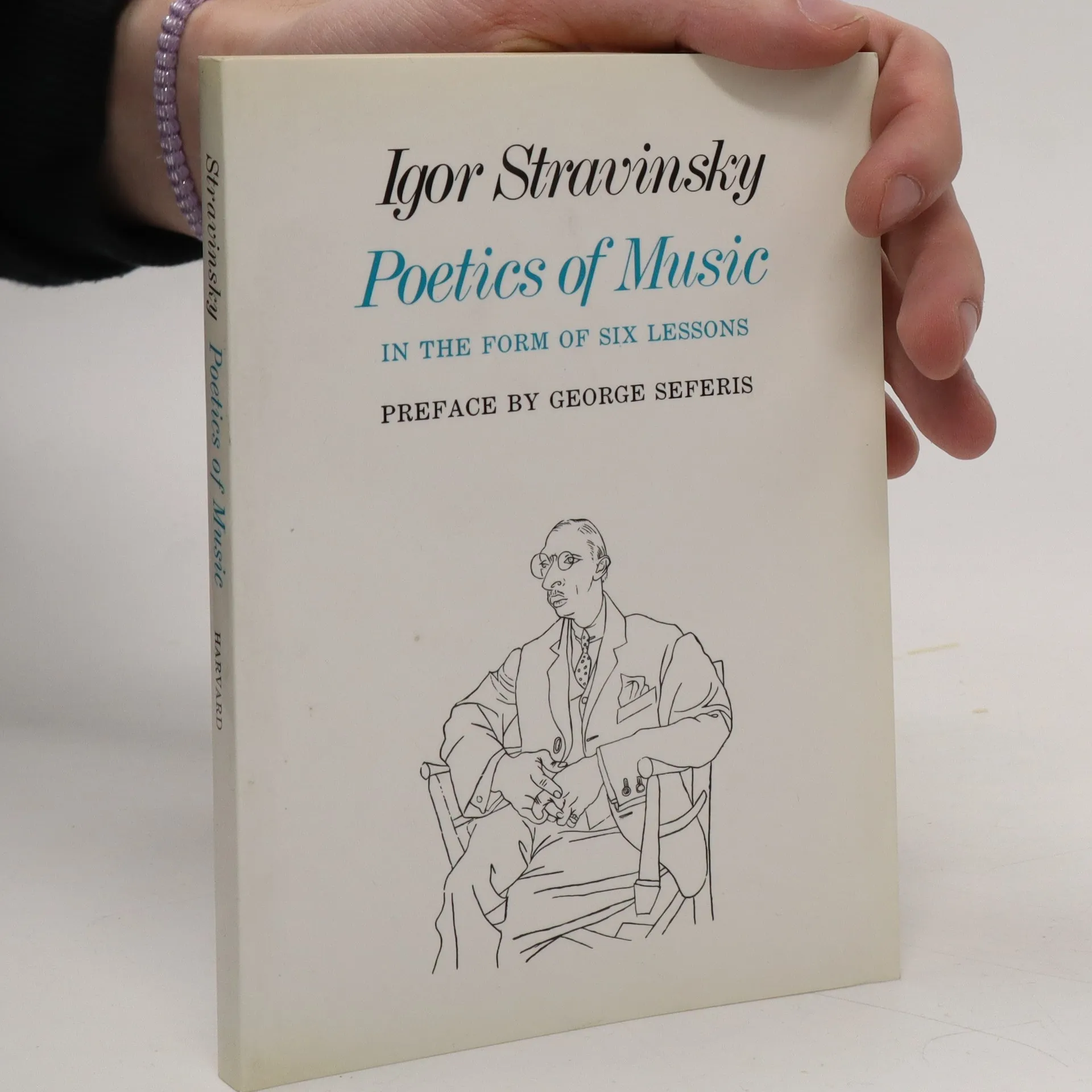
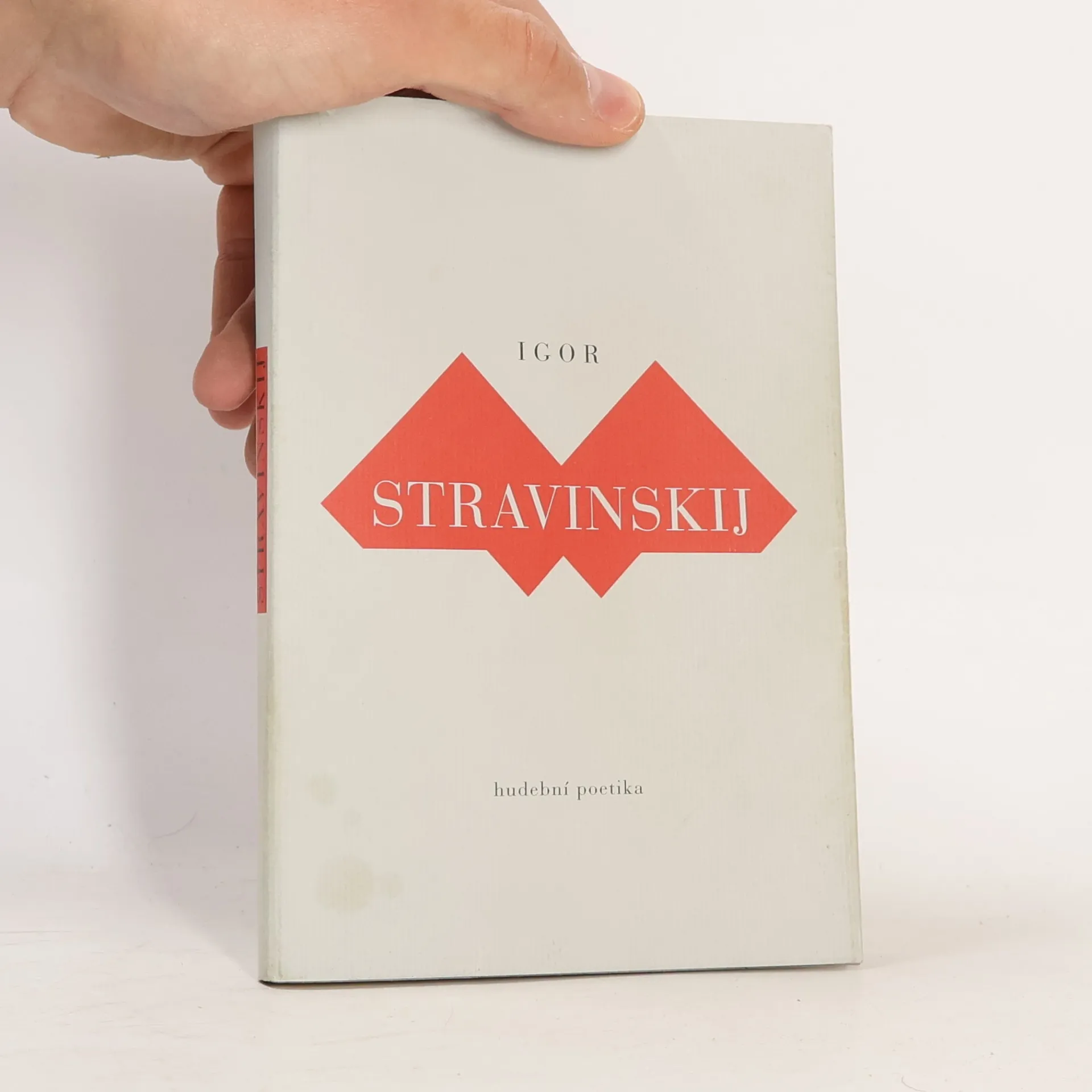
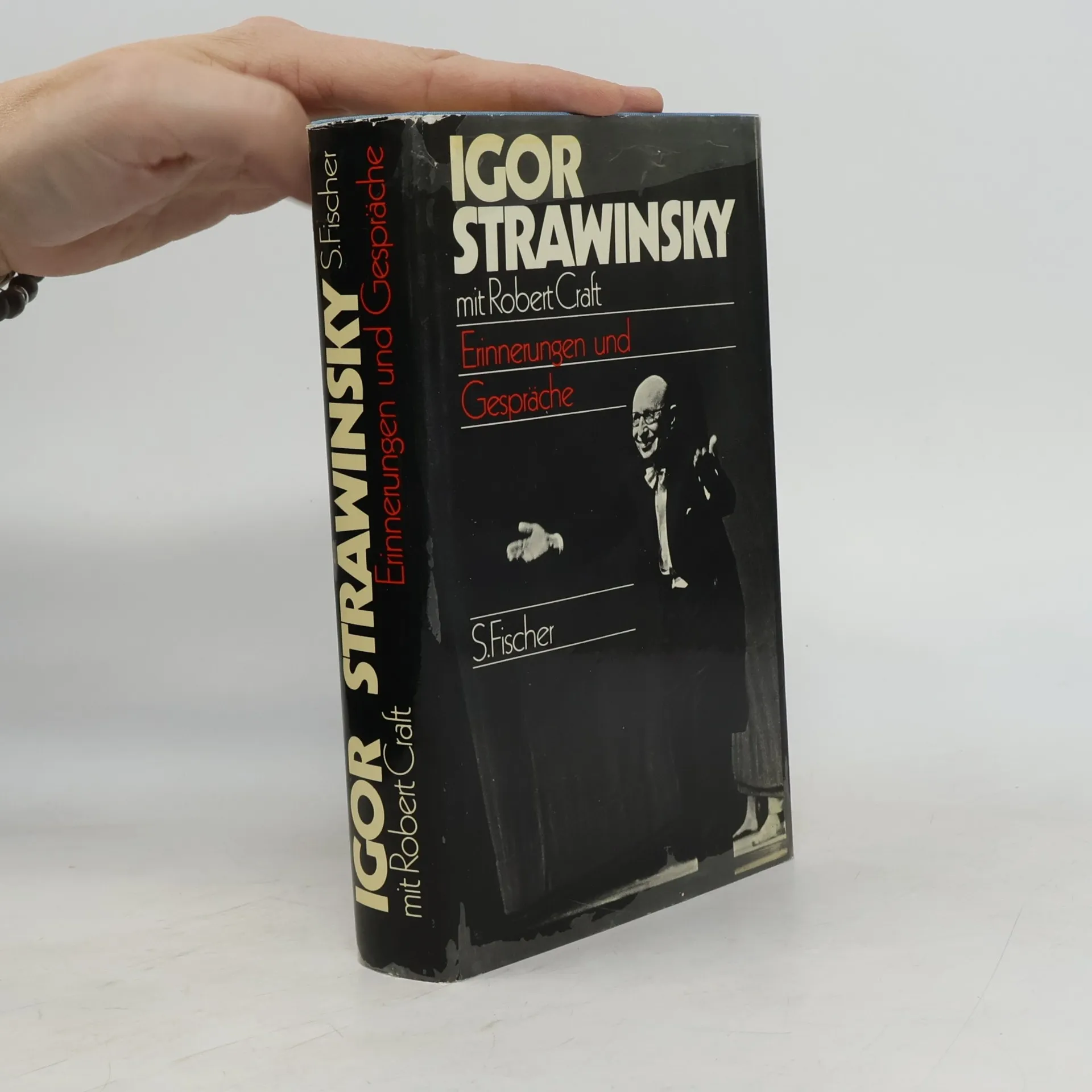
One of the greatest of contemporary composers has here set down in delightfully personal fashion his general ideas about music and some accounts of his own experience as a composer. Every concert-goer and lover of music will take keen pleasure in his notes about the essential features of music, the process of musical composition, inspiration, musical types, and musical execution. Throughout the volume are to he found trenchant comments on such subjects as Wagnerism, the operas of Verdi, musical taste, musical snobbery, the influence of political ideas on Russian music under the Soviets, musical improvisation as opposed to musical construction, the nature of melody, and the function of the critic of music. Musical people of every sort will welcome this first presentation in English of an unusually interesting book.
Von Igor Strawinskys «Trois pièces pour quatuor à cordes» erschien im Druck bisher nur die zweite Fassung von 1918 und eine aus den Jahren 1928/29 stammende Bearbeitung im Rahmen der «Quatre études für Orchester». Die auf das Jahr 1914 zurückgehende erste Fassung der Quartettstücke hingegen blieb ebenso unveröffentlicht wie eine im selben Jahr entstandene «Réduction pour piano à quatre mains». Beide werden hier erstmals zusammen mit sämtlichen bekannten Skizzen zu diesem Werk zugänglich gemacht und in sieben Essays kommentiert.
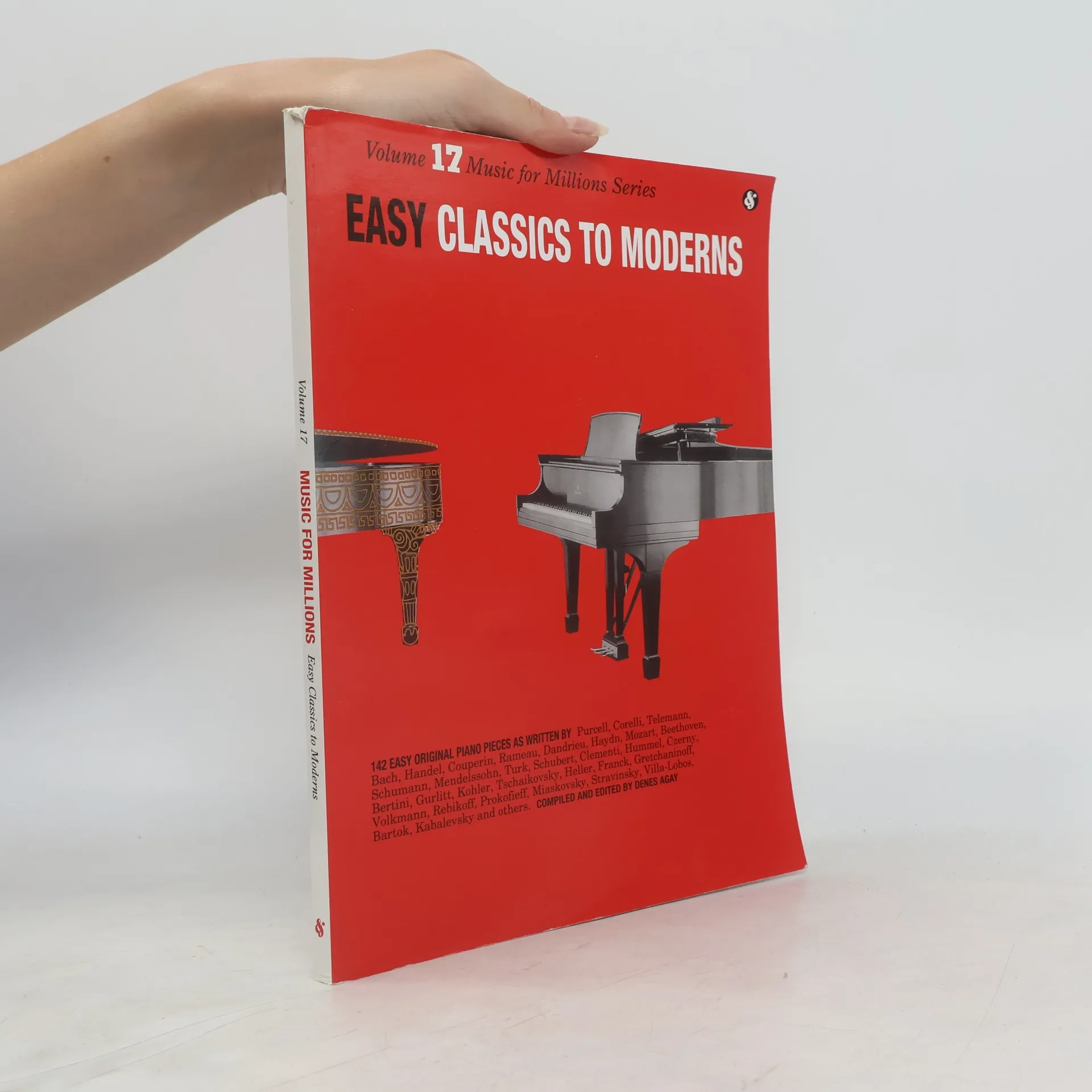
142 Easy Original Piano Pieces
(Music Sales America). These 142 pieces by the masters of piano literature date from the second half of the 17th century to the present day.
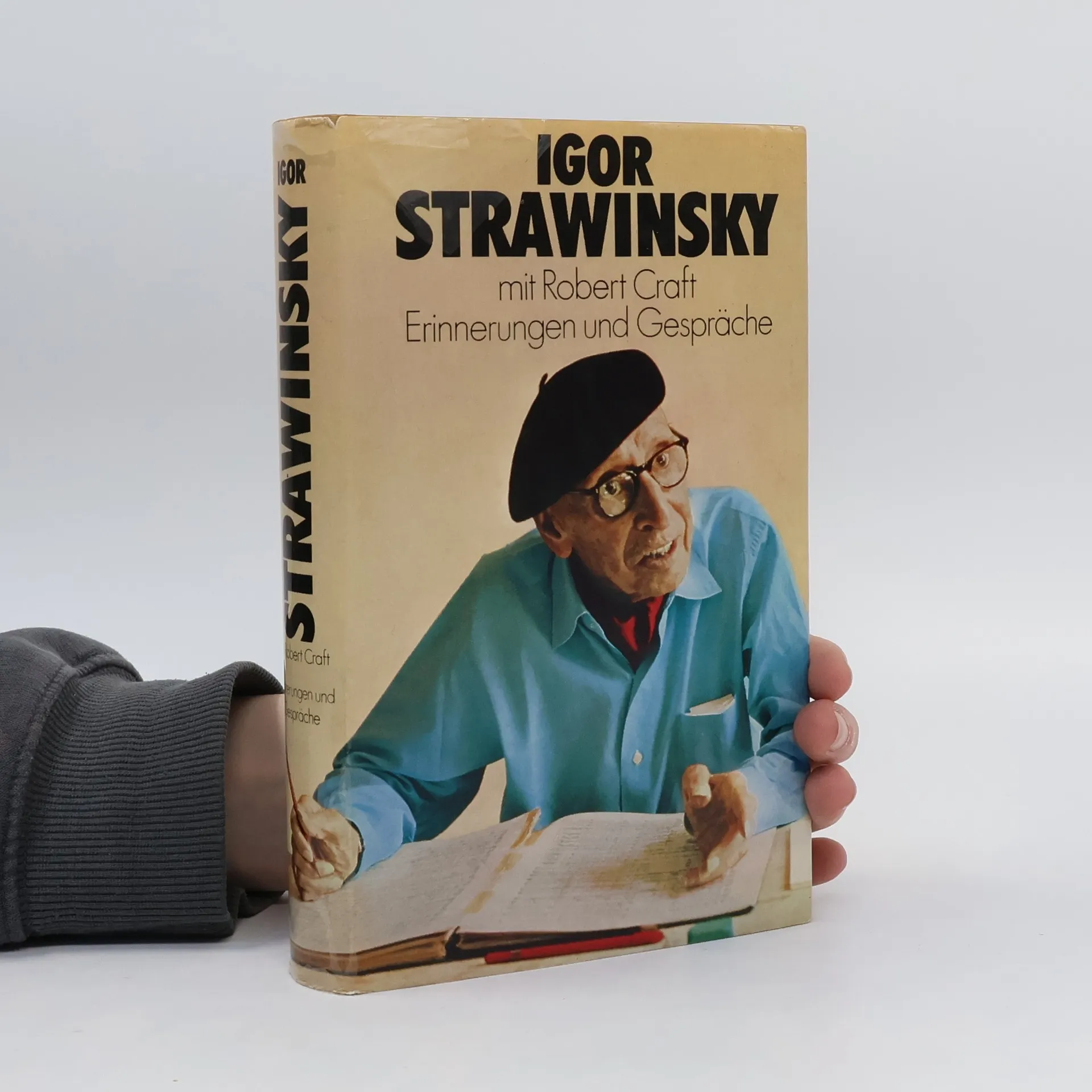
Kniha o hudebním skladateli ruského původu, žijícím nyní trvale v USA. Vznikla z podnětu amerického dirigenta Crafta, který kladl Stravinskému otázky. Stravinský takto inspirován se zamýšlí nad dobou svého dětství a mládí v carském Rusku, nad životními a uměleckými zážitky v Paříži,Švýcarsku a USA, vzpomíná na své umělecké přátele a spolupracovníky a dává tak vznikat pozoruhodné galerii portrétů mnoha významných osobností, a to nejen skladatelů a hudebníků, ale i spisovatelů, básníků a malířů. Především se však otázky vztahují k hudbě. České vydání shrnuje látku čtyř původních svazků „Rozhovorů“ do jednotlivých tematických okruhů. Knihu doplňuje řada dokumentárních fotografií. Z angl. originálů sestavil a předml. napsal Ivan Vojtěch.
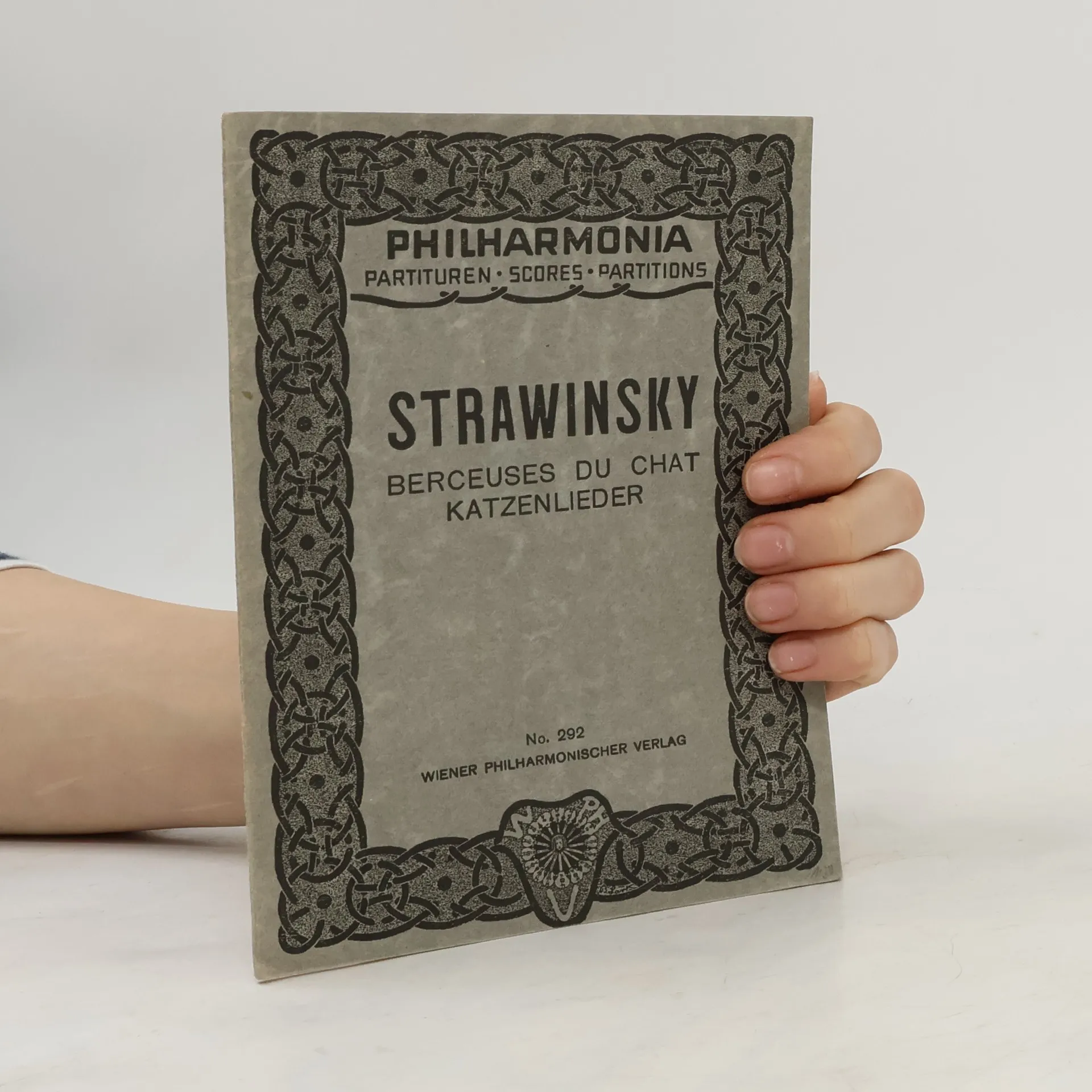
Katzenlieder
Веселое представление с пением и музыкой
Autorovy přednášky pojednávají o fenoménu hudby, o jejím komponování, o hudební typologii, o proměnách ruské hudby ad.
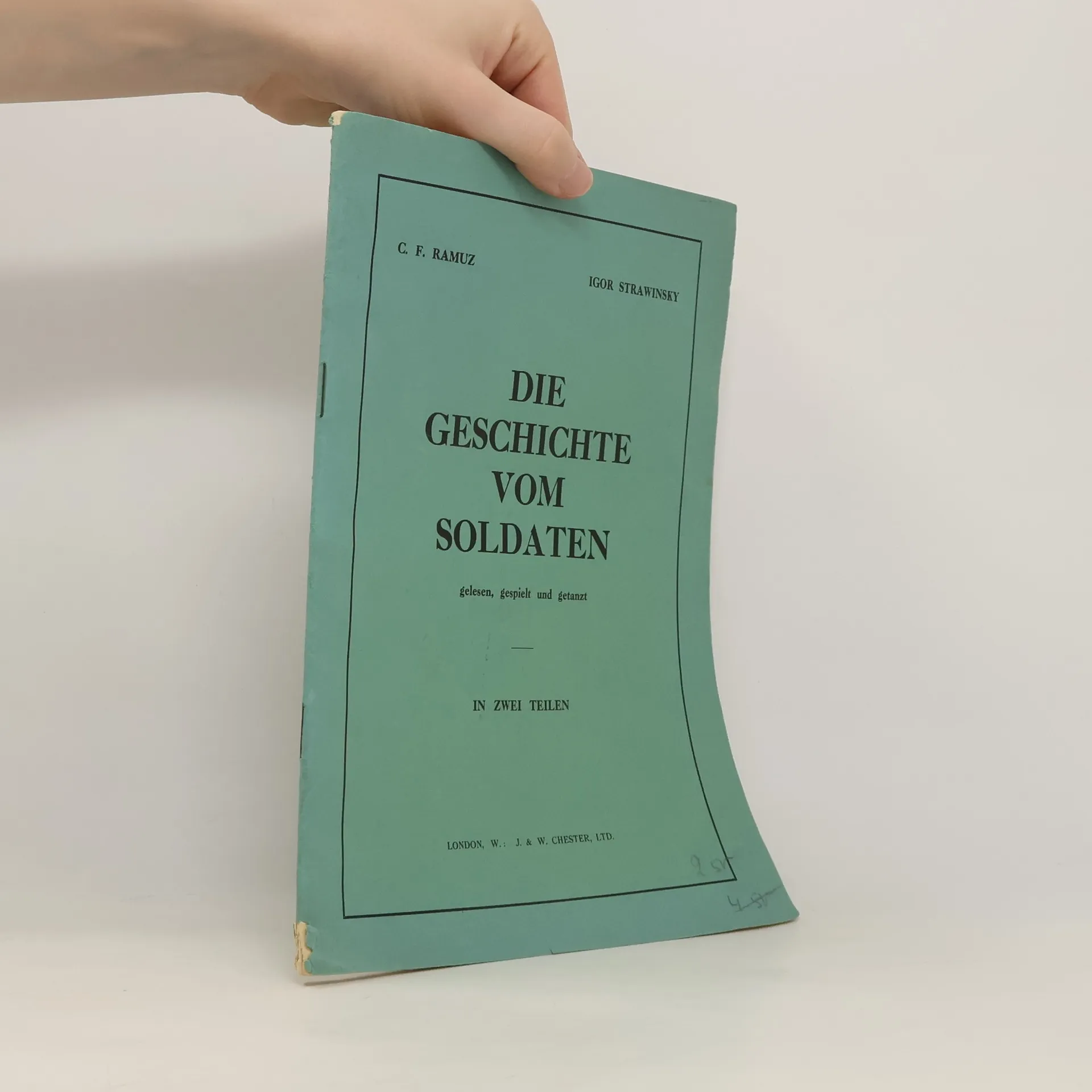
In zwei Teilen
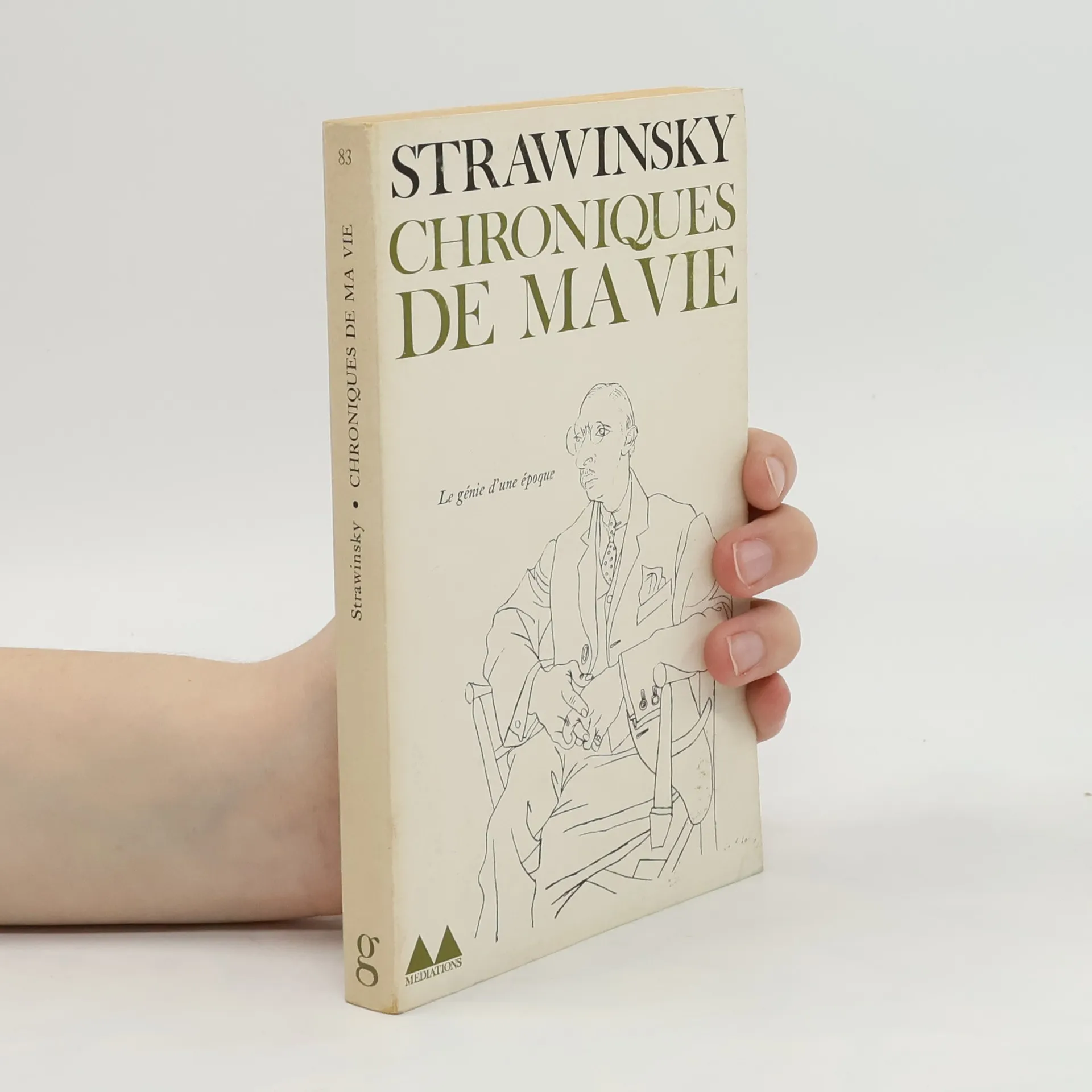
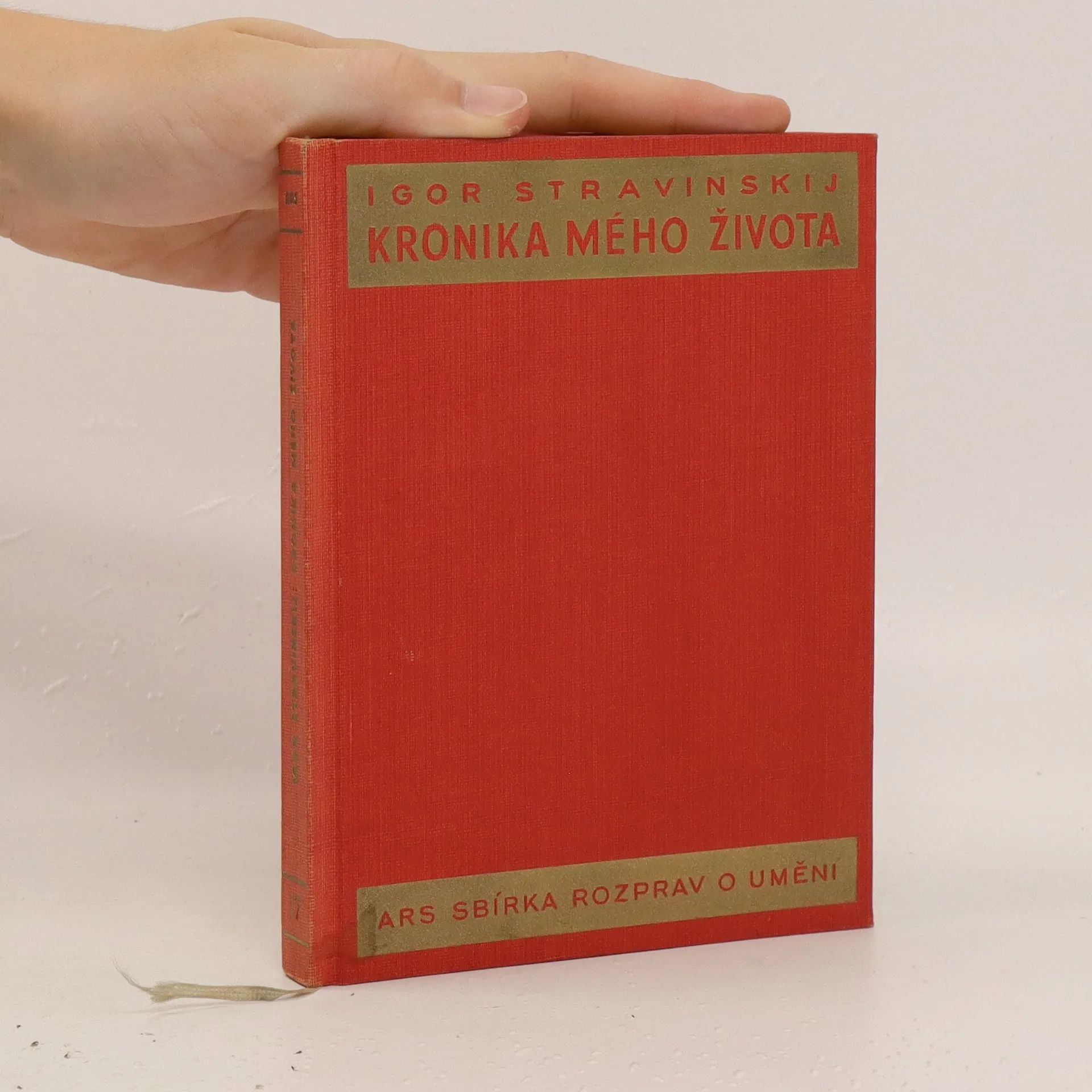
Život a názory významného skladatele. Autobiografická publikace z poloviny 30. let 20. století.
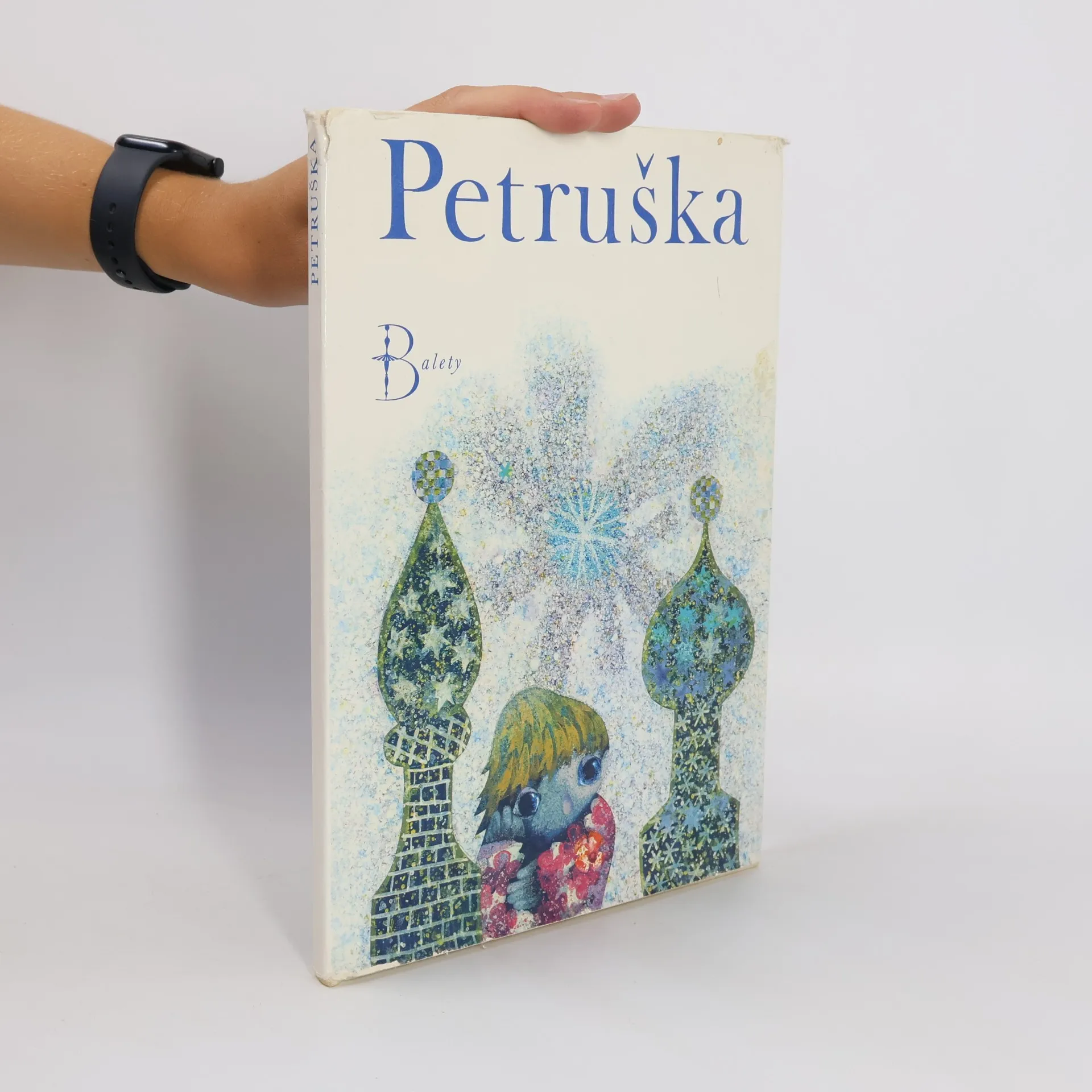
Petruška, hadrový panáček, hraje v loutkovém divadle na jarmarce v Petrohradě podle záměru nehodného loutkáře úlohu šaška pro zábavu publika, ačkoli se mu líbí balerína Holubička, jež tančí s Mouřenínem. Petruškova vzpoura proti tomuto osudu končí jeho smrtí. Ale umírá jen jeho hadrové tělo a jeho duch jako symbol odporu proti zvůli a násilí žije dál.
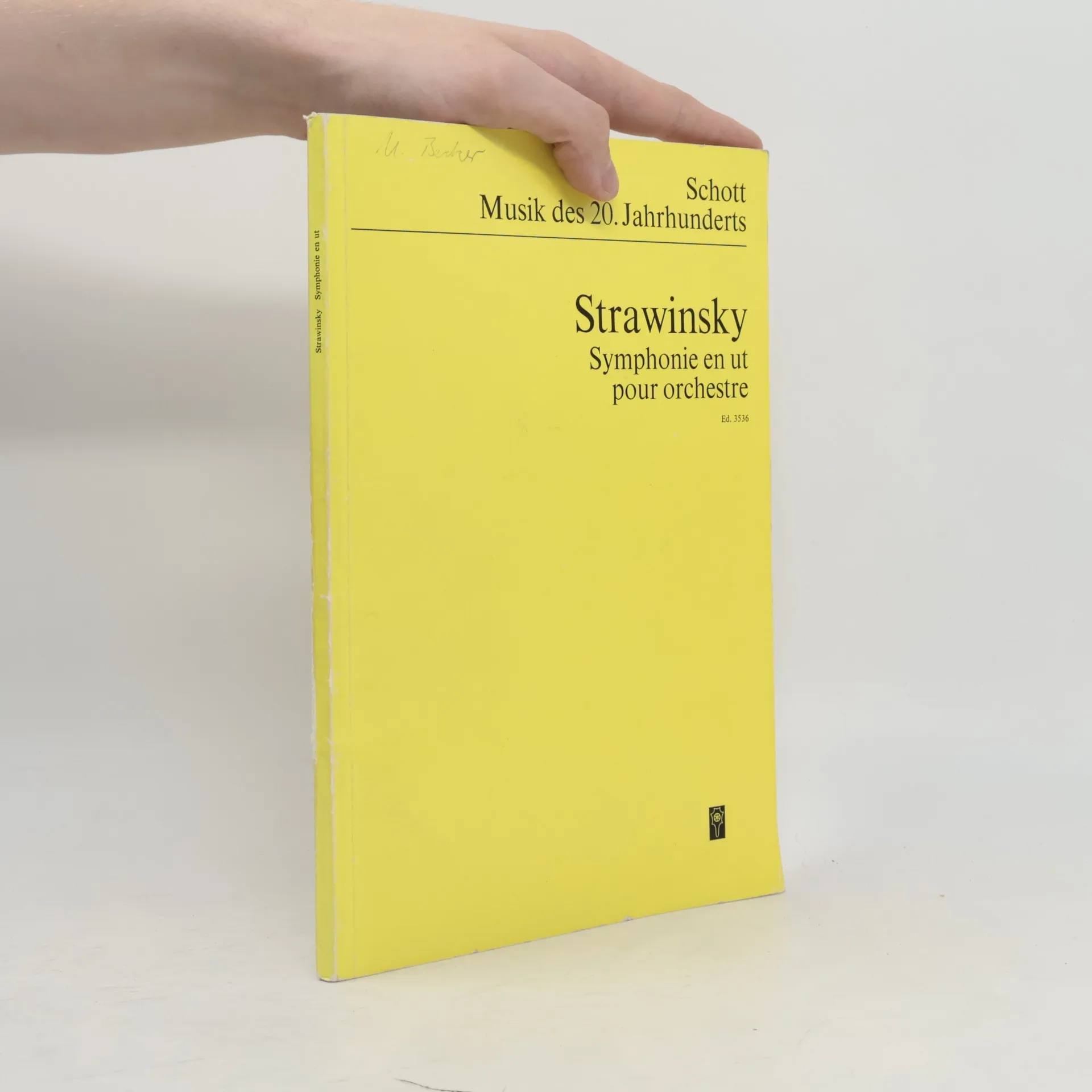
Musik des 20. Jahrhunderts
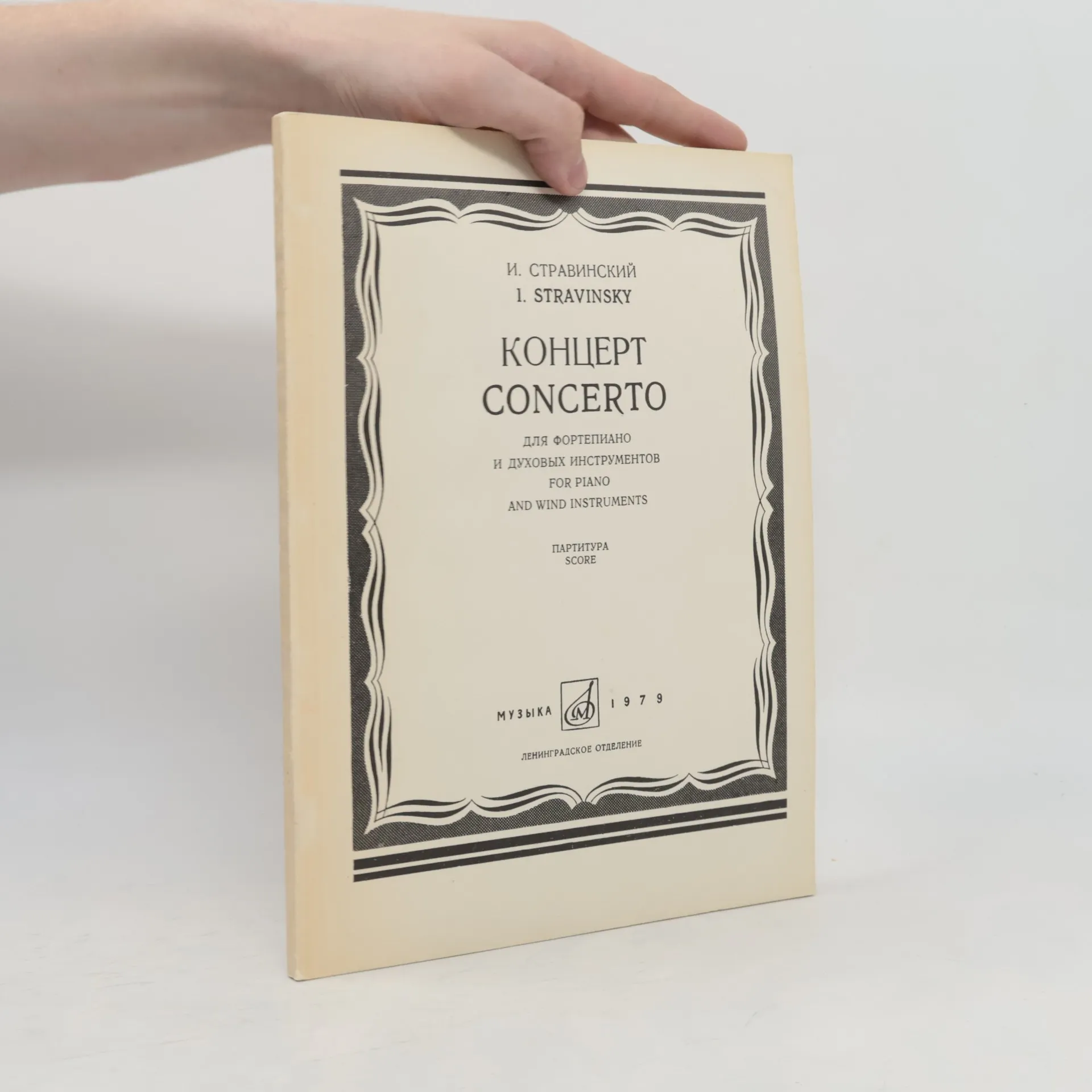
Для фортепиано и духовых инструментов. For Piano and Wind Instruments. Партитура score музыка