
Bookbot

Michael Holquist

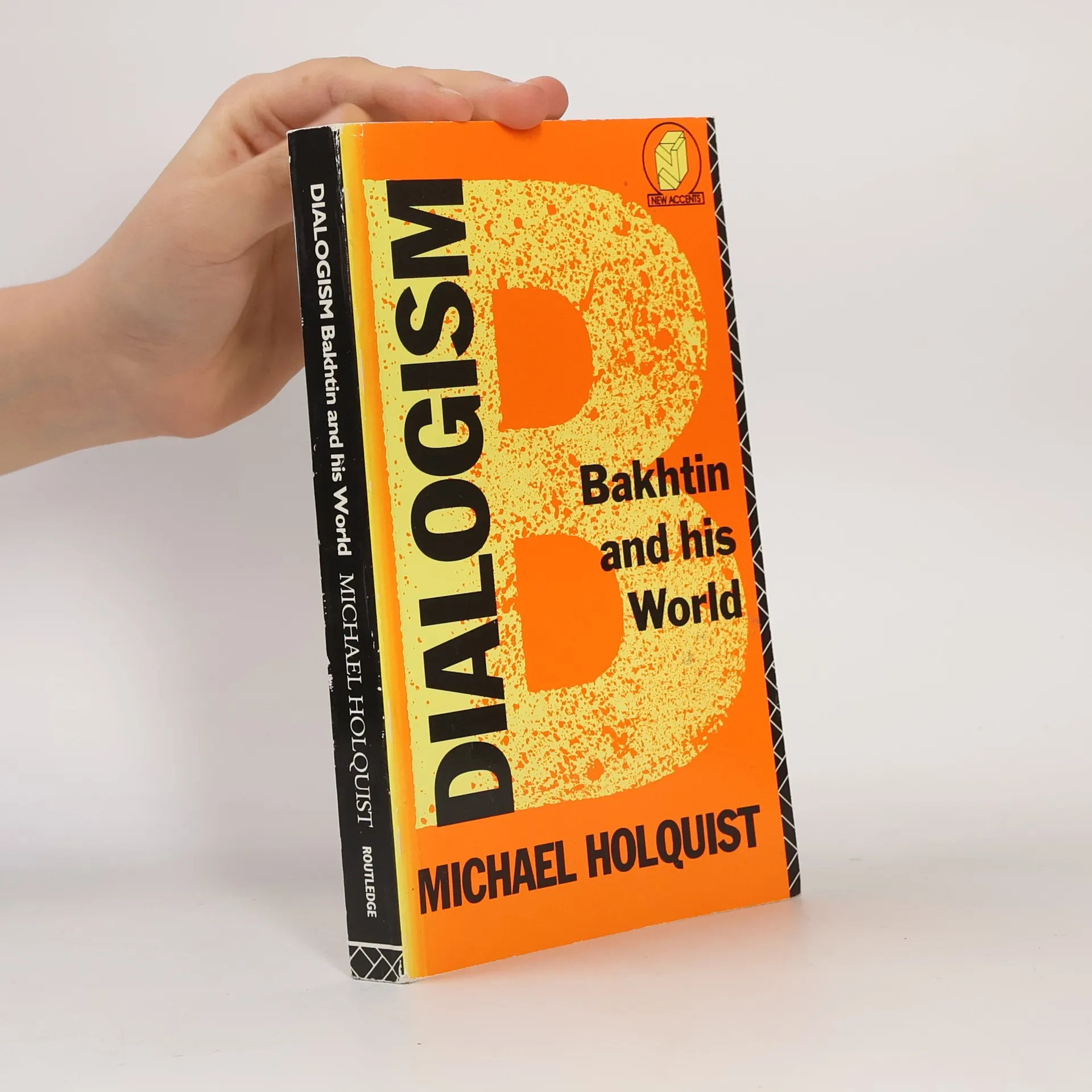
    Dialogism
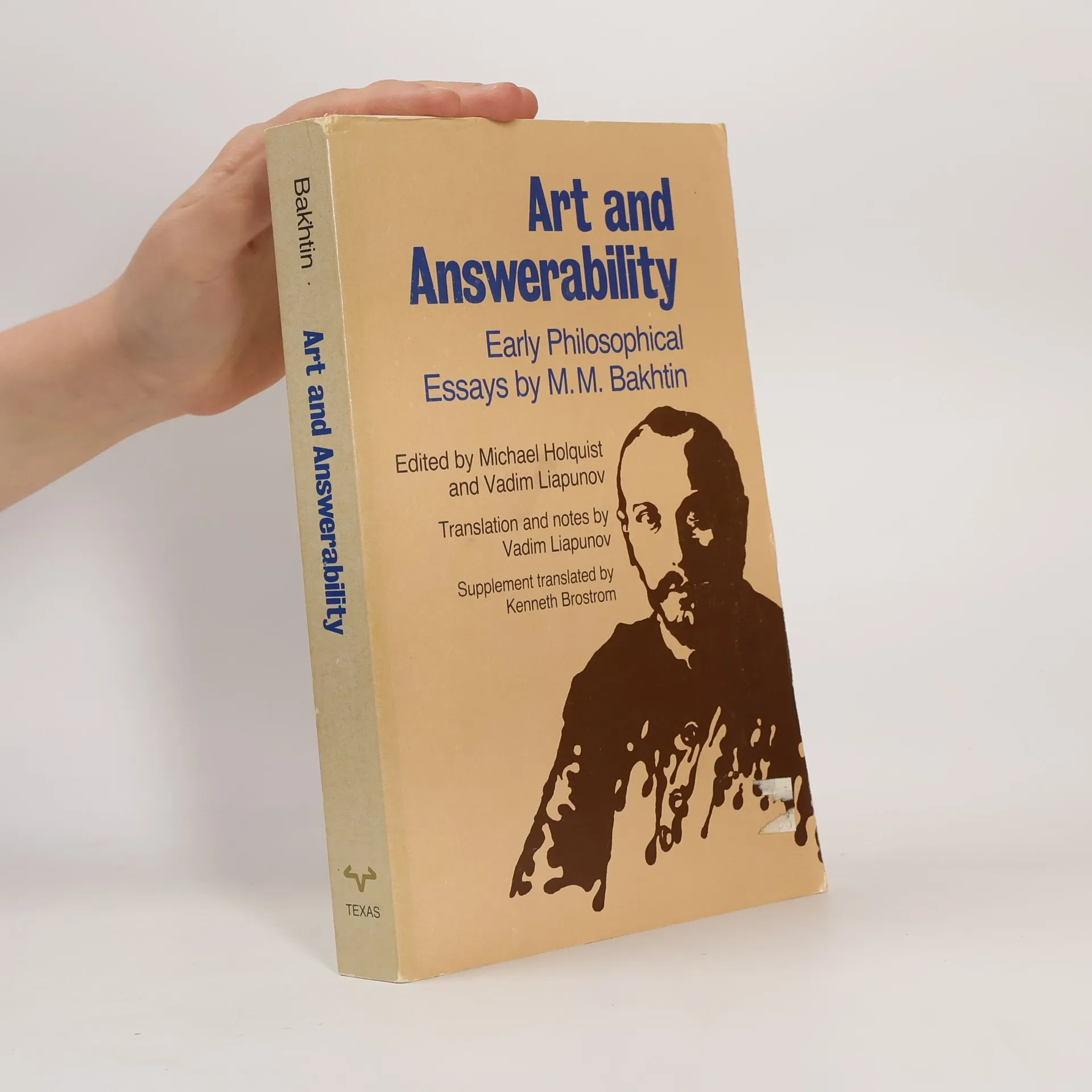
    Art and Answerability
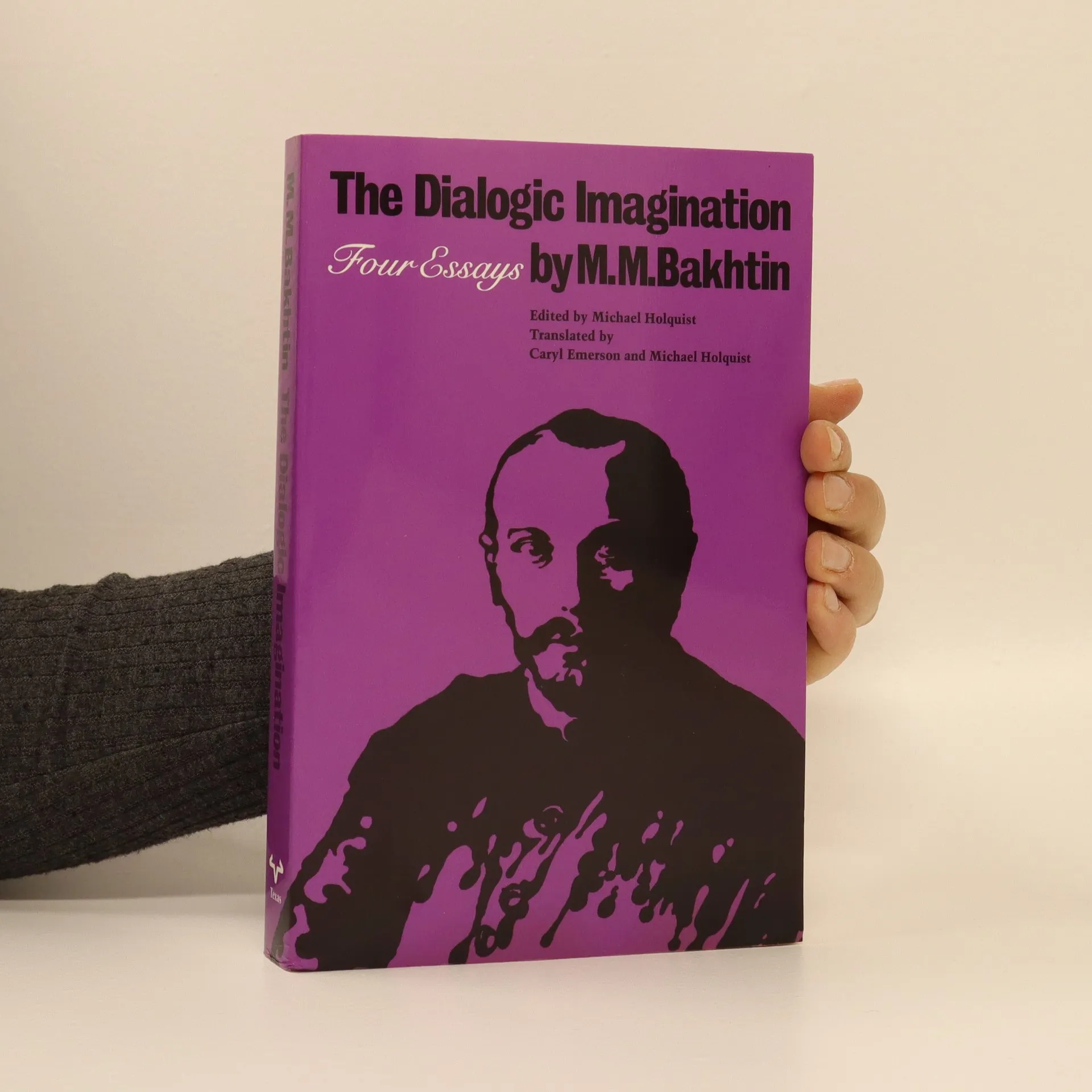
    The dialogic imagination: Four essays
    • The dialogic imagination: Four essays

      • 444pagine
      • 16 ore di lettura

      These essays reveal Mikhail Bakhtin (1895-1975)—known in the West largely through his studies of Rabelais and Dostoevsky—as a philosopher of language, a cultural historian, and a major theoretician of the novel. The Dialogic Imagination presents, in superb English translation, four selections from Voprosy literatury i estetiki (Problems of literature and esthetics), published in Moscow in 1975. The volume also contains a lengthy introduction to Bakhtin and his thought and a glossary of terminology. Bakhtin uses the category "novel" in a highly idiosyncratic way, claiming for it vastly larger territory than has been traditionally accepted. For him, the novel is not so much a genre as it is a force, "novelness," which he discusses in "From the Prehistory of Novelistic Discourse." Two essays, "Epic and Novel" and "Forms of Time and of the Chronotope in the Novel," deal with literary history in Bakhtin's own unorthodox way. In the final essay, he discusses literature and language in general, which he sees as stratified, constantly changing systems of subgenres, dialects, and fragmented "languages" in battle with one another.

      The dialogic imagination: Four essays
      4,2
    • Art and Answerability

      Early Philosophical Essays

      • 384pagine
      • 14 ore di lettura

      Contains three of his early essays from the years following the Russian Revolution

      Art and Answerability
    • Dialogism

      Bakhtin and His World

      • 224pagine
      • 8 ore di lettura

      Mikhail Bakhtin's ideas have influenced thinking in literary studies, anthropology, linguistics, psychology and social theory. But is there a discernible shape to his work as a whole? Michael Holquist's masterly study draws on all of Bakhtin's writings known to exist, to provide a comprehensive account of his achievement. He argues that Bakhtin's work gains coherence through his commitment to the concept of dialogue. Holquist examines Bakhtin's dialogue with other thinkers, including Saussure, Freud, Marx and Lukacs, as well as other figures in the history of thinking about dialogue whose connection with Bakhtin's work have previously been ignored. Dialogism also includes dialogic readings of some major literary texts - Mary Shelley's Frankenstein , Gogol's The Nose and Fitzgerald's The Great Gatsby - which provide another dimension of dialogue with dialogue.

      Dialogism