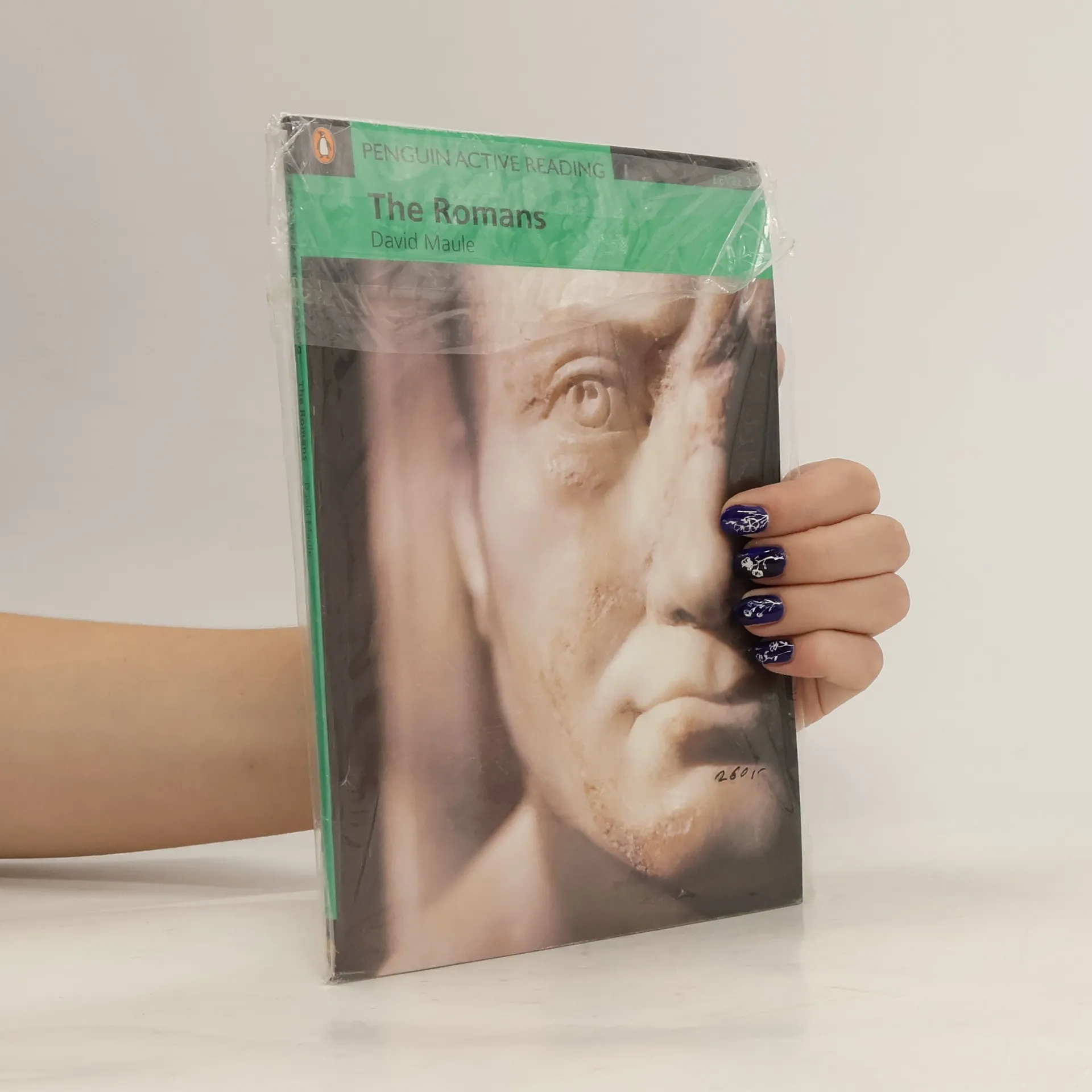
Genius. Level A1
- 24pagine
- 1 ora di lettura
Shakespeare, Mozart, Madame Curie, Albert Einstein . . . what do these people have in common? See the world through the eyes of a genius.




Shakespeare, Mozart, Madame Curie, Albert Einstein . . . what do these people have in common? See the world through the eyes of a genius.
Learn what it's like to live in the tundra, beside ancient pyramids, or near the Great Barrier Reef! Explore the food, clothing, architecture, and wildlife of these three special places.
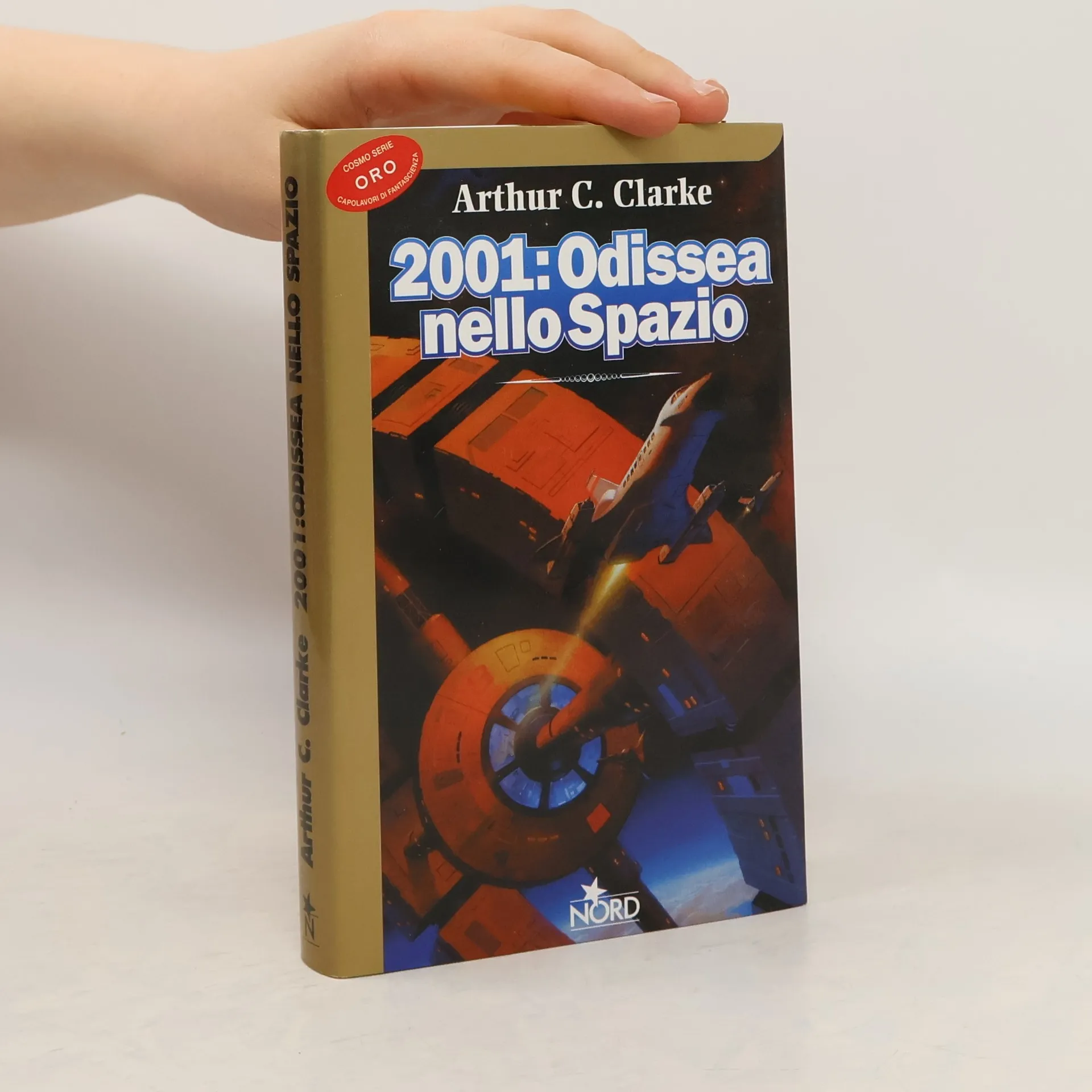
Un misterioso monolito, un'astronave diretta verso Saturno e un calcolatore di inconcepibile capacità... A questo soggetto s'ispirò Stanley Kubrick per uno dei più spettacolari film del secolo.
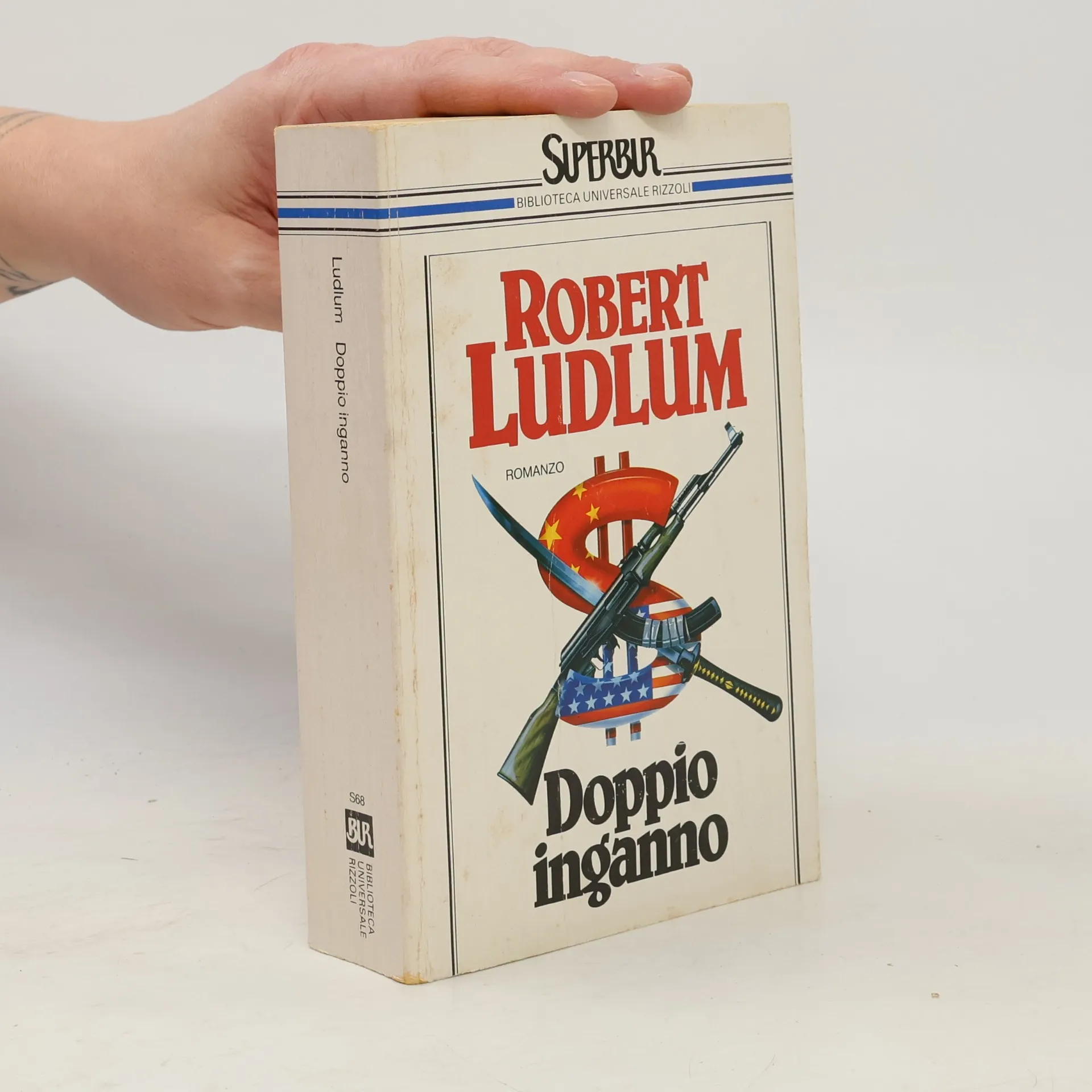
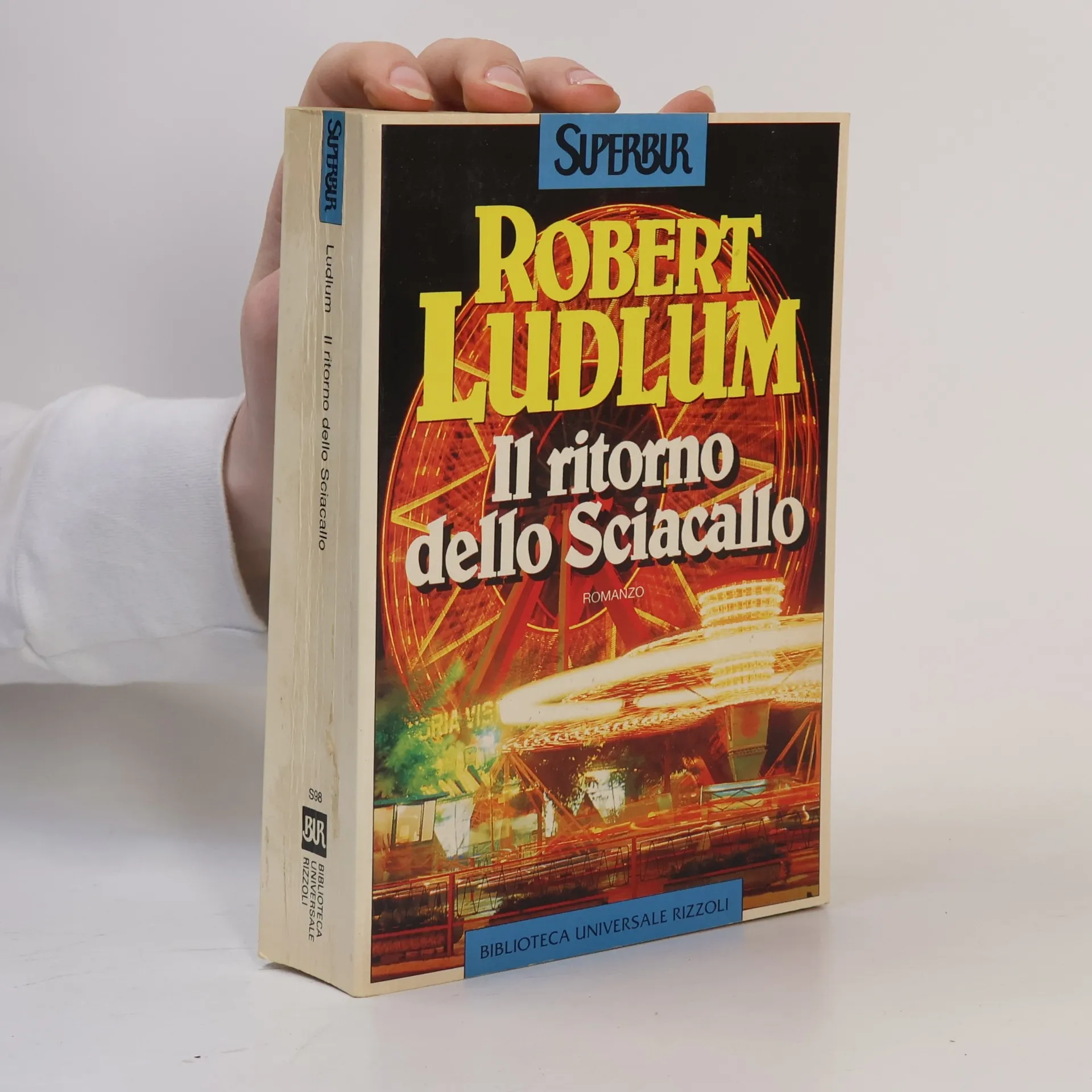
In un parco di divertimenti a Baltimora, nella ressa della folla, si consuma un delitto assurdo e agghiacciante. Il più feroce dei killer, il terrorista internazionale Carlos, detto "lo Sciacallo", è tornato. E il mite professor Webb, esperto di lingue e culture orientali, deve nuovamente assumere la sua seconda identità, quella di Jason Bourne. Dopo "Un nome senza volto" e "Doppio inganno", la trilogia di Ludlum si conclude con questo romanzo.
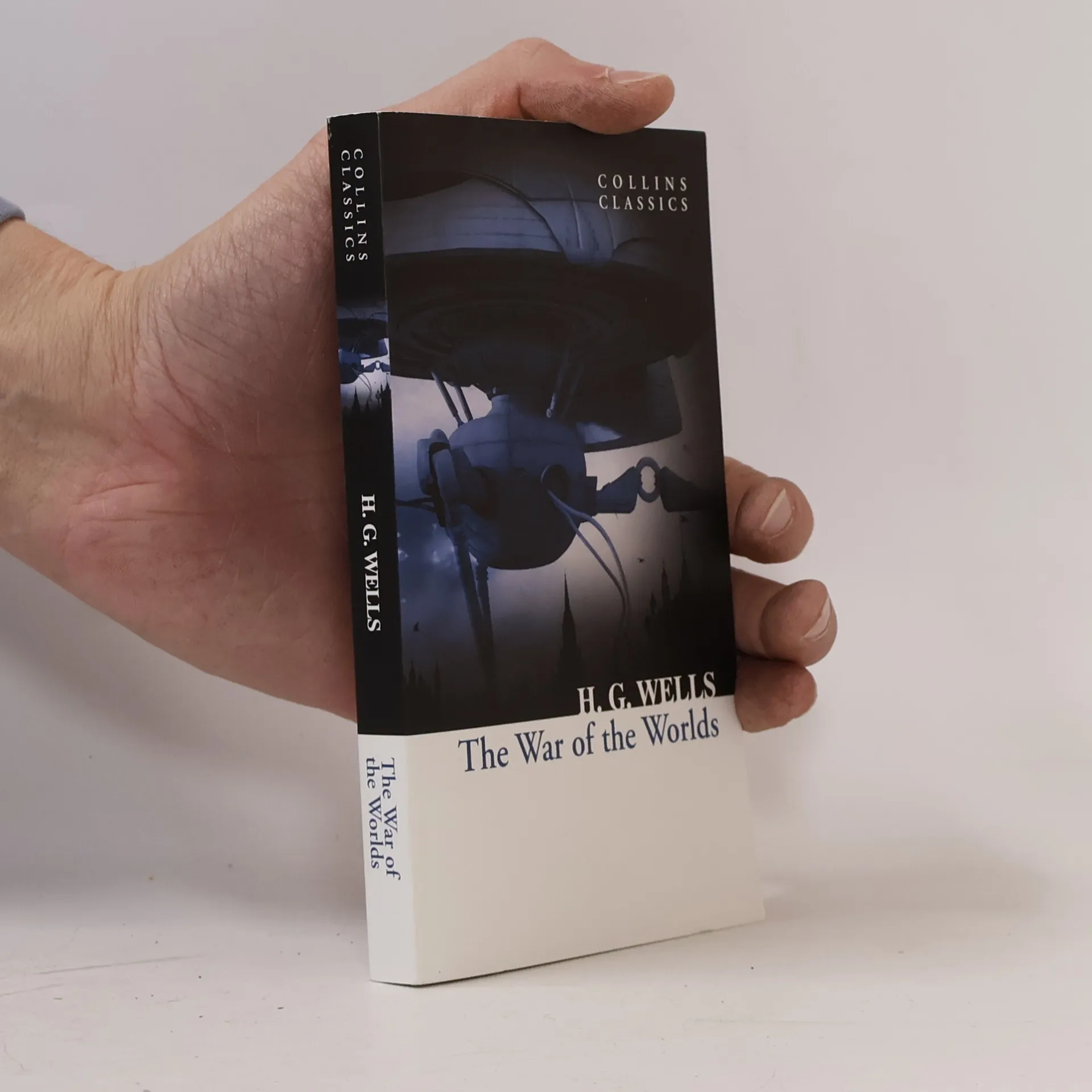
HarperCollins is proud to present its incredible range of best-loved, essential classics.
Uno squallido locale notturno di Kowloon, nella Cina meridionale. Uno strano religioso avvolto in una tunica bianca. Il frastuono della musica è assordante, e il sacerdote uccide...Poi uccide ancora. Inginocchiatosi, l'uomo di fede traccia a terra, con il sangue delle vittime, un segno...
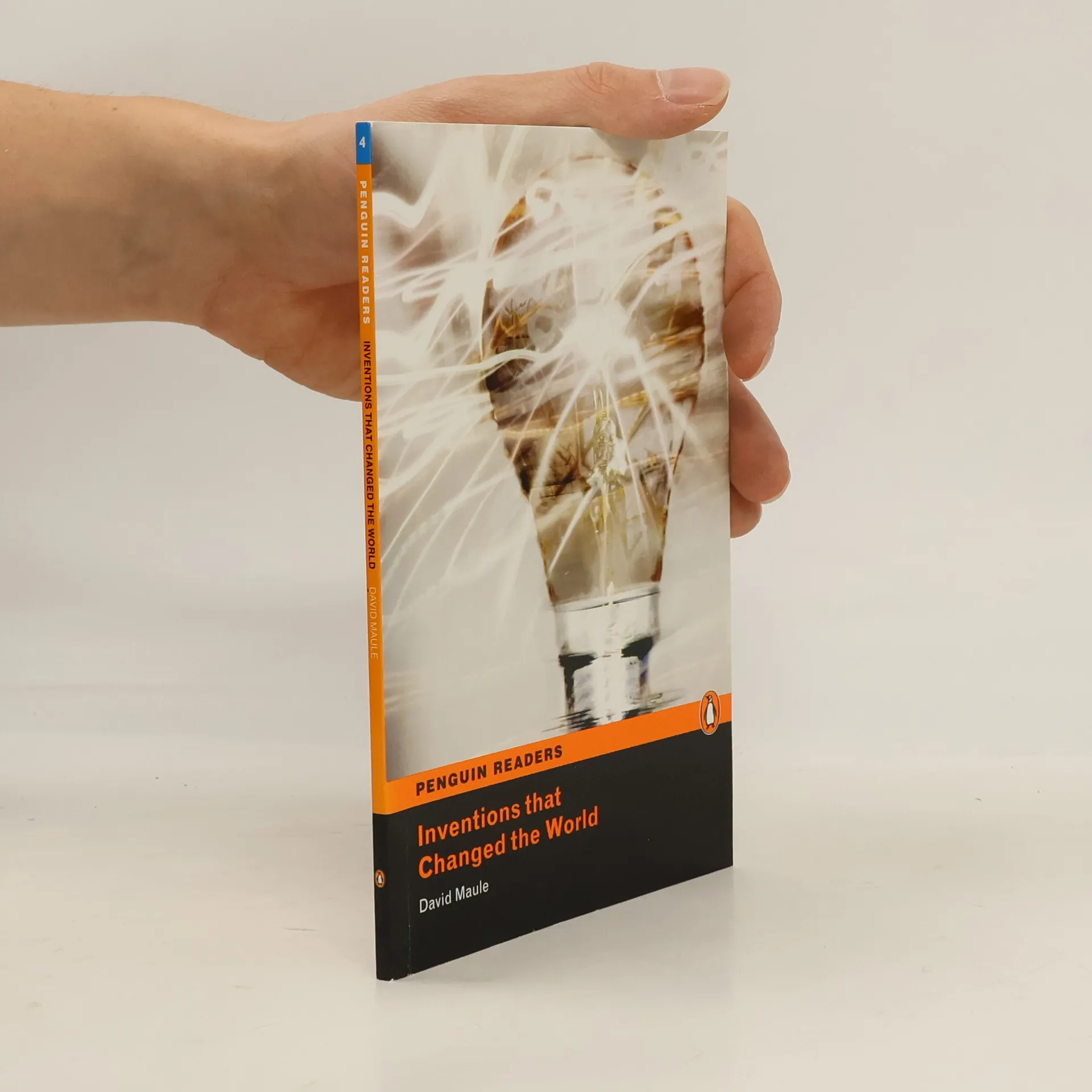
Inventors are special people. They see everyday objects and imagine something better. They solve old problems with new ideas. Their inventions can help people or destroy them, but only the greatest ideas will change the world
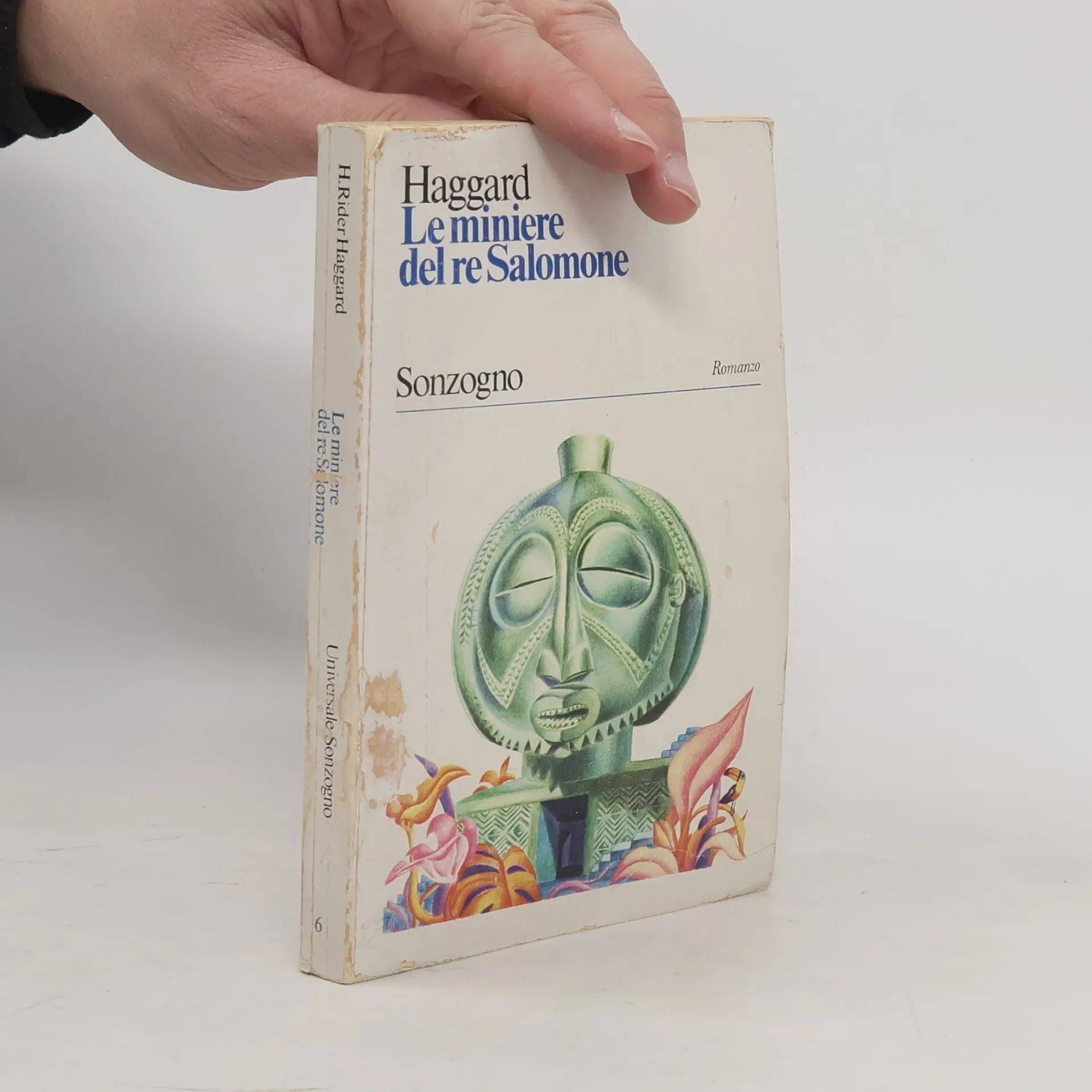
Un racconto di avventura avvincente e vigoroso. Nel 1885, H. Rider Haggard creò "Le miniere del re Salomone", una storia in cui Allan Quatermain, un gentiluomo avventuriero, viene ingaggiato per localizzare un uomo scomparso nel cuore dell'Africa mentre cercava le leggendarie miniere di diamanti perdute del re Salomone. Il libro divenne subito un successo e ha mantenuto la sua popolarità nel tempo. Le avventure in ambientazioni esotiche erano il marchio di fabbrica dell'arte di Haggard; "Le miniere del re Salomone" non fece eccezione. Qui si trovano tutti gli elementi per cui i suoi romanzi erano famosi: una trama avvincente in un contesto straniero, avventure soprannaturali, terrore, passione e scoperta. Acclamato come "la storia più straordinaria mai scritta", il libro divenne uno dei romanzi più venduti del XIX secolo.
«Era orribile sentire nel buio tutte quelle creature viscide ammucchiate su di me, come essere in una mostruosa ragnatela.» "'La macchina del tempo' è del 1895, l'edizione definitiva dell'uomo delinquente di Lombroso è del 1897: a Darwin, rapidamente divulgato, era già subentrato il darwinismo, tanto che Wells, che pure aveva fatto un discreto tirocinio prima come studente e poi come docente di biologia, arriva a concepire la regressione per una via tutta formale: se dalla scimmia è derivato l'uomo, si chiede, perché non immaginare un'ulteriore evoluzione non in avanti ma all'indietro ? Perché escludere «l'idea opposta», cioè una «regressione zoologica»? Per questa via Wells giunse a ipotizzare la totale estinzione del genere umano, come inscenato appunto nella parte finale (la cosiddetta «visione ulteriore») della Macchina del Tempo. Dipendendo dal raffreddamento del sole, la visione finale - un mondo senza esseri umani né mammiferi - ha comunque una sua pace; la cupezza della profezia wellsiana è invece tutta nel complementare destino dei ricchi e dei poveri rispettivamente come vegetali e come bruti, secondo la logica di un dissidio tutto interno all'evoluzionismo: da una parte Huxley e Wells, dall'altra un evoluzionista della prim'ora come Herbert Spencer, convinto che l'uomo avrebbe indefinitamente migliorato se stesso." (Dalla prefazione di Michele Mari)
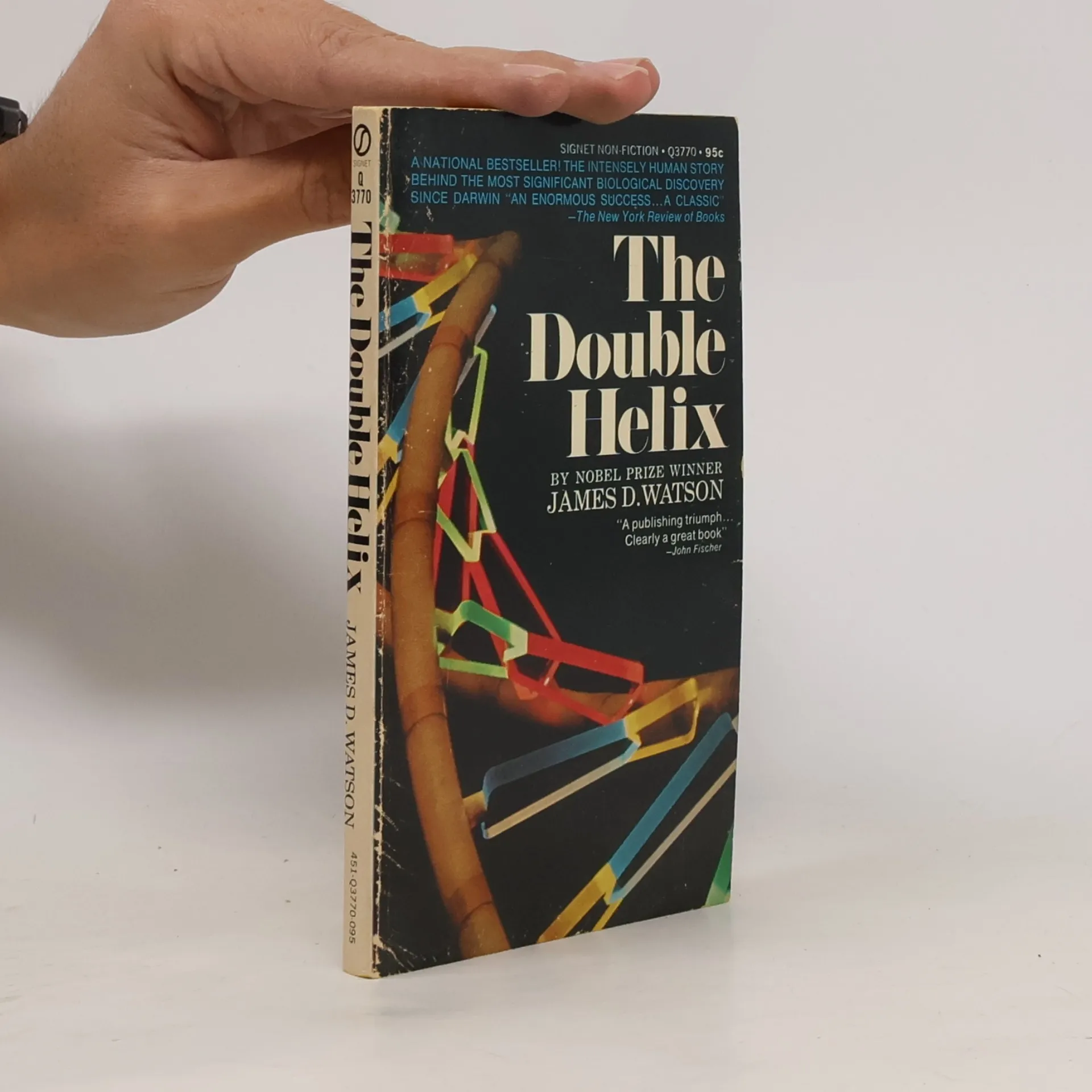
A Personal Account of the Discovery of the Structure of DNA
One of the two discoverers of DNA recalls the lively scientific quest that led to this breakthrough, from the long hours in the lab, to the after-hours socializing, to the financial struggles that almost sank their project. Reprint. 15,000 first printing.
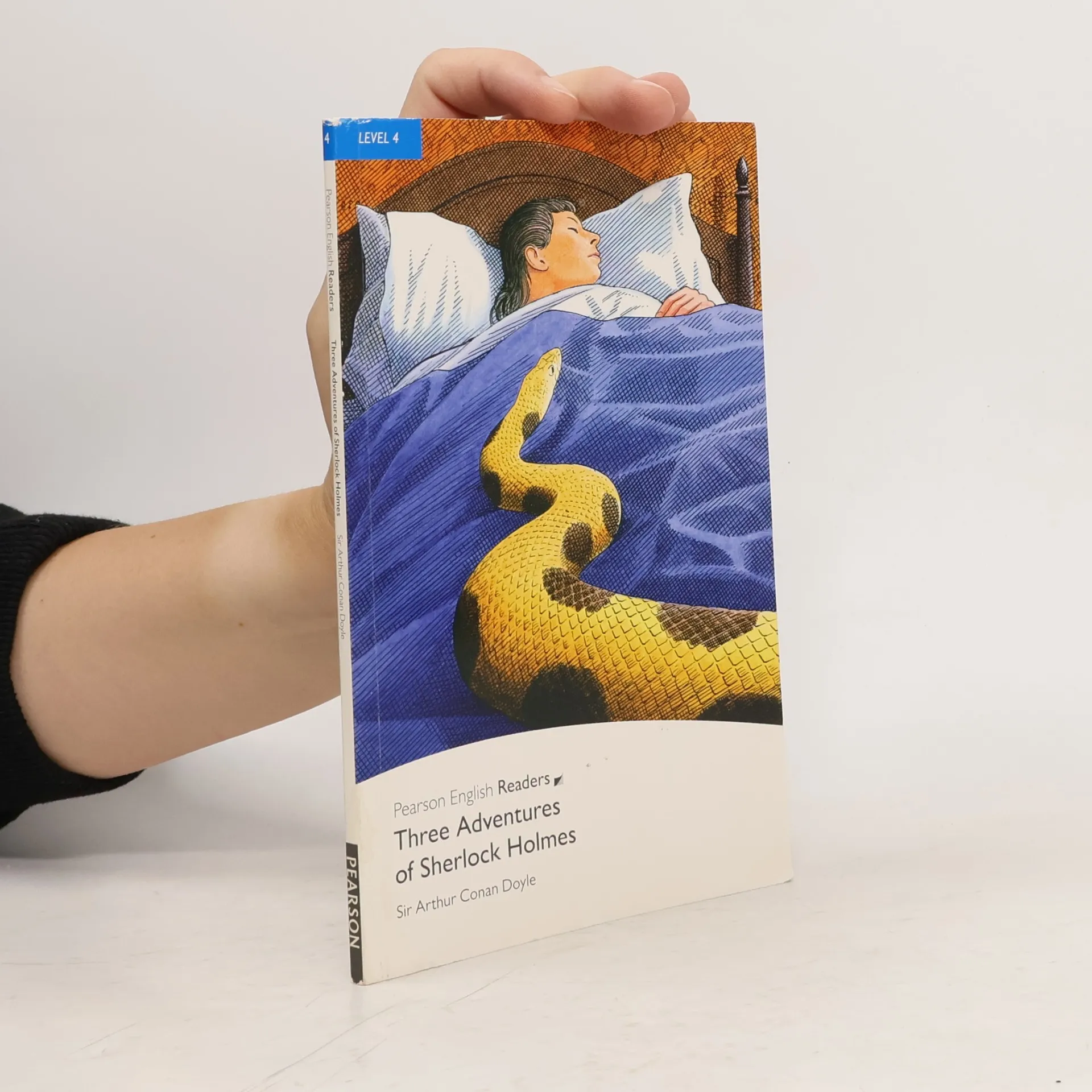
Sherlock Holmes is a great detective. There are few cases that he cannot solve. In these three stories we meet a young woman who is terrified of a mysterious speckled band, a family who think that five orange pips are a sign of death, and a banker who believes that his son is a thief. But are things really as they seem?
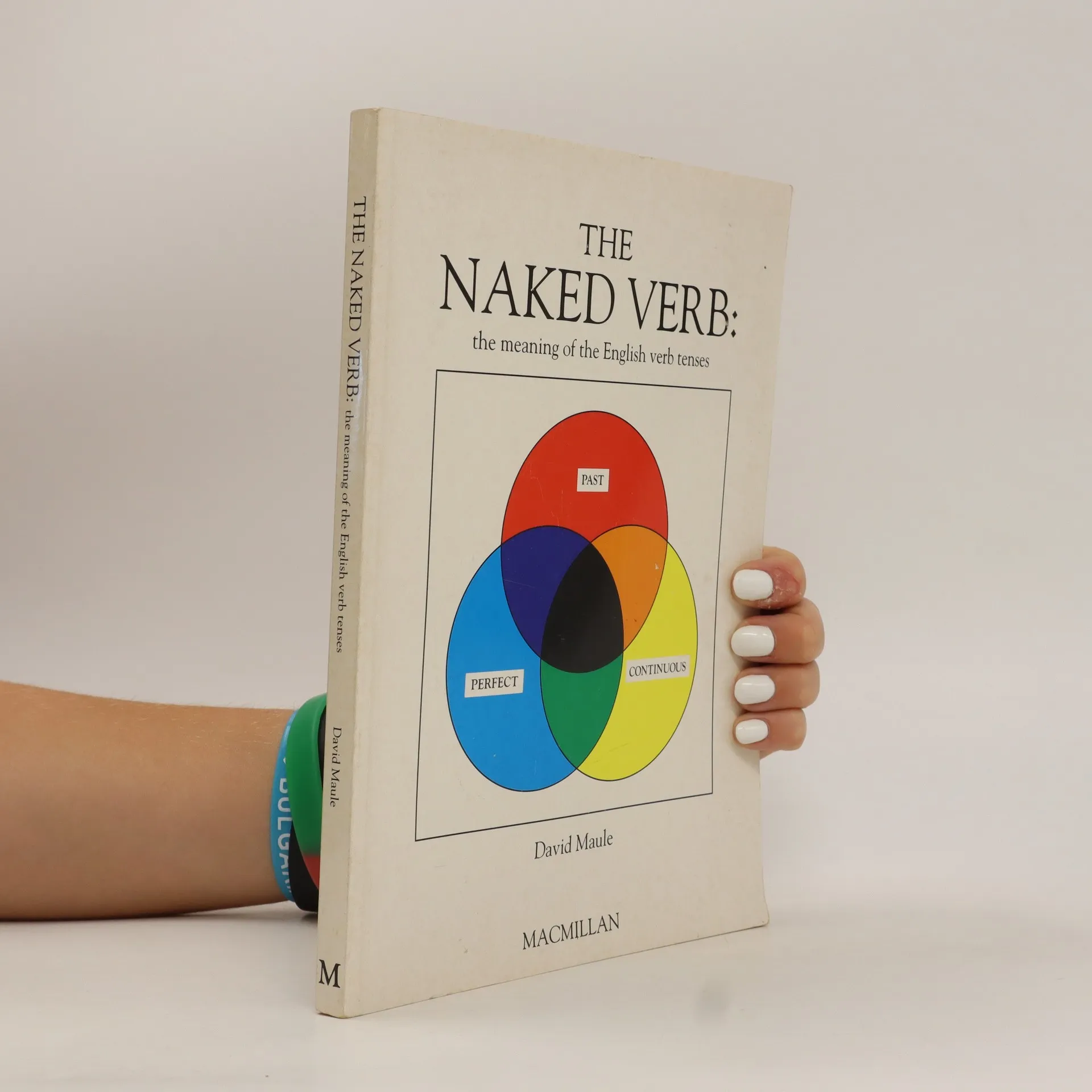
English verb tenses and what they mean. With exercises and answers. Suitable for self-study, building vocabulary, and developing grammar skills
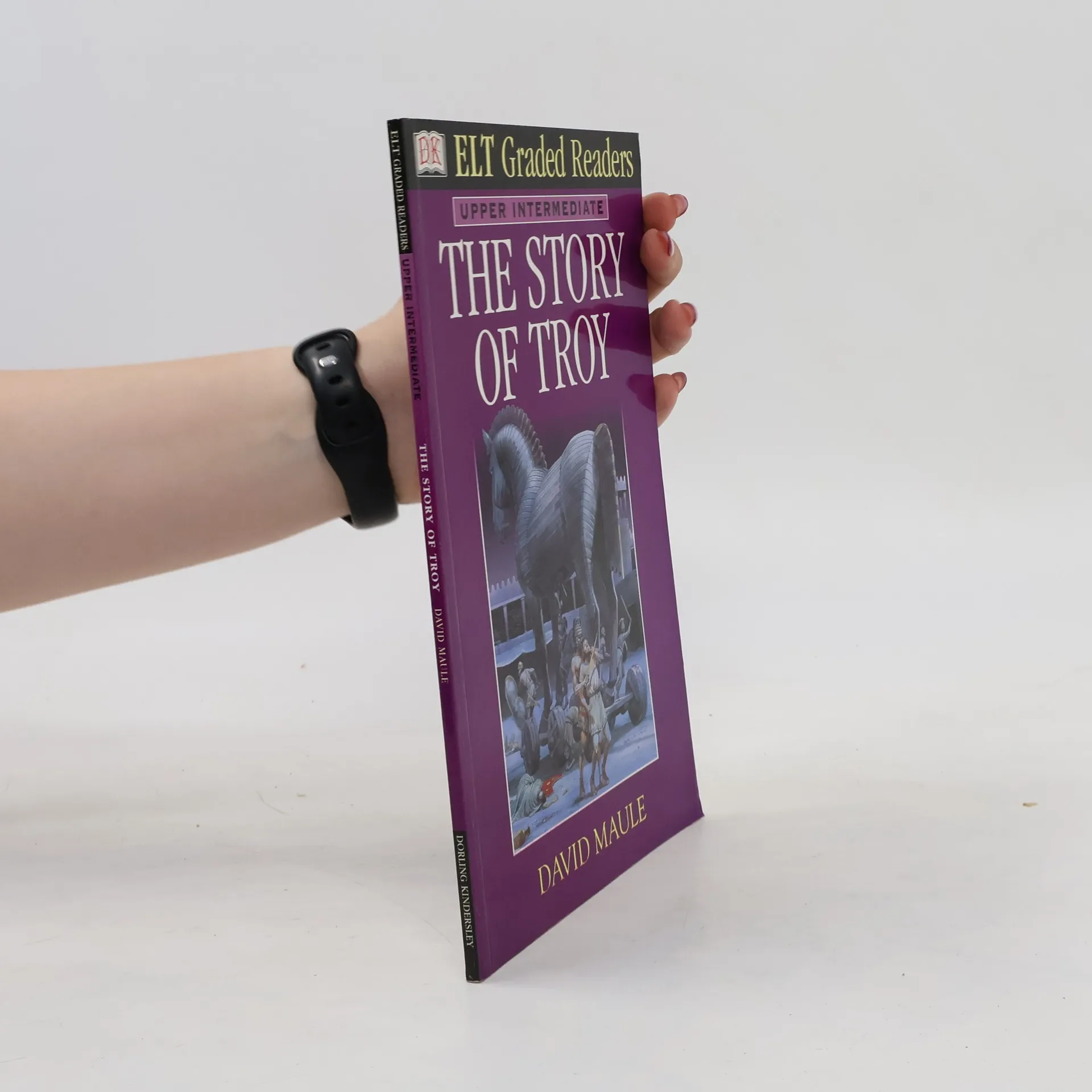
This non-fiction text is one of a series designed for those who want to develop proficiency in reading English. The series features five levels, from beginner to upper-intermediate, to support students taking UCLES exams.
Libro usado en buenas condiciones, por su antiguedad podria contener señales normales de uso