

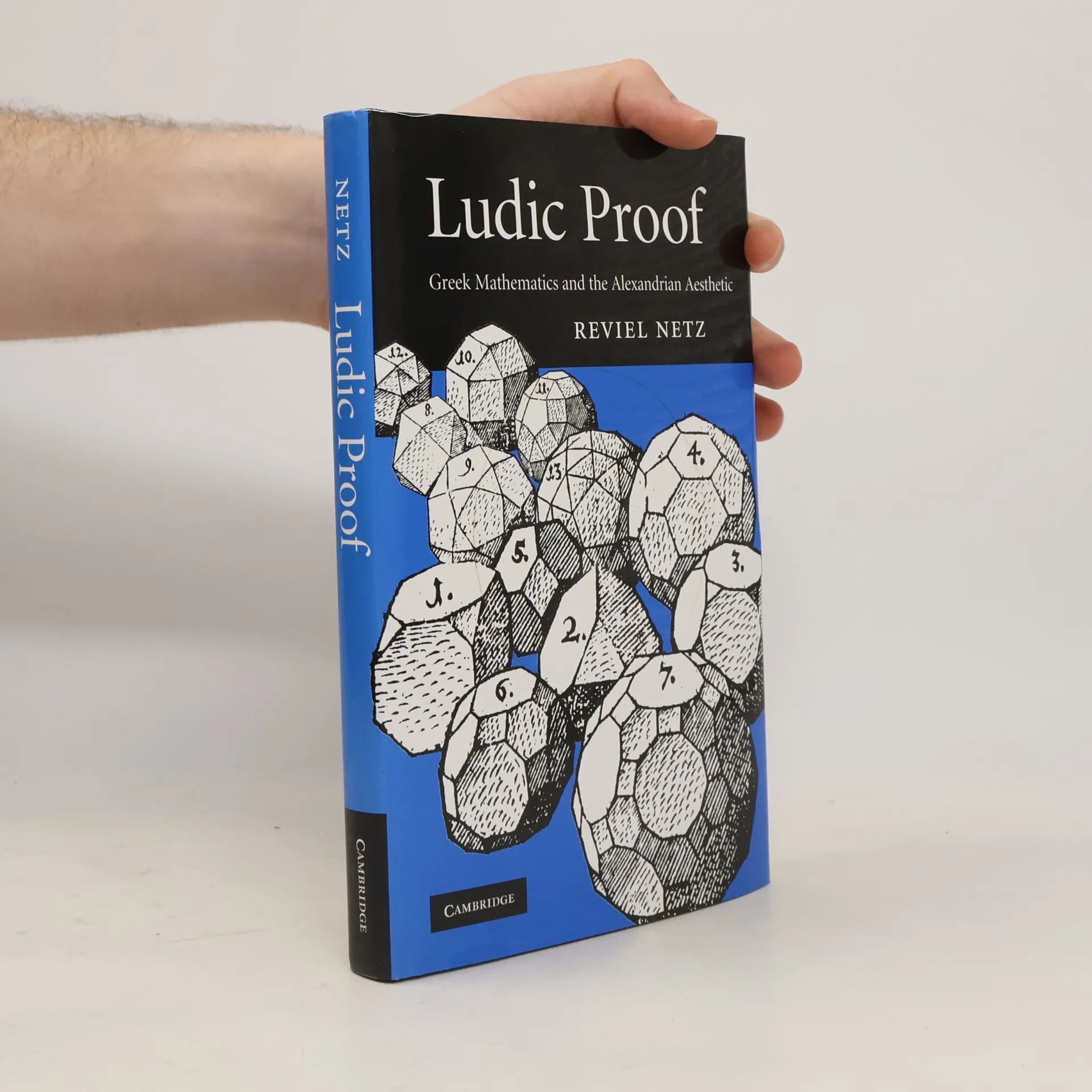
Exploring the intersection of science and poetry during the Hellenistic period, this book reveals how these disciplines influenced one another and contributed to the development of Western mathematics. It challenges conventional views and offers fresh insights into the cultural and intellectual exchanges that shaped mathematical thought in ancient times. Through detailed analysis, it uncovers the profound impact of poetic expression on scientific ideas, enriching our understanding of this pivotal era in history.
Reviel Netz Ordine dei libri (cronologico)
2 gennaio 1968



The Transformation of Mathematics in the Early Mediterranean World
From Problems to Equations
- 210pagine
- 8 ore di lettura
This book offers a compelling exploration of pre-modern mathematics, highlighting its historical development and significance. It delves into the cultural and intellectual contexts that shaped mathematical thought before the modern era, revealing how various civilizations contributed to its evolution. Through engaging analysis, it uncovers the connections between mathematics and other disciplines, providing a fresh perspective on its role in shaping human knowledge and understanding throughout history.
The Archimedes Codex
- 320pagine
- 12 ore di lettura
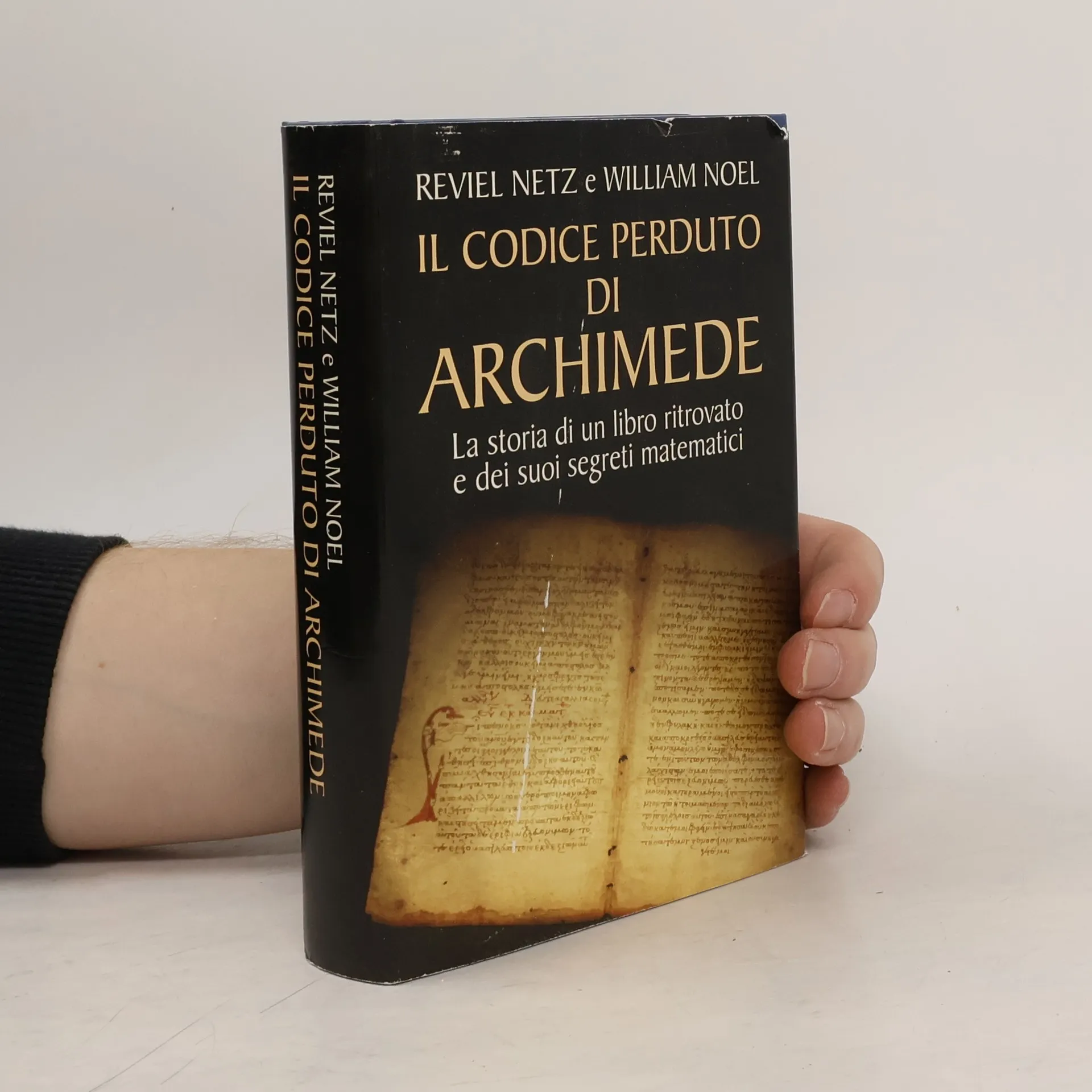
Drawings and writings by Archimedes, previously thought to have been destroyed, have been uncovered beneath the pages of a 13th-century monk's prayer book. These hidden texts, slowly being retrieved and deciphered by scientists, show that Archimedes' thinking (2,200 years ago) was even ahead of Isaac Newton in the 17th century. Archimedes discovered the value of Pi, he developed the theory of specific gravity and made steps towards the development of calculus. Everything we know about him comes from three manuscripts, two of which have disappeared. The third, currently in the Walters Art Museum, is a palimpsest - the text has been scraped off, the book taken apart and its parchment re-used, in this case as a prayer book. William Noel, the project director, and Reviel Netz, a historian of ancient mathematics, tell the enthralling story of the survival of that prayer book from 1229 to the present, and examine the process of recovering the invaluable text underneath as well as investigating into why that text is so important
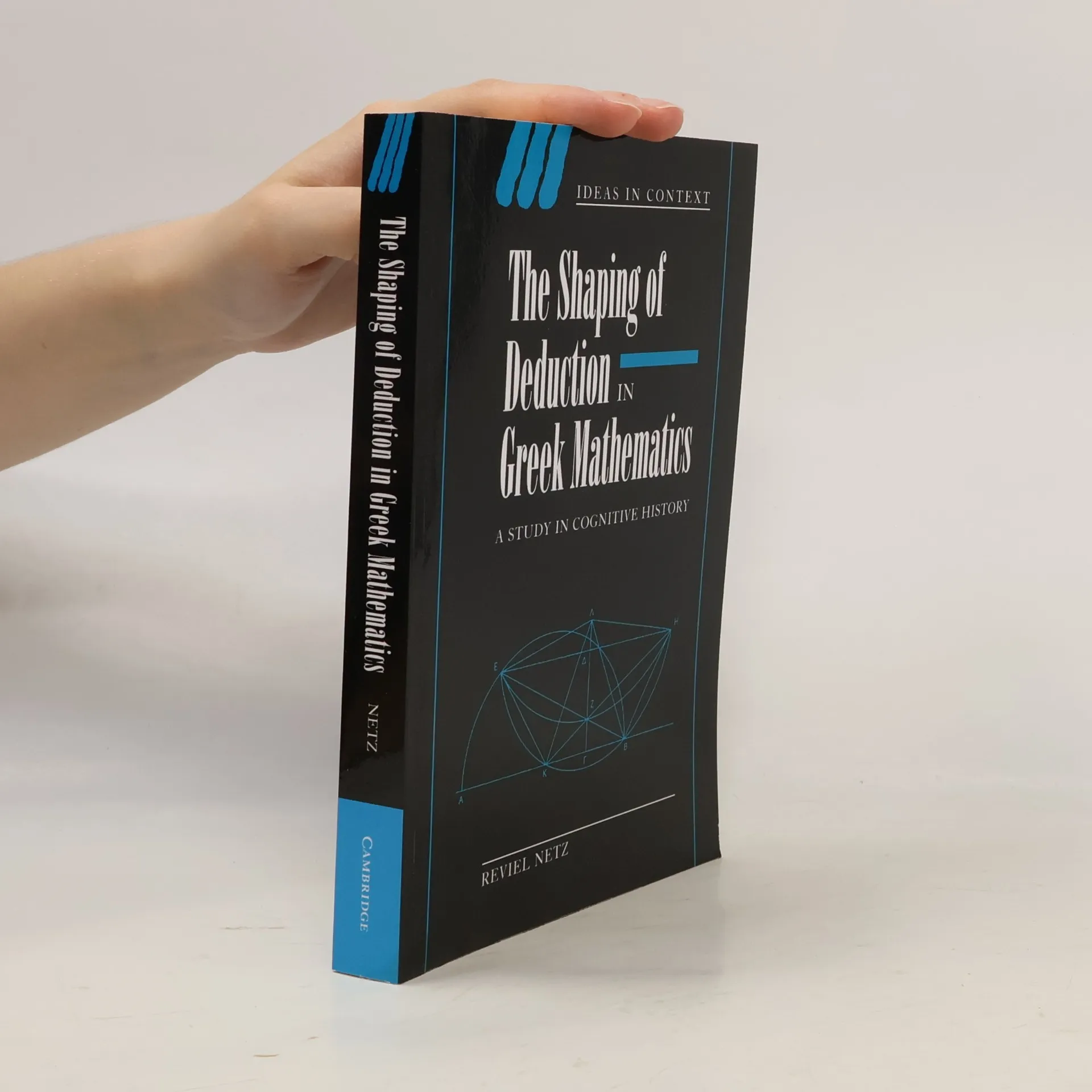
Focusing on the evolution of deductive argument in classical Greek mathematics, the book delves into the unique practices of the era, particularly the use of lettered diagrams and a structured, formulaic language. It highlights how these elements contributed to a significant advancement in human intellectual history, providing insights into the methodologies that shaped mathematical reasoning in ancient Greece.