The eagerly awaited publication of the second edition of The New Grove Dictionary of Music and Musicians will be a major event in the world of music in the year 2000. Grove is the name for music information on an international scale, instantly recognised and constantly used by music scholars and enthusiasts the world over - and the new edition will reflect some of the enormous changes in the world of music over the last twenty years. For the first time ever, four paperback companions are to be published featuring new research, writing and bibliography derived from the new edition, in advance of the publication of The New Grove II itself.
James Webster Libri
Questo autore è un abile tessitore di storie bizzarre, che plasma le sue narrazioni in interi peculiari ma perfettamente formati. La sua scrittura, che spazia dalla poesia alla prosa, esplora spesso temi non convenzionali e compare online, sul palco e in antologie. I suoi avvincenti racconti, incentrati su protagoniste femminili e non binarie, sono raccolti nel suo libro d'esordio. Il suo stile è distintivo, caratterizzato da un tocco di surreale e inaspettato.


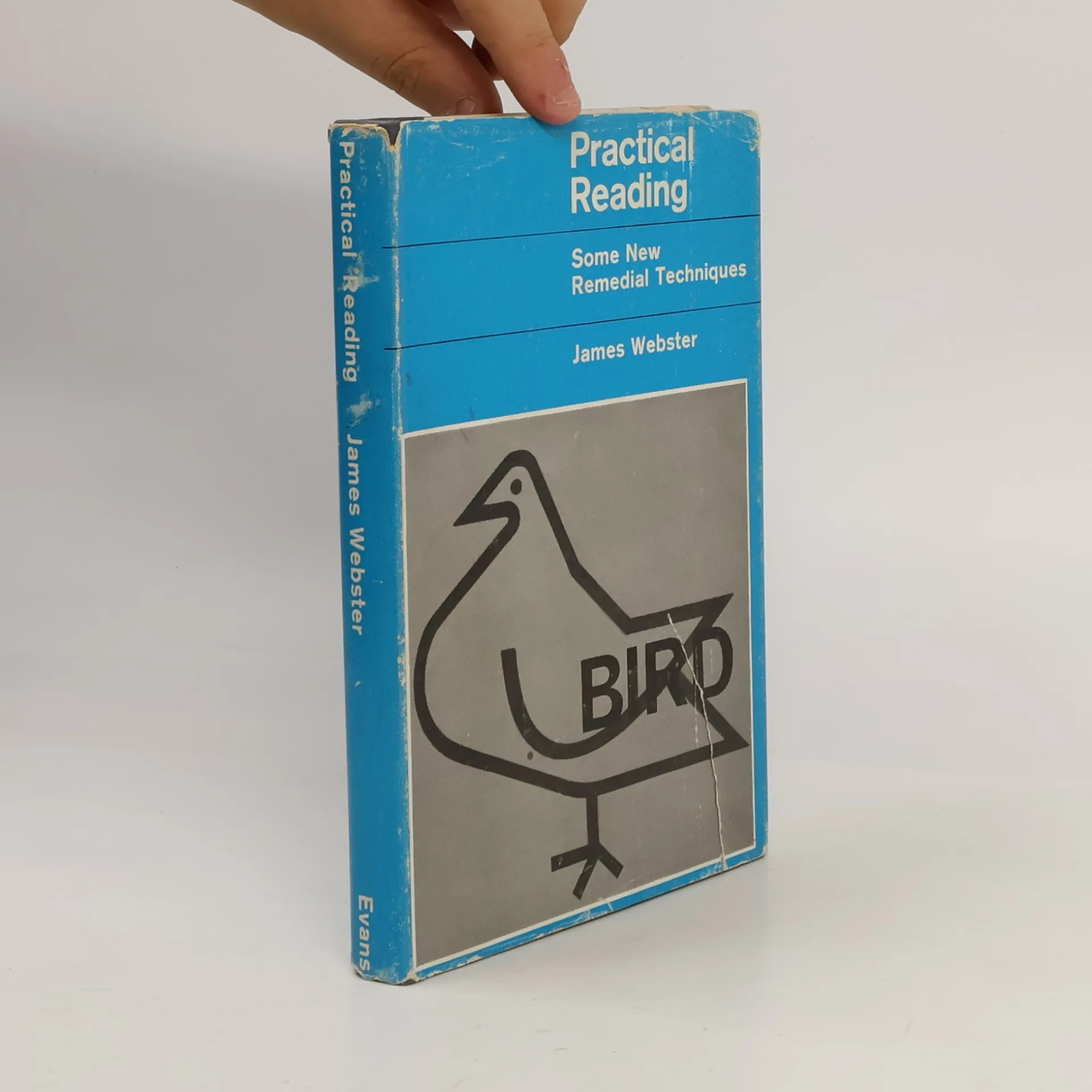

Practical Reading
Some New Remedial Techniques
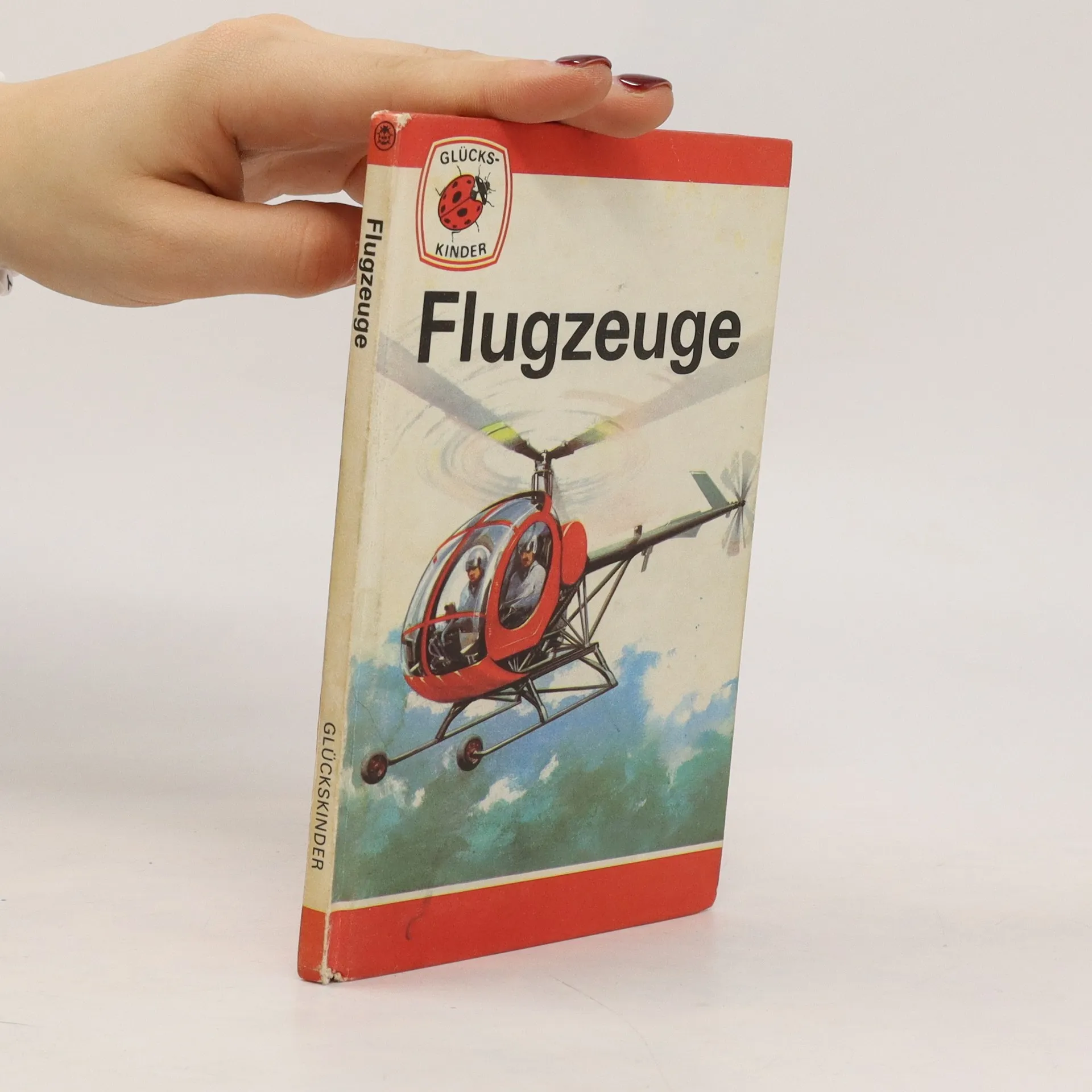
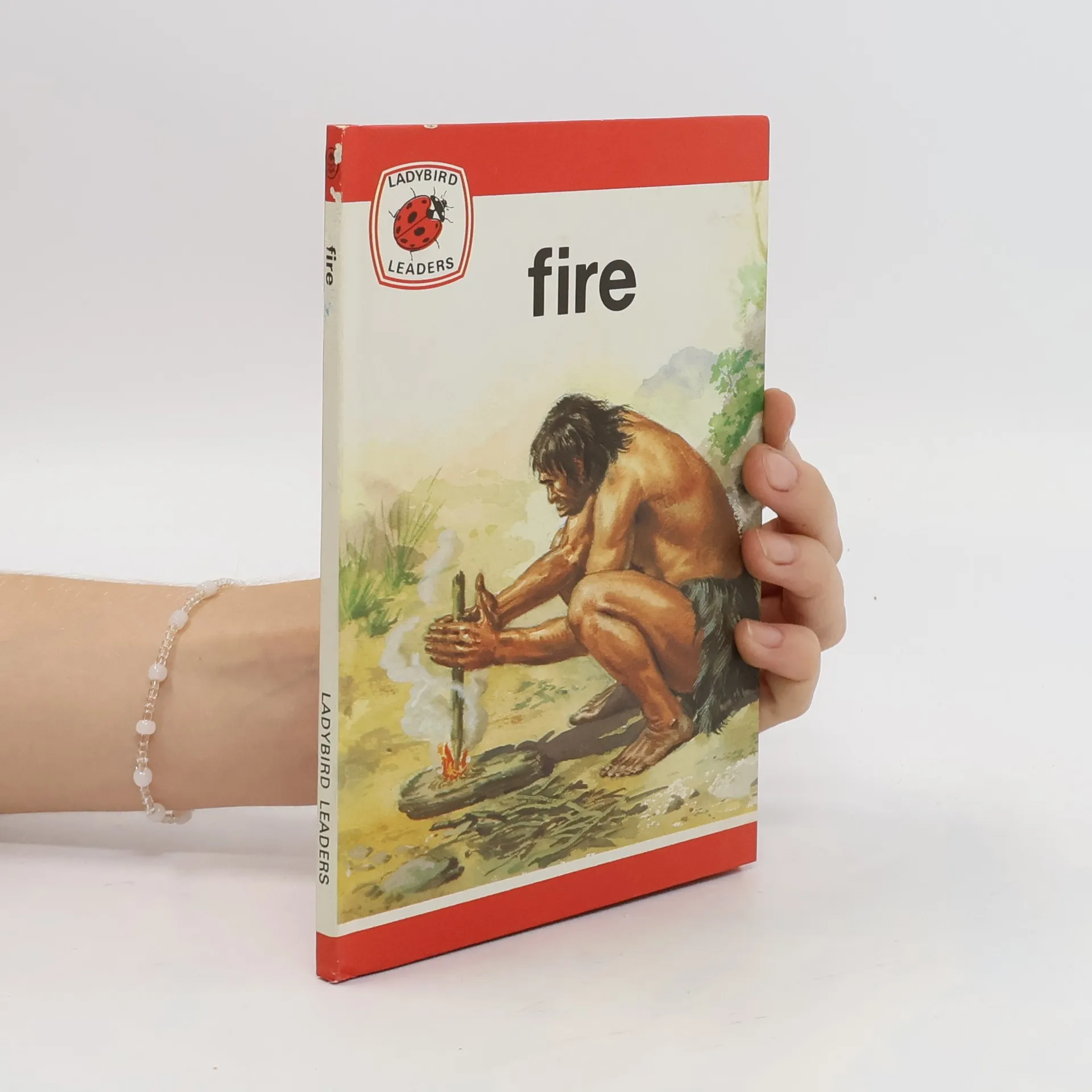
Ladybird Leaders: Man in the Air
- 52pagine
- 2 ore di lettura
The story of man's progress in flying, beginning with Icarus and ending with the shape of aircraft to come. The book is in the Ladybird Leader series, specially produced to meet the very real need for carefully planned first information books that instantly attract enquiring minds and stimulate reluctant readers.