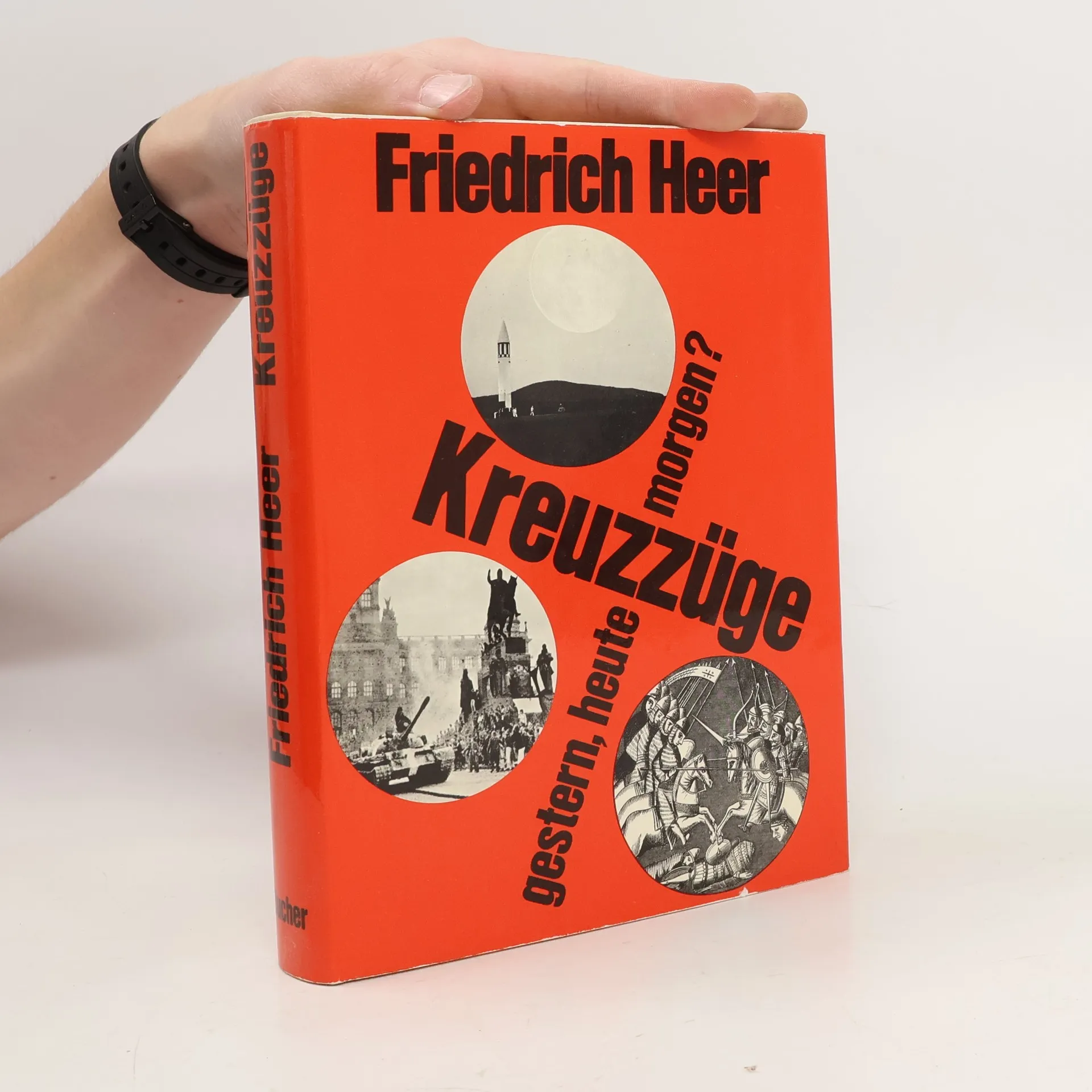
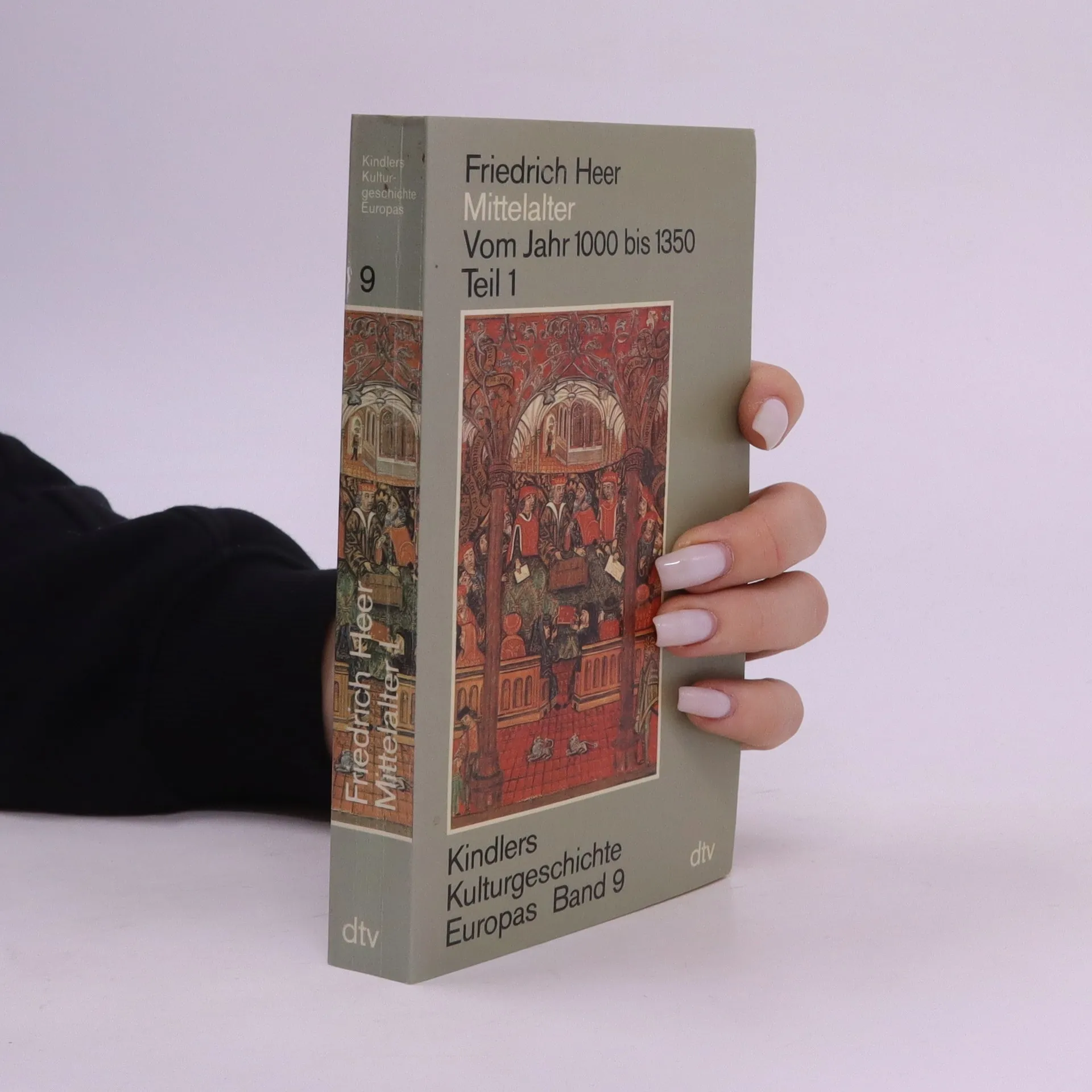
The medieval world
- 365pagine
- 13 ore di lettura
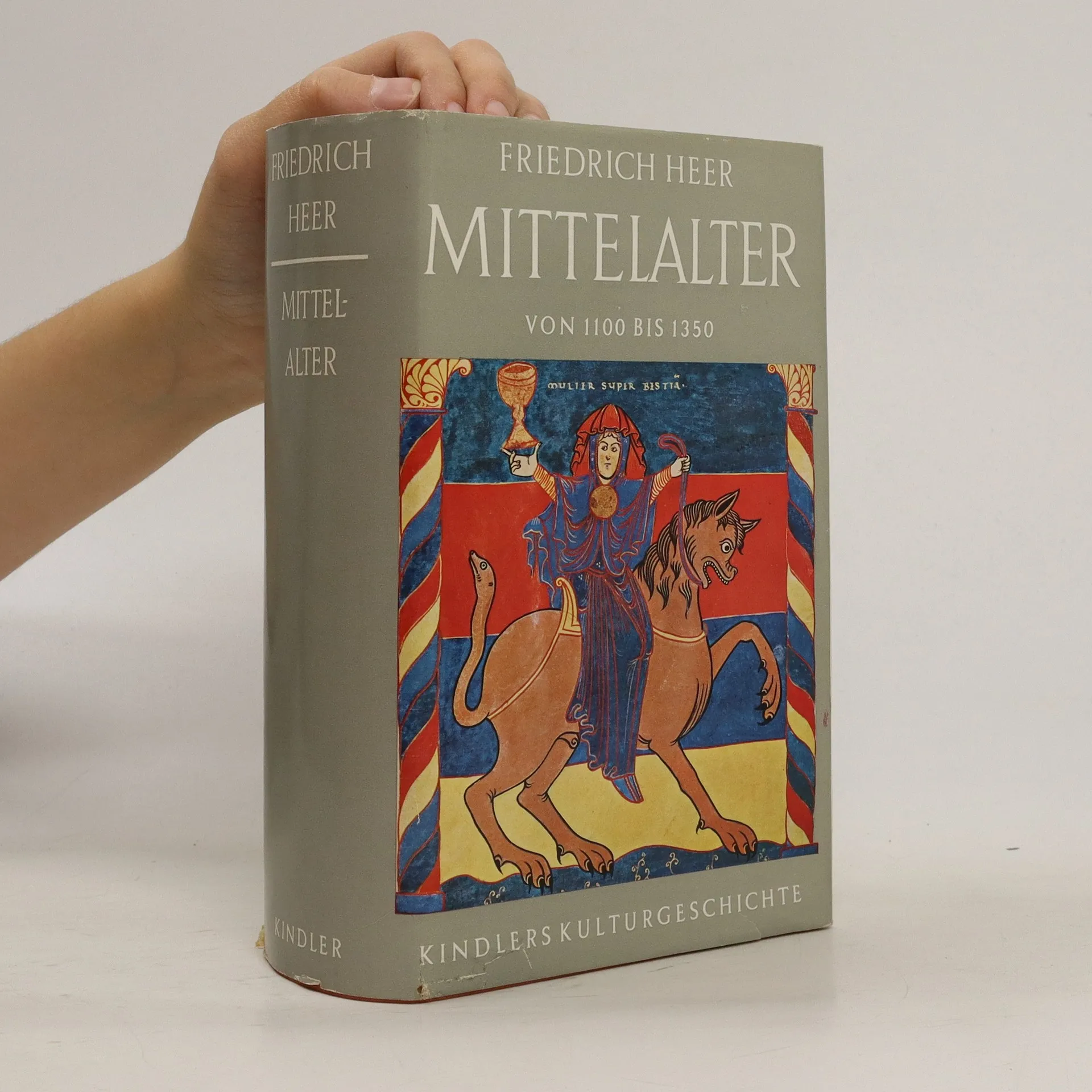
Useful survey of `life and culture of the High Middle Ages', first published in 1961.


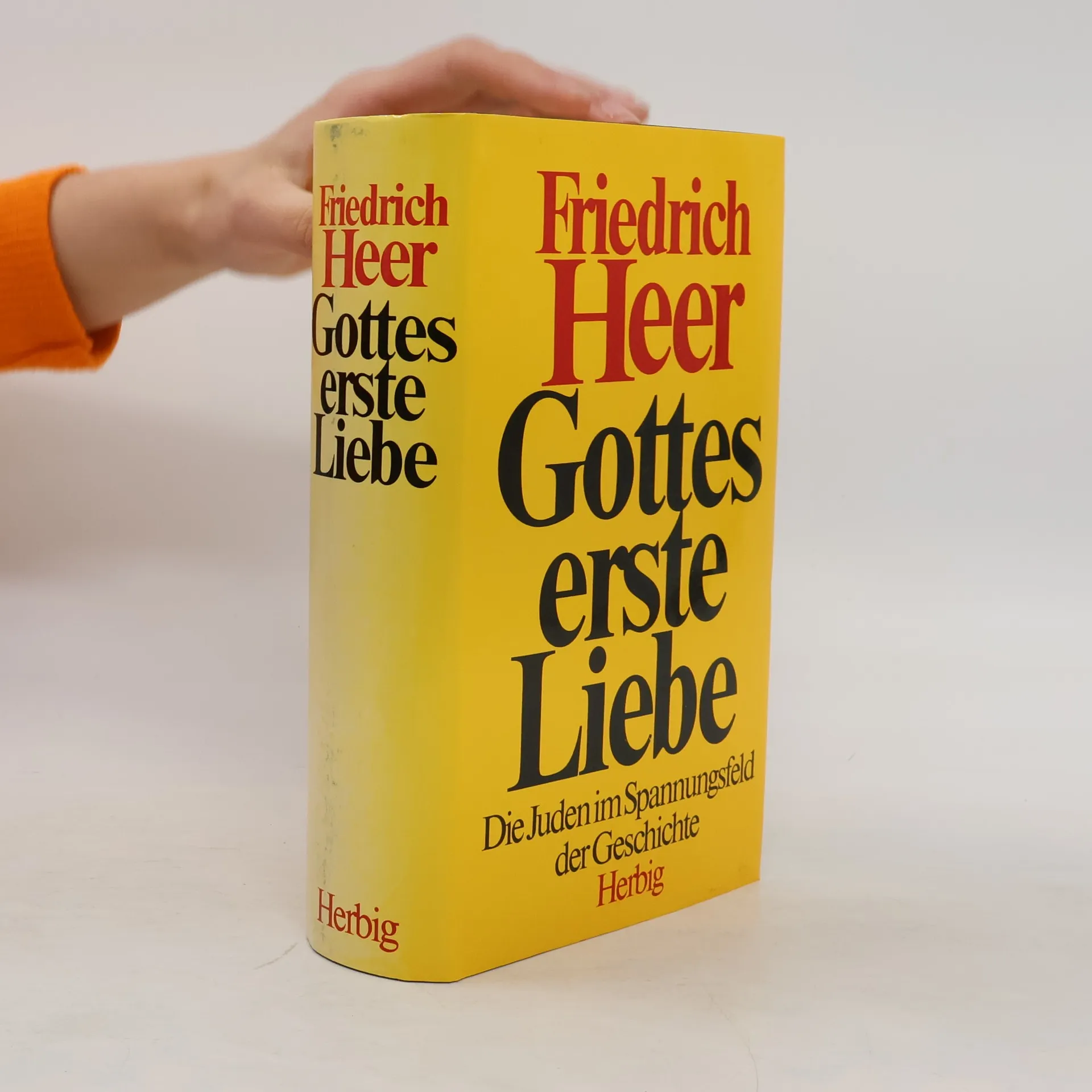
Friedrich Heer fu uno storico che, fin dalla giovane età, si oppose all'ideologia nazionalsocialista. Il suo lavoro approfondisce i profondi legami tra la storia e l'identità cristiana ed ebraica. Heer esplorò come queste due fedi abbiano plasmato la cultura e il pensiero europei. Le sue analisi critiche spesso suscitarono dibattiti, evidenziando le complesse relazioni tra religione, politica e società.



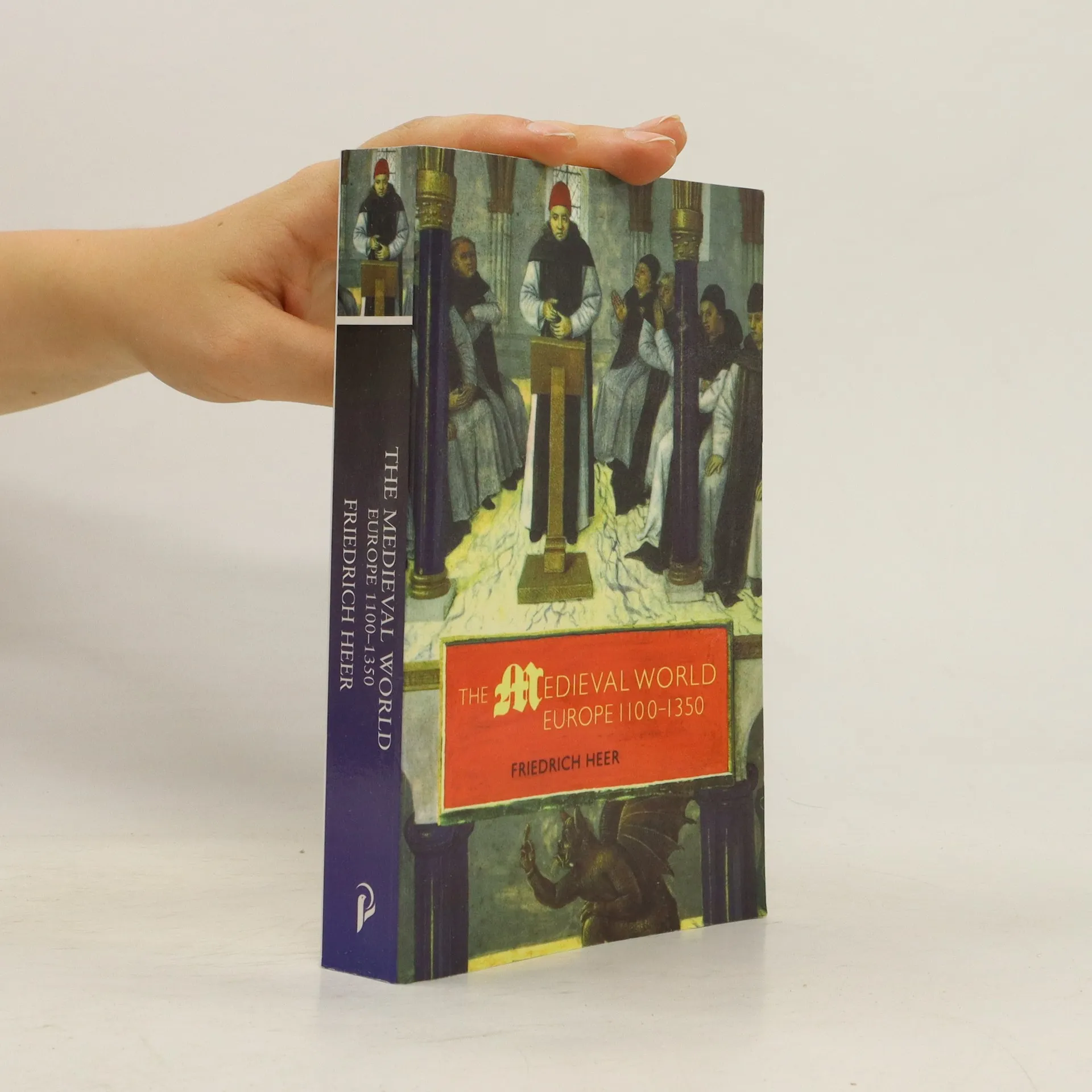
Useful survey of `life and culture of the High Middle Ages', first published in 1961.
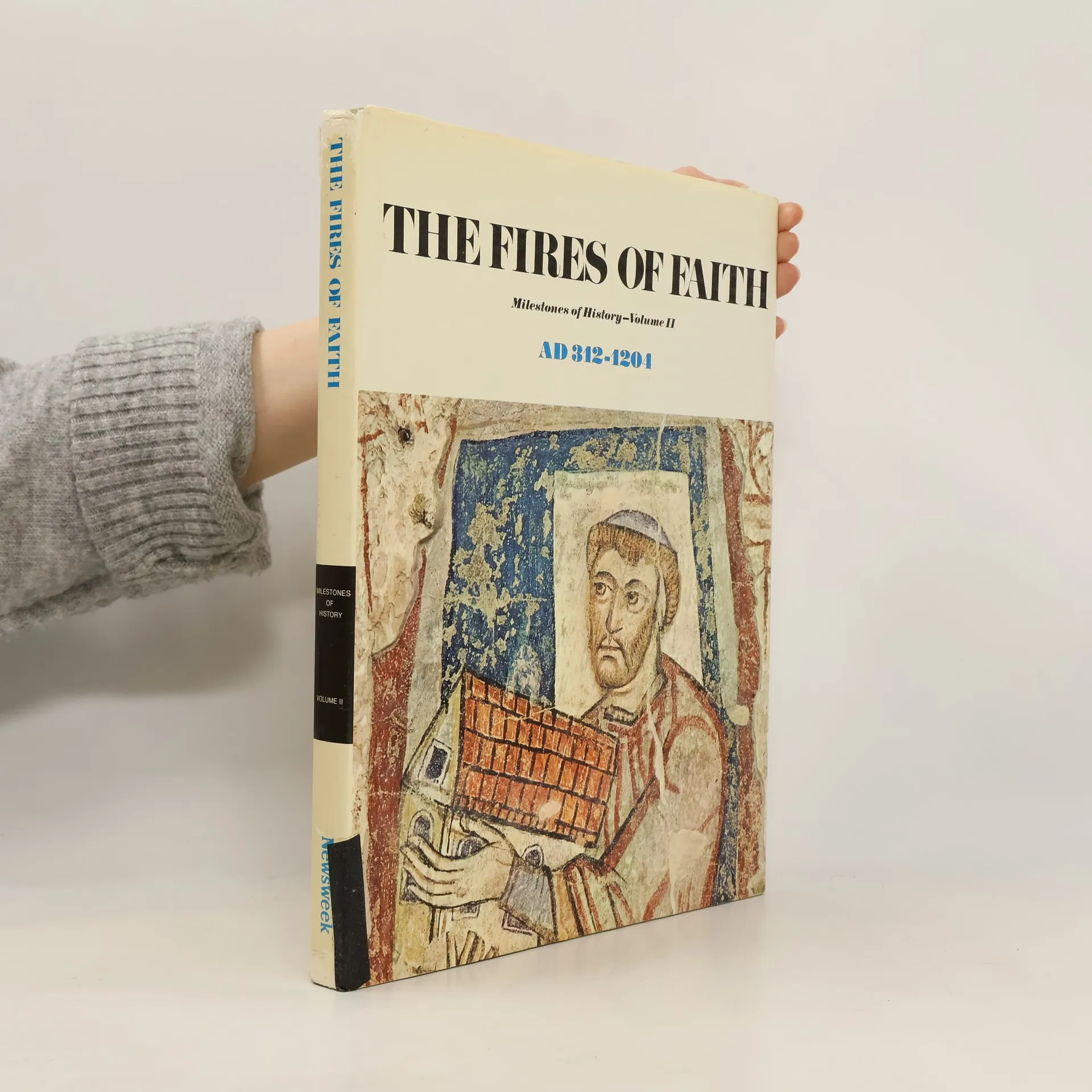
Traces milestones of history from Constantine's unification of the western half of the Roman Empire under his name in 312 to the fall of Constantinople in 1204.
The Holy Roman Empire, a relic of a lost age, dominated Europe for 1,000 years, from the time of Charlemagne until its final `demolition' by Napoleon. This study, over thirty years old and now reprinted again, charts the fluctuating fortunes of the Empire's dynasties, the Ottonians, Salians and Habsburgs, and their constant struggle to assert their inherited authority over Italy, Rome and the Papacy. Half of the study focuses on the post-medieval years.
Die Nationalsozialisten verhafteten Friedrich Heer sechsmal, was ihn nachhaltig prägte. Als Historiker und Publizist war er ein Titan der Bildung, dessen Werke mit Verweisen und Anspielungen gesättigt sind. Die Erkenntnis, dass „Bildung vor Barbarei nicht schützt“, wurde für ihn zur Lebenslehre. Der Verrat am Geist, insbesondere die Bereitschaft vieler Akademiker, den Nationalsozialisten zu dienen, quälte ihn. Heer erlebte den rasanten Zerfall des österreichischen Katholizismus, als die Gläubigen 1938 für den Anschluss an das Deutsche Reich stimmten. Diese Erfahrung hinterließ eine unheilbare Wunde in seinem Leben. Heers unermüdliche Arbeit als Wissenschaftler und Publizist umfasste 50.000 Seiten und über fünfzig Bücher, darunter bedeutende historische Studien und biographische Arbeiten. Trotz seiner Berühmtheit erreichte er nie eine Professur in Wien, da er die Vertreter des politischen Katholizismus kritisierte. Seine Werke thematisieren den österreichischen Selbstverrat und die Versagen der Kirche. In seinen Schriften analysierte er die jahrhundertelange Geschichte des Antisemitismus und die Prägung Hitlers durch den österreichischen Katholizismus. Sein Hauptwerk, das den „Kampf um die österreichische Identität“ behandelt, verbindet historische Ereignisse mit der inneren Zerrissenheit der Österreicher. Heers Fähigkeit, Gegensätze zu versöhnen, war prägend, obwohl sie oft als Unfähigkeit interpretiert wurde. Sein Wunsch
2 Bände. 8vo pp. 622 + 614. Brossura. Sottolineature a matita colorata su poche pagine. Molto buono.
Friedrich Heer zeigt, dass die von den Kirchenvätern überlieferte christliche Theologie im Laufe der Jahrhunderte genutzt wurde, um Antisemitismus zu rechtfertigen. Er zeigt, wie die Schriften der Heiligen alle zu demselben Zweck verwendet wurden.
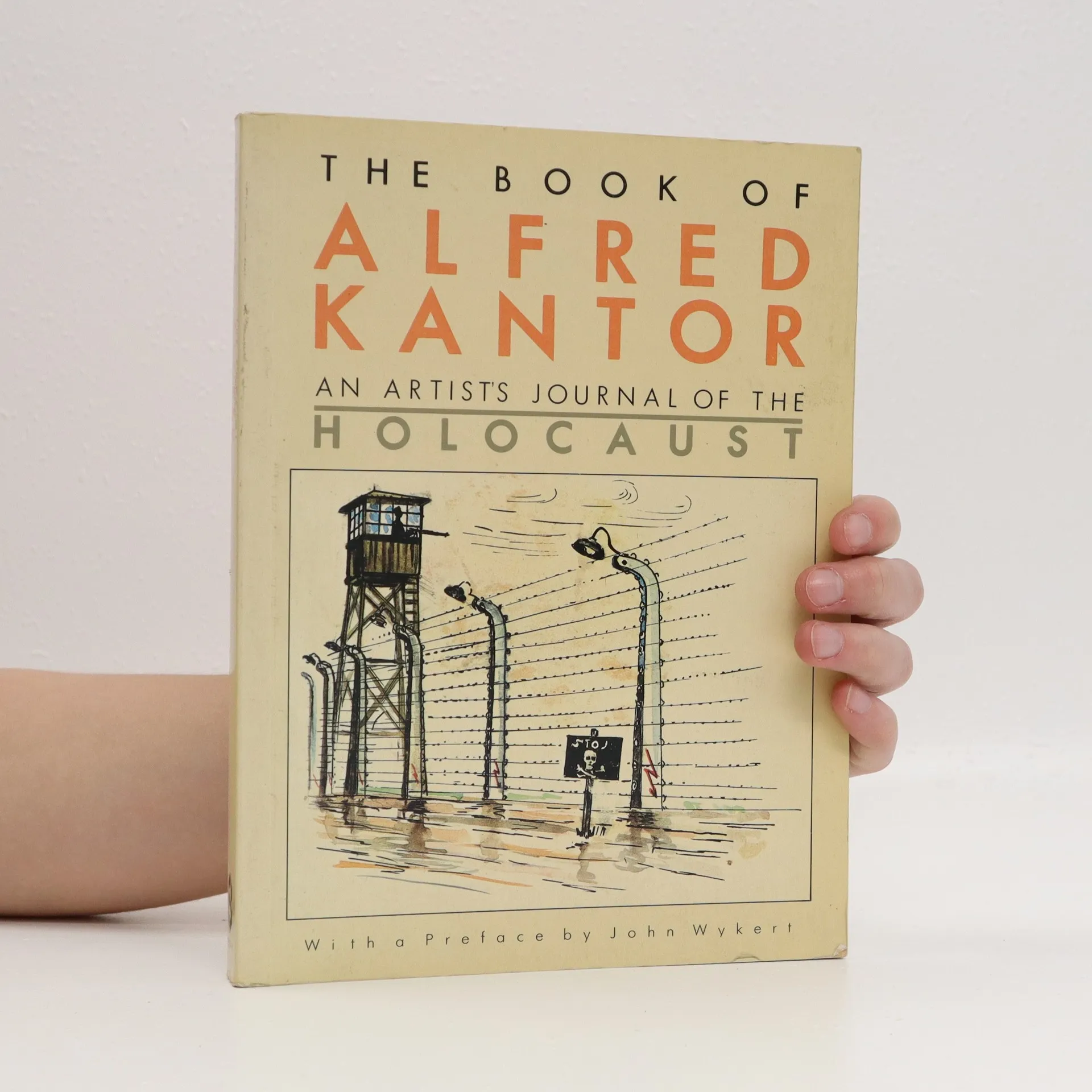
Forfatterens dagbog og tegninger fra hans ophold i koncentrationslejrene Terezin, Auschwitz og Schwarzheide under 2. verdenskrig
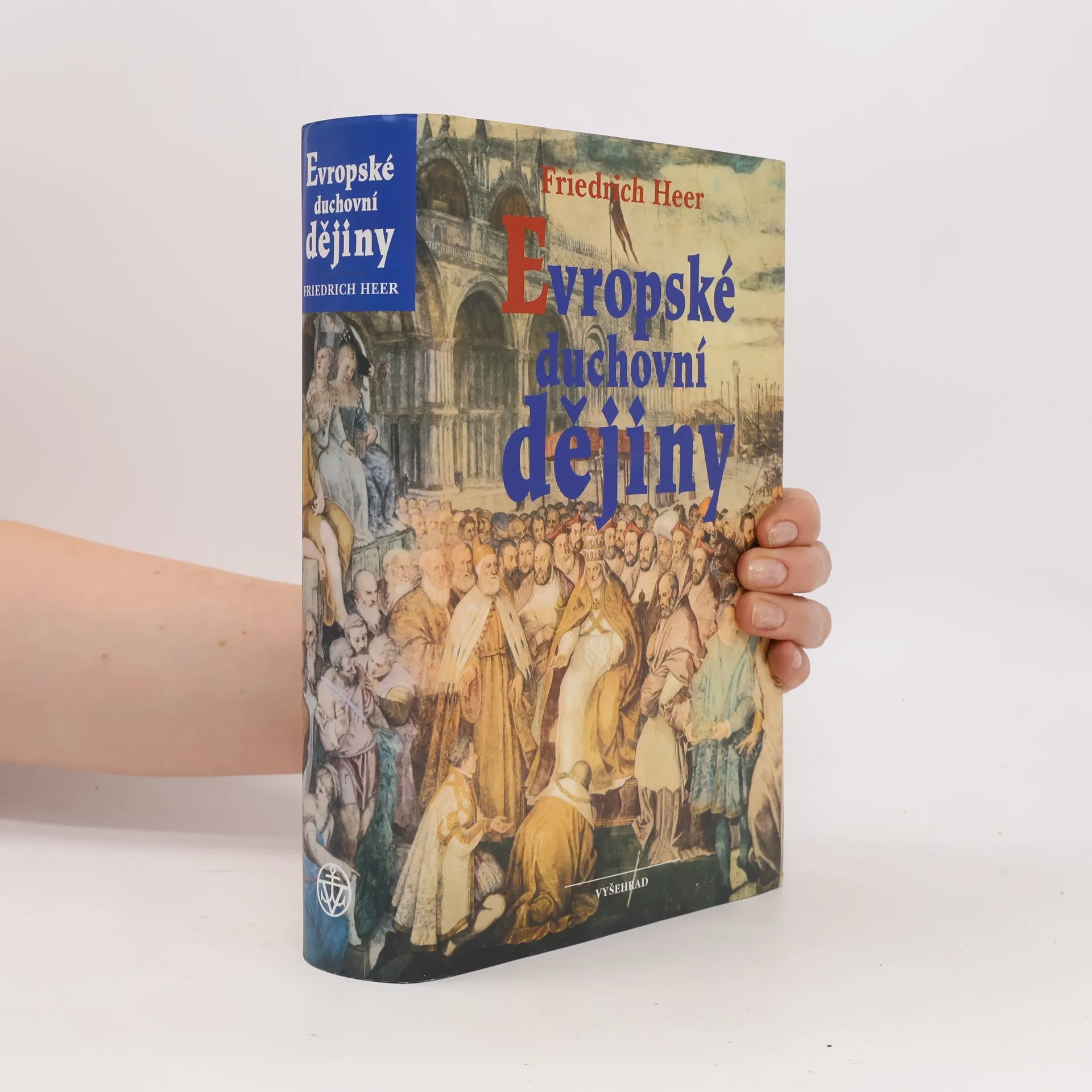
Průřez vývojem evropského náboženského a filosofického myšlení od konce antiky do XIX. století. Kniha rakouského historika, autora řady monografií a zejména velkých syntéz, je právě takovou širokou syntézou myšlenkových dějin západní Evropy. Od starověkých počátků a klasické antiky přes patristiku, raný a vrcholný středověk, reformaci a renesanci až po hlavní myšlenky 19. století ukazuje souvislost a sepjatost západoevropského myšlení, jehož hlavní osou je křesťanství. Heer si všímá nejen myslitelů teoretických, ale také umění, literatury a hlavně těch širokých a často přehlížených proudů „ducha doby“, které se v Evropě vždy šířily bez ohledu na hranice a utvářely její podobu.
Register : Namenregister, Zeittafel, Sachregister
Eine Untersuchung, die alle Charaktere, Individuen und Massen, die auf der Bühne des mittelalterlichen Europas verstreut oder versammelt sind, kennenlernen möchte. Protagonisten sind weniger die Fürsten, Päpste oder Generäle, die ihre Unterschrift in den Ereignissen hinterlassen haben, sondern die ländlichen und städtischen Massen, die Handwerker, Seeleute und Händler: gerade die Menge dieser authentischen Charaktere ergänzt die Wahrheit der Szene, des Alltagslebens und versucht mutig, eine neue Gesellschaft zu schaffen. Der Zeitraum liegt um das legendäre und gefürchtete Jahr 1000: er reicht von den noch "barbarischen" Jahrzehnten bis zu den künstlerischen Glanzleistungen des 13. Jahrhunderts. Mit wissenschaftlicher Präzision und Originalität beschreibt das Buch eine Epoche, die von Tragödien ganzer Massen und von "universellen" künstlerischen Ausdrucksformen geprägt ist, gibt aber vor allem dieser Epoche die dunklen Schöpfer zurück, die das Verdienst hatten, sie zu gestalten.
Vom Jahr 1000 bis 1350. Teil 1
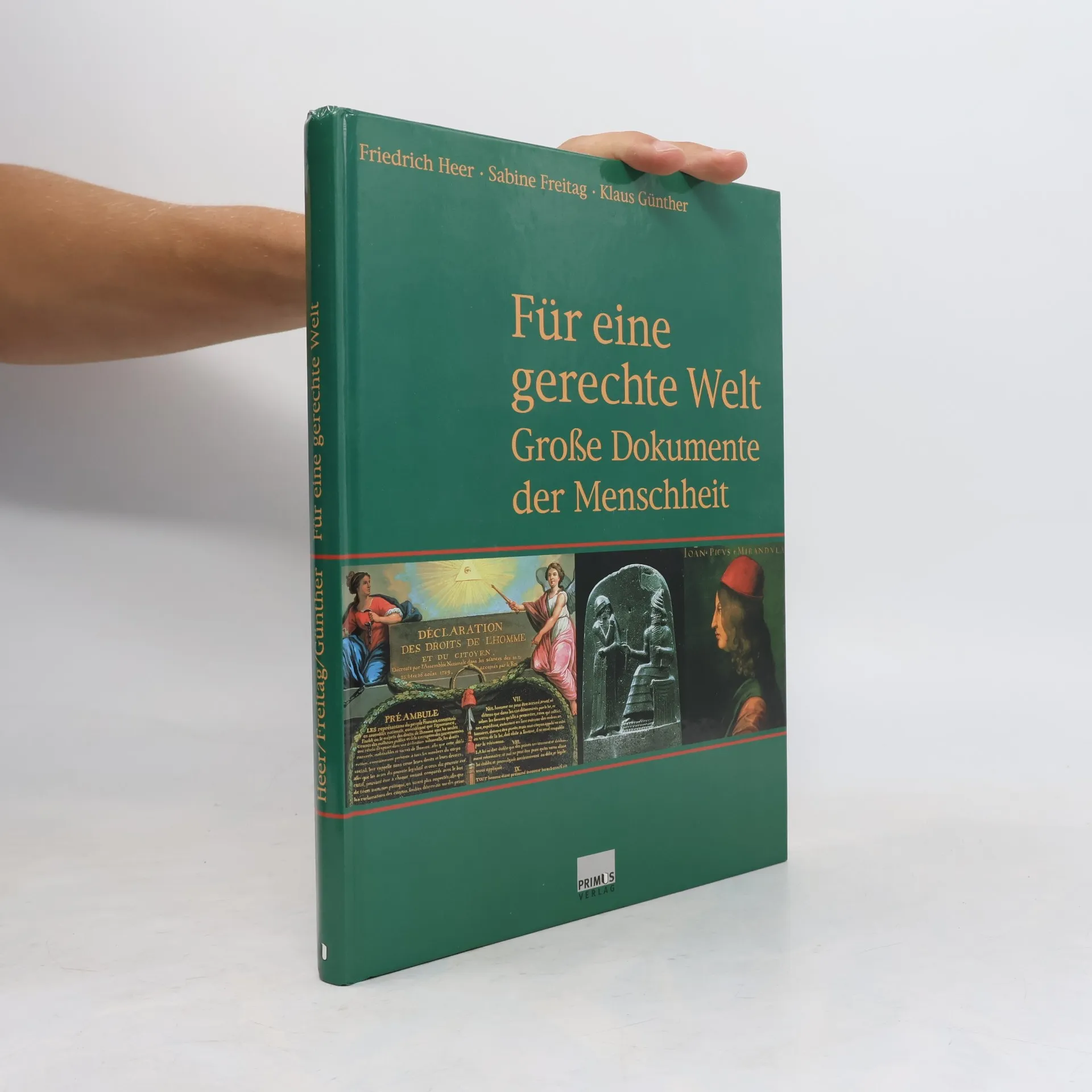
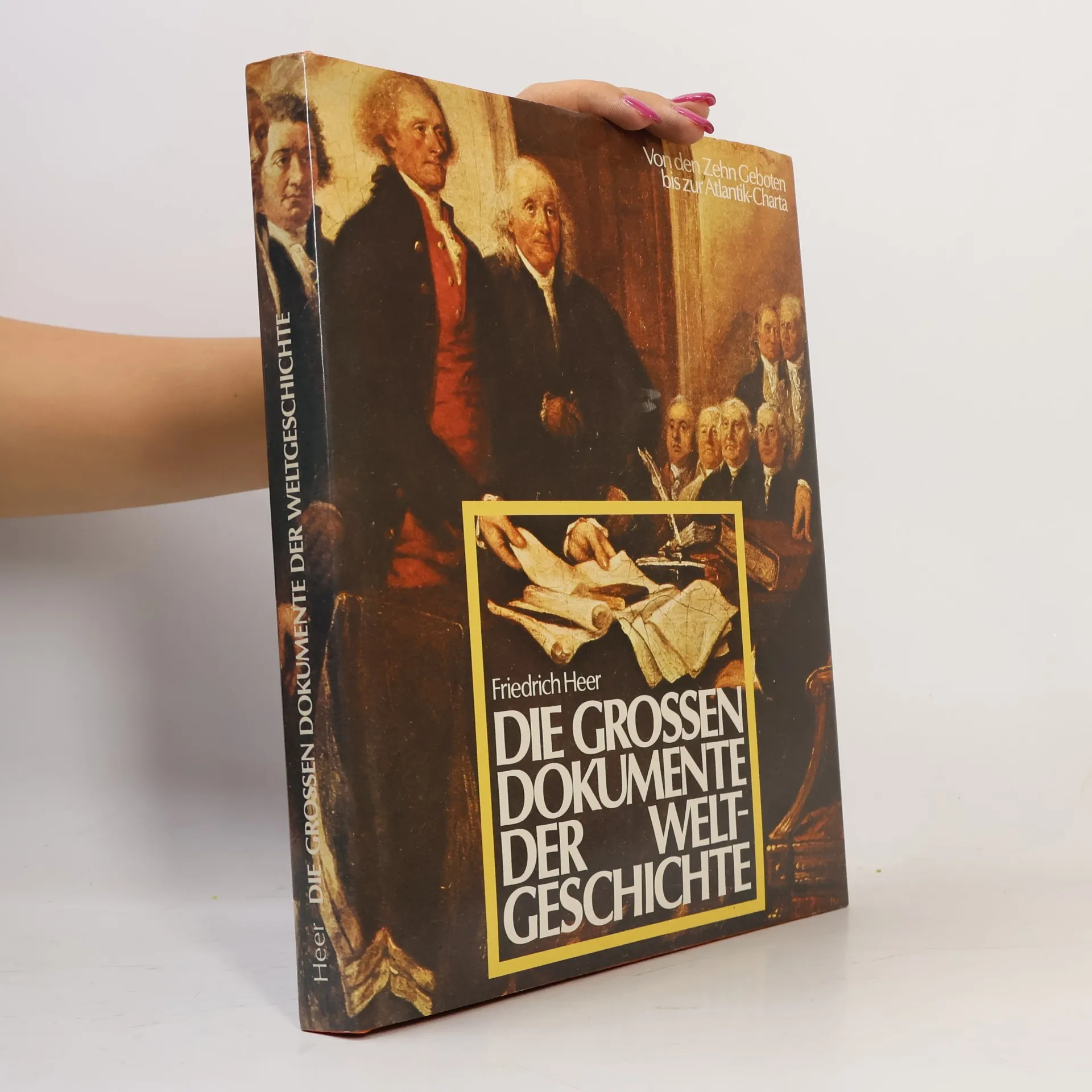
Menschsein bedeutet, mit den Konflikten des gemeinschaftlichen Lebens umzugehen. Die Suche nach Ordnung und Konfliktbewältigung hat die Menschheit seit jeher beschäftigt, sei es durch Kultur, Zivilisation, Gesetze oder Verträge. Doch wie kann eine friedliche und gerechte Welt geschaffen oder beschrieben werden? Dieses Buch erzählt Menschheitsgeschichte durch bedeutende Rechtsordnungen und -vorstellungen, sowohl religiös als auch weltlich motiviert. Der Bogen reicht vom Codex Hammurabi des Alten Babylon bis zur Gründung des Internationalen Strafgerichtshofs. Jeder Text wird in einem kurzen einleitenden Kommentar in den zeitlichen und geistesgeschichtlichen Kontext eingeordnet, gefolgt von der deutschen Übersetzung des Originals, entweder vollständig oder in wichtigen Auszügen. Ein abschließender Kommentar würdigt die Bedeutung des Dokuments. Über 100 Abbildungen, die Dokumente, ihre Initiatoren oder historische Situationen zeigen, illustrieren den Inhalt. Zu den behandelten Themen gehören der Codex Hammurabi, die Zehn Gebote, Platons Idee einer gerechten Gemeinschaft, die Magna Charta, die Verfassung der USA, die Erklärung der Menschenrechte und viele mehr. Eine Chronologie der Dokumente und begleitenden Ereignisse rundet das Werk ab.
Wie in keinem anderen Buch erfahrt man in "Das Wagnis der Schopferischen Vernunft" etwas uber die treibenden Motive des rastlosen Denkers und Schreibers Heer, wie in keinem anderen Buch werden all jene Themen, Fragen, Ahnungen und Angste im wahrsten Sinn des Wortes umschrieben, die Friedrich Heer zeit seines Lebens nicht losgelassen haben. Ein Buch, das zu einem "Spaziergang" einladt durch die "Spiele der schopferischen Vernunft in den Jahrtausenden, die uns gebildet und verbildet die Geschichte der Freiheiten dieser schopferischen Vernunft ist die Geschichte ihrer Unfreiheiten, ihrer immer neuen Versklavungen, so wie die Geschichte der Freiheitsbewegungen des Menschen die Geschichte seiner immer neuen Versklavungen ist". (Friedrich Heer in einem nicht veroffentlichten Entwurf zu einer Einfuhrung in das Wagnis der schopferischen Vernunft)
Von den Zehn Geboten bis zur Atlantik- Charta
Esejistická práce docenta evropských duchovních dějin na vídeňské universitě je bohatě podnětným filosoficko-teologickým zamyšlením nad vztahem soudobého života k Bohu, nad úlohou manželství ve světě, nad poměrem dnešního člověka ke smrti a nad styčnými body církve a umění v našídobě. Knihu uzavírá obšírnější studie o francouzském mysliteli Teilhardu de Chardin, jehož "otevřený humanismus" je nutně blízký autorovi, který se u všech jmenovaných problémů zastává otevřenosti člověka vůči světu a plného přijetí osobní odpovědnosti. Svižné podání a bystrost postřehů založily Heerovu popularitu.
Žít, chceme žít. Žít svobodně. Užít života. Země je opilá touhou po životě. Už osmdesát milionů let, od té doby, co se ojevily první zárodky života. Miliardy, biliony živých tvorů hledají slunce, světlo, vodu, živné látky země. Chtějí žít, už několik set tisíc let se účastnítoho života člověk. Dnes můžeme už zřetelněji sledovat jeho stopy, které vedou zpět desítkami tisíciletí a ukazují nám jeho vůli žít už v dobách ledových a meziledových. Známe jeho gigantické pokusy udržet se na živu už několik tisíciletí; v boji proti nepřátelským přírodním silám, proti ostatním silám i proti sobě. Pustiny i pralesy, stepi a kopce nám otevírají pohled na chrámy, města, domy, náspy, hroby. Člověk je stavěl, aby svůj život zaštítil, chránil, udržel. Chtěl žít na této zemi. I když povodně, sopečné výbuchy a požáry, mor, válka a hlad život ohrožovaly a stále znovu ničily.
Rundfunkstimmen zur Weltschau von Pierre Teilhard de Chardin
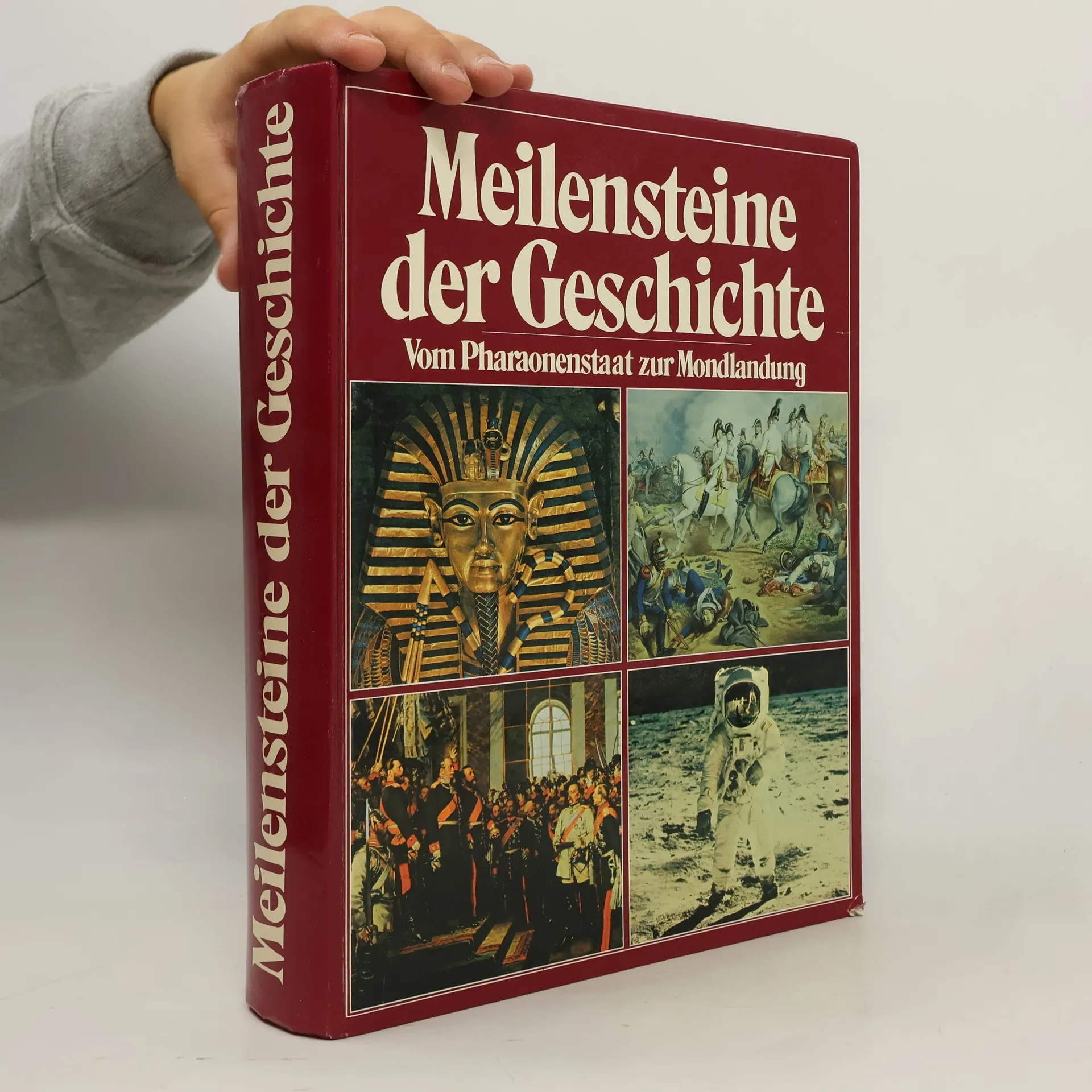
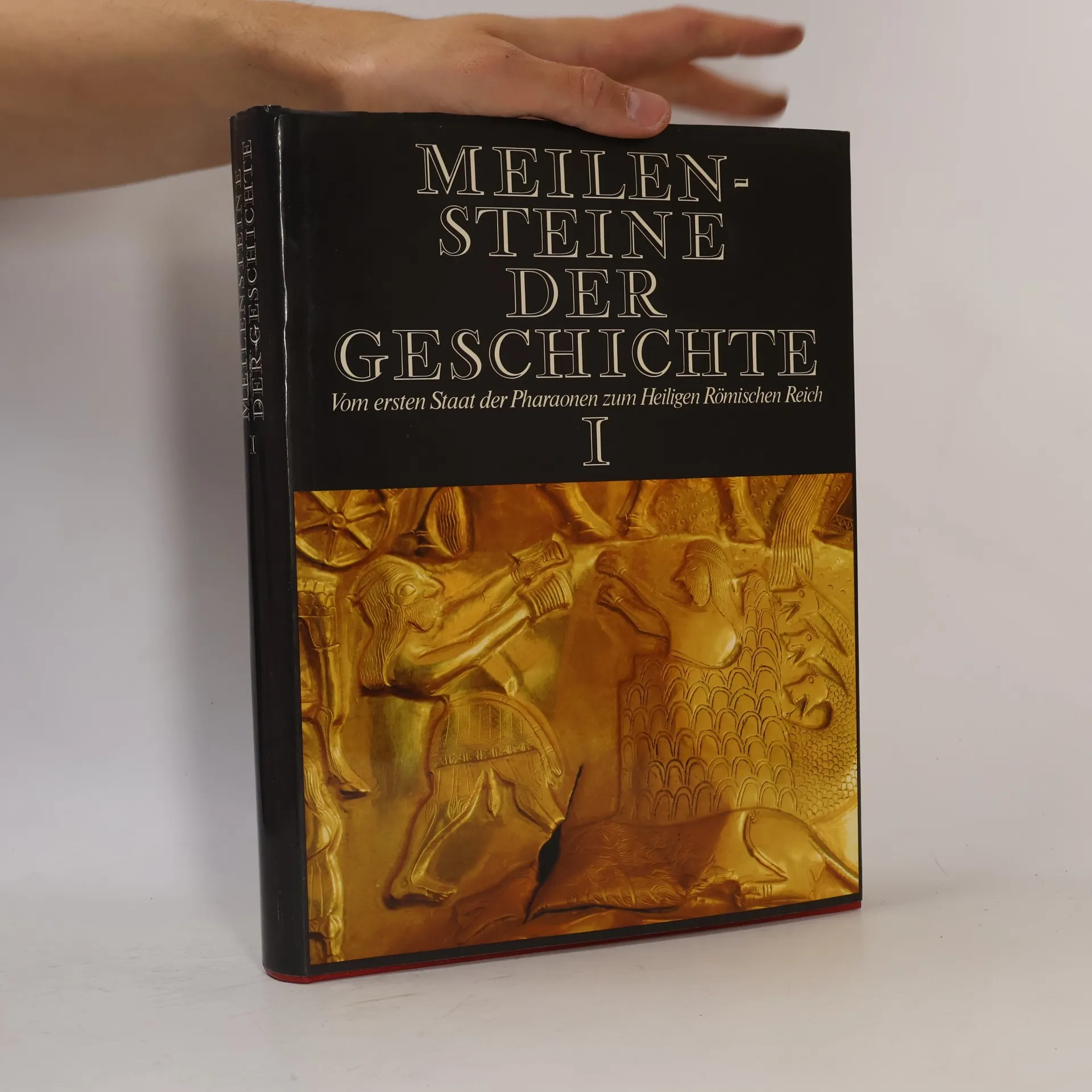
Vom ersten Staat der Pharaonen zum Heiligen Römischen Reich
German
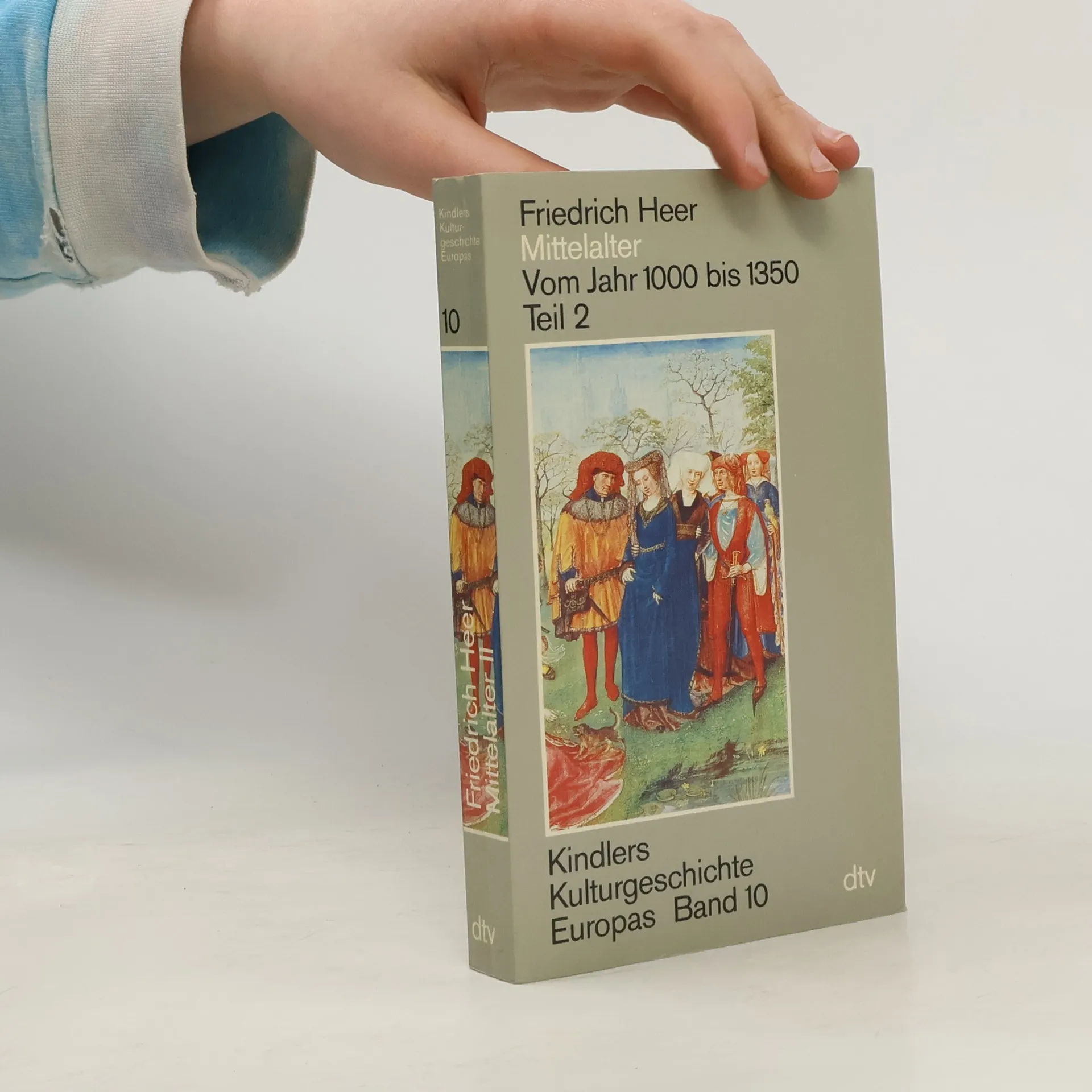
Vom Jahr 1000 bis 1350. Teil 2
Bohatší život