Focusing on accessibility, this publication by Megali reproduces historical works in large print, catering specifically to individuals with impaired vision. The initiative aims to enhance readability, ensuring that important historical texts are available to a wider audience.
Thomas Jefferson Ordine dei libri (cronologico)
13 aprile 1743 – 4 luglio 1826
Thomas Jefferson incarnò l'ideale dell'Illuminismo, eccellendo in svariati campi, dal diritto alla scienza, dalla musica all'architettura. La sua vasta corrispondenza e il suo profondo coinvolgimento con il mondo lo rendono una figura cardine della storia americana. Jefferson possedeva una notevole capacità di analizzare acutamente e distillare informazioni complesse fino alla loro essenza, rendendolo un membro inestimabile di qualsiasi organo deliberativo. Le sue teorie sull'autogoverno e sui diritti delle persone che si stabilivano in nuove terre plasmarono il pensiero americano delle origini.



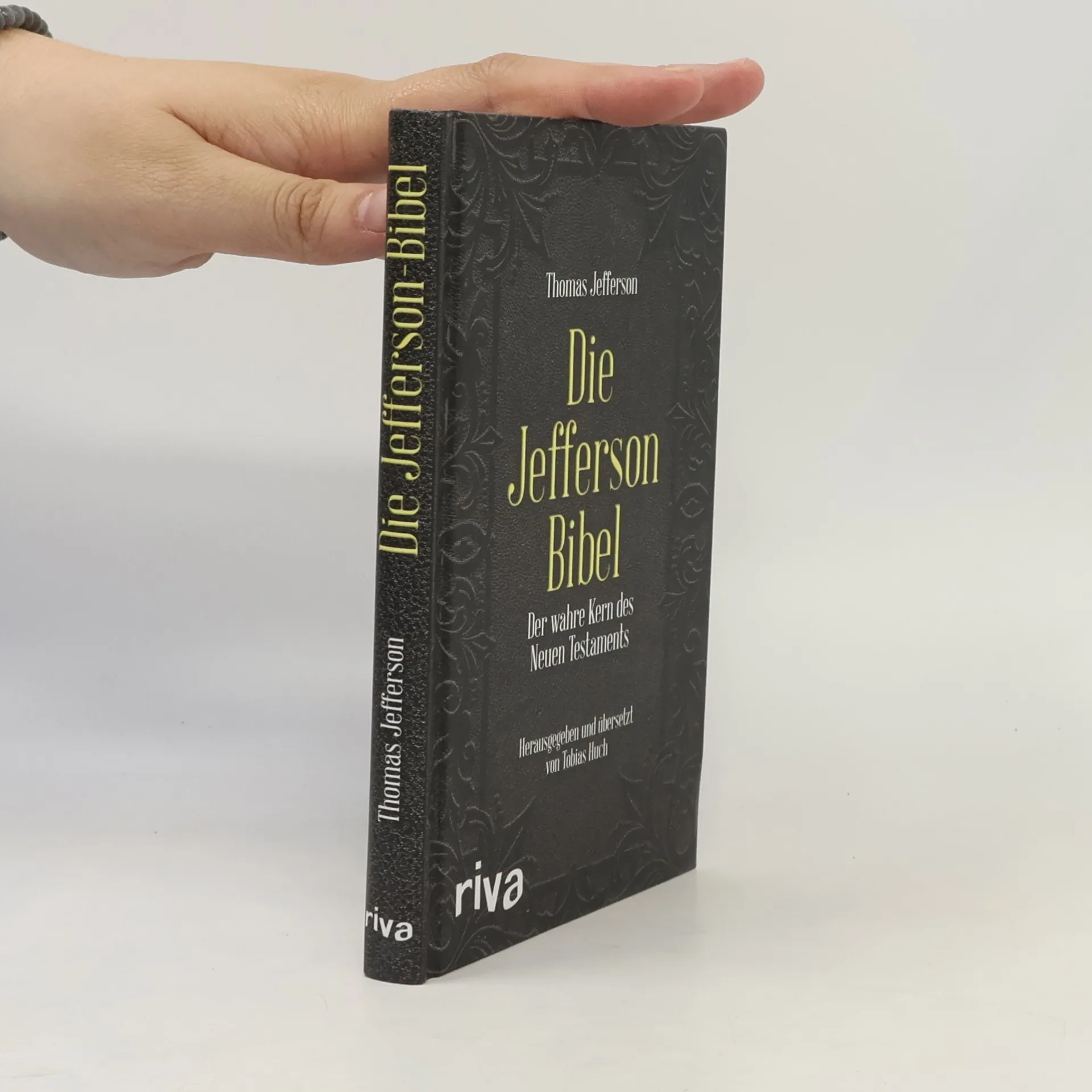
Thomas Jefferson, der dritte Präsident der USA, gilt als hauptsächlicher Verfasser der amerikanischen Unabhängigkeitserklärung. Er verstand sich als Christ, wobei er die Bibel größtenteils als Märchenbuch betrachtete. Also machte er sich daran, das Neue Testament auf seinen wahren Kern zu reduzieren, indem er alle Passagen ausließ, die von übernatürlichen Phänomenen berichten. Dadurch wurde er zu einem frühen Vertreter der historischen Jesusforschung. Der Journalist Tobias Huch hat sich früh und intensiv mit der Jefferson-Bibel befasst. Fast zweihundert Jahre nachdem das Original erschienen ist, legt er nun die erste modernisierte deutsche Übersetzung in Buchform vor und bietet somit jedem die Möglichkeit, diesen wichtigen Text zu entdecken.
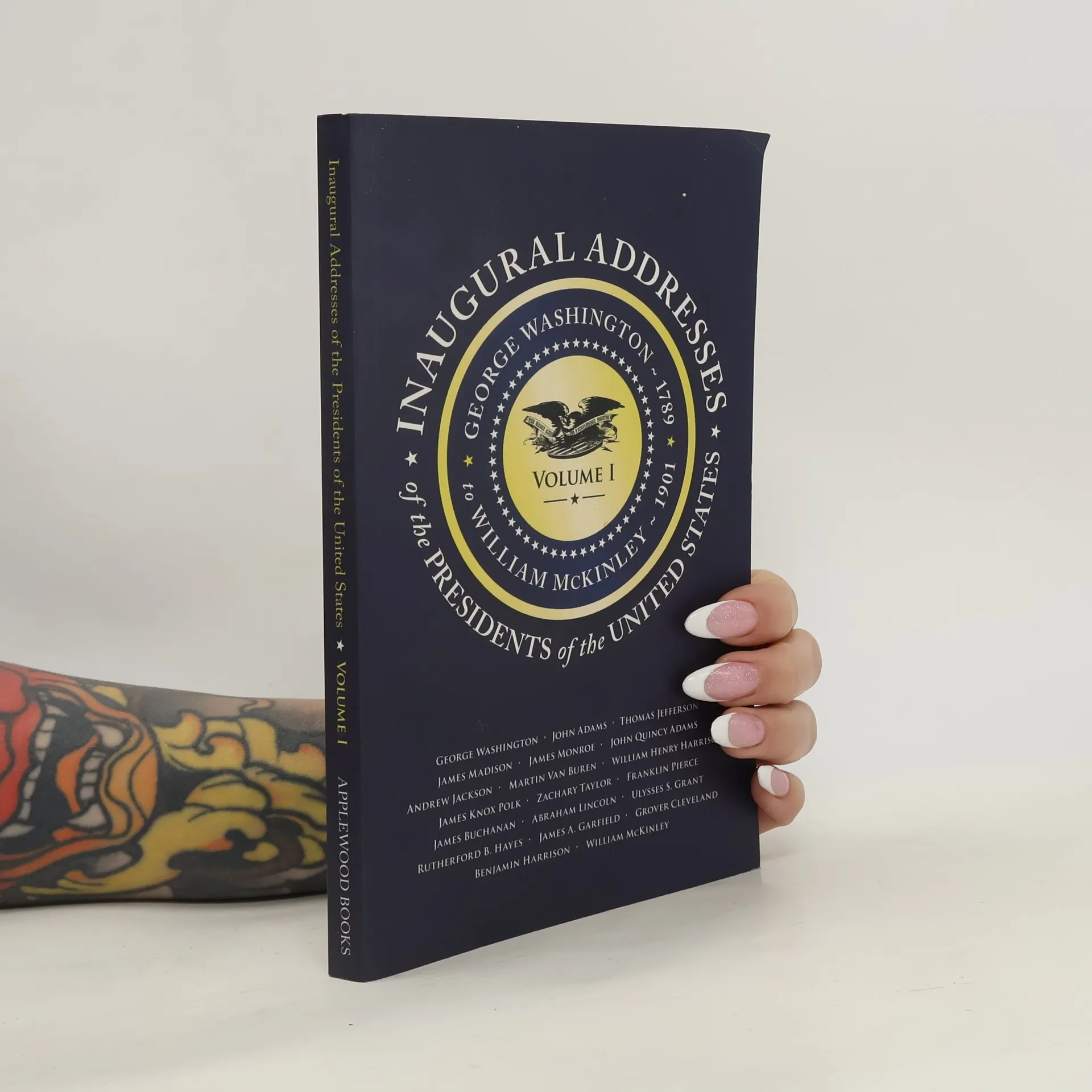
Inaugural Addresses of the Presidents of the United States
George Washington (1789) to William McKinley (1901)
- 204pagine
- 8 ore di lettura
This revised edition of the first volume of The Inaugural Addresses of the Presidents of the United States begins with the first inaugural address of of George Washington (1789) and concludes with the second inaugural address of William McKinley (1901). Outlining the life of a nation through its most famous speeches, United States presidential vision and policy is seen here through the addresses of the Presidents. Volume One includes the inaugural addresses of George Washington, John Adams, Thomas Jefferson, James Madison, James Monroe, John Quincy Adams, Andrew Jackson, Martin Van Buren, William Henry Harrison, James Knox Polk, Zachary Taylor, Franklin Pierce, James Buchanan, Abraham Lincoln, Ulysses S. Grant, Rutherford B. Hayes, James A. Garfield, Grover Cleveland, Benjamin Harrison, and William McKinley.
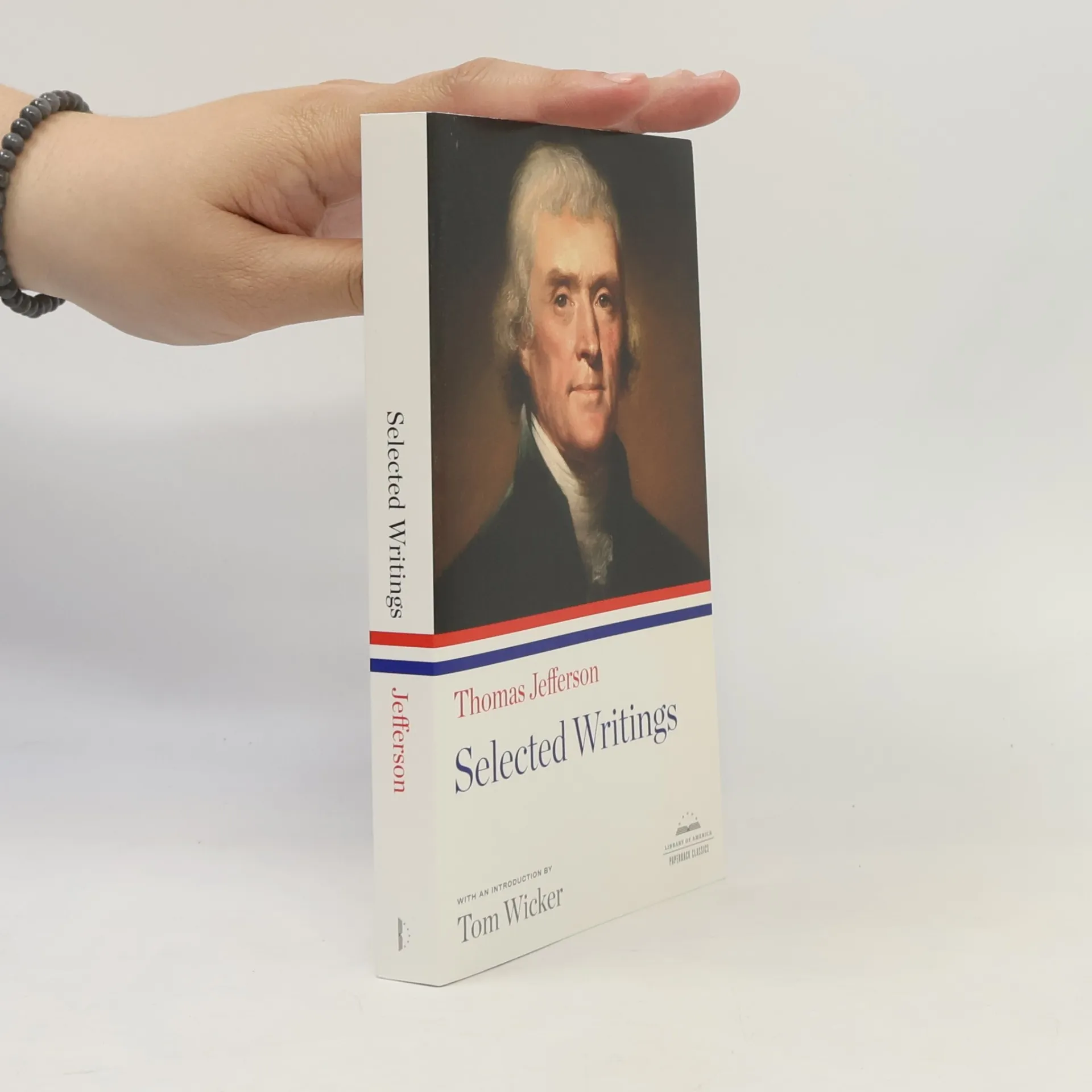
Thomas Jefferson: Selected Writings: A Library of America Paperback Classic
- 435pagine
- 16 ore di lettura
The writings of Thomas Jefferson offer a profound exploration of America's Revolutionary and early national eras, reflecting his diverse interests and eloquent style. They provide a detailed account of the nation's landscape, inhabitants, and daily life, while also showcasing Jefferson's significant influence and controversial legacy in shaping American political thought. His insights continue to resonate in contemporary political discourse, making his work an essential resource for understanding the foundations of the United States.
Anthology of the most important documents of the United States of America formatted for digital readers with linked articles and amendments. * The Constitution of the United States of America, with the Bill of Rights and all of the Amendments; * The Declaration of Independence; * The Articles of Confederation; * The Port of Boston Act Table of Contents: 1. The Declaration of Independence 2. The Constitution of the United States 1. Preamble 2. Article I - The Legislative Branch 3. Article II - The Executive Branch 4. Article III - The Judicial Branch 5. Article IV - The States 6. Article V - Amendment Note 7. Article VI - Debts, Supremacy, Oaths 8. Article VII - Ratification Documents 9. The Amendments - Bill of Rights 3. The Boston Port Act 4. The Articles of Confederation 5. Extras 1. Misspellings in the U.S. Constitution 2. Constitutional Amendments Process 3. Constitutional Topic: Ratification Conventions 4. The Constitutional Dictionary
The explosive manifesto for the American Revolution, introduced by the co- author of Empire
The Quotable Jefferson
- 557pagine
- 20 ore di lettura
More than any other Founding Father, Thomas Jefferson made his reputation on the brilliance of his writing, and few writers have said so much on so many subjects. This comprehensive book demonstrates that thoroughly.
The Jefferson Bible
- 171pagine
- 6 ore di lettura
We must reduce our volume to the simple evangelists, select, even from them, the very words only of Jesus. There will be remaining the most sublime and benevolent code of morals which has ever been offered to man.—Thomas Jefferson Featuring an introduction by Forrest Church, this reissue of The Jefferson Bible offers extraordinary insight into the logic of Thomas Jefferson and the Gospel of Jesus. Working in the White House in 1804, Jefferson set out to edit the Gospels in order to uncover the essence of true religion in the simple story of the life of Jesus. Jefferson was convinced that the authentic message of Jesus could be found only by extracting from the Gospels Jesus's message of absolute love and service, rather than the miracle of the Annunciation, Virgin Birth, or even the Resurrection. Completed in 1819, this little book is the remarkable result of Jefferson's efforts.
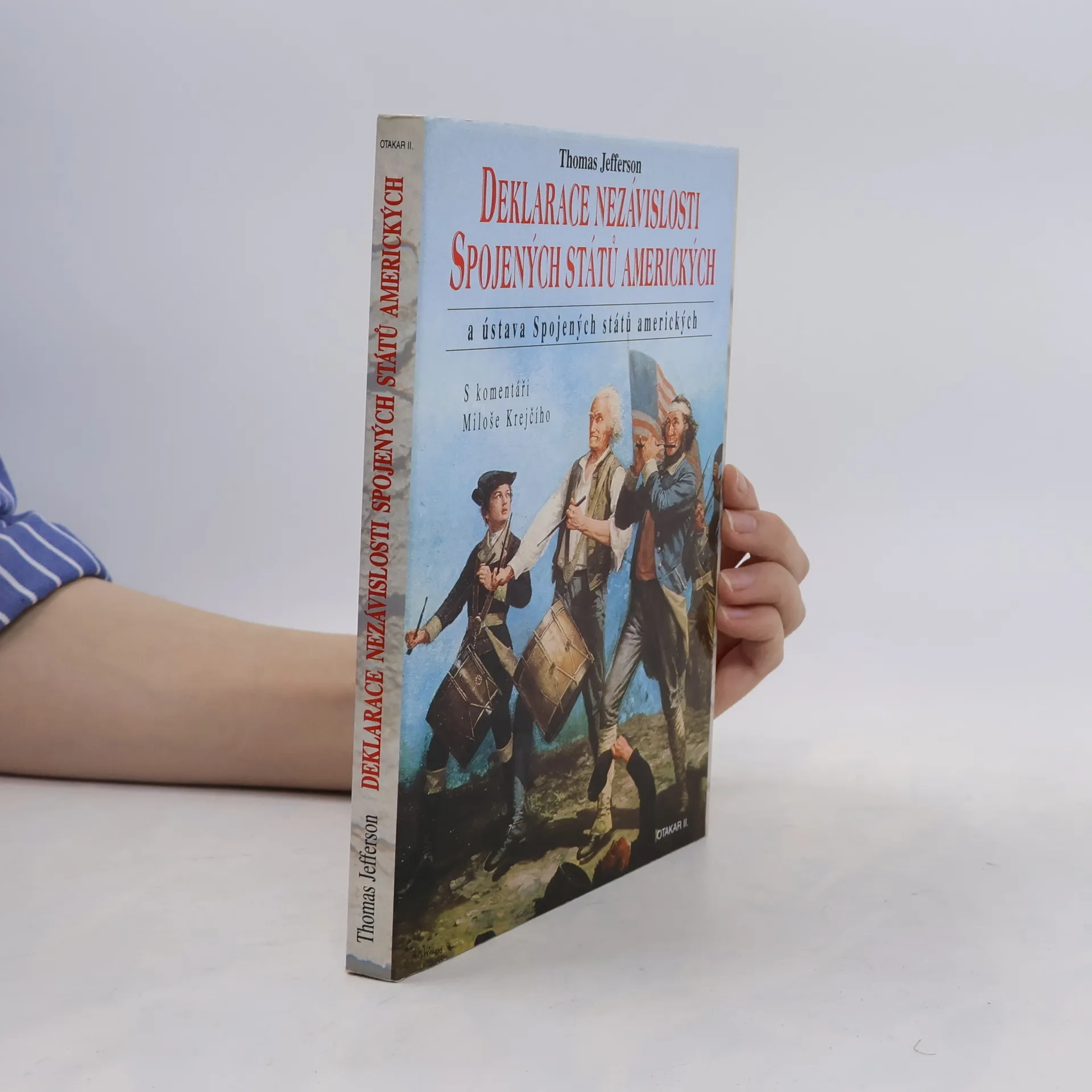
Deklarace nezávislosti Spojených státu amerických a Ústava Spojených států amerických
- 178pagine
- 7 ore di lettura
Vývoj ústavního systému USA a jeho současná podoba. Rozpor mezi demokratickým charakterem ústavy a politickou realitou. Stav ochrany lidských práv v USA v historickém kontextu.
The Constitution of the United States of America
- 79pagine
- 3 ore di lettura
A pocket edition of America's founding documents.To encourage people everywhere to better understand and appreciate the principles of government that are set forth in America’s founding documents, the Cato Institute published this pocket edition of the Declaration of Independence and the Constitution of the United States of America. With more than three million copies in print, this edition’s influence has been observed far and wide. It has been held up by senators at press conferences and by representatives during floor debate; found in federal judicial chambers across the country; appeared at conferences on constitutionalism in Russia, Iraq, and elsewhere; and sold at U.S. Park Service stores, Restoration Hardware, and book stores around the country. It’s a perfect gift for friends and family. Order your copies today!
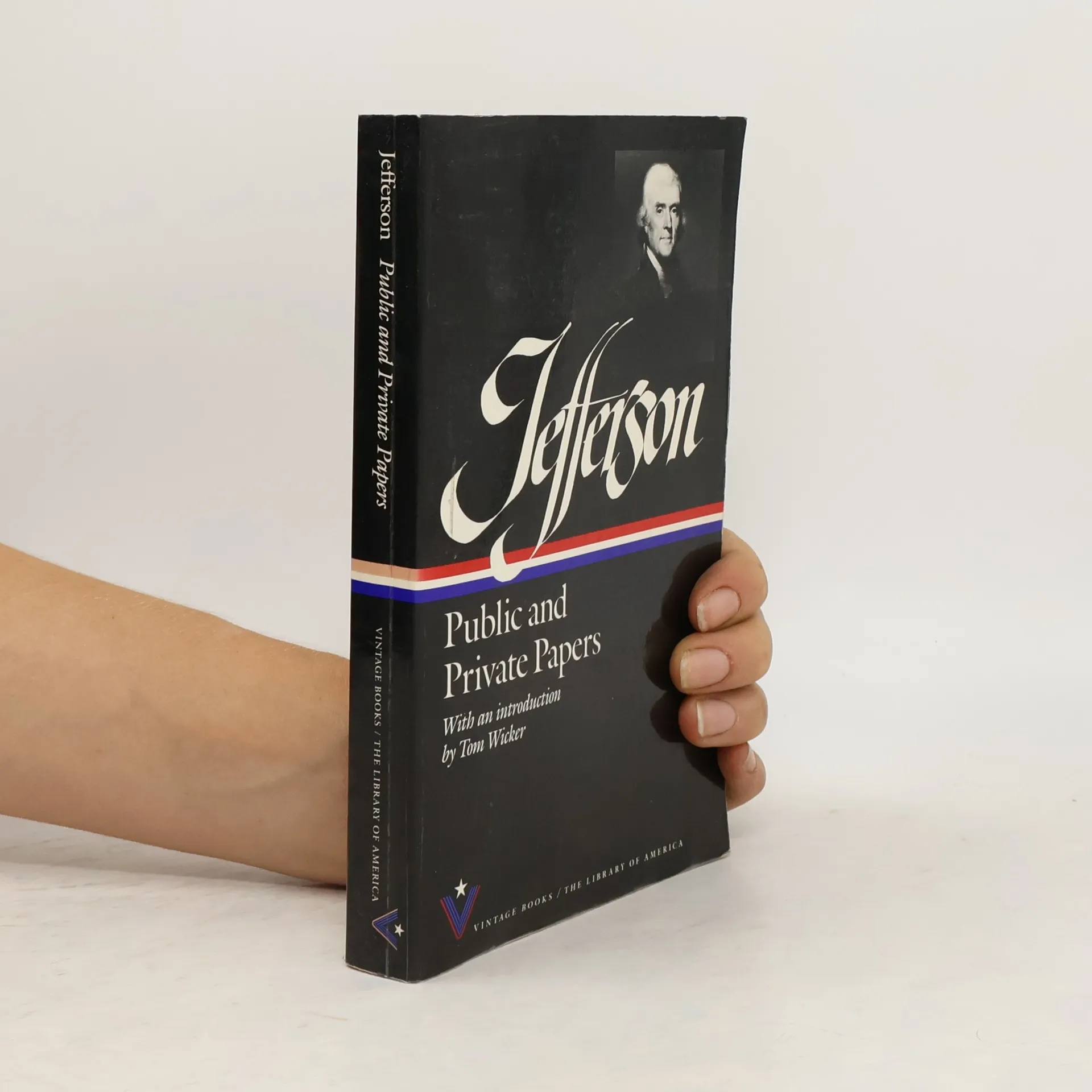
Public and Private Papers
- 415pagine
- 15 ore di lettura
Author of the Declaration of Independence, statesman, architect, scholar, farmer, Thomas Jefferson had an extraordinary range of interests. His writings are an invaluable and incisive record of the life and landscape of America at the time of its birth.
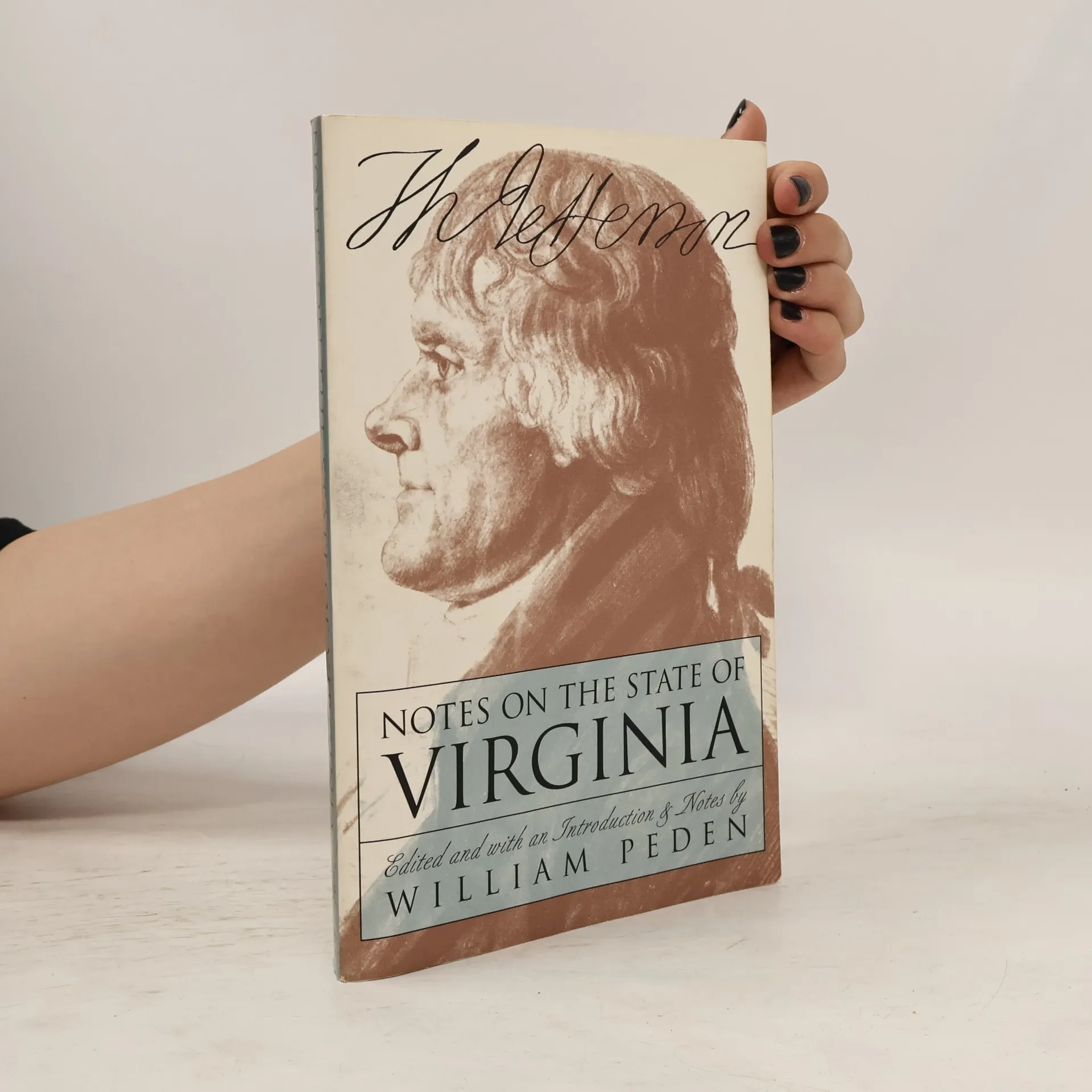
Notes on the State of Virginia
- 344pagine
- 13 ore di lettura
Focusing on the resources and institutions of Virginia, the work reveals Thomas Jefferson's profound philosophical, political, and ethical beliefs. It addresses significant topics such as slavery, education, religious freedom, and the separation of church and state, making it a crucial reflection of his principles. Additionally, it includes insights into North American flora and fauna, showcasing Jefferson's diverse interests and intellect. This meticulously edited edition by William Peden preserves the significance of Jefferson's only full-length book published during his lifetime.
Includes A Summary View of the Rights of British America and Notes on the State of Virginia complete; seventy-nine letters; "Response to the Citizens of Albemarle," 1790; "Opinion on the Constitutionality of a National Bank," 1791; and many other writings.
Die drei Grossen Amerikaner: Hamilton, Jefferson, Washington
Auszüge aus ihren Werken