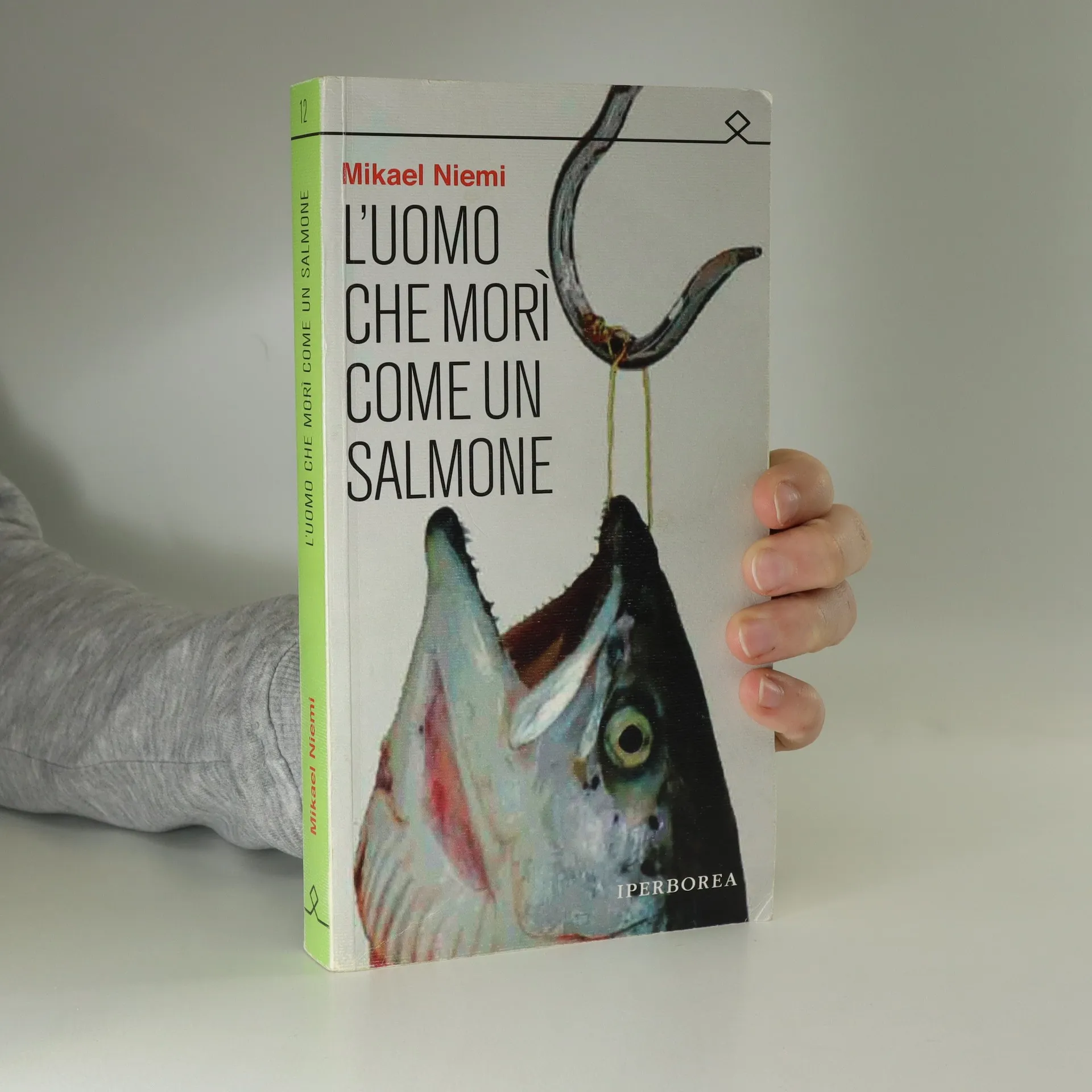
Nel silenzio compatto della sua villetta di legno, il vecchio Martin Udde giace con la bocca e lo stomaco spalancati, infilzato da una fiocina per salmoni, mentre qualcosa si carbonizza sul fornello acceso. Chi ha turbato la pace della sperduta cittadina di Pajala, sospesa nel tempo e nelle foreste del selvaggio nord? Inviata da Stoccolma, la detective Therese Fossnes si ritrova straniera in un mondo arroccato sulle proprie radici, che della Svezia rifiuta non solo il progresso, ma anche la lingua. Sotto il sole implacabile dell'estate artica, tra irriducibili attivisti politici, sadici rapinatori di anziani e lo strano fascino di un uomo dei boschi come Esaias, indiziato numero uno, Therese ha una sola certezza: l'omicidio ha a che fare con il menkieli, il finlandese parlato da questa minoranza di confine in crisi d'identità, che da oltre un secolo ha l'amo svedese conficcato nella spina dorsale. Suspense nera e atmosfere alla fratelli Coen in un poliziesco crudo, lirico, irriverente, che si cala nel cuore ferito di un popolo con l'ironia e il potere visionario della grande scrittura.
Mikael Niemi Libri
Mikael Niemi è un autore svedese celebrato per la sua distintiva voce narrativa, che spesso incorpora l'unico idioma meänkieli. Le sue opere esplorano il ricco arazzo culturale della sua terra natale, presentando storie che risuonano profondamente con i lettori. La capacità di Niemi di fondere prosa lirica con temi avvincenti ha consolidato la sua reputazione di figura letteraria significativa.

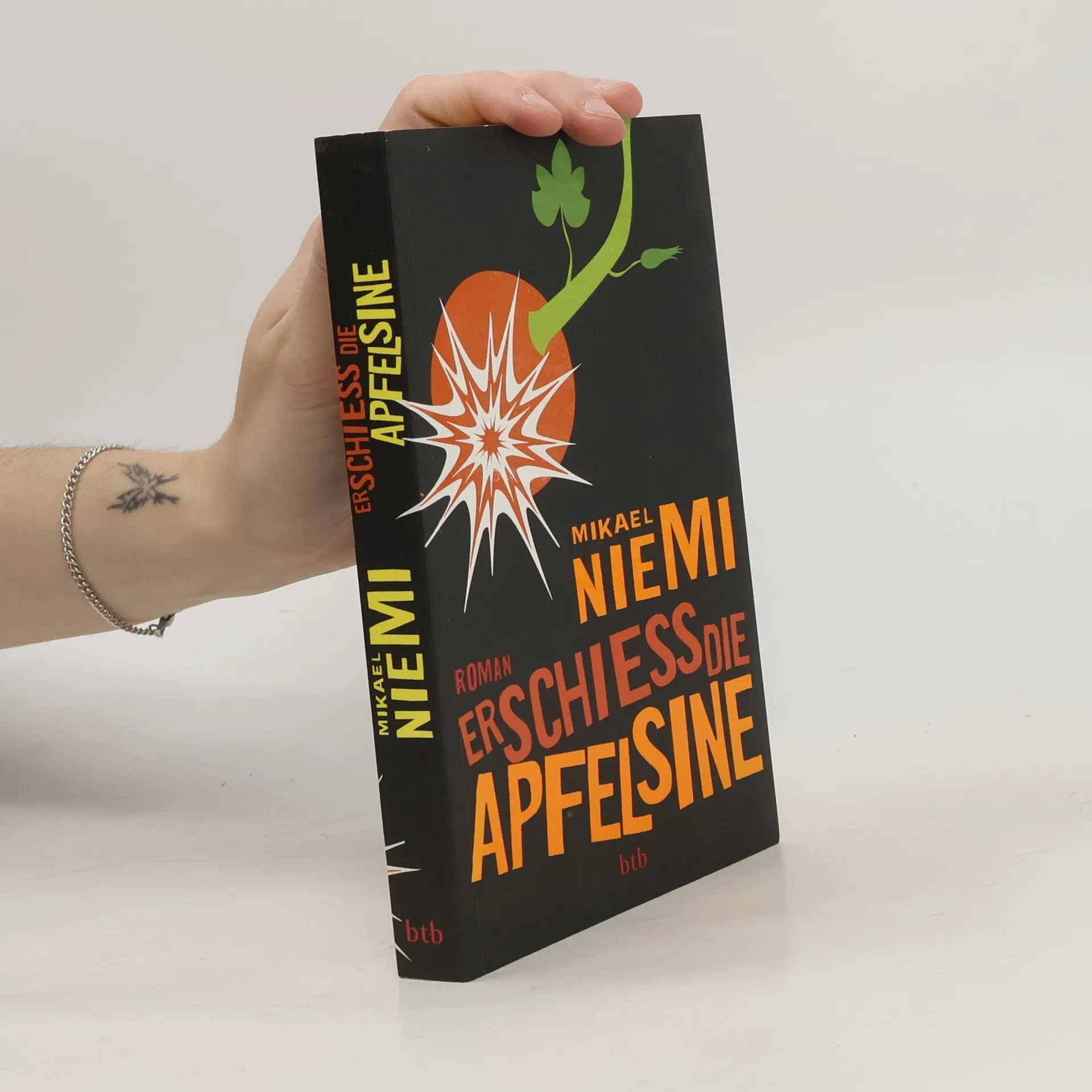

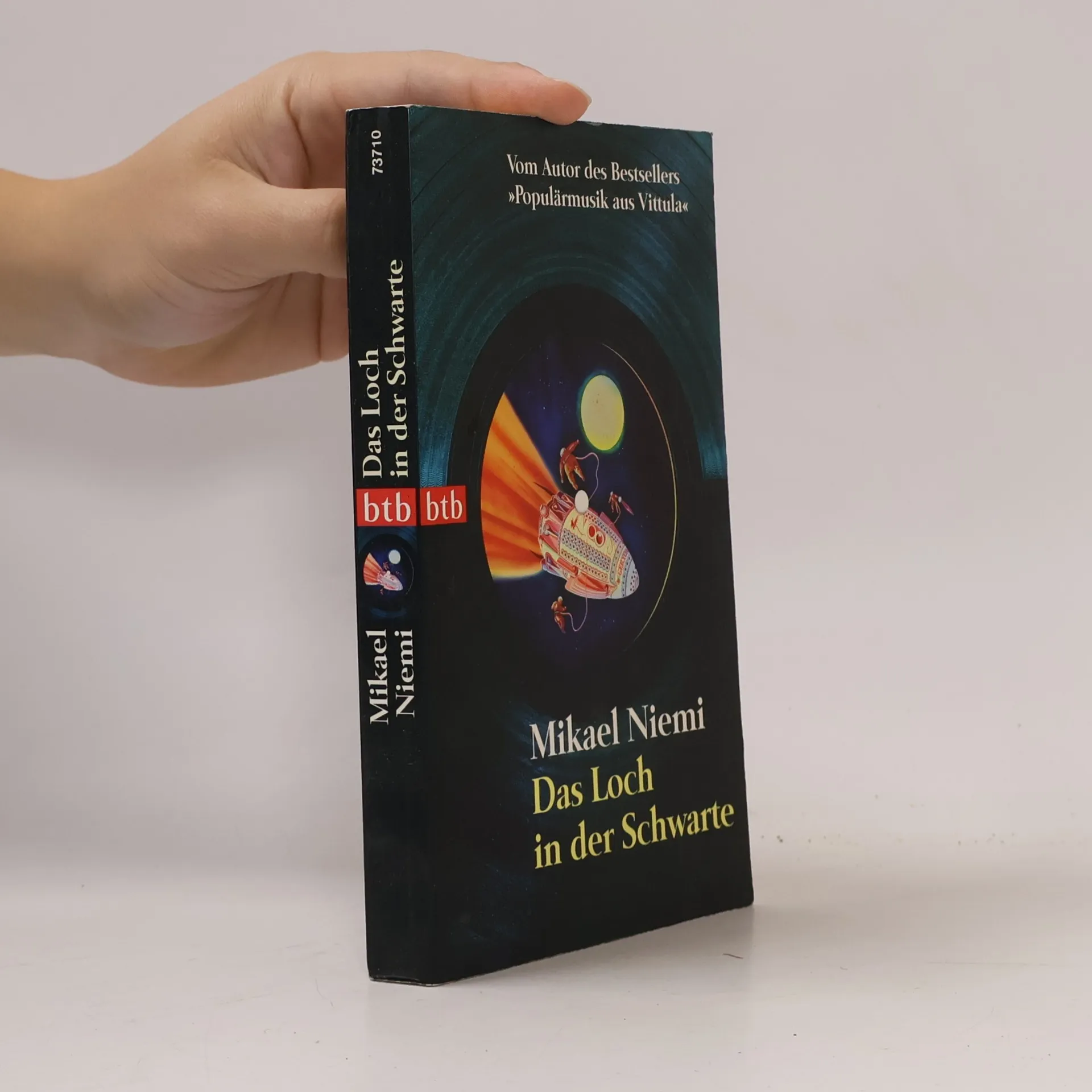
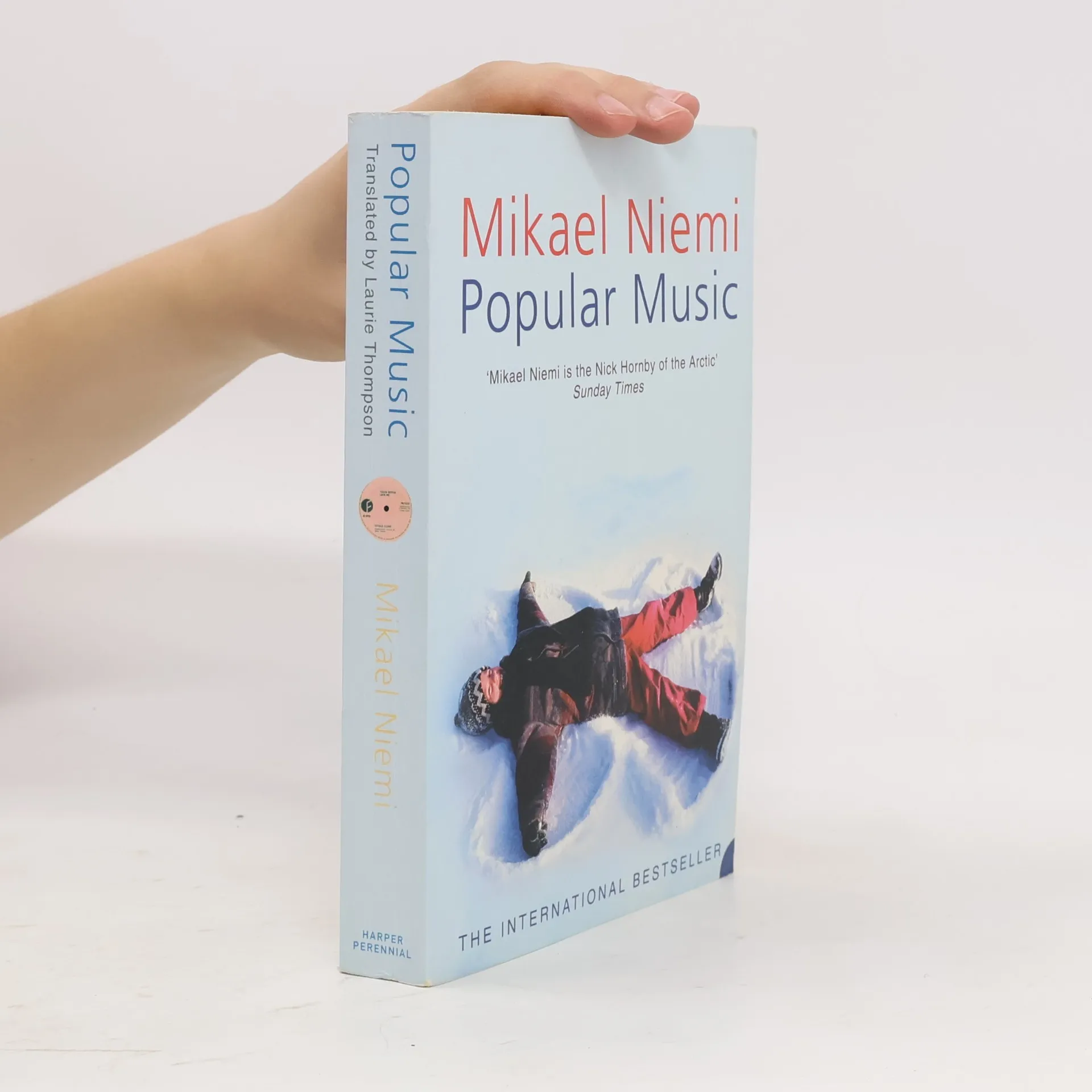
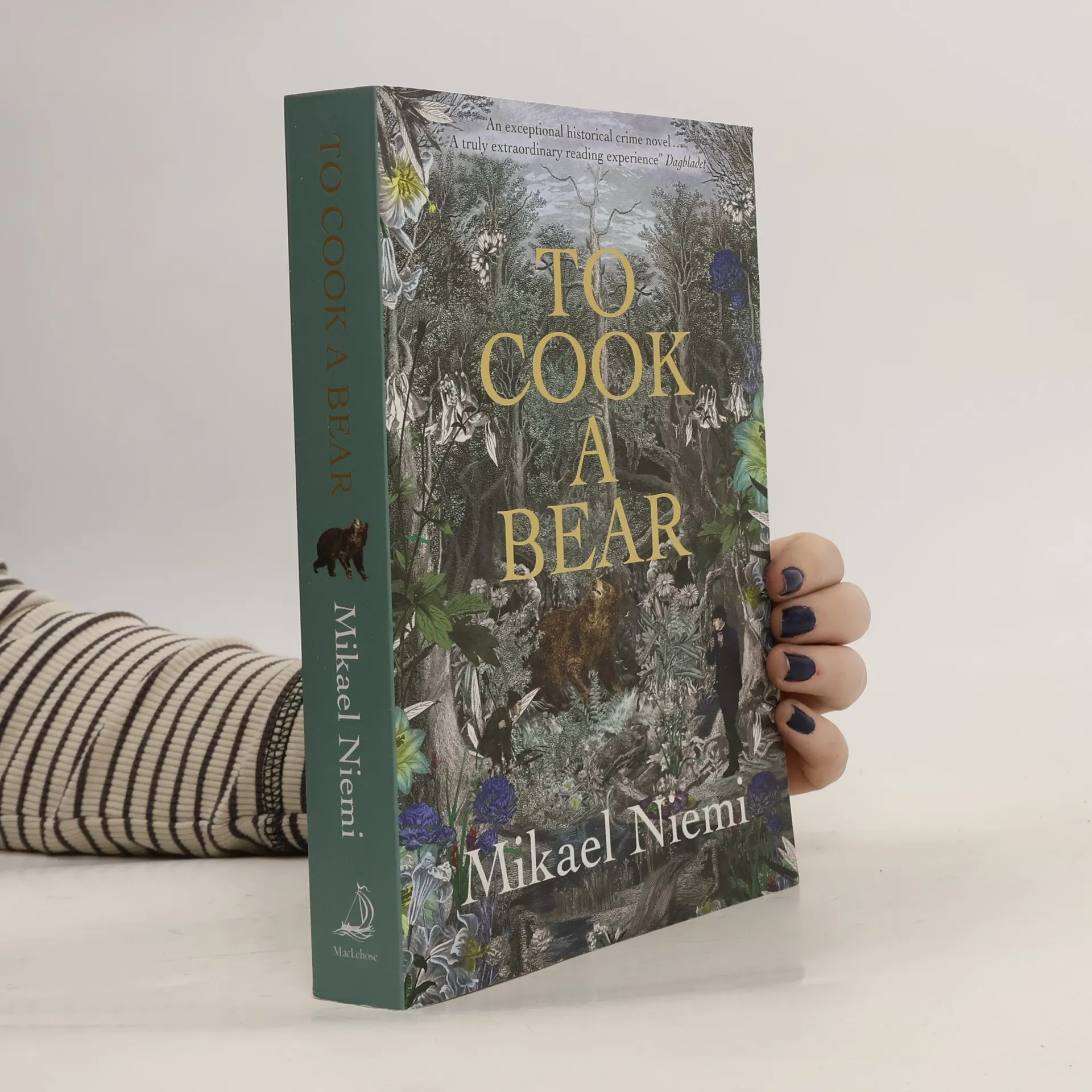
To Cook a Bear
- 464pagine
- 17 ore di lettura
In the summer of 1852, in Kengis village in northern Sweden, revivalist preacher Lars Levi Laestadius saves a young Sami boy named Jussi from a life of abuse and neglect. As Jussi becomes Laestadius's devoted disciple, the preacher introduces him to the wonders of botany, teaching him about plants, literacy, and faith. During this revivalist period, Laestadius's fervent sermons inspire the local community, leading many to abandon alcohol for a more profound spiritual life, which angers local authorities concerned about their dwindling profits. Amidst this backdrop, a maid goes missing in the forest, followed by another disappearance. One is found dead, the other injured, and suspicion falls on a predatory bear. While the constable offers a reward for the bear's capture, Laestadius suspects a more sinister threat. Alongside Jussi, he delves into the investigation, transforming into an amateur forensic expert, oblivious to the encroaching danger. This gripping narrative not only entertains but also explores profound philosophical questions, resonating with themes found in works by Victor Hugo and Marilynne Robinson. The story captivates readers, drawing them into its vivid world and emotional depth. Translated from Swedish by Deborah Bragan-Turner.
Popular Music
- 368pagine
- 13 ore di lettura
Winner of the equivalent of the Booker prize for Sweden, Mikael Niemi's narrative of a young lad growing up in an isolated town in the Sweden of the 1960s is a story of longing.
Geschichten aus der fernen Zukunft: grandios komisch, ungeheuer verwegen, absolut unterhaltsam Pajala ist überall! Der Autor des Bestsellers „Populärmusik aus Vittula“ legt nach und die schwedische Presse ist wieder begeistert: „Wir wussten es schon immer. Nun sind die letzten Zweifel beseitigt: Mikael Niemi spinnt. Aber auf so verdammt brillante Weise, dass wir ihm bedingungslos folgen, wohin immer er geht.“ Diesmal führt er uns in die ferne Zukunft, in einen Alltag, der in all seiner Skurrilität, seinen Irrungen und Wirrungen doch sehr dem Leben im nördlichen Schweden ähnelt.
Ďáblík
- 192pagine
- 7 ore di lettura
Třináctiletý Matti uposlechne tajemného volání svého rodu a začíná naplňovat svoje poslání – boj proti Zlu, představovanému náhle oživlými ďáblíky. V paralelním snovém světě prochází rituálním zasvěcením a stává se šamanem. Pomáhají mu jeho dva věrní kamarádi, krásná Malin, do níž je tajně zamilován, a Simon s darem jasnozřivosti. Pak přicházejí i další pomocníci – záhadný dědek s darem zastavovat krvácení a kouzelný šamanský nůž. Naprosto netradičním způsobem se dostaví i magické zvíře, které stojí po boku každého šamana. Kdo zvítězí – mladý šaman, nebo ohavná horda nelítostných ďáblíků?
Niemis Held ist 16 Jahre alt und geht aufs Gymnasium. Er teilt seine Klasse in Hosenscheißer und Idioten ein. Die Hosenscheißer bekommen alles vorgesetzt und haben Eltern, die dafür sorgen, dass es ihnen im Leben gut geht. Die Idioten wissen, dass die Hosenscheißer immer siegen werden, finden sich jedoch damit ab und wollen nur nicht stören. Niemis Held ist fest entschlossen, nicht so ein kriecherischer Idiot zu werden. Auch wenn ihn seine erste große Liebe wie den letzten Dreck behandelt. Er gewinnt viele Feinde, aber auch einige Freunde. Wie das schwarzhaarige Mädchen aus dem musischen Zweig mit den grünen Augen. Oder Pålle, den sie mobben und der aus schwierigen Familienverhältnissen stammt. Den Hosenscheißern werden sie es schon noch zeigen - und auch der übrigen Welt.
Wie würdest du dich verhalten im Angesicht einer Katastrophe? Hoch oben im Norden Schwedens regnet es schon fast den ganzen Herbst. Und dann zeigen sich im obersten Staudamm des Lule älv tatsächlich Risse. Keiner kann sich vorstellen, dass er brechen könnte. Doch dann geschieht genau das - die Katastrophe nimmt ihren Lauf. Das Wasser kommt in gigantischen Massen. Ein Tsunami im eigenen Land. Inmitten des Infernos eine Gruppe von Menschen, die unterschiedlicher nicht sein könnten und die nun aufeinander angewiesen sind, wollen sie überleben: Der Hubschrauberpilot, der kurz vor einem Selbstmord stand. Die Künstlerin, die mit ihrer Malgruppe in den Wäldern umherstreift. Die Schwangere, die an einen Schornstein geklammert um ihr Überleben kämpft und von einem anderen Schiffbrüchigen ins Boot gezerrt wird. Zwei Ingenierinnen, die schon lange vor der Gefahr gewarnt haben. Sie alle stehen vor einer gewaltigen Herausforderung: Sie kämpfen nicht nur ums Überleben, sondern auch um ihre eigene Menschlichkeit ...